
I’m in a horrible funk today. I need a break from all the horrific news swirling around us. So here’s something that’s not horrible.
Not Ready for Prime Time
Based on my own experiences after doing some cursory testing and poking at it since July, I’ve been wanting to sit down and write a lengthy rant about how Apple’s next operating system, Catalina, was still—even on beta 4—a hot mess. For all the years I’ve been playing around with these betas, it’s never been this bad this close to the supposed release.
I learned my lesson with Yosemite about never installing a beta—no matter how stable it may seem—as your daily driver, and in all the years since I’ve been installing these betas on an external USB drive.
Because of the lackluster experience I’d been having with Catalina thus far, a few weeks ago I gave up on it, erasing the external SSD and swearing I wasn’t going to waste any more time with it until the Gold Master arrived—and maybe not even then.
But in the Forums lately I’d been reading (hey, just because I’m not actively participating at the moment doesn’t mean I’m not still interested) about people who’d installed it on a separate partition on their internal drive with great success. So the other day at lunch, curiosity about how to actually do this led me to a video explaining how Apple’s file system actually works, and how each hard drive is just an object within the larger APFS container. Furthermore these objects can shrink or grow as necessary within that container so I didn’t have to commit to losing a fixed amount of drive space up front. (At least I hope I’m understanding that correctly.) Since I had about 150GB free on my internal SSD I thought I’d experiment a little bit and create another drive just to see how it worked. It worked. Maybe too well for my own good. Totally separate, and yet fully accessible to the main drive. (Like a separate partition, a “D” drive in Windows parlance.) When I was done experimenting, I deleted it with no ill effects.
Yesterday my masochistic tendencies must’ve kicked in, and since it was slow at work I thought I’d try the installing the beta—now ticked up to release 5—on the main SSD in a different object. And that’s what I did. And you know what?For the most part it worked flawlessly.
The problem I ran into was that while most of the applications I use on a daily basis would run just fine, the Brave browser and several “mission-critical” apps (I’m looking at you, Adobe) wouldn’t even install. I could copy Brave and its settings (as well as Photoshop and Bridge) directly over from the main drive and they’d run, but you couldn’t install them directly because the installers wouldn’t load, being blocked by the new software-must-be-signed-by-Apple (SIP on steroids) security features of the OS. Attempting to run Acrobat DC directly from the old drive produced another, different error, telling me it needed to be reinstalled. 1Password wouldn’t integrate with Brave, and well…the list went on.
It was an interesting exercise. this latest iteration of Catalina now seems stable and almost ready to take the stage (a marked change from my last experience with it), but the major supporting players are still struggling with their lines.
September’s gonna be interesting…
Reconnecting With An Old Friend
Yes, I write about stupid stuff on this blog; just like I used to do with my Journals back in the 90s. The only difference is you’re not going to hear tales of wanton abandon at the west end of Golden Gate Park.
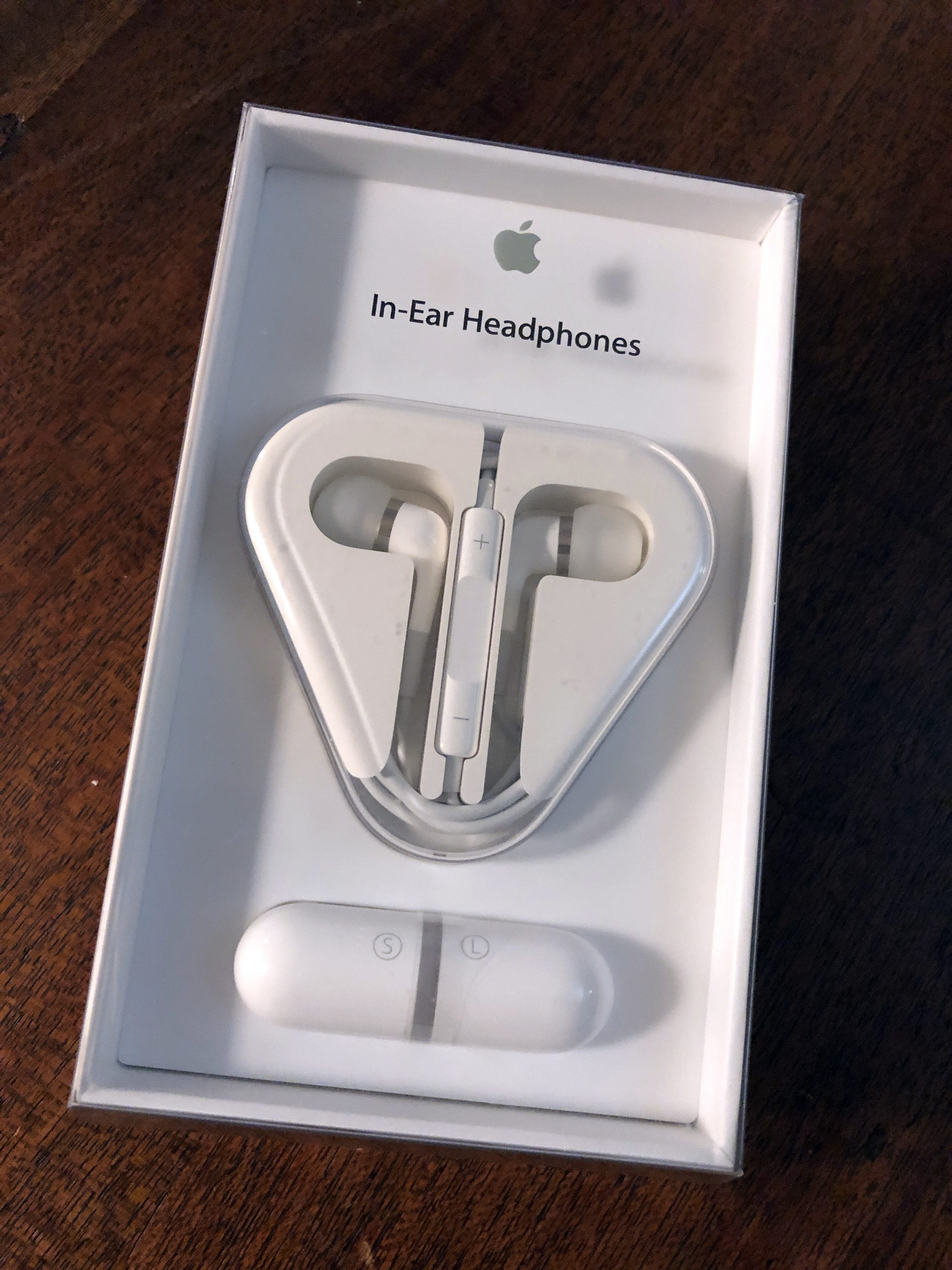
In this age of headphone jack scarcity and Bluetooth everythingness, it might seem strange that—after having adopted that mindset myself for the past several years—on a whim I sought out to replace my once-favorite pair of wired headphones after coming across the empty packaging they came in a couple weeks ago.
But I did.
I’m not a fan of the standard earbuds that come with Apple’s iPhones, although I will admit the sound quality seems to have gotten better over the years. (They usually stay in the box, unused and unopened, until the phone is resold, but I pulled out the latest iteration a few weeks ago and was pleasantly surprised at how much better they seem to have gotten.) My biggest beef with them remains—and why I have no desire to buy the wireless Earpods—is the complete lack of any sort of seal against outside noise. (This makes them impossible to use in my local Starbucks, where it now seems to have become the norm to have the music at discotheque volume ALL THE TIME—an issue I’ve reported to corporate on more than one occasion with a friendly “we’re sorry, here’s x-dollar credit on your Starbucks Card” response.)
I discovered Apple’s in-ear headphones back in 2013. I remember Ben and I making a right-before-closing trek to the Aspen Grove store because I’d reached the end of my rope with the Earcandy (or whatever brand it had been at the time) I’d been using and wanted more for my daily commute to and from Hell, otherwise known as DISH Corporate Headquartrers.
In my opinion, these were the best wired earbuds I’d ever owned. I was devastated when they finally died. I could have replaced them, but I’d gotten Ben a wireless pair of Jaybird Bluetooth headphones and was so impressed with the sound that I paid twice as much as I would have for the replacement to get a pair.
I still have those Jaybirds, and have in fact, replaced those with another pair of Jaybirds that I’ve been using without complaint for about a year or so. (Did you know it’s actually possible to force your Mac to use the best codec possible when listening through Bluetooth? I didn’t prior to last week.)
Anyhow, the last time I saw these Apple in-ear phones was at an Apple store about a year ago. Even though I was perfectly happy with my Jaybirds, I was sorely tempted to pick up another pair, because I knew with Apple’s elimination of the headphone jack it was only a matter of time before they disappeared from the shelves.
While chatting with my friend John after finding the headphones’ old packaging, the subject of these headphones came up, and—feeling a bit nostalgic—on a lark I went to the Apple website to see if they were still available. They weren’t.
But they were still available from other retailers—and for $30 off their original price.

They arrived a week ago, and I love them as much as ever. Unlike the Jaybirds, where I’ve always struggled (on both pairs owned) to get a good seal in my ear canal, the Apple phones fit perfectly and block out almost all outside sound.
Admittedly they aren’t quite as bright as the Jaybirds, but I can live with it, the difference being so slight to these old ears it really doesn’t matter.
Two Years With This Piece of Crap

It seems a lot longer.
So This Happened
“Apple has expanded the existing keyboard repair program for all Apple laptops containing the butterfly design keyboards (including even the brand new MacBook Pro models they just released today, which is interesting, but should be reassuring for those purchasing new Mac laptops).”
What I find most disturbing about this is that the brand. new. models. are included on this 4 year replacement program, indicating that Apple itself doesn’t have much faith in whatever changes they made to the now fourth generation butterfly mechanism.
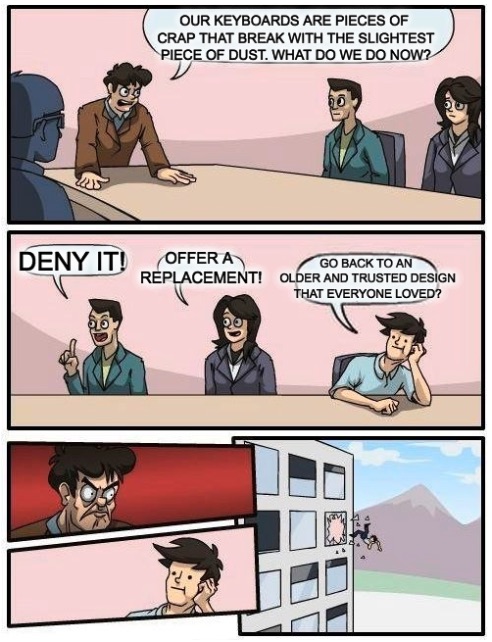
Go Home, Apple. You’re Drunk
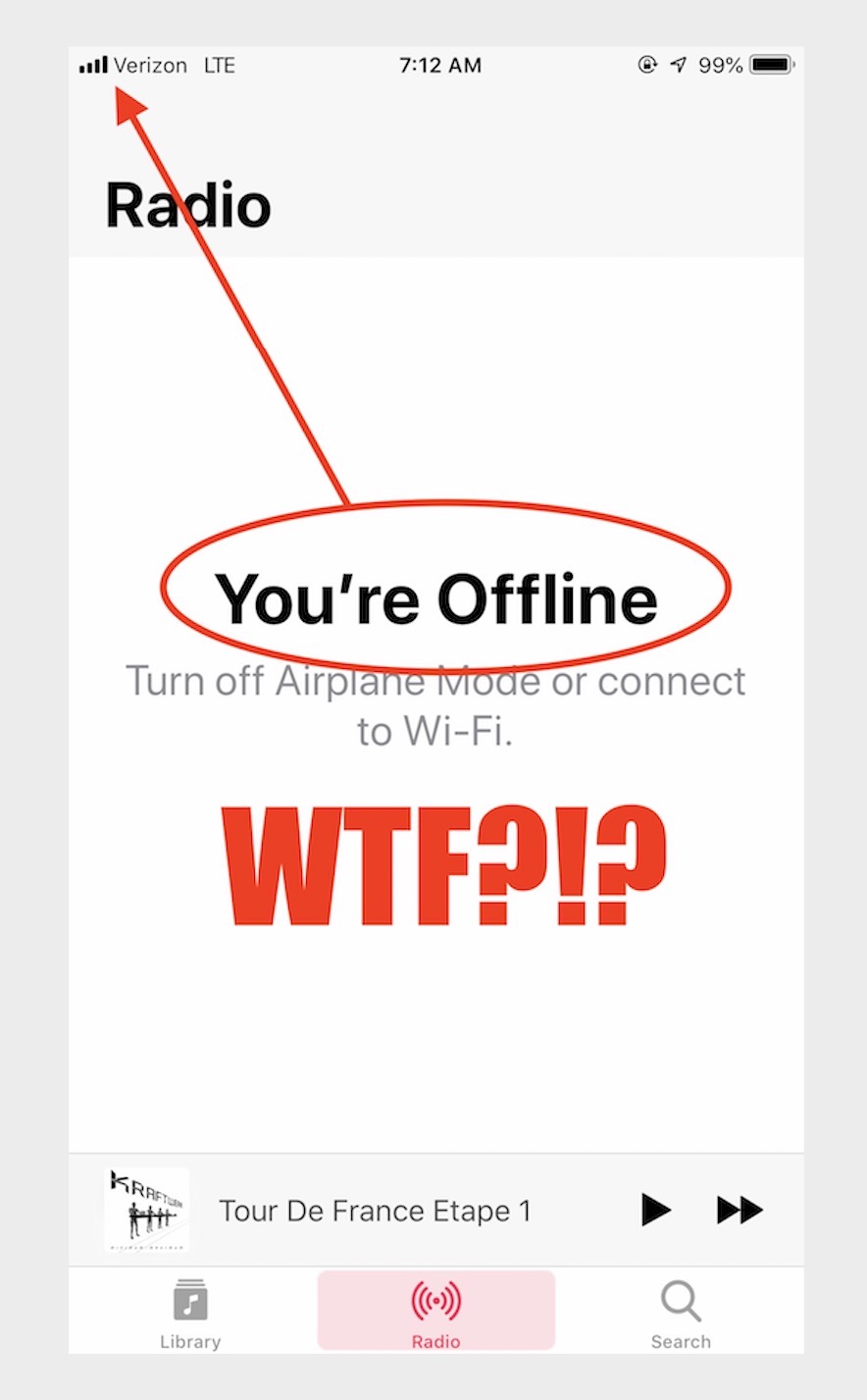
“It just works!”
They’re All Gone
And it’s obvious.
Apparently It’s Still Not Fixed
While it’s been nearly a year since my last keyboard replacement and—knock on space gray aluminum—I’ve had no issues since then, apparently even the “new and improved” third generation butterfly design Apple introduced in the 2018 MacBook Pro and MacBook Air are still breaking down. We all know what “a small number of customers” means in Apple-speak.
News for you, Apple: Steve is gone. We are no longer subject to his personal reality distortion field.
Joanna Stern of The Wall Street Journal absolutely excoriates Apple for issues she’s having with her 2018 Air—to the point of writing an essay that by default is missing the letters her keyboard refuses to type. It’s accompanied by an equally engaging video.
It’s a brilliant move that is sure to have the folks in Cupertino downing bottles of Tums—and rightfully so. It’s well past time for these butterfly keyboards to be retired. In my fantasy Apple would recall the lot and outright replace the machines once a truly better design is implemented. That will never happen of course because it would involve Apple admitting that they actually screwed up—something that they will never do. The most we can hope for is that in its place their current program of replacing the keyboards/top cases/batteries for 4 years from date of purchase is expanded to include the 2018 models.
And when a new keyboard is introduced (and you know one will be, because this replacement program has got to be impacting the company’s bottom line in a not-insignificant fashion), they’ll herald it as “revolutionary” and worthy of worship—even if it’s simply going back to the more reliable scissor mechanism that’s currently being used in their stand-alone keyboards.
Software Recommendation
I rarely do this, but here goes…
In addition to the Mac Finder, there are three other pieces of software that I’ve been using on a regular basis for years: Adobe Bridge, Renamer 5, and Transmit. Earlier this week I discovered an application that takes over the functions of all 3: Forklift 3.
It’s a file manager, multiple file batch renamer, image viewer, and FTP Client rolled into one. And while you wouldn’t expect it, it does all of those things very well. It normally retails for $29.99, but if you use the code IDOMIX at checkout, the cost is cut by 50%. I’ve only been using it a few days, but it seems to be worth every penny.
I’m not ready to give up on Bridge for heavy lifting just yet, but if Forklift allowed you to list all the file properties under the icons, I might be sorely tempted.
If you’re a Mac user, check it out. You can try it out with the free version and if you like it you can snag the full version. But don’t wait too long; I don’t know the shelf life of that coupon code.
7 Tips for Mac Users
7 Painful Truths
I have to admit I agree with pretty much everything he says.
I Don’t Know Why I Find This Shit So Relaxing
Let’s Face It…
Closer to reality than anyone would like to admit…
That Took Only Three More Hours
I was missing more album art than I’d thought.
Curiously, they were all images that I know I didn’t save.
Death By a Thousand Cuts
Back in September, after months of playing around the macOS Mojave beta on an external drive and then installing the final beta on my main drive (and then almost immediately removing it), I wrote about my reluctance to upgrade when the final product was released.
Well, you know me. Is early-adoption/masochism a thing? The day it came out—despite everything I’d bitched about—I went ahead and upgraded, thinking that I’d eventually be able to live with its quirks because, you know…new and shiny!
After three months, I’m here to say I can’t.
The further I got into it, the more annoying all those little quirks became. Yeah, I got over not being able to use cDock, but having to choose all dark or all light in the UI became intolerable. The fix I’d found for letting you have a dark menu bar and dock while leaving everything else untouched? That is what was causing Adobe Bridge to come up with a solid black screen, and the only way to fix that was to totally uninstall and reinstall Bridge!
Even after the 10.14.1 update came out a couple weeks ago the window transparency problems I’d written about weren’t addressed, leading me to believe this is what Apple wants. (In prior versions of the OS, when you turned off transparency in System Preferences, it shut off everywhere. Now it only turns off parts of windows.) I like my wallpaper as much as the next guy, but I don’t want to see blurry splotches of it coming through on stacked windows above it, and I don’t want to have to live with a solid dark grey background for the life of the OS just to force things to behave the way they did previously.
Speaking of wallpaper, prior to Mojave, whatever wallpaper you had chosen was lightly blurred on the initial login screen so you could easily see everything in front of it. In my opinion, it was a beautiful effect. The blurring is now gone, with no way of getting it back.
You can no longer use any quartz-based screensavers like my favorite, Minimal Clock. You can’t delete (without disabling SIP and resorting to a bunch of terminal commands) any of the preinstalled bloatware they ported over from iOS (Voice Memos, Stocks, News, and Home).
And the spinning beach balls. Don’t even get me started.
When selecting a different wallpaper, it now took forever for the app to generate the thumbnails that you’d choose the wallpaper from. Prior to Mojave, it was near-instantaneous. Wallpaper. It’s always fuckin’ wallpaper. Problems with wallpaper are the reason I finally left Microsoft for Apple nine years ago.
Death by a thousand cuts.
By yesterday morning I’d had enough. I know for the most part my complaints are all little, UI-related issues, but the UI is the forward-facing part of the OS, and for me these issues made what used to be a pleasant experience nearly unbearable.
First world problem, I readily admit.
I knew from my previous attempts at going backward with anything Apple related would be a pain in the ass. Even though I had a current backup, I wouldn’t be able to use Migration Assistant to restore my data after I rolled back the OS to High Sierra. So I performed my due diligence, made sure everything that I would have to manually restore was at the ready, and reinstalled High Sierra.
Everything went fine until I opened iTunes.
“You need to upgrade your OS in order to use this iTunes library.”
FUCK. ME.
My heart sank. 11000+ songs, carefully curated. Inaccessible. Oh, the files were still safe, but my playlists, history, metadata…couldn’t be accessed. I briefly thought about manually reloading the files, but realized that wouldn’t solve the problem. The playlists would still be gone, as well as the yearly history of when the songs had been originally added.
At that point—frustrated and very, very angry at Apple—I wiped the drive and booted off my Cloned drive. I started the process of restoring the whole thing back to Mojave. Access to my music was more important than the UI annoyances.
By this time Ben had gotten home and after venting my frustrations to him, I sat down in the living room while the restore proceeded, and pulled out my phone, Googling “restore iTunes library.”
There was a solution.
Of course there was. Ten minutes after wiping a day’s work.
So I stopped the restore, wiped the drive again, and started reinstalling High Sierra. I needed to step away from this clusterfuck for a while, so we went to dinner. By the time we’d returned my little Mac was sitting there waiting for my input to finish the install.
The first thing I did was check the fix I’d found online. It worked. (I’m missing a lot of album art, but I have that backed up too, so it will just be a matter of manually restoring whatever’s missing.) And then for the next five hours, I reinstalled all my apps and manually transferred my data from the backup drive.
It was during this whole fiasco that I realized that Apple truly has become Microsoft. Not just any Microsoft, but the Microsoft of 2009 that sent me fleeing to Apple in the first place. Once upon a time, Apple did “just work.” You’d be able to restore your drive with a minimum of fuss, but—and I hate to say this, because it’s almost a meme at this point—since Steve Jobs’ death, quality control at Apple has gone to shit and some days it seems nothing works. Apple is now all about pleasing 12-year old rose-gold iPhone girls with winking emoji and candy colors everywhere, leaving their once-core customer base twisting in the wind, making it as difficult as possible for them to do anything other than what Apple has decided is in their best interest.
Remember Microsoft Vista? Remember how the howls of outrage actually got someone’s attention in Redmond, resulting in Windows 7, probably the most stable OS that company ever produced? I believe that’s where we are with Apple. Mojave is Apple’s Vista. The question is if anyone in Cupertino is actually listening, or even cares…
Some Thoughts About That Company in Cupertino
Mojave
For the past couple months I’ve been playing around with the beta versions of Apple’s latest OS, “Mojave.” I smartly installed it on an external SSD drive instead of mucking up my main drive like I did years ago with Yosemite. The problem with this approach is that my external drive won’t hold all my data, so I’m kind of limited in what I can test.
Since Mojave is currently up to Beta 9, and based on Apple’s history, the final version will be probably be released in the next couple weeks, last night I backed up my main drive and pulled the trigger.
All this little exercise did was confirm my initial impression that this may be the first macOS update that I skip.
There’s just something off about it. I can’t put my finger on any one thing, but it just feels wrong. It’s not dark mode, the fact that you can now change the highlight color to a virtual rainbow of tones, the convoluted way of making screen shots, the dynamically-changing wallpaper, or any of the other new “features” in and of themselves. It’s the sum total. To me, none of these things are wanted or needed, and once again, in Apple’s infinite wisdom, they chose to remove features I actually used.
The laptop also ran slower. “Oh don’t worry about that. Everything will return to normal as soon as Spotlight if finished reindexing your files.”
(Warning: First World Problems)
With the full implementation of dark mode, they’ve taken away the ability to have a dark title bar and dock while retaining the regular light mode everywhere else. This is something I’ve used for years, since most of my wallpapers tend to the dark side (Do I hear mechanical breathing?), and in my opinion it just looks better. But now it’s gone. All dark or all light is your only choice and I don’t care for the all dark mode in its current iteration. There is a workaround via a Terminal command that will restore that dark title/light window functionality—to a degree—but it really screws with the shading of the light windows once in place: none of them seem to match any more.
Because Apple.
I used a program called cDock for years to customize the appearance of the dock. Since Yosemite I’ve hated the default Apple dock. Among other things, cDock allows you to kill the dock background altogether; to make it “transparent.” It also has dozens of various other combinations, each of which can be tweaked to get the exact look you desire. To be honest, ever since Apple implemented SIP it’s been a bit of a pain in the ass to set up, but at least by temporarily disabling SIP you could install the program, re-enable SIP afterward, and it would run fine. Now SIP needs to be permanently disabled (which isn’t a good idea from a security standpoint) in order for cDock to run at all.
Because Apple.
Safari initially refused to load the AdBlock plus extension which really pissed me off, but when I finally got it running, it nagged that it would slow down my browsing.
Because Apple.
Adobe Bridge came up…with a completely black screen, something it never did when I was running Mojave from the external drive.
I’m not going to bitch about that too much because this is beta software and I’m sure that particular glitch will be worked out before release day.
But it was at that point that I’d had enough of new-and-improved. I shut the machine down, rebooted, wiped the drive, and restored my backup. I’m such a Luddite.
Hardware
The last MacBook I owned that still had a removable SSD was the MacBook Air in 2012. Yes, it was prohibitively expensive to replace the drive with a bigger one, but at least I knew I could do it if I ever wanted to.
Beginning in 2013 however, everything was soldered in place. I was okay with that, since I was now on a regular backup schedule so in case anything did go south at most I’d lose a day’s worth of data.
I learned recently from getting lost in Louis Rossmann videos (yes, I watch more online than guys banging each other) that up until the 2018 models, all MacBook Pros with soldered-in SSDs had a special port on the system board that would (at least theoretically) allow a technician to transfer data off a SSD even if the rest of the system board was toast.
Well, Apple has now removed that since everything is now encrypted as it passes through the T2 chip. Better pray that you’re backing up nightly and you don’t have any issues with said backup.
Remember when everything “just worked?” Yeah. Good times.
While it looks like the butterfly keyboard issue has been resolved (we won’t know for sure until the 2018 models age a bit more), there’s no chance Apple will ever go back to their much-loved previous design. And that’s the crux of a lot of my beef with Apple these days. They will never admit they made a mistake on anything and go back to earlier tech that worked perfectly well. Build a MacBook that’s 1mm thicker so the old keyboard design can be put back into use? NEVER.
So why do I keep buying Apple products? Because I like their design and overall build quality enough to justify their premium price. And despite what I just wrote about Mojave, I do still prefer the Mac OS over anything else out there. And lastly, I trust Apple with my offsite data a hell of a lot more than I do Microsoft. I realize they are not the same company they were in 2009 when I initially joined the legion of fanboys. They’re far bigger, have many more customers, and frankly, screwups happen. But they can’t coast on goodwill forever if these type of QA and design problems continue.
Organizing
As I’ve written before, I confess I’m more than just a bit of a digital hoarder.
I have a 500 GB drive in my laptop. 500 GB should be more than enough for anyone these days—unless you’re editing feature-length CGI motion pictures. If you are doing that sort of work, you shouldn’t be doing it on a laptop (despite what Apple would have you believe).
Just sayin’.
Whenever I get a new laptop (or am forced to transfer my data off and back on during a repair), I don’t actually go through stuff before that happens; much like when you physically move and just toss stuff in another box that should be thrown out.
Because of that, I have documents and data from twenty years ago. Records of things I don’t own, don’t care about, and don’t need. I noticed the other day I had “only” 80 GB free on my drive.
It was time to do some housecleaning.
I know I didn’t want to just get rid of everything. It had to be curated and moved to an external drive. Trouble was, I already had an “Archive” drive that was full of crap already. My folder structure had also changed considerably since I set up that archive drive so it wouldn’t just be a matter of dragging folders. No, this was going to require getting down and dirty and pretty much going through everything.
I finished the project up last night. I had removed nearly 200 GB from the main drive and completely reorganized the folders on the archive drive and eliminating duplcates on the archive.
The only problem was this morning I realized that at some point I had deleted a folder completely that I wanted to keep. (I’m not surprised. I was working on this until nearly 2 am.) Of course, in my anal-retentiveness I had long since emptied the trash on not only the main drive but also the old archive drive and the new archive. This morning (before I realized what was missing) I overwrote my existing Carbon Copy clone of the main drive.
D’oh!
No problem, I thought. My backup routine includes not only a Carbon Copy clone, but also a regular backup to a Time Machine on our home network. I fired up time machine and…discovered that my Pictures folder HAD NOT BACKED UP SINCE APRIL.
Everything else was there. Pictures was not.
What the fuck, Apple? I mean seriously. WHAT THE FUCK.
“It just works.” My ass it does.
I checked Time Machine settings, and Pictures was not, in any way, excluded from the backup routine.
(If you use Time Machine I would seriously consider taking a moment to verify that none of your top-level folders are missing from your backups.)
Since I obviously can’t rely on Time Machine any more, I should probably get another Carbon Copy clone drive going and alternate them on a daily basis.
Now the missing folder wasn’t anything that I’d go into a suicidal funk over if I couldn’t get back; it was just several years of screenshots off the television…but I wanted them back.
I sighed, took a deep breath, and restored most recent “TV Screencaps” folder that the Time Machine had. It obviously didn’t contain everything, but it was better than what had transferred from the original archive drive.
I located a file restore utility called Magoshare on the interwebs this afternoon. Almost every application I ran across that claimed to be able to restore deleted files would list them, but if you actually wanted to restore thm, you’d have to cough up anywhere between 70 and 100 bucks. Not in my budget at the moment. Magoshare on the other hand, would let you restore up to 500 MB for free, and I couldn’t imagine that I had anywhere near that much still missing. I haven’t done anything to my original external archive drive, so I knew the data was still there; it just wasn’t indexed. Magoshare has been humming away for the last six hours locating every erased file on the drive. It still hasn’t found the folder in question, but I’m not surprised. The progress bar is about a third of the way across (currently having found 400,000 files) and it’s telling me it’s going to be another four hours before it’s finished scanning.
Tomorrow morning, if the missing folder or its contents aren’t found, I’m going to take it as a sign from on high to simply move on…
UPDATE:
It’s time to move on.
I Love This Guy
Louis Rossman: How the genius bar handles data during customer repairs sucks.
This Pleases Me
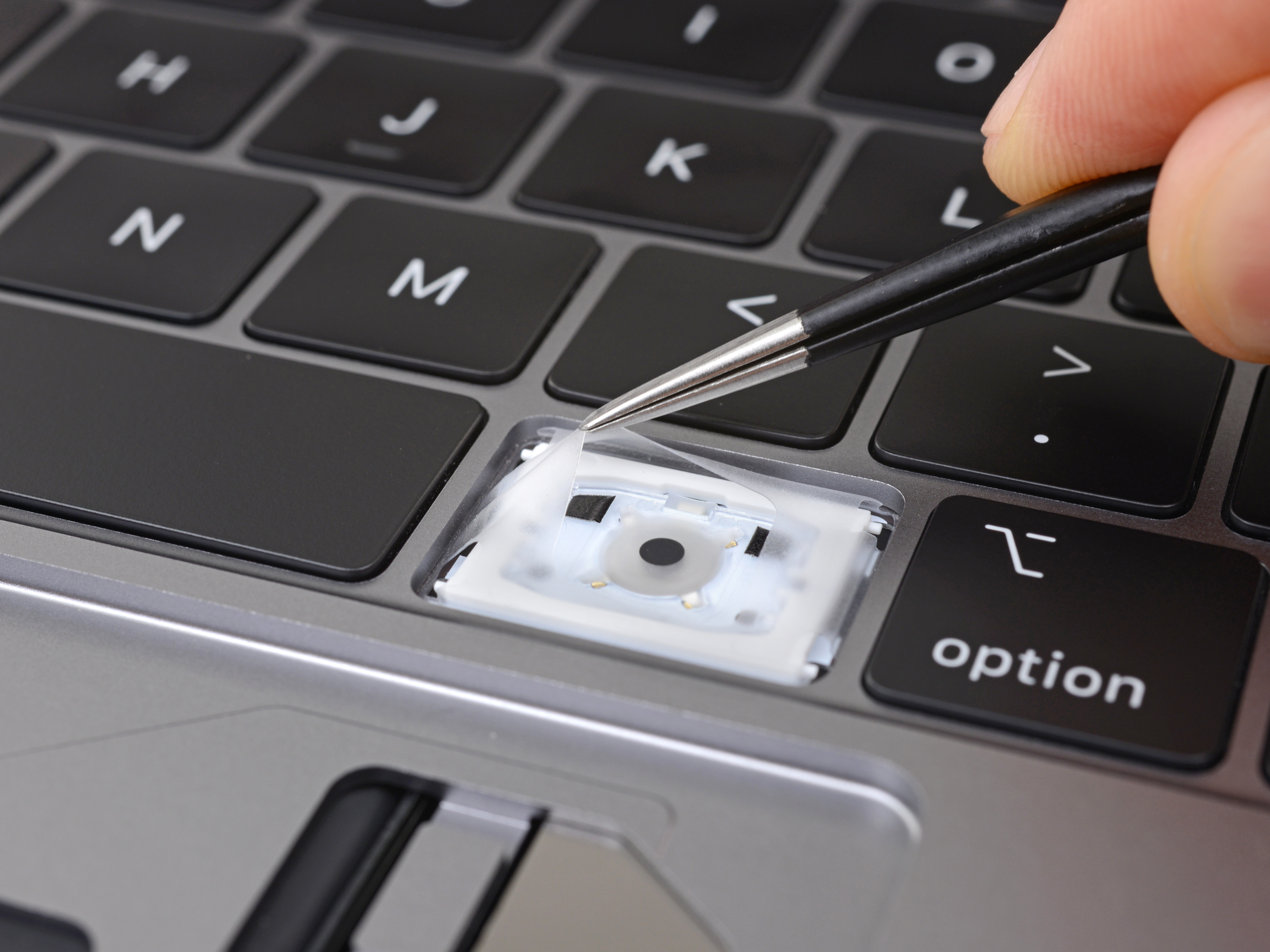
As you’ve no doubt heard by now (if you follow tech news at all), last week Apple surprised nearly everyone by releasing new versions of the 13- and 15-inch Touchbar MacBook Pro. Amid the other upgrades and improvements was the addition of the Third Generation Butterfly Keyboard “to decrease the noise level” of the previous generation. Not as Apple was quick to point out, to increase the reliability of the keyboard itself. Because you know, the problem with the previous generation of keyboards was reported by only a very small number of users. That’s why they’re replacing even out-of-warranty keyboards free of charge now and refunding the folks who’ve forked out money to get them repaired in the past.
It has nothing to do with all the bad press and multiple class-action lawsuits. Um. Yeah. Whatever, Apple.
As the folks at iFixit quickly discovered, Apple’s redesign includes what I call a keyboard condom; a extremely thin layer of silicone polymer between the key mechanism and key cap that not only cuts down on the sound of the keyboards, but also does it’s best to keep out the detritus that can render the previous keyboards inoperable.
While this will affect me in no way whatsoever because Apple has categorically stated these new parts will not be used to repair the previous generations, (“We’re going to replace pieces that break with more pieces that will break!”) it at least it restores my faith enough that I wouldn’t hesitate to buy a new machine if/when the need arises.
It’s About Fuckin’ Time
I just got mine back from repair yesterday afternoon.
Via The Verge:
Apple has officially acknowledged that there are problems with its “butterfly” mechanism built into the keyboards of the recent MacBook and MacBook Pro laptops. The company is now offering an extended keyboard service program for computers affected by the issue, via iMore.
The extended warranty covers replacement of one or more keys or the whole keyboard, depending on the extent of users’ problems, and it covers eligible laptops up to four years after the computer was bought at retail. (Every MacBook and MacBook Pro model with the butterfly switches seems to be included.) That’s dramatically longer than the limited warranty the computers ship with or even Apple’s extended AppleCare Plus.
According to Apple’s service page, the program covers the following issues:
● Letters or characters repeat unexpectedly
● Letters or characters do not appear
● Key(s) feel “sticky” or do not respond in a consistent manner
Complaints from users about Apple’s recent laptop keyboards have grown in the past weeks and months, with people saying that the keyboards tend to fail entirely when encountering dust and the fragile design makes them difficult to repair. And while it’s certainly taken longer than most users would probably have liked, it’s good to see Apple is finally taking steps to solve the problem.
It Finally Happened
It took nearly a decade, but I finally had a truly horrific encounter at Apple’s Genius Bar.
This was the third time the keyboard on my year-old MacBook Pro has gone out. This time it was the “b” and “n” keys. As of yesterday morning, both were either double-typing or not typing at all.
We arrived a few minutes before my scheduled appointment. Our genius acknowledged our presence and a few moments later had us at the Bar. Unfortunately, he was simultaneously servicing four other customers at the same time, and it was nearly 40 minutes before he actually addressed my issue.
Ben had a similar but worse problem with his MBP a few months ago. At that time my faith in Apple had been restored because instead of more bullshit sending the unit out for another top case replacement, the Genius spoke with his manager and simply swapped out the entire laptop. That is the Apple of old.
No such luck with me last night. First, the Genius insisted on taking the laptop to the back to blow out the keys—even though I’d told him I’d already done that multiple times with no improvement. That obviously did not solve the issue, so instead of proposing swapping the machine out, he said it would have to be sent out AGAIN for top case replacement. He didn’t even consider speaking with his manager to get it replaced outright.
Seriously? THIS IS THE THIRD FUCKING TIME IN A YEAR. Am I going to have to go through this every six months? It was obvious the guy was either new or had drunk too deeply of the Apple Kool-Aid. While he admitted that I was having trouble with this keyboard, he refused to acknowledge that this was a systemic problem affecting most of the 2016/2017 models. (Maybe they have a corporate gag order in place since they’ve been slapped multiple class-action lawsuits over the design of this keyboard.) In any case, it was obvious he was simply working from a script and not even considering deviating to “surprise and delight” the way Ben’s Genius had done.
I’m in a quandary about what to do when I get it back from repair (probably next Thurday or Friday). I can either sell it to a local reseller for a third of what I paid for it and possibly get a used 2015 or 2014 model that does not have these keyboard issues for a reasonable amount of money, or I can keep it and probably go through this bullshit every six months until my Apple Care runs out.
Except for the keyboard breaking down, I do genuinely like that laptop. It’s fast. The display is amazing. Touch ID is undeniably convenient. All things that are painfully obvious as I type away on Ben’s old 2010 MBP that I am so incredibly thankful we didn’t sell after he upgraded. (I’ve had to transfer my profile back and forth so many times now I’ve got it down to a science!)
And please, don’t tell me I to buy a Dell or an HP. I support those things at work, and the only thing I hate more than the 2016/17 MBP keyboards is Windows.
Helping Out a Friend
A few weeks ago my buddy Mark (I know far too many Marks) in California was telling me he was ready to throw his MacBook Pro (mid 2012) through a wall. It had gotten slow and unresponsive to the point of being unusable.
He couldn’t afford to upgrade to a new one—something I strongly dissuaded him from doing anyway based on my own experience over the past year—and instead suggested he increase the RAM and swap out the spinning hard drive with an SSD since his was the last year of “upgradeable” MBPs and it would be a relatively easy process.
He didn’t feel comfortable doing it himself, and since I have always been his hardware go-to guy but now lived 700 miles away, he asked, “Can they do that at the Apple Store?”
“Probably, but you’re better off just buying the parts and sending it all to me. It will be cheaper in the long run and you’ll know all your data will be transferred properly.”
“Tell me what I need to buy.”
So last Thursday the machine arrived, along with 8GB RAM and a new 512 GB Intel SSD.
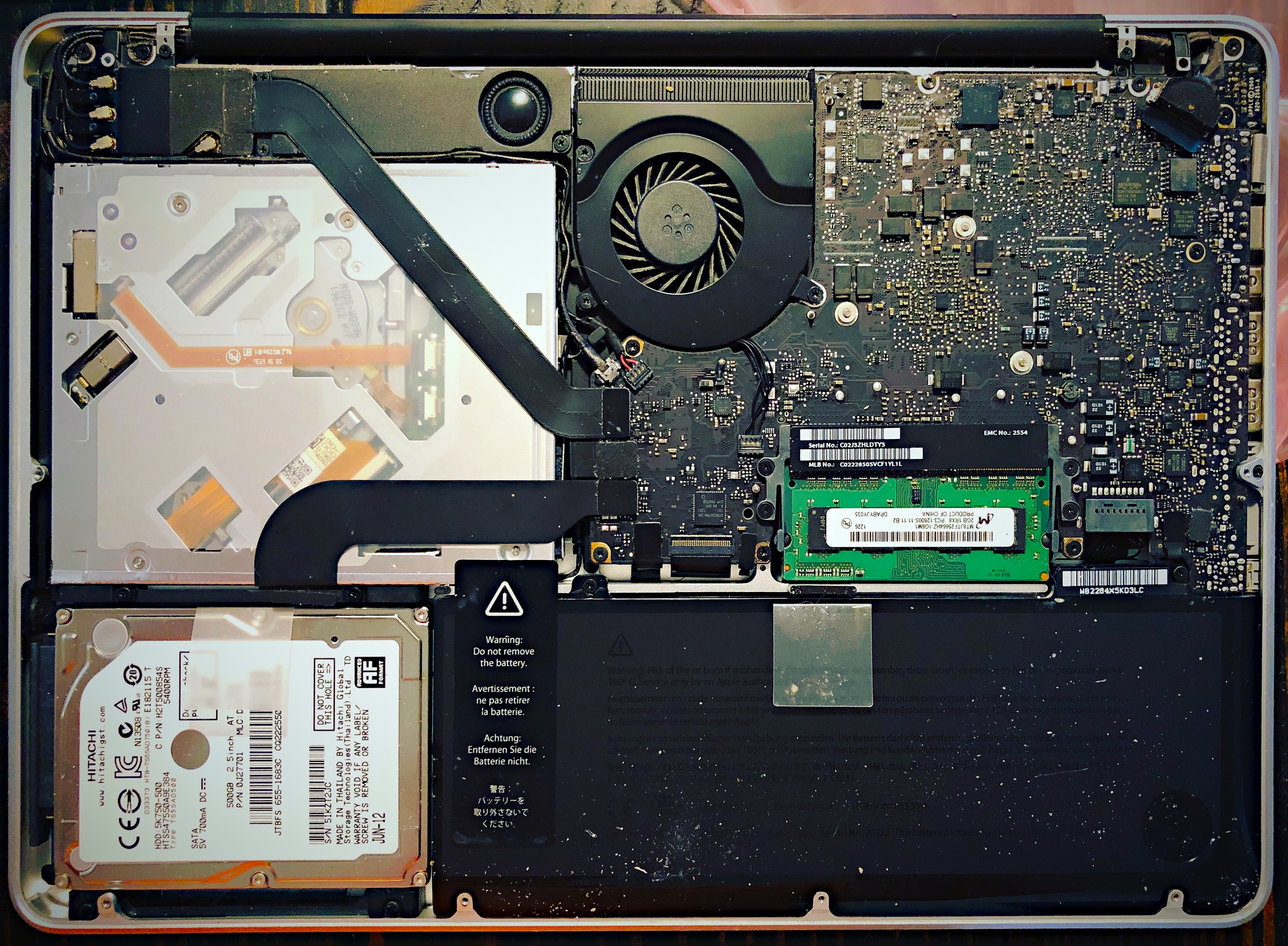
And for once—a rare instance for my experience with Apple these days—everything just worked. It took only about two hours to swap in the new parts, load a fresh copy of the O/S (I had it on a USB thumb drive that I’d created for work a few days earlier), and restore his data from the old drive.
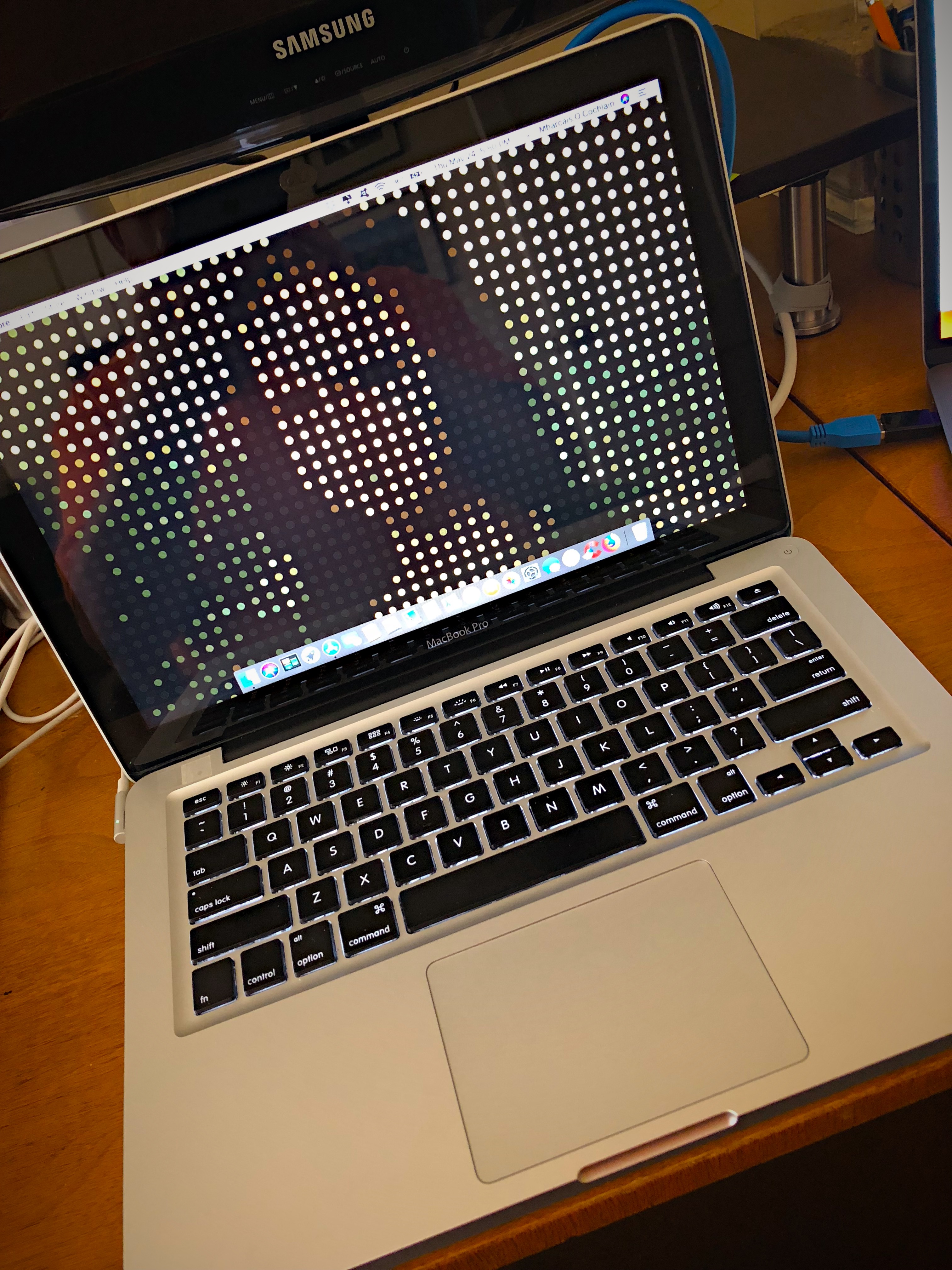
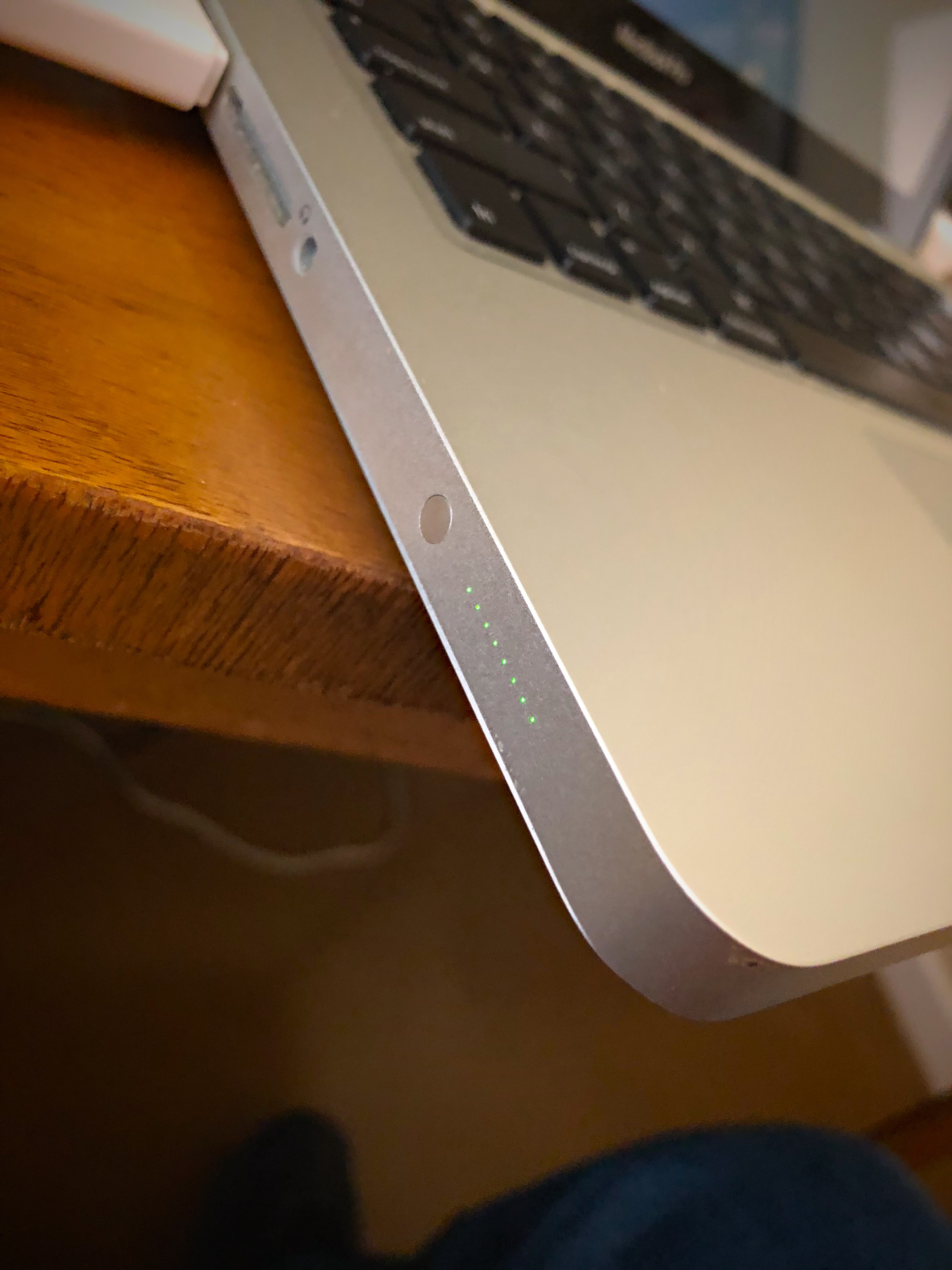
Working on this “old” Mac reminded me just how much we’ve lost in Jony Ive’s unrelenting quest to build a Mac no thicker than a sheet of paper. Never mind the loss of ports or the stupid fucking keyboard on the latest models. It’s the little things like MagSafe and that slowly glowing (but otherwise invisible) indicator on the right side of the bottom case that showed the machine was sleeping when the cover was closed) that initially made me such a fan of Apple. And of course this:
Having the two machines side by side, however, did highlight how much better the display has gotten over the past five years, even leaving out the fact that Mark’s wasn’t a retina display and mine was. The brightness and color saturation were so much better on my 2016 it was ridiculous.
But c’mon Jony…how about bringing back a little of that “surprise and delight” factor Apple used to be known for?
One Year Ago Today
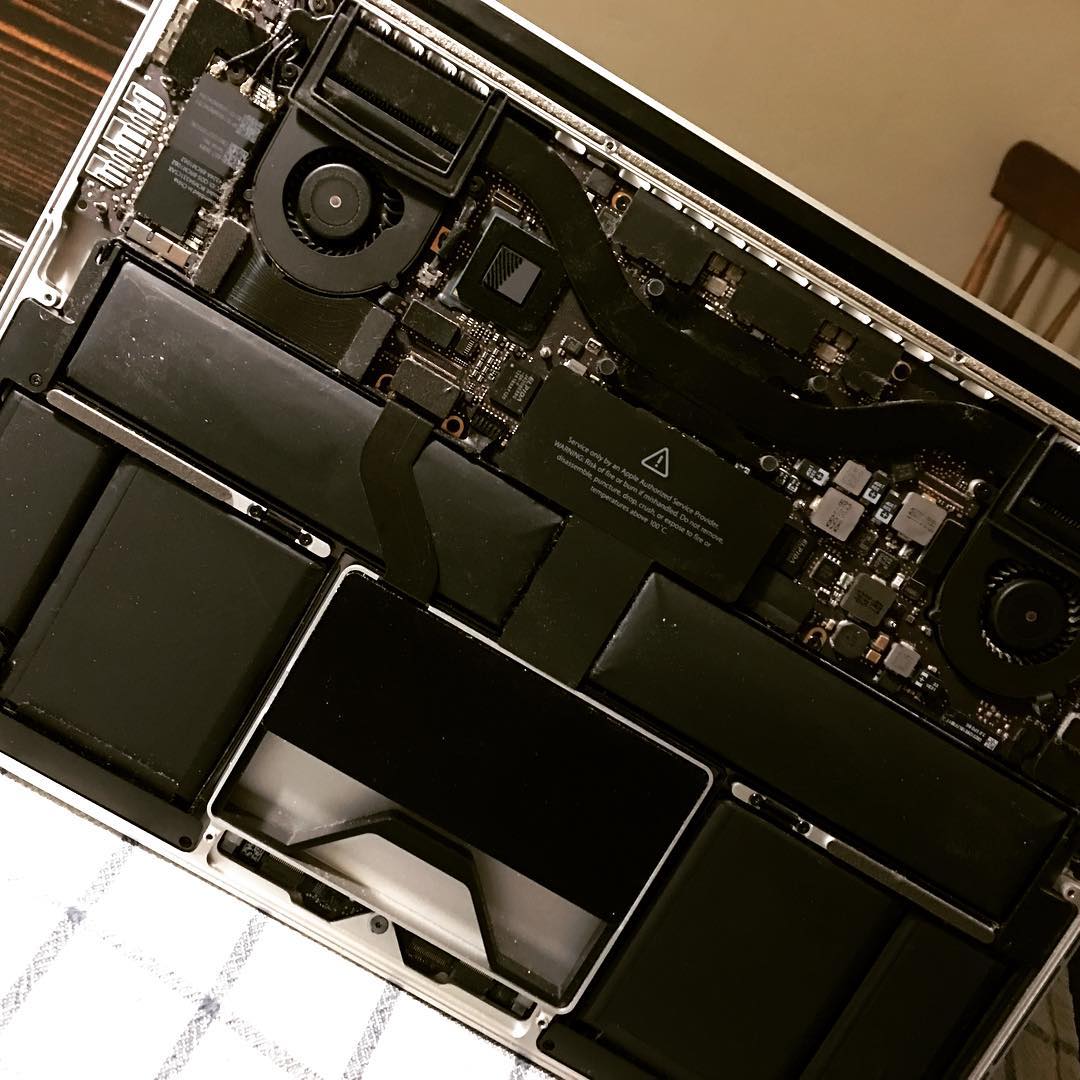
And I can’t tell how often over the last twelve months I wish I’d just paid to get it fixed instead of replacing it.
Shit’s Hitting the Fan
When Business Insider calls out your crap, you’re in trouble.
And then there’s that little matter of a class-action lawsuit.
If nothing else, I feel vindicated knowing that I’m not the only one in this situation; that I’m not just “typing on it wrong.”
My Faith In Apple Has Been Restored
Somewhat.
Last Wednesday evening Ben’s MacBook Pro started acting up again. The machine already had the entire top case replaced two months ago because of keyboard issues and here we were again. This time the keyboard had suddenly become completely unresponsive. We attached an external one and were able to do the normal troubleshooting (resetting the SMC and PRAM), but the problem remained. After a totally useless 30 minute call to Apple Care, Ben made an appointment to take it in again to the Genius Bar for repair and unhappily resolved himself to being without his machine until the first of next week. He was able to successfully clone his drive, so restoring his applications and data wouldn’t be as much of a clusterfuck as it was the last time we had to do this.
As I’ve written before, going to an Apple Store used to be fun for me, but lately it’s become an unpleasant chore because of a certain—attitude—that the employees are starting to throw. So when we arrived at the Scottsdale Quarter store (where Ben bought the laptop and where it was last repaired) I expected the usual unfriendly customer service we’ve consistently gotten from Apple of late.
But that didn’t happen. I was pleasantly surprised. Everyone from the concierge to the Genius himself was how I remember Apple used to be.
After listening to Ben explain that this was his only computer and it was the second time we’d been in for the same problem (and that I too was on my second MBP because of keyboard issues), we fully expected the guy to simply say, “I’m so sorry to hear that! We’ll send it off for another bottom case replacement and you’ll have it back in 3-4 days.”
But he didn’t.
“Hold on a sec…” he said, and disappeared to the back.
Several minutes passed, and he reappeared with a shiny new white box in hand.
“I spoke to my manager, and we’re just going to give you a new one, if that’s okay,” he said. “We’d like to send your old one Engineering. They’re actively tracking these keyboard issues.”
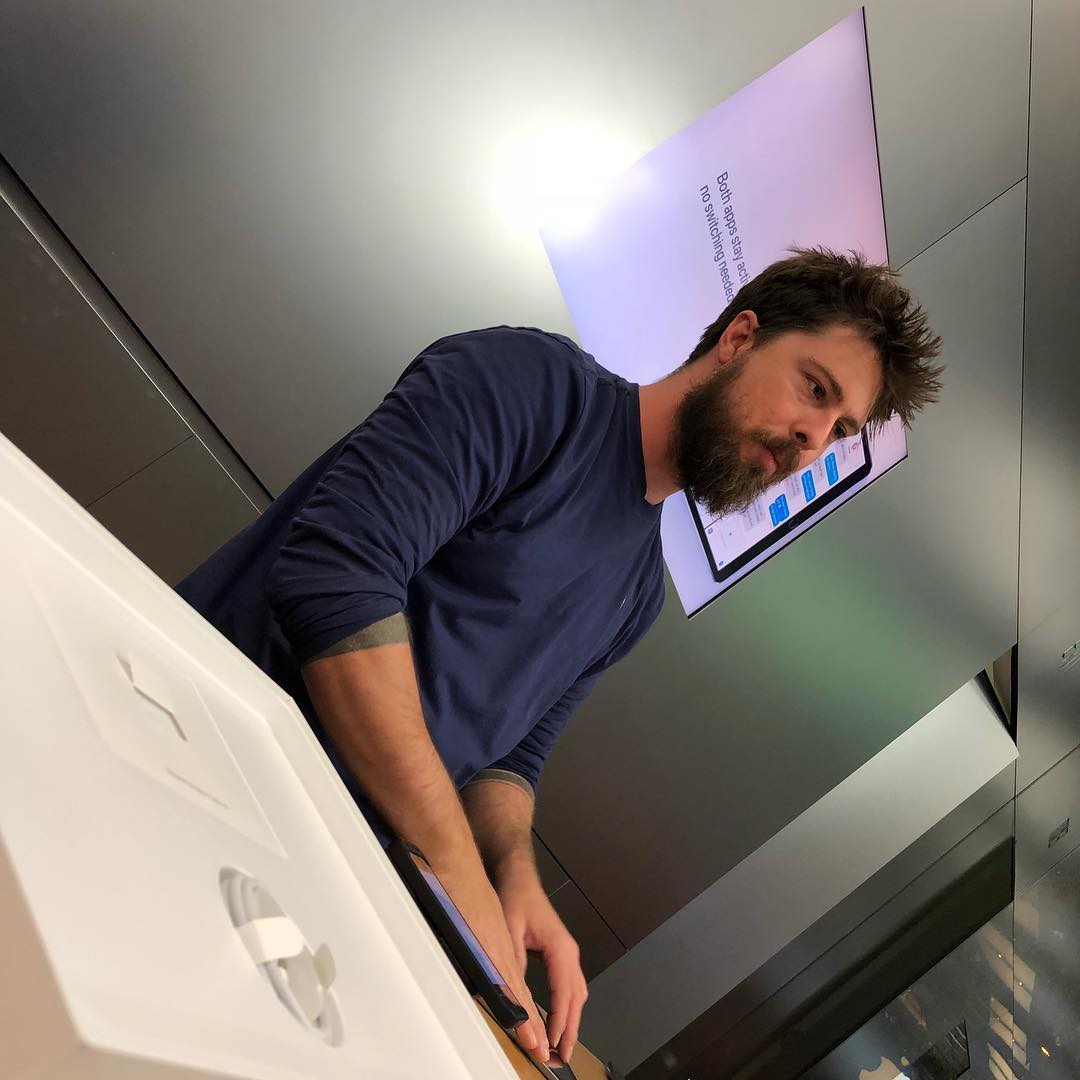
I don’t know if it was because it was a slow night or if he was genuinely interested in this problem (he struck me as not only an Apple employee but also a fan), but we then proceeded to have a long discussion about these keyboards and Apple’s general design philosophy. It was very refreshing to speak to an Apple employee who actually knew their shit and seemed generally interested in their customers.
After we got back home, Ben booted to the cloned drive and restored everything to the new machine in 30 minutes. Back in business!
(As an aside, if you’re a Mac User and you’re not using Carbon Copy Cloner for your backups—you do backup, right?—you should be. It’s proven to be much more reliable—and user-friendly—than Apple’s Time Machine ever was.)
This doesn’t mean won’t bitch about Apple in the future if it’s warranted, but this trip to the Genius Bar was definitely a much-needed breath of fresh air.
Oh, We Can’t Do That!
About two months ago I got an email from my supervisor asking, “Do you know Mac and how to fix issues?
I responded that I was no expert by any means, but I did know my way around the OS. I asked what was up.
She responded, “Nothing right now but I may ping you at some point.”
Because, you know, this is a government agency and we are hip deep in need to know bullshit—for even the littlest things.
A week later I got an invite for a meeting titled, “Mac Computers and Exchange” at the headquarters of our famous magazine.
Turns out there’s been a years-long problem with the Macs crapping out and losing connection to the Exchange server, forcing calls to the Service Desk for password resets multiple times a day. (How exactly they were speaking to the exchange server through Outlook without being bound to the domain was something I never got a clear answer for, but I was pretty sure all the problems would disappear if the machines were actually on the domain.
The guy from the network group claimed it was a pain to add the machines to the domain. I knew this was bullshit from having worked at DISH, where there were literally hundreds of Macs on the domain—all of which worked flawlessly.
I did my own outside research on binding Macs to Active Directory and realized it wasn’t nearly as much trouble as the network guy had indicated—especially since he said they were already set up for it on the back end. I convinced the magazine folks to lend me one of their machines so I could do some troubleshooting.
Back at my office, after wiping and doing a clean install of the OS, I easily bound it to our domain. I hadn’t yet gotten the links to our MS Office installer, so I set up Apple Mail to connect to the Exchange Server. Rock steady. After logging in initially, it never prompted for my credentials again.
The general consensus among the Mac Troubleshooting team was that several applications (Adobe CS and Outlook among them) were having issues getting past our anal-retentive firewall. Even though it was set up in networking with the correct name and port, getting to certain locations—easily accessible on a Windows machine—was impossible.
After speaking with the magazine’s webmaster, I got a list of websites that needed to be whitelisted in order to get past the firewall to connect to Adobe services. I was also told that several certificates needed to be copied from my Windows machine.
I added the sites and the certificates, and I was able to connect Adobe Creative Cloud and download applications and fonts. I could also get to most websites—on Chrome at least. (Safari refused—and is continuing to refuse—to connect to anything outside the firewall.)
Even while logged into Adobe, Apple Mail and the connection to the Exchange server remained steady. I felt like I was making progress. I’d been documenting everything in mails to the group and getting positive feedback from the magazine folks.
A few days later I was finally able to install MS Office. Sure enough, once I started using Outlook all hell broke loose. Not doing anything on the machine, Outlook would kick me out, prompt for credentials and then lock my account.
I asked the magazine’s webmaster (who had become the group’s de facto contact person) if they’d ever considered just using the native Apple apps for mail and calendar. “I don’t remember the exact reason because it was several years ago, but we were told by network security we couldn’t do that.”
WTF.
Apparently unlike anyone else on this fucking team, I actually went to the Google and did some research on the Outlook issue. I discovered the credential-prompting problem was at one point fairly common and had been addressed by a subsequent Office update. Imagine that.
Of course, the only problem in our locked-down environment was getting the Office update because—of course—the automatic downloader in Office was being blocked by the fucking firewall.
More research led me to the direct download link from Microsoft, and once it was downloaded and installed, the prompting issue—for the most part—disappeared.
After the update, for the rest of the day I remained connected without so much as a hiccup.I left everything logged in that evening, but returned to work the next day to discover that at some point Outlook had logged me out and was once again prompting for my credentials. Discouraged, I stepped away from it for a while and went back to my other duties (i.e. wasting time on the internet).
Apple released the 10.13.4 OS update late last week, and at this point I felt I had nothing to lose by upgrading the machine. Outlook still wasn’t working 100% and the worst case scenario would be that the update would break something horrifically and I’d have to wipe and reinstall everything again. I could live with if the update actually did something to alleviate this issue.
So last Friday I downloaded the “combo update” package for 10.13.4 (because the App Store is also blocked by our firewall) and upgraded the machine.
I stayed logged into both our domain, Adobe CC, and our Exchange Server through Outlook over the weekend. Except for one unrelated incident this morning that caused everyone to be bounced, the connection has been rock steady.
All’s well and good, right?
Well, not so fast. When you work for a government agency, you can’t just go fixing things, y’know. Prior to our last meeting, just getting as far as I had prior to the upgrades was met with a flurry of “Oh well, we can’t do thats” from the network guy. The magazine people were fine with binding to the domain. They’d have access to network resources without having to jump through hoops, and if the Outlook/firewall issue was solved, this solution could be implemented for other Mac-using (or wanna-be-Mac-using) departments in the organization (such as Video and Creative, who have their own set of issues).
For shits and giggles—since this was not specifically part of my purview) I loaded our Citrix client on this loaner machine, and was able to access my Citrix desktop and use all the same Windows tools I do through Citrix on my Windows laptop.
In a way this was frustrating because It makes me want a Mac at work. The UI is so much more elegant than Windows. The machine boots up and connects in a heartbeat, and it’s just a much more pleasant user experience. Since I was told I’m now the backup Mac support guy for the magazine a good case could be made for it, right?
Yeah, well, that’s not going to happen and eventually I’m going to have to return the loaner.
Last week I was working with one of the guys in Creative who—who, along with the other members of the team—is struggling with the Adobe Suite on an admittedly decent Dell workstation. Recently they’ve been complaining about how it takes forever to do anything and have asked for quotes on more powerful machines (10 core processors, SSDs, 32GB RAM). They got a quote of around $4K for the monsters and of course, there was much hand-wringing.
While I was trying to get this particular user’s CC apps to update to the latest version (they refused, because the latest version of Windows 10 is not installed on the machine) I told him that they really should be using Macs. “Duh!” was his response.
I related the research I’d been doing for the magazine, and suggested that for the amount of money they were going to lay out for new Windows machines, if the problems fully integrating Macs into our environment could be solved, that taxpayer-provided funding would be better spent on buying Apple gear.
I told him I’d run the idea past his supervisor.
I met with her yesterday, and she said she’d spoken to purchasing about this and got nothing but pushback. It was obvious they had little to no knowledge of the work that we’d been doing over at the magazine and was still quoting the company line, “Macs don’t work in our environment.”
Well no, they don’t—if it’s going to be business as usual and my suggestion that the machines be put on the domain continues to be ignored.
At this point I’m frustrated because they want solutions—but yet it seems they don’t. The entrenched bureaucracy in Networking and Network Security are dismissing my recommendations and more than anything else I’m getting the attitude from them that I don’t know what I’m doing, and furthermore why should they listen to a contract employee anyway? I’m almost to the point of asking my supervisor why I even need to be on this team if all my suggestions are shot down. What’s the point?
If nothing else, this exercise has made me realize I really want to work somewhere that I can support Macs.
Despite My Bitching…
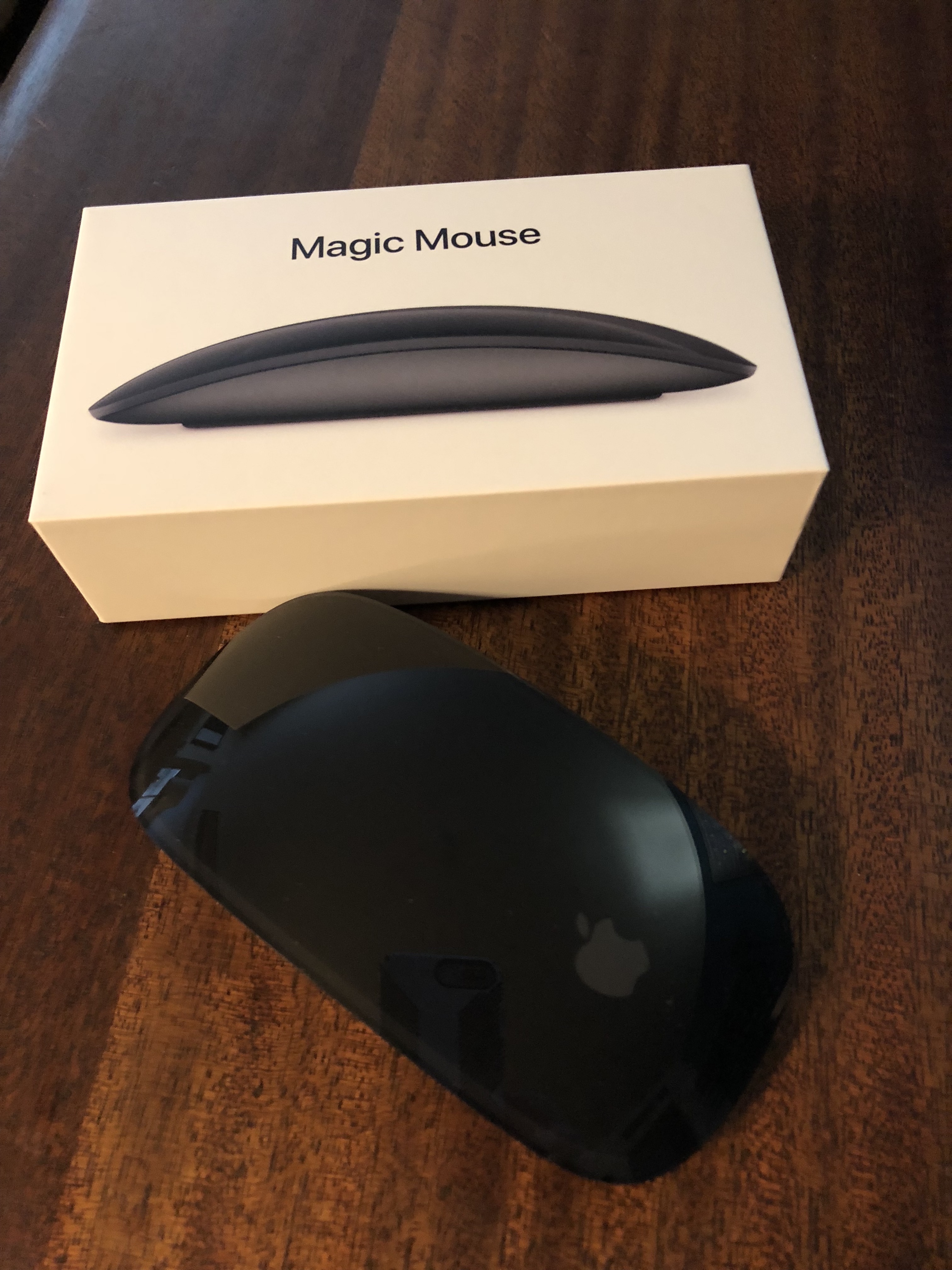
I guess I’m still a fanboy.
Quote of the Day
 I think Apple has shown across multiple years and multiple products that they only care about making the keyboard thinner, and they will make some efforts to make the thin keyboard tolerable, but that they are no longer interested in keeping it a good keyboard if that means they can’t make it thinner. And so I just have to kind of resign myself to accept that.” ~ Marco Arment
Hilarious!
Benjamin Button Reviews The New MacBook Pro
The new MacBook Pro shows that Apple is finally becoming serious about developers.
Gone is the gimmicky TouchBar, gone are the four USB-C ports that forced power users to carry a suitcase full of dongles. In their place we get a cornucopia of developer-friendly ports: two USB 3.0 and Thunderbolt 2 ports, a redesigned power connector, and a long-awaited HDMI port.
Photographers will rejoice at the surprising and welcome addition of an SDXC card reader, a sign that Apple might be thinking seriously about photography.
The new MagSafe connector is a bit of Apple design genius. The charging cord stays seated securely, but pops right off if you yank on it. No more worries about destroying your $2k laptop just by accidentally kicking a cord.
What hasn’t changed: Apple has kept the beautiful Retina display, and storage and memory are the same as before. The new machines will be slightly thicker (to accomodate the USB ports) and 200 grams heavier, but it’s not clear how this will affect battery life.
Interestingly, Apple has removed the fingerprint reader and its associated dedicated chip, perhaps assuming that developers would not comfortable with a machine they don’t fully control.
The most obvious change is the redesigned keyboard. Removing the Touchbar creates room for a row of physical function buttons and, in a nice touch, an escape key. This isn’t a perfect solution: the function buttons map to a confusing series of actions that can send windows flying around the screen with an errant keystroke, and the new physical off switch is too close to the backspace key. But it is certainly a huge step forward, and it will be interesting to see how software developers take advantage of this clever new feature.
Everything about the new machine seems designed for typists. The trackpad has been made smaller, so you’re less likely to brush against it with your palm. The keys themselves are much more comfortable to type on, with improved key travel, a softer feel, and more satisfying tactile feedback. You no longer feel like you’re tapping on the glass surface of an iPad. And not having a TouchBar me ans no longer having to look down at your hands all the time.
Despite the many improvements, Apple is actually dropping the price on its flagship 15″ MacBook Pro by $400, another sign that they’re serious about winning over developers.
The release is an encouraging sign of life at Apple, whose products have not seen significant changes since the company introduced a separate operating system for its laptops in 2019. There’s even speculation that Apple may refresh its antiquated Mac Pro and desktop macs, neither of which hav e been updated since their release in 2022.
Rumors are also swirling that the company will add a headphone jack to its already popular iPhone. The announcement could come as early as this month.
Mood
Now it’s Ben’s turn to have his 2017 MacBook Pro sent off for top-case replacement. He was having slightly different problems, but since EVERYTHING on these machines is apparently soldered/glued in place, individual parts can’t be swapped out.