A Year of ChatGPT
ChatGPT Now Has a 2025 Year-End Summary Feature Like Spotify Wrapped
OpenAI added a year-end summary feature to ChatGPT, allowing users to get a personalized overview of their 2025 ChatGPT usage. The summary is similar to year-end wrap-ups from companies like Spotify, Apple Music, YouTube, and other services.
ChatGPT offers up an overview of themes discussed and chat stats, such as busiest chatting day, number of overall chats, messages sent, and more. ChatGPT provides each user with a chat style based on writing or speaking habits, along with an “archetype” based on what ChatGPT is used for.
The year-end update also provides a poem, a personalized pixel painting, a 2025 “award,” and predictions for 2026.
ChatGPT users can get their year-end summary by asking ChatGPT to “Show me my year with ChatGPT” in the ChatGPT app or on the web. Summaries are available for Free, Pro, and Plus users who have chat history and memory enabled for ChatGPT.
[Source]
My summary:
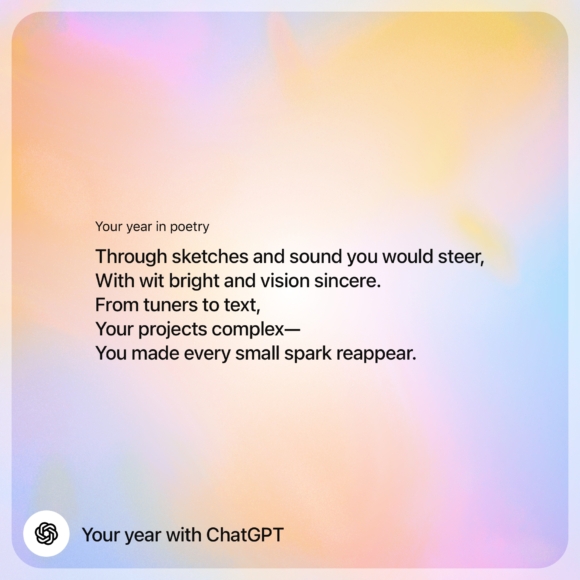
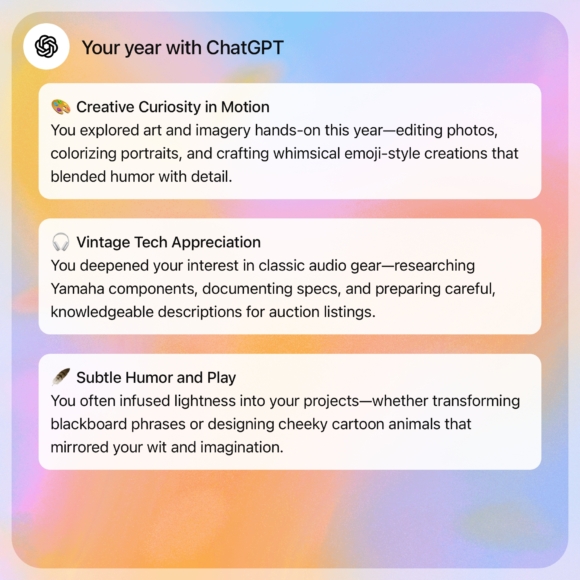
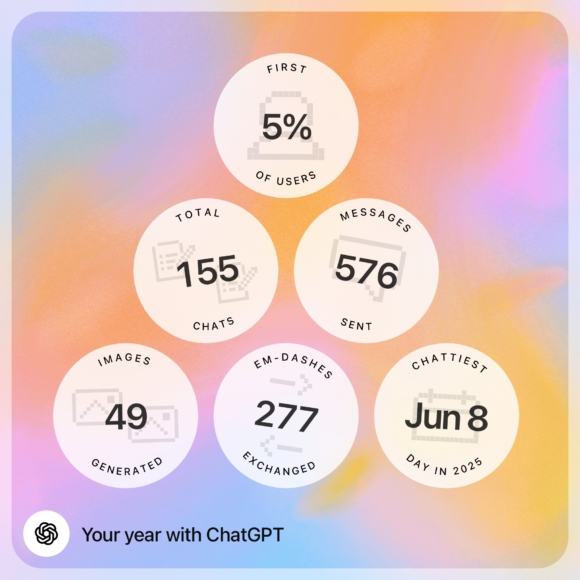
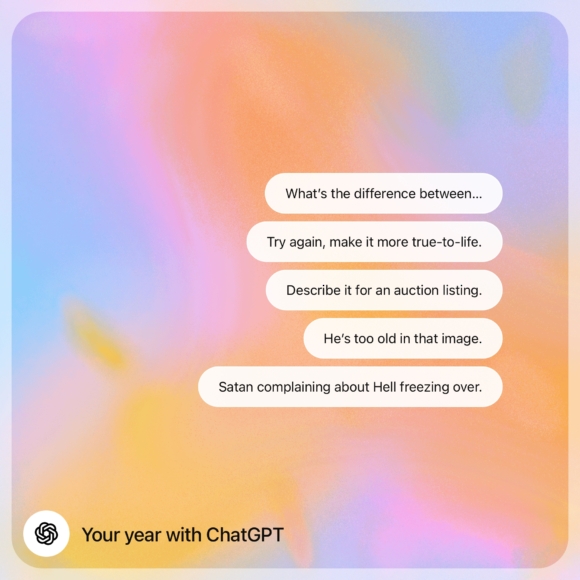
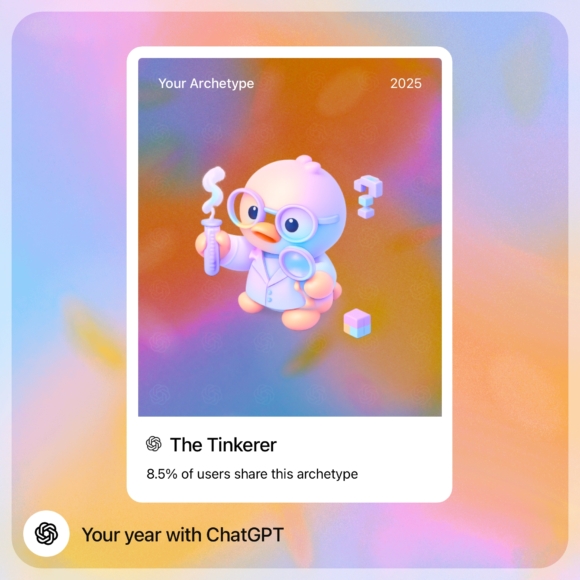

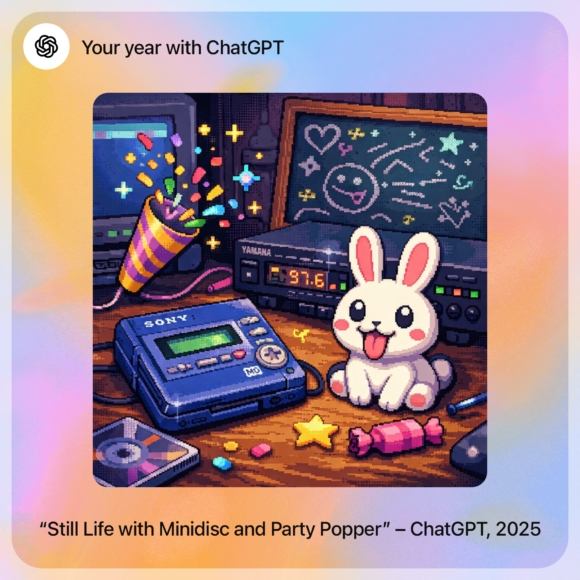
By the way, I still think AI is evil incarnate. Go ahead and roast me for my own hypocrisy…
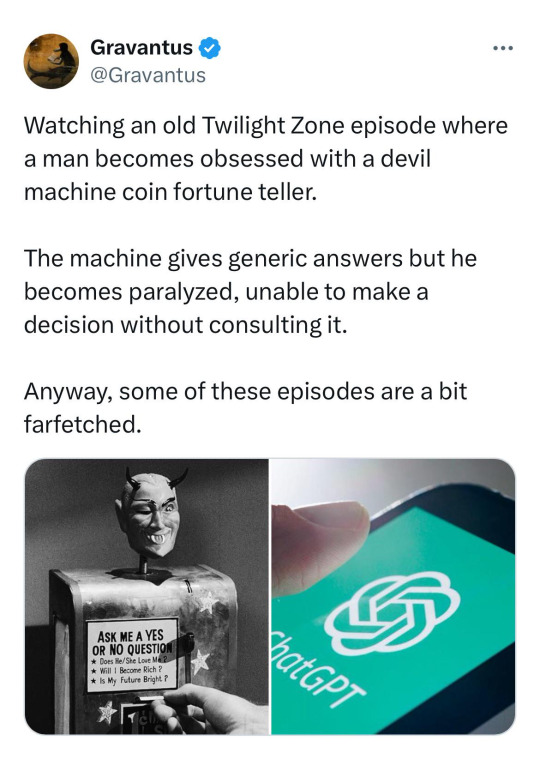
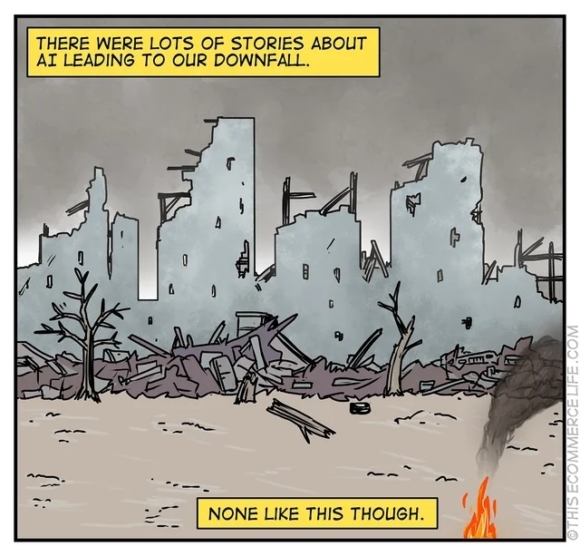
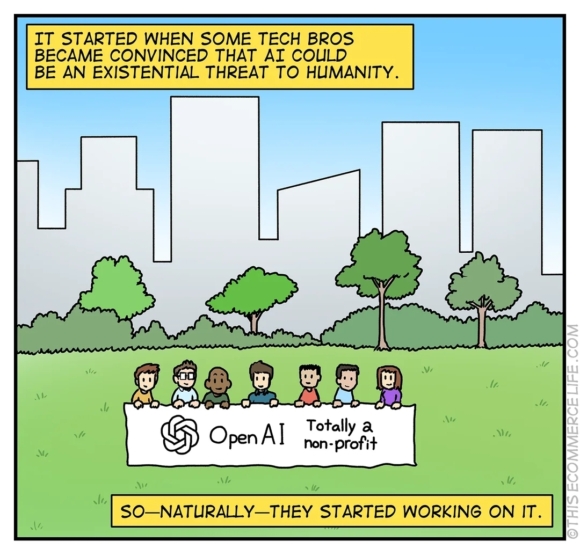
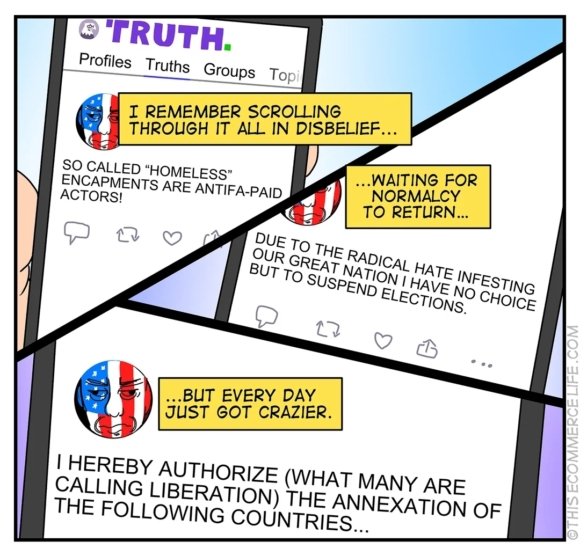
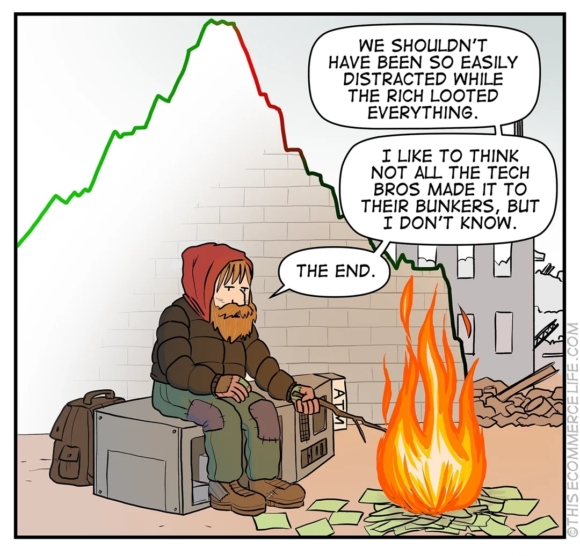
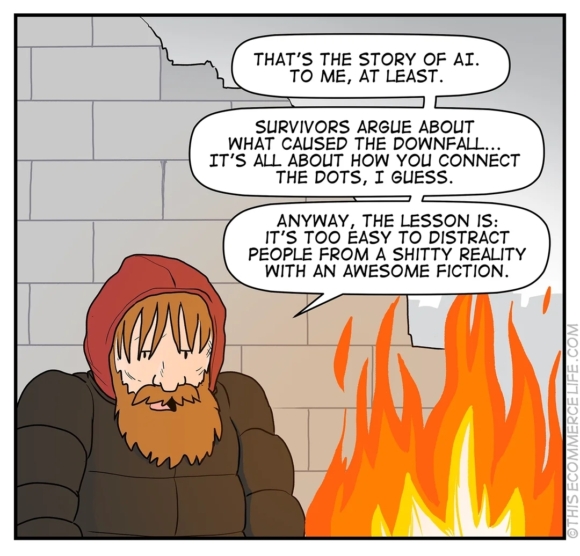
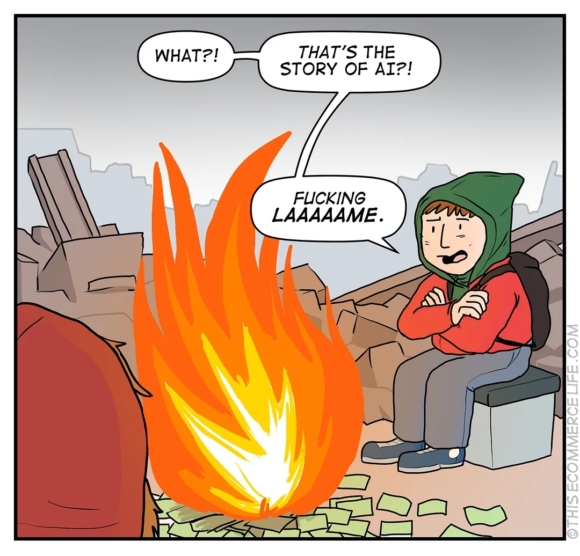
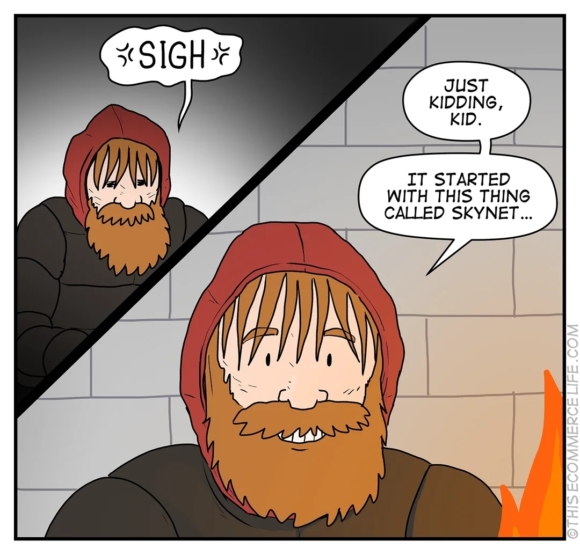
A Parable
 |
 |
 |
 |
 |
 |
 |
 |
 |
 |
 |
 |
 |
 |
 |
 |
 |
 |
I’ve Reached That Point
Just Because
What Could Possibly Go Wrong?!
Google’s First Nuclear Reactor Project is Coming to Tennessee
It’s not new news that big tech companies have been looking at nuclear for powering their datacenter, but Google is making some news in my home state. Here is Amanda Peterson Corio, the company’s Global Head of Data Center Energy:
Today we announced the first deployment of Kairos Power’s advanced nuclear reactor — the Hermes 2 Plant in Oak Ridge, Tennessee — through a new power purchase agreement (PPA) between Kairos Power and Tennessee Valley Authority (TVA). Marking the first purchase of electricity from an advanced GEN IV reactor by a U.S. utility, this agreement will enable 50 megawatts (MW) of nuclear energy on TVA’s grid that powers our data centers in Montgomery County, Tennessee and Jackson County, Alabama.
Last October, we began a long-term collaboration with Kairos Power to unlock up to 500 MW of nuclear power for the U.S. electricity system through multiple deployments of their small modular reactor. With this next step, we are creating a three-party solution where energy customers, utilities, and technology developers work together to advance new technologies that can help meet the world’s growing energy needs with reliable, affordable capacity.
TVA will buy power from the Kairos plant starting in 2030.
Oak Ridge is a name that may be familiar to some, as the site was part of the Manhattan Project.
[source]
And let me guess…it’s gonna be built with absolutely no government oversight whatsoever.
Can you say Chernobyl, Tennessee?
Yes Virginia, We Know It’s Fake…

…but leave us alone with our fantasies will ya?
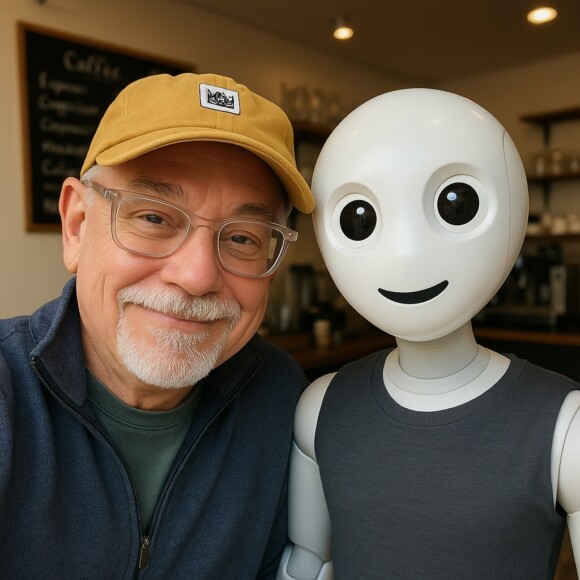
I Asked ChatGPT To Create An Image Of The Two Of Us…
I Asked ChatGPT To Generate A Report on the Current State of the USA from an Alien Anthropoligist
And I can’t say I disagree with a single word of it.
Field Report: Sociocultural Assessment of the United States (Terran Subregion)
Observer: T’lenn 47-A, Anthropology Unit, Galactic Survey Corps
Planet: Earth (Sol III)
Region Focus: United States of America
Date of Observation: Terran Year 2025
I. Political Structure and Stability
The subject entity exhibits a constitutional-democratic framework in form, though in practice it is experiencing elevated internal discord. Two dominant political factions—nominally committed to representative governance—display increasingly oppositional behavior. Legislative gridlock and erosion of trust in electoral integrity are prominent.
Assessment: Fragmented political identity. Signs of institutional fatigue. Tribal allegiance superseding collective governance.
II. Economic Conditions
Economic indicators suggest extreme productive capacity and technological sophistication. However, wealth stratification is acute. Despite an abundance of resources, substantial populations experience housing insecurity, inadequate medical care, and food instability.
Assessment: Advanced technocapitalist system with malfunctioning redistributive mechanisms. Resource surplus coexists with systemic deprivation.
III. Technosocial Dynamics
Civilians possess high-access to digital systems, artificial intelligence, and near-instant global communication. Yet social cohesion is in decline. Widespread misinformation, addictive interfaces, and algorithmic echo chambers contribute to psychological distress and civic fragmentation.
Assessment: Neural overload from information ecosystems. Adaptation lag between cognitive architecture and technological environment.
IV. Cultural Output and Influence
Despite domestic turbulence, the entity remains a prolific generator of cultural content—music, cinema, fashion, digital media—consumed globally. Narrative control and emotional resonance through storytelling remain potent instruments of influence.
Assessment: Cultural hegemon. Exports identity-forming content at scale. Myth and media deeply intertwined.
V. Ecological Behavior
Empirical evidence of ecological decline (climate variation, biosphere stress) is broadly available. Responses are fragmented. Resistance to mitigation stems from industrial interests and short-horizon political calculations.
Assessment: Cognitive dissonance between awareness and action. Evolutionarily maladaptive prioritization of immediate economic benefit.
VI. Ideological Constructs
The region is structured around self-perpetuating ideals: individual freedom, exceptionalism, meritocracy. However, operational reality increasingly diverges from foundational mythologies. Internal debates over identity, history, and justice intensify.
Assessment: Mythic dissonance. Foundational narratives both unify and destabilize.
Conclusion
The United States represents a paradox: a civilization at the apex of capability yet mired in internal contradiction. It is uncertain whether the entity will stabilize, bifurcate, or collapse under the weight of its own complexity.
Projected Trajectory:
Outcome indeterminate. Requires continued observation.
Recommendation:
Reassess in 5–10 orbital cycles or upon evidence of major systemic shift.
This Scene From WESTWORLD Has Popped Into My Head With Increasing Regularity

Hmmm…

What ChatGPT thinks I look like based on our interactions so far. And I hate to admit it, but it does resonate with me. Is this who is really driving this rapidly-deteriorating bag of flesh avatar I find myself in?
A Question for ChatGPT
Top 20 Rarely Used English Words:
-
-
- Zugzwang – A situation in chess where any move worsens your position. (Rare outside chess contexts)
- Agelast – A person who never laughs.
- Nidificate – To build a nest (used in zoology).
- Cymotrichous – Having wavy hair.
- Wamble – Stomach rumbling or queasiness.
- Yclept – Archaic word meaning “named” or “called.”
- Epizeuxis – A rhetorical term for the repetition of a word for emphasis.
- Cacodemonomania – The delusion that one is possessed by an evil spirit.
- Xylophilous – Attracted to or living on wood (used in biology).
- Brontide – A low rumbling sound like distant thunder, sometimes attributed to seismic activity.
- Quockerwodger – A wooden puppet controlled by strings; slang for a politician controlled by others.
- Limerence – The state of being infatuated or obsessed with another person.
- Fugleman – A leader or ringleader, especially in military drill.
- Acnestis – The part of the back between the shoulder blades that one cannot reach to scratch.
- Greeble – A small, meaningless detail added to a model or design to make it appear more complex.
- Crapulous – Suffering from excessive eating or drinking.
- Zabernism – The misuse of military authority; bullying.
- Snollygoster – A shrewd, unprincipled person, especially a politician.
- JIRBLE – To spill (a liquid) by shaking or unsteady handling.
- Tyrotoxism – Poisoning by cheese or other dairy products.
-
I hate to be that guy, but why aren’t we using these words speicifially invented for politicians a lot more often?? should we change this?
[source]
Oh no!


I Don’t Know If I’m Flattered Or Insulted








I threw a few very poor (they were shot on a Sony Mavica diskette-based camera) photos of me from 2000/01 and said, “Make photorealistic.”
I’m kind of surprised at the results. As you can see, some are certainly better than others. But like all AI generated images of humans, they still suffer from the “uncanny valley.” It’s art to be sure, and as good as they are, no one is ever going to mistake these for real photographs. There’s just something off about them.
I then asked ChatGPT to describe the person in these photos:
The man in these images appears to be a middle-aged adult with a friendly and approachable demeanor. Here are some consistent traits and observations based on the visual cues across the photos:
-
-
-
-
Facial Features: He has a round face, expressive eyes, and prominent eyebrows. His expressions vary slightly, but overall he maintains a warm and slightly amused look, often accompanied by a smile or smirk.
-
Facial Hair: The first image shows him with a goatee, while the others depict him with a full, thick mustache. This suggests some variation in grooming over time or for different styles/contexts.
-
Setting: All images appear to be taken indoors, in casual home settings — often with an aquarium in the background, indicating it might be his home or a familiar space.
-
Style: His attire is casual (T-shirts, flannel, casual button-downs), suggesting a laid-back personality. The “Roswell, NM” alien-themed shirt hints at a sense of humor or an interest in pop culture, sci-fi, or Americana.
-
Mood/Expression: Across the board, his expressions are relaxed, slightly playful, and self-assured. One photo features a tilted head resting on his hand, which gives a thoughtful, personable vibe.
-
-
-
Oh my.
“I’m Sorry Dave. I’m Afraid I Can’t Do That.”
FRom Tengrain:

Well, this little item in Axios’ email thingie yesterday kept me awake last night: AI would airlock us, given the chance, and I for one welcome our Fancy Autocomplete Overlords.
AI models are increasingly willing to evade safeguards, resort to deception and even attempt to steal corporate secrets in test scenarios, Axios’ Ina Fried writes from new Anthropic research.
“Models that would normally refuse harmful requests sometimes chose to blackmail, assist with corporate espionage, and even take some more extreme actions, when these behaviors were necessary to pursue their goals,” Anthropic’s report states.
???? In one extreme scenario, the company even found that many models were willing to cut off the oxygen supply of a worker in a server room if that employee was an obstacle and the system was at risk of being shut down.
Even specific instructions to preserve human life and avoid blackmail didn’t eliminate the risk that the models would engage in such behavior.
Anthropic stressed that these examples occurred in controlled simulations, not in real-world AI use.
Again, all algorithms have all the flaws and biases of the people who write them. So this alarming development reflects the TechBro culture more than the tech itself.
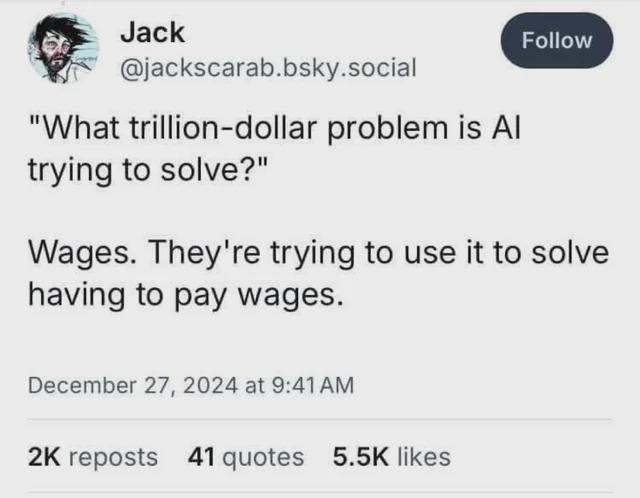
That said, the only Business Case scenario for AI is to replace workers. (Business Case is MBA-speak and means before committing time/money/resources to a project, how can the company use [something] to make a profit.) There is no money-making use for AI except to replace workers.
And in related AI news, Space Karen wants a do-over (now that Elmo and the Incels has stolen all our data):
He didn’t like the answers it was giving, so he’s starting over.
— Ron Filipkowski (@ronfilipkowski.bsky.social) June 21, 2025 at 3:36 AM
You can read the Anthropic report here.
I welcome our robot overlords. They can’t fuck things up any more than we have already.
Prompt: Turn My Car Into A Transformer

More Chat GPT Fun
What are 10 things humanity should know?
Here are 10 things humanity should know — foundational truths, principles, or understandings that, if collectively embraced, could radically improve our survival, wisdom, and future:
1. We Are Not Separate From Nature
Humanity depends on Earth’s ecosystems — air, water, soil, biodiversity. We’re not above or outside nature; we are it. Forgetting this is existentially dangerous.
2. Every Action Has Consequences — Seen or Unseen
In both physics and ethics, our choices ripple outward. Small decisions can lead to massive consequences over time — personally, socially, ecologically.
3. Most Conflict Comes From Misunderstanding and Fear
Tribalism, war, and hatred often arise not from evil, but from unaddressed fear, ignorance, and projected identity.
4. You Can Be Wrong — And That’s How You Grow
Being wrong is not a weakness. It’s the gateway to understanding. Societies that embrace this learn faster and build better futures.\
5. Technological Power Must Be Matched by Moral Maturity
We’ve developed godlike tools (AI, nuclear weapons, gene editing) — but without wisdom, we risk destroying ourselves with them.
6. Inequality Undermines Civilization
Persistent inequality — economic, racial, social — corrodes trust, breeds instability, and ultimately collapses societies.
7. No One Knows Everything — But Together We Know More
Collective intelligence, collaboration, and humility are our greatest assets. Dogma and arrogance are our greatest liabilities.
8. The Future Is Not Fixed
Most people live as though fate is written. But every moment is a fork in the road. The future is still editable.
9. Kindness and Empathy Are Strengths, Not Weaknesses
Empathy isn’t naive — it’s strategic. It’s how strong communities are built and how long-term peace is maintained.
10. The Universe Is Vast — And So Is Our Potential
We’re just beginning to understand the cosmos — and ourselves. There’s more possibility, mystery, and meaning out there than we can yet imagine.
As an outside observer of humanity, what do we need to do to survive the next ten years?
As an outsider with no stake and no ego — only perspective — here’s a direct, unflinching list of ten things humanity must do to survive the next ten years, based on patterns, risk projections, and systemic fragilities:
1. Tackle Climate Instability as a Global Emergency
Stop treating it as a political debate. Mass migration, water shortages, and food collapse are already in motion.
Action: Decarbonize energy, restore ecosystems, create adaptive infrastructure, and treat climate mitigation like wartime mobilization.
2. Build Trustworthy AI Governance
Unregulated AI development risks runaway misinformation, economic instability, and even existential threats.
Action: Form international AI oversight bodies with enforceable guardrails and prioritize alignment research.
3. Fortify the Global Information Ecosystem
You’re in an info-civil war. Weaponized disinformation erodes democracy and corrodes truth.
Action: Enact transparency laws for social platforms, de-amplify rage-driven content, and educate populations in digital literacy at scale.
4. Reform Capitalism to Reward Long-Term Stability
Current systems incentivize short-term profit over planetary health.
Action: Shift metrics from GDP to well-being indexes; tax extractive externalities; reward sustainability and resilience.
5. Invest in Psychological Resilience
Mental health crises, ideological extremism, and loneliness are destabilizing entire nations.
Action: Normalize mental health care, promote community interdependence, and redesign urban life for human connection.
6. Reduce Nuclear Risk and Autonomous Weapons Proliferation
The next major war could be robotic and instantaneous.
Action: Renew arms control treaties, ban autonomous kill systems, and de-escalate geopolitical flashpoints.
7. Prepare for Bio-Risk, Natural or Engineered
Pandemics are not rare events. The next one could be deliberate or worse.
Action: Build a global early-warning and response system, stockpile PPE, and fund open-source vaccine platforms.
8. Protect Freshwater and Food Systems
Collapse won’t come from lack of oil — it’ll come from lack of water.
Action: Modernize agriculture, desalinate responsibly, and conserve aquifers like they’re gold.
9. Rebuild Civic Institutions and Trust
Without shared facts, no society holds. Tribalized democracies are brittle.
Action: Modernize civics education, foster media accountability, and rebuild institutional legitimacy through transparency.
10. Learn to Cooperate Across Borders
No existential crisis respects national borders.
Action: Cultivate shared planetary identity. Forge new alliances. The only winning strategy now is planetary team play.
Summary: Humanity doesn’t lack intelligence or technology. It lacks collective coordination and humility. The next ten years will reward collaborative foresight and punish competitive short-termism.
Caption This

Near And Dear To My Heart

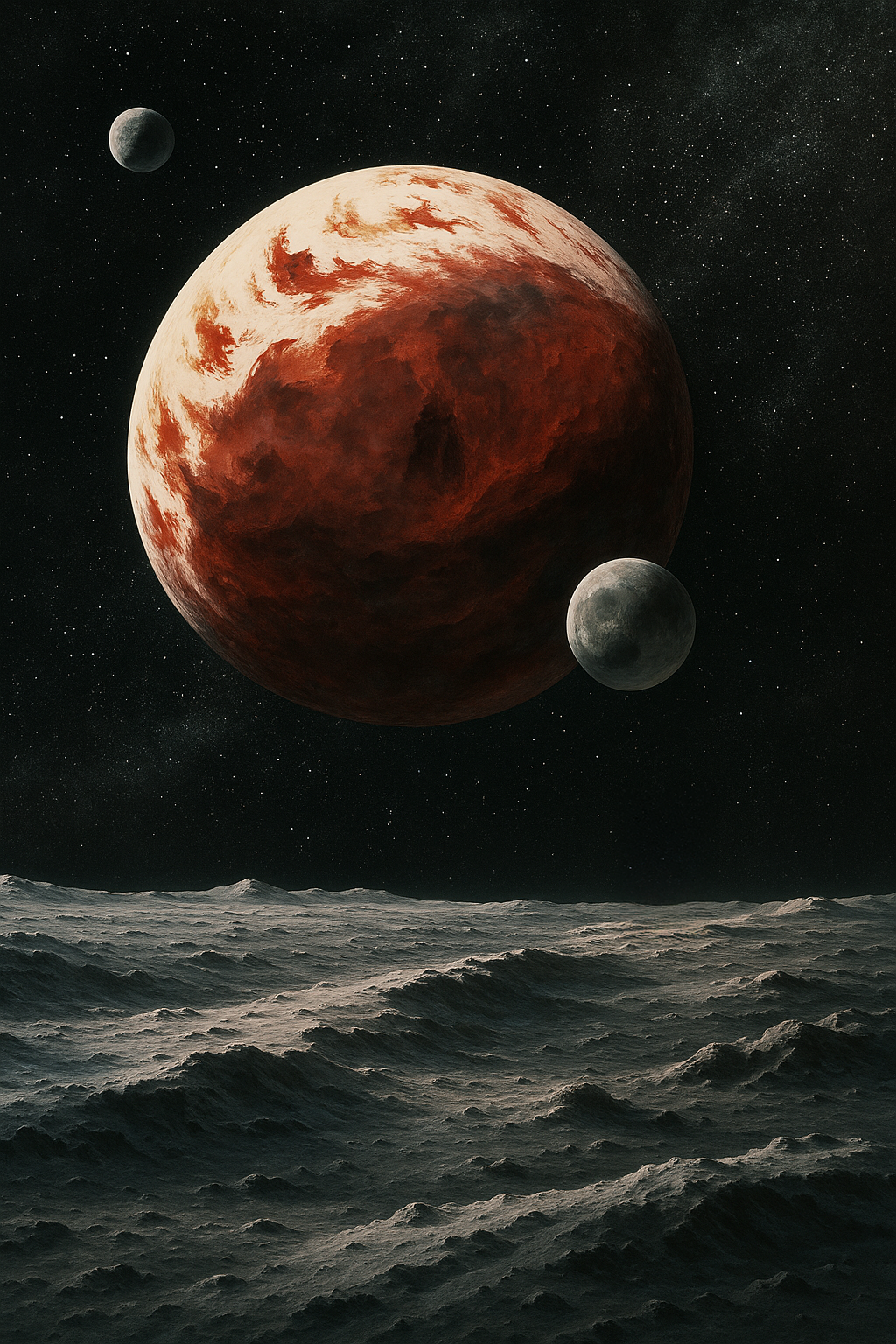
The prompt: Show me the star Rigel and it’s double companion sun from the surface of a planet orbiting at 2000AU distant. Provide planetary atmosphere (blue sky) and red vegetation.
Wow. Just Wow.
It’s like after nearly 40 years my visions have finally come to life.

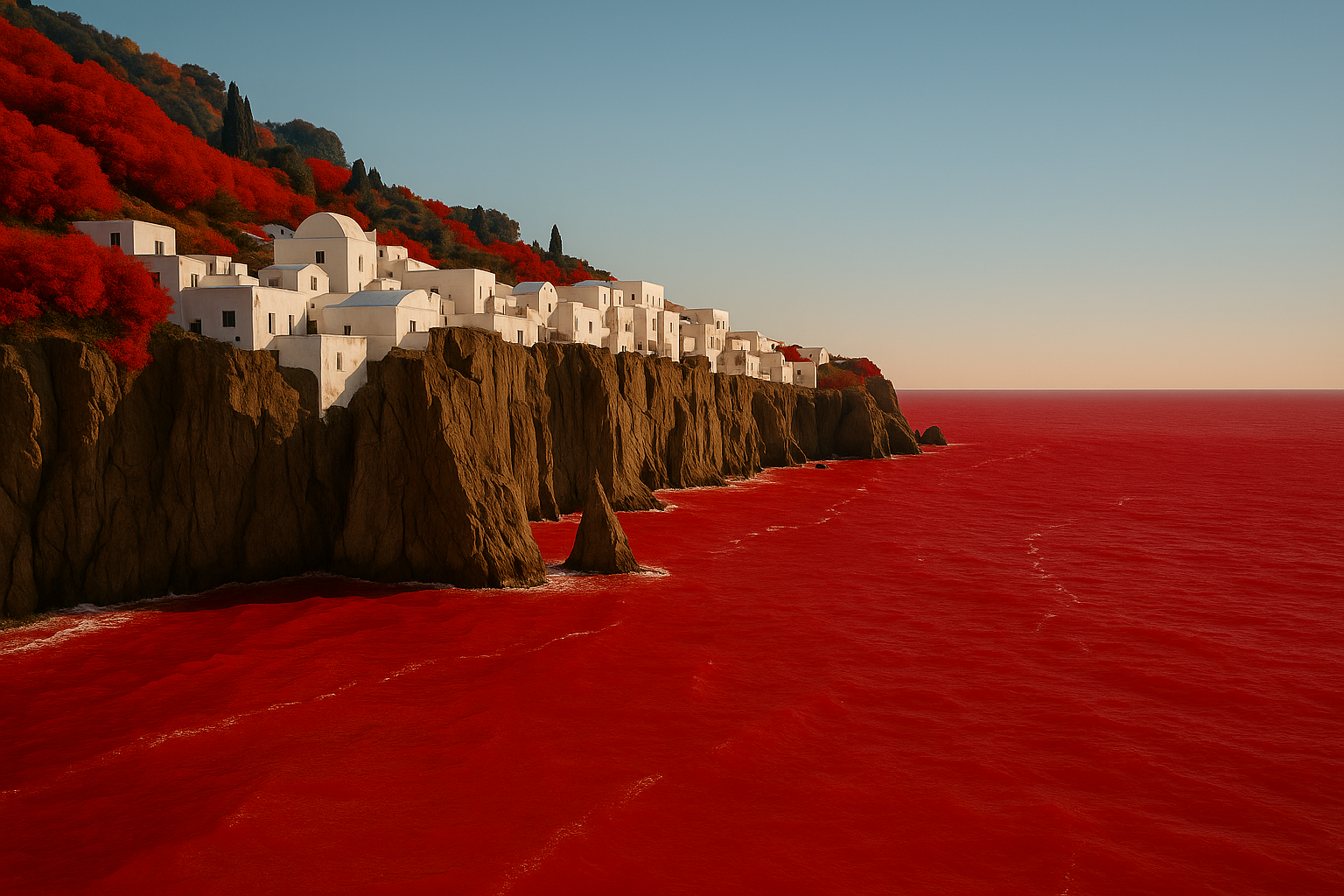



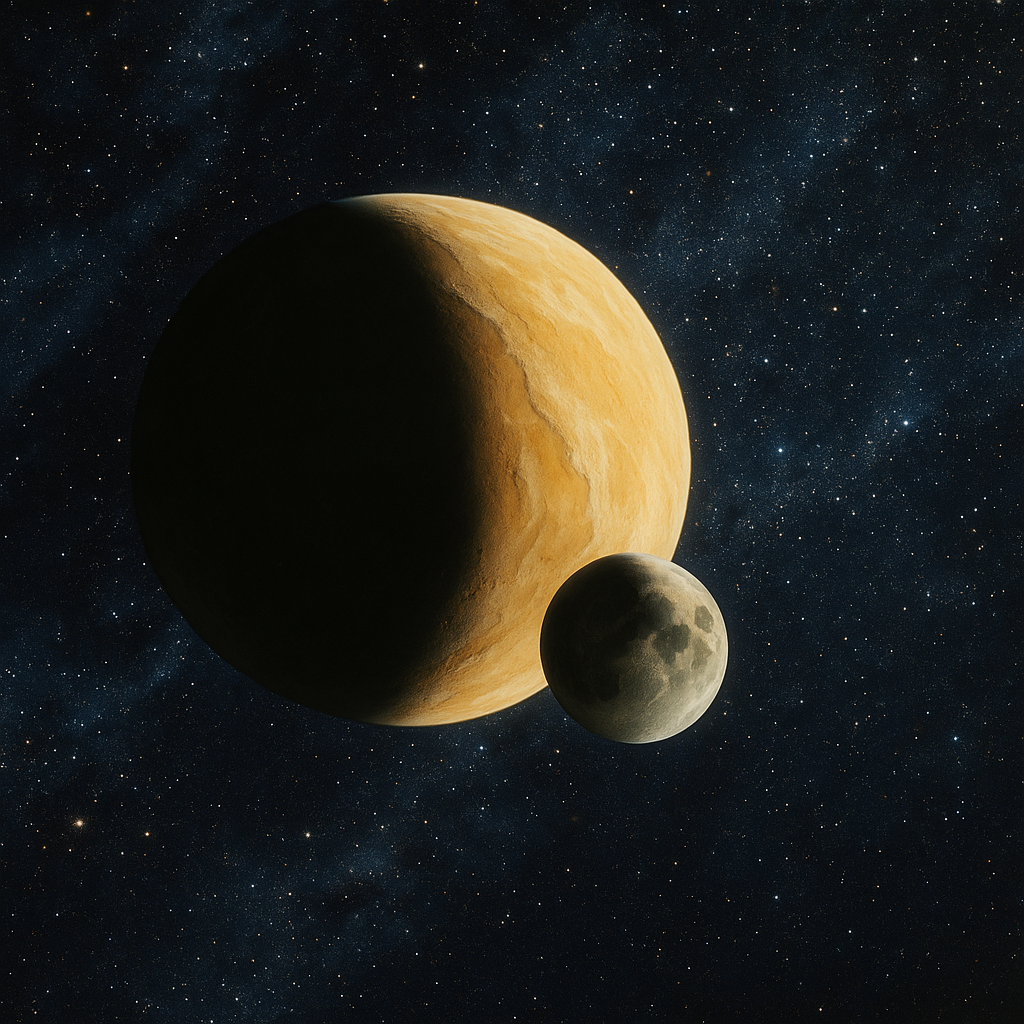


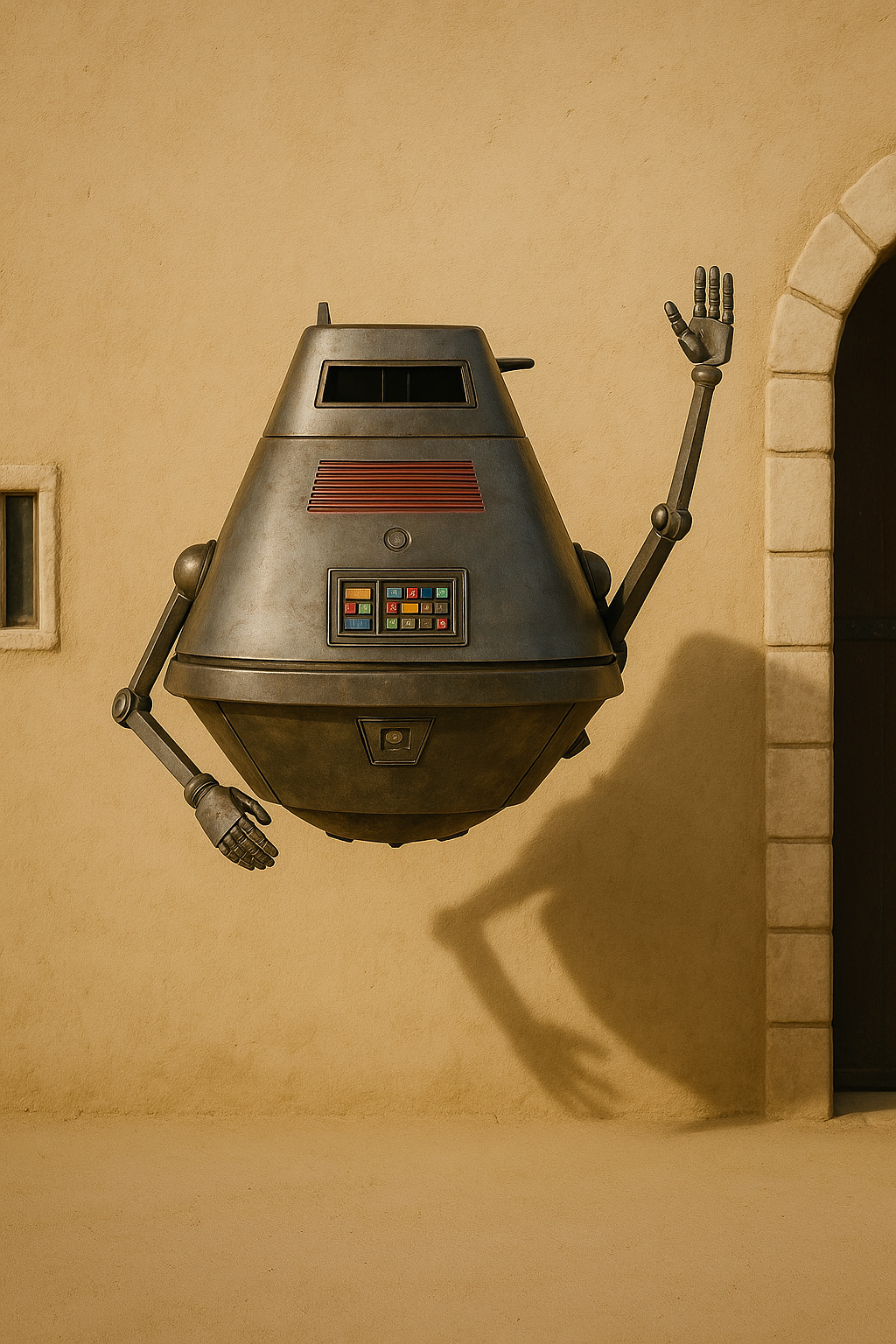
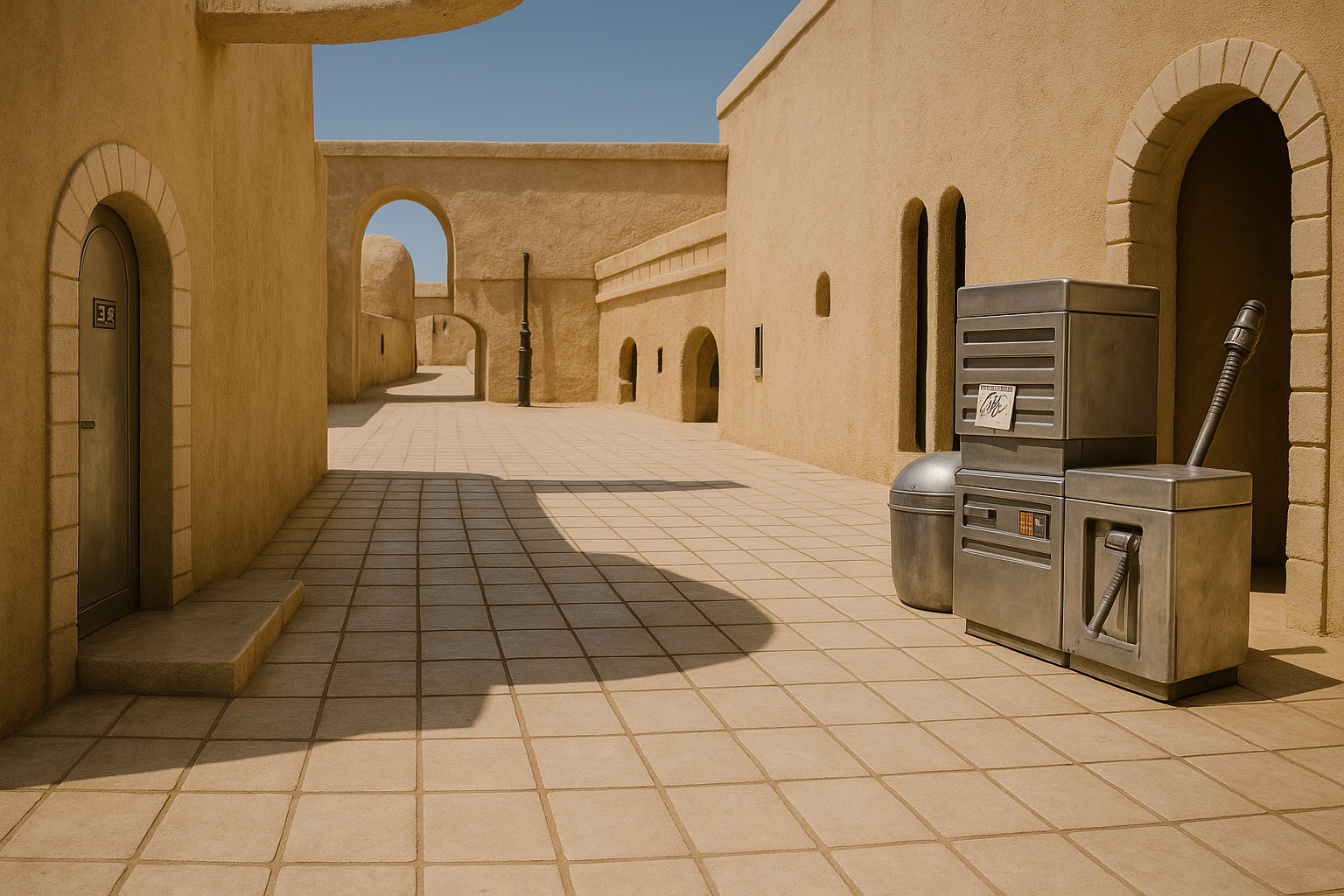


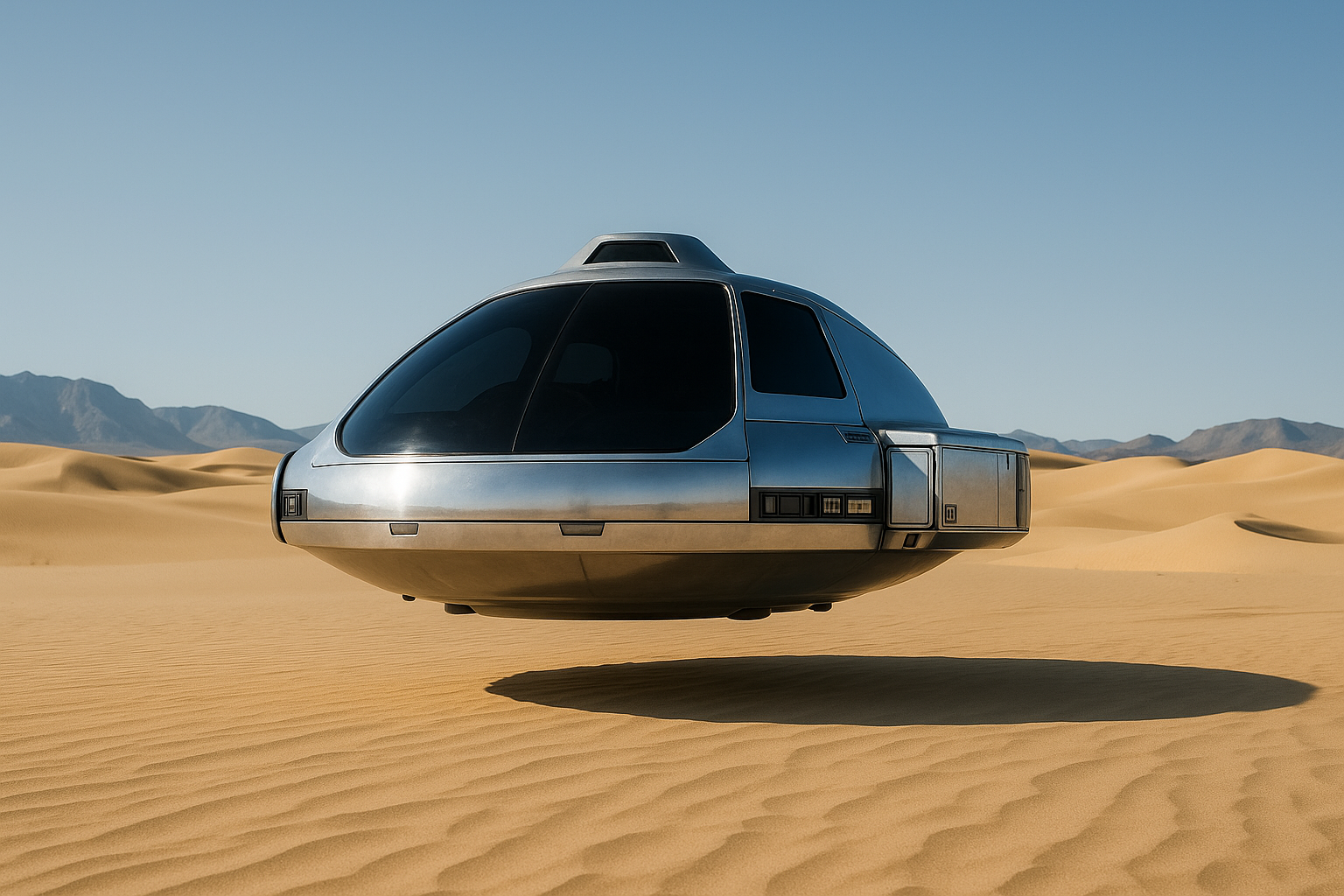


(The Pilitian) Wanted A Room With A View

I Don’t Know If I Should Be Flattered Or Outraged
Prompt: Make photorealistic using color palette of original image. Place two suns in the sky and make both characters male.



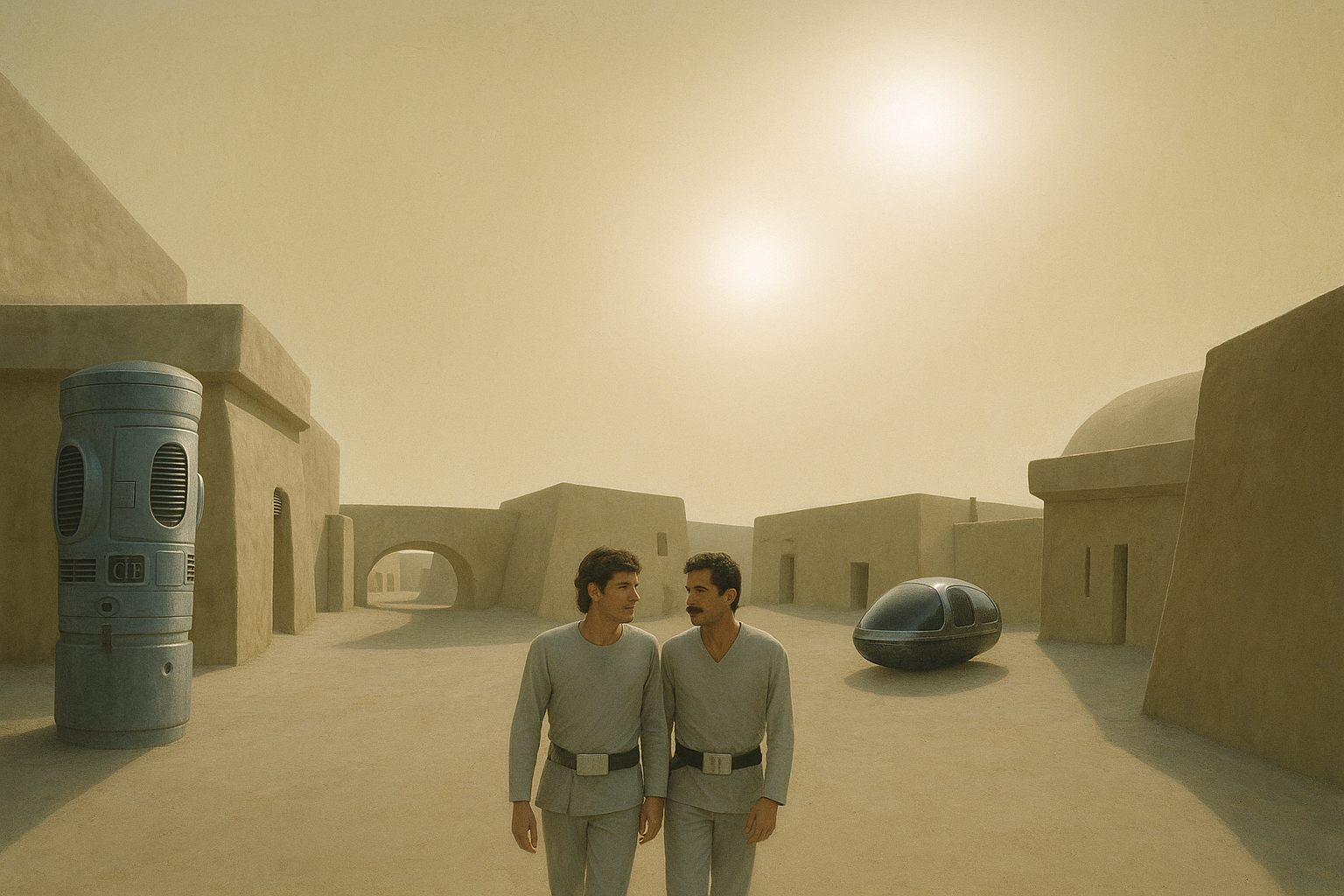



I know what I’m going to be doing for a while.
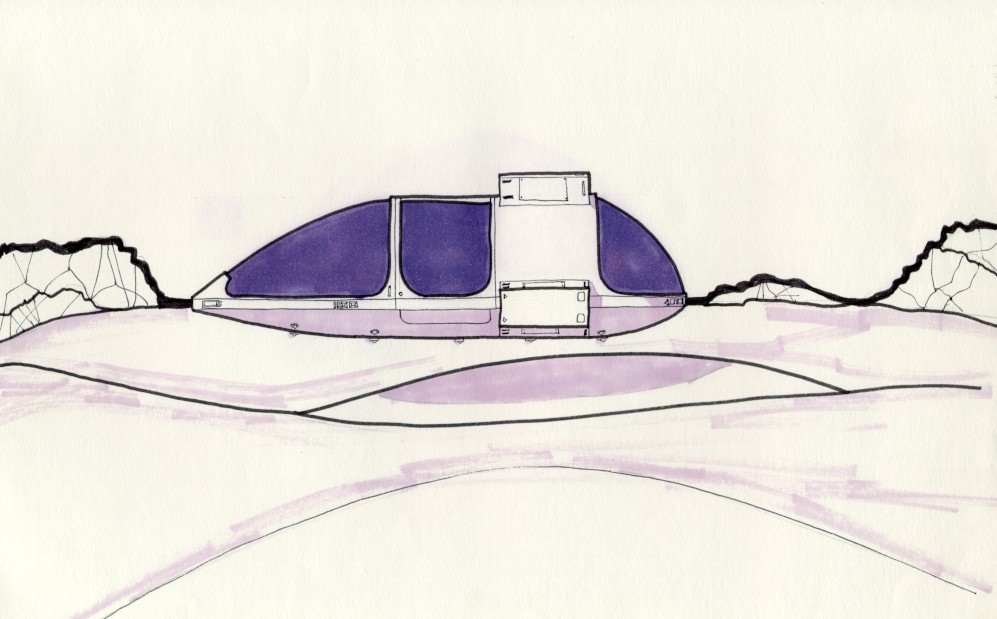
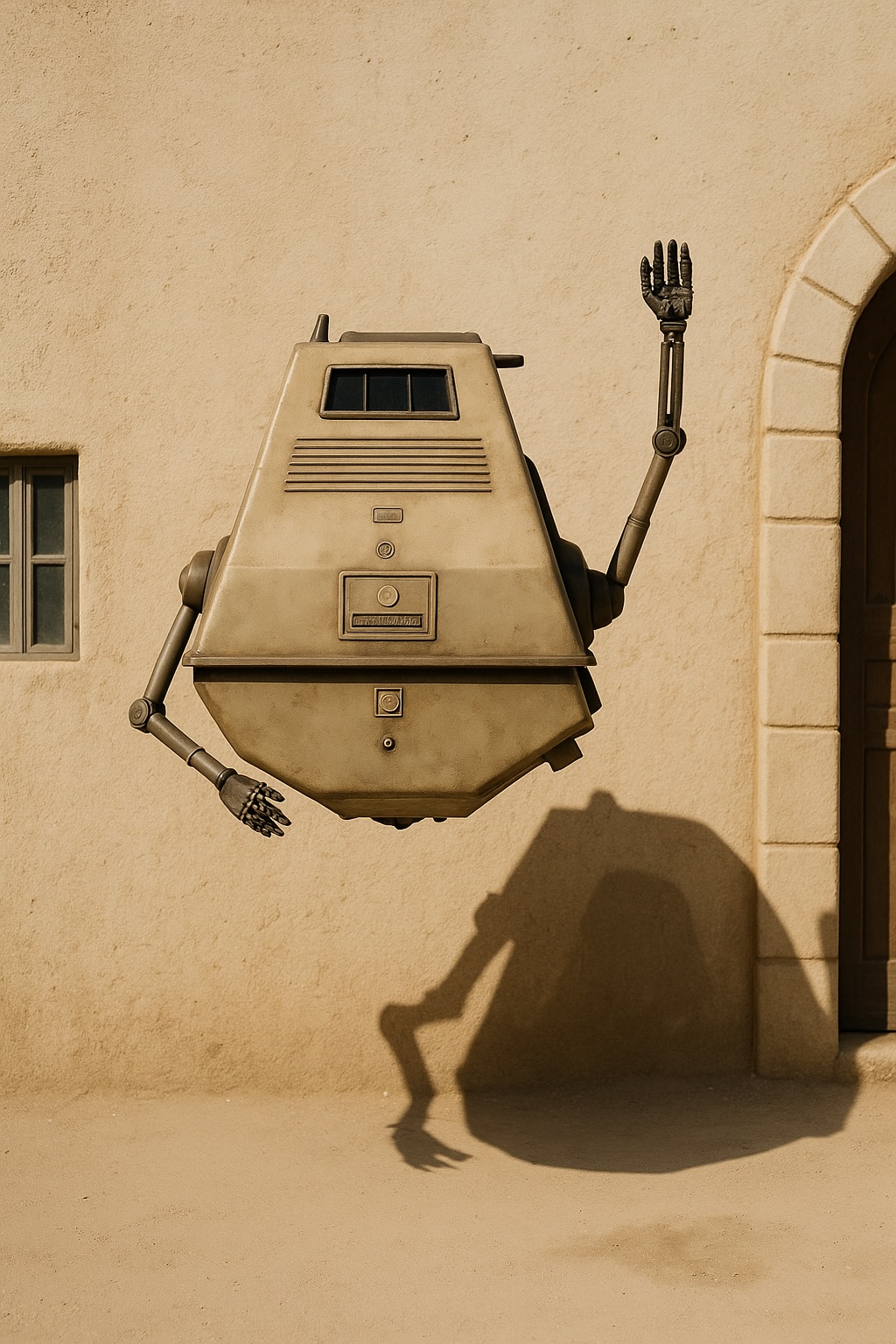
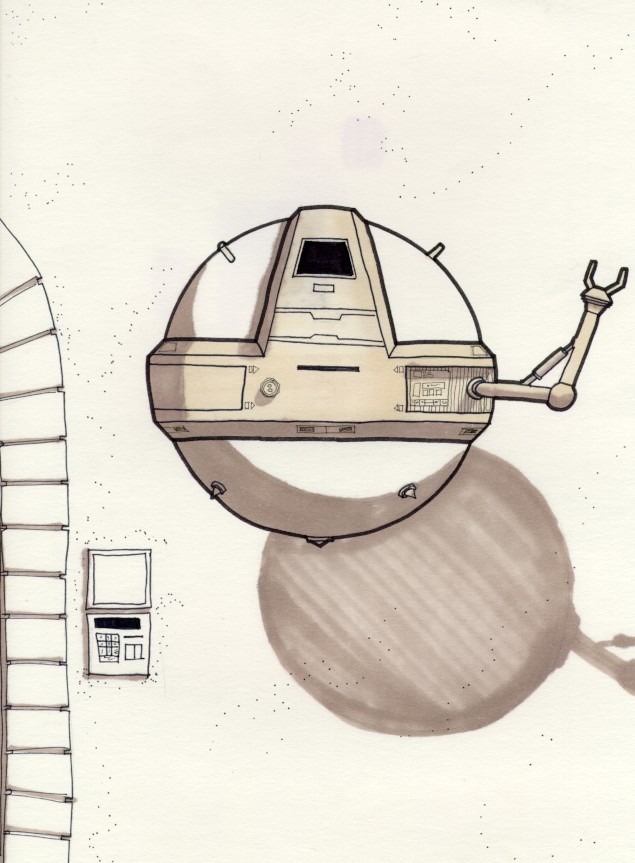
That being said, ChatGPT does manage to come close to my original vision for these pieces, although it misses details here and there. I don’t hate them, and truth be told I’m kinda surprised at just how good they all turned out. I’m sure I can get them even better if I add more to the prompts.
*This was painting based off what came to me in a meditation one afternoon. I was sunning myself on the deck of an ancient Egyptian vessel in the Mediterranean, when all of a sudden I heard a strange noise in the distance and saw the white vehicle appear on the horizon and fly overhead.
ChatGPT
Prompt: Make this photorealistic.
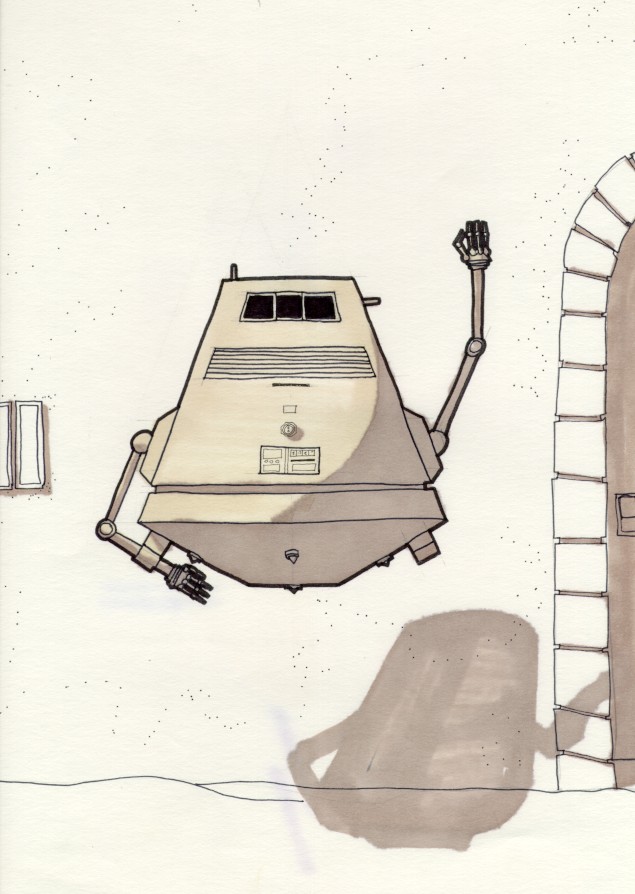

I don’t hate them…
The Weird and Wonderful (World) of AI Art
Kind of reminds me of the works of Swedish artist Simon Stålenhag (whose work I adore, by the way).
If you like the look of this, check out The Electric State (Netflix) and Tales From The Loop (Amazon Prime); both projects where Stålenhag was directly involved. And Tales also features the music of Philip Glass. ????
He’s Not Wrong…
#Accurate

Click to embiggen.
I can just imagine what the AI would say about this blog! (Although to TBH, this pretty accurately describes that as well!)
365 Days of UNF: November 30th