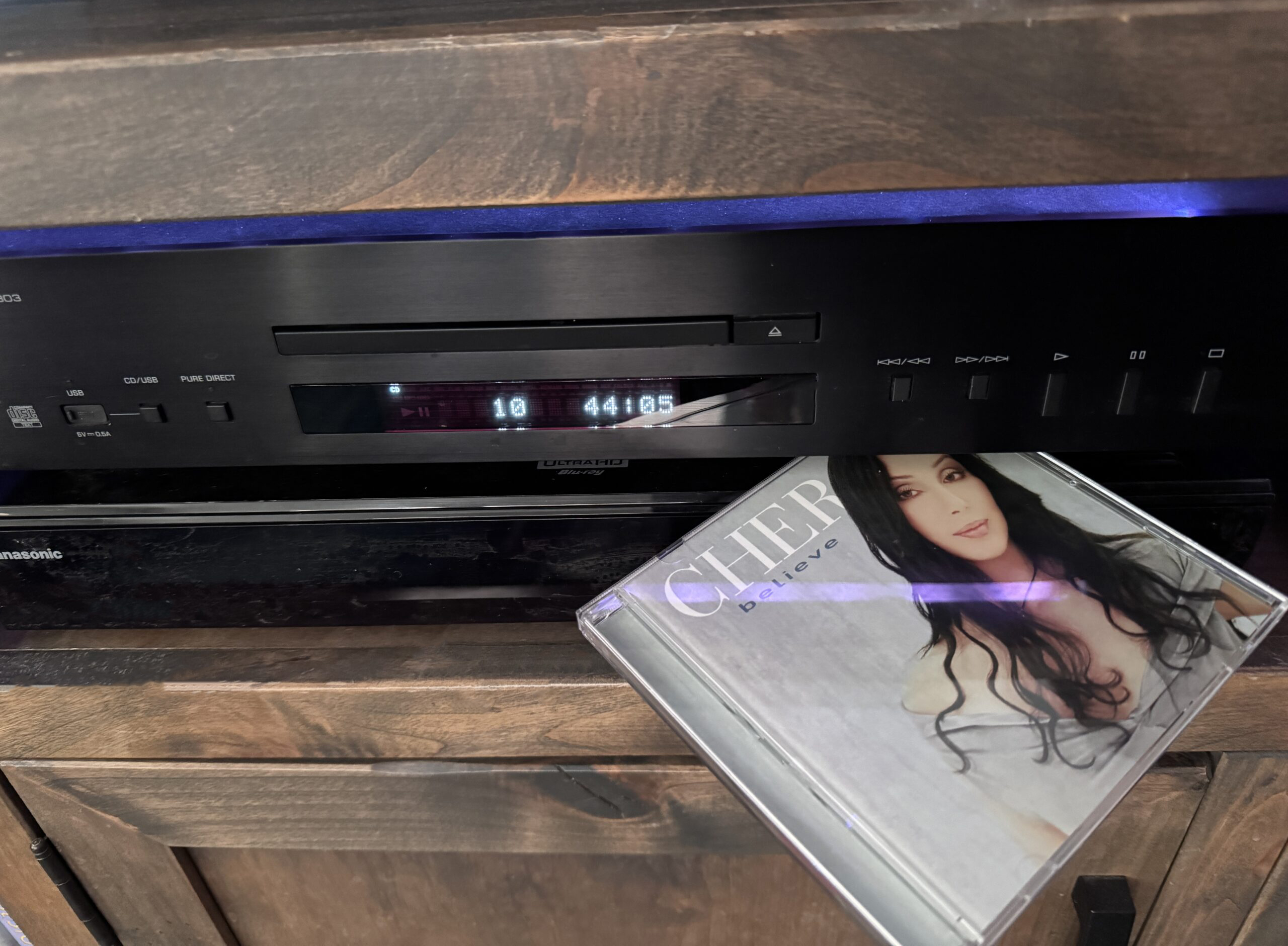
“Do you believe in life after love?”
Sigh… simpler times

Once a legitimate blog. Now just a collection of memes 'n menz.
“Do you believe in life after love?”
Sigh… simpler times
I was chatting with my friend Ken earlier today about our mutually-shared passion for hifi equipment (he was the one who got me hooked on all this shit back when we were in high school), and after him sending me some reviews for impossibly high-end equipment (including the latest Technics turntable), I remarked that since I’ve gotten back into CDs and MiniDiscs over the past couple years, despite my huge vinyl collection, I’ve played maybe two records in that entire time—and that was to dub the records onto MD.
As the discussion progressed, I went on to say that even though I rationally understand how optical digital media works, to this day I’m still amazed that it does at all—especially when considering the level of precision engineering and miniturization that went into MiniDisc equipment. It’s no wonder that in my nerd world I still sit back in wonder whenever I put on one of those shiny discs and music comes out the other end.
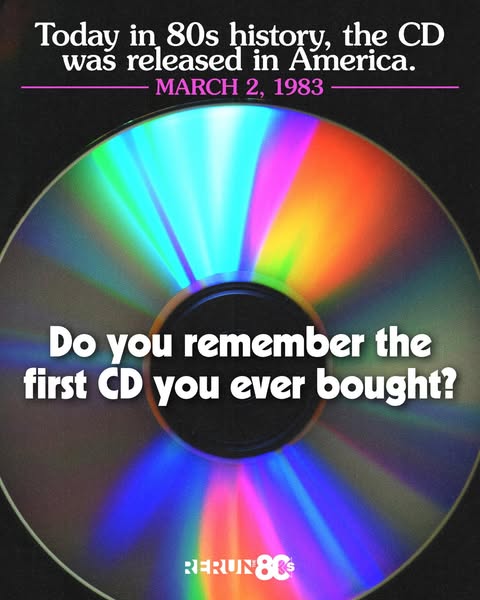
I honestly don’t, but it was probably something on the Private Music label. I only say that because they were being sold at the same audio salon where I bought the player. The one CD that left a lasting impression when I first got it (maybe a year later) was Ammonia Avenue by The Alan Parsons Project.
The video’s from 1982, but CDs were first released in the US on this day in 1983.
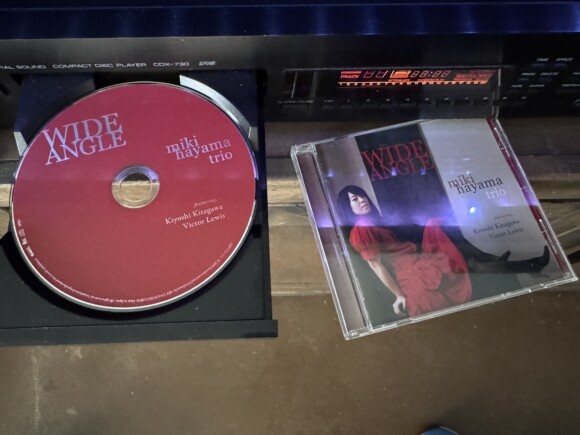
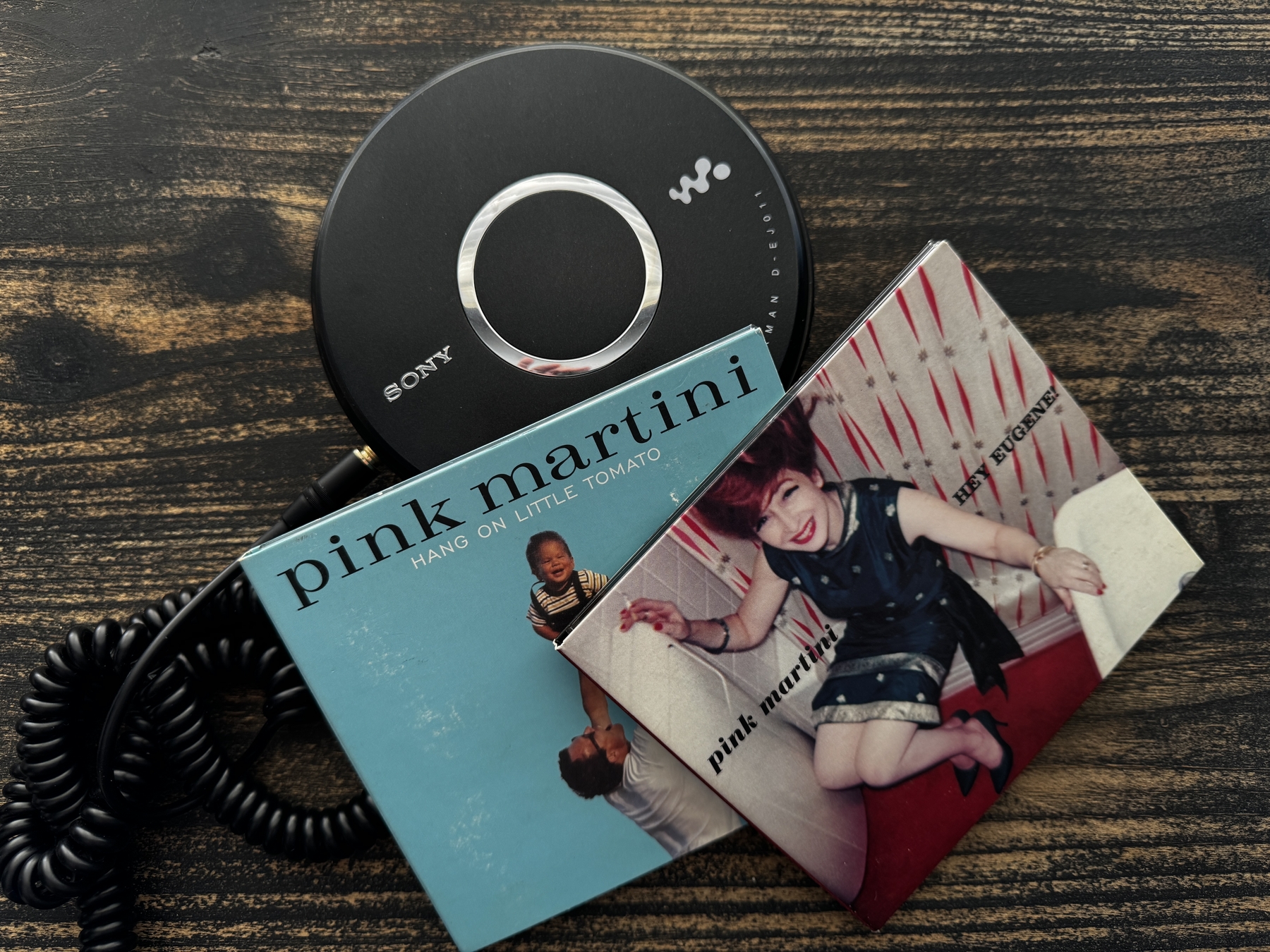
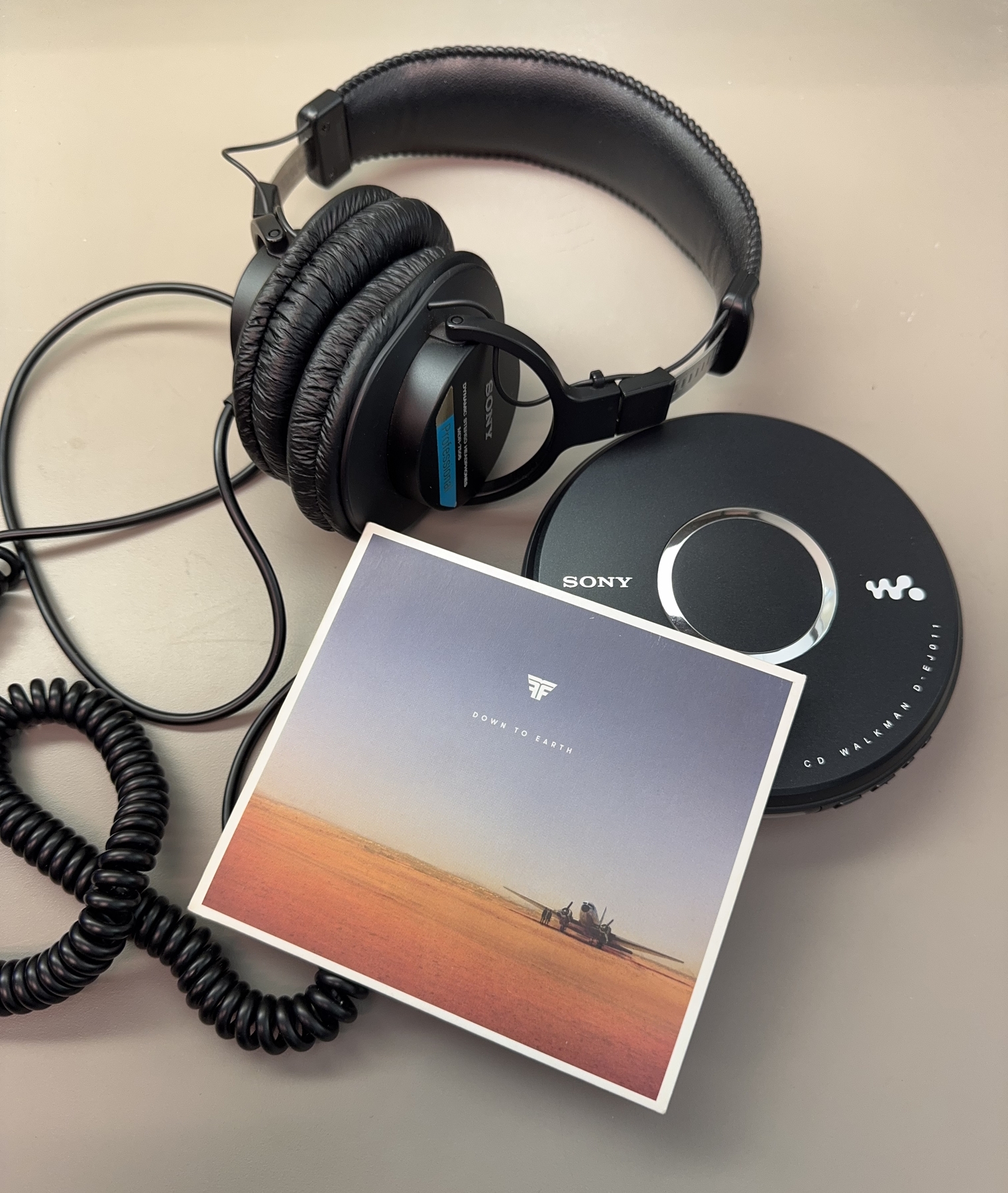
I really need to stop watching those YouTube Japanese CD player repair videos. They keep exposing me to new (to me), really good, music!
I’ve been watching too many YouTubes like this and I was bored so I made my own.


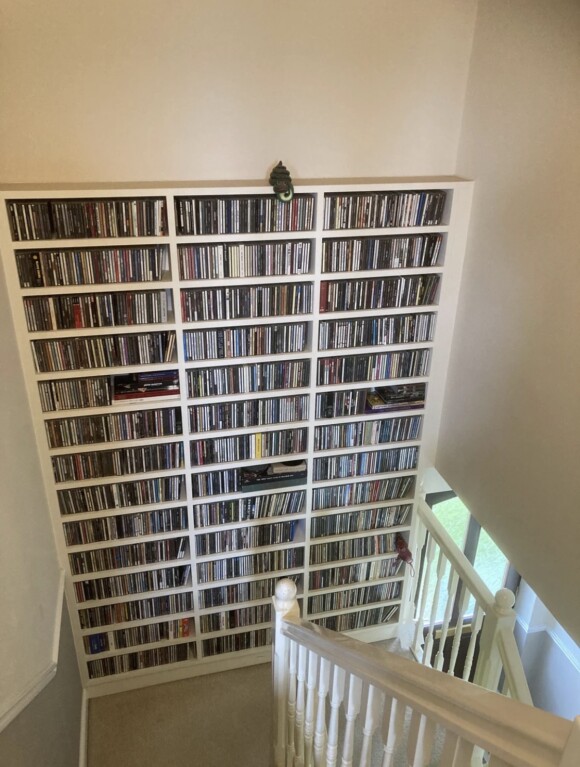
…how do they reach the discs on the top rows?
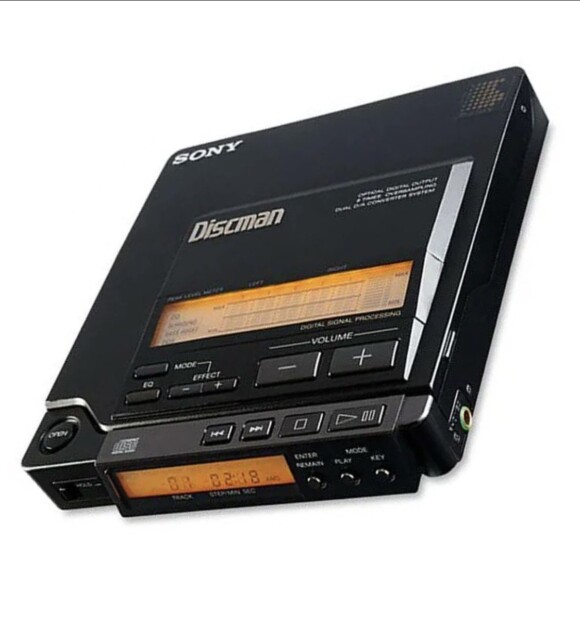
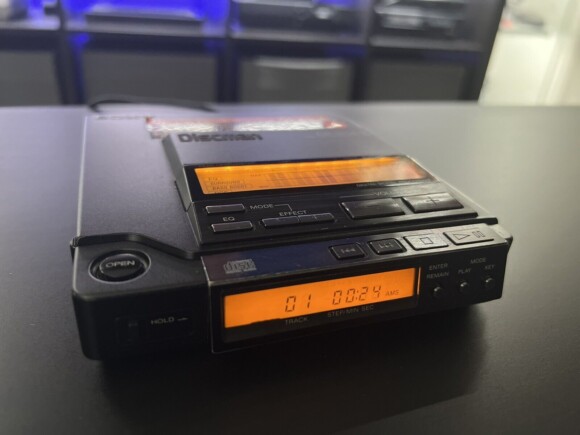
By Mark Tyson
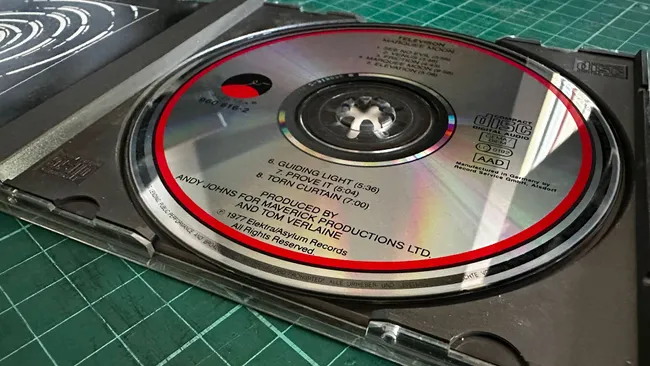
Today marks 43 years since the first commercial Compact Disc (CD) pressing. Polygram in Germany is credited with pressing the first copies of Abba’s The Visitors on this date, back in 1982. The CD format would take off in a direction which would have been highly unexpected at the time, ending up as a foundation of the Multimedia PC age. However, CDs didn’t kill the audiophile thirst for vinyl, and, on the flip side, some artists are still releasing CDs, even in the 5G and fiber digital streaming age.
While the first commercial CDs were factory pressed some 43 years ago, the discs were in development for quite some time ahead of this date. According to various sources, Sony and Philips clubbed together in 1979 to create a digital music disc.
Among the first prototype CDs, a format with an 11.5cm diameter which was capable of storing an hour of music was an early front-runner. Philips apparently had a production line ready for such silver coasters. However, the final 12cm diameter and 74 minutes capacity was apparently favored as it was sufficient for a complete recording of Beethoven’s 9th Symphony – Sony president Norio Ohga’s favorite musical opus.
We must note that there are conflicting 74m CD audio origin stories, though. Another credits the desire for this particular uninterrupted audio duration to famed conductor Herbert von Karajan. Similarly, the Wilhelm Furtwängler’s 1951 recording of Beethoven’s 9th (74 minutes long) is said to be the reason for this time target.
By June 1980, the CD audio Red Book standard was finalized. Abba’s The Visitors entered production in Aug 1982, though wouldn’t hit retail on its new fangled format until March 1983. Meanwhile, the first CD album released in the U.S. is thought to be Bruce Springsteen’s Born In The U.S.A., released in September 1984.
According to Statista, CD album sales peaked in the year 2000, with around 943 million sold in the U.S., alone. The format’s fall from grace has been pretty fast since then, but things have recovered a little since the 2020 low.
For computing enthusiasts, like us, the announcement of the CD Yellow Book standard is probably more important than the audio standard. This new standard, which would reach the market in 1985, added binary data to CD storage.
Yet another significant change came in 1988, however. In this year, the ISO 9660 standard came into being, defining a file structure for CD-ROMs. CD burners, which created another huge ripple in the PC pond, began to first become available to the public in 1992. But it would take until the latter half of the 90s, when pricing, interfaces, and software began to democratize CDs as digital storage, archiving, and sharing essentials for everyone.
Reading about people using CDs with computers in 2025, as almost as archaic sounding as the use of floppy disks. Nevertheless, some music fans still prefer physical CDs to digital platforms (and the vinyl) such desires have probably spurred the likes of Taylor Swift to release almost 20 physical variations of her latest release, The Tortured Poets Department – including CDs, LPs, and even cassettes. If you count digital variants, there are 36 editions of this album you could buy.
I still maintain access to CDs and DVDs, and the ability to write various optical formats, using a simple external USB optical drive like this one from LG, at $27 on Amazon.com. There are plenty of cheaper, lesser known brand alternatives, too. It is great for looking through old archives and so on, as well as (re) ripping choices from the old music collection.
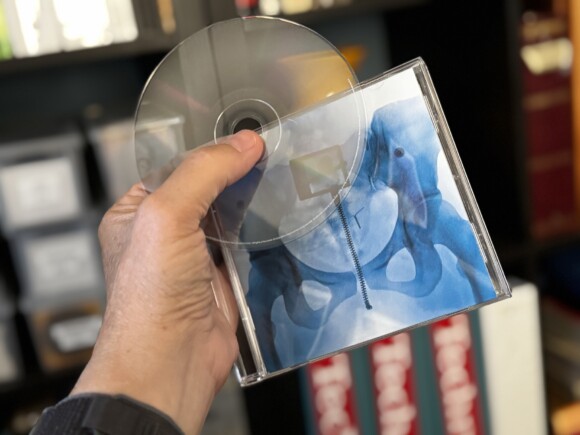
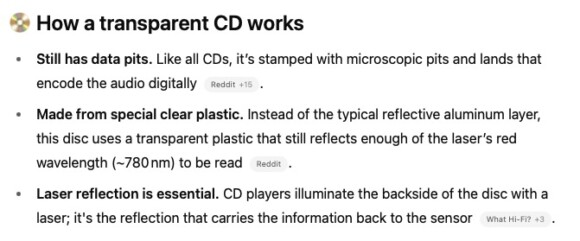
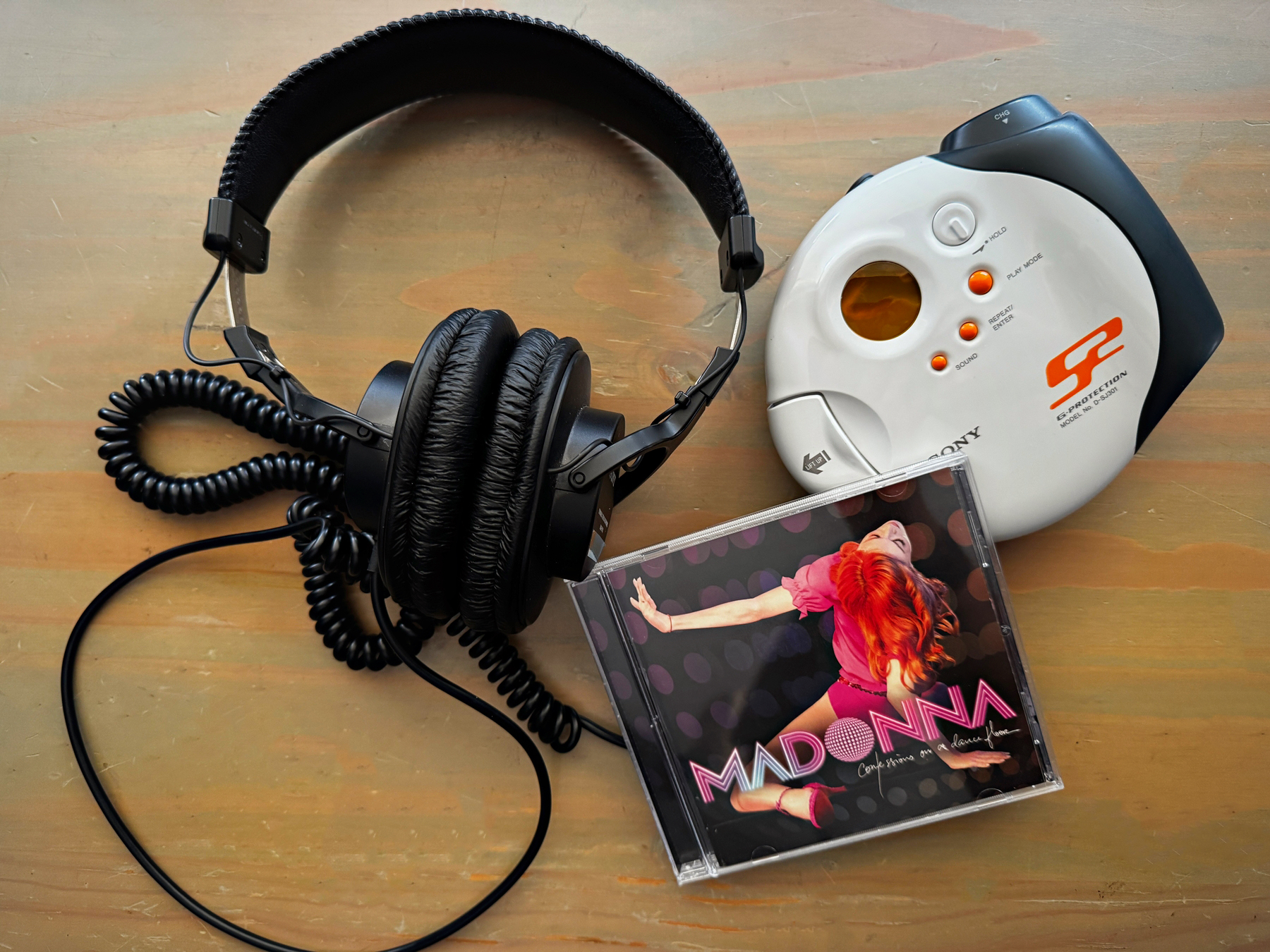
I bought it as a curiosity. I’m not that familiar with Lorde’s work (actually confusing her with Madonna’s daughter Lourdes at one point) but I understand each of her albums has some gimmick factor. In this case it’s being released on a “clear” CD. I was kind of surprised it actually worked, but after listening to it my reaction was a definite “Meh.” I’ll give it a few more listens and see if it grows on me. It happens.
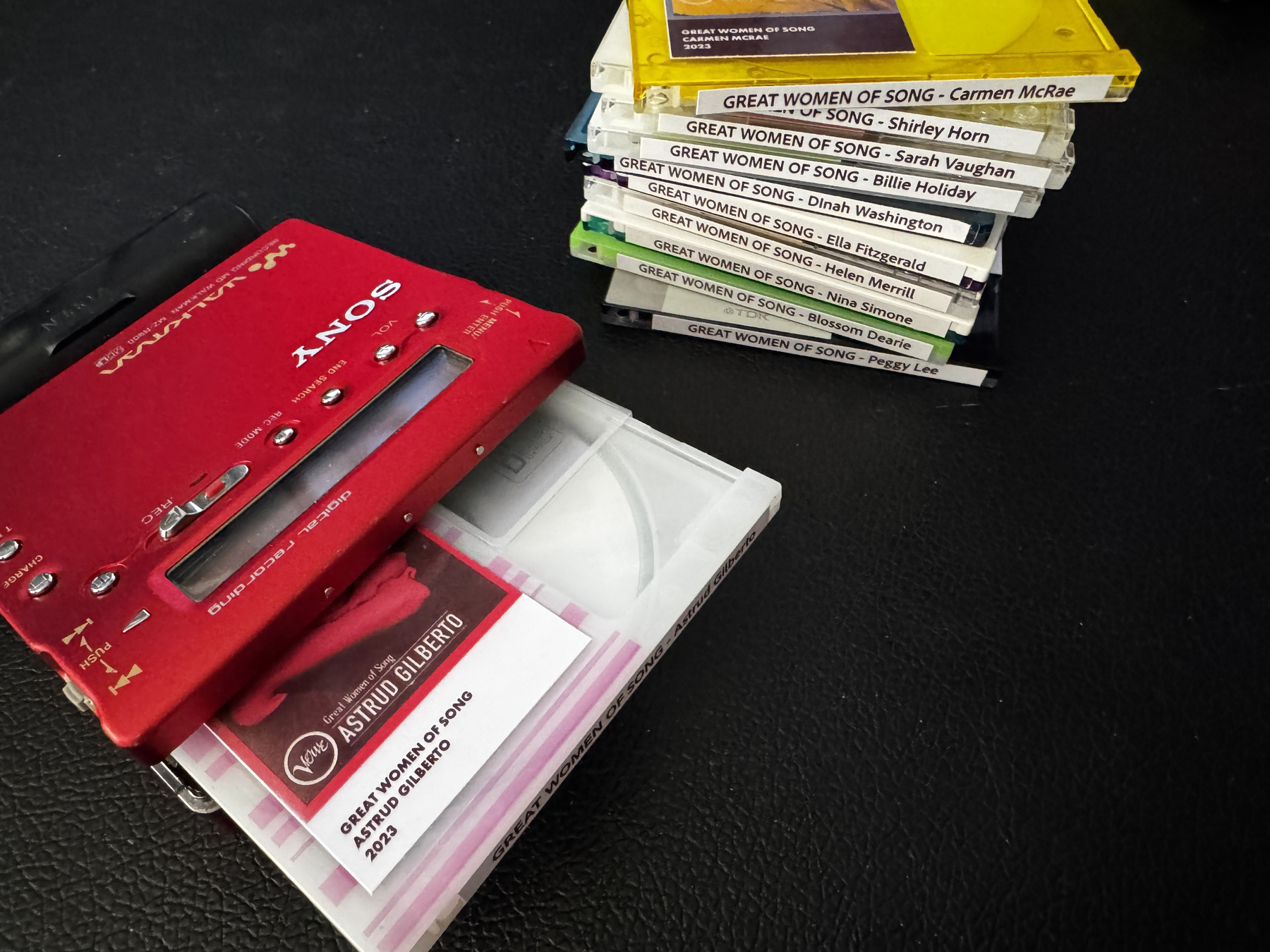
…from our friends at Verve Records. Available on both black and colored vinyl, as well as CD.
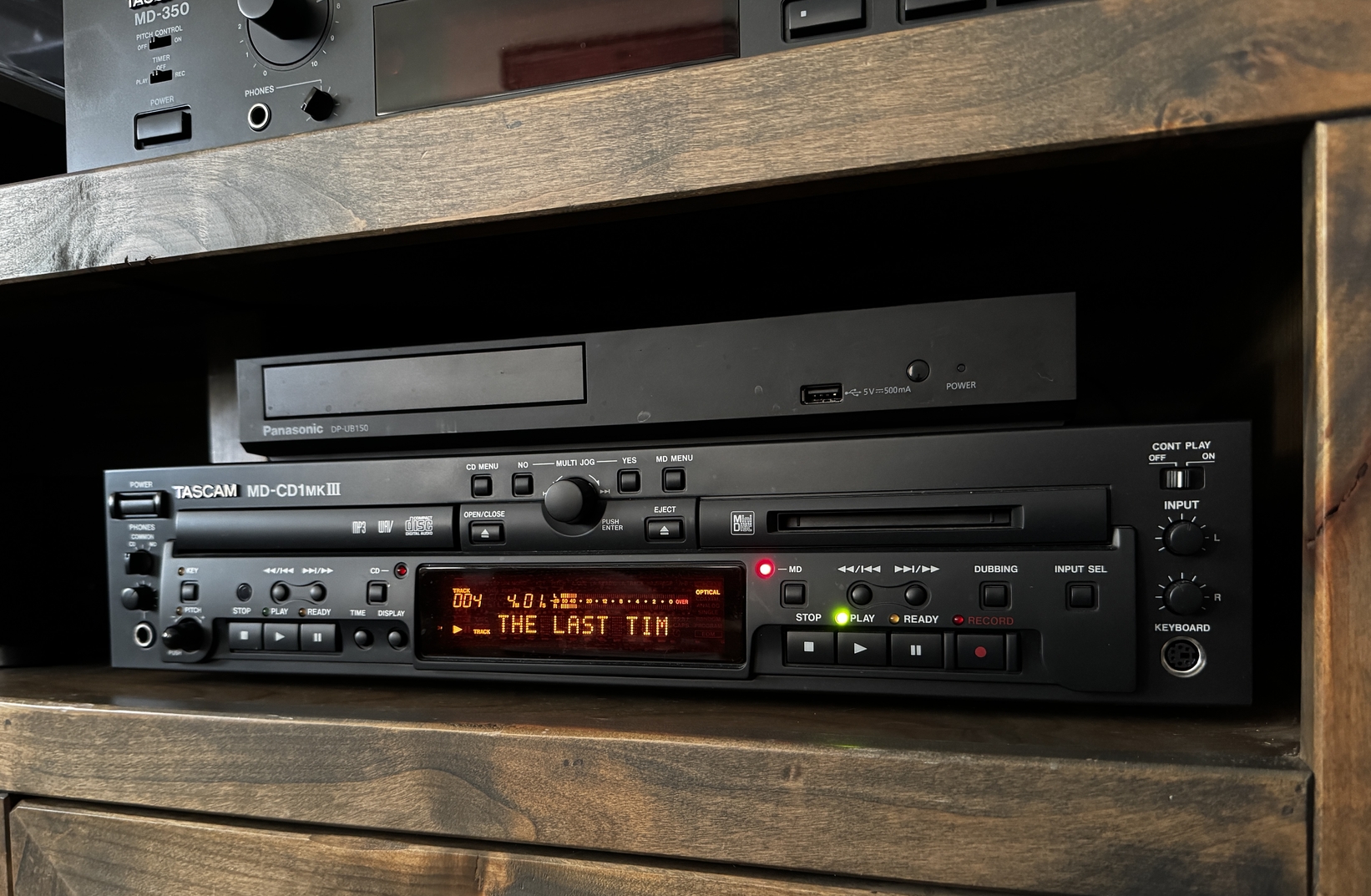
A new toy.
Did I need it? No. Not by a long shot. Did I want it the moment I knew of its existence? Absolutely.
Back in the day (i.e. the 00’s) when I was heavily into MD, I had several pieces of gear, among them a Sony MXD-D40 combo CD/MD deck. It facilitated high-speed dubbing from CD to MD and would even properly transfer track marks and CD text (if it was present) as part of the process. I’ve had that model now on my eBay watchlist for the past few months since it would allow me to consolodate equipment, but it seems the only ones that showed up were Japanese units and therefore 100V. Yeah, I could buy a step-town transformer to plug it into, but when we start doing that shit I start questioning if my hobby has turned into an addiction. Granted, there are worse things to be addicted to, but I didn’t want to cross that line since it seems I’m already straddling it. They were also outrageously priced.
After getting my Tascam MD-350 minidisc deck back in January and being so impressed with the engineering and build quality, I started wondering if Tascam had also produced a combo unit. Of course they did. Several different iterations, actually. Tascam is the professional arm of Teac, one of the biggest and most respected hi-fi equipment manufacturers of the last fifty years—and a name all of us cassette-obsessed boys in the 70s turned to.
The latest model of their combo deck was the MD-CD1 MkIII, available from 2011-2017. A cursory eBay search reported several offerings—again all 100V Japanese units. But I knew they’d also produced this for the US/Canadian market from pictures I’d seen online, so was just a matter of time and practicing a little patience (something I am not good at) before one showed up. To be honest, several US units had appeared over the past couple months, but being originally sold as professional equipment (much like the legendary Technics SL1200Mk2 turntables), they all looked like they’d been ridden hard and put away wet.
No thanks. I can wait. It was, after all, a want and not a need…
Patience paid off. One appeared on eBay a week ago. Supposedly a one-owner, fully functional, 120V unit. Except for a tiny scratch on the top panel at the rear, it looked mint. The seller was offering a very reasonable price. I countered with an offer about $40 less, and he came back with a $20 discount (essentially covering shipping). I slapped the BUY IT NOW button and it arrived today.
Since my mantra for this shit is now “one in, one out,” after I’m sure this is actually working properly, I’ll put my year-old standalone Yamaha CD player up for bid. Based on what they’ve been selling for, I should easily recoup what I paid for the Tascam, with money even left over. (I’m also going to sell several of my portable CD players since they’re all but gathering dust on the shelf these days.)
So what do I think of it? Well, for starters, I wish I’d known of this model back when I stumbled back into this hobby. It would’ve saved me a lot of money. For the very short time I’ve spent with it, I have to say it’s also one complicated beast. If there’s one major difference between Tascam and Sony gear, it’s gotta be ease of use. Sony decks function intuitively; a complete novice could figure out how use one of their recorders without cracking the owner’s manual. Tascam? Not so much. Even common functions like splitting, combining, or moving tracks on the Tascam is not as stupidly simple as it is on a Sony deck. (Or maybe I’m just old and used to doing things one way and when presented with something different I go into brain-lock.) I’m not complaining; learning new shit is vital to creating new neural links in an aging brain!
The MD-CDMkIII does everything, but accessing the settings often involves digging several layers deep in the menus. (The owner also supplied the original printed manual, which has been invaluable.) I just dubbed Eurythmics’ Revenge, both at regular and then again at high speed to verify everything was working, and it’s perfect. I suspect this deck never saw the inside of a studio and truly was a single-owner unit, used exclusively in a home setup. And as an added surprise, the seller even threw in about a dozen new, still-shrinkwrapped minidisc blanks—something he didn’t even mention in the auction. Sometimes the Universe still smiles upon you.
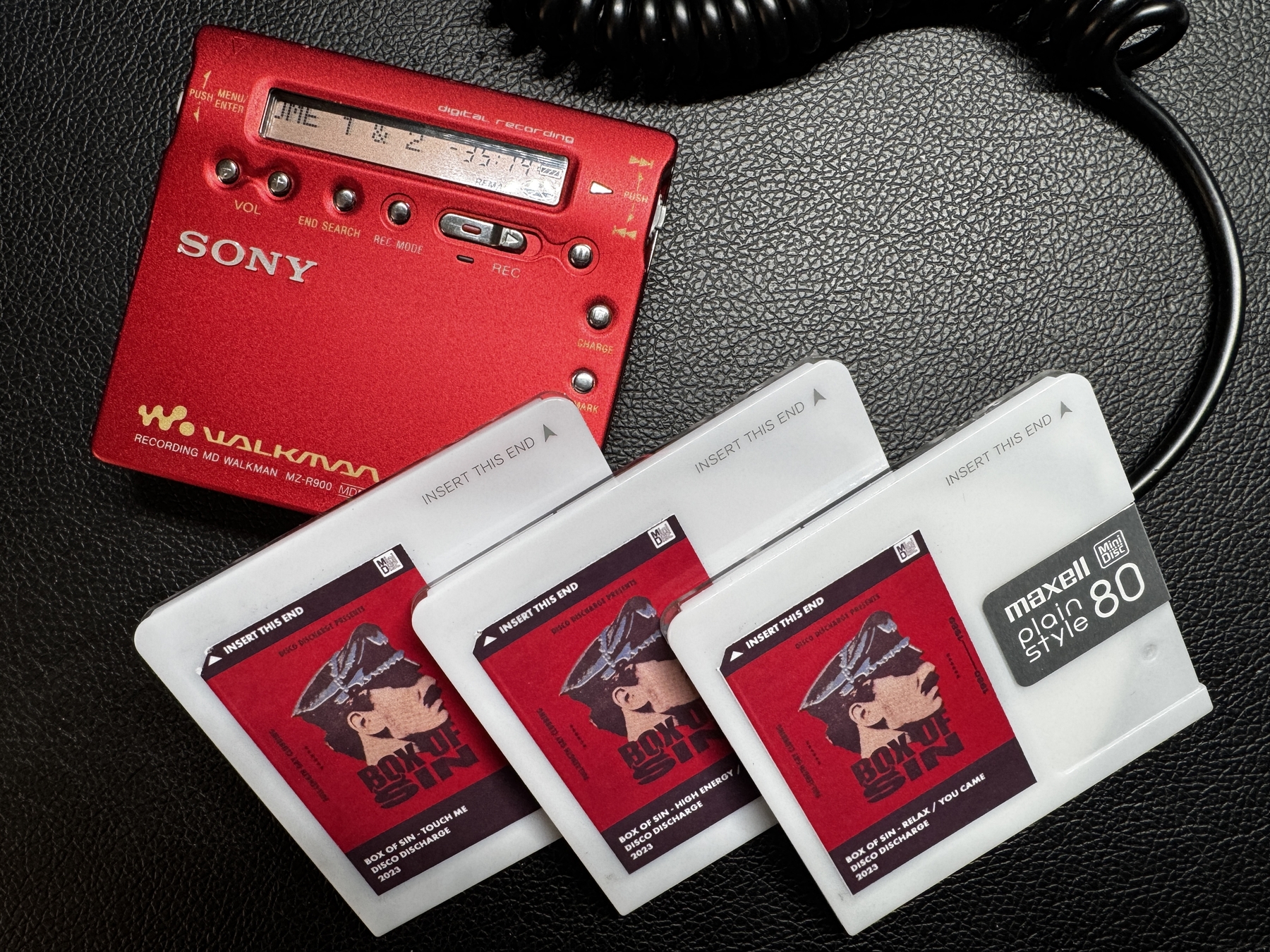
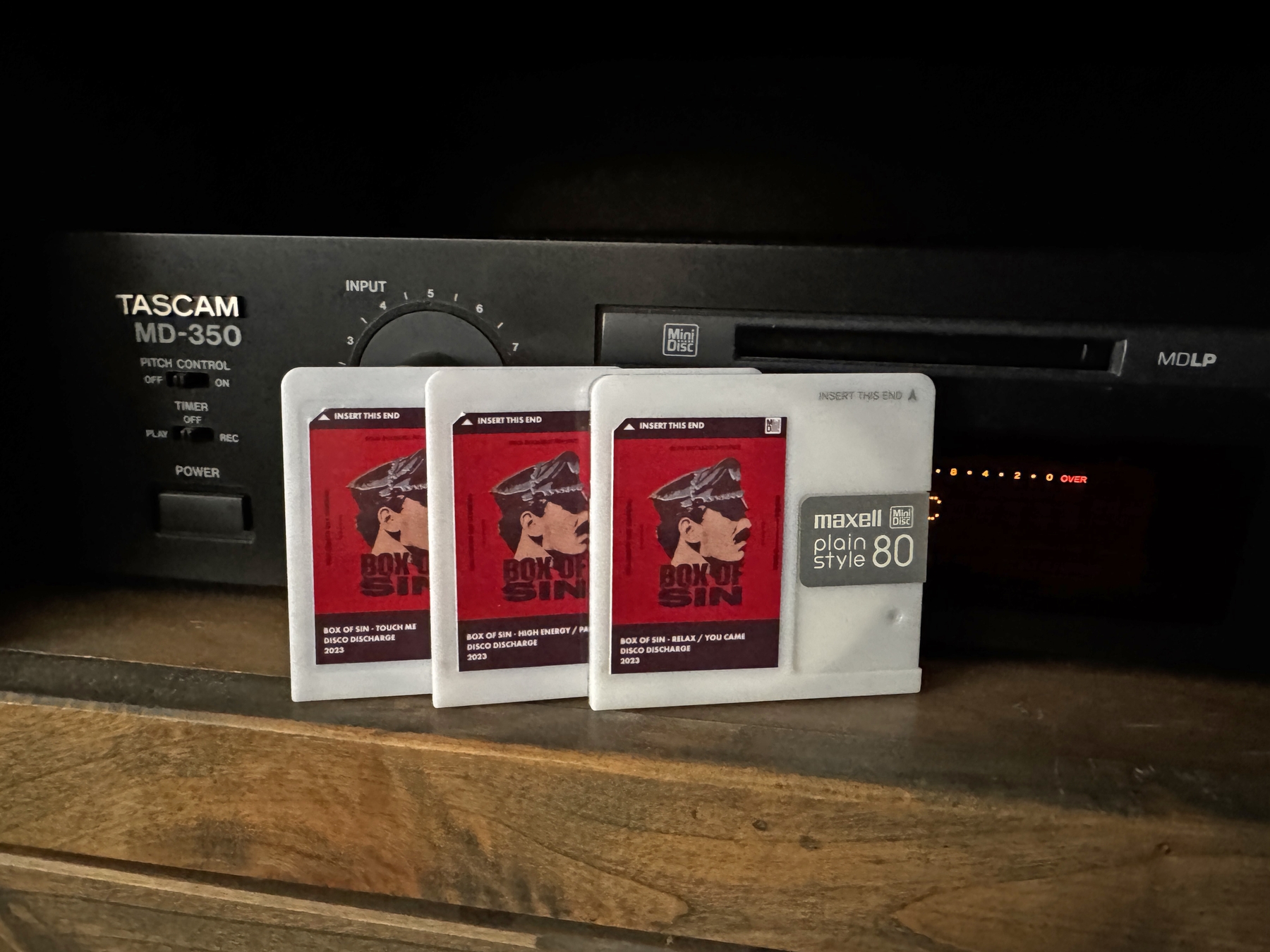
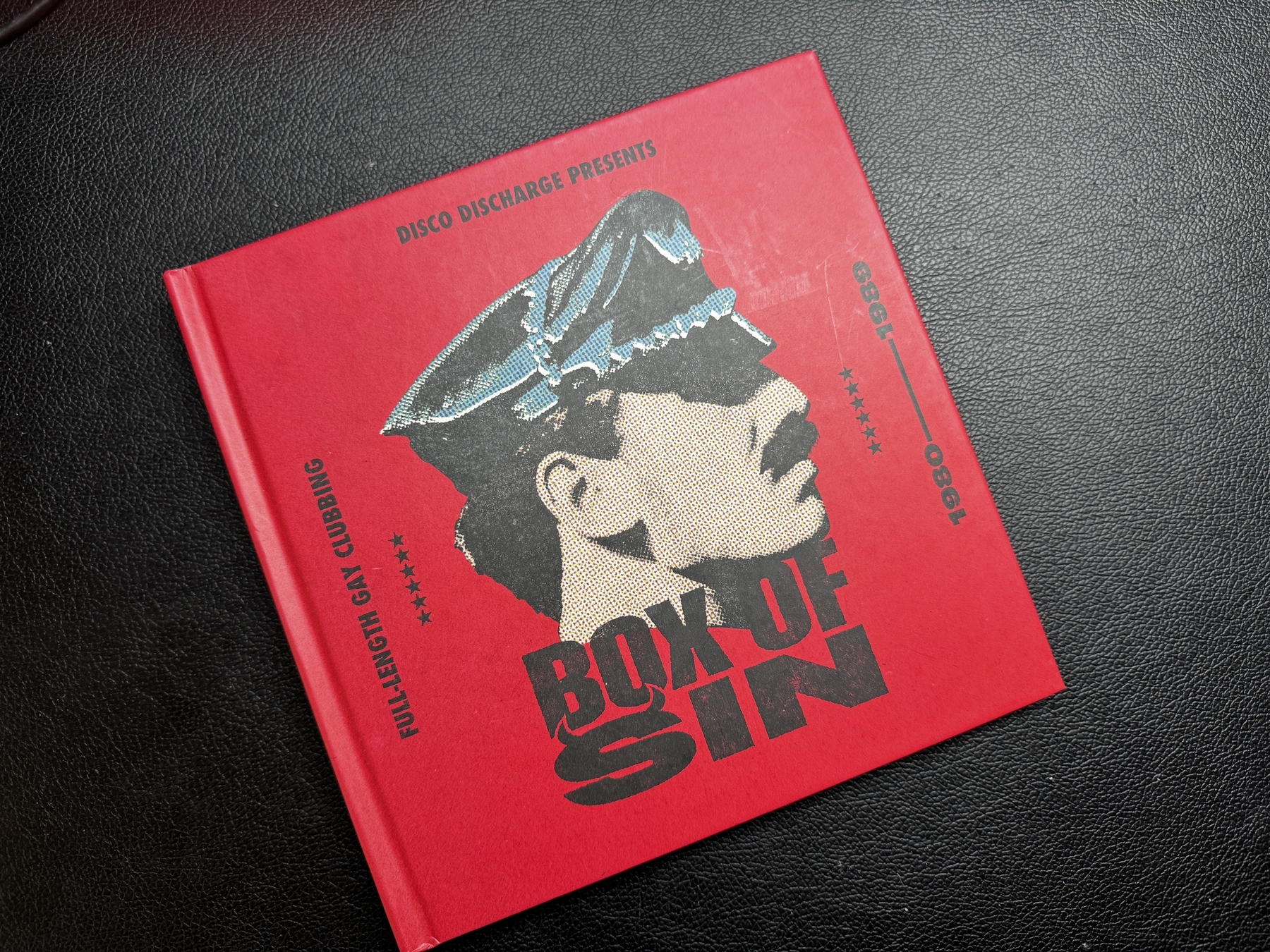
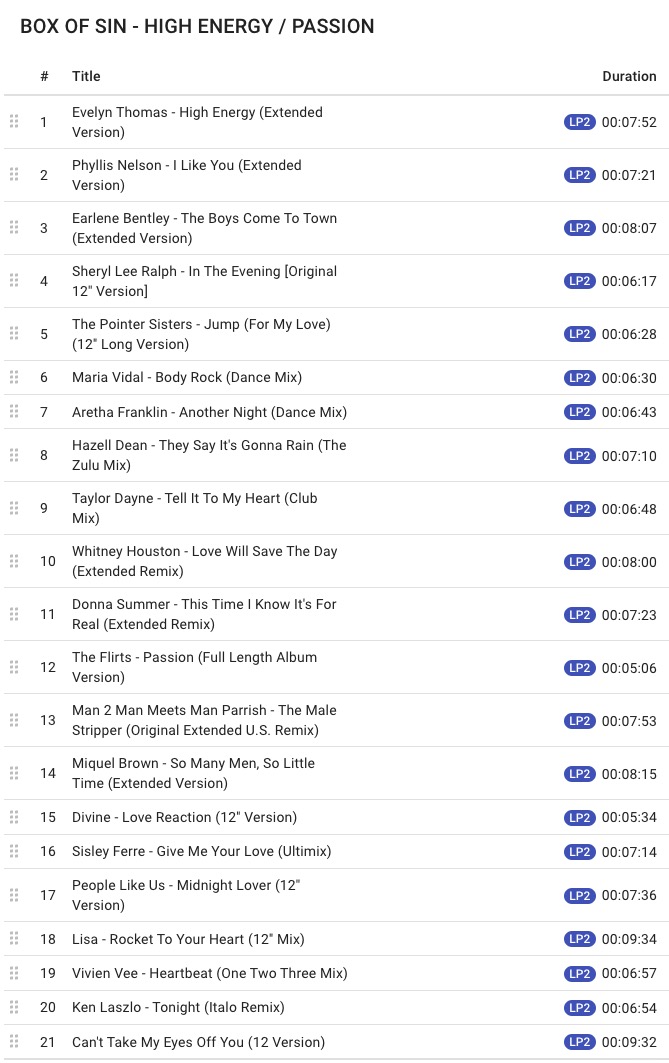
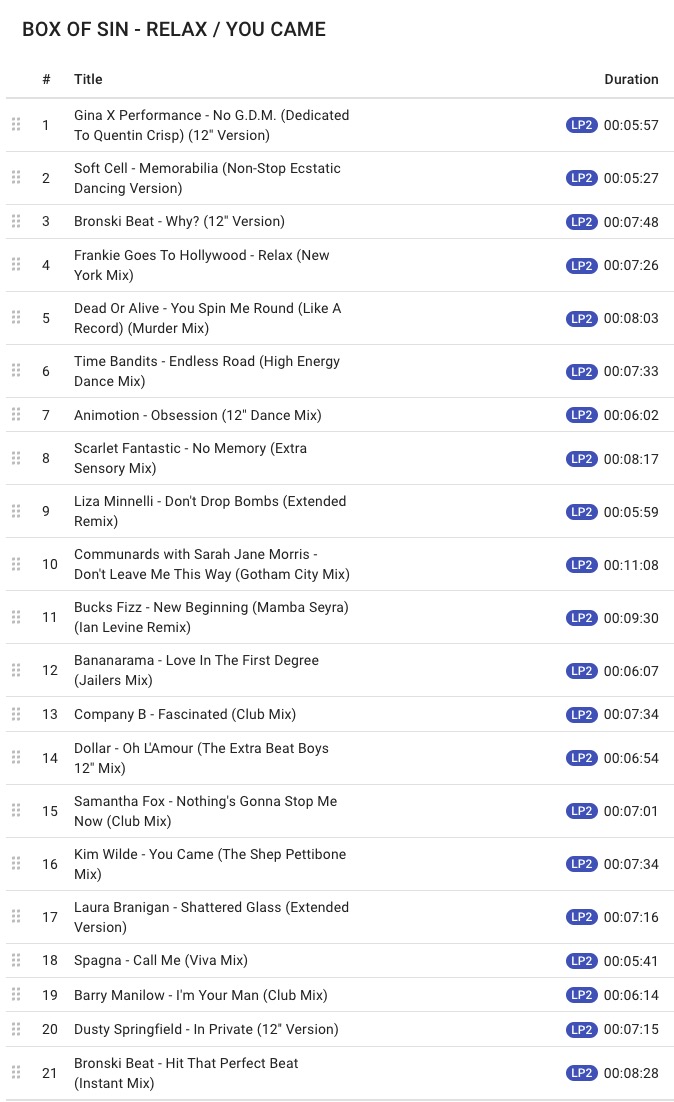
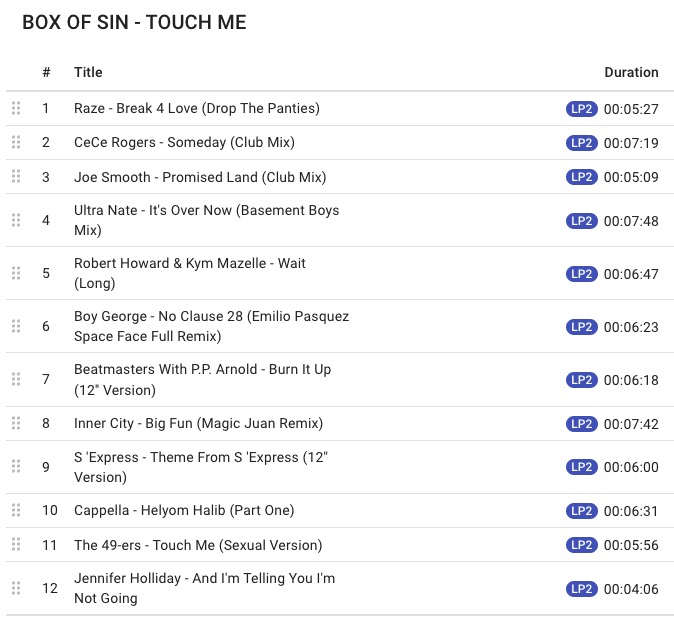
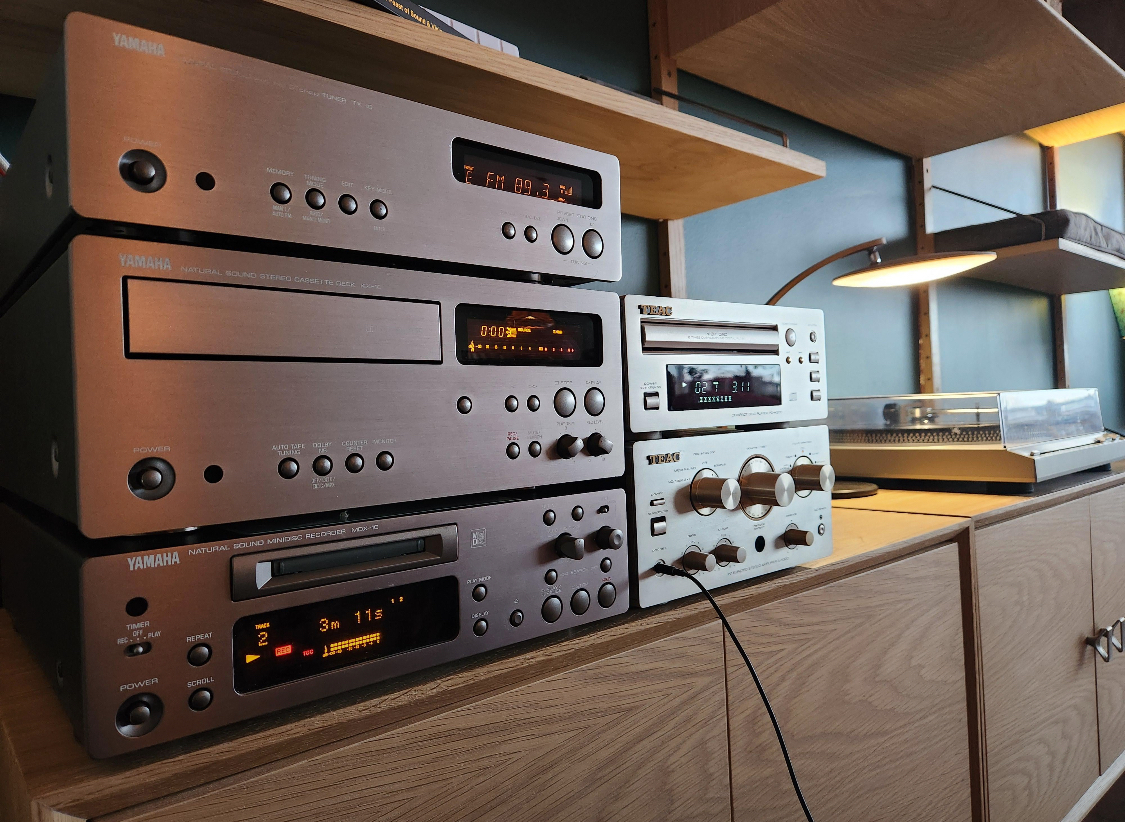
The rest of the world got a shitload of cool stuff that never made it to the States.
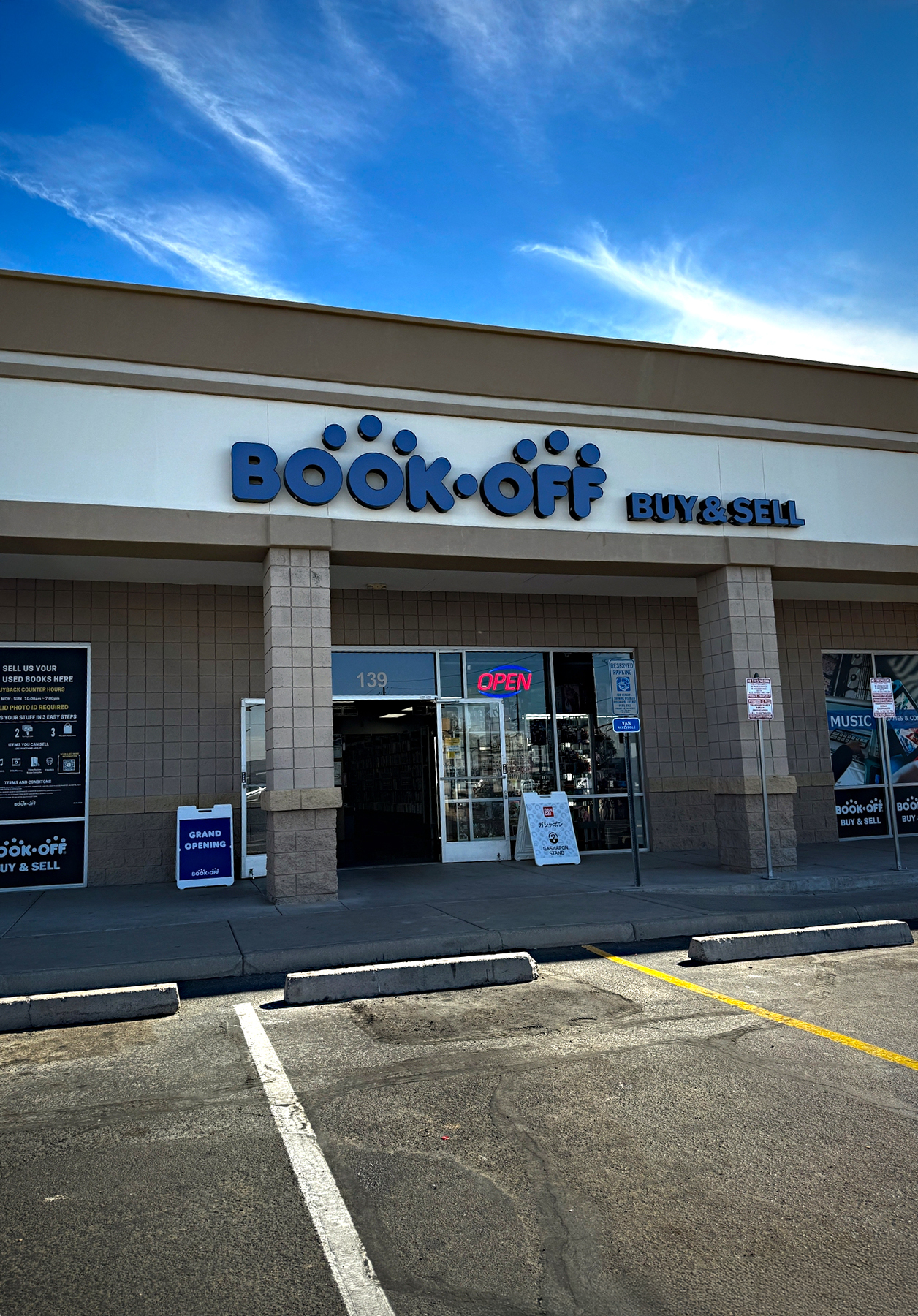
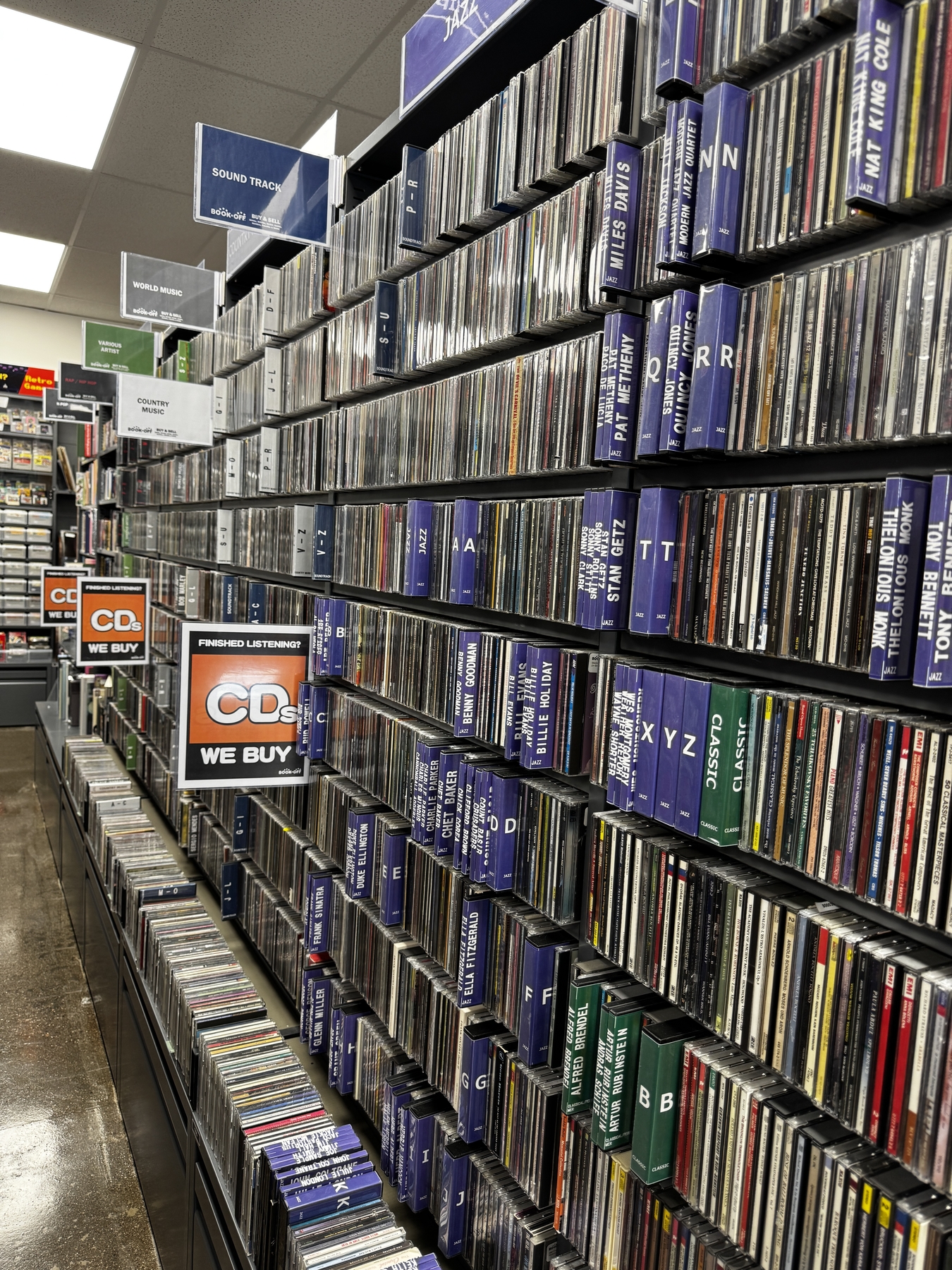
The Hard●Off chain of stores (including Book●Off) are a well known brand in Japan. (Something I learned while researching MiniDisc on YouTube.) They’re expanding into the US market with a handful of stores, the most recent being the one in Phoenix that just opened a few weeks ago.

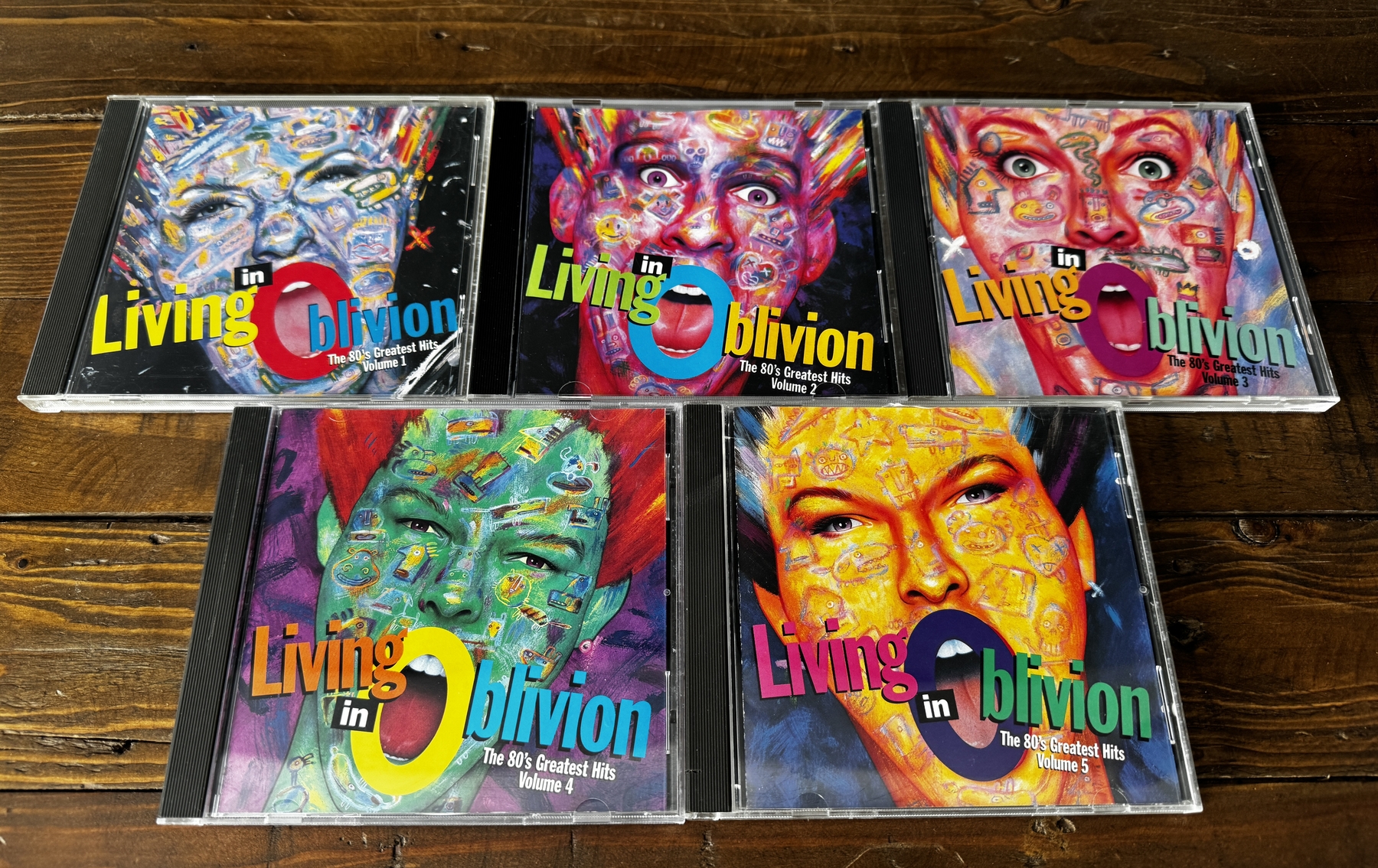
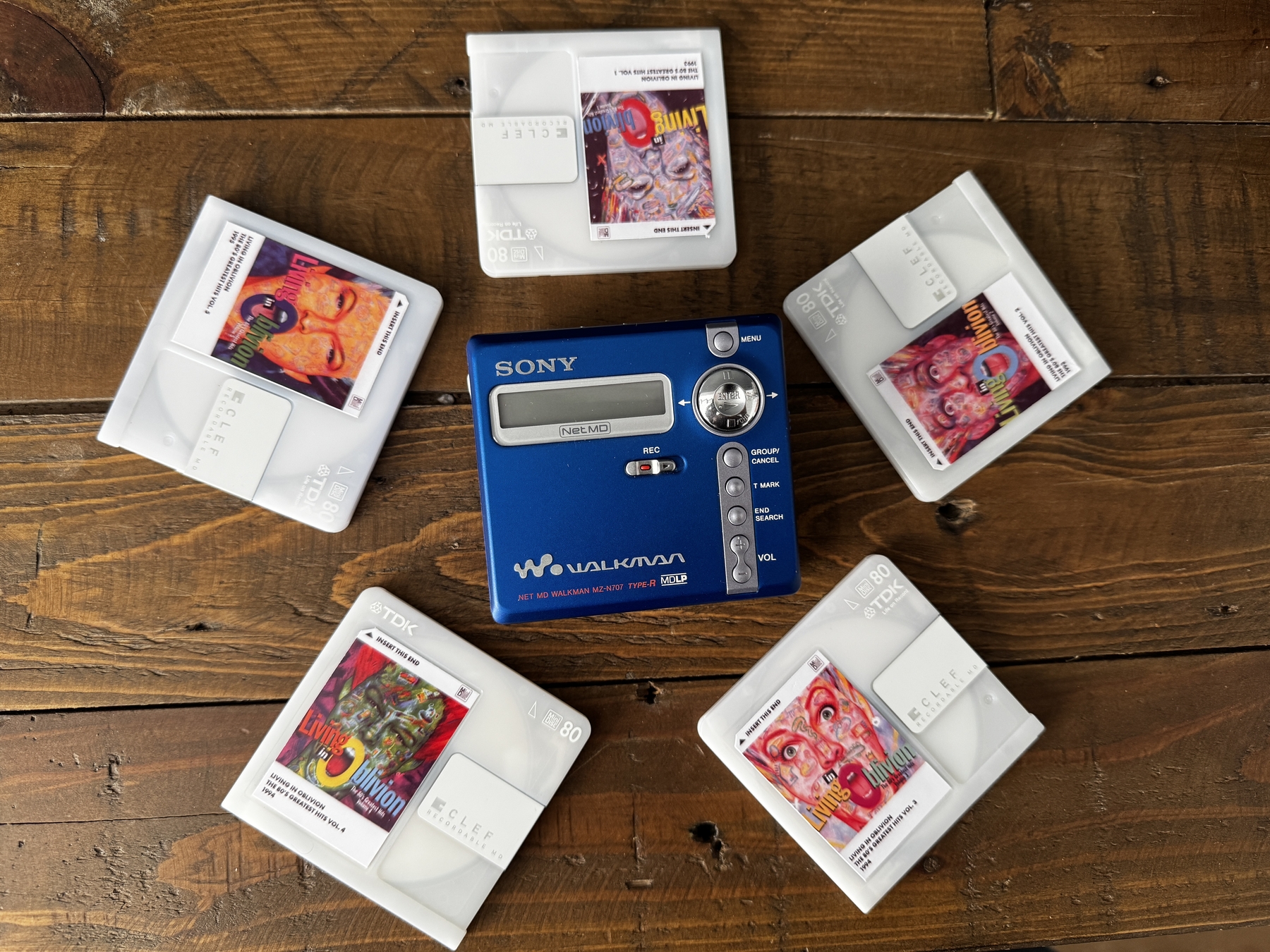
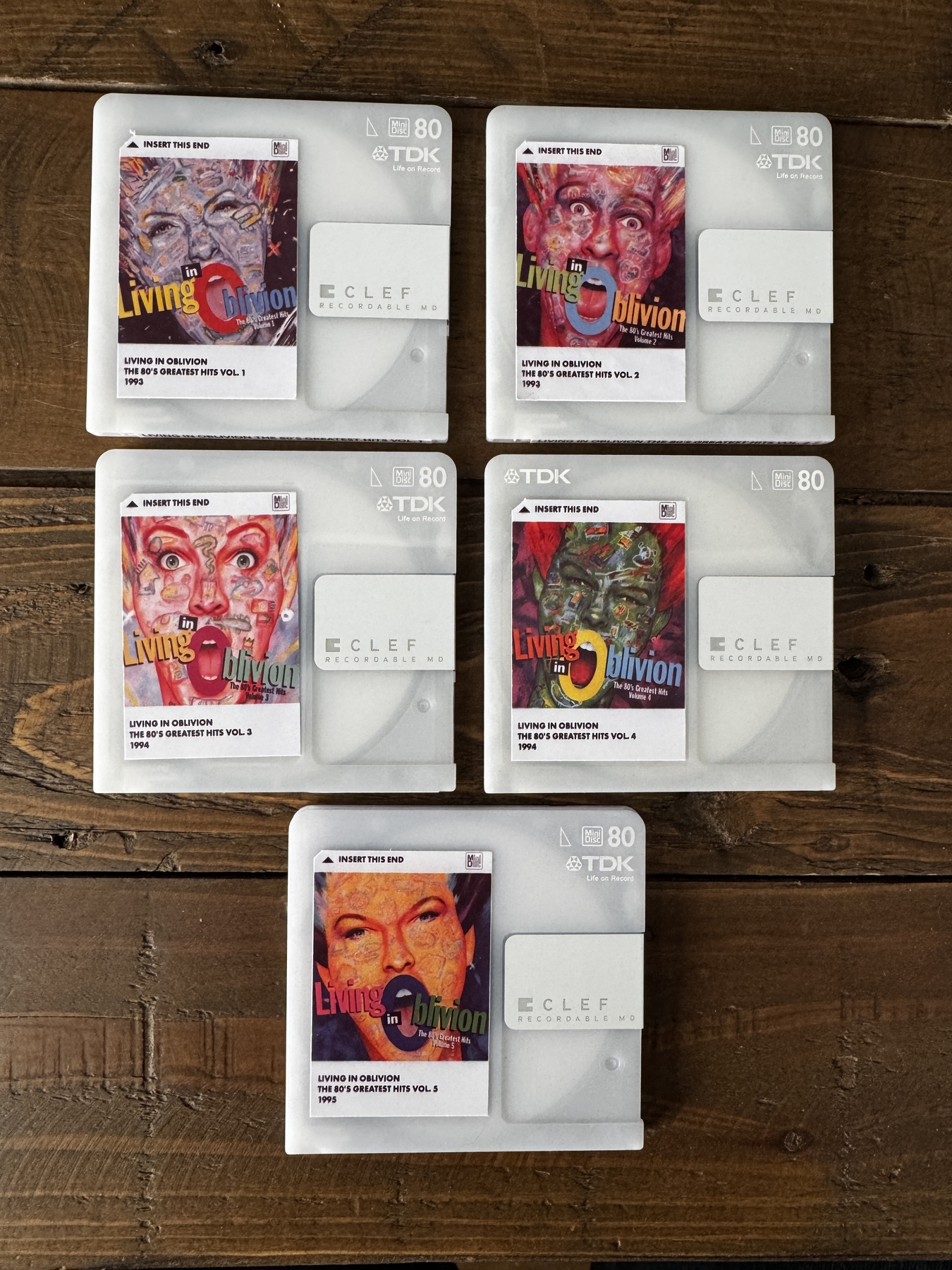

You can find the CDs new on Amazon, but used copies are much cheaper on Discogs, even when you factor in shipping. I picked up near-mint copies for around $3-4/disc (not including shipping).
Interestingly, when I had these in my collection prior to the purge, I didn’t rip them in their entirety to iTunes—something I now regret (and now has been corrected) since I’ve gotten them back in my collection.







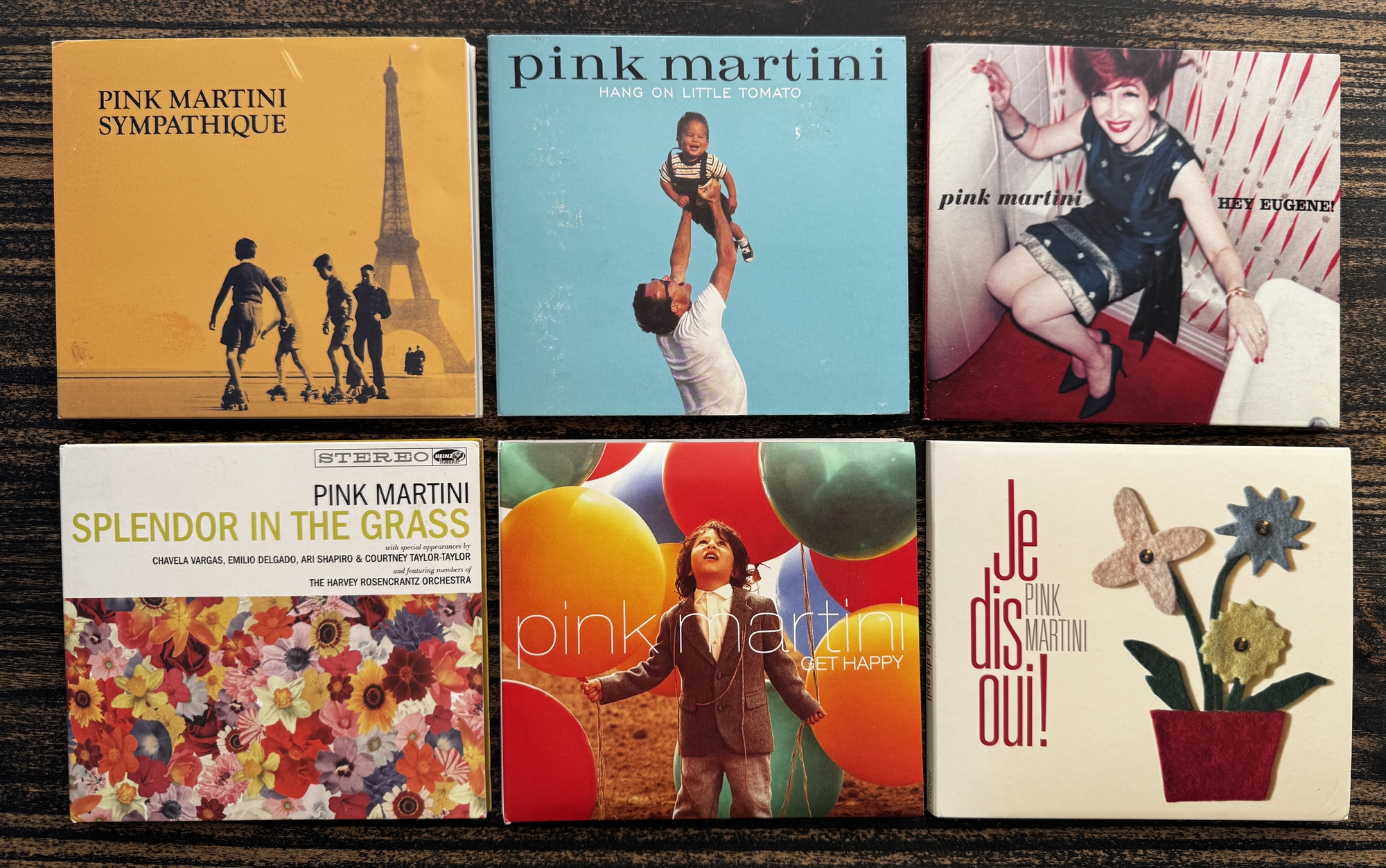
Discography completed.
I thought that was Rufus Wainwright singing on a few on these!
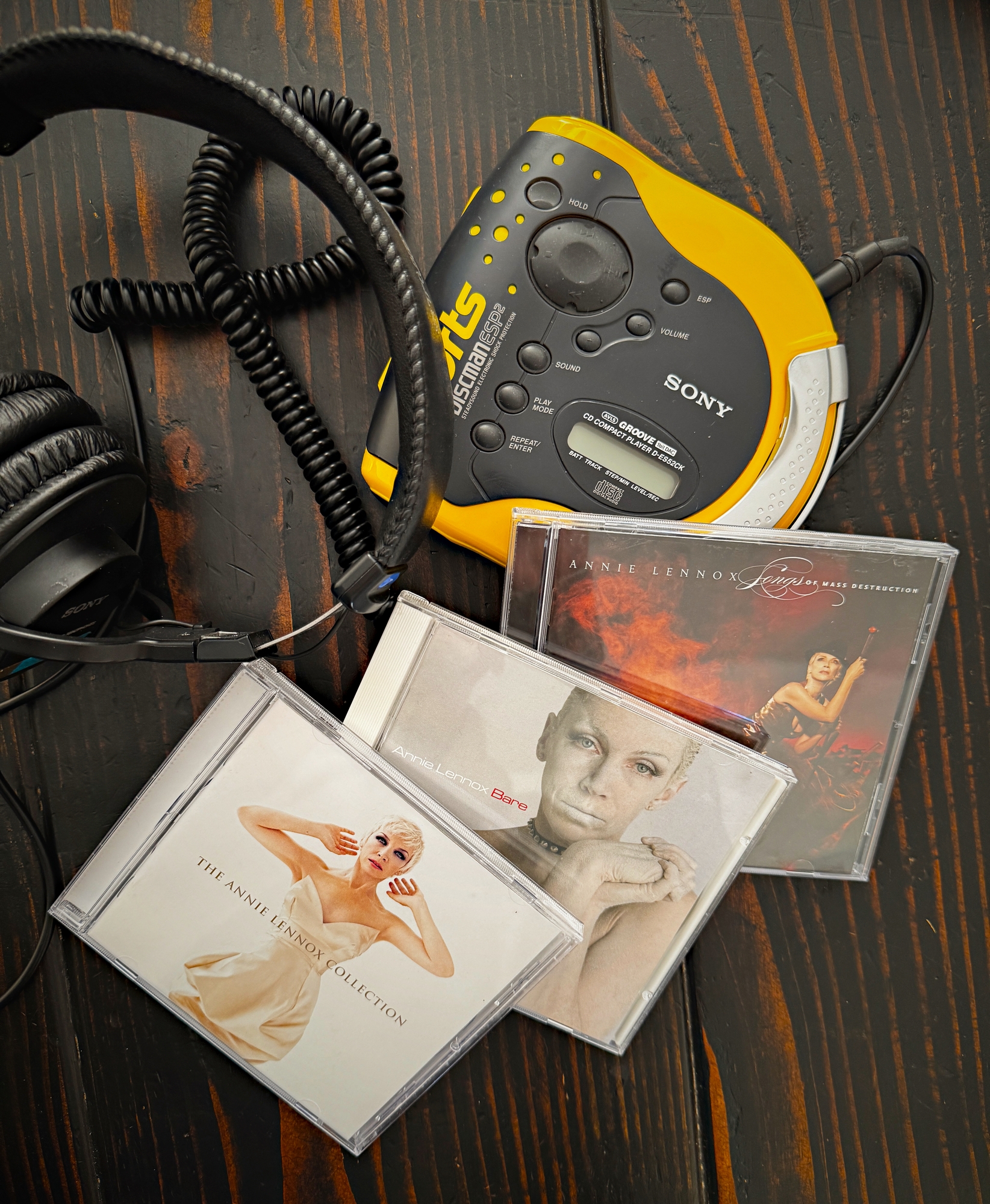
There isn’t a single Annie Lennox album that I do not absolutely adore, but lately Songs of Mass Destruction has been on hot rotation in my player.
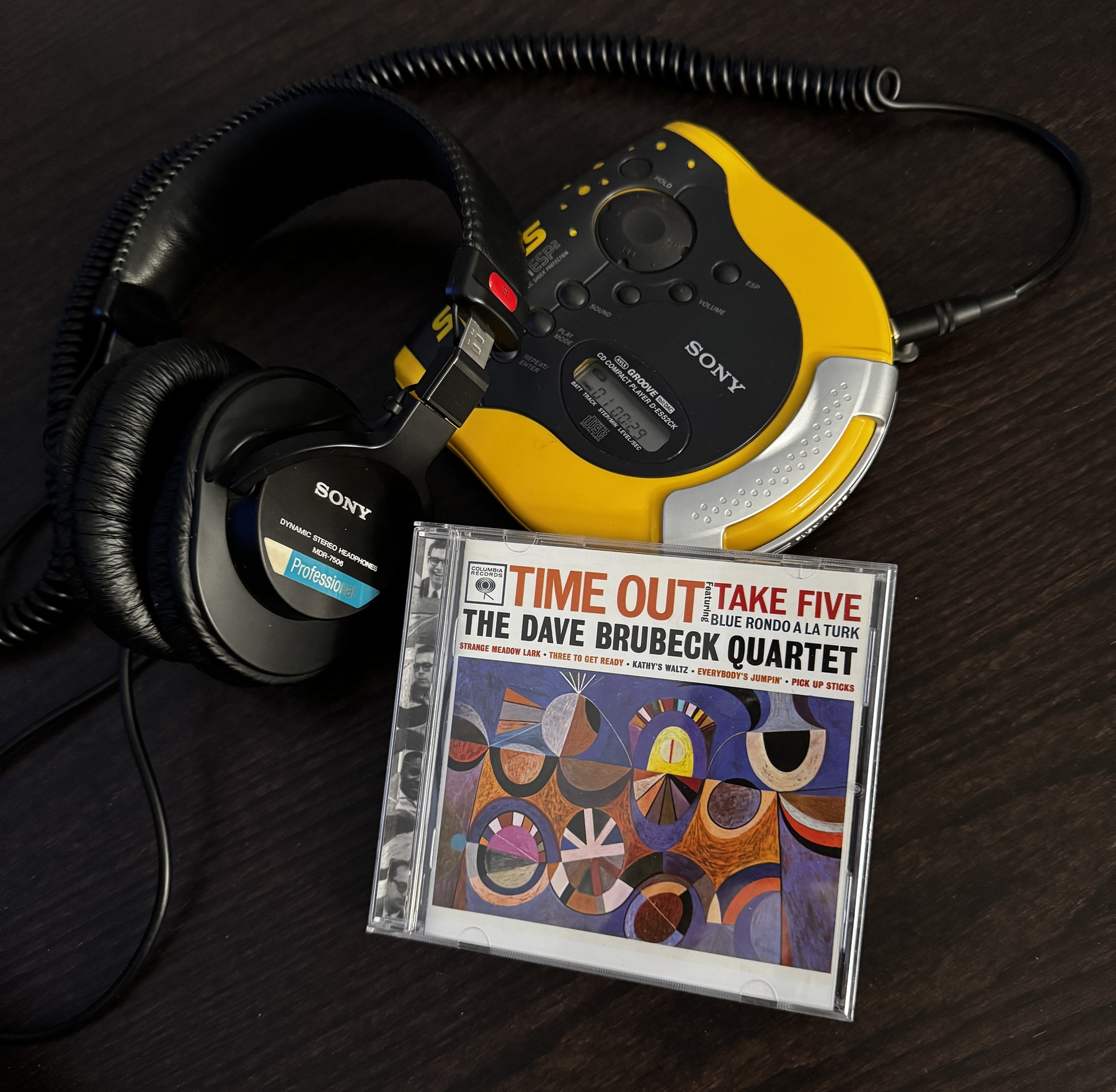
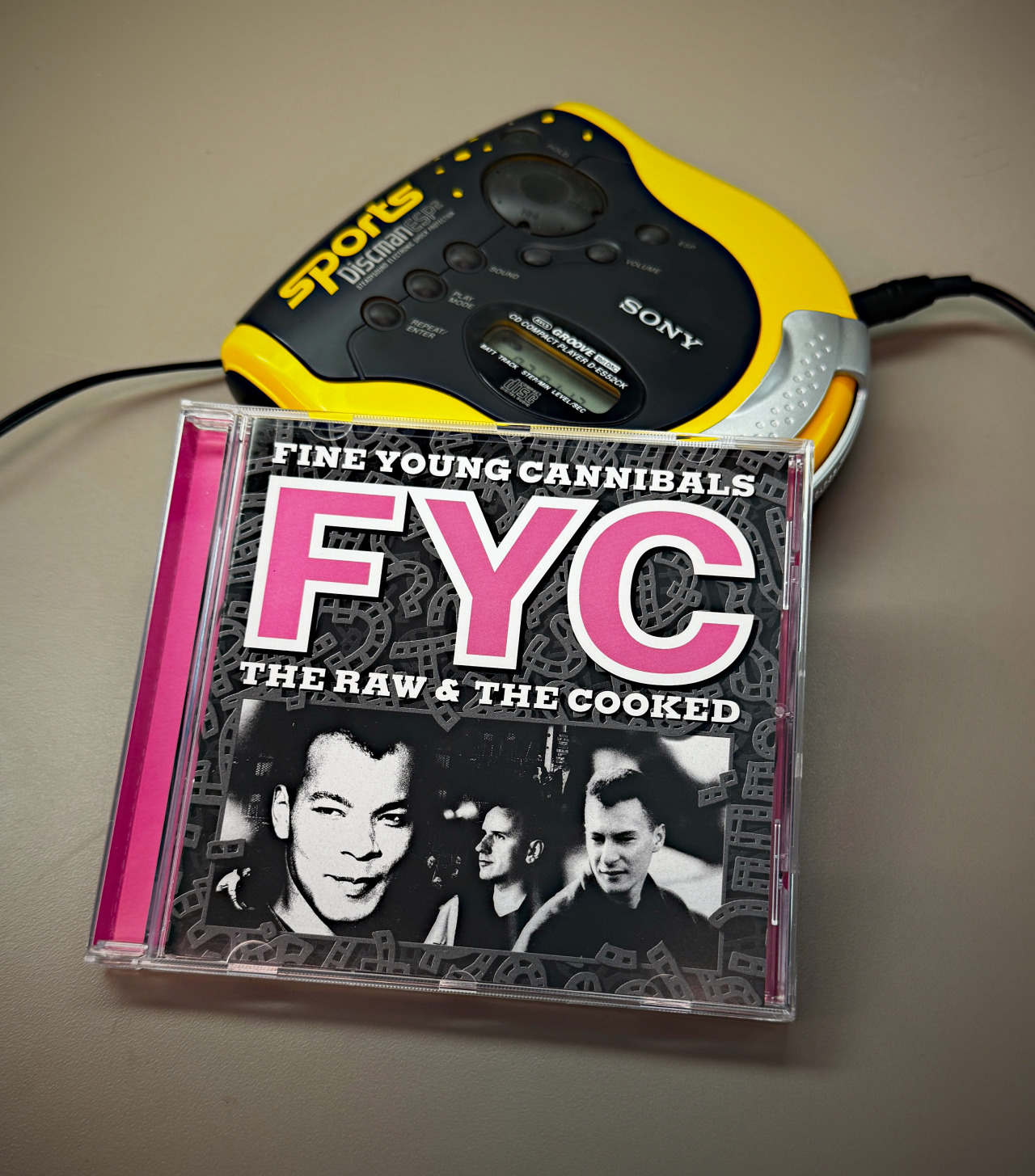
How many of you can hear the first track without even thinking about it?
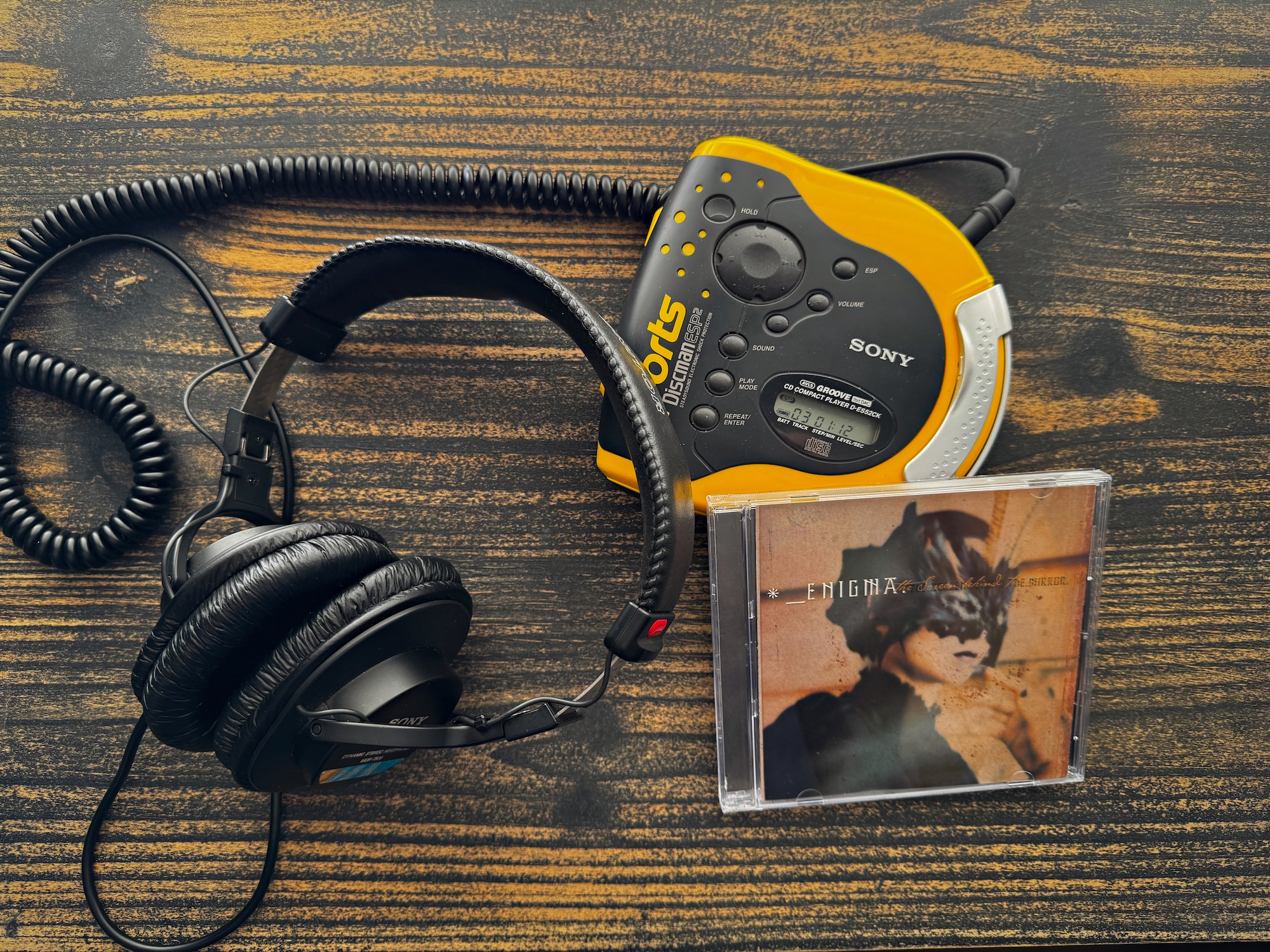
I’ve been a fan of Enigma since they arrived on the scene thirty four (!) years ago. As I’ve written before, one of my most profound memories of Engima was their debut disc playing in my headphones as I took the 24 Divisadero Bus to The Lion’s Pub on rainy San Francisco night a little over a month after the passing of my first partner in 1991.
Screen Before the Mirror, probably my favorite Enigma release, gives the astronomer geek in me chills from the very first track with the emotionless, disembodied female voice quietly reading off the astrometric statistics of Mars and those chills continue through the remainder of the album.
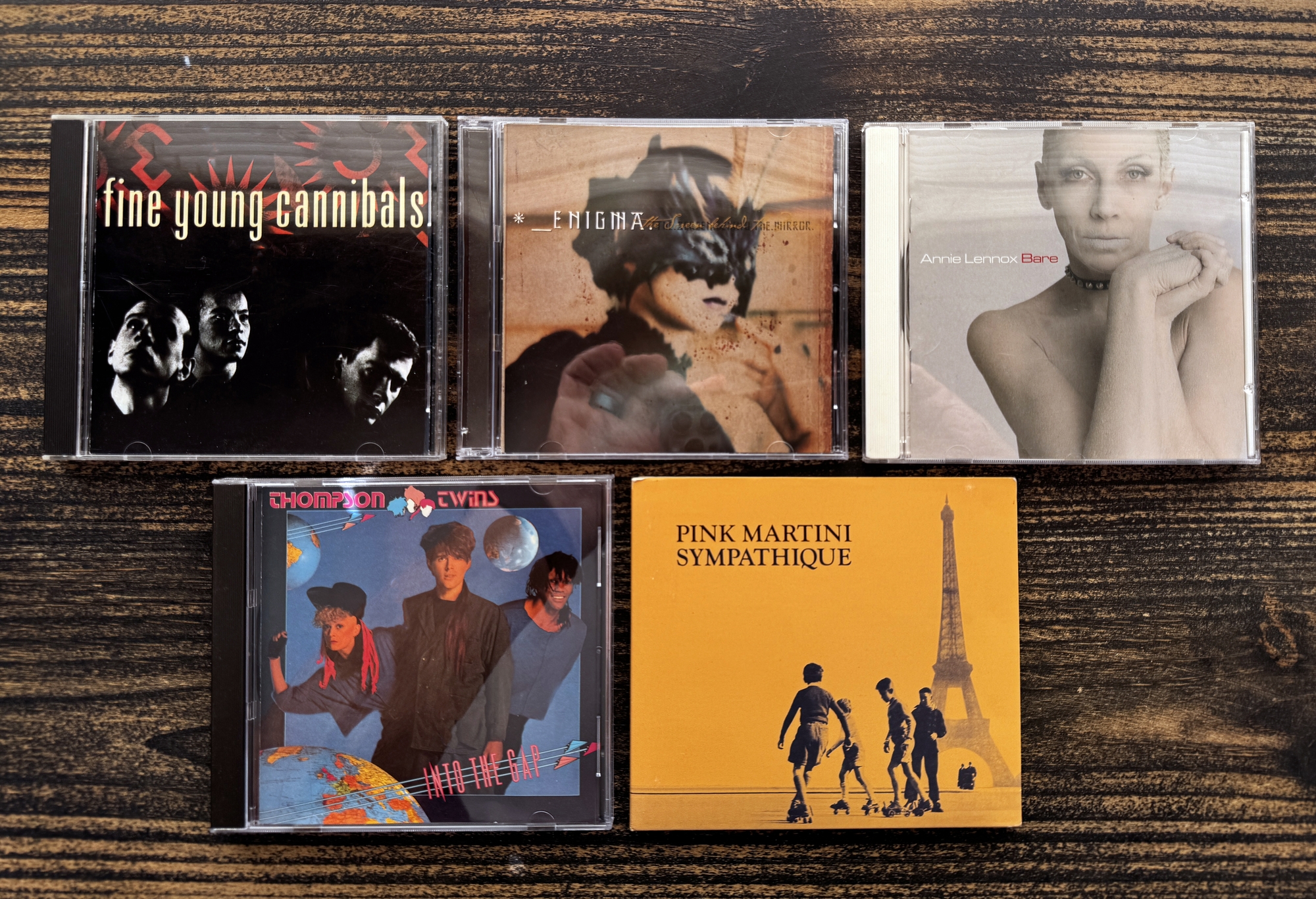
When I set out to rebuild my CD collection two years ago I really didn’t have a roadmap set out of what to replace. My inventory of what I’d owned was catastrophically out of date, and while it had all been ripped to iTunes, discerning which of those 2200 albums in there had come from my original CD collection, were ripped from vinyl, or had been aquired from “other sources” was impossible to sort out.
My original inventory was a good jumping off point, but as I’ve learned over the past twenty four months or so, there are a lot of discs that I didn’t realize were missing until I saw them on Amazon, eBay, or Discogs…or just out in the wild. So that’s where this latest haul comes from. With the exception of Sympathique and Bare, none of these were in my records, but I knew I’d owned them all at some point.
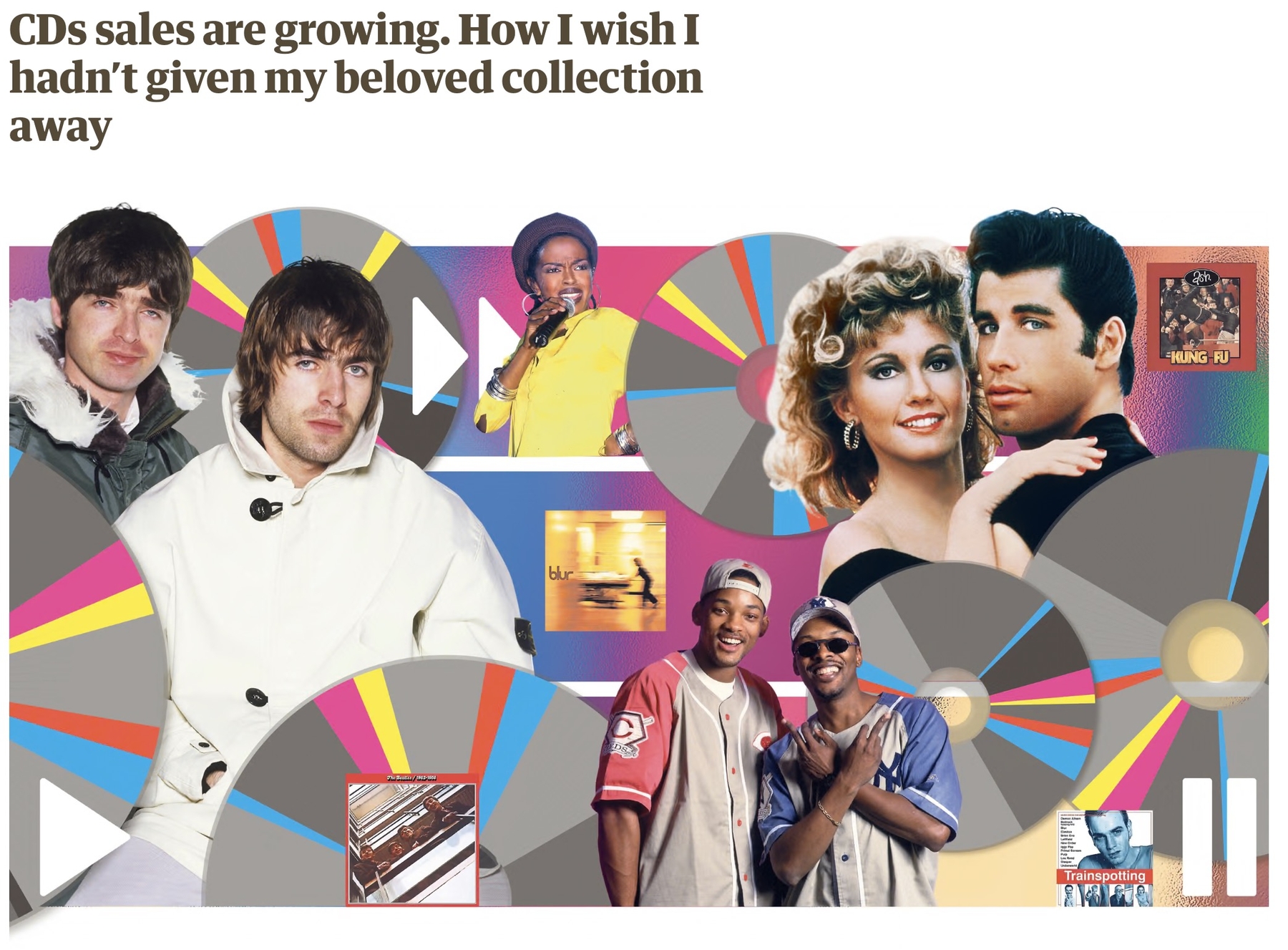
You can read the full article here.