0 comments

Shitposting since 2005. **Now with added AI slop!**
Giorgio Moroder - E=MC2 (1979)
This album holds the distinction of having been the first disco record recorded and mastered digitally before being converted to the analog pressing.
0 comments
Feeling old?
Boston - Boston (1976)
In my pre-disco days, this was definitely on my playlist (and probably everyone else's if memory serves).
1 comments
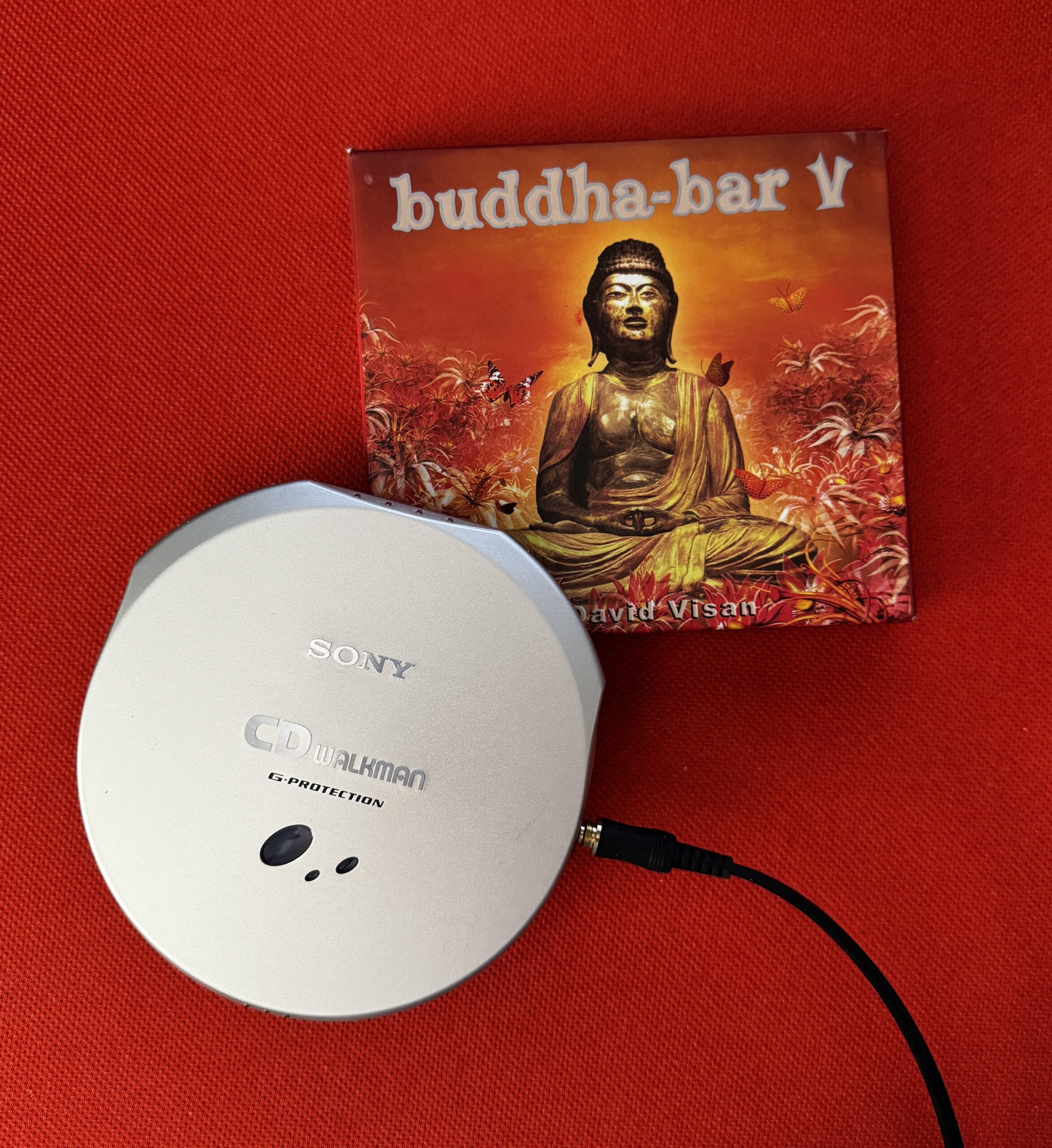
This is an interesting series. All of them are different, but Disk 1 always has a kind of a mellow, laid-back, coffee-in-the-morning vibe, while Disk 2 is 80 minutes of hard core dance.
This one in particular has a decidedly middle-eastern flavor.
0 comments
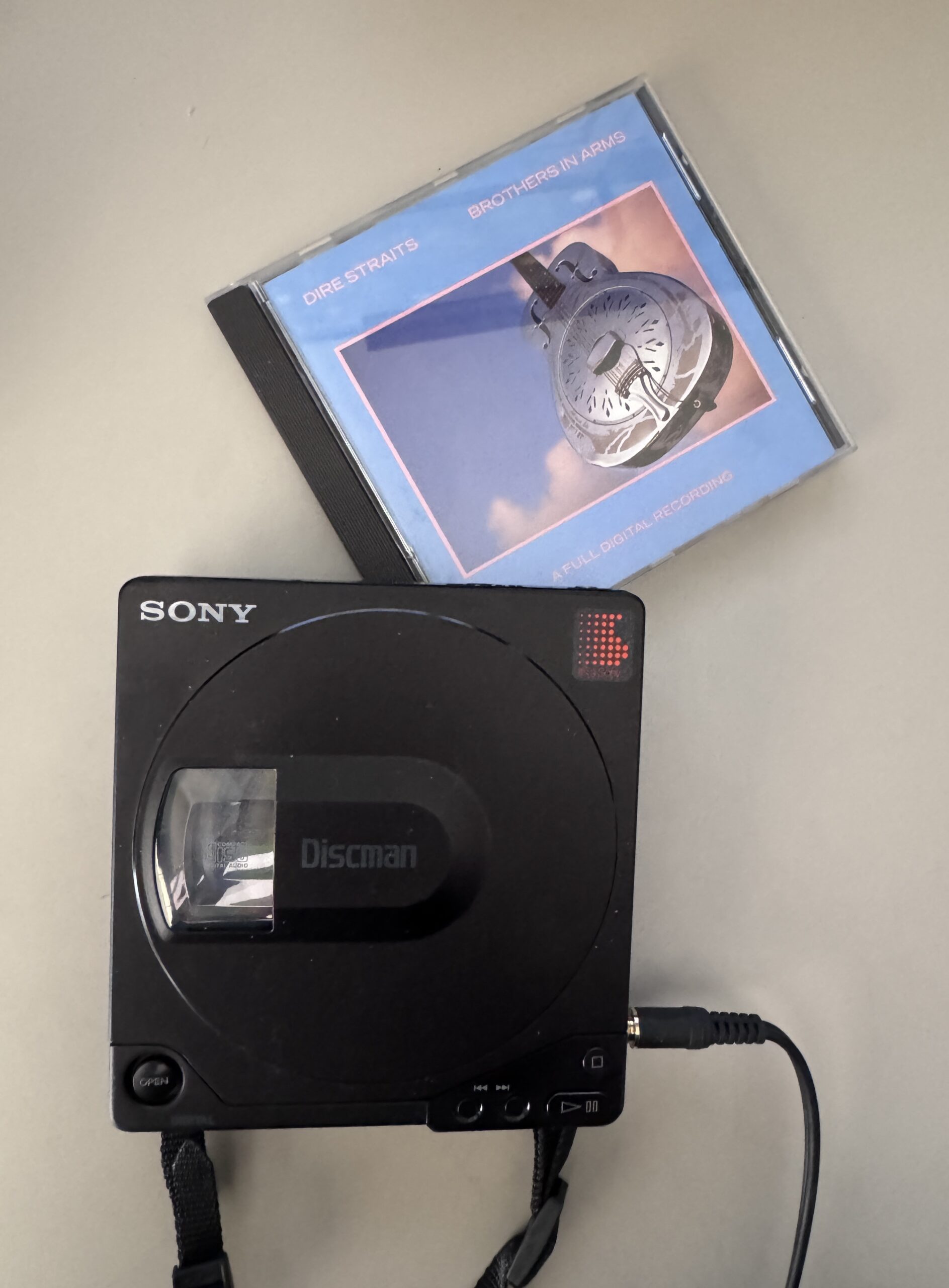
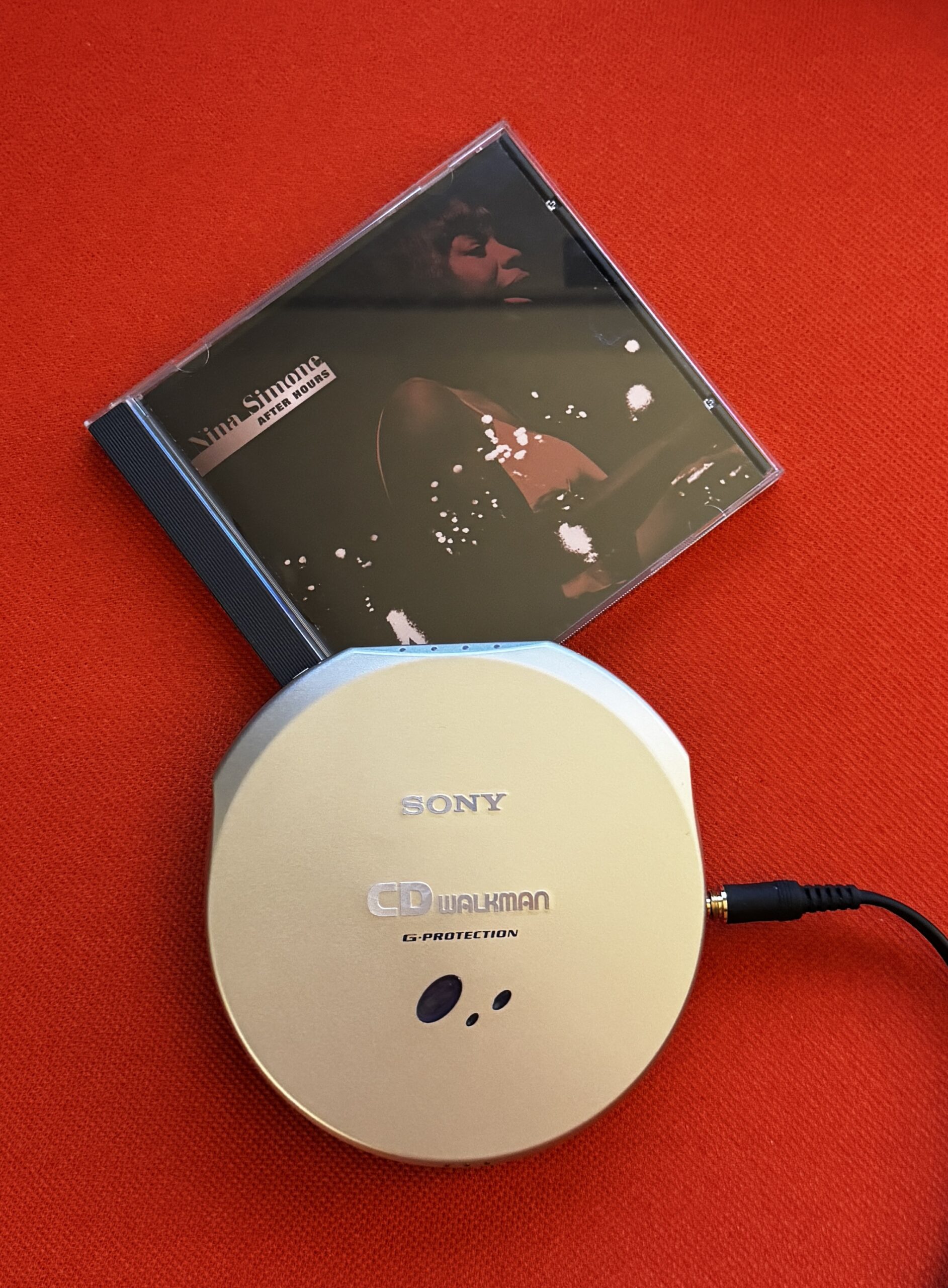
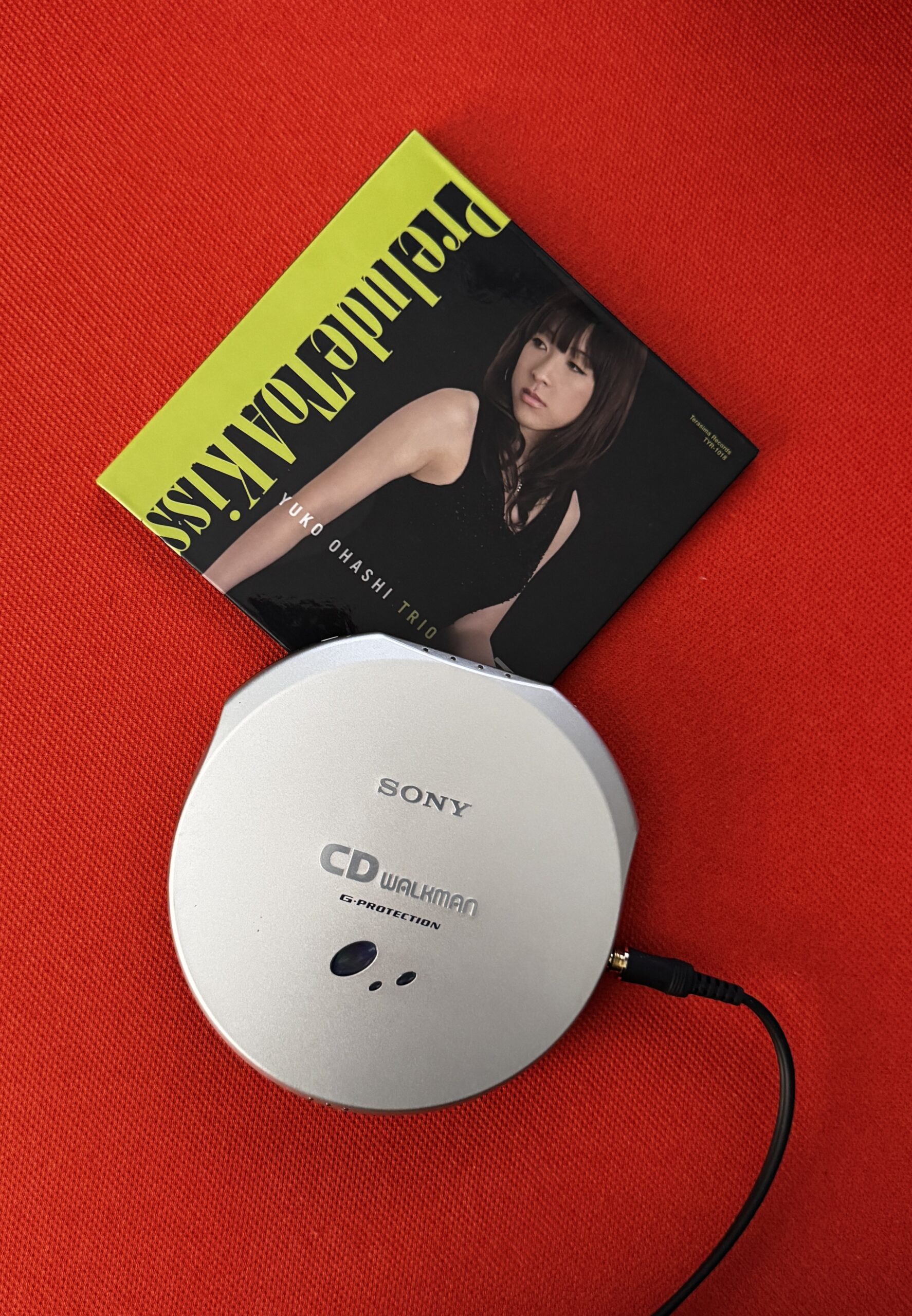
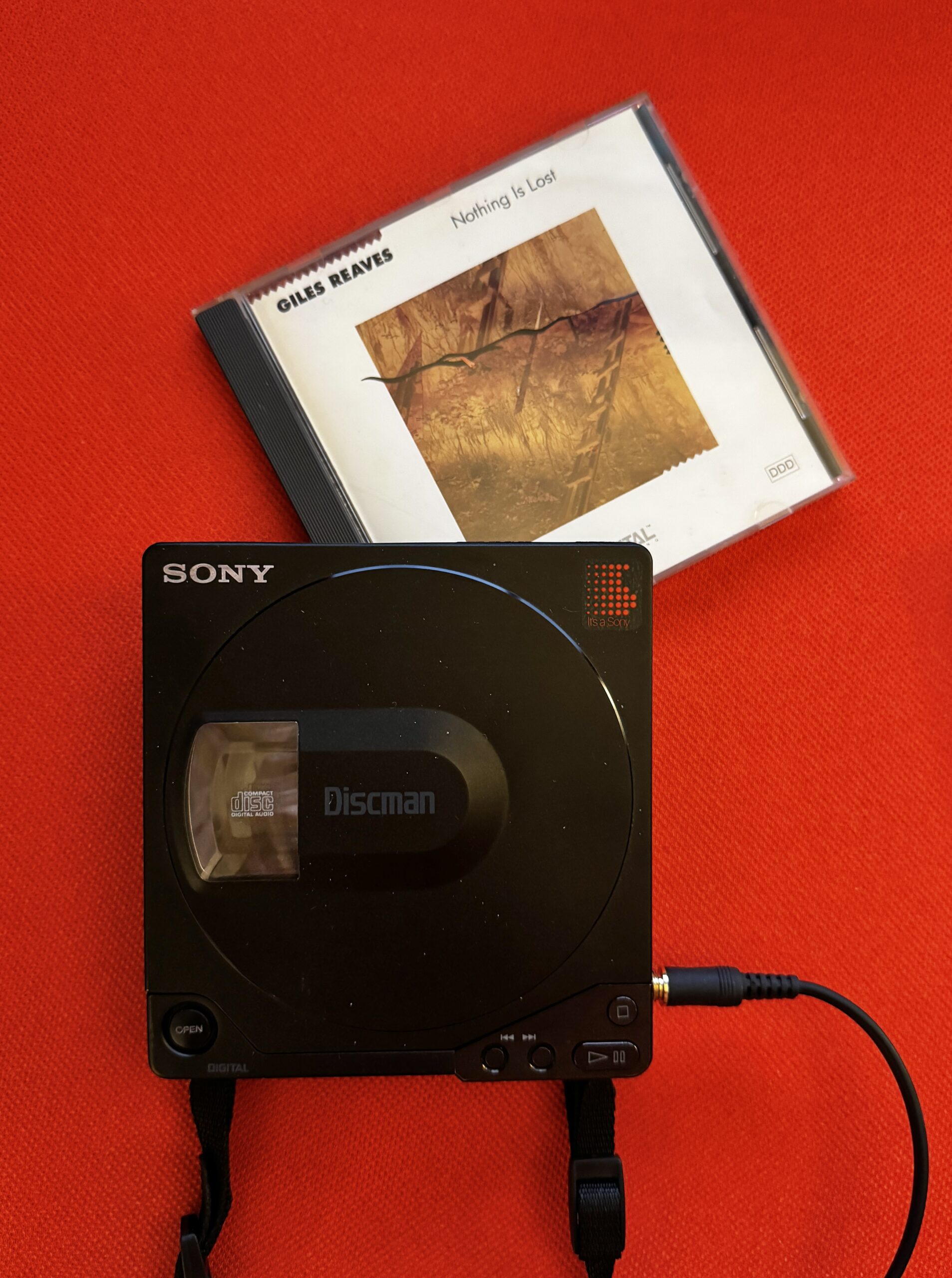
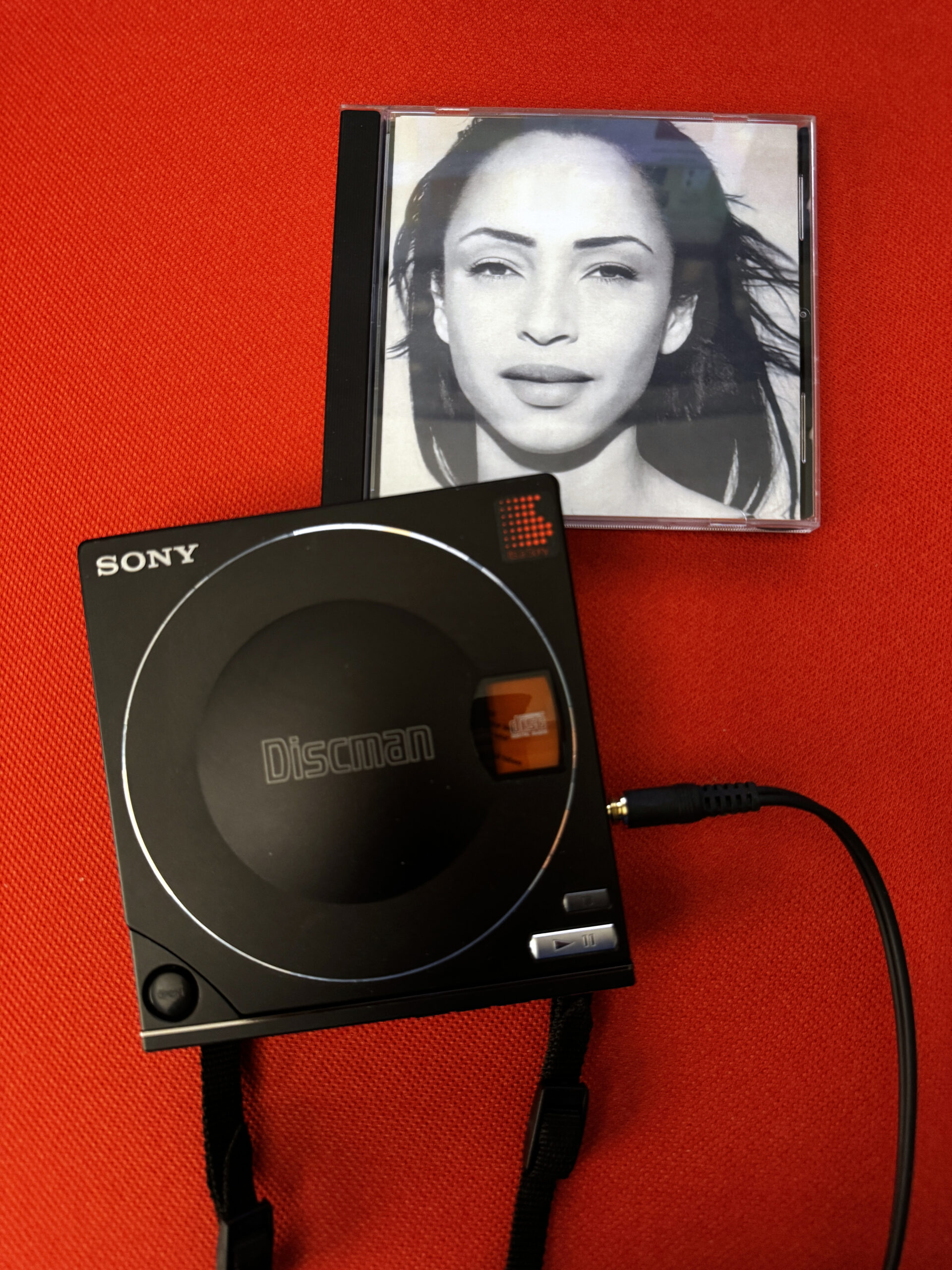
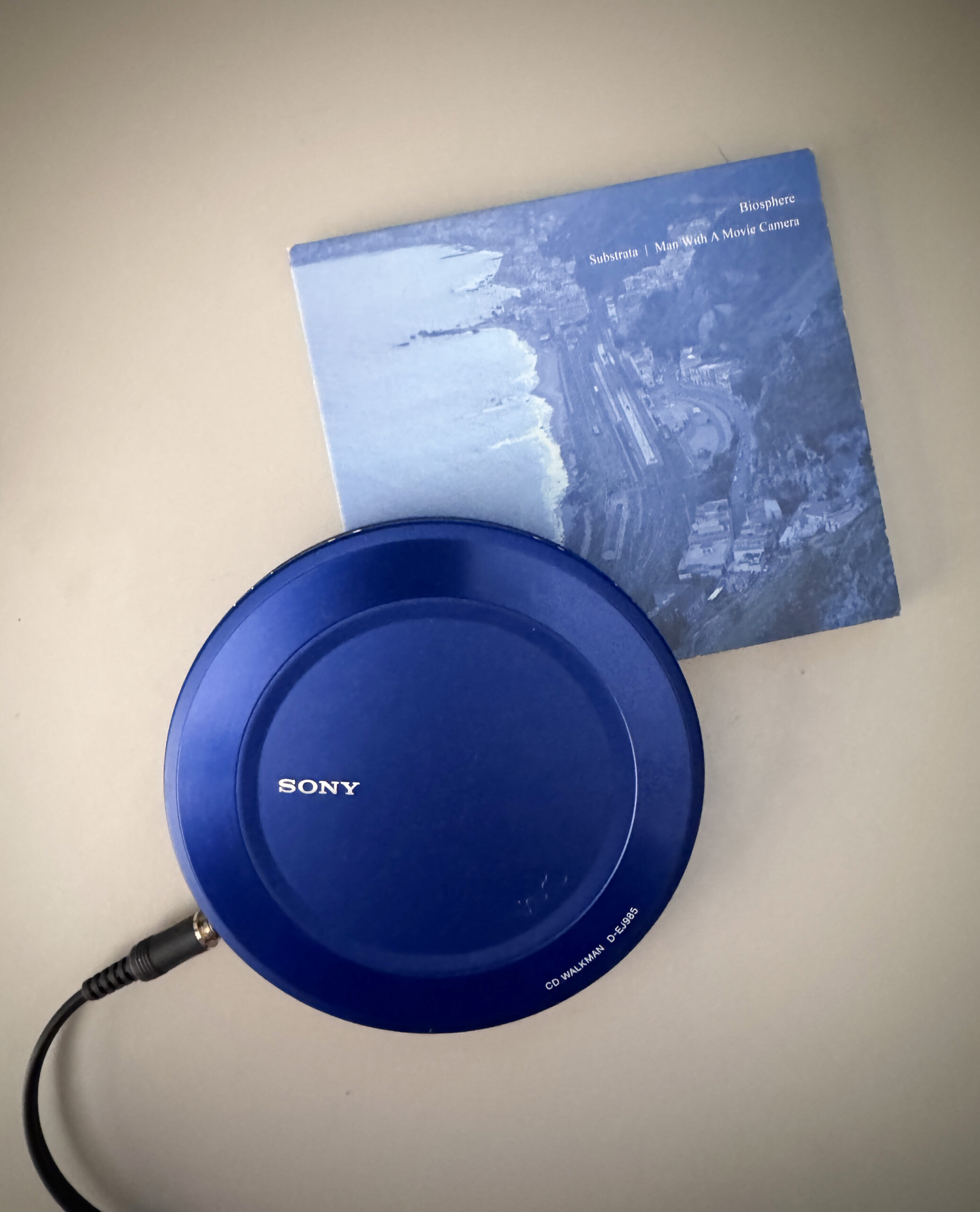
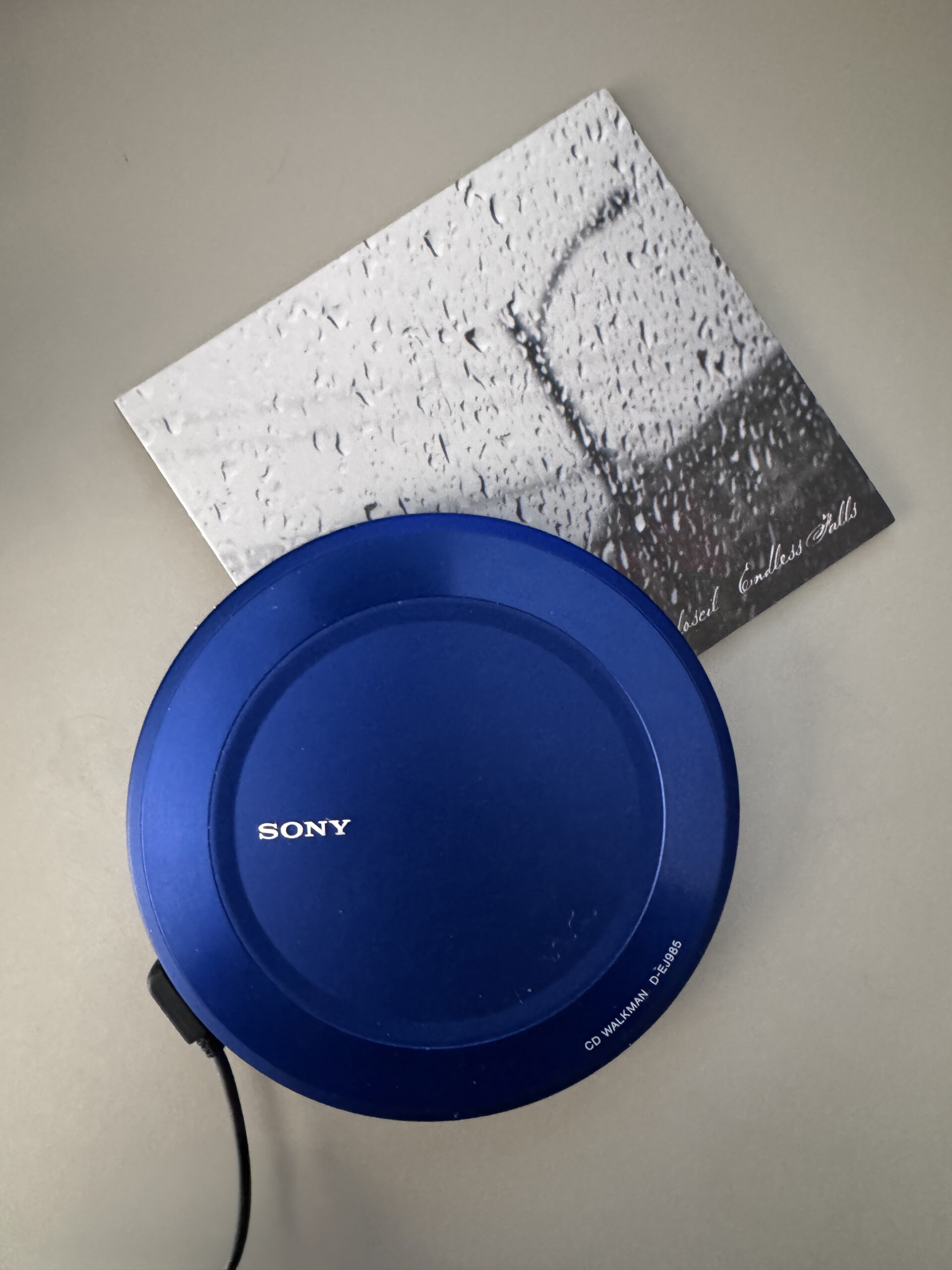
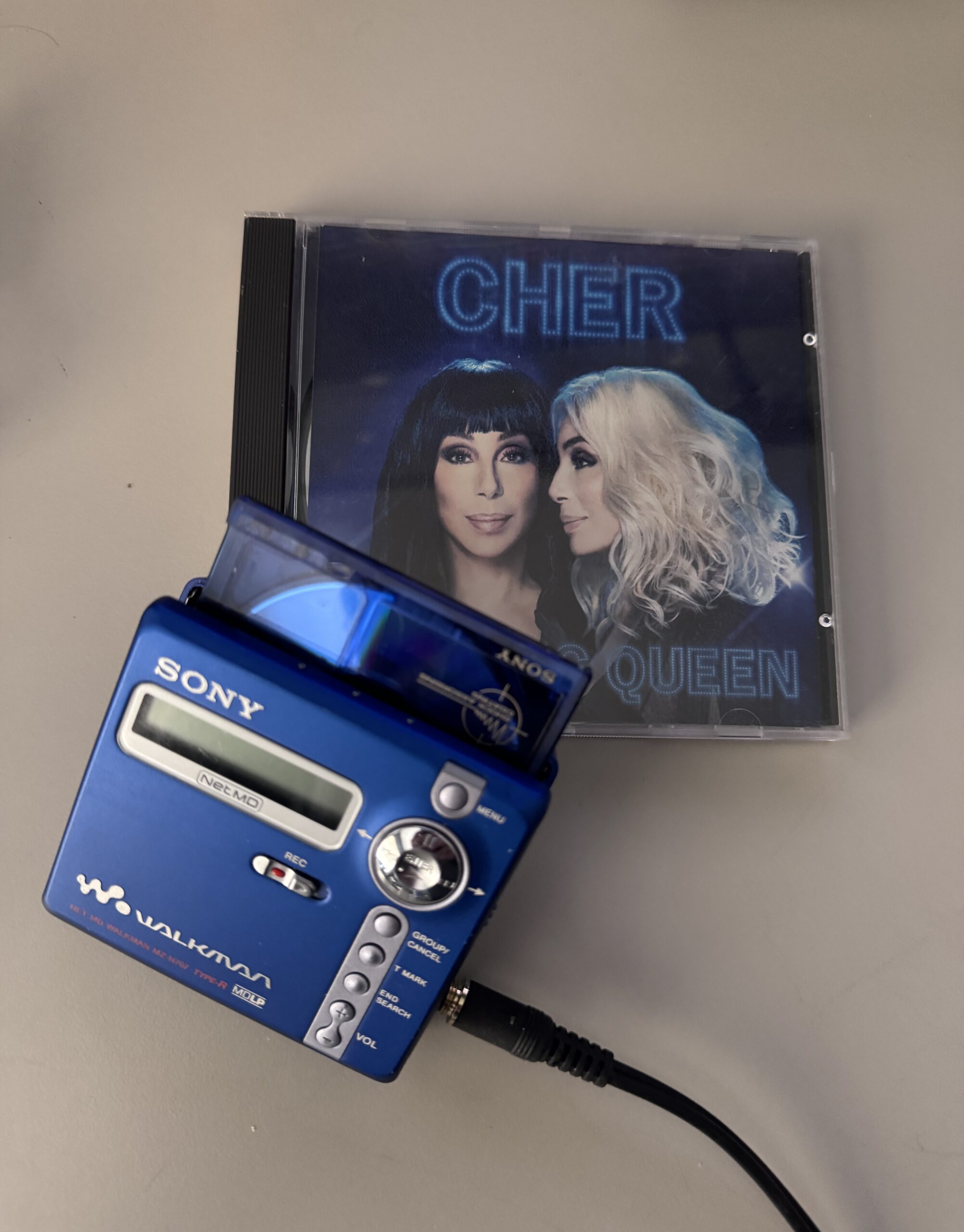
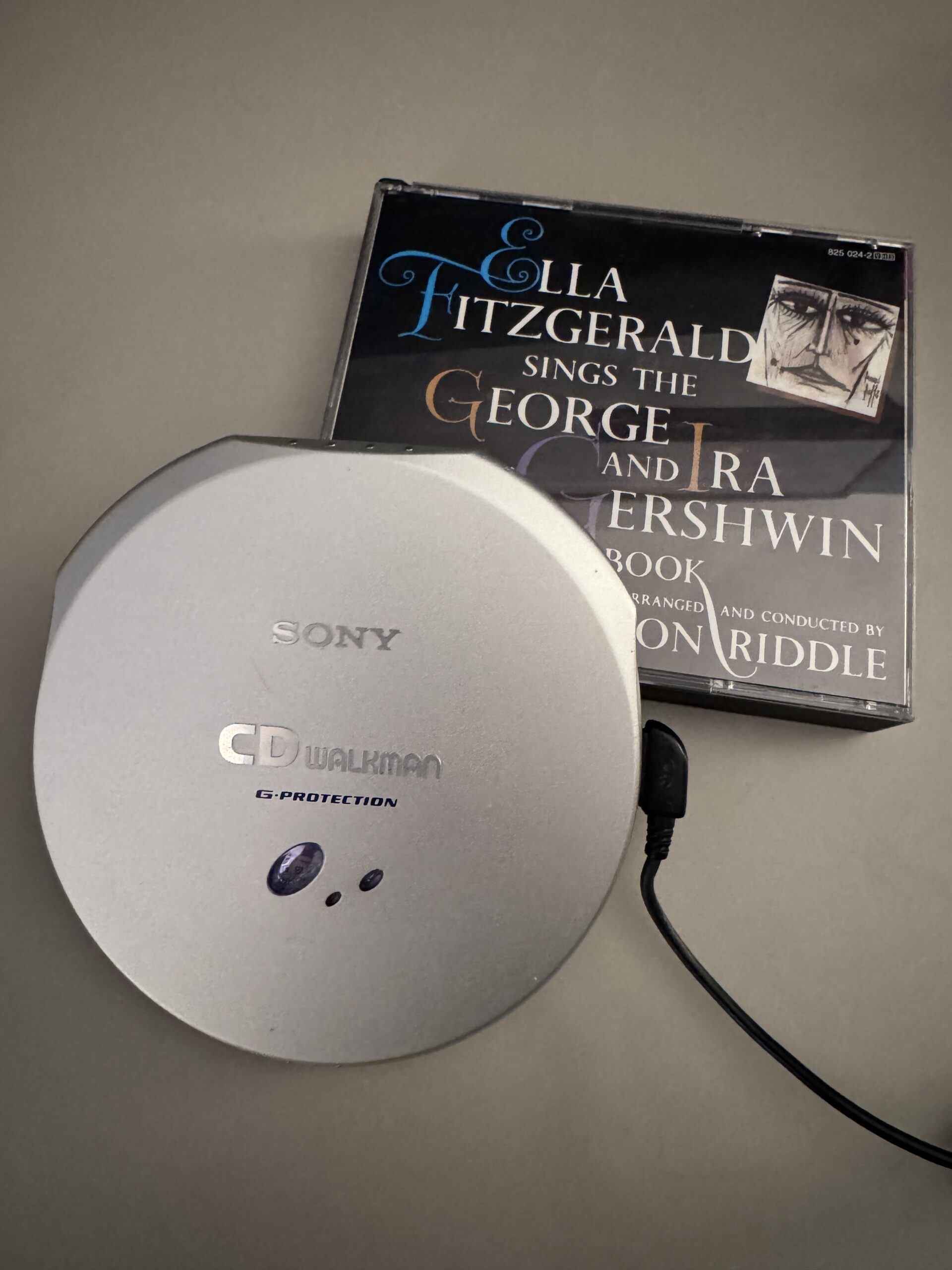
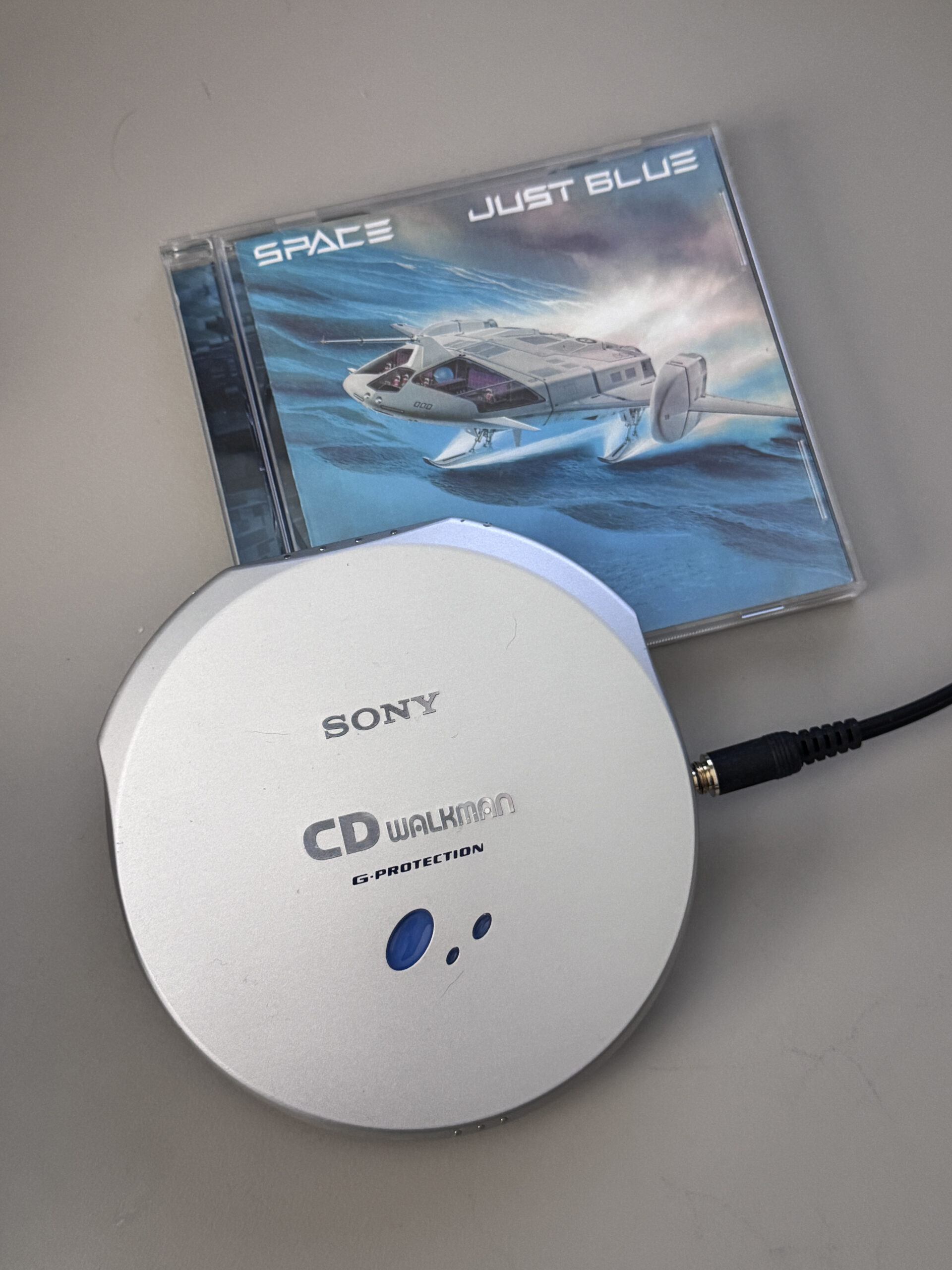
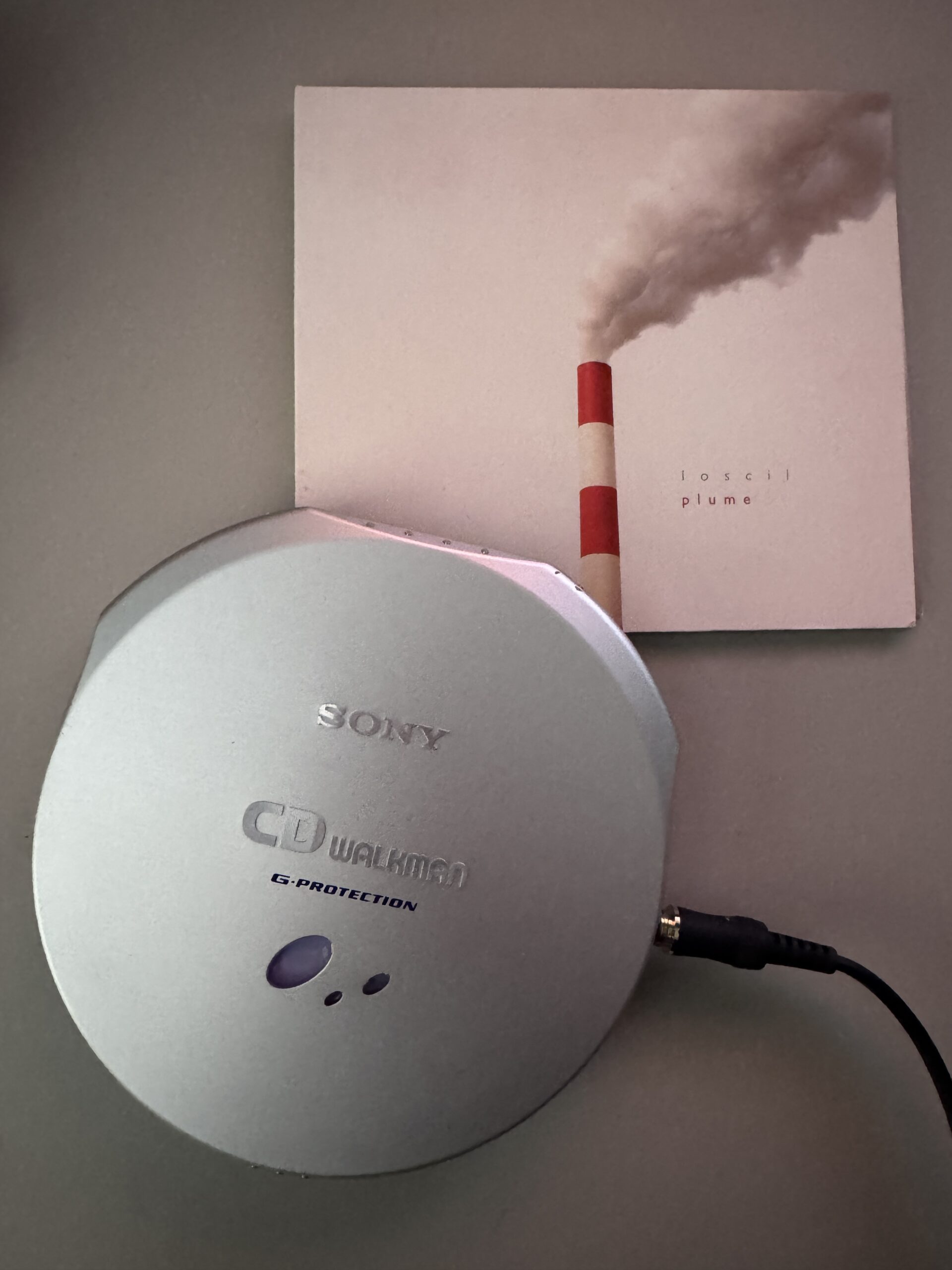
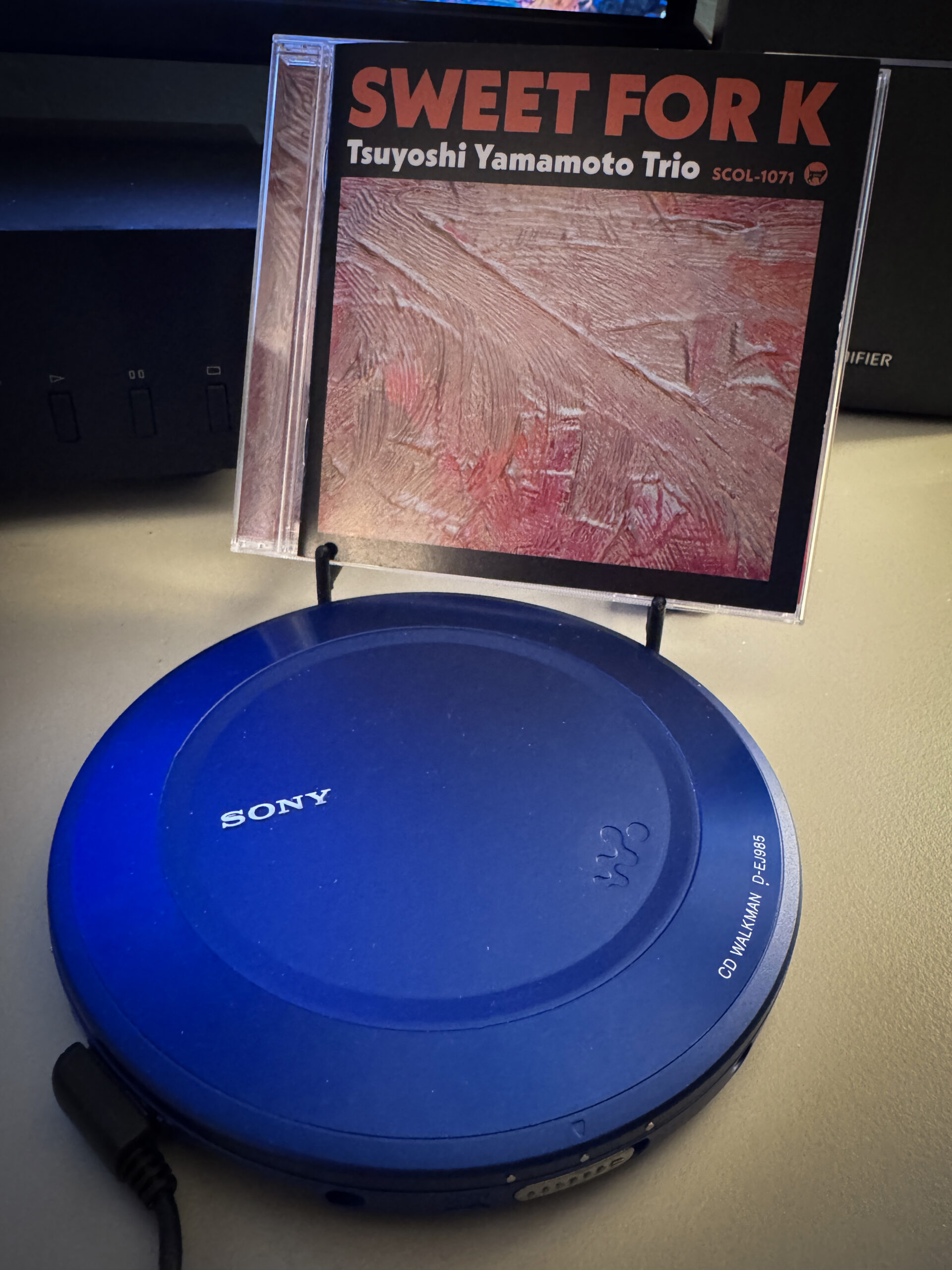
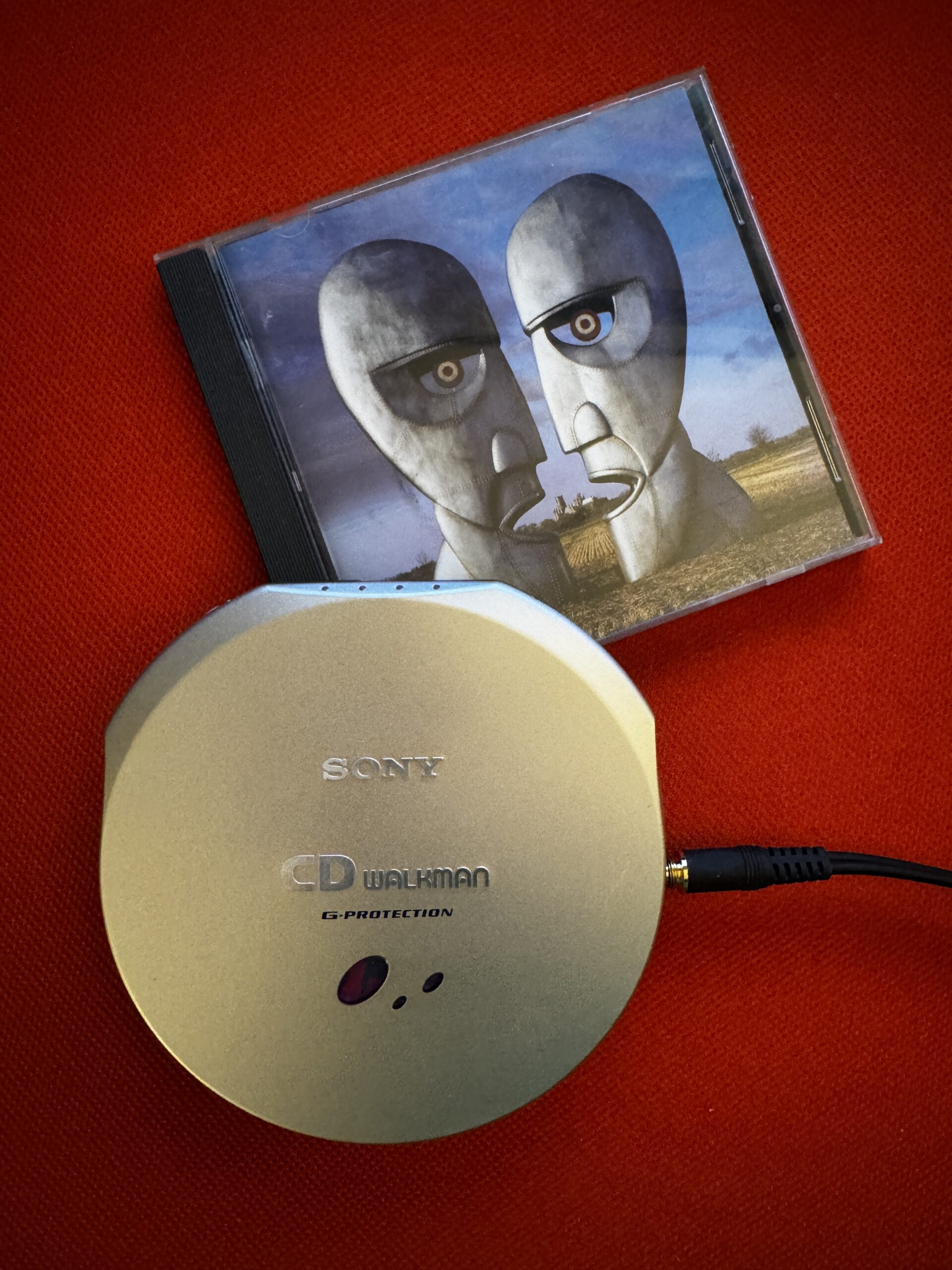
Playing on my period-specific Discman.
I learned that this particular CD was the very first that was digitally recorded from beginning to end, in other words a "DDD" recording (digital recording, digital mixing, digital mastering) and is considered one of the best-sounding CDs out there. I can't attest to that personally because my copy is not from the original 1985 run, but a reissue and who knows what's been done in the interim, but it does still sound good.
Sonic excellence aside, Brothers in Arms has always been a problematic album for me, mainly because of the "little faggot" lyrics in Money for Nothing, but like a lot of other artists with problematic catalogues I can force myself to turn a blind eye. Does this make me a bad person?
0 comments
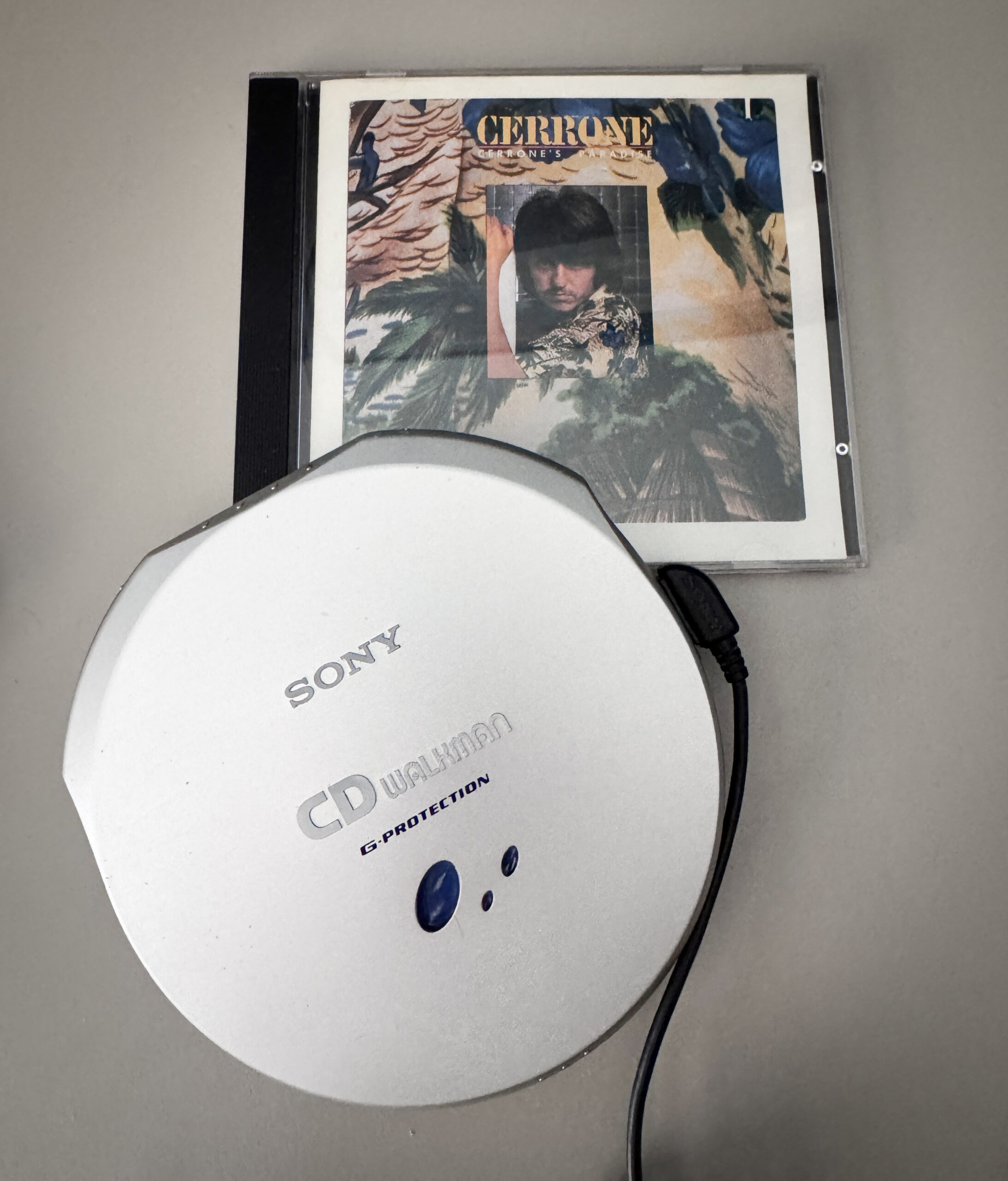
Still coming off the high that was Cerrone's debut, Love in C-Minor, the year before, when Cerrone's Paradise appeared in 1978 I was less than impressed. I wouldn't say I hated it, but it most definitely wasn't Love in C-Minor.
It was only years later that I realized Love in C-Minor was a heavy collaboration with disco daddy Alec Costandinos of Romeo & Juliet fame. All of Cerrone's releases subsequent to his first were his own work; his own sound. And over the years I came to love it.
0 comments
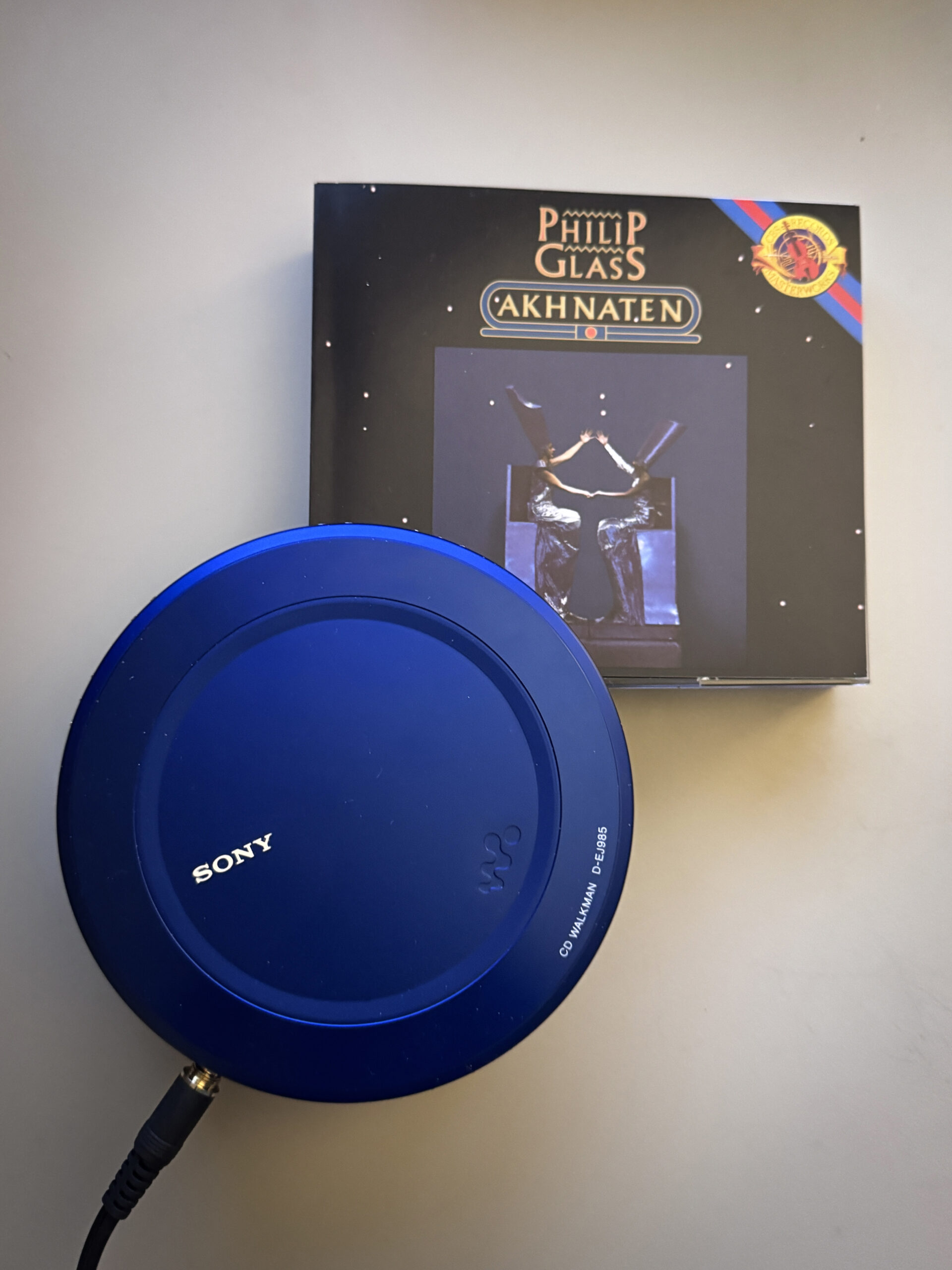
Thank you, Philip. I am once again grounded and confident that I am exactly where I need to be at this point in my life..
1 comments
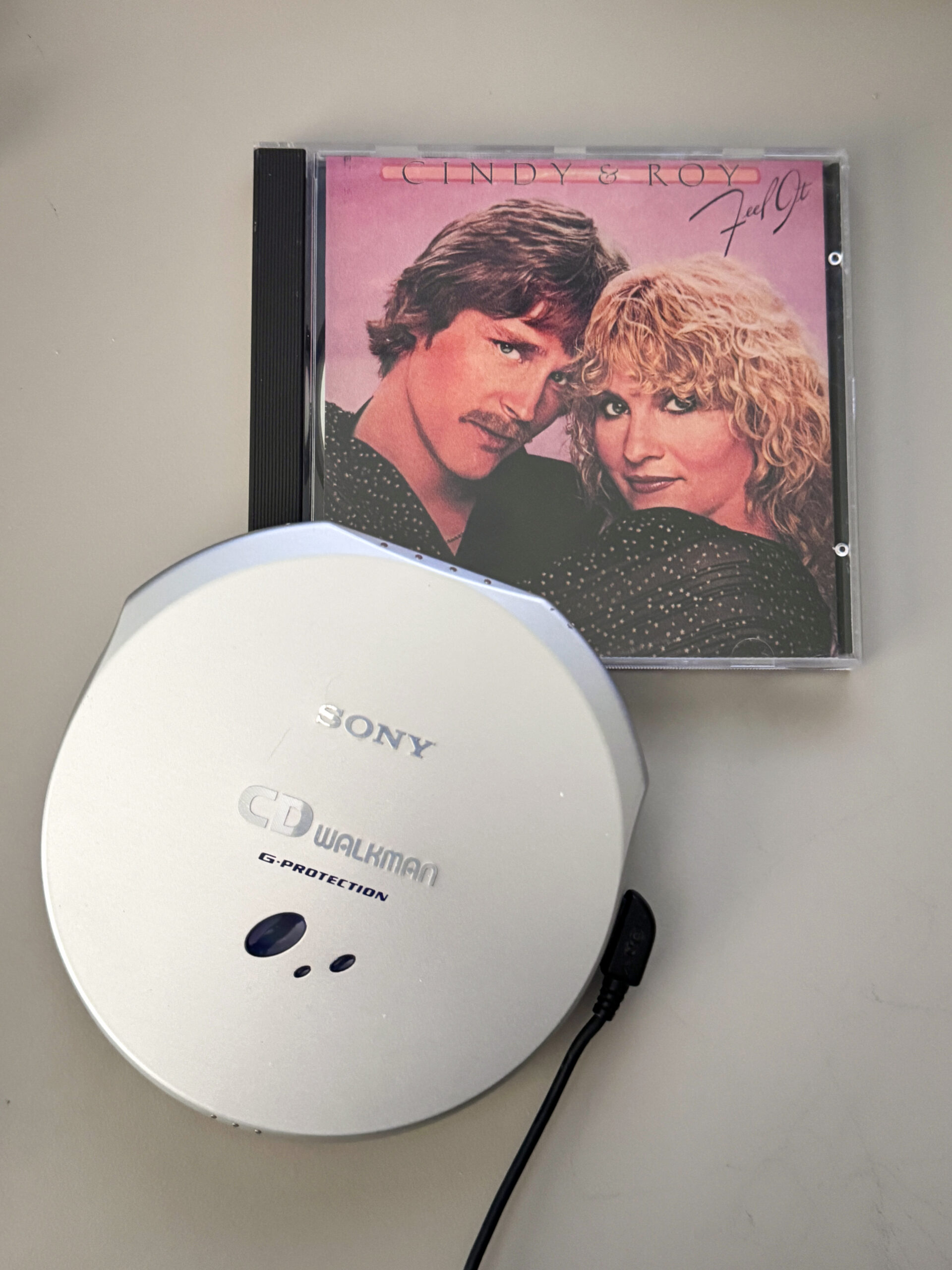
Obscure doesn't begin to describe this one. It didn't get much club play back in the day, and all the copies I've seen are marked For Promotional Use Only. It's not great, but it's not awful; middle-of-the-road disco would be a good description. It was their only release, and even now they'd rather not talk about it. There's no CD release, so I dubbed my vinyl onto a shiny silver disc some time ago.
0 comments
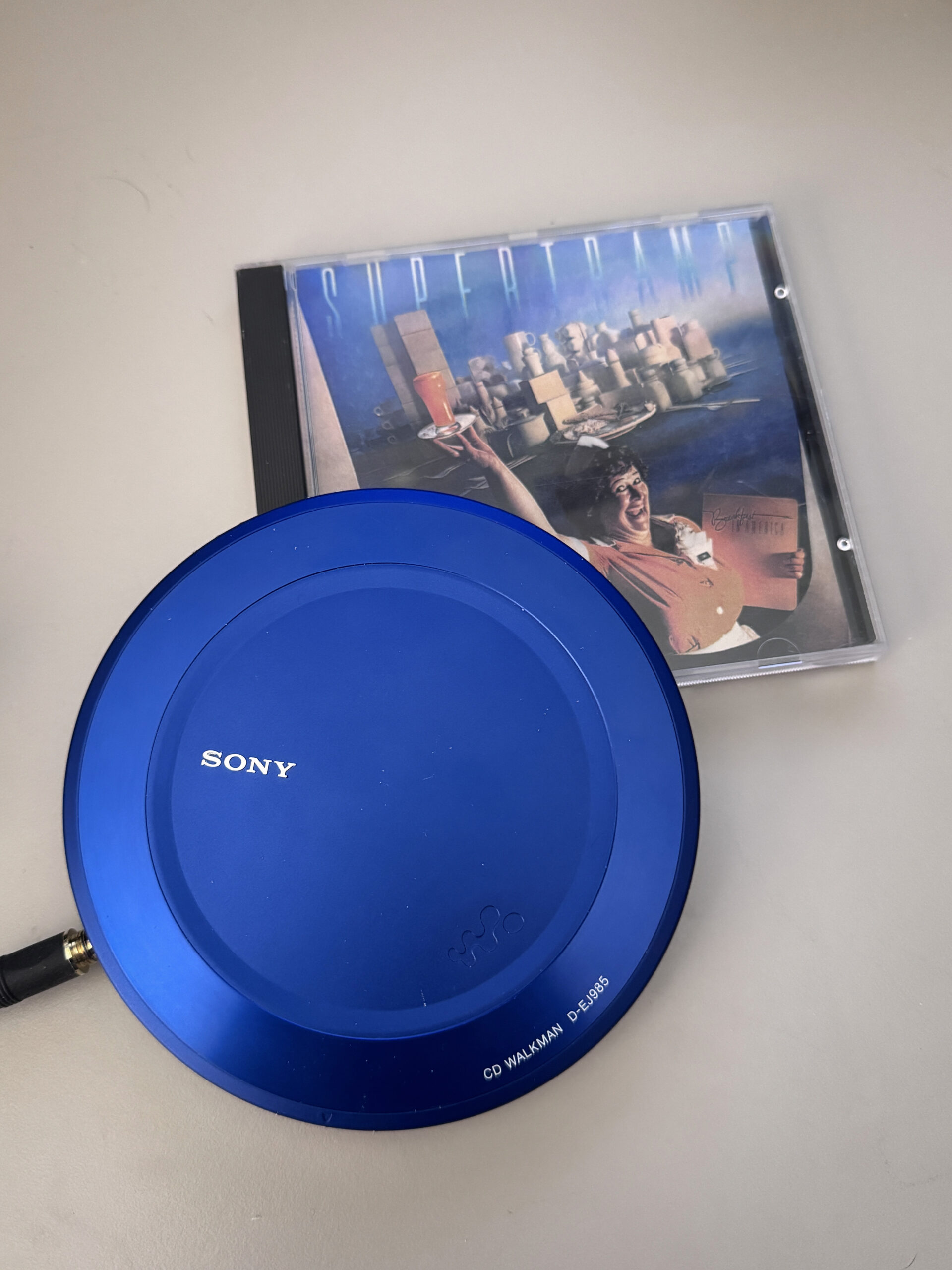
How did I miss this one all. these. years?!?
I know how I overlooked it when it first came out. 1979? I was deep in the throes of disco. While other genres occasionally broke into my consciousness at the time, what I call traditional FM pop/rock wasn't one of them. But seriously...I never gave this one a second glance until a few days ago based on some strong recommendations from the Reddit, and I slip on my headphones and just get lost in it. I can now understand why it's ranked among some of the best albums (and recordings) ever made.
Especially the final track, Child Of Vision:
0 comments
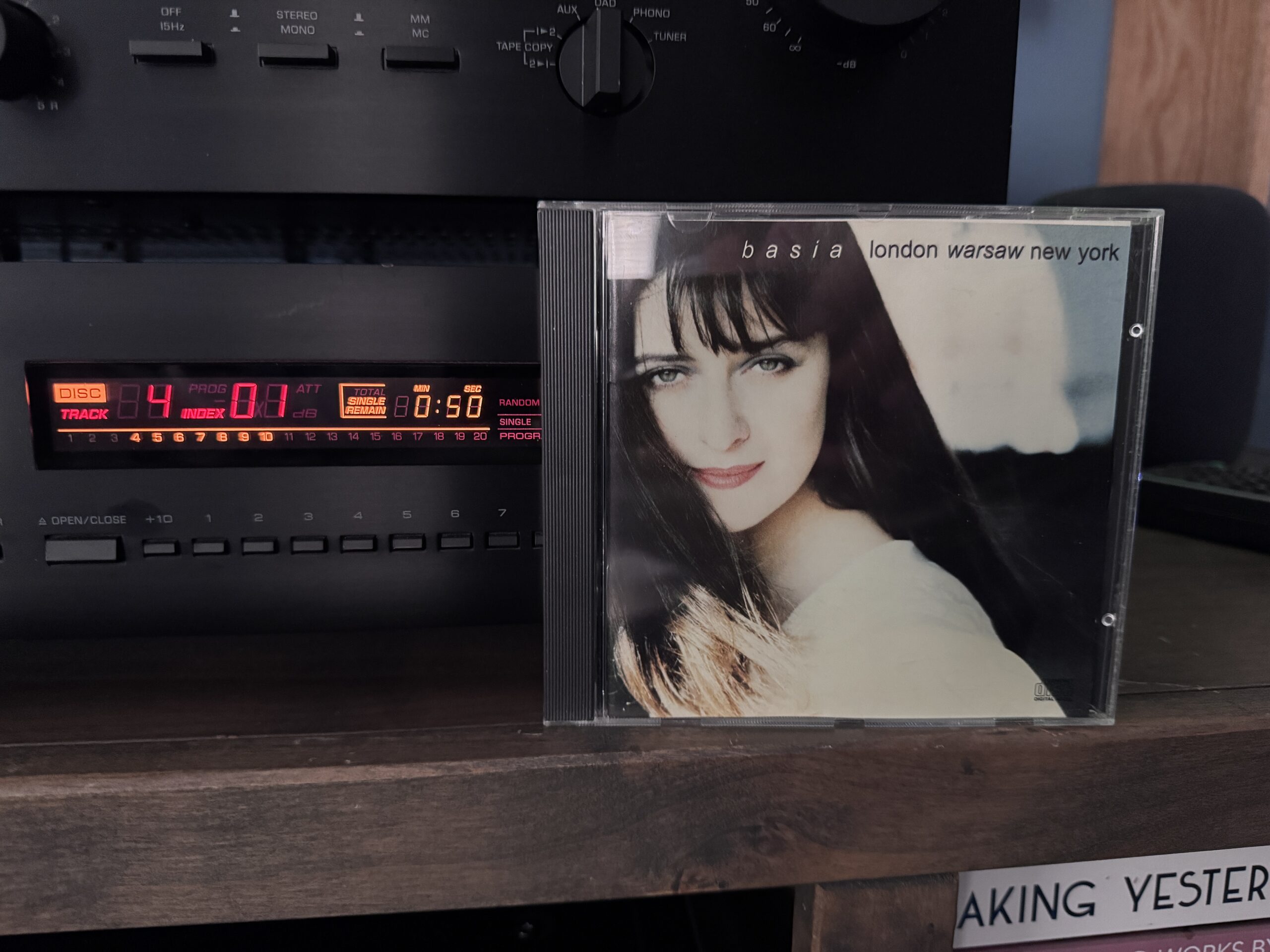
Let's go back to 1990 when the world still had another decade or so of relative sanity.
0 comments
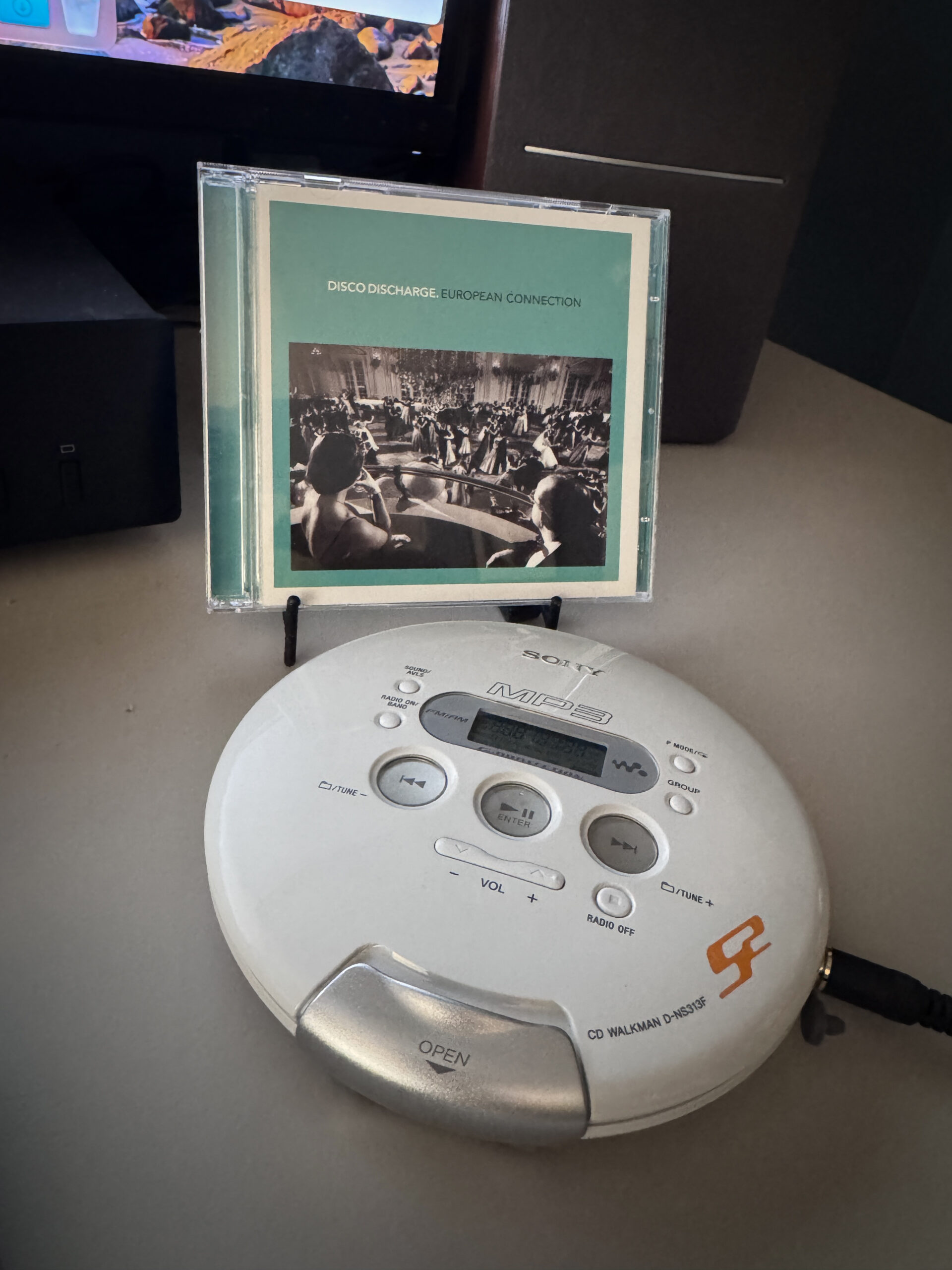
Tantra - The Hills of Katmandu (1981)
45 years on and it still makes the hairs stand up on my arms.
Some memories that are inextricably tied to this track:
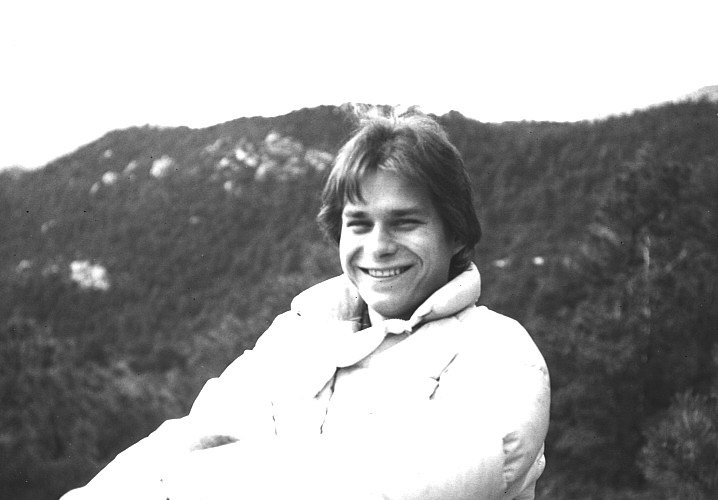
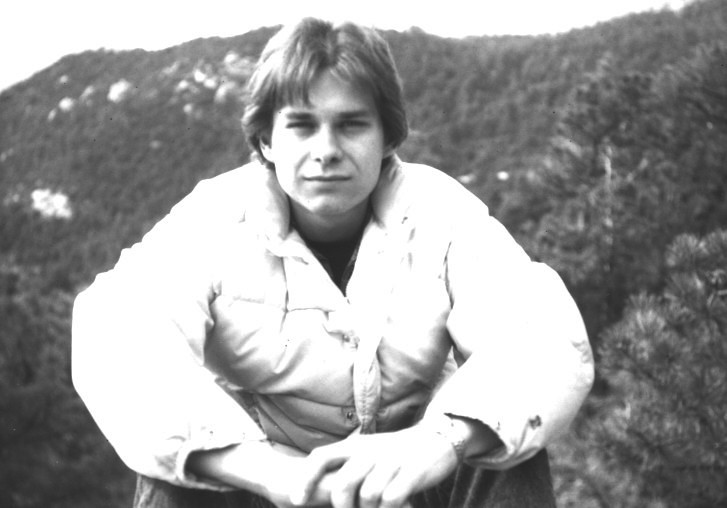
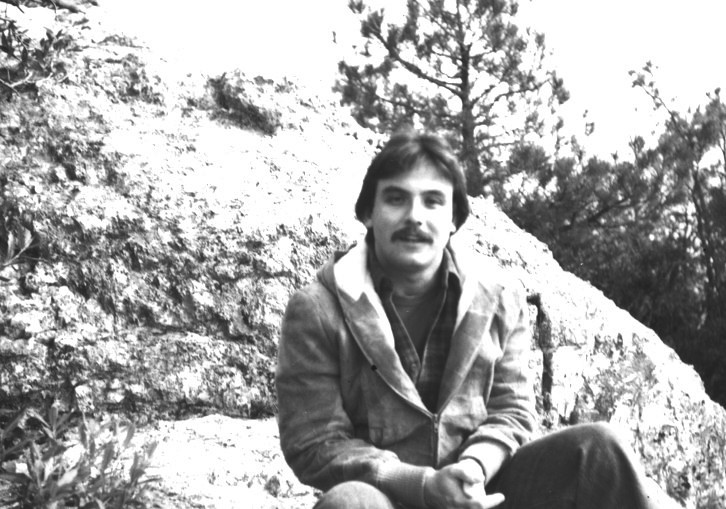
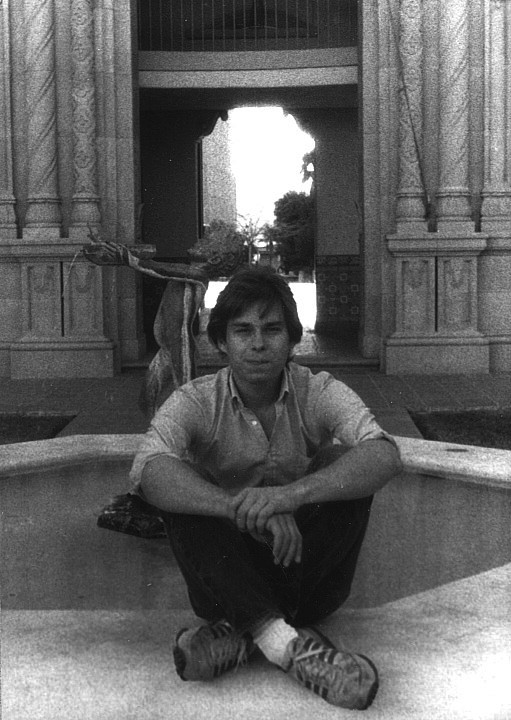
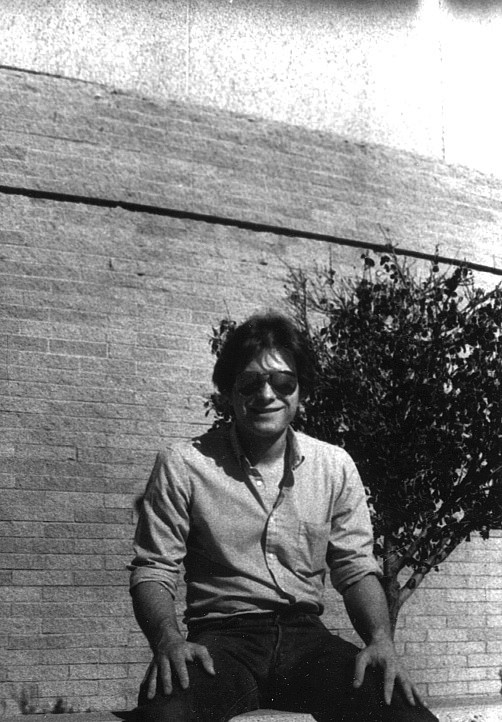
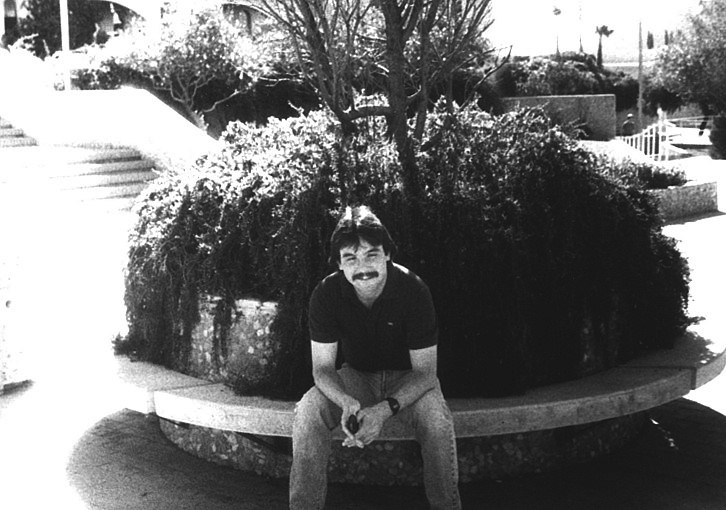
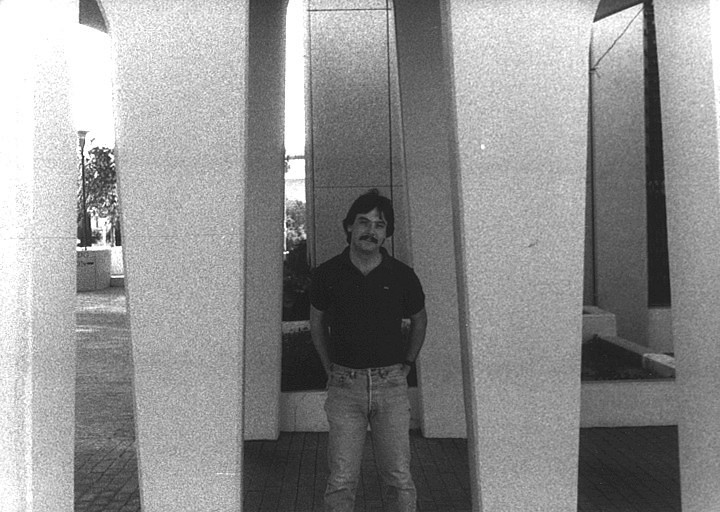
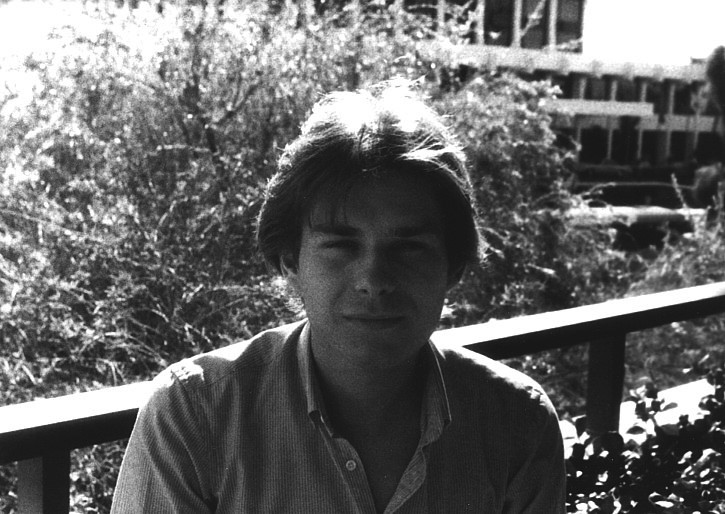
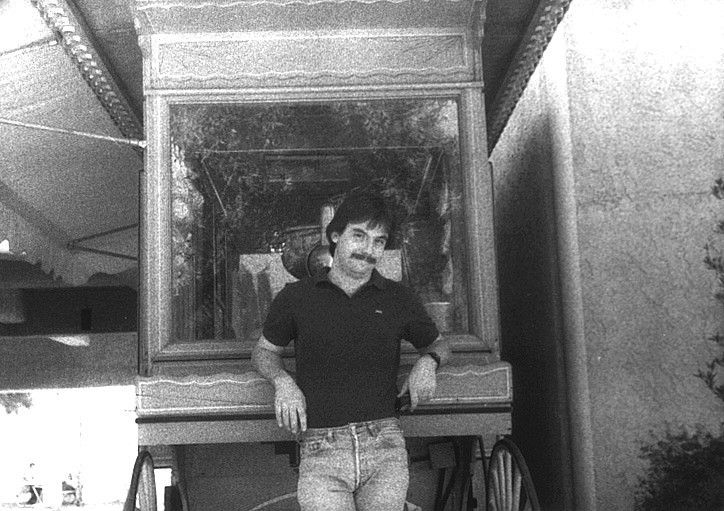
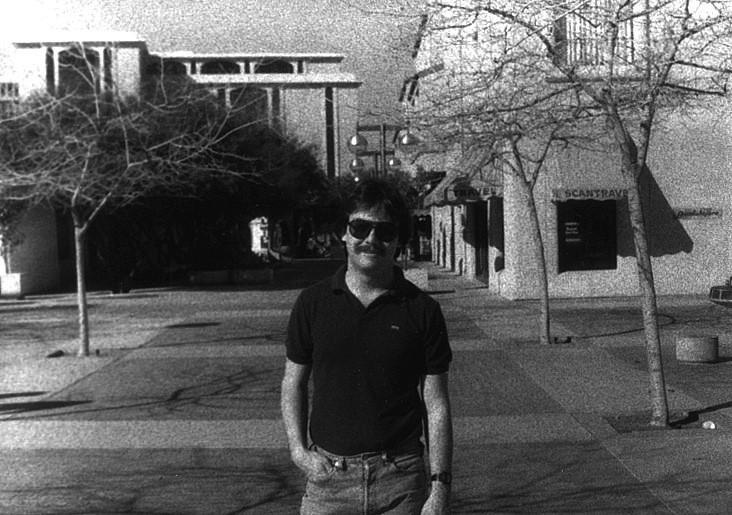
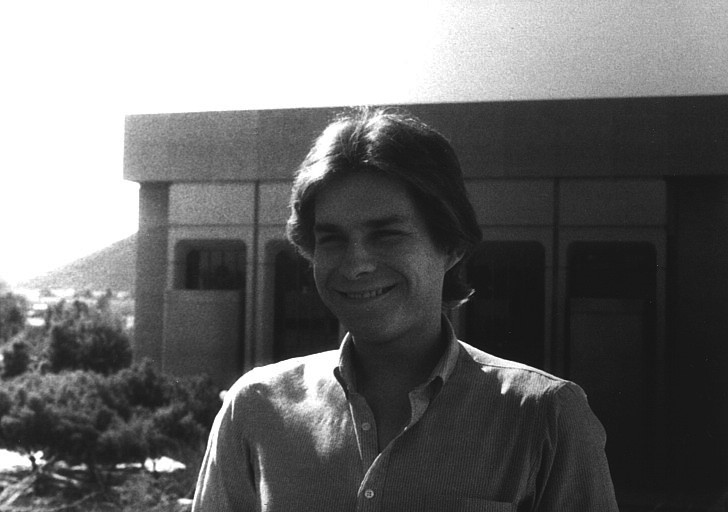
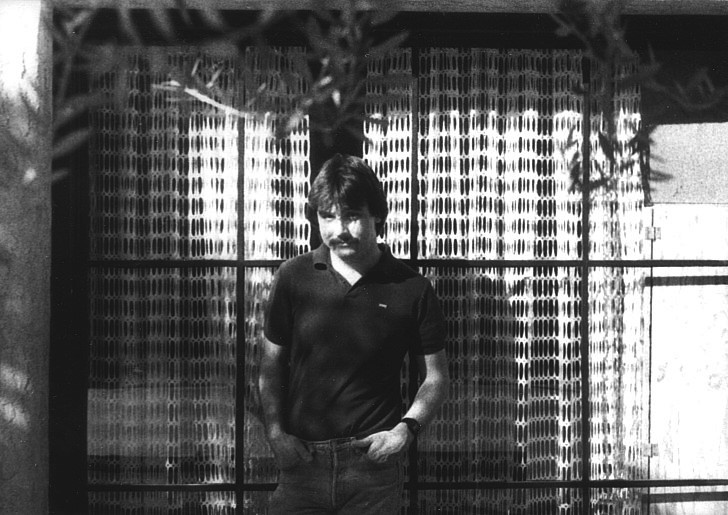
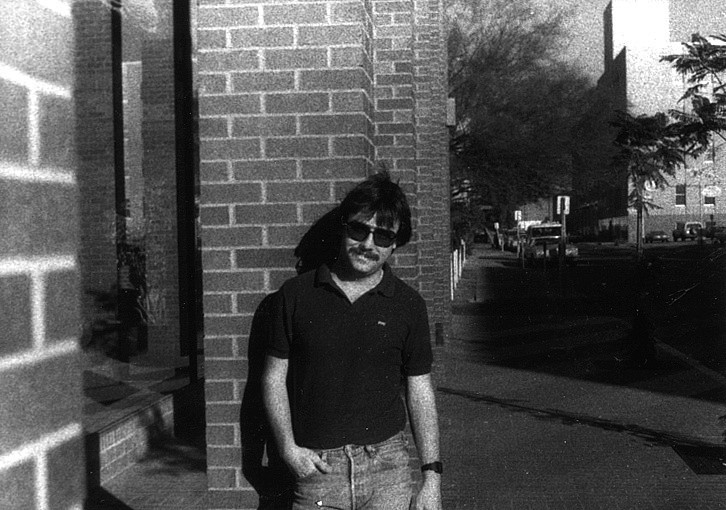
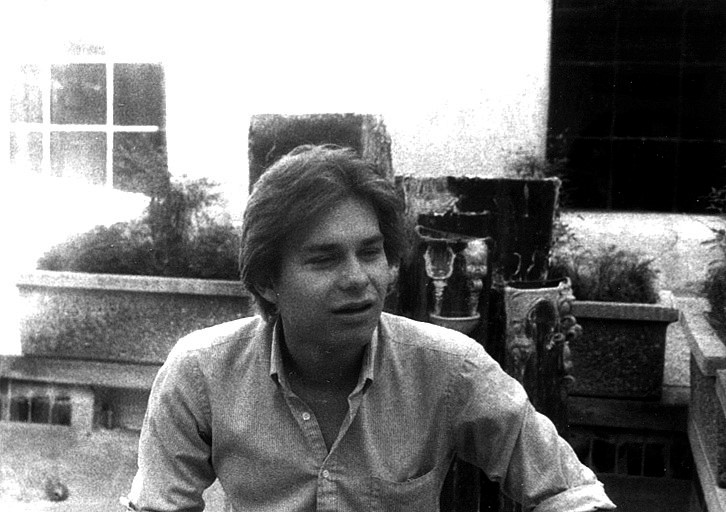
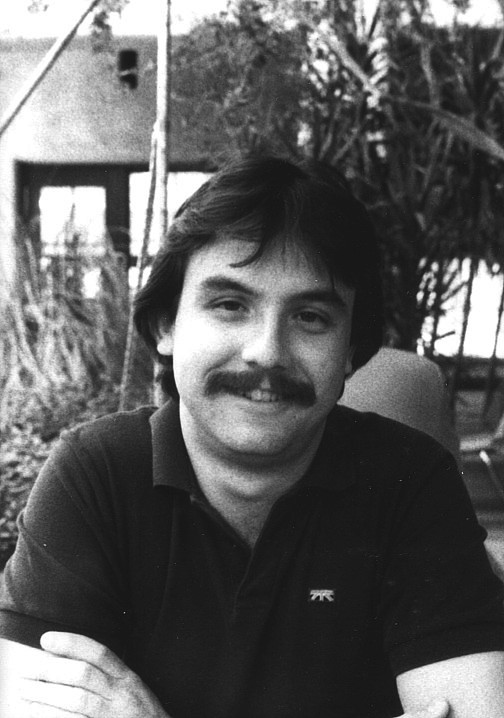
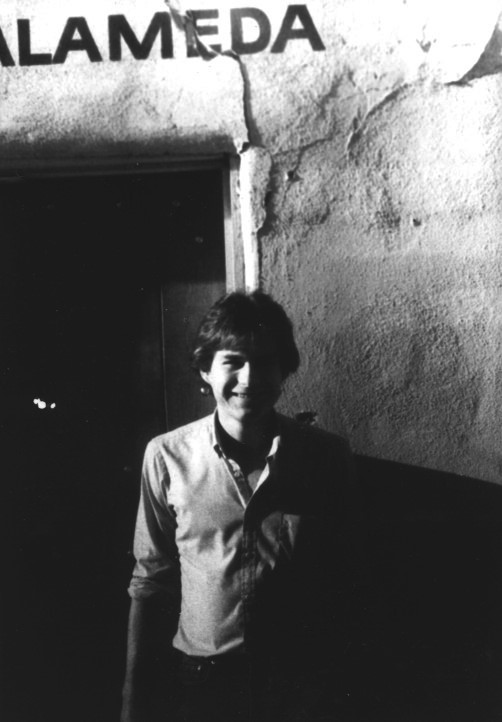
Two Marks. Two Geminis. It was doomed from the start, but somehow we became lifelong friends. I haven't heard from him him in years, so I just fired off an email to his last known address.
1 comments
I was just listening to Only Music Survives and all of a sudden I was tingling with the familiar—and delightful—chills whenever I hear this song (even though I've known of it only a month or so). I was already on the computer, so I asked "Why do certain songs give us chills?"

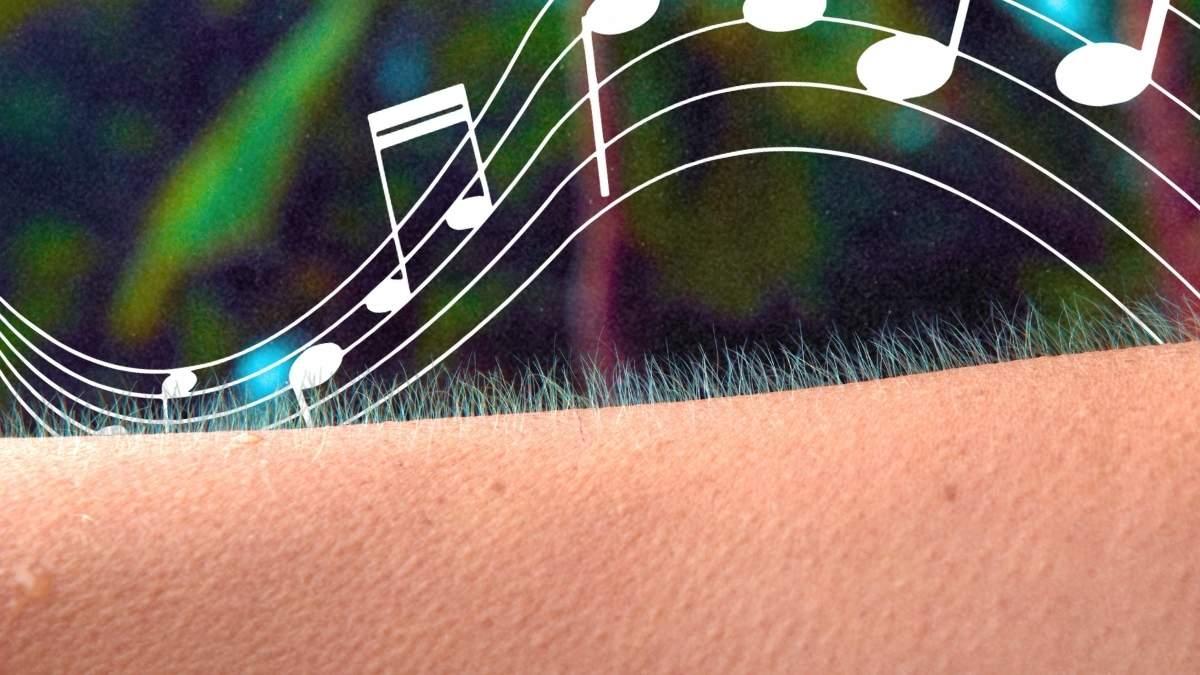
Your favorite songs and audio gear are scientifically engineered to give you goosebumps.
The chills and goosebumps you get from music, known as frisson, connect directly to how our brains process sound. But it’s not just about the feels. This response also drives many choices in audio equipment design and music production.
Learning about frisson’s scientific basis helps explain why certain audio qualities matter and how they affect our listening experience.
Frisson is like your brain throwing a tiny celebration. It’s deeply tied to the reward system, where several interconnected regions team up to create an emotional and physical response.
A few key players in your brain make this magic happen:
A study by USC PhD student Matthew Sachs suggests that some people are practically wired for frisson.
Your personality also plays a part.
If you’re someone who scores high in “openness to experience” (the kind of person who loves diving into creative projects or gets lost in a book) you’re more likely to feel these intense moments of frisson.
However, the music itself does plenty of the heavy lifting. Certain elements seem tailor-made to stir something inside us.
]The drums kicking in during Phil Collins’ “In The Air Tonight,” or the way Adele’s voice soars in “Someone Like You” aren’t accidents. They’re carefully crafted emotional triggers.
Layer in rich harmonies and unexpected chord changes (like the ones that make Radiohead’s “Exit Music” so haunting), and you’ve got a recipe for full-body chills.
There’s also a fascinating evolutionary layer to this.
These music-induced chills actually hijack your body’s ancient alarm system.
The goosebumps from your favorite song share the same neural pathway as your ancestors’ response to danger signals like a twig snapping in the dark. But, music has transformed this survival response into something beautiful
Sure, a painting or poem might move you, but music seems uniquely gifted at pulling the strings on this physiological reaction.
Audiophiles spend thousands on high-end audio gear for one simple reason: to experience music at its fullest.
That’s why, audiophile-grade systems focus on revealing layers of music that standard setups simply can’t touch
Three key elements make these emotional peaks possible:
To really unlock these moments, formats, mastering, and the gear matter. These are all things audiophiles are looking for, whether they’re aware of it or not.
Sound designers and music producers work behind the scenes to create those goosebump moments in your favorite songs and movies. By leaning on psychoacoustic principles, they create experiences that connect on a deeper level, where sound isn’t just heard but felt.
To pull this off, they rely on a few key tricks of the trade:
For audiophiles, frisson serves as a real benchmark for testing equipment. When a pair of headphones or speakers can make the hair on your arms stand up, you know they’re doing something right.
Getting this reaction means the gear handles all the technical stuff well, like dynamic range and detail. But more importantly, it means the emotional core of the music comes through intact.
This marriage of technical precision and emotional impact drives the whole audiophile experience. It’s why we spend hours tweaking equipment settings and comparing different recordings of the same piece.
We’re not just chasing perfect sound. We’re chasing those moments when the music bypasses our analytical brain and goes straight for the heart.
1 comments