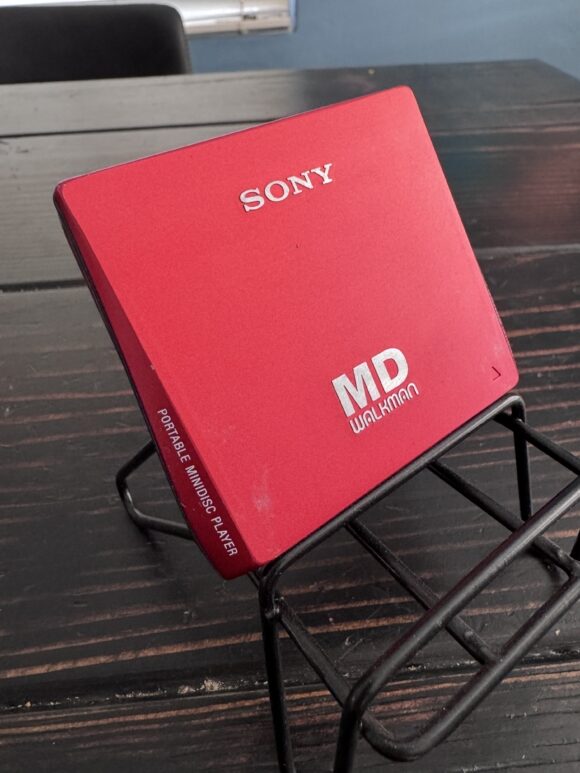
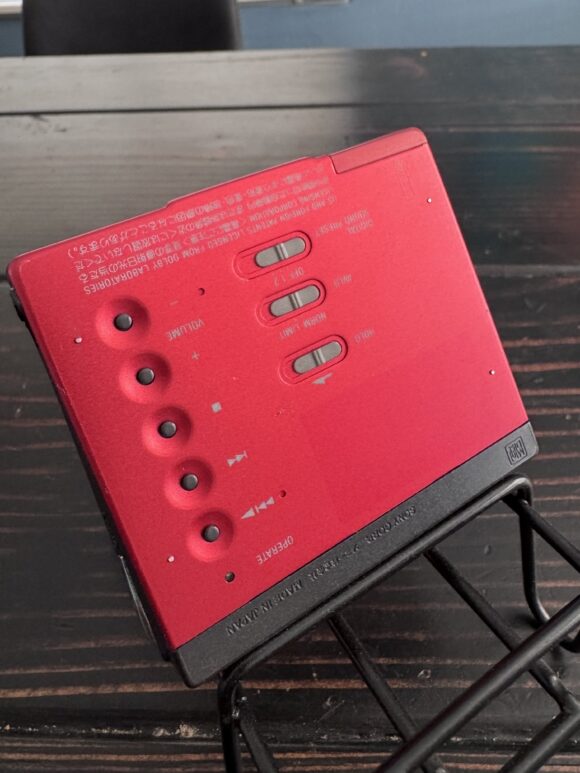
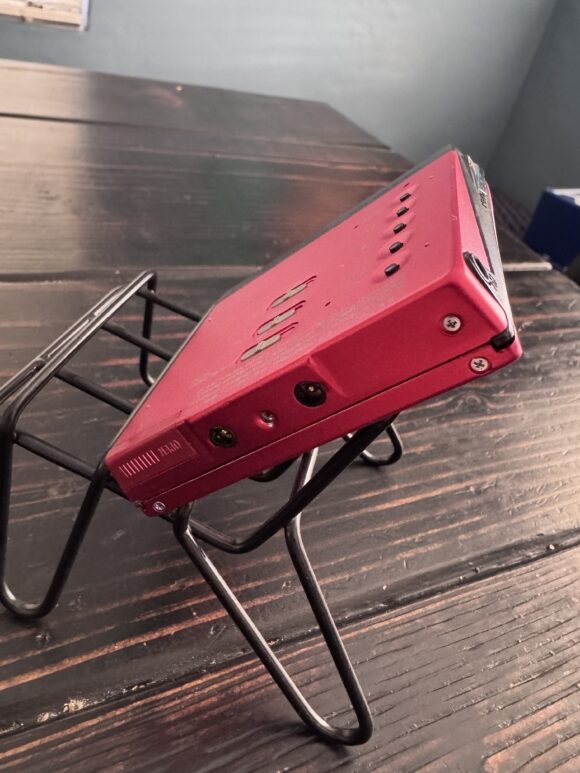
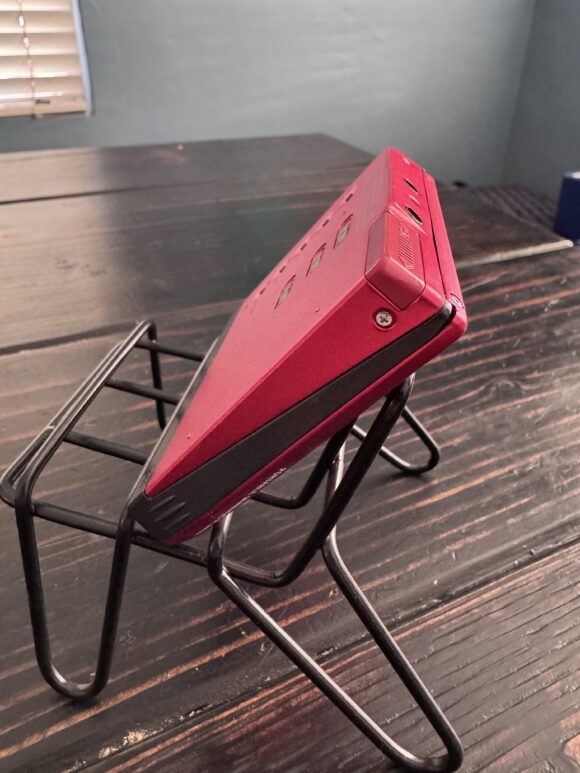
Back At It

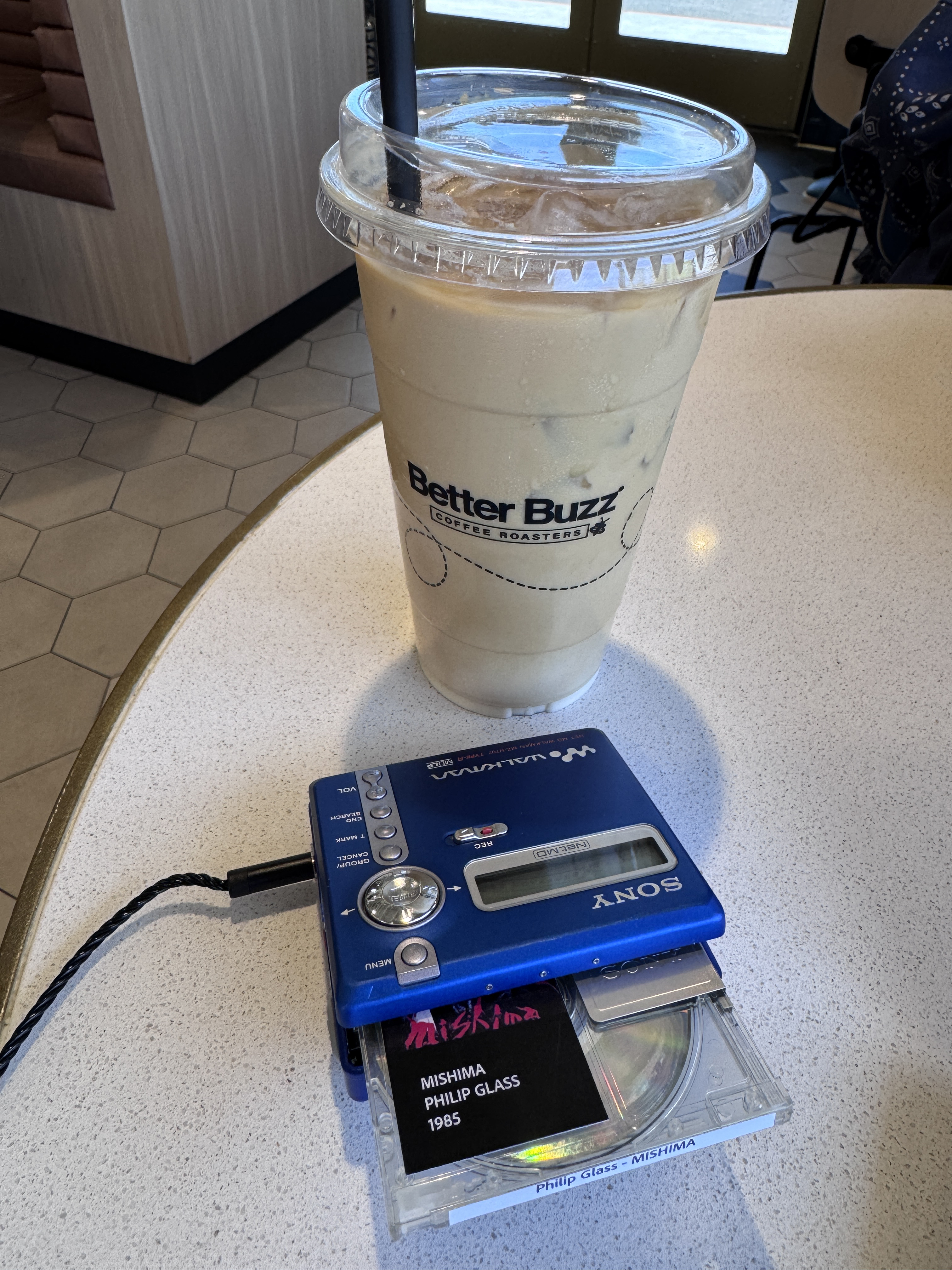
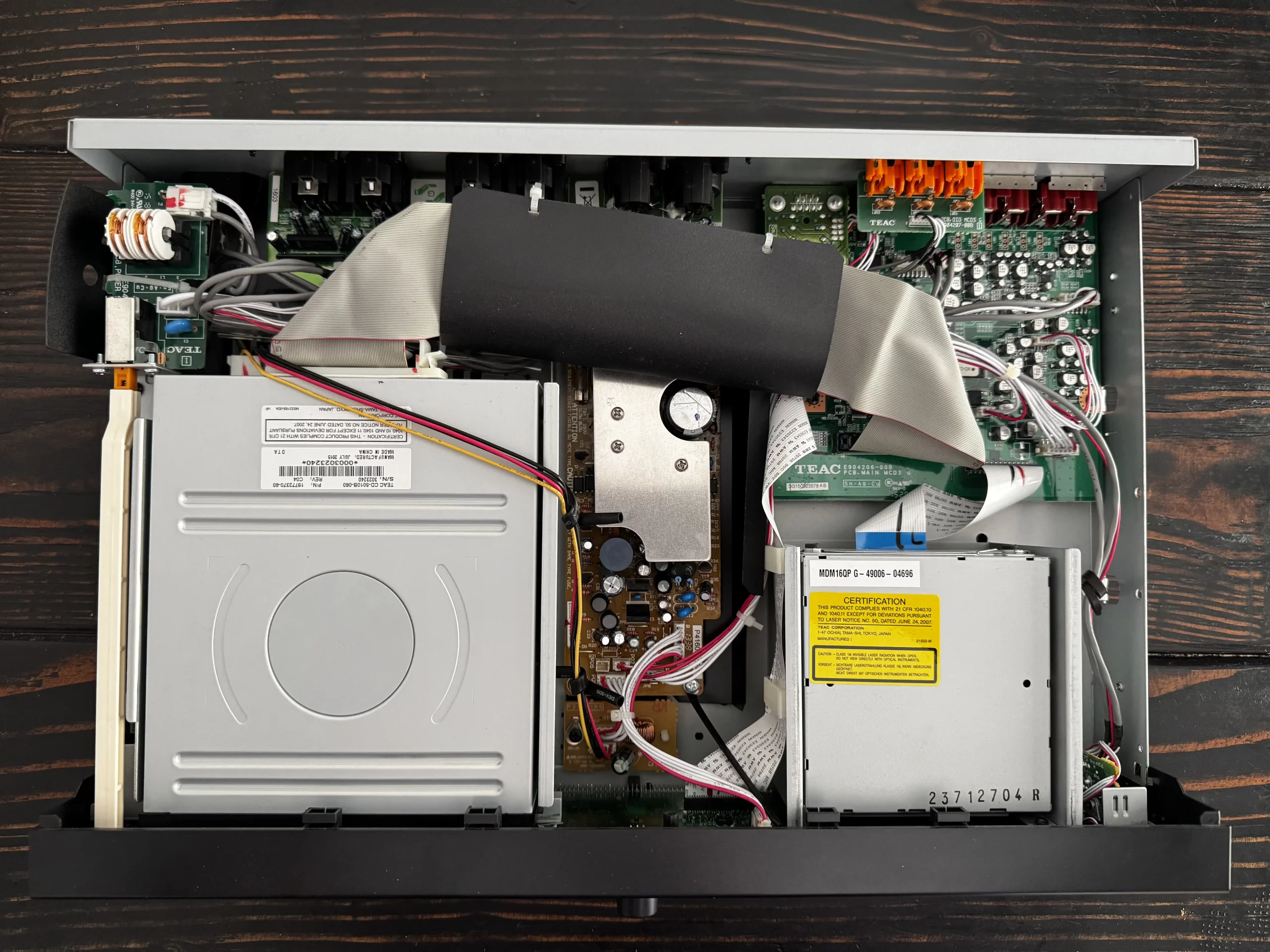
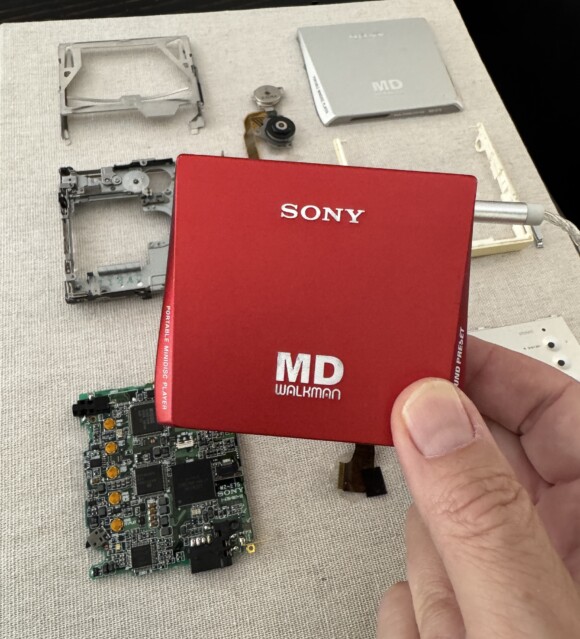
This one—a player that was a total lost cause—is a surprise gift to be sent to my tech who repairs this shit for me. I think he’s the only one in my circle who can appreciate it.

Oops, I Did It Again

The MiniDisc adventure continues.

This is the last one, I swear. And as is my self-imposed rule, one comes in, one has to go out.

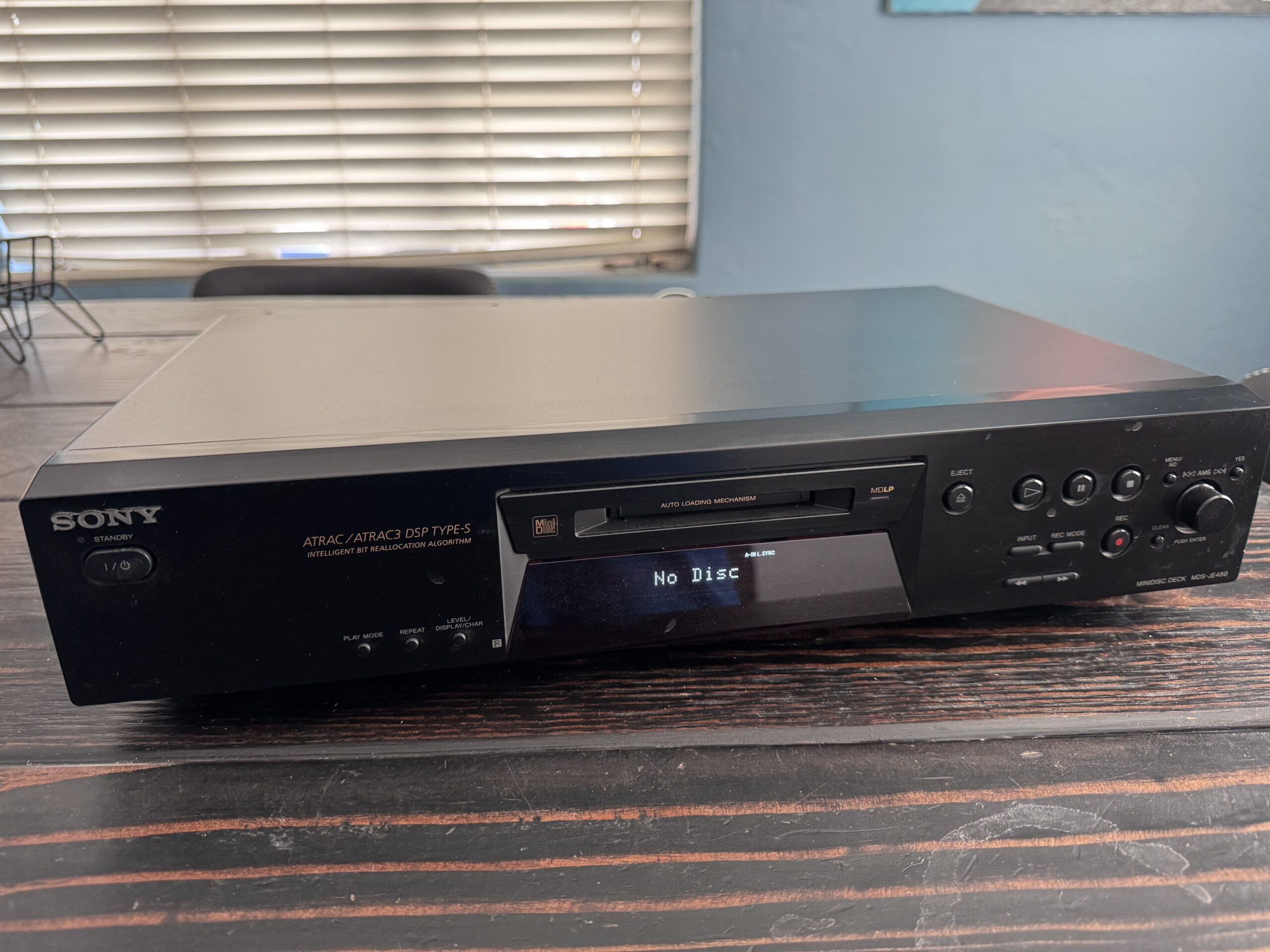
I wish I’d done more research fifteen months ago before I got back into Minidiscs. Instead of just working off an old photo of the last deck I’d owned back in the day—forgetting that it lacked the PS/2 keyboard input for titling discs—and smashing “But It Now” on the first one I ran across that was fully functional and looked good, I could’ve saved myself a ton of money over the past year and went after one that was a better match functionally to my original deck from 2000 that also had a keyboard port,

As I got more and more back into this hobby, I realized how many functions and just little tweaks the deck I’d bought last November was lacking. Why did I go with that one then or even back in the day? It was a combination of faulty memory and the fact I was laser-focused LP2/4 recording capability. Back in the early 2000s  it was probably a combination of not needing the keyboard port (I was able to label discs via my portable recorder and computer in conjunction with Sony’s admittedly horrible NetMD software) and more than likely it was cost related, since there were units in that lineup with keyboard ports.)

Oh well…the 480 still holds a place in my heart for nostalgia’s sake and it did what I bought it to do—so I haven’t been completely disappointed with the purchase.

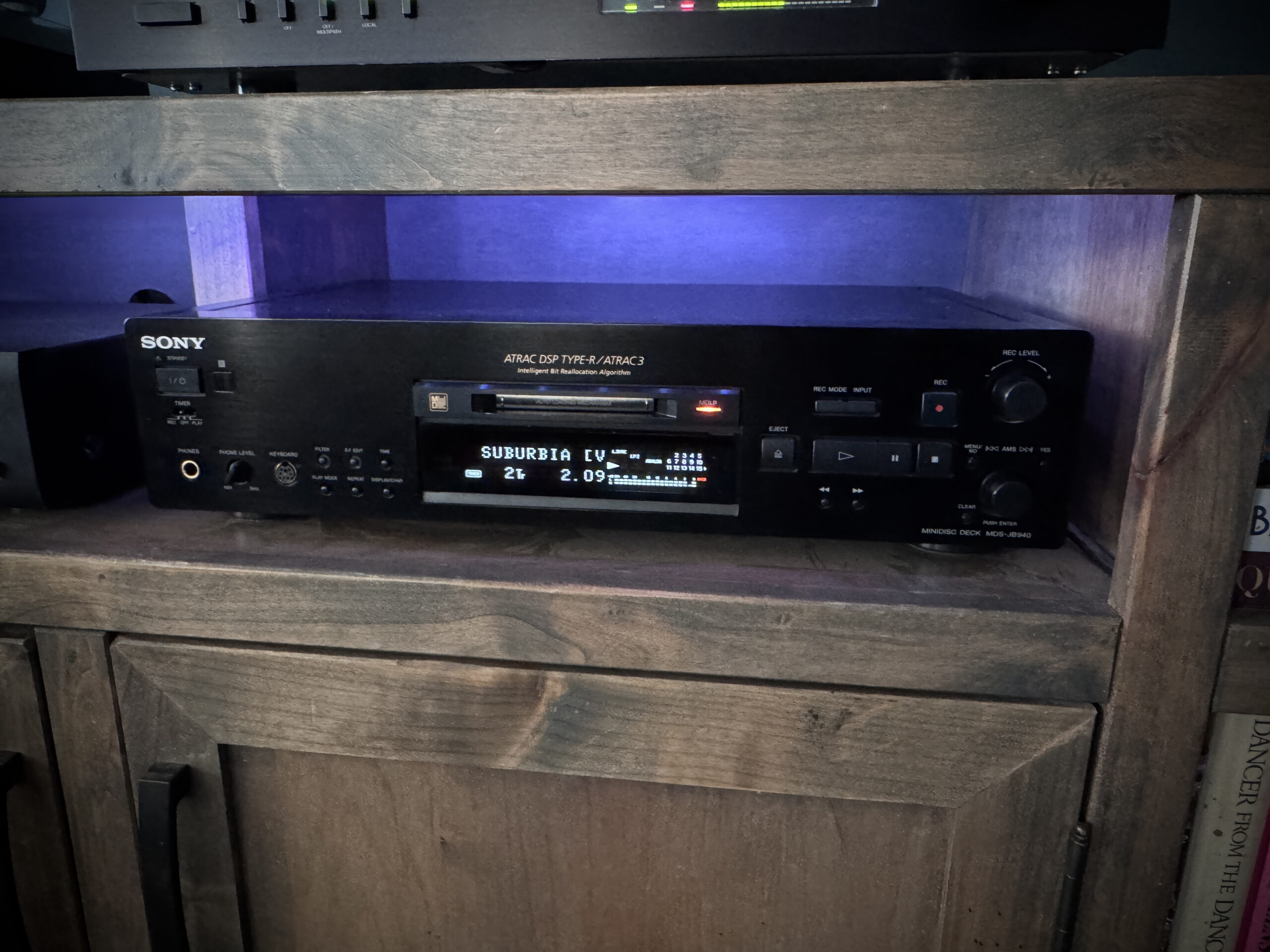
Still, I got a pang whenever I ran across my original deck online—even if it didn’t do long play. But then I discovered the models that came out a year later had the same design and features and did the long play modes. Noted, and filed. The trouble was these days, the immediate successor to my original deck, the JE640, was pretty rare in the US. Even rarer was the top of the line, the JB940. Both models are readily available on the Japanese market, but they run on 100V (necessitating a step-down transformer if you want to use them in the states) and are seemingly only available in champagne gold. Nevermind the import tariffs!

I have triggers set up on eBay to email me when certain items show up. A week ago, a 940 appeared, and for once, it wasn’t a champagne gold 100V model. It was black (matching the rest of my gear),  located in the US, and the price was—reasonable (all things considered). Even so, I made the seller an offer at a substantially lower price, never expecting that it would be accepted.

It was accepted.

It arrived today, and I have to say the build quality is so far and above the deck I bought fifteen months ago that it’s crazy. The 940 wasn’t Sony’s absolute top-of-the-line across their entire inventory that year, but it was top of the line for this particular series, and it shows.

So now I’m throwing my old 480 deck up for sale, hoping to recoup at least some of what I paid for this “new” one.

And yes, so far I’m enjoying the fuck out of it.

For Sale, $100 + $12.60 Shipping SOLD!

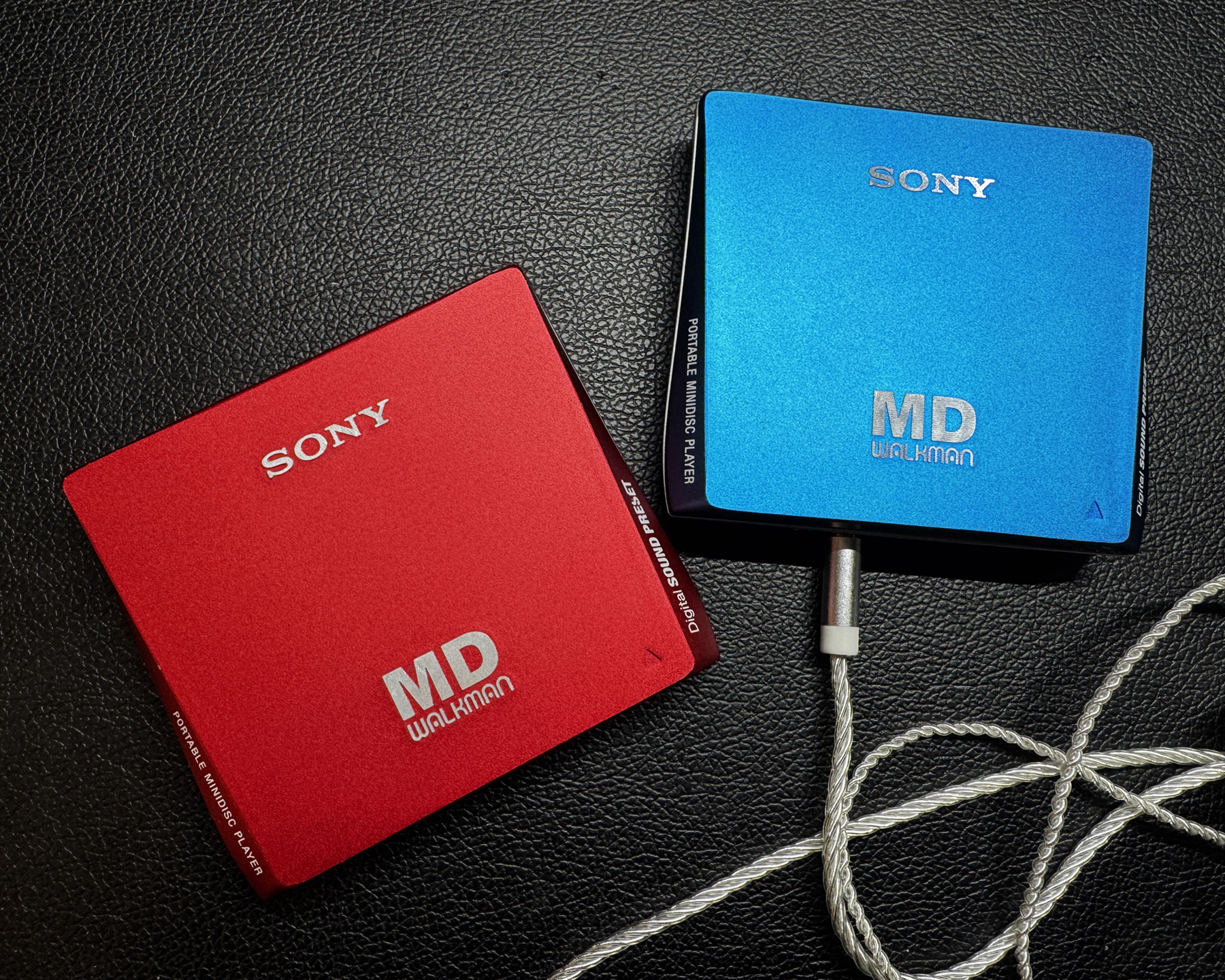
I don’t know if there’s any interest here, but I’m starting to cull the herd. This is one of my favorite players, but I also have it in blue, so one needs to go. I have a couple more that I’ll be throwing up here and on eBay in the coming days (including recorders).


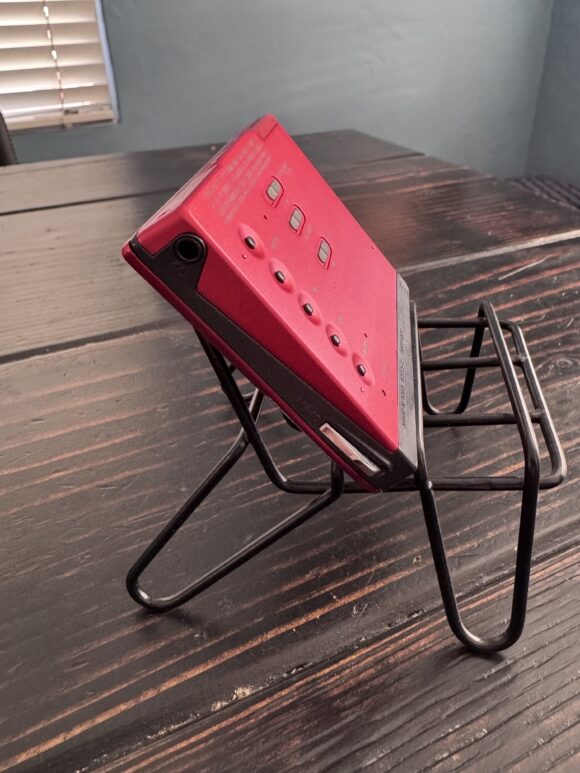
Red Sony MZ-E75 Minidisc Player, Excellent Condition

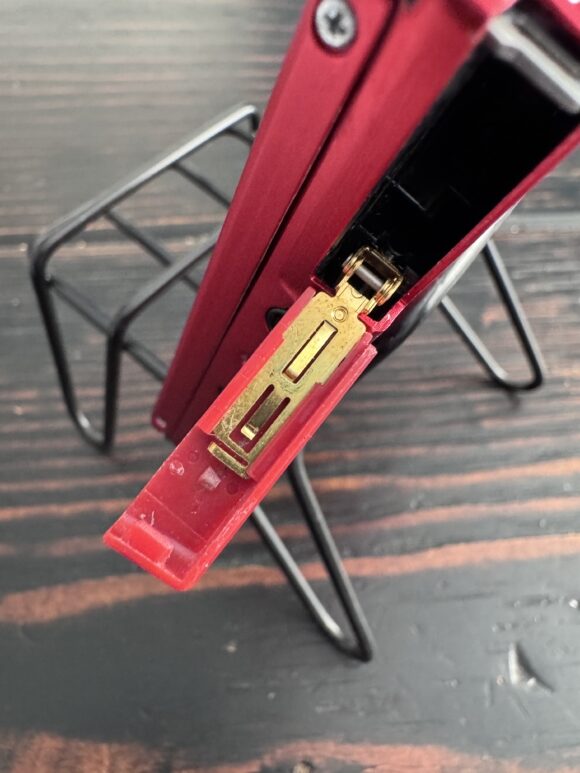
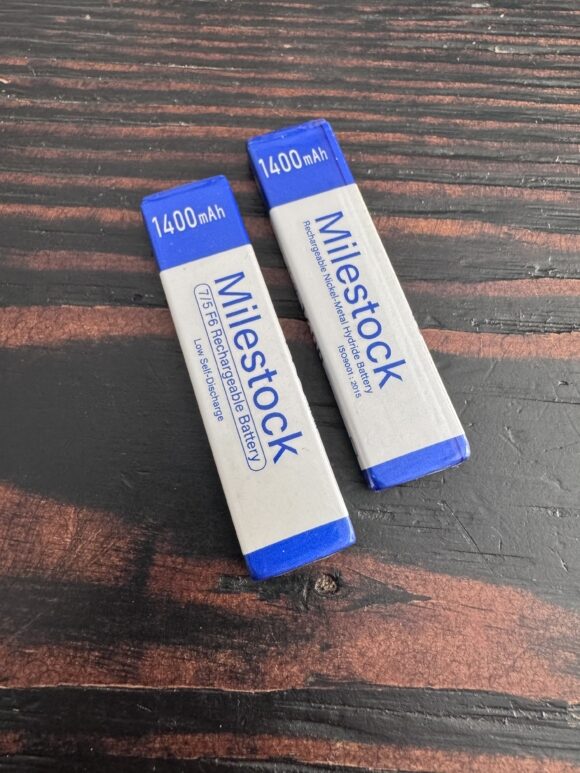
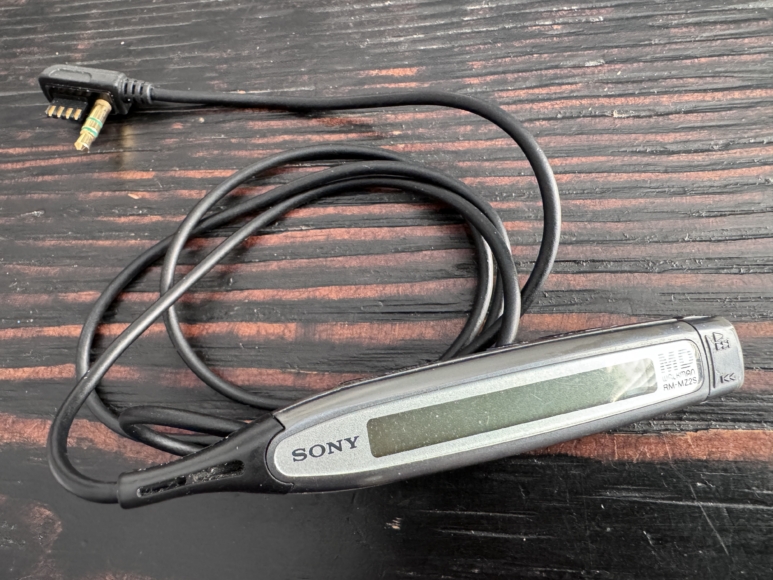
For the uninitiated, please note this is a PLAYER ONLY, not a recorder. You’ll need to record your Minidiscs elsewhere. Unit is not mint, but is nonetheless in EXCELLENT condition as shown below. Battery terminals are pristine with no signs of corrosion and all functions work perfectly. The mechanism was recently cleaned and lubricated and includes a wired remote and 2 new gumstick batteries. It does NOT include an A/C Charger or AA battery sidecar, so you’ll need a separate battery charger (available on Amazon) to keep the gumsticks charged. Link to eBay auction.

Workhorses

WARNING: GEEK/MINIDISC STUFF AHEAD.

I am a geek. I think that fact has been well established.

Ben tunes out the world by watching Drag Race news and reviews on YouTube, and I watch videos about how to fix broken stereo gear.

Those videos have gotten me into trouble more than once, giving me a false sense of proficiency when in fact I had none. But those are stories for another time.

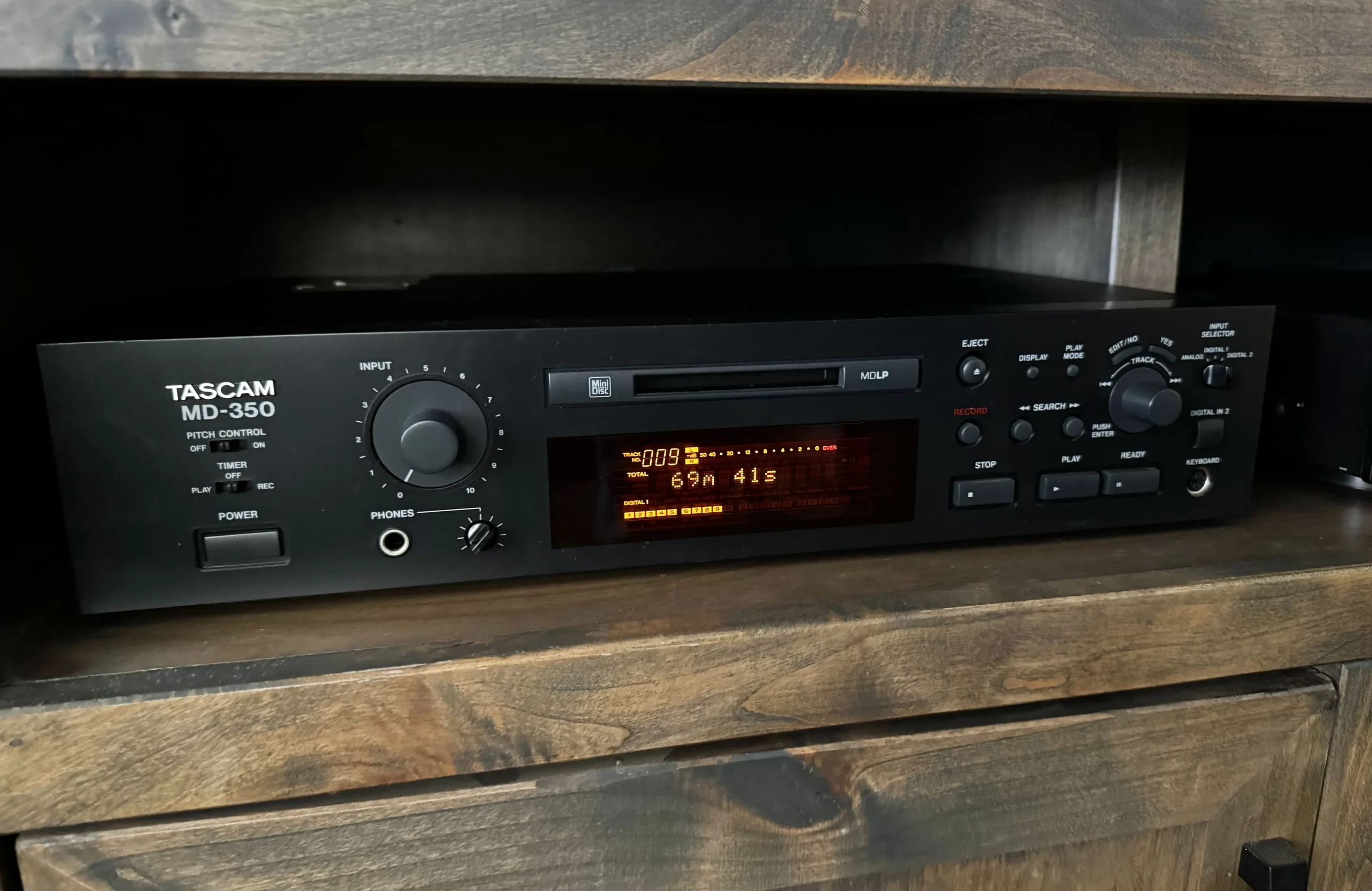
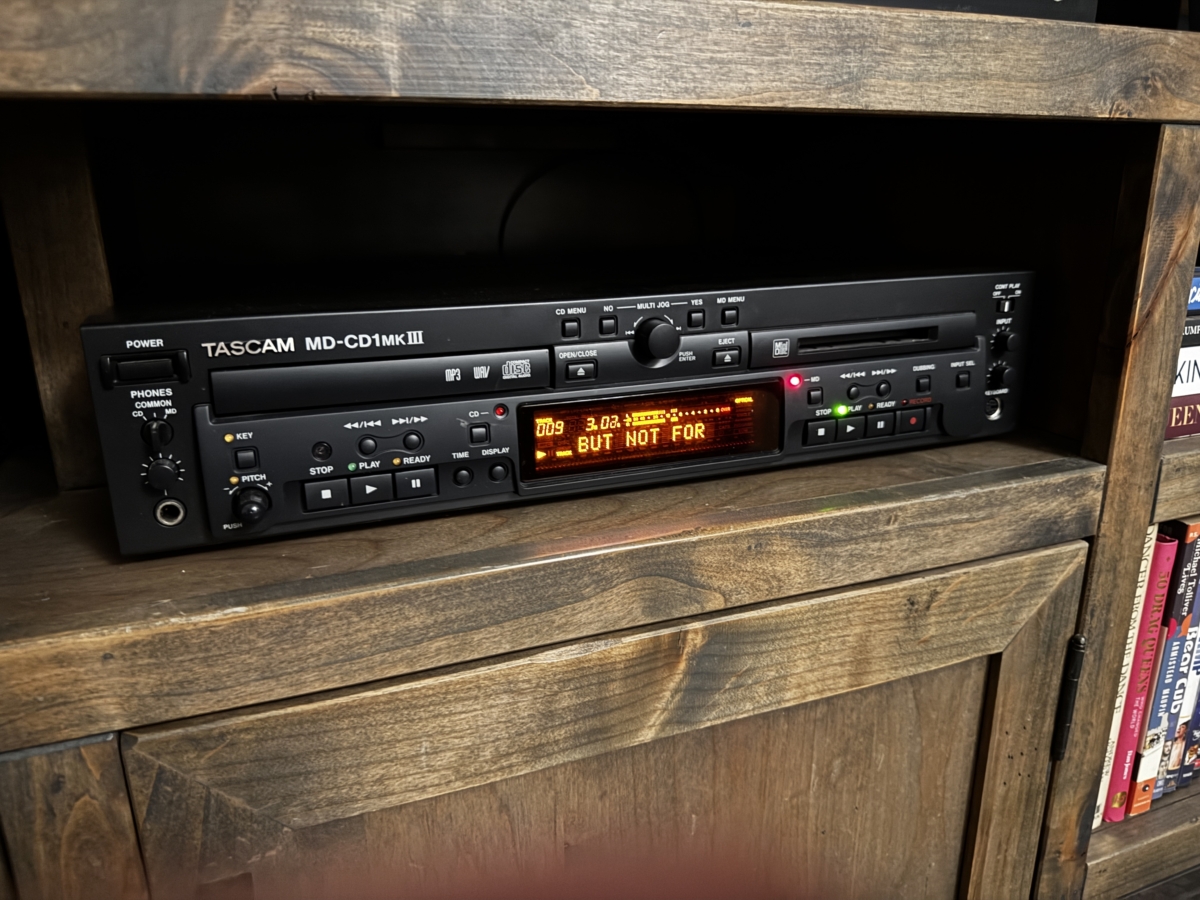
I’ve been able to find videos describing how to take apart and fix just about every piece of audio gear I own—with two notable exceptions: my Tascam MiniDisc decks.

MD-350
MD-CD1MKIII

There are plenty of videos of people showing them off, describing how they work, or were obviously created for providing “proof of life” to potential buyers in an eBay auction. And so many of those videos are based out of Vietnam. WTF? Did Tascam saturate the Vietnamese market with these things?

In nearly a year of searching, I’ve found only one video that describes the actual repair of a misbehaving Tascam MD mechanism.

But why is that? There are literally dozens of repair videos for Sony units—portables and decks. With the decks, the most common malady is a decomposing rubber belt that prevents the minidisc from loading or ejecting—a simple fix once you obtain a new belt and see how it’s done. With the portables it’s almost always dried-up lubricant or corrosion from leaking batteries that someone failed to remove from the player twenty years ago. But Tascam? Just the one.

(Not that I need repair videos for these two units; they’re both working just fine. I just find the videos fascinating.)

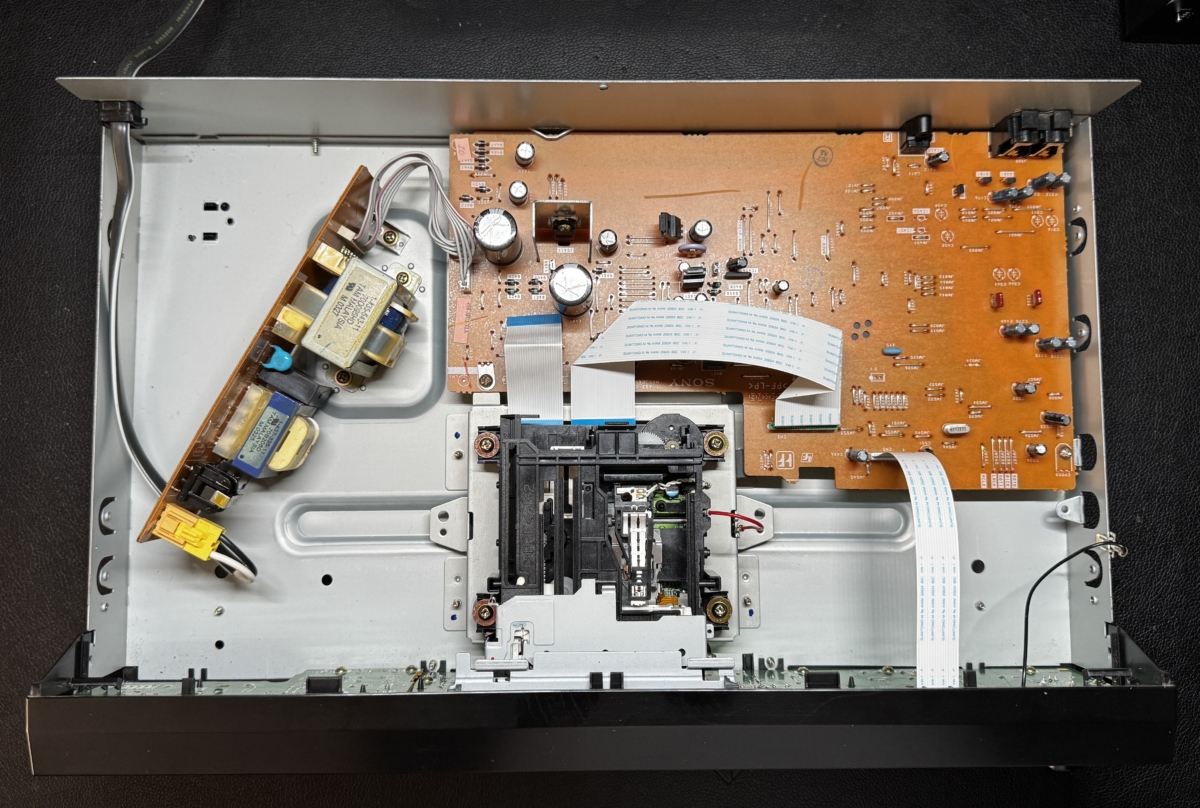
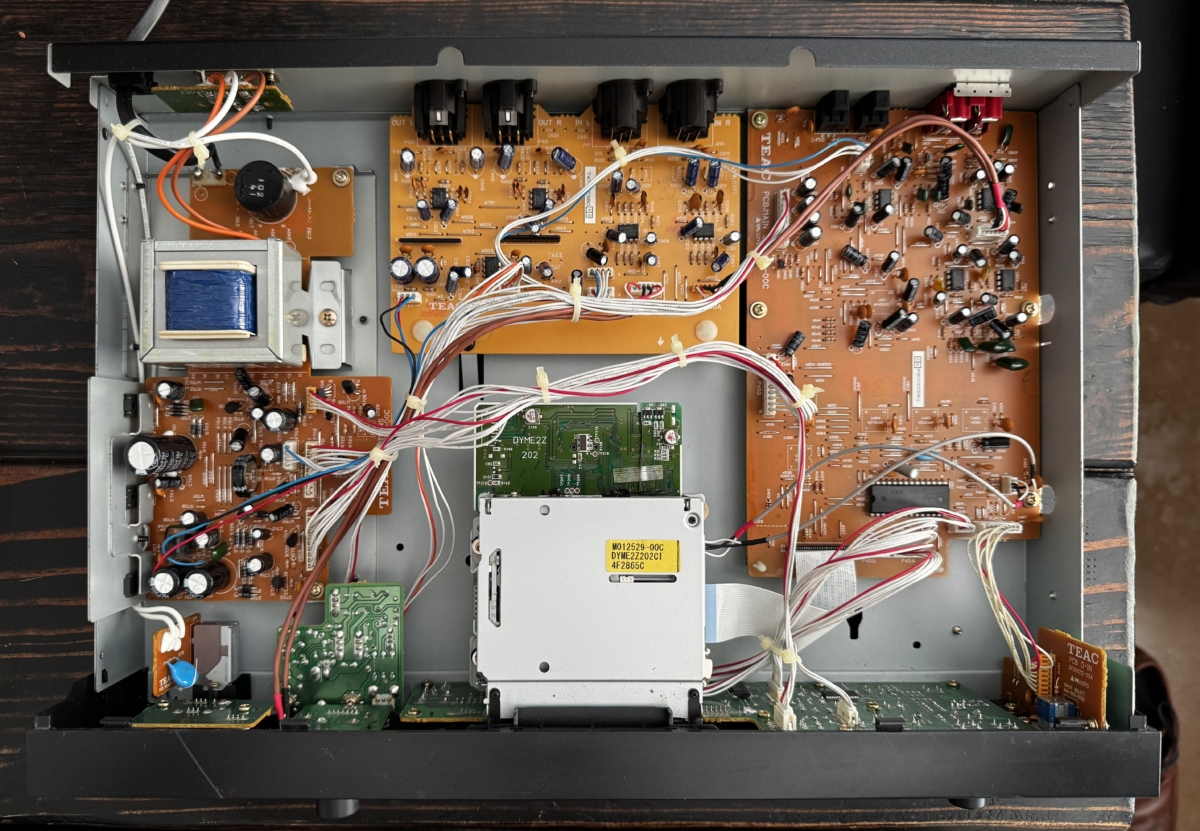
Is this dearth of videos because the Tascams are built like tanks and simply don’t break down? They were sold as “professional” machines, intended to be used in recording studios and radio stations, so they were supposedly built to a higher standard (evidenced by the pictures below) than units manufactured for home use. But they were also marketed (in a silver finish with different model numbers) under their parent company’s Teac name, which was squarely a consumer audio company.

To point out the difference in build quality, this is my Sony…

MDS-JE480

vs. Tascam…

MD-350
MD-CD1MKIII

Or is it that Tascams don’t need repair videos created because the MD mechanisms don’t use any belts for loading and unloading the discs? The only belt I’m aware of is in the CD player portion of the MD-CD1MKIII and that drive is a standard, commercially available (at least at the time these were being built) IDE computer CD/DVD writer.

While it’s kind of disappointing that there’s only one Tascam MiniDisc repair video on YouTube, it’s also rather reassuring if this is indicative of their longevity, knowing that my two decks will likely keep humming along for many, many more years. (And there are more than enough Sony videos—of all their audio gear—that allow me to disconnect from the dystopian hellscape we currently find ourselves in.)


Not Exactly One Of My Grailz…

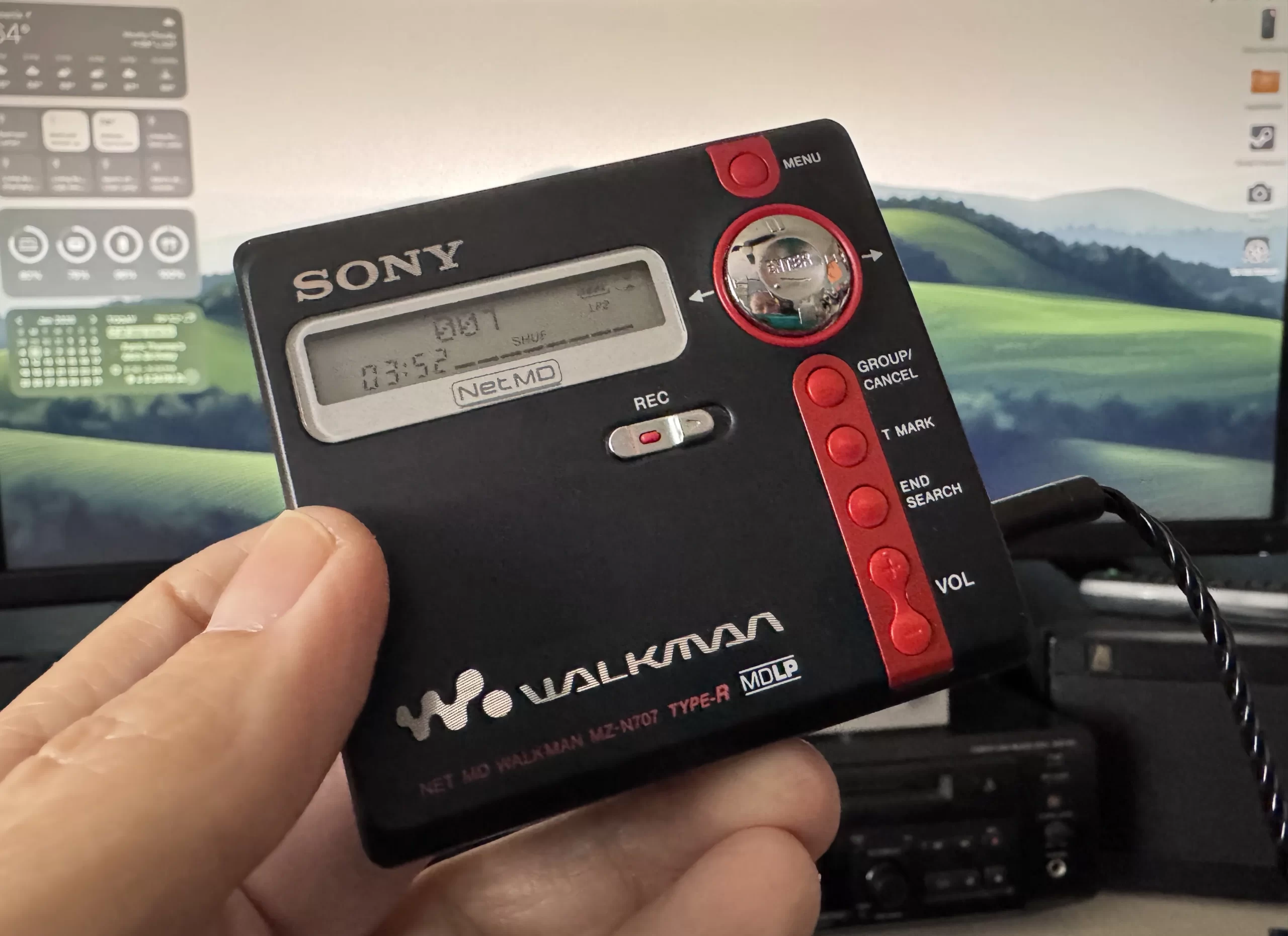
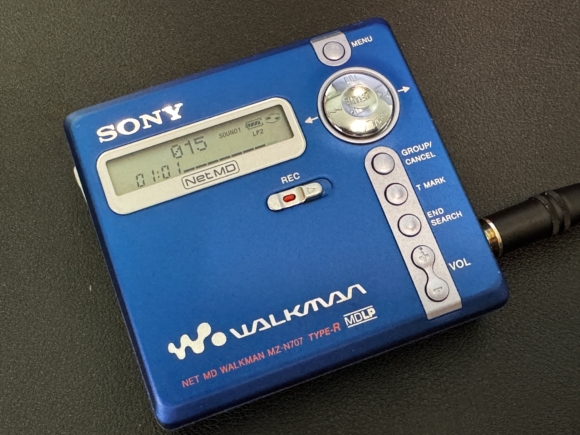
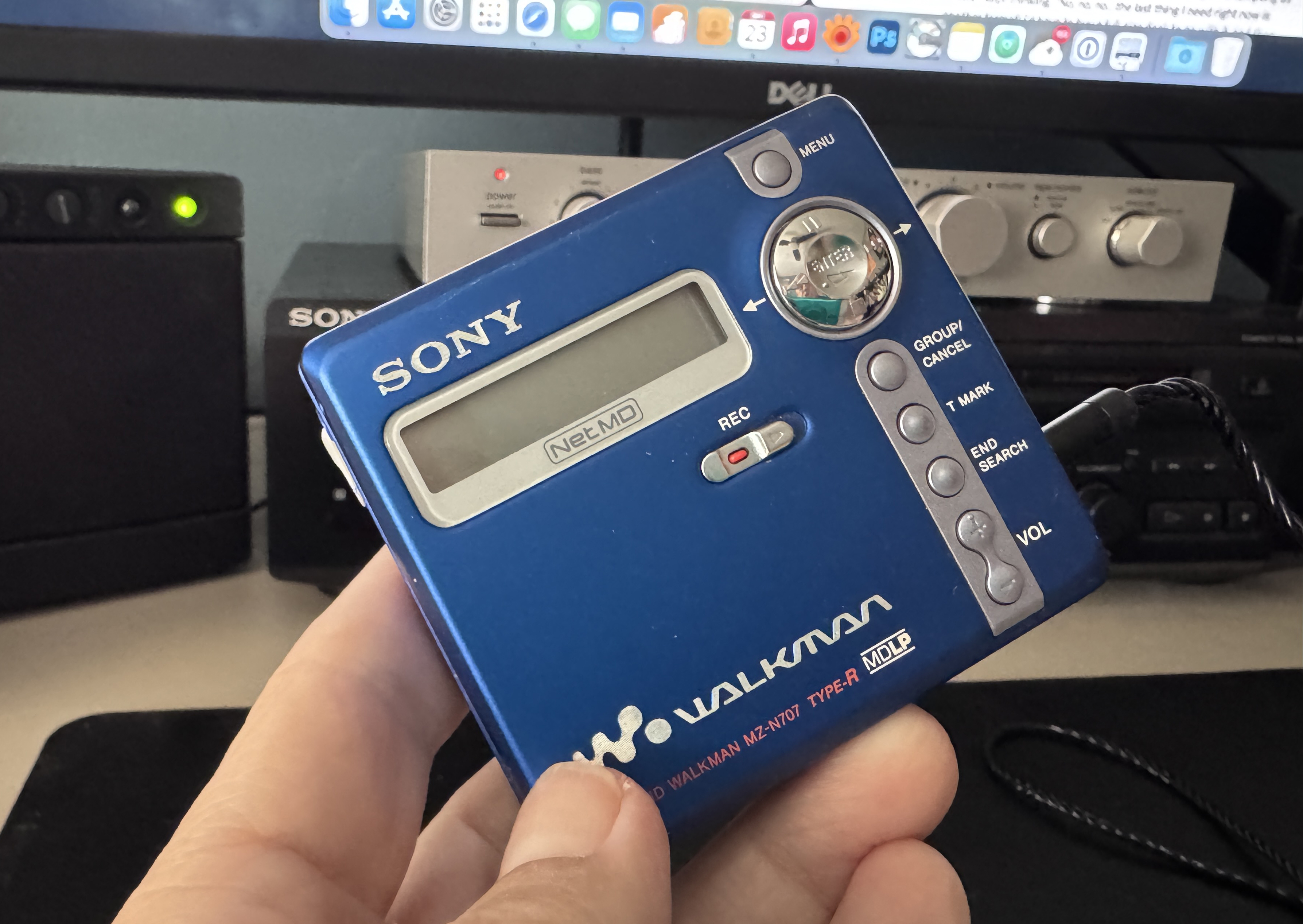
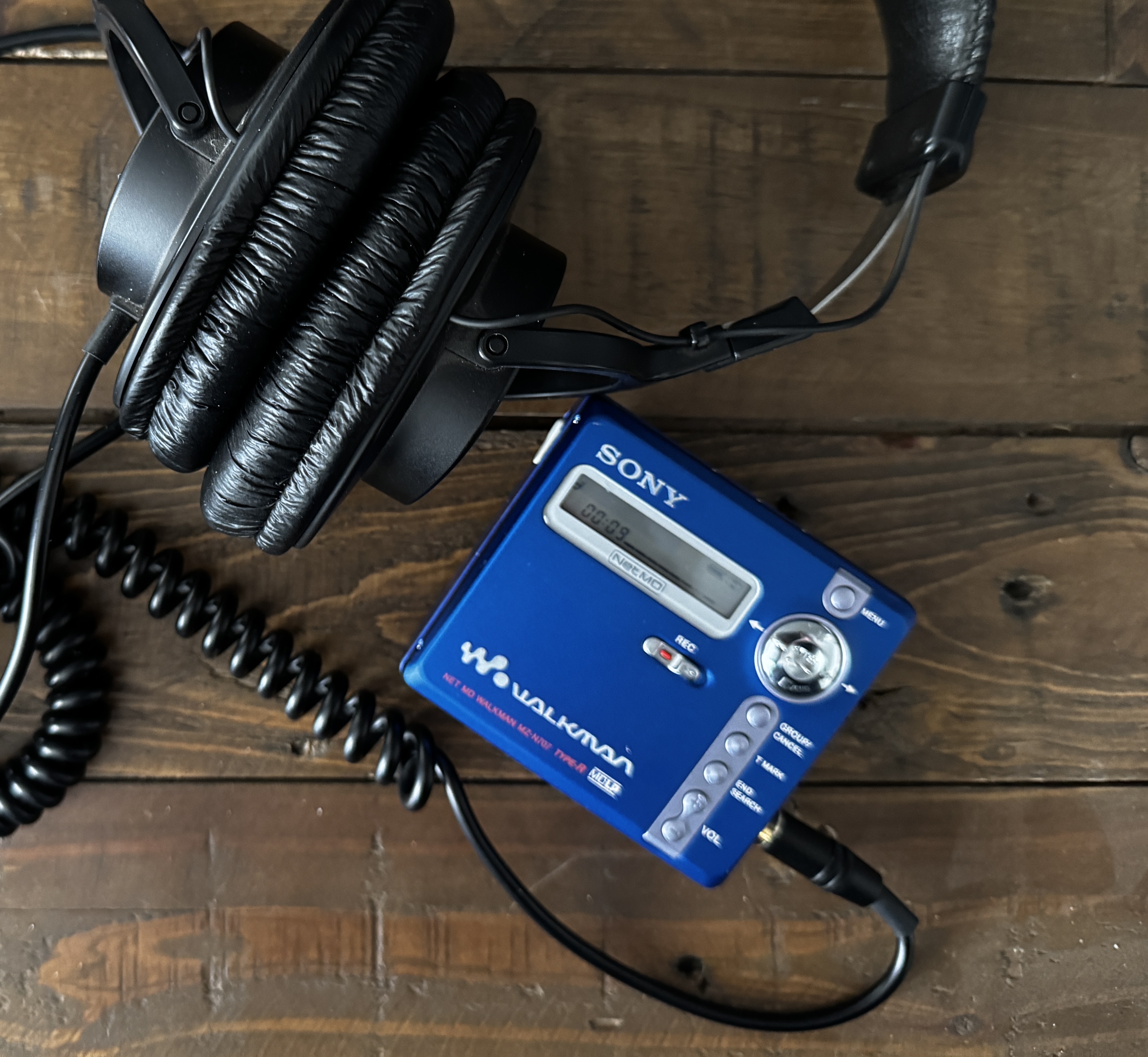
…but I’ve had my eye out for this color since I first saw one last year. They’re relatively rare so they don’t appear that often. My blue 707 is definitely my “which one would you grab in a fire” unit, so getting this one when it popped up was a no-brainer. Worked great when it arrived, but it got the usual clean/lube the worm gear looked a little crusty.

2025: Among Other Things, The Year Of The MiniDisc

One year ago today this little nugget—the same model as the last new Minidisc player I purchased in 2002—arrived in my life, reigniting what I feared it would: an obsession with the MiniDisc format.

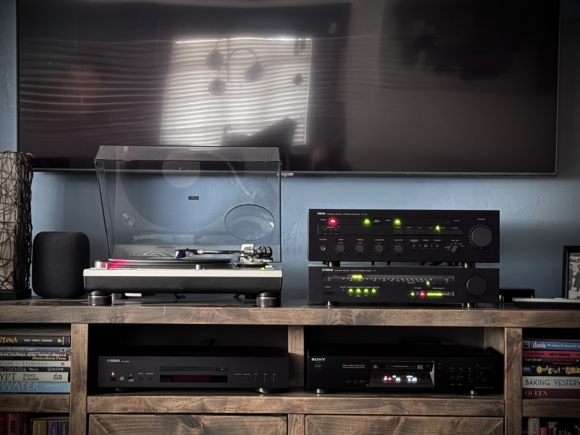
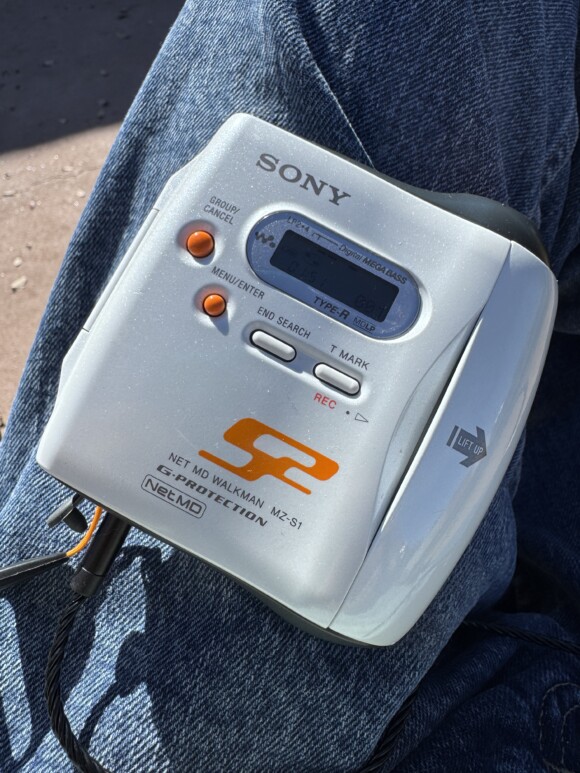
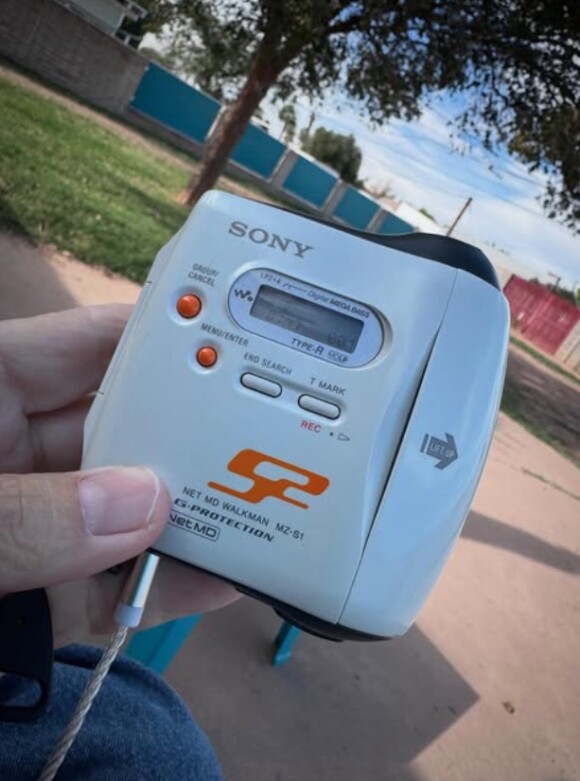
During the year and a half prior to its arrival, my love of compact discs had been rekindled, rebuilding and augmenting my original collection that had been sold/lost over the years.  The used Yamaha CD player I’d picked up when I started this journey was refusing to play some discs, so I replaced it with a new Yamaha—and several portable players over the next year just because. As as I was pursuing these various player offerings on eBay I kept stumbling across auctions for Sony MZ-S1 MD recorder/players and I’d be overcome with a pang of nostalgia. As tempting as it was to get one, I kept thinking, “Why? I have no discs, and do I really want to get into yet another format? I’d have to buy a full-size deck to go with it, and then there’s the matter of getting discs and transferring all my music, and yada, yada, yada.” But the nugget kept popping up in my searches.

I put up a good fight for the longest time.

But then, one day—logic and reasoning be damned—I gave into temptation. I loved the format back in the day and I justified the purchase by saying I wasn’t getting any younger—and neither was this hardware. I checked, and saw that (at least at that time) Sony was still manufacturing new discs, so I said fuck it. Even with retirement looming and the reduced income that went along with it, I knew the Pandora’s box I would be opening, but I went ahead and pulled the trigger anyway and bought a MZ-S1. That act—as expected—opened a floodgate. I now have more hardware and discs than I ever owned originally. In fact, I immediately followed up the MZ-S1 with the purchase of a MZ-N707 (below) a few days later, simply because it was gorgeous

And, truth be told, numerous decks and a dozen portable players later, this obsession has also kept me sane over the past four months.

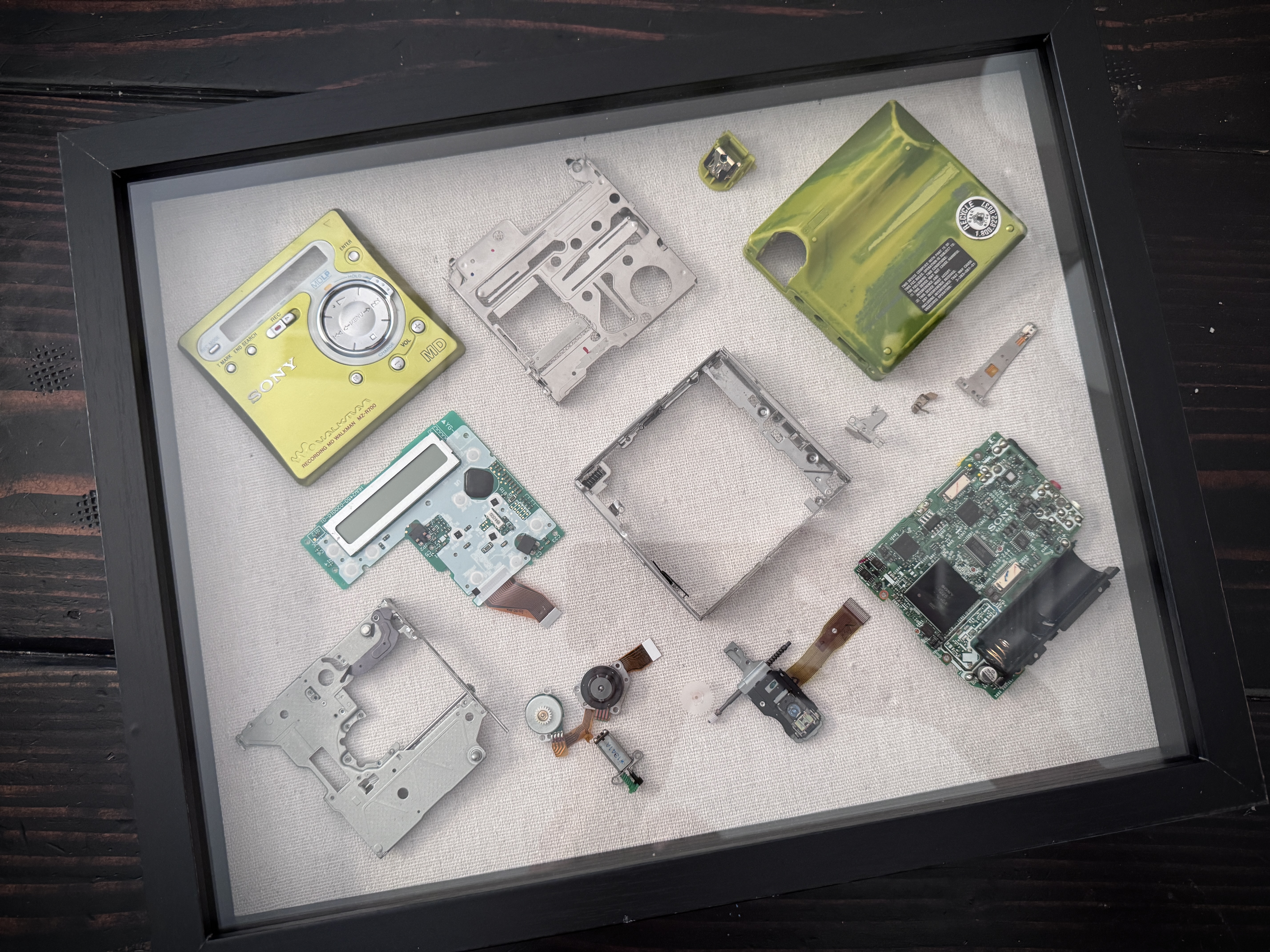
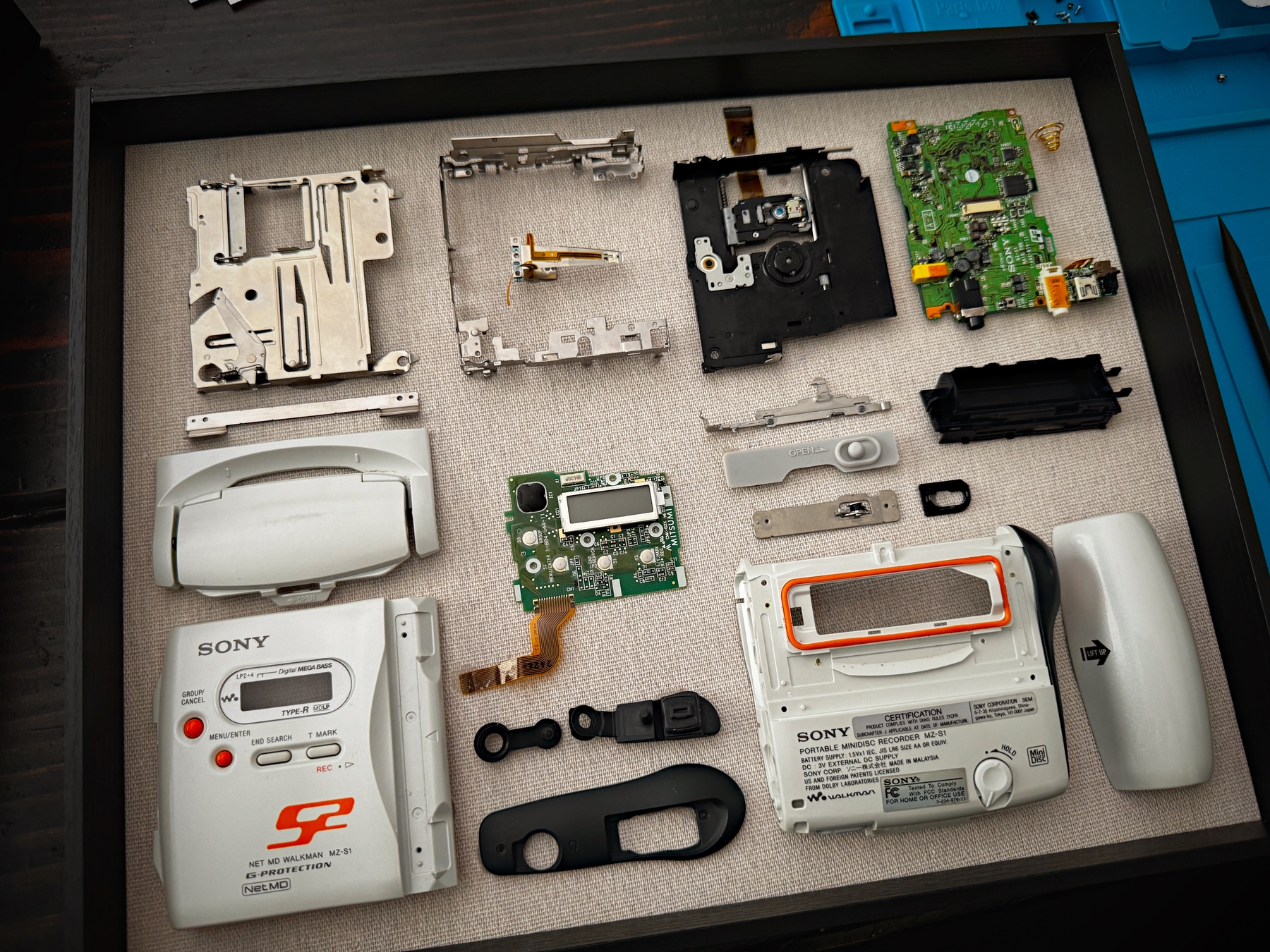
Have expensive mistakes been made? Oh yeah. (I have four shadow box displays of disassembled players to prove it.) Have I learned from those mistakes? Yes—that beyond basic maintenance I do not have the necessary skills to repair this gear. Do I regret any of it? I do not.

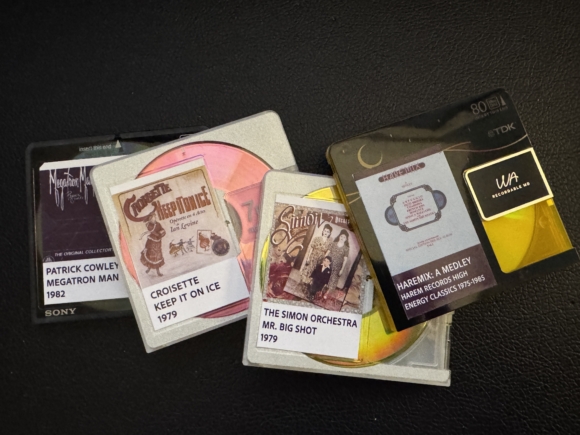
Haremix – The Harem Records High Energy Classics 1975-1885

I was very old school today.

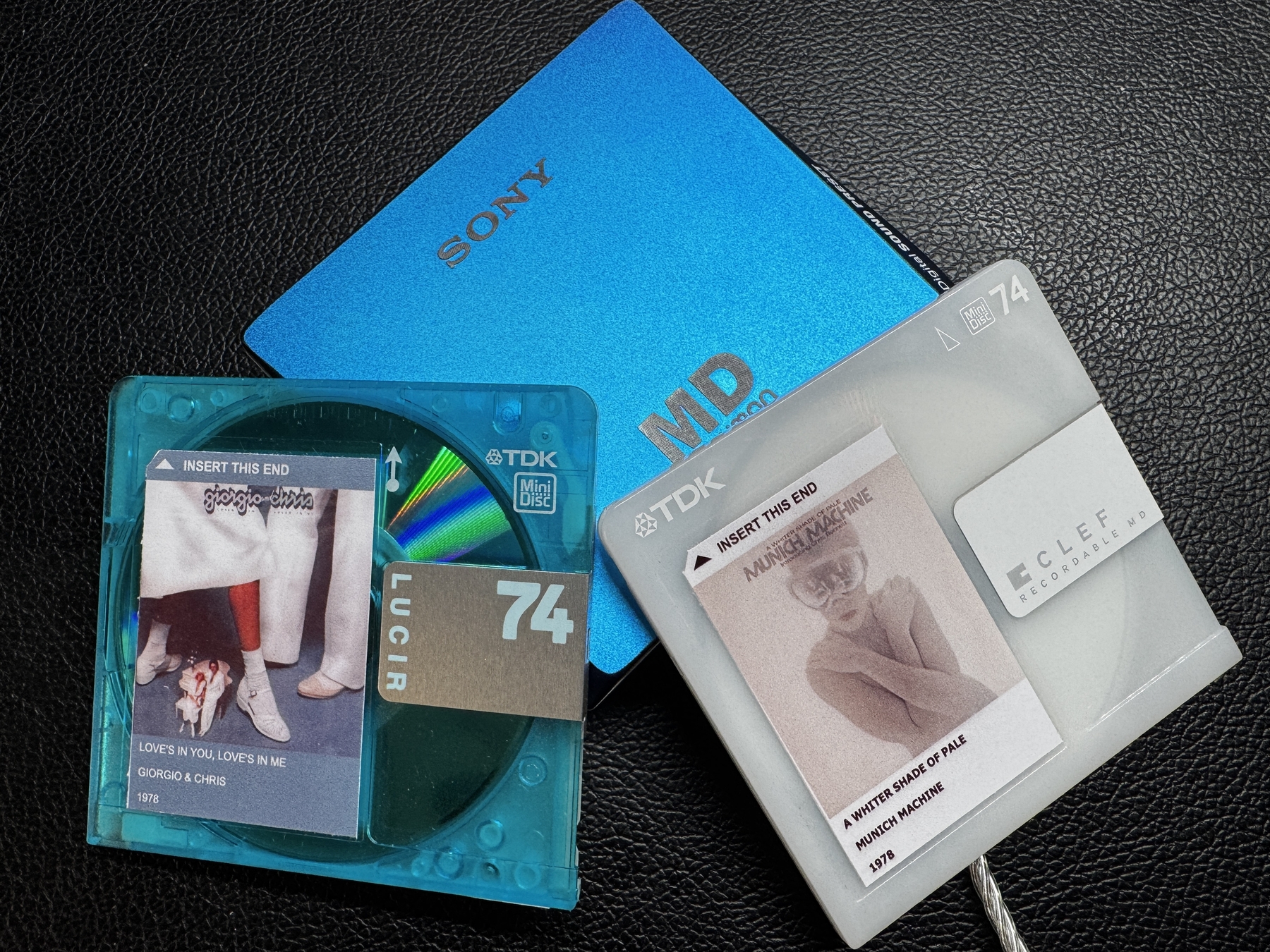
I realized I didn’t have this on MiniDisc today, so I went real-time recording. It brought me joy.

I also did a few others…

Nina Simone On A Sunny December Day

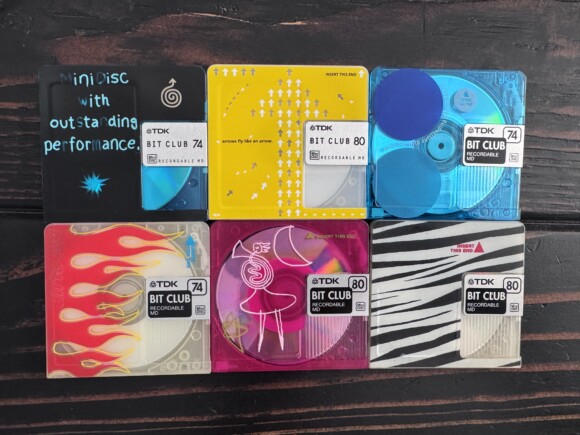
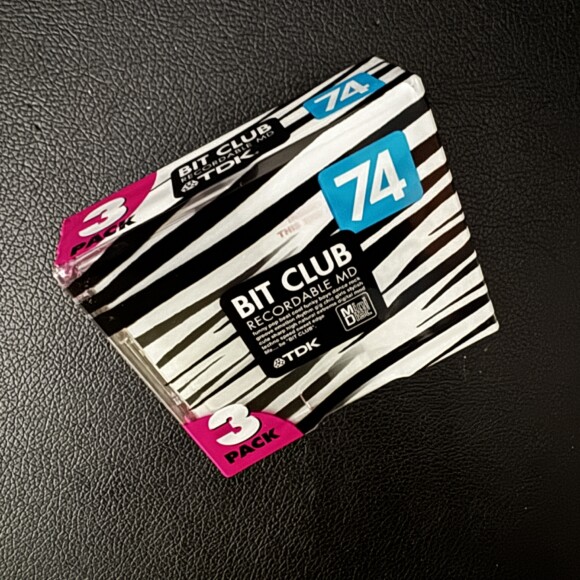
Bit Club!

What will I record on these? No idea, but something special. They were an absolute steal and I had to have them.

Back in the day (the early 00s—as I’ve mentioned before I was a late bloomer to the MiniDisc format) I had a ton of the zebra stripes. I picked ‘em up at Fry’s Electronics as I remember. I don’t think they were any more expensive than the more common solid color discs at the time but I may be wrong. I got ‘em because they were quirky, and we know I like quirky.

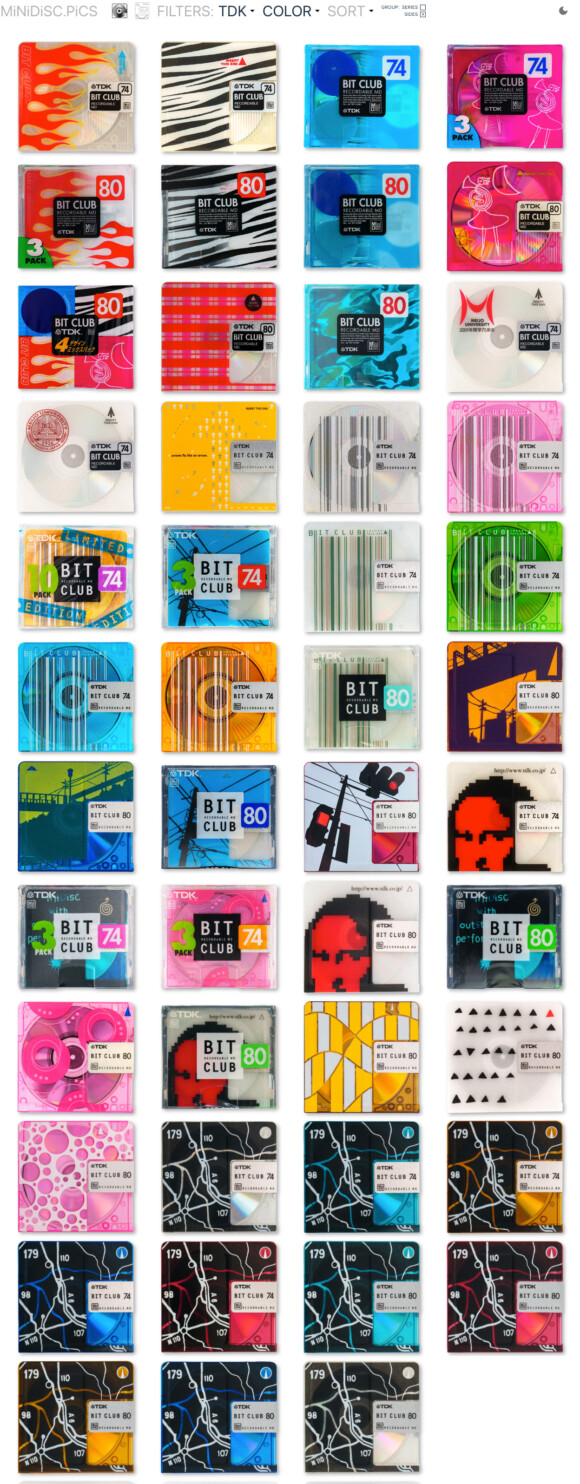
Nowadays, unless you stumble upon a seller who absolutely has no idea what he’s sitting on (like I did) you’ll pay an arm, leg, your first-born, and have to take out a second mortgage—especially if you want one of the rarer varieties like Mona Lisa or the Power/Light Poles shown below (screencap from minidisc.pics). I’ve seen those go for over $100 each.).

None of mine fall into that “rare” category. Even if I were still working, there’s no way I would pay that kind of money for a single disc! There’s collecting, and then there’s madness.

Jammin’…

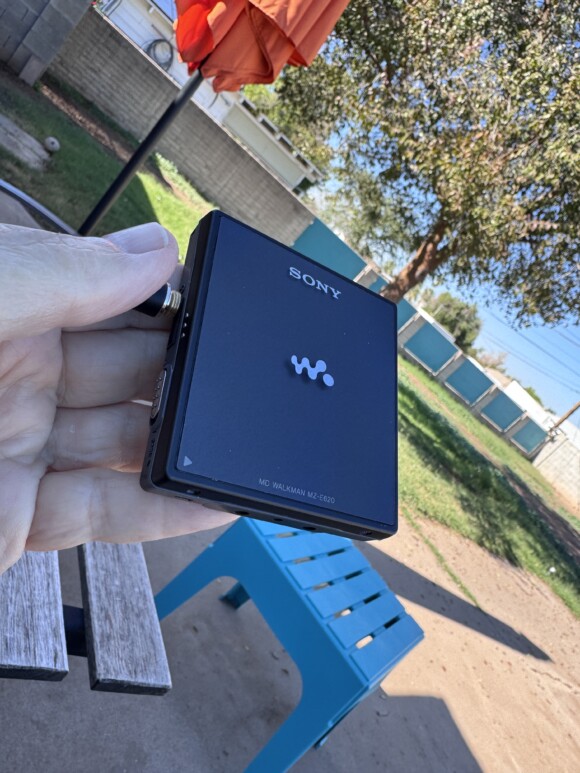
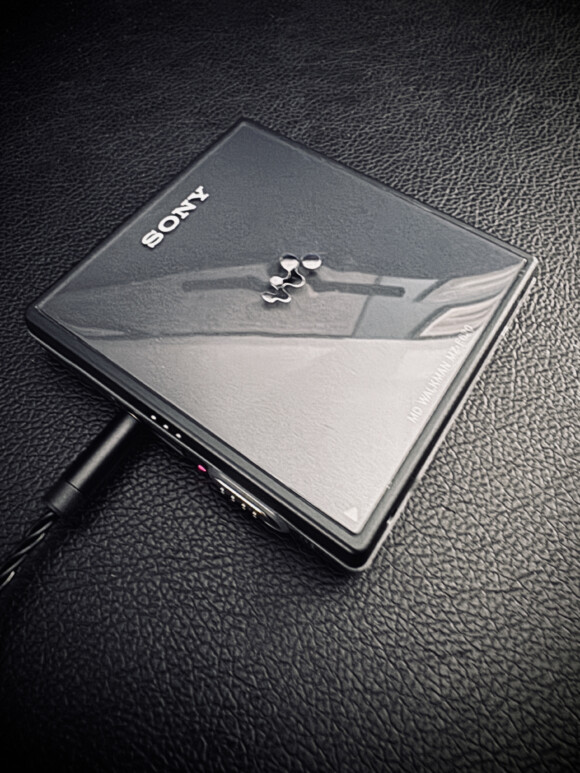
…to Kraftwerk’s Radioactivität on my black beauty.

A Beautiful November Afternoon

A beautiful November afternoon with my old faithful chunky monkey, listening to Duke Ellington’s Blues in Orbit while the doggos chase each other around the back yard.

Over on the Minidisc subreddit, I once posed the question, If you could grab only one player from your collection [because all the nerds over there, like me, have multiple portables] in the event of a fire, which one would it be, and why? Personally, it would be a toss up between this MZ-S1 and my blue N707. They both have the same internal mech so the decision would be based be solely on aesthetics. Even then, it would be difficult, although I admit I’ve always been partial to this chunky monkey since I bought my first one new back in 2002.

Another Toy

As I mentioned on the 2nd, I entered a raffle a couple weeks ago for a totally unneeded bit of kit, never expecting to actually win it.  But in a bit of blind luck, I actually won the raffle.  It arrived while I was in the hospital, and of course it was the first bit of mail I opened yesterday upon returning home.

Sony MZ-E510

Not much to look at; it’s got some scratches and is a little dinged up, but this was one of Sony’s last MD players and when you consider it’s been 20 years…it’s held up quite nicely. Mr. Technical Initiative did a thorough clean and lube on the unit, and I was surprised to discover the internal gumstick battery compartment was actually working. (So often these units were put into storage with the batteries installed, forgotten, and the batteries then leaked and corroded the contacts.)

I think this one will be a good under-the-pillow fall-sleep-to-music player because it’s so thin. My current player for that use runs off a standard AA battery and is pretty thick.

Well, It’s S-Day

S as in Surgery.

I’ve cued up a month’s worth of nekkid menz for your enjoyment since I’ll probably be offline for a bit.

I entered a raffle a couple weeks ago for a totally unneeded bit of kit, never expecting to actually win it, but in a bit of blind luck, I was notified yesterday that my name was drawn and after verifying shipping details, it’s on its way to me. Despite everything else that’s going on in our world, I take this as a good sign that today’s procedure will be a success.

Hey…That’s Mine! 😄

Back in March (March seems like years ago, doesn’t it?) I sent my powder blue MD-910 minidisc recorder off for service. It was a beautiful unit, but made a horrible noise when seeking tracks at the outer edge of the disc (or when slewing back to center after recording/playing those tracks). After attempting a clean/lube on my own with no improvement, I reached out to a guy on YouTube for assistance. He was able to effect repair, and I’d joked that I hope he filmed it.

He did.

While scrolling through YouTube the other day I saw he’d put up a new video, and imagine my surprise when he brought out a poweder-blue MZ-N910. I knew immediately it was mine…

It should be noted that things he called me out for (the missing screw, the lubricant sprayed everywhere) was not my doing, but rather was attributable to the previous owner. I never took the bottom cover off and I only used white lithium grease—which I’d learned from watching his videos—on a toothpick to perform the lubrication. No spray lubricant of any kind was used.

Still, it’s fascinating to watch what he did.

Ultimately, I sold this unit, because I’d acquired one in orange that I much preferred (and also sent off to him for service), and I couldn’t justify having two otherwise identical units.

So The Saga Continues

A couple weeks ago I wrote about receiving two Minidisc players that I was intending to use for my art project, and how I swapped the working guts from the red player I’d gotten a week before into the blue shell of the non-working one I’d just received and vice versa. Well, the red one was so pretty I didn’t want to tear it apart and just mount it. I wanted to be able to use it. So I went back online and located the cheapest working E75—cosmetic condition and color be damned—and ordered it with the intention of swapping its working inner mechanism into the red shell and then using the broken mechanism and the shell of the working unit for the project.

I located a kind of beat up silver-color player that was listed as “tested-working” for $65; substantially less than what these normally go for. I asked the seller for photos of the gumstick battery door terminals since that’s a good indication of the overall health of the unit and how it had been cared for over the course of its life. They were pristine; not a bit of corrosion on them. I completed the purchase.

The player arrived today and I verified that it worked as advertised. The shell wasn’t in nearly as bad condition as it had appeared in the auction photos. Yeah, the white plastic surround had suffered the same yellowing that all white plastic does over time, but the metal shell itself cleaned up nicely with a bit of windex and a microfiber towel. So I set about swapping the guts, and about 20 minutes later (without losing any of the microscopic screws holding the players together!) the guts were swapped and I had a beautiful red player to use and add to my collection.

The silver player’s shell and the non-functional mechanism that has now been transplanted twice have been mounted for display.

I have one more player/recorder arriving next week for disassembly and mounting and then I’ll call it quits for a bit—if for no other reason than I currently have no more wall space available to display this shit without moving a lot of things around.

Oops, I Did It Again

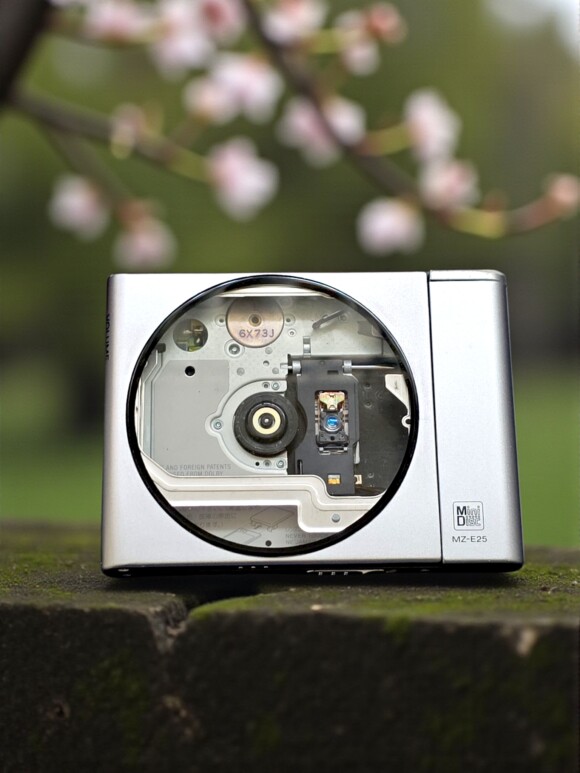
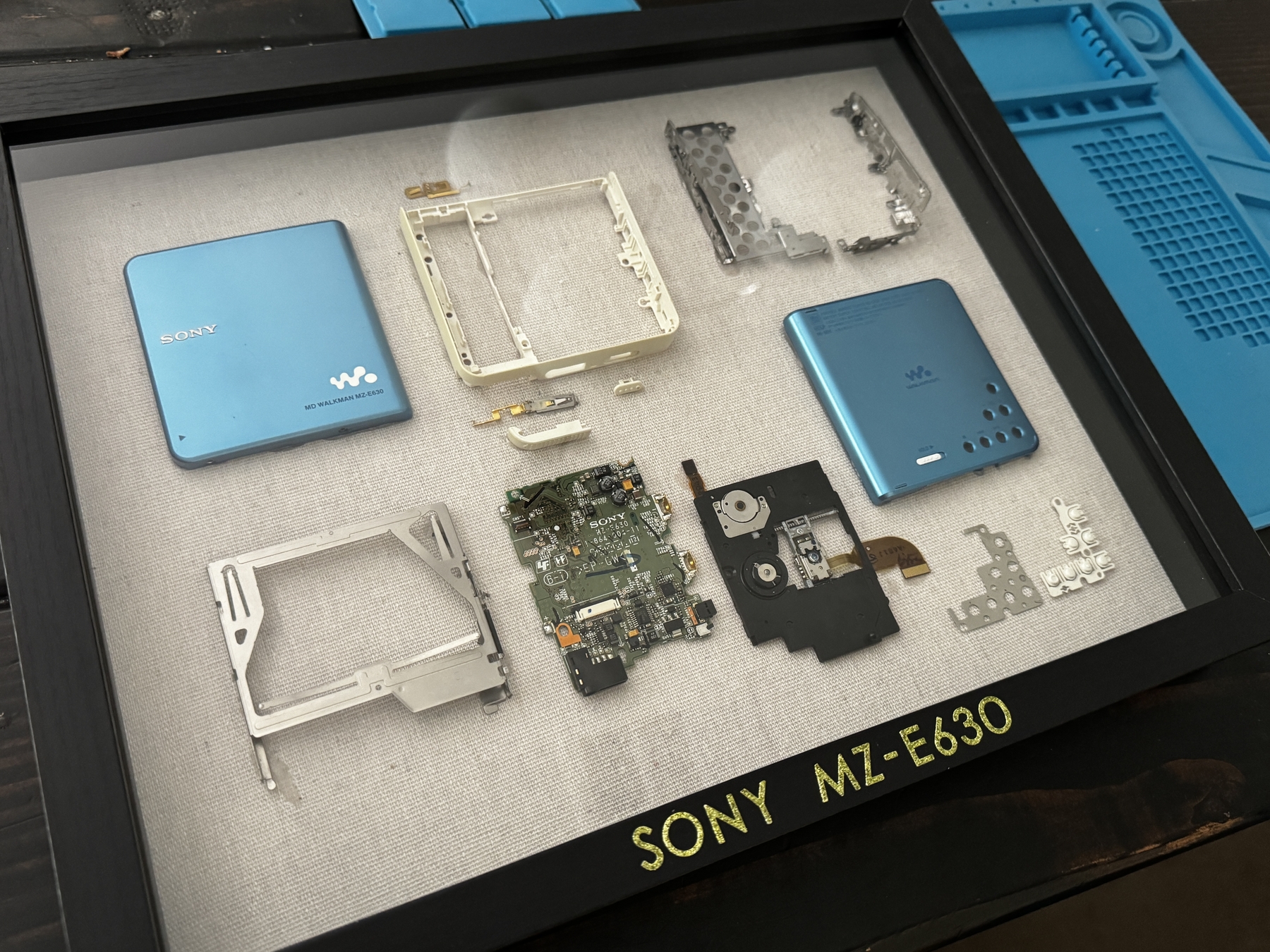
And another junk unit finds a second life outside the landfill or a spare parts bin. This one looked simple but it was a bitch to get apart. There is no service manual to be found anywhere on the internet so I had to wing it.

By the time the E630 came out (2004) Sony pretty much had this tech down to a science, and judging by the amount of plastic employed in this model, they were gearing up for cheap, mass production. It initially sold for ¥21 000 ($89 in 2004). And then the iPod happened.

My First Attempt

Nerd.

It’s not totally disassembled (ain’t nobody got time for that and it wouldn’t all fit in that 11×14 frame if I did), but I think it’s a decent first attempt at geek art. Not sure about the adhesive I used (e6000), but we’ll give it 24 hours and see how it ultimately sets up. I may have to go back with some plain old hot glue before I seal everything up.

Transplant Successful

As I mentioned a couple days ago, I had two more “junk” Minidisc players  arriving for my little project; one a rare sapphire blue MZ-E75 and a teal MZ-E630. At the time I said since the red E75 I’d received for my ahhhhrt project turned out to be fully functional and just too good to not use in my regular rotation of players, that if the blue E75 arrived and it wasn’t working I would simply swap the two shells since I have a sentimental attachment to that device in the blue color.

It turns out that indeed, that blue player (and indeed the other Sony I also received today) are both non-functional as advertised.

Win some, you lose some. But I remind myself I didn’t buy these to use, but rather to take apart.

So—while I continue to fancy myself a bit of a tech wiz (something based only on my experience troubleshooting PC hardware that has sadly not been borne out once I step outside my area of expertise)—and armed with the service manual for the E75 I removed the shells and successfully swapped them between the two units. 5 tiny screws were all that was holding them on, so as far as techie things go this was pretty damn easy.

That’s not to say I didn’t breathe a sigh of relief when I reassembled everything and the working mechanism transferred to the blue shell fired right up and played flawlessly.


I’m An Idiot

So a couple weeks ago I decided I was going to start a new hobby, combining my love of minidiscs and of taking shit apart. No, I wasn’t going into the repair business (although I understand that can be very lucrative). No, I’m going to create ahhhhhhrt.
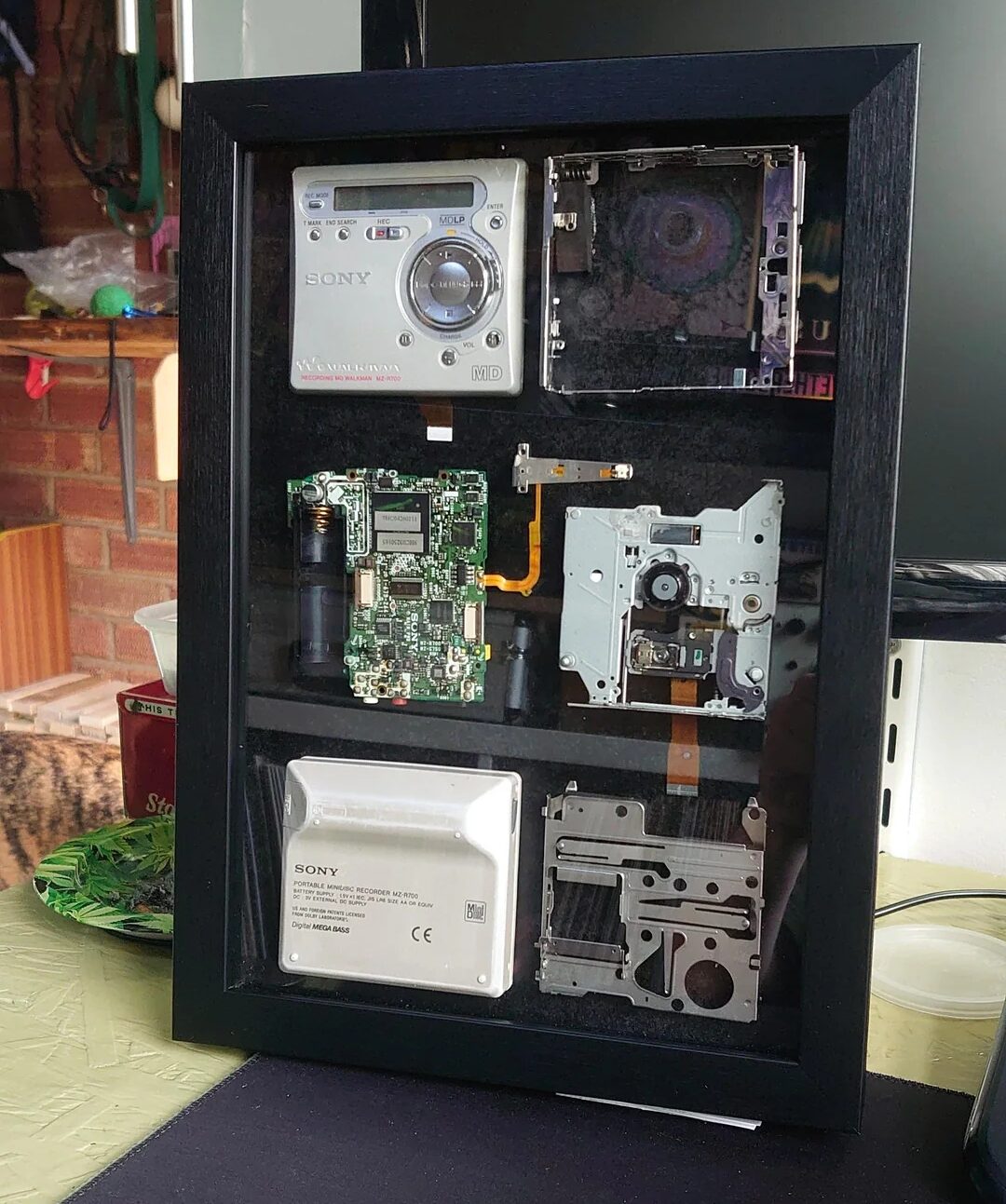
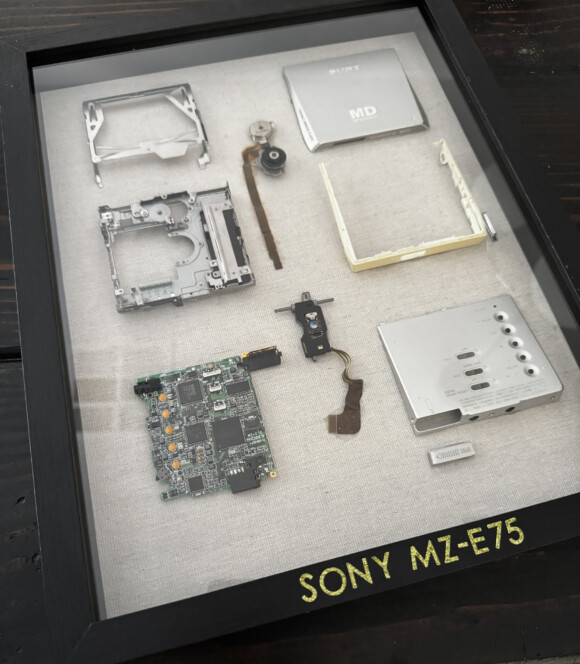
Inspired by this photo as well as a video from a few months back I can’t seem find anywhere now, I decided I’m going to try this myself. I’ll buy up a few cheap “non-working” or “untested” MD players, disassemble them, and mount them in a shadowbox like this. Hardcore Minidisc fans will lay out good cash for this shit…

TRUE NERD stuff, I know, but hey…it will at least temporarily get my mind off the decline and fall of civilization.

To that end, I found three players online that were cheap as dirt and at the very least “untested,” if not outright “not working.” Two of them, Sony MZ-E75s, were the first model of portable player I owned back in 2000. I got rid of mine in 2002 when the new MDLP (long play) format became available because discs were still relatively expensive and you could now double the amount of music you threw on one disc. (A real boon for those pesky double LP/CD recordings in your library.) . Through some black magic and voodoo known only to Sony engineers, you could now double or quadruple your recording length on any given minidisc—although it should be noted that the quadruple length mode was only satisfactory for something like the spoken word; it sounded awful when recording music because of the extreme compression use The LP2 mode sounded —even to my much younger ears at the time—indistinguishable from regular SP (standard play) mode. The only downside was that if you recorded a disc in LP2, you couldn’t play it on a non-MDLP player. It was not backward compatible; hence the reason I needed to throw everything out and start fresh if I was going to adopt it.

So back in the day, I sold both my MZ-E75 portable and my MDS-JE630 deck and upgraded them both.

I received the first of those two E75 players today (“no battery, untested”). The battery terminals on the device were pristine, showing none of the all-to-common corrosion from 20+ years of leaking batteries, so I figured what the heck? Pop in a battery and see what happens. I gingerly inserted one of my gumstick batteries, connected the inline remote and popped in a disc. Surprisingly, the player came to life and the disc was registering on the remote. I connected my headphones, pressed play, and…no sound. The display on the remote showed it was playing and even showed changes in volume, but it remained stubbornly silent.

Even though this was bought with the sole intention of tearing it apart and mounting its bits and pieces for display, I was still kind of disappointed because I was secretly hoping it worked and the seller really didn’t know what they’d sold me. I was about to get out my screwdriver and begin disassembly when I popped out the disc and looked at what I had been playing.

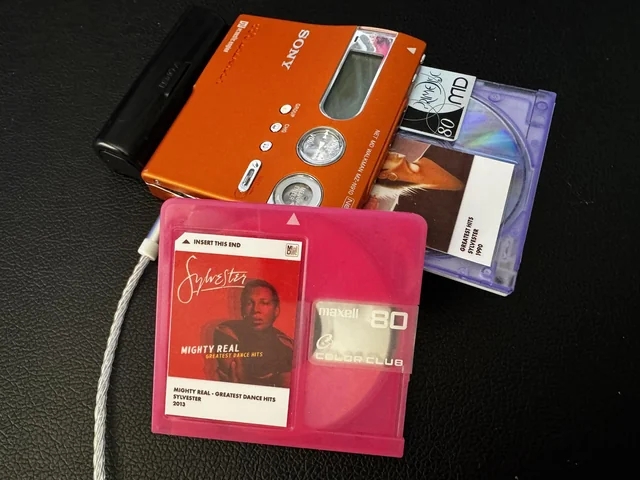
Suddenly it all made sense. It was Sylvester’s Greatest Hits (the disc I featured a couple days ago); recorded from a two-CD set onto one mindisc using LP2 mode.

No wonder I got no sound!

I popped in a disc I knew had been recorded in SP mode and…you guessed it. It played fine.
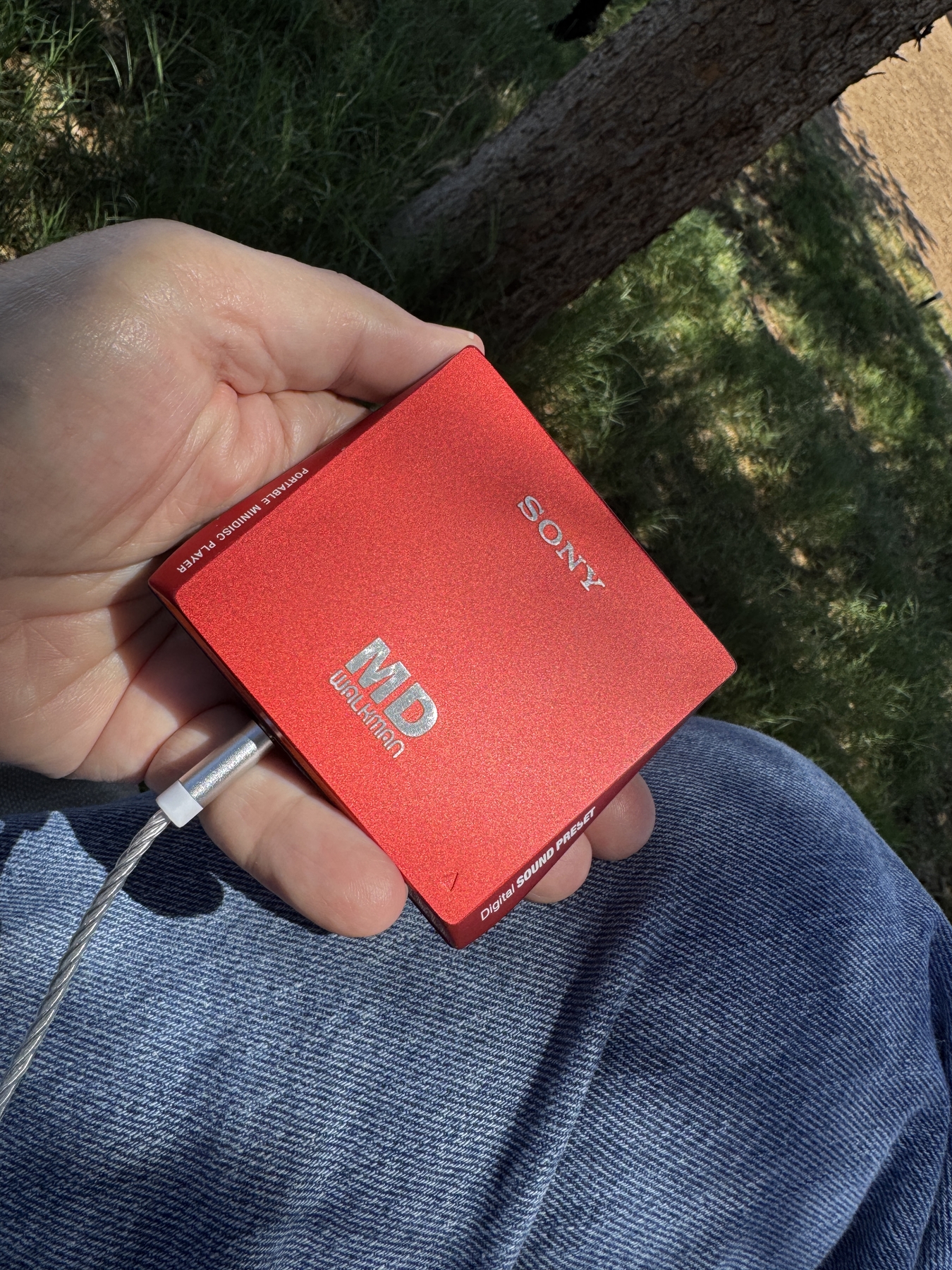
So now I’m in a quandary. I bought this to disassemble, but it works and is in near-mint condition. It’s far too nice to take apart but I really don’t need another player—especially one that only plays SP discs.

I will admit, however that to my utter surprise, this little nugget sounds good. Maybe even better than my MDLP players. Oh lord…am I going to have to go back and re-record everything in SP mode now?

But I think I’ll hold off deciding anything until the blue one arrives. If that one’s truly not working as well, I’ll swap the outer shells (because my original one was the blue color and it’s very, very rare to find one these days) and then mount the non-working guts with the red shell in the shadowbox.  If they’re both working, I’ll probably just throw the red one back up on eBay and hopefully get more money back than I paid for it because now it is tested and working.

Giving Up On The Gumstick

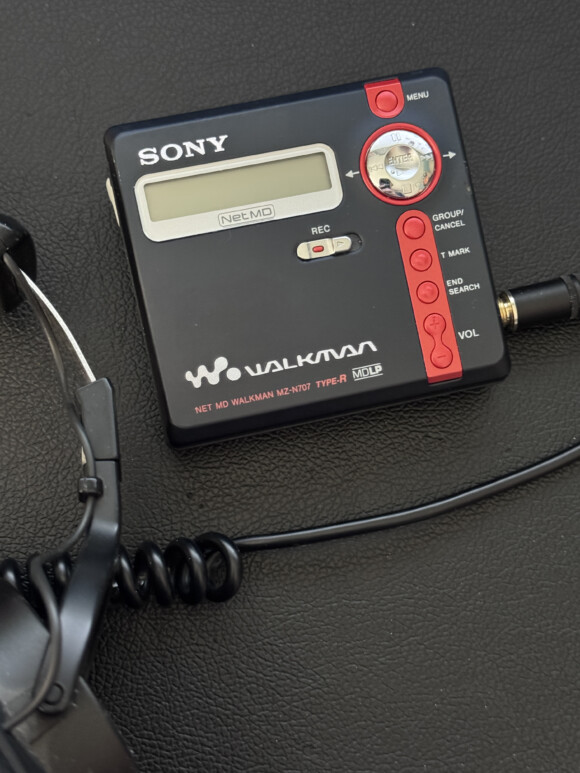
I love this R900 that I got a few months ago. The seller indicated that the internal battery wasn’t working, but the unit came with the AA sidecar (the black thing connected to the player in the photo above) so I wasn’t too concerned. I figured it would just be a matter of cleaning the internal battery contacts and it would be good as new. When I received it, the internal battery contacts were a hot mess (the original Sony gumstick battery was stuck inside the unit), but I got it out and cleaned the contacts with vinegar and IPA. Afterwards, it worked with a new gumstick, but performance (i.e. how long the battery actually lasted) was less than satisfactory. A lot of the gold plating had been lost from the contacts on the battery door (the end where the leakage occurred) from the corrosion, so I tried re-tinning the contacts on the door, hoping to restore a bit of that conduction. No matter what I did however, it seemed the full charge segment on the battery indicator would never stay lit for more than a few minutes (not normal operation). After months of dicking around with this I finally threw in the towel a few nights ago and removed the gumstick battery, attached the sidecar, and put a drop of super glue on the door (because it wouldn’t stay closed) and called it finished. The sidecar is obviously not as elegant a solution as just using the gumstick, but it works. The new AA battery I put in it last night has been in use nearly all day today and the full battery indicator stayed lit for nearly 10 hours.
I’m inclined to believe that the majority of the R900s out there suffer from this same internal  corrosion because nearly all the working ones you see for sale are shown with the sidecar attached. Ideally I’d like to find a working, non-corroded unit of any color and swap the guts into this one, but then I’d also need to find another red unit with a door that latches properly to harvest, so I think I’ll just live with this as it is.