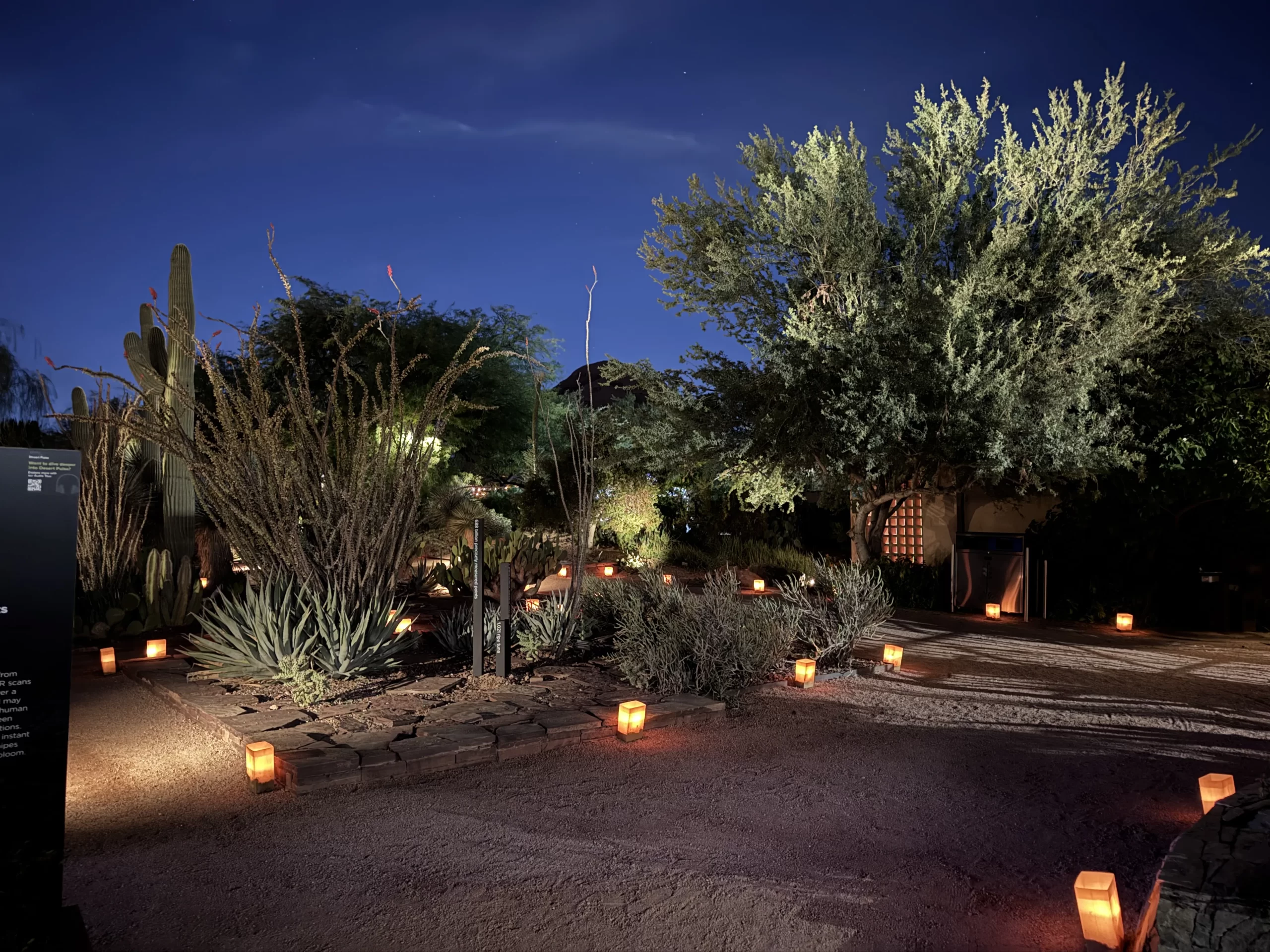
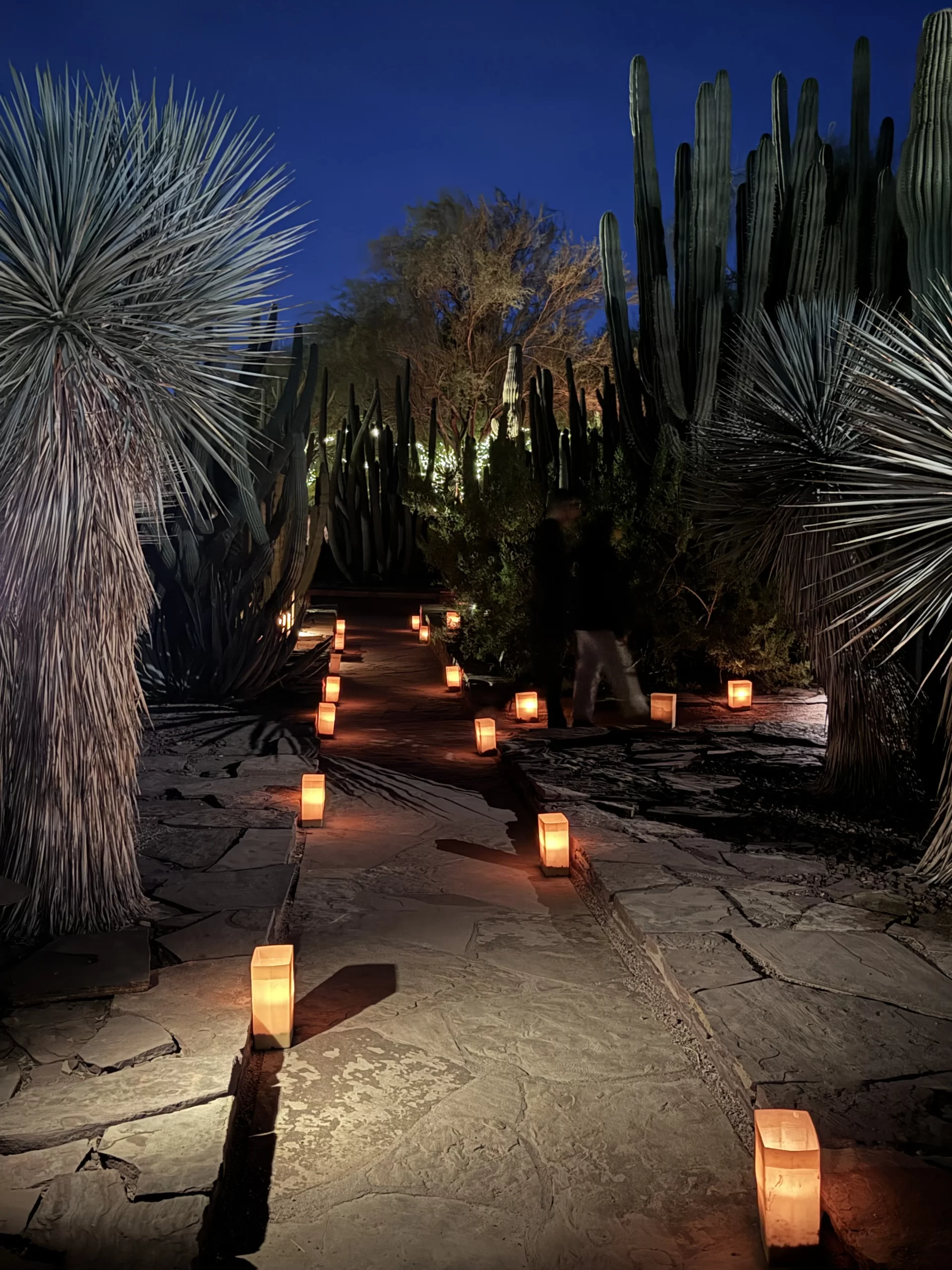
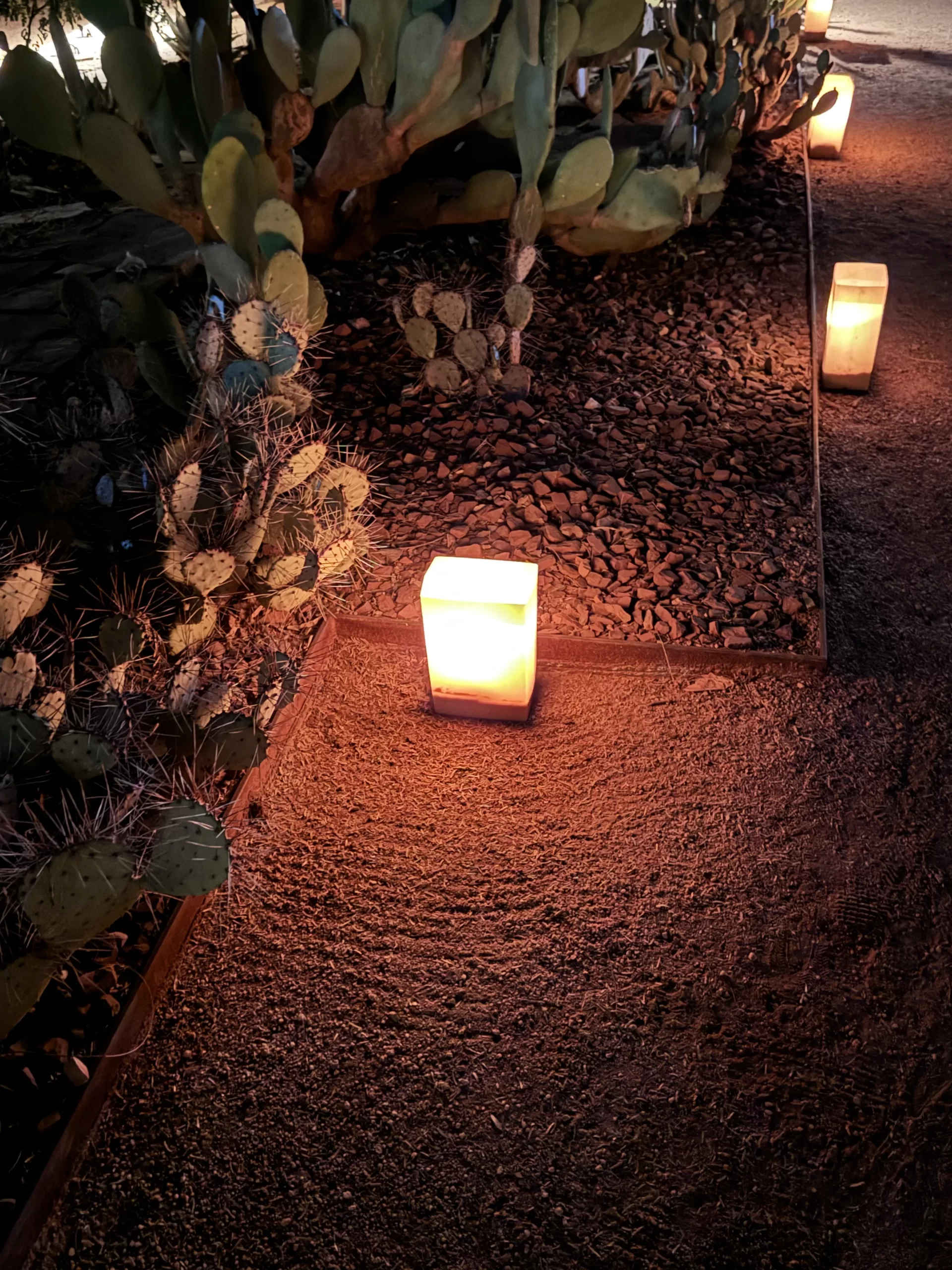
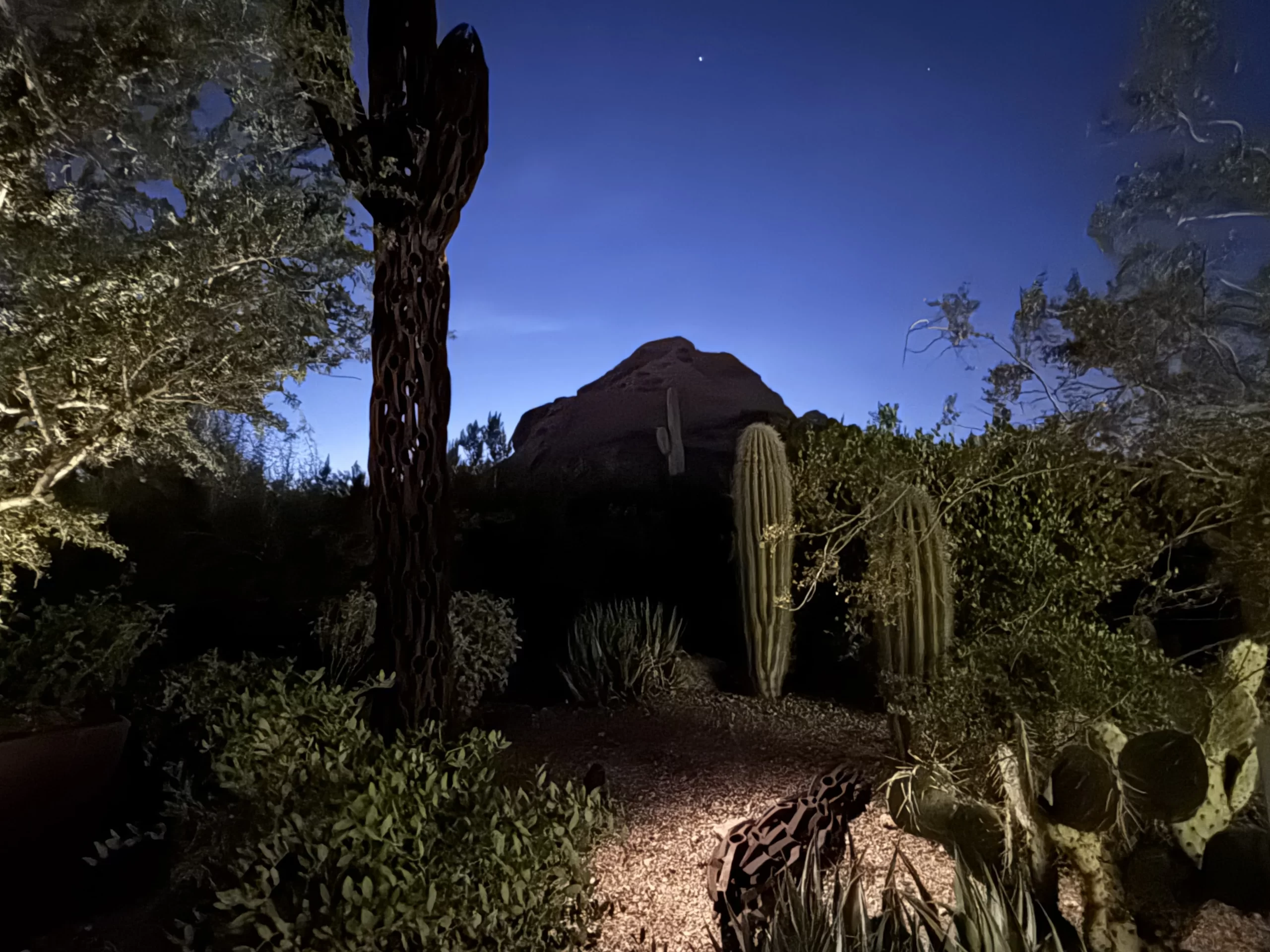
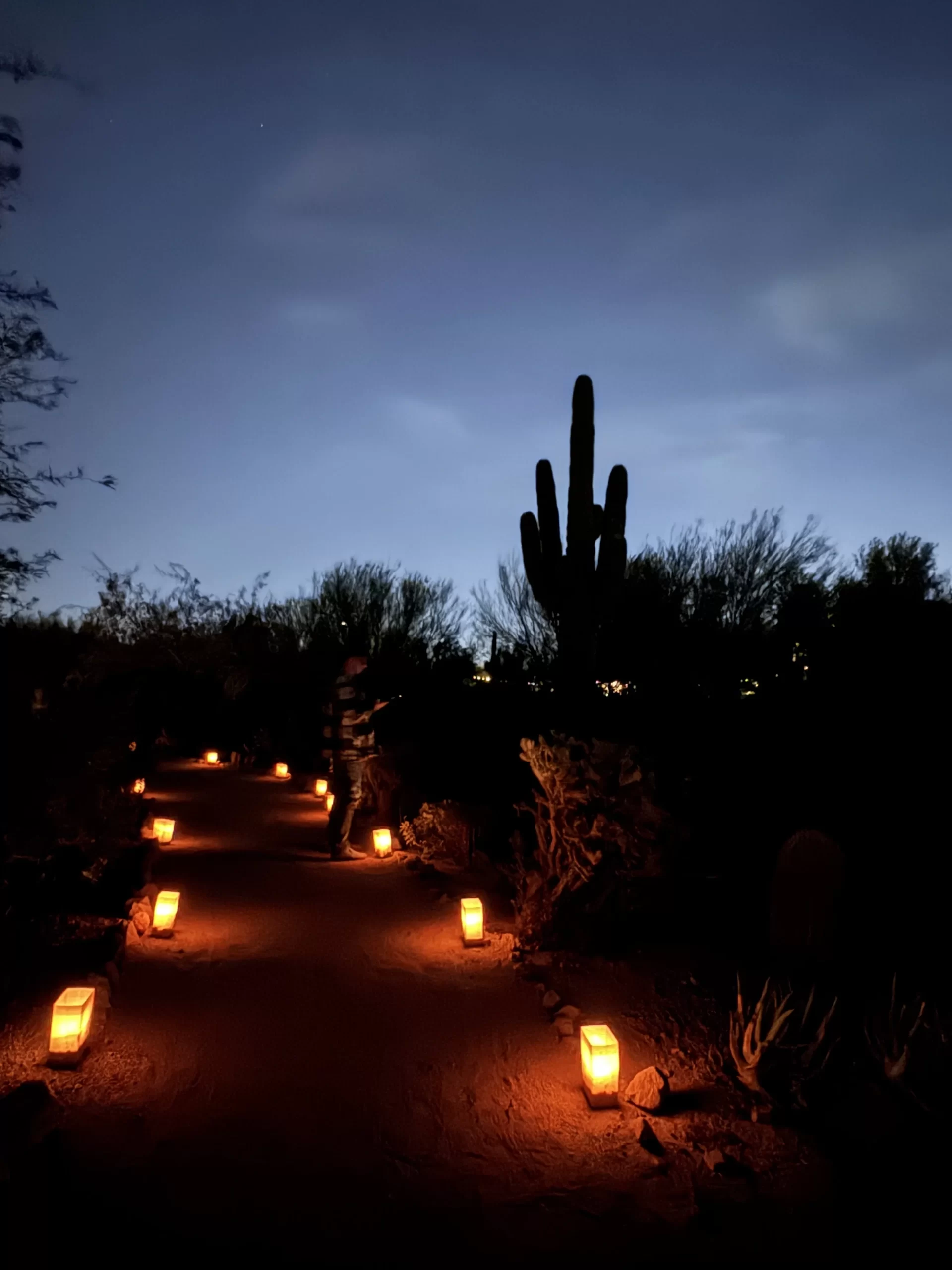
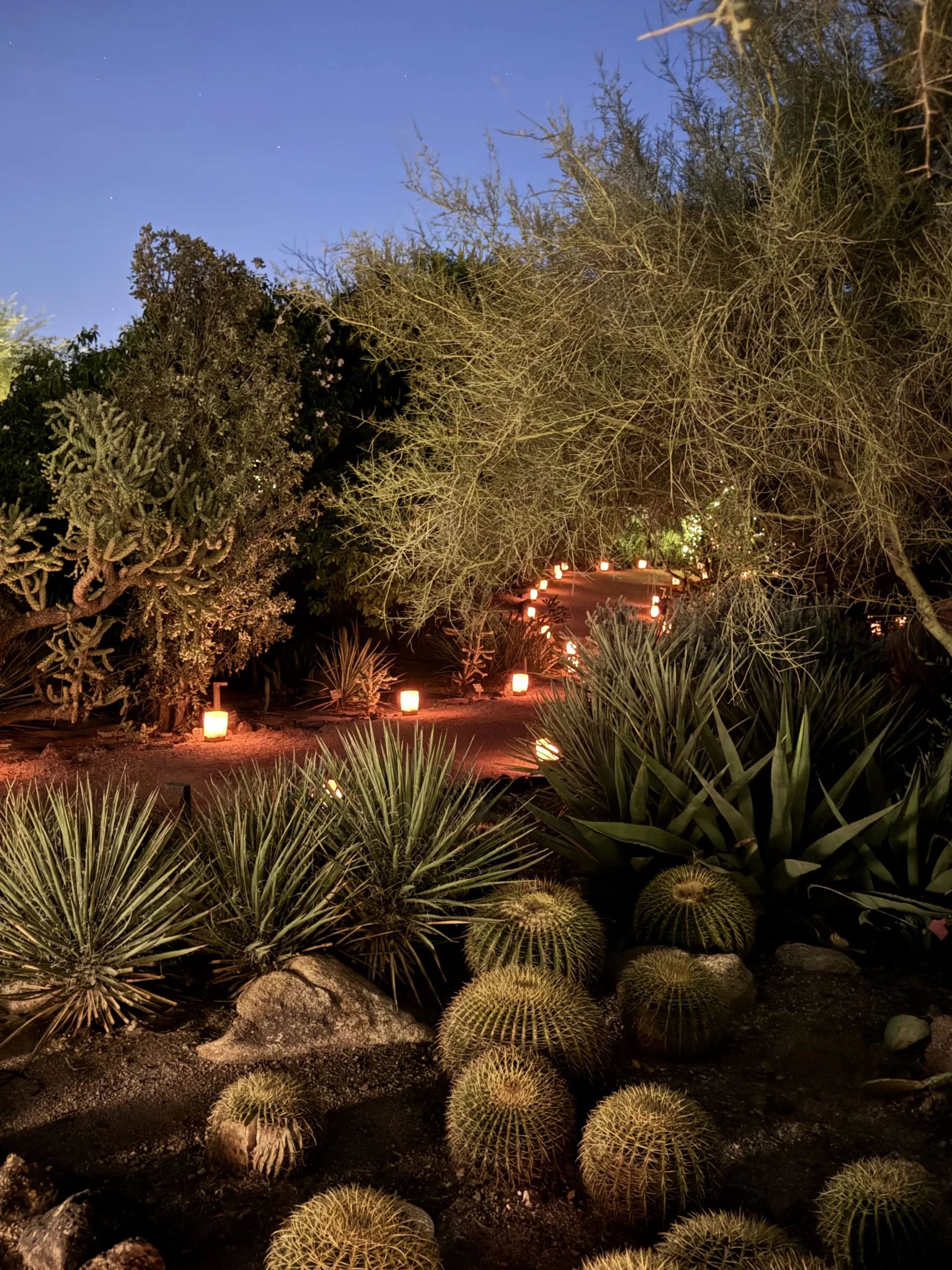
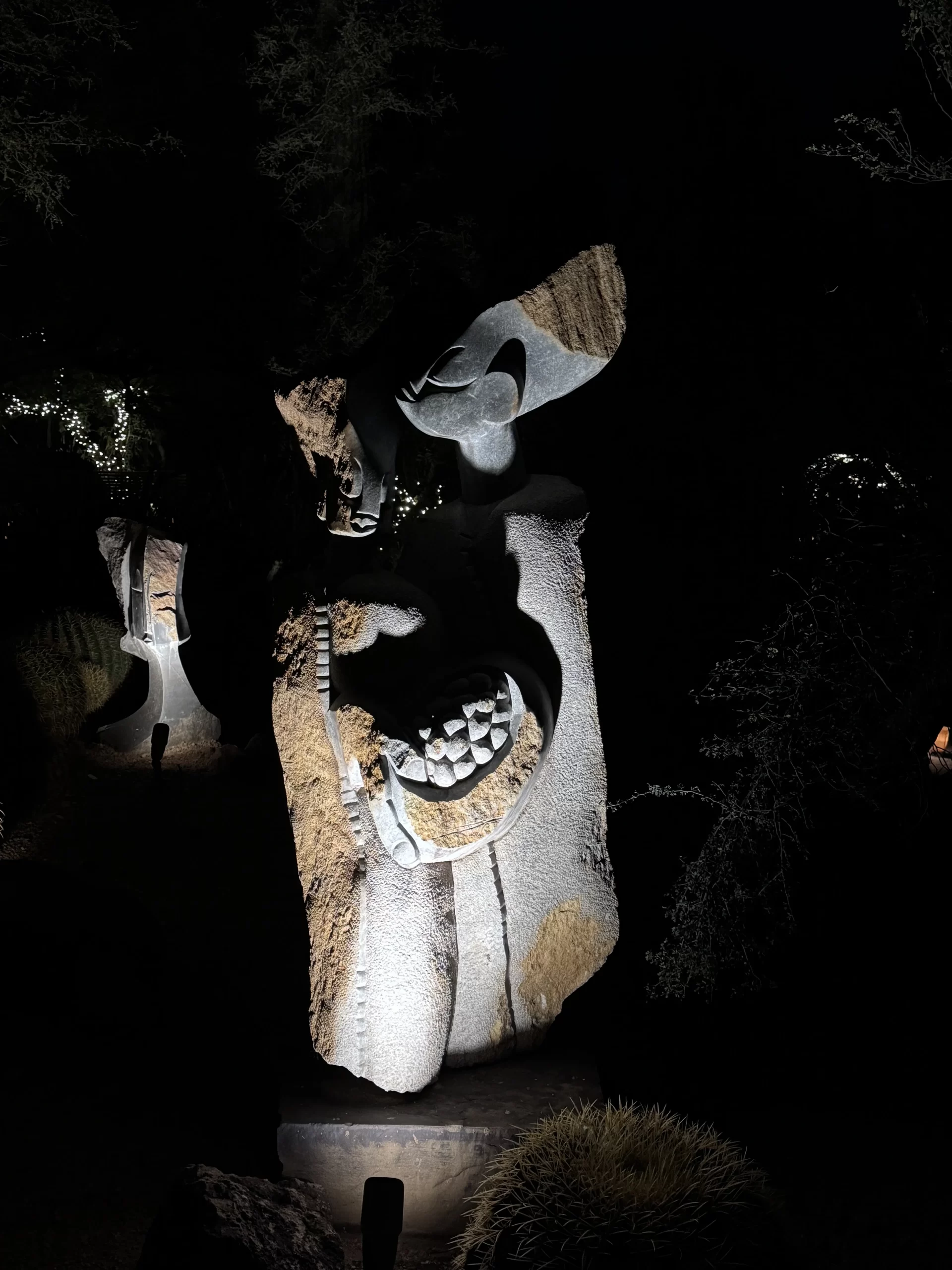
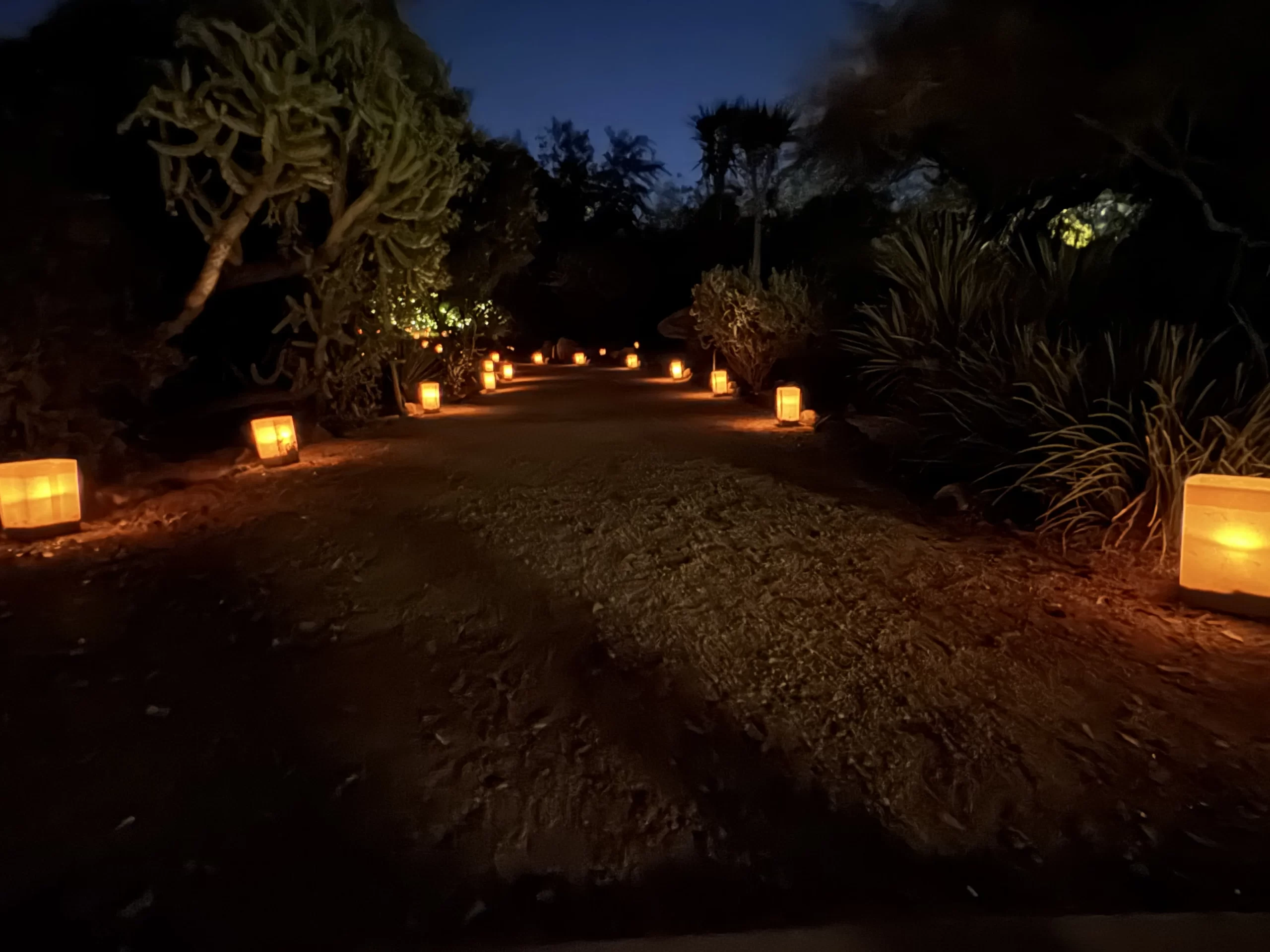
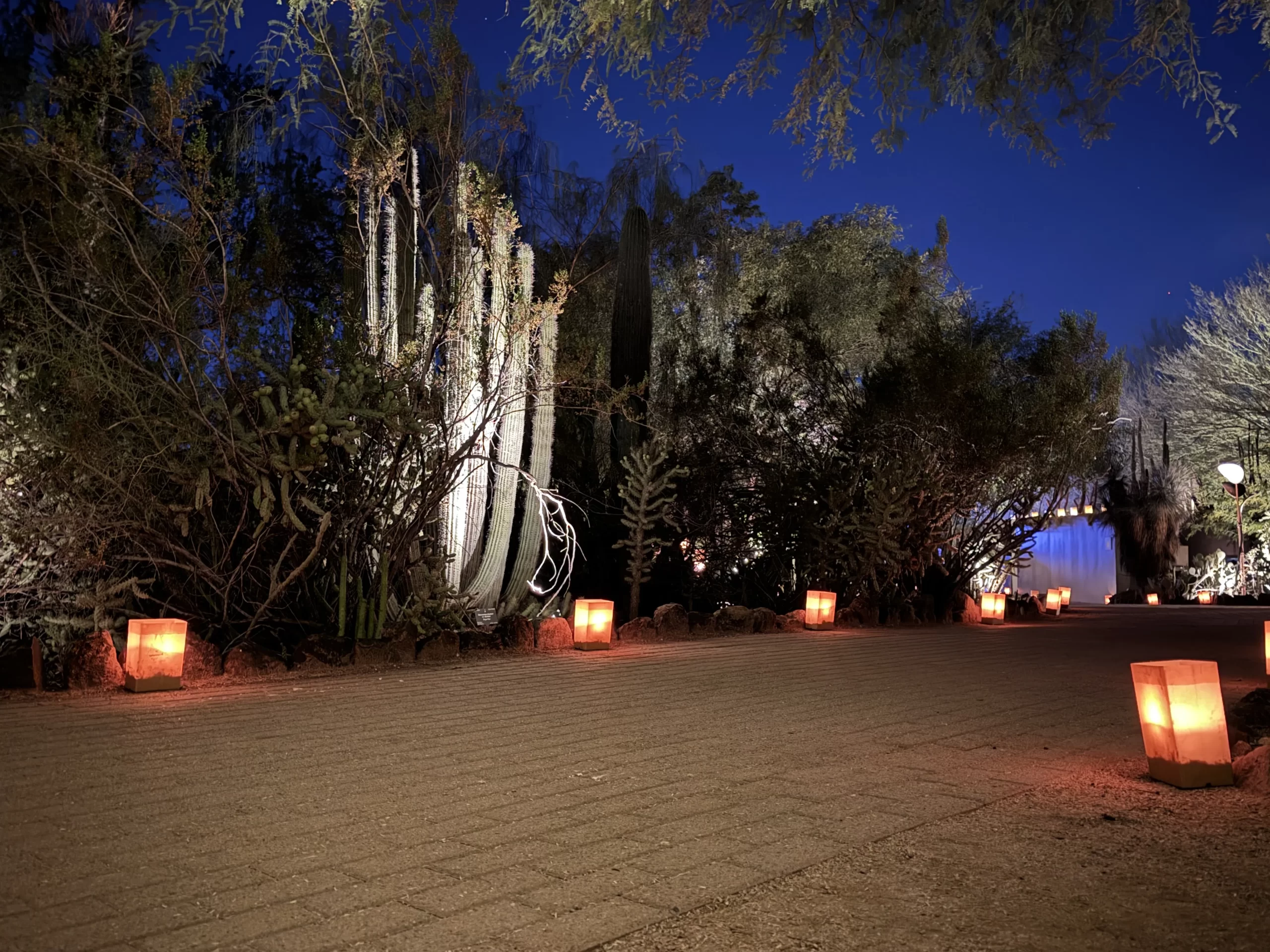
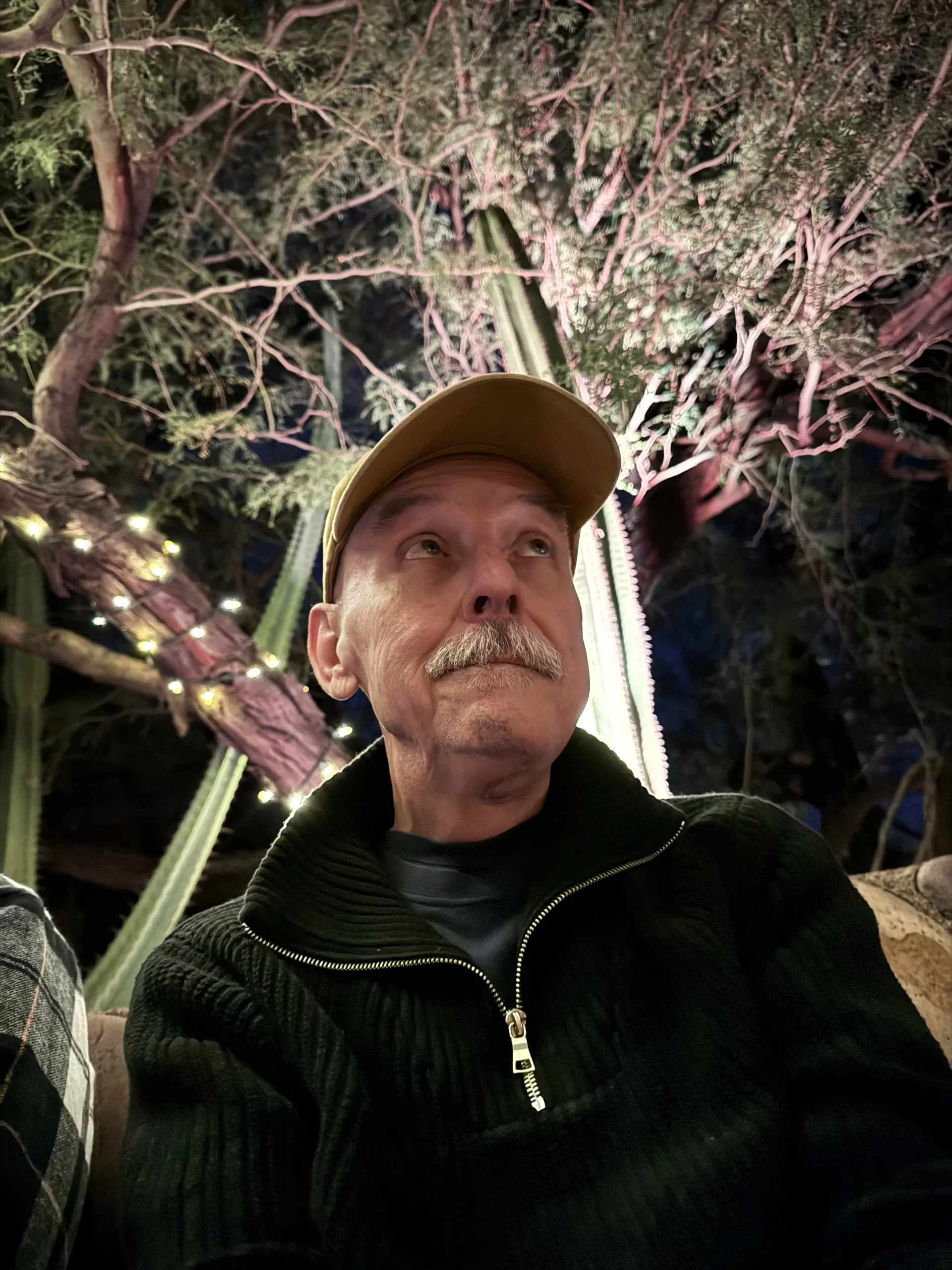
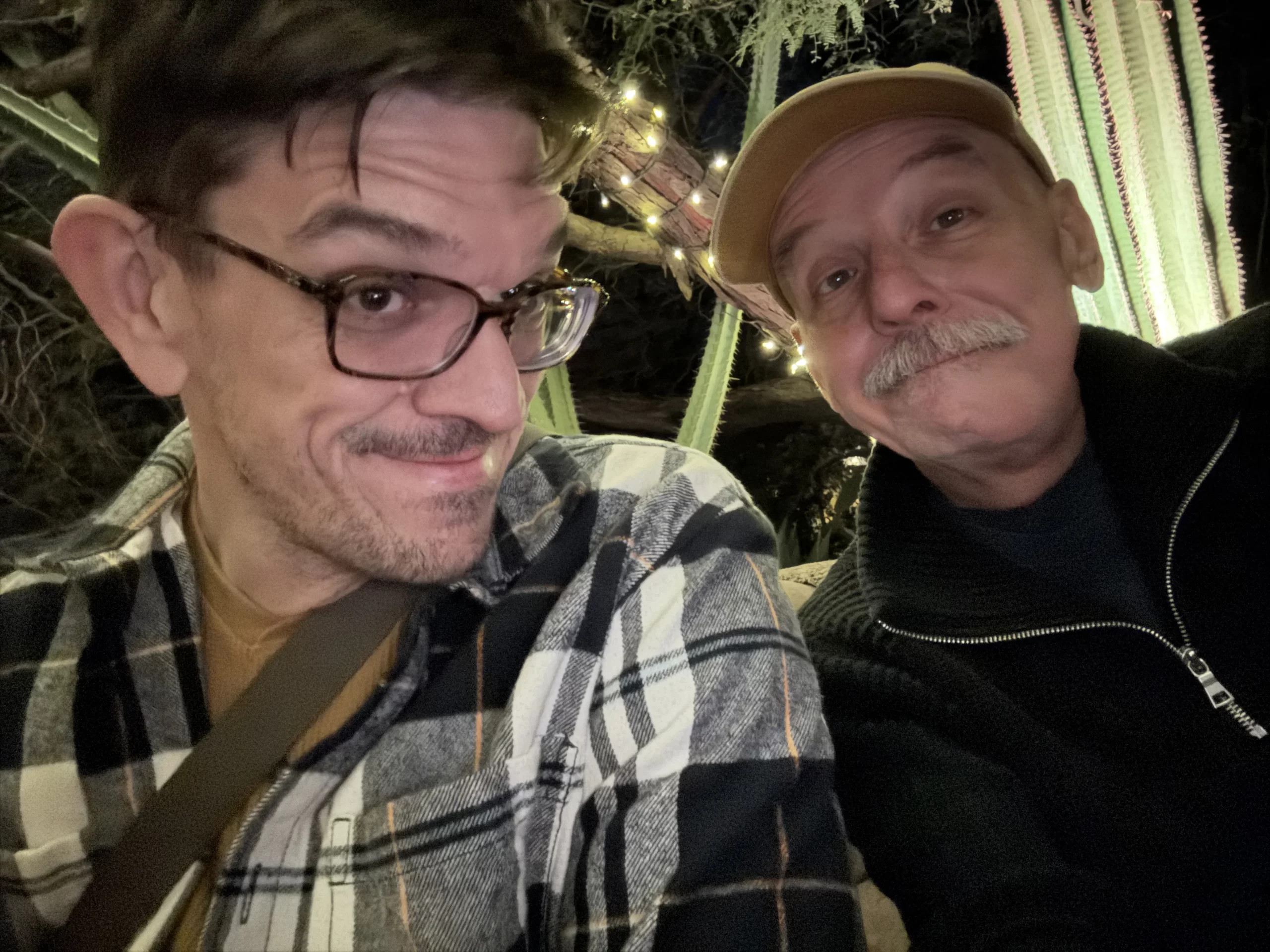
As is our holiday tradition in this house, we spent Saturday evening at the Desert Botanical Gardens, enjoying Las Noches de las Luminarias.

Once a legitimate blog. Now just a collection of memes 'n menz.
As is our holiday tradition in this house, we spent Saturday evening at the Desert Botanical Gardens, enjoying Las Noches de las Luminarias.
(It also doesn’t help that we live about a half mile from a golf course.)
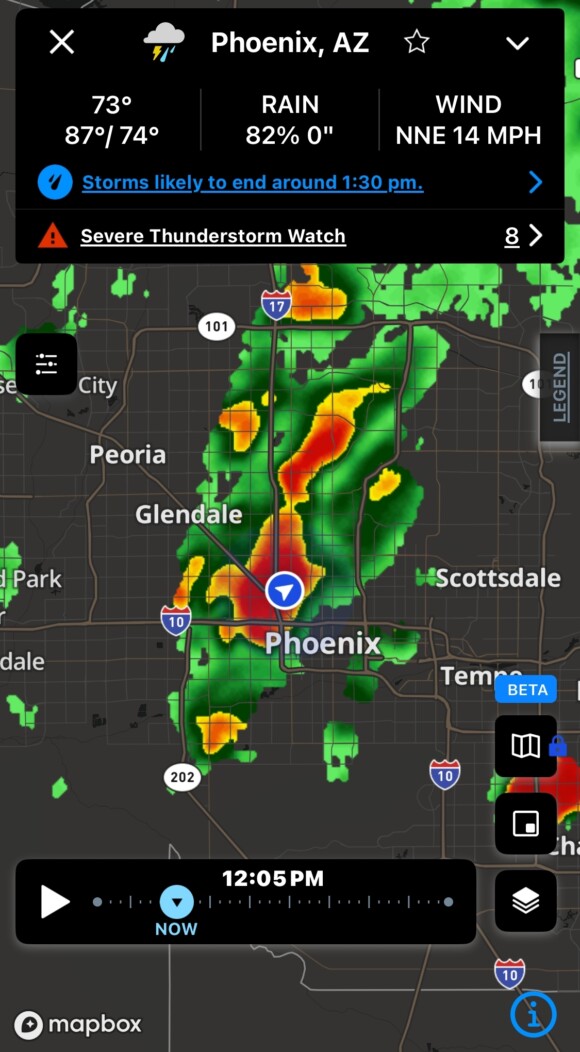
You might have heard a few little storms moved through Phoenix last week…
Someone got a bath after this…
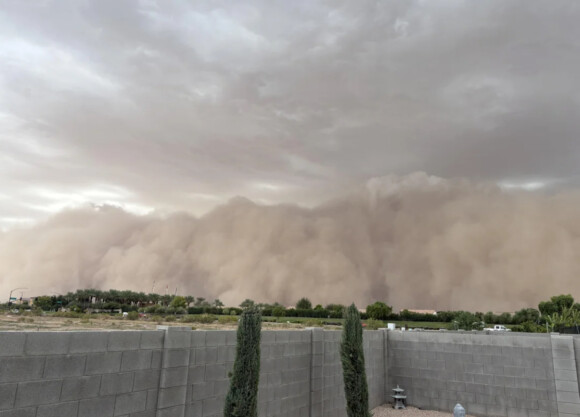
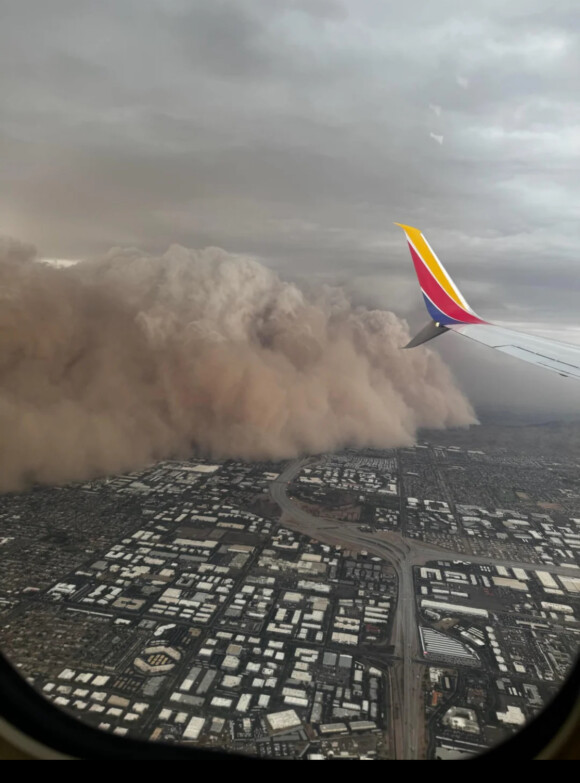
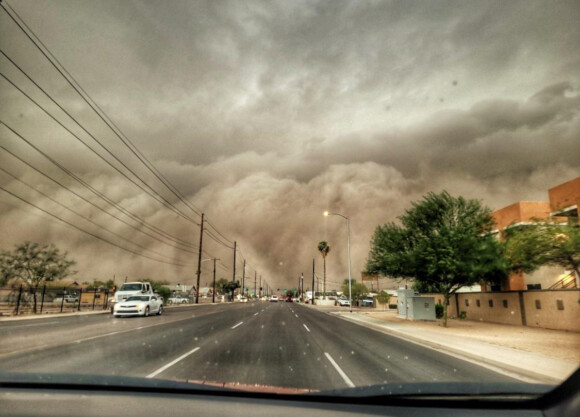
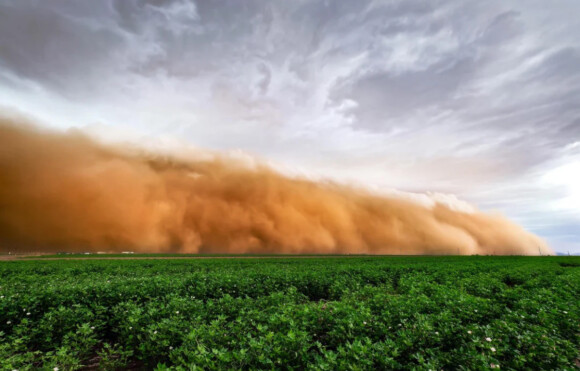
(Not my photos.)
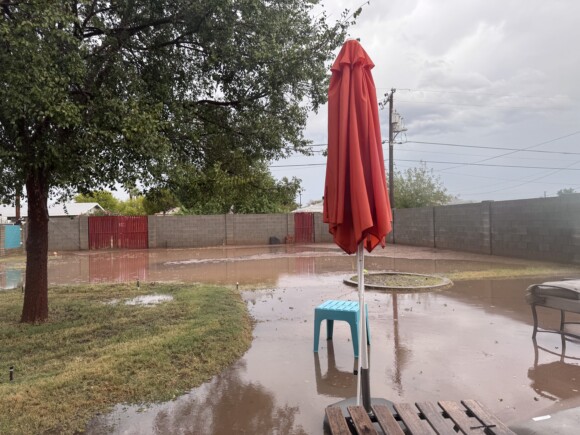
We got pummeled. Forgot to lower the patio umbrella and it was destroyed. No other damage, but when the deluge after the dust storm was finished the back yard was a muddy pool of water several inches deep.
These type of storms were fairly common when I was a kid; not so much any more. And it’s rare they hit this late in the season.

This was found in a reddit post that was asking people to describe the worst city in the US for suburban living. The top response was Las Vegas, but this didn’t look like Las Vegas. It looked like Phoenix, but the lack of easily recognizable landmarks thew me off. I thought recognized the tall grey building at the center of the photo but it’s has such a generic look it could frankly be anywhere. There was no City Hall, no stadium, no Hyatt regency…none of the usual buildings associated with downtown. I mean, I worked downtown for the last six years; I knew what it looked like. Yet this was a close-but-no-cigar moment.
Then I zoomed in and looked closer and it all fell into place. Toward the bottom I spotted the Hotel Westward Ho, a building that exists nowhere else in the world. This was Phoenix…circa 1970 or thereabots. The half-completed building just left of center is the Valley National Bank (Chase) building, completed in 1972. There was no towering City Hall building because it wasn’t built until the 90s. This photo was a slice of history.
Here’s a similar view today from Google Earth. Is it any wonder I didn’t immediately recognize that first photo?

The Chase building remains the tallest (and totally unoccupied at this point) in the city, but it’s now buried among its peers and not easily seen unless you look really hard for it.
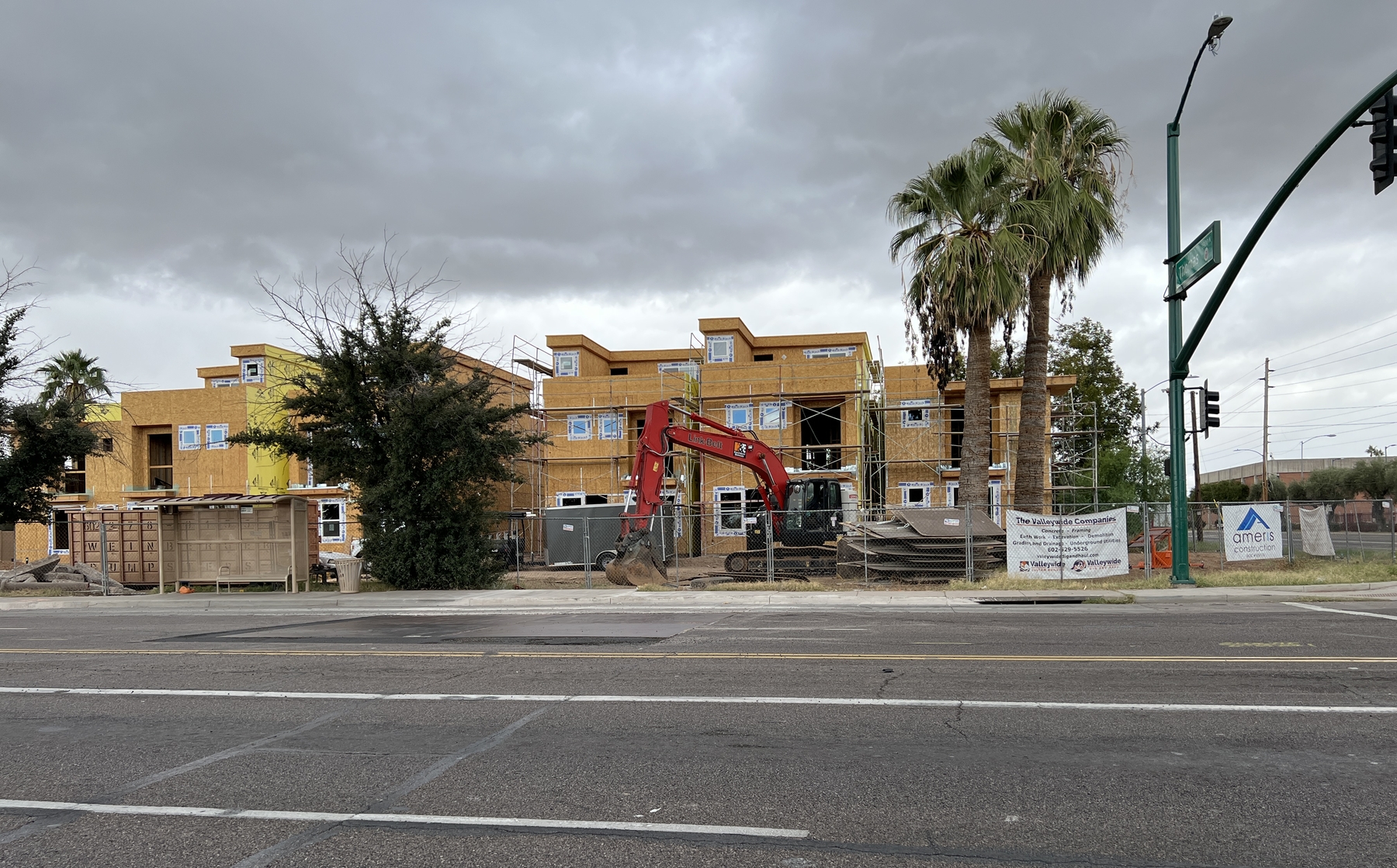
This townhouse development started going up at some point after we left the neighborhood after the fire. At the time we left, this was a vacant lot that had once (long before we moved back to Phoenix) been occupied by a rambling single-family house that was bulldozed at some point. For years it sat vacant and overgrown with weeds.
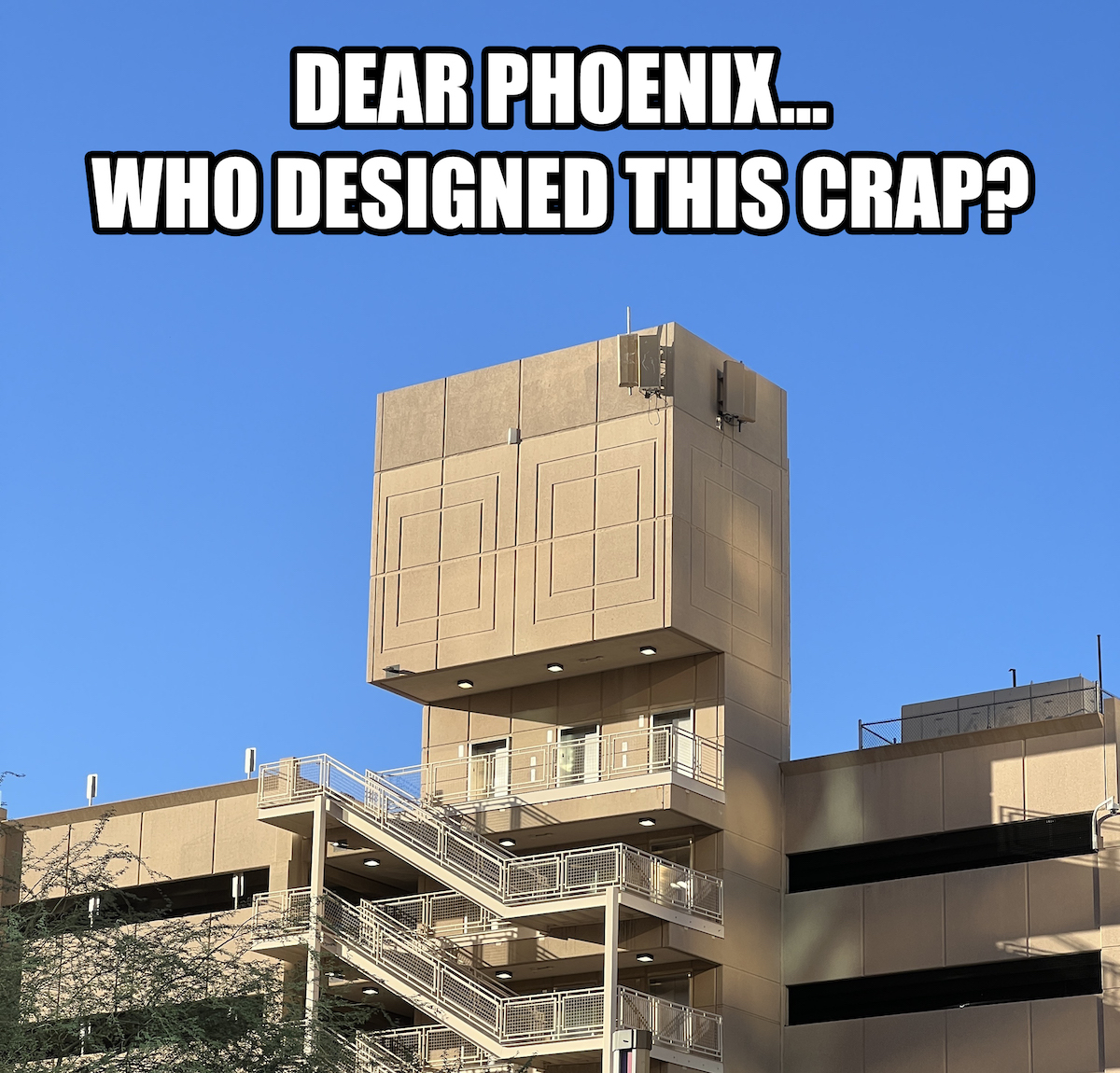
I was heading to lunch after visiting one of our west-side offices about three years ago and was surprised to see this going up. It looked interesting in a stark, brutal modernist sort of way and I was looking forward to seeing it completed.
Sadly, even after we moved back it seemed construction had stalled, and I cursed the developer every time I rolled over the huge steel plates covering underground sewer work that had literally been in place for over a year after our return.
Then, one day the plates were removed, holes filled, and paving was replaced. Construction stalled again a couple months later and the property was broken into. Work finally resumed (I guess the City lit a fire under the developer to get it finished) and a year later they’re finally finished, but apparently unsellable. They were originally on the market for around $300K, but folks weren’t exactly beating the doors down to buy at that price point because they’re now up for rent—and even now no one seems to want to live there.
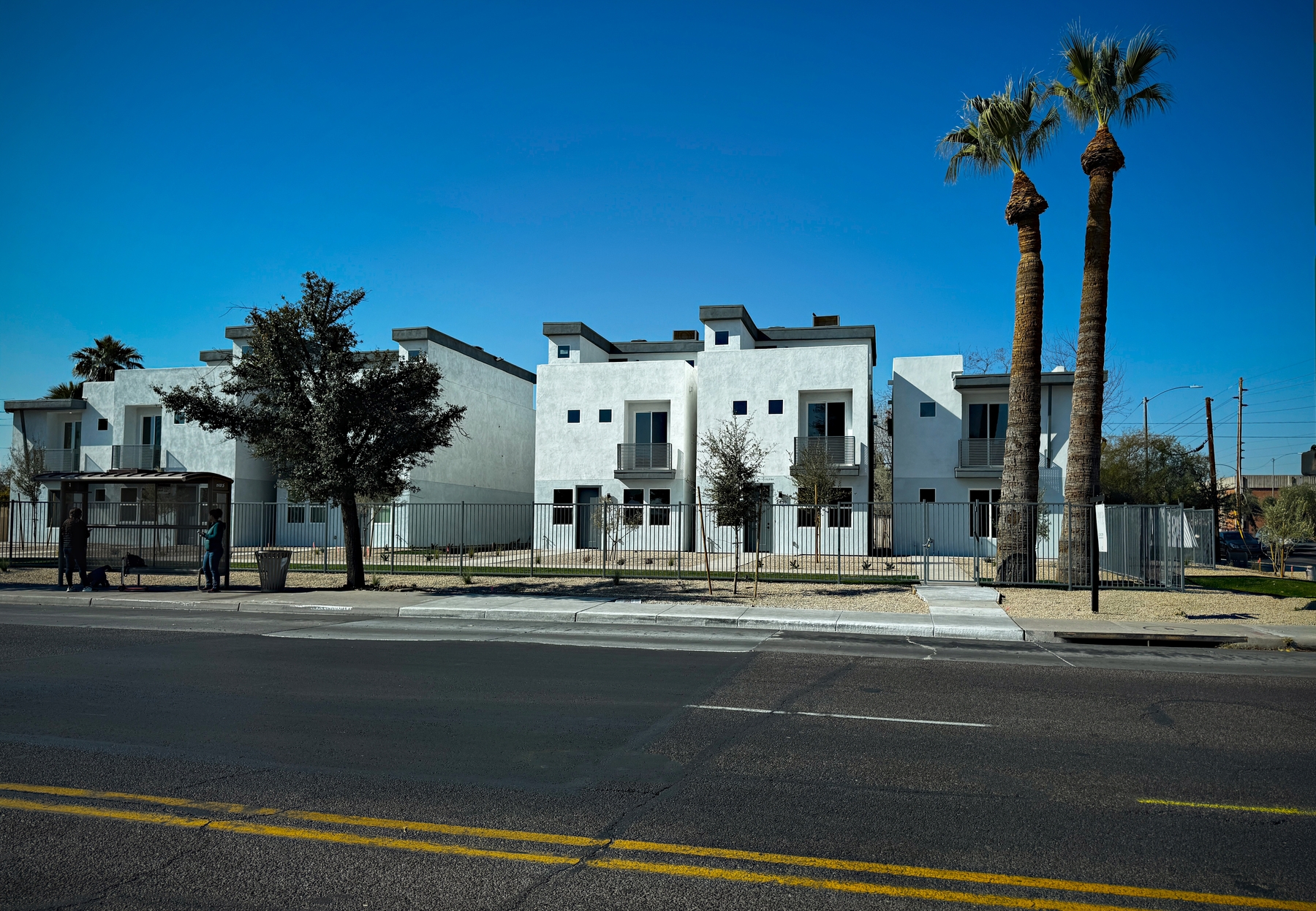
It’s not surprising. While they have a nice view of the golf course across the street, they’re at the corner of a noisy, very well-traveled intersection, and the only vehicular entrance to the property—and the units’ garages in the back—is a single entrance that’s accessed either by a right turn going east or an impossible left turn going west (necessitating pulling into the left turn lane of the intersection on the street immediately to the north of the property. There’s a paved alley out back that could be used for access but they’d have to drive a block down 19th Avenue and then double back.
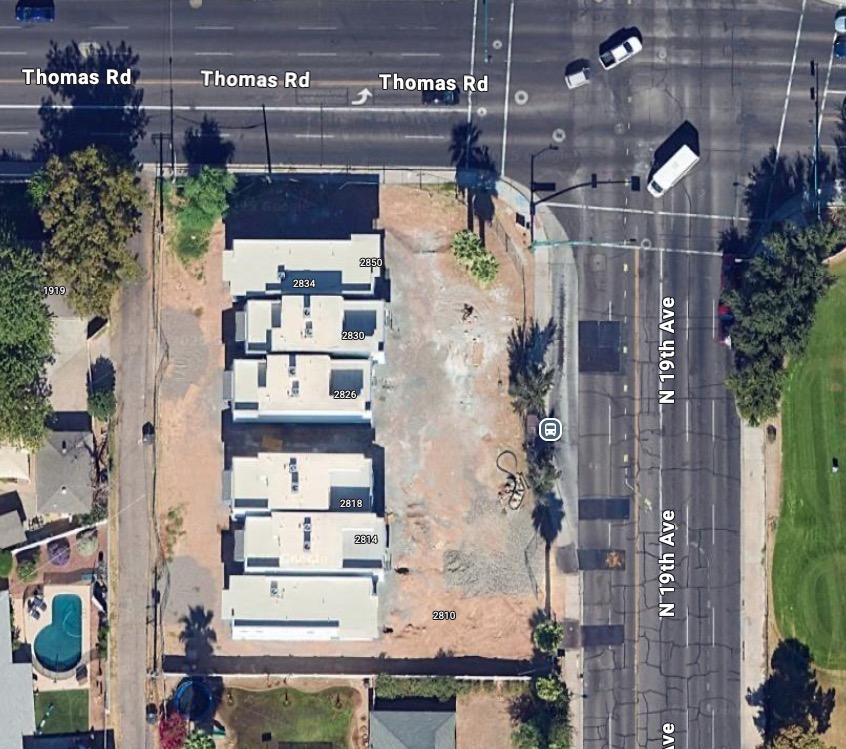
There’s no private space (which from the looks of it could’ve easily been accomplished out front with some fenced patios), no protection from the elements above the front doors, and absolutely no guest parking. And oh, did I mention…there’s no street parking on either of the roads bordering the property? Even if the chained and padlocked gates in the fence that surrounds the property are one day opened, there’s no place for trucks to deliver without pulling into the bus stop immediately out front. It’s no wonder they can’t give them away…
*I stand corrected…apparently are still for sale…at an absolutely ridiculous price for this neighborhood. And at least one is for rent…at an equally ridiculous rate.
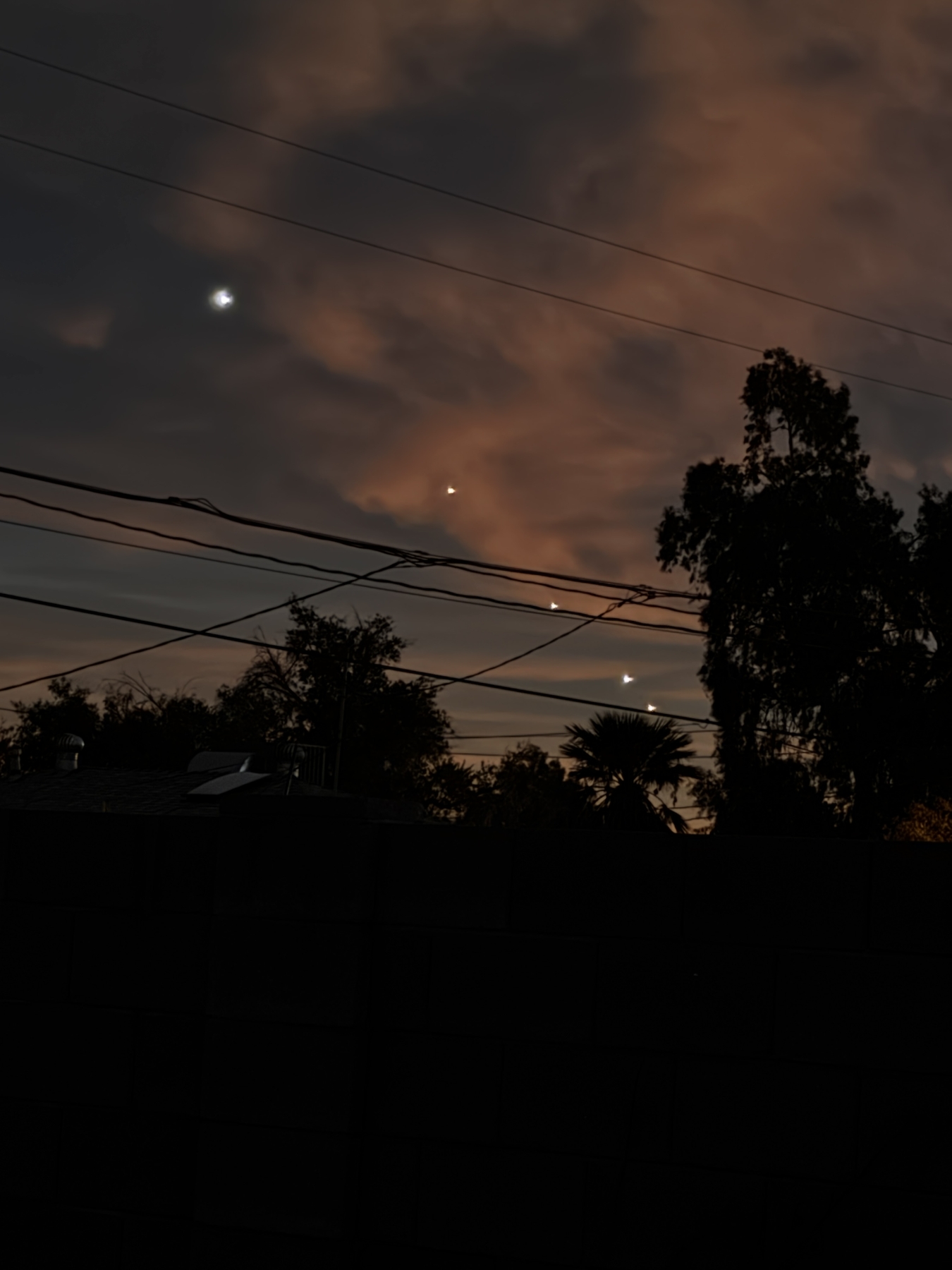
It’s just the daily line of planes lining up to land at Sky Harbor Airport.
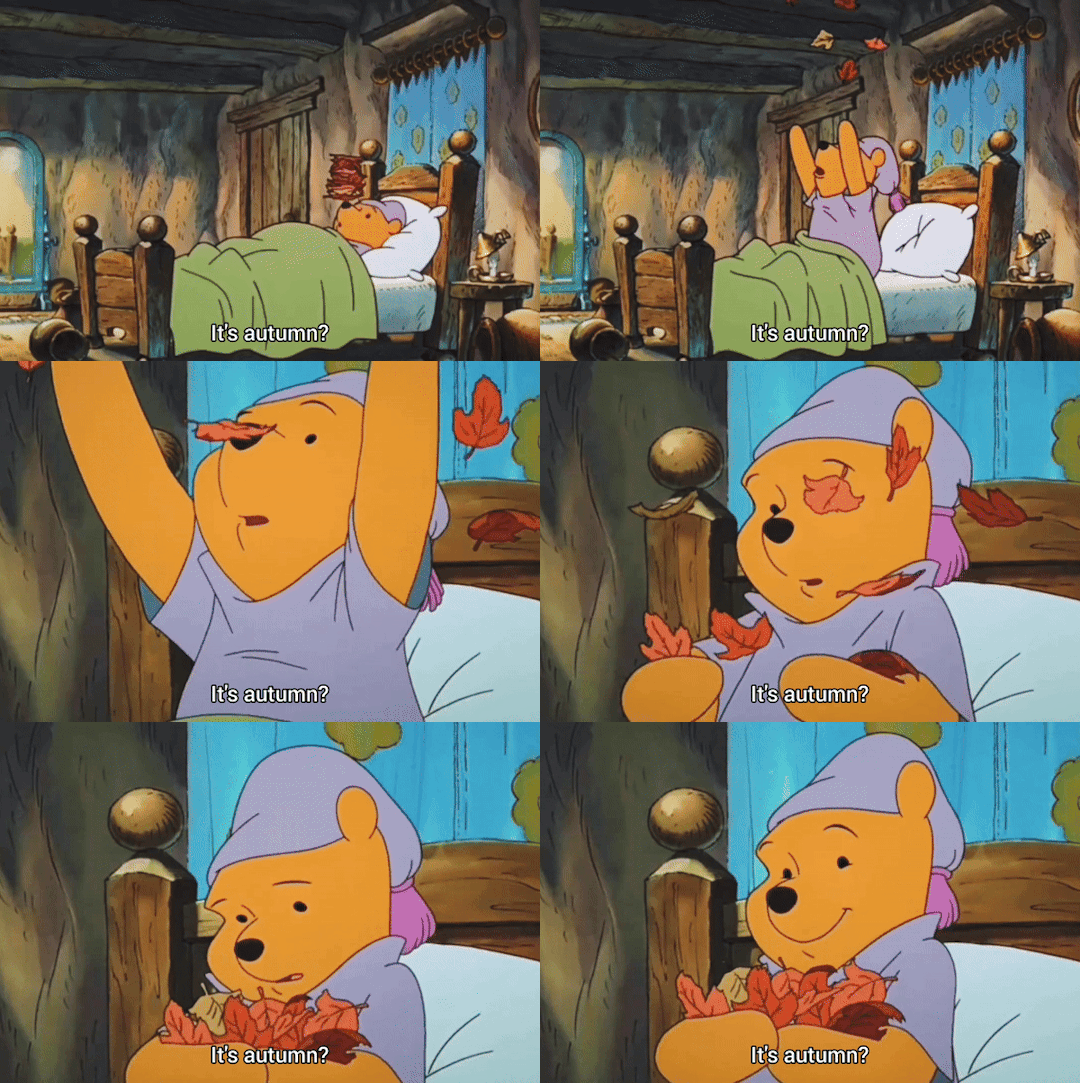

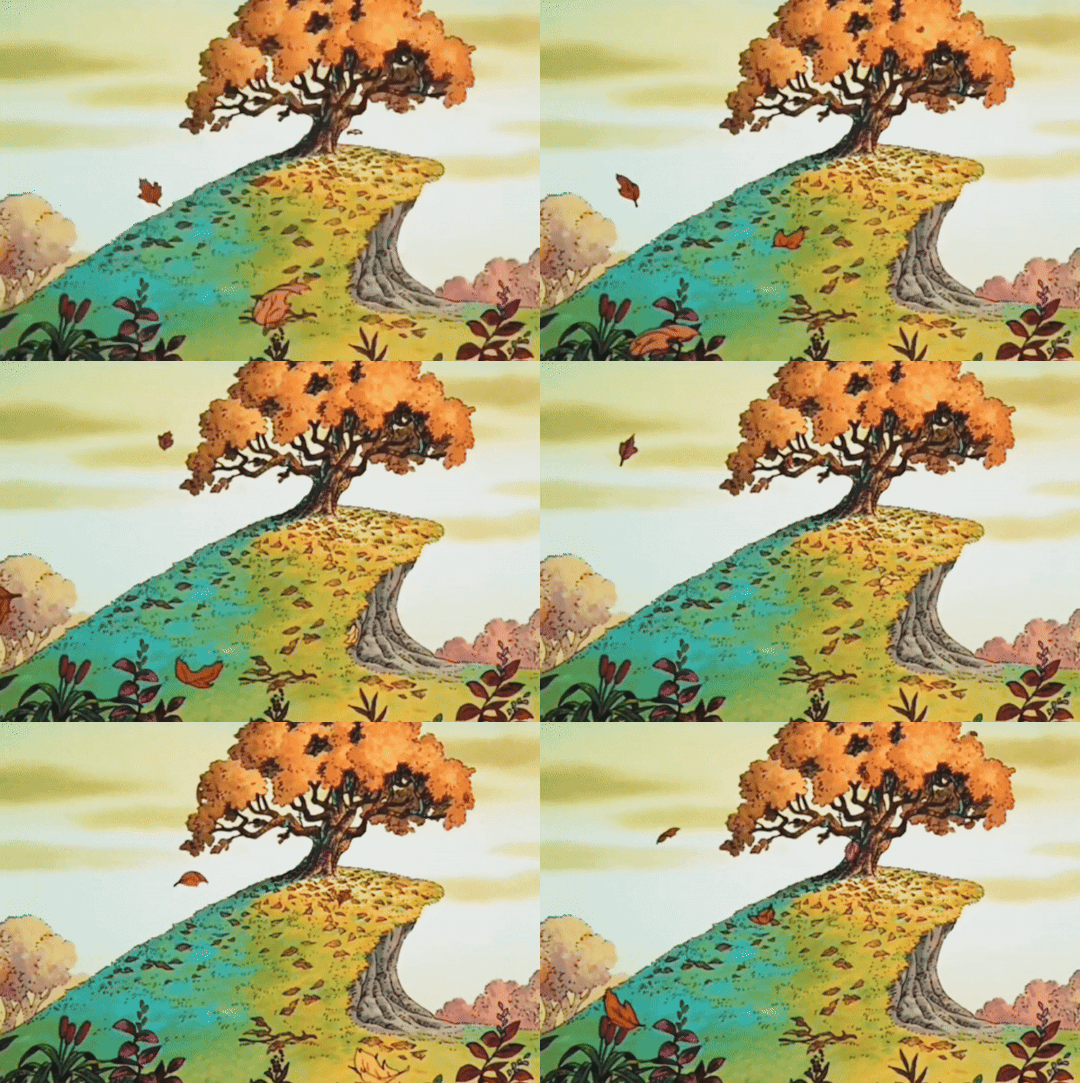
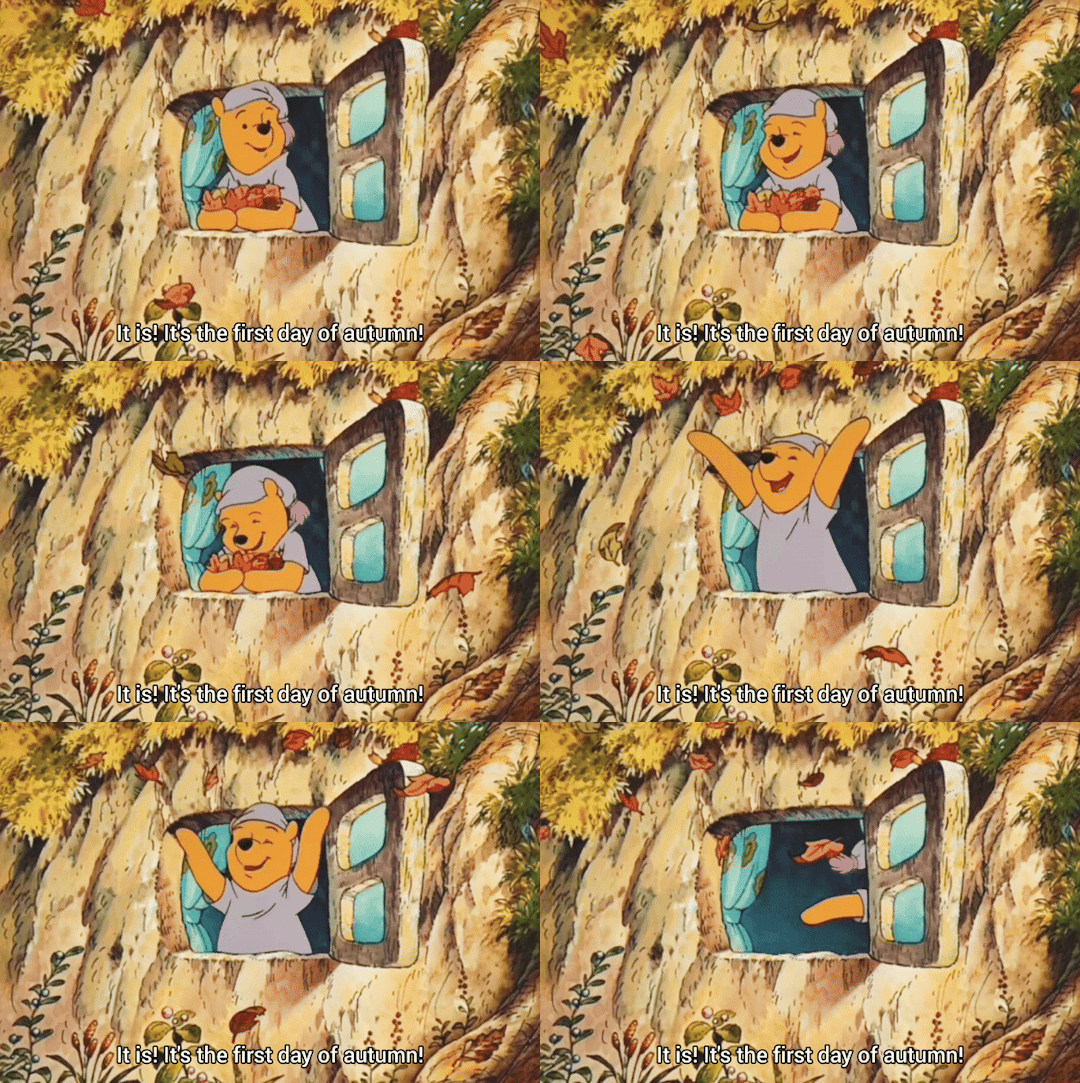
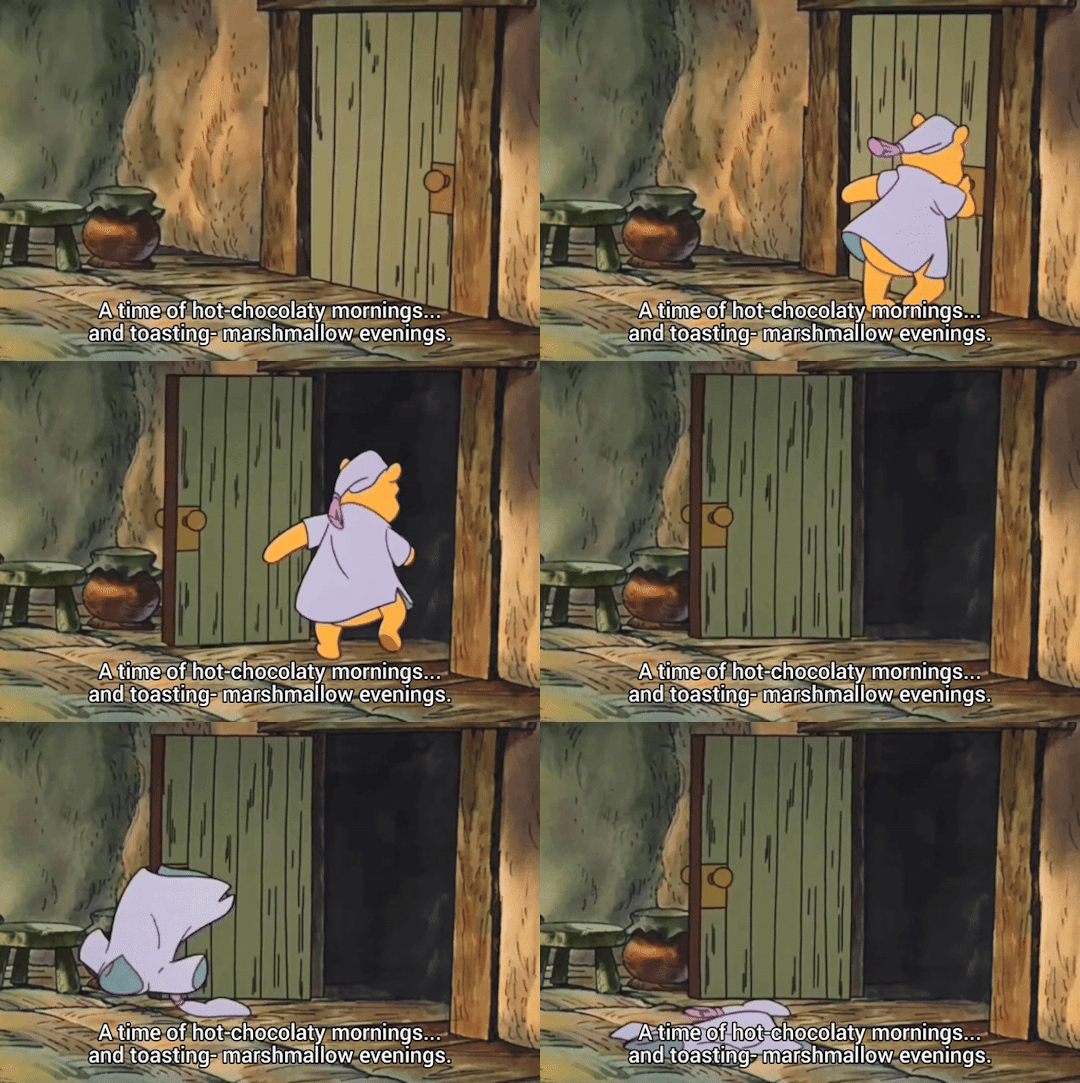
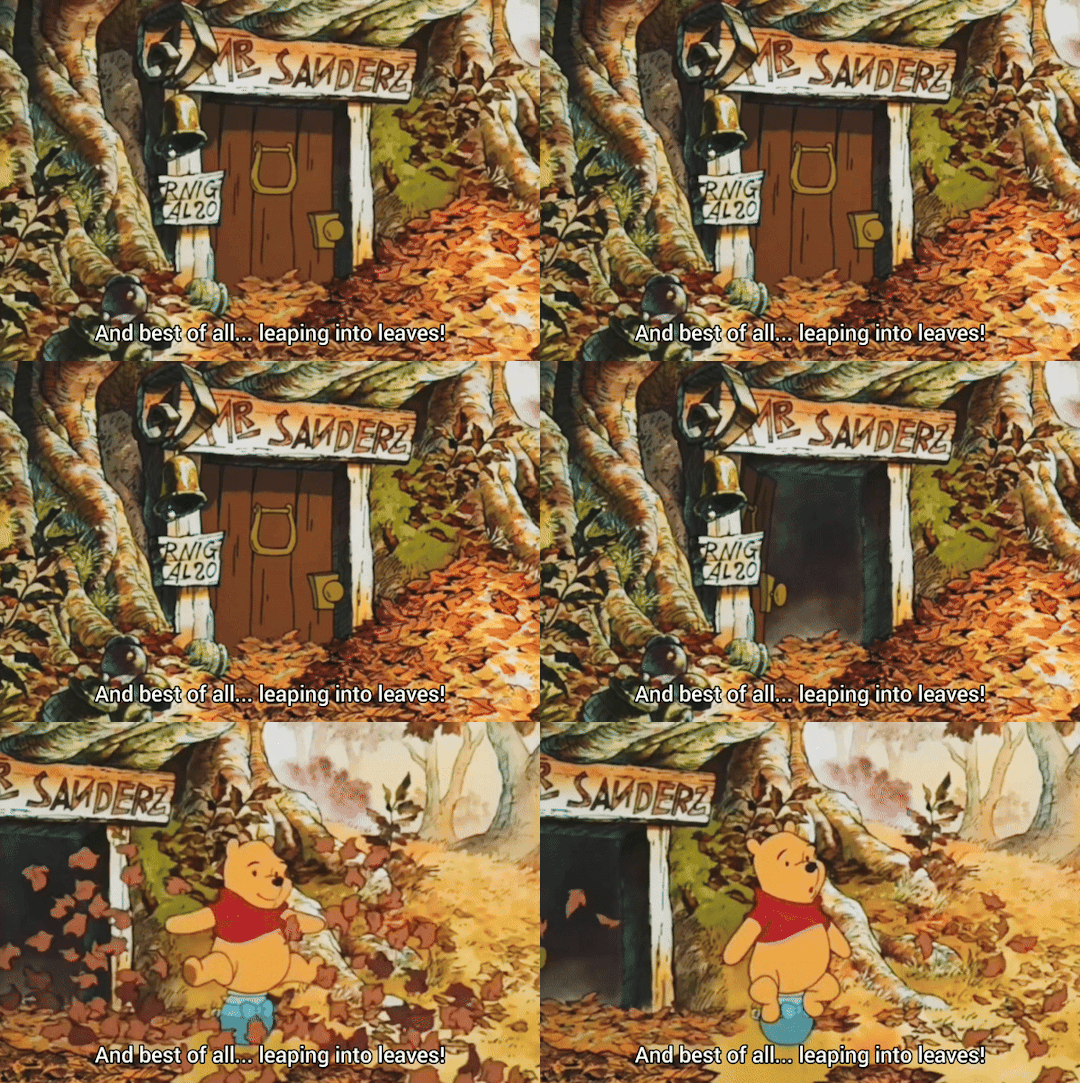
Sadly, with this being Phoenix, we aren’t going to see anything even resembling fall temperatures for at least another month. And the change of color (rare as it is) and falling leaves won’t happen until January…
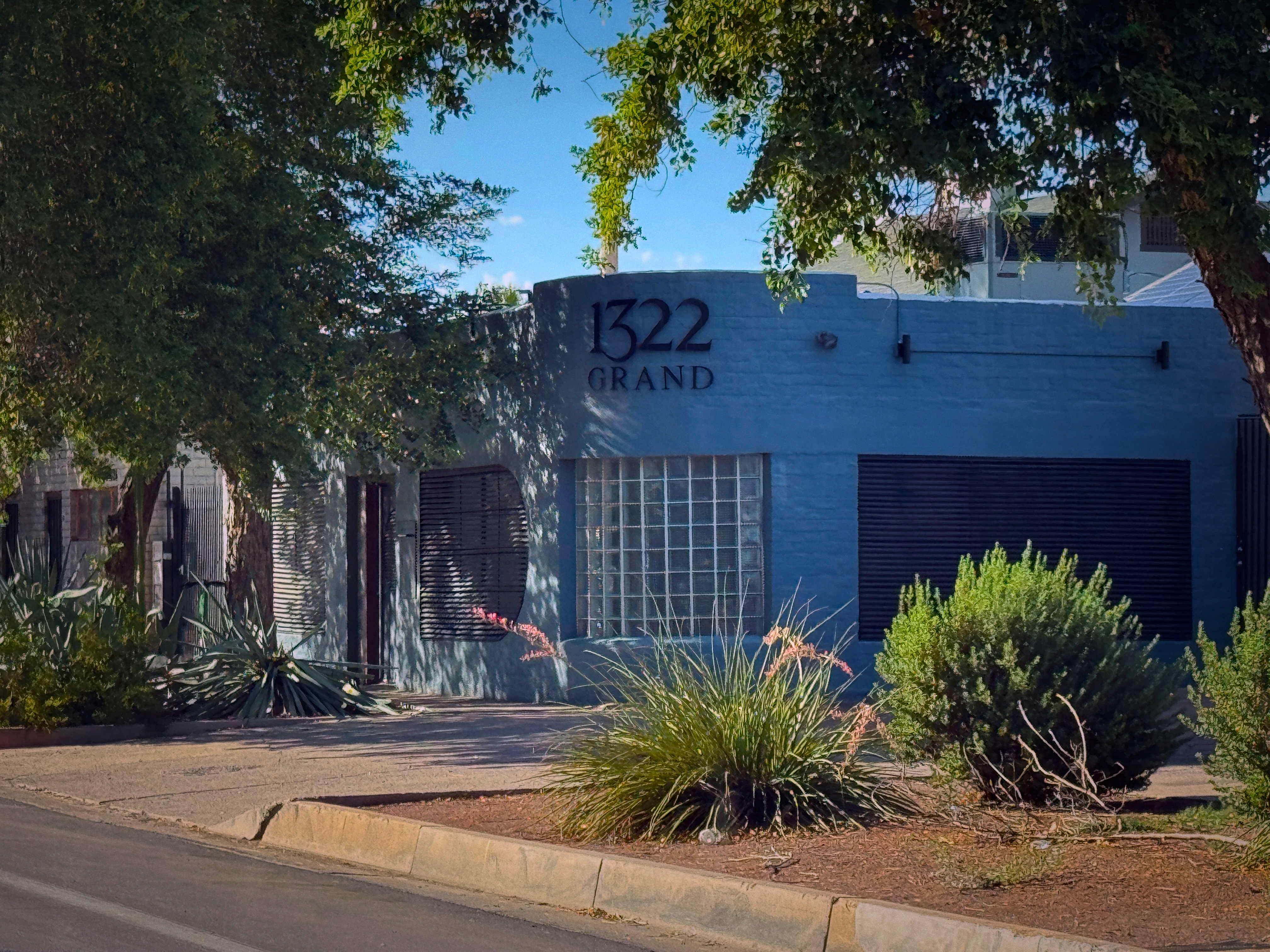
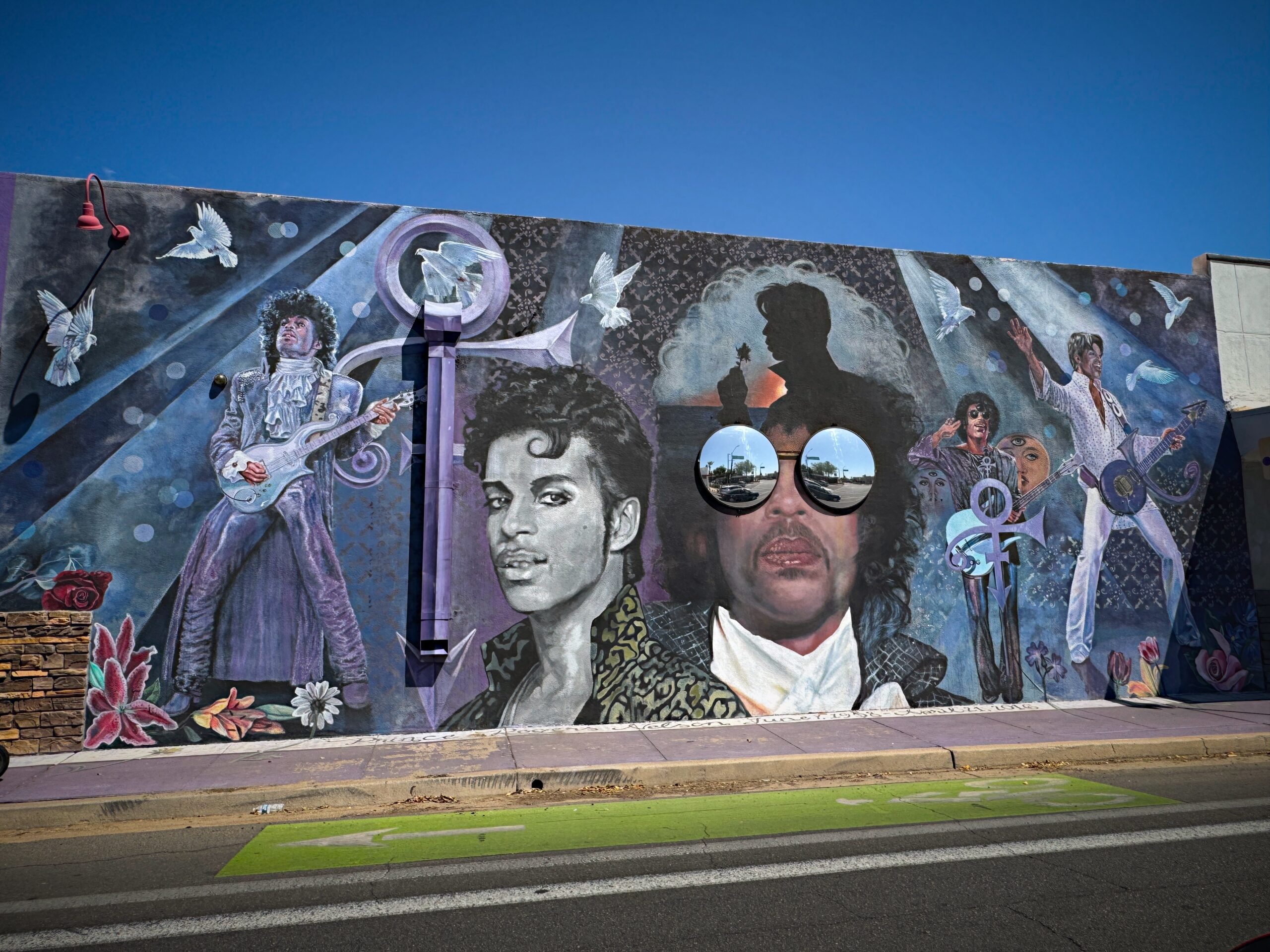
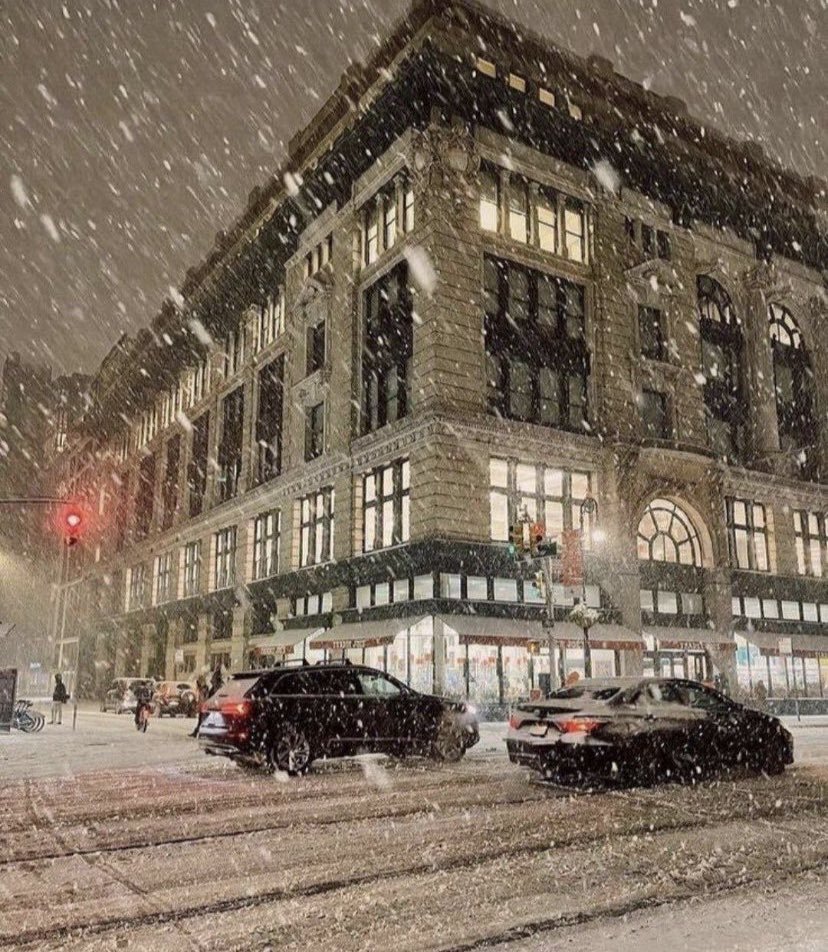
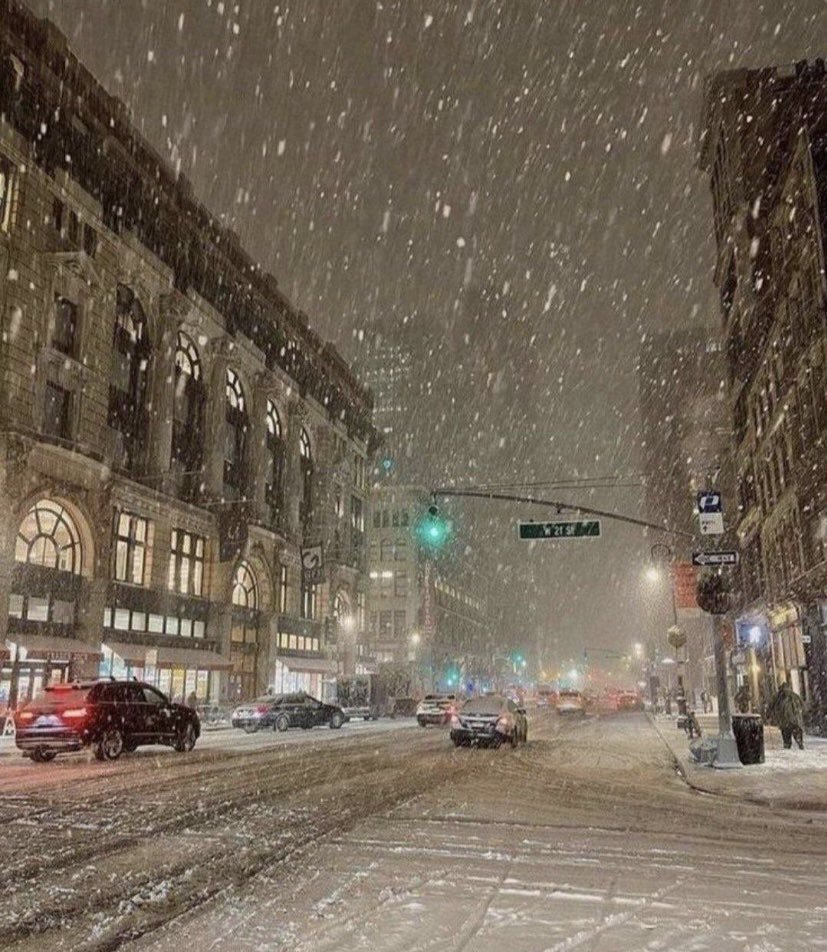
We’re at that time of year when it’s consistently between 101°-110℉ every single day in Phoenix. I can’t tell you how tired I am of leaving the house in the morning at 7 am and it’s already over 90℉ because the entire valley is paved over and is a heat battery. Unfortunately there will be no real relief for at least another six—if not eight—weeks.
Even though Arizona does not observe daylight savings time, our need for continual air conditioning—at least here in “The Valley of the Sun”—does seem to pretty match up with it.
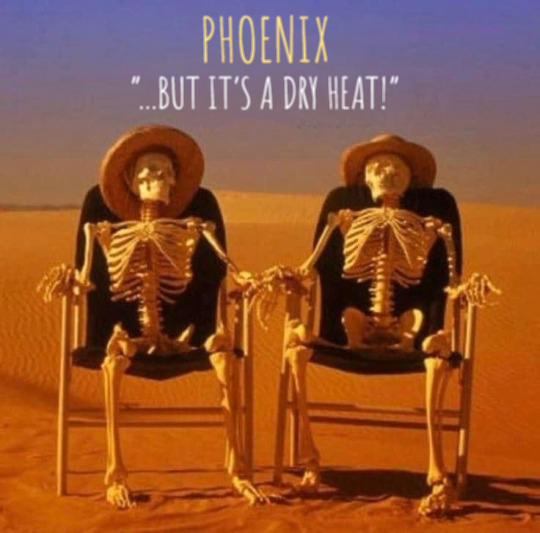
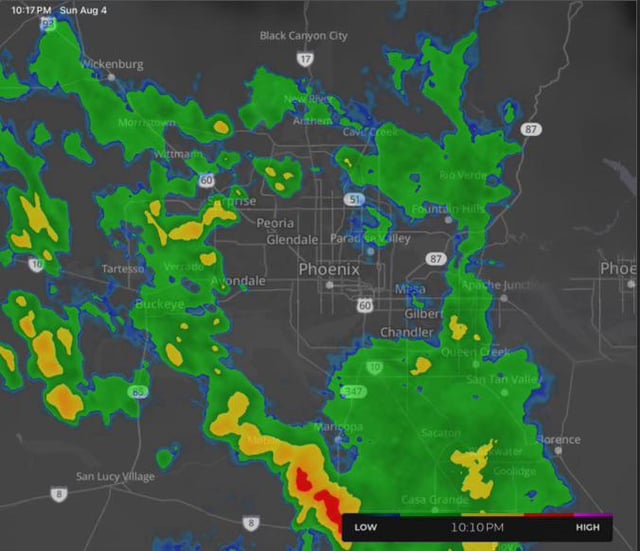
…is why Phoenix doesn’t get rain. This is a perfect illustration of the heat bubble that rises over the city during the otherwise wet, monsoon months of summer. And why does this happen? Because the entire valley is paved over. The pavement absorbs the heat during the day, and then re-radiates it all night (which is also why we seldom drop below 90F in July/August). Storms approach, but dissipate or just split and go around this heat bubble, leaving the city dry.
Tucson to the south of us on the other hand, has retained its natural character and isn’t paved over nearly as much, allowing it to get those beautiful summer monsoon storms.
Okay, I’m a couple days late posting. Shoot me.


Because this happens so infrequently in Phoenix…
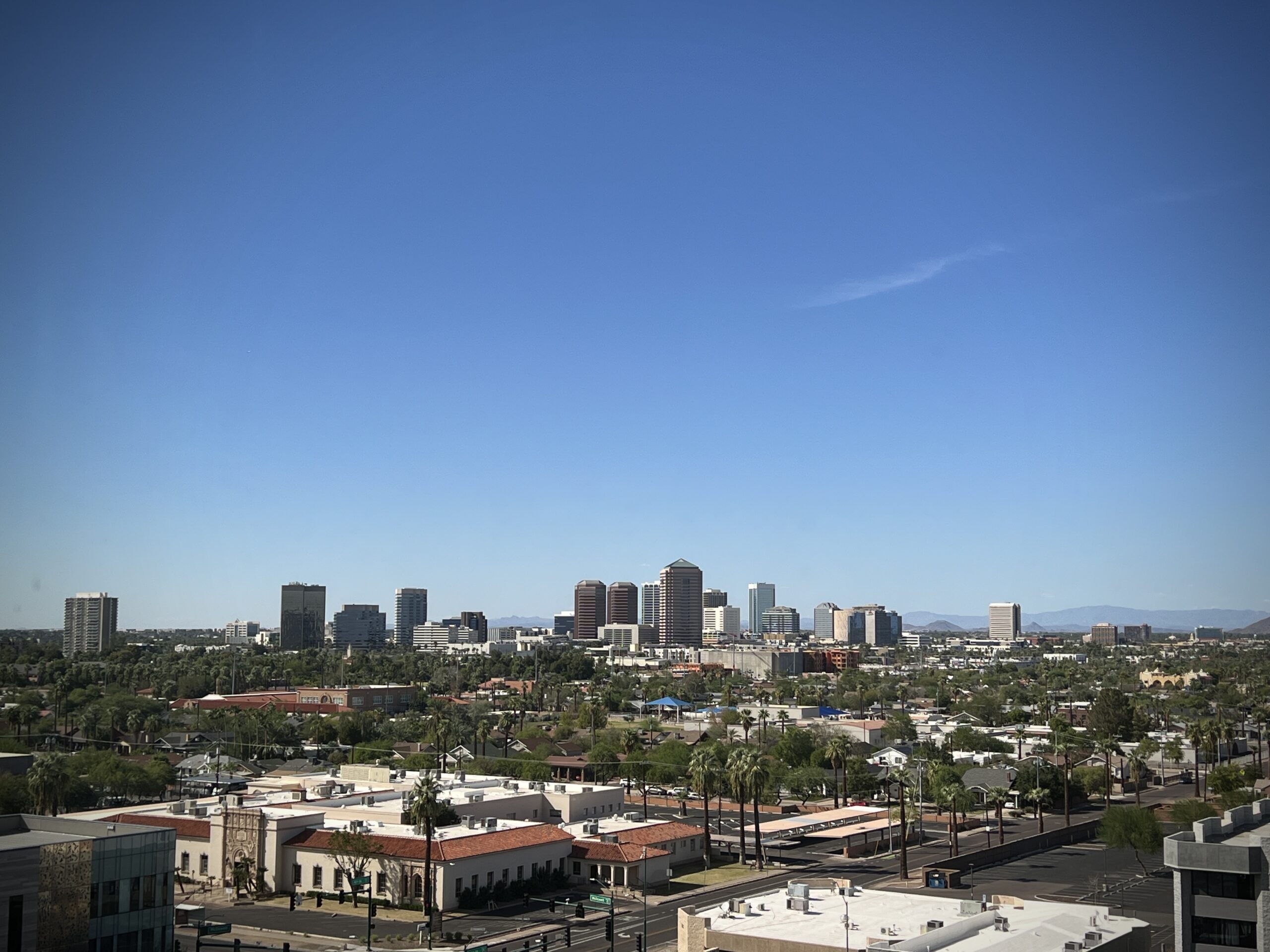
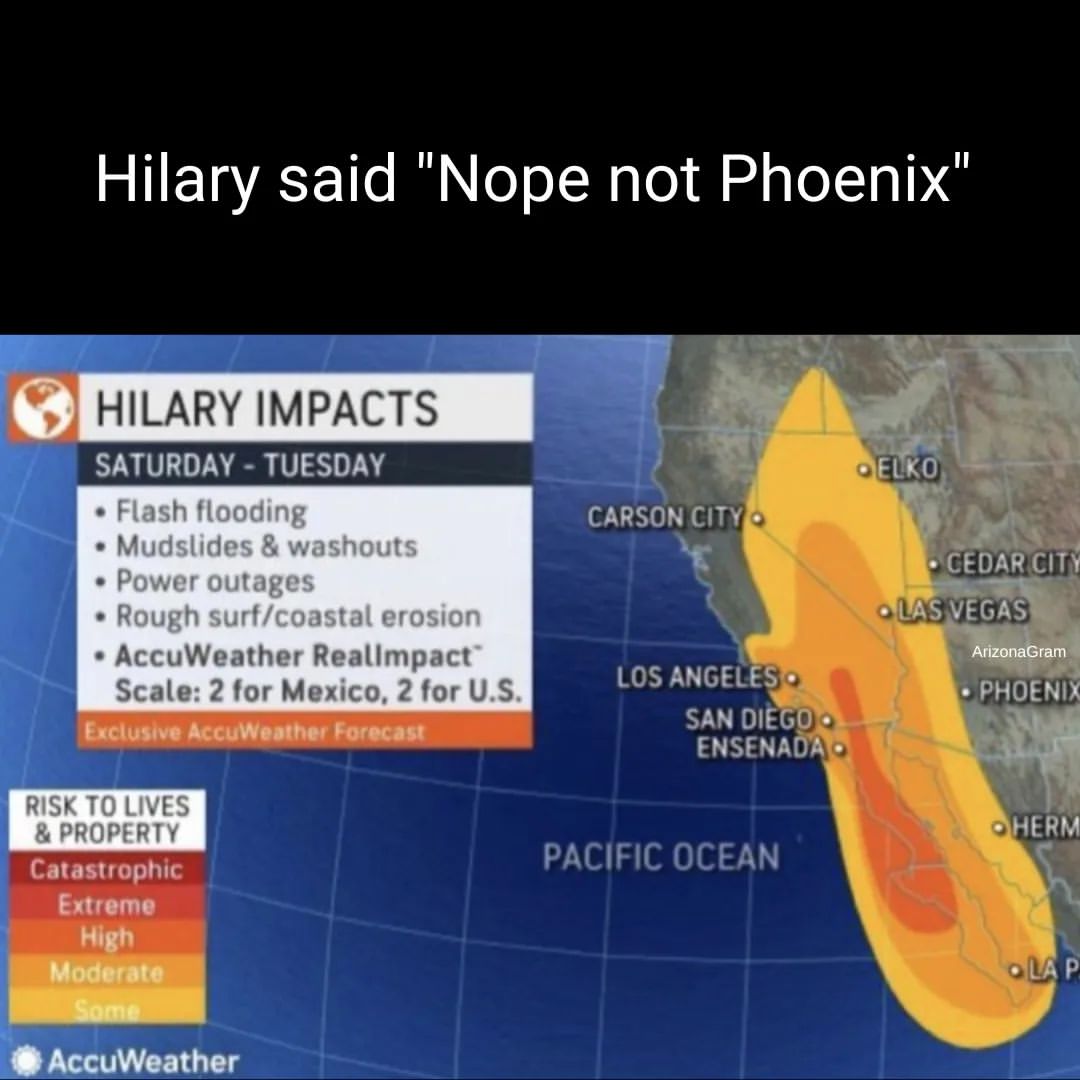
Basically it rained enough just to get all the cars dirty.
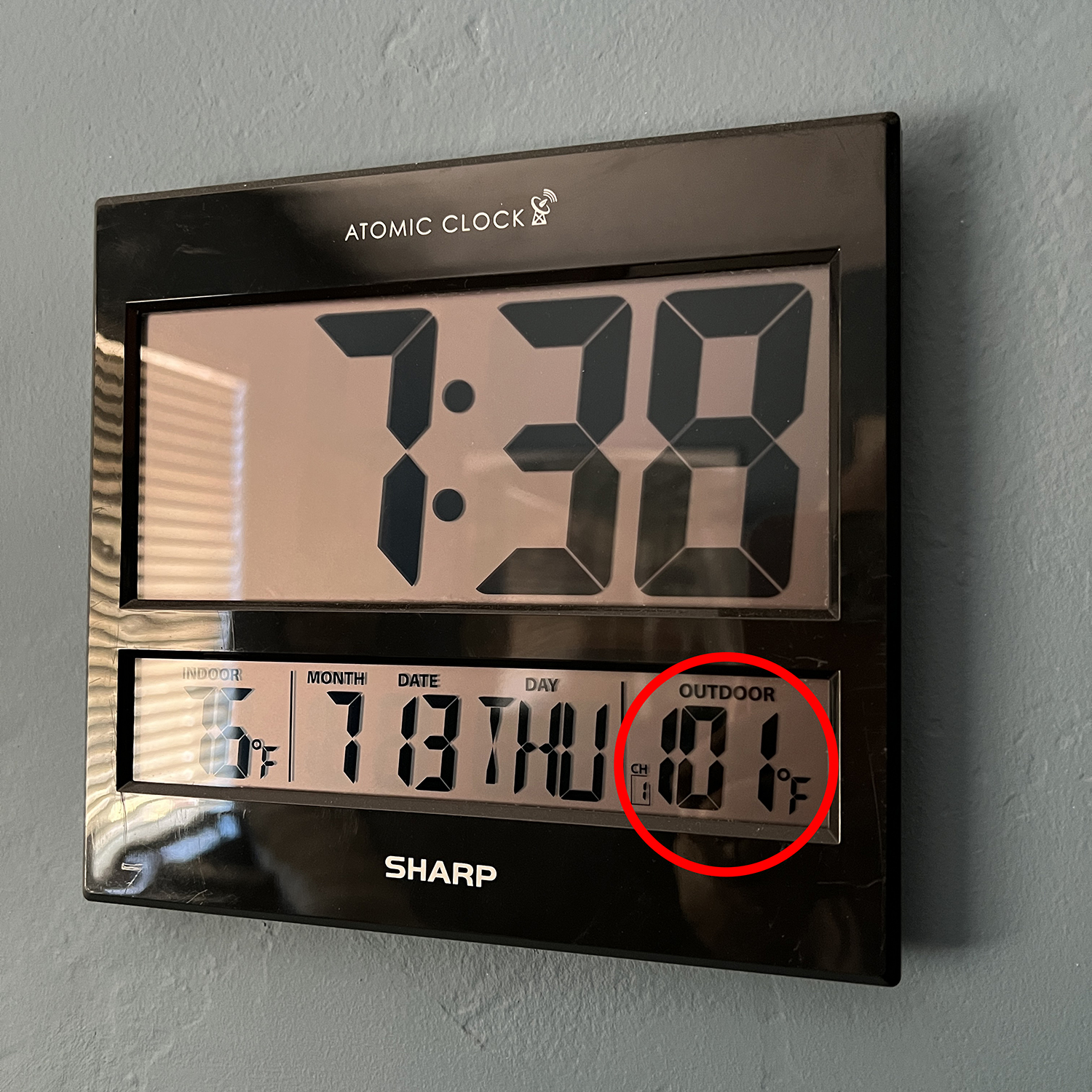
Keep in mind, that’s 7:30 AM! (Not that PM will be any different.)

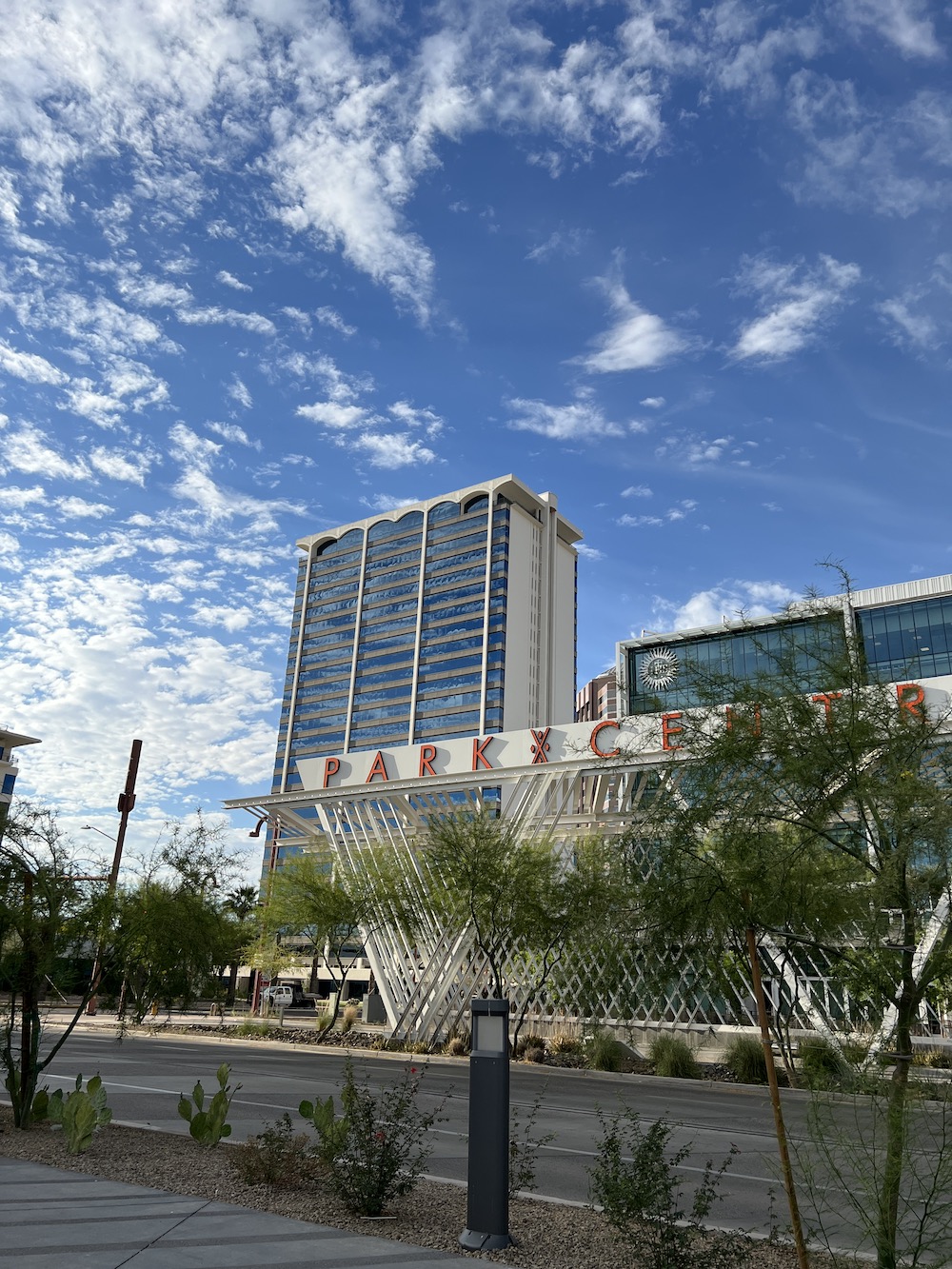
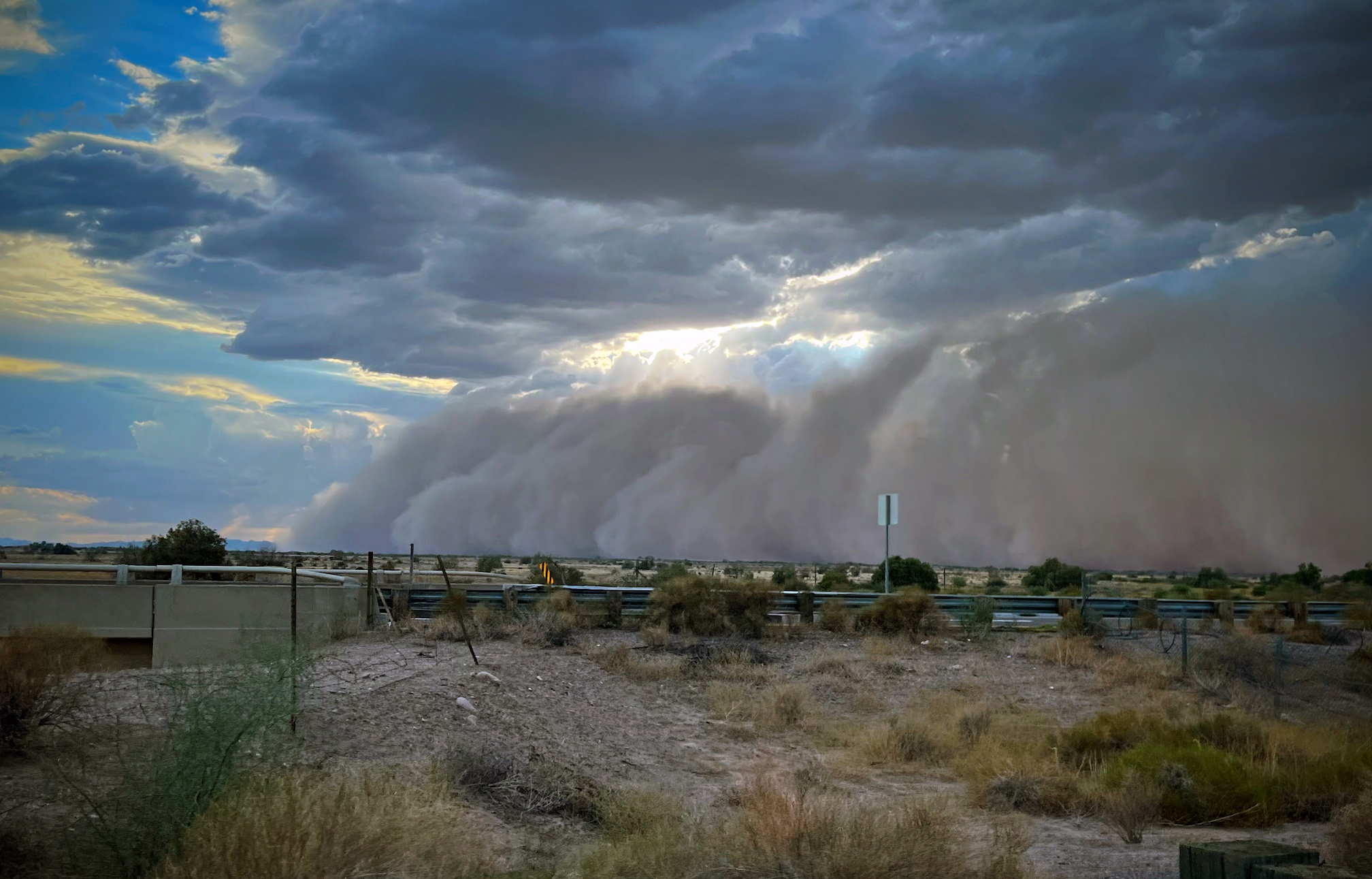
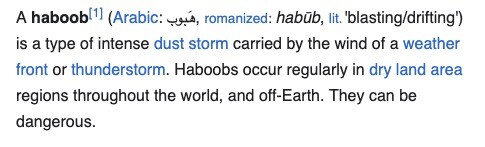
As they are wont to do, this haboob came out of nowhere two days ago. We got no rain, but the high winds knocked our electricity out for about 90 minutes.
This photo was taken by Ben on his commute home. He pulled off the road (as you’re supposed to do) because visibility can fall to zero in a matter of minutes.
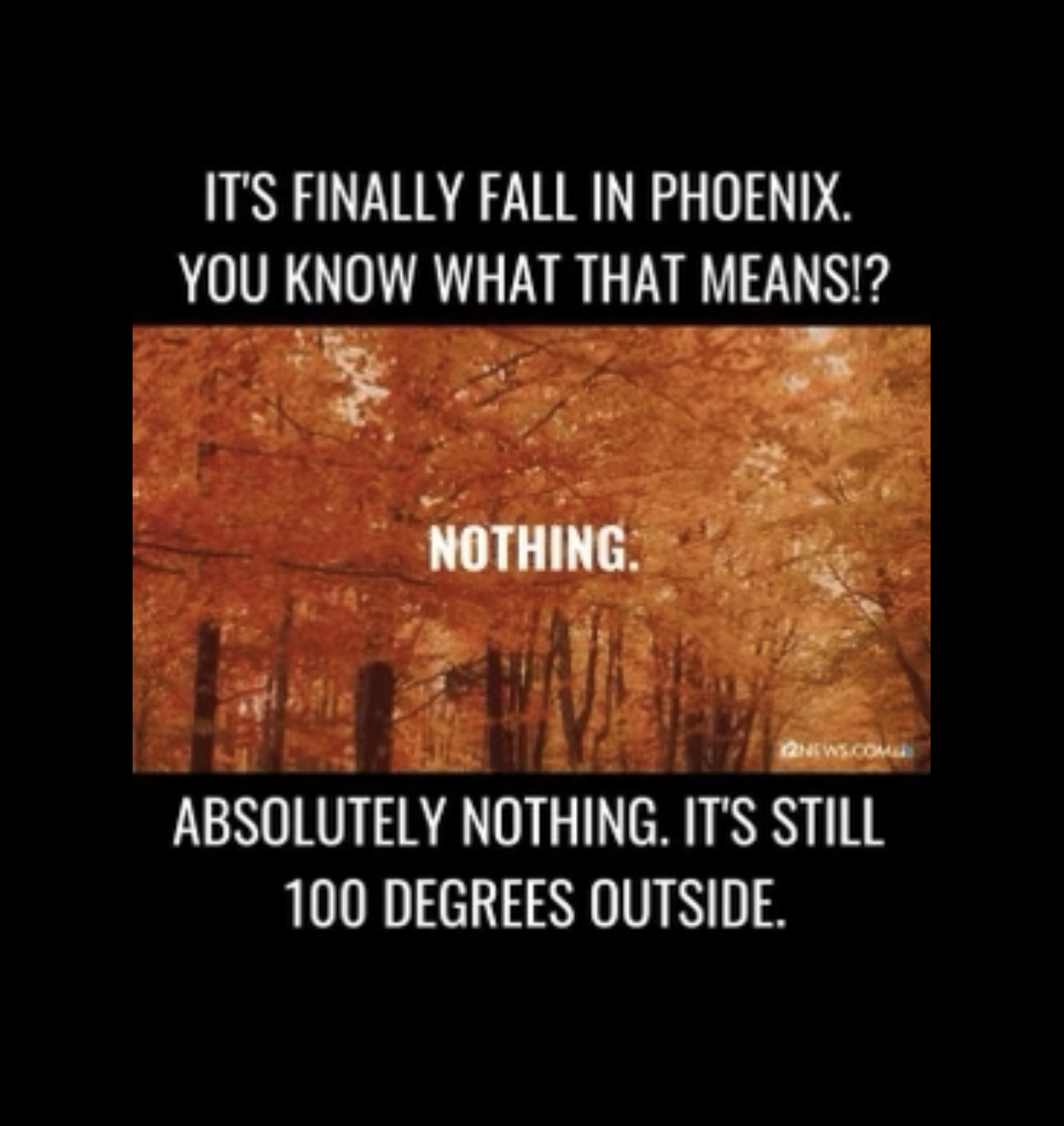
And the trees that do change color (there are damn few), don’t do that—or drop their leaves until January.
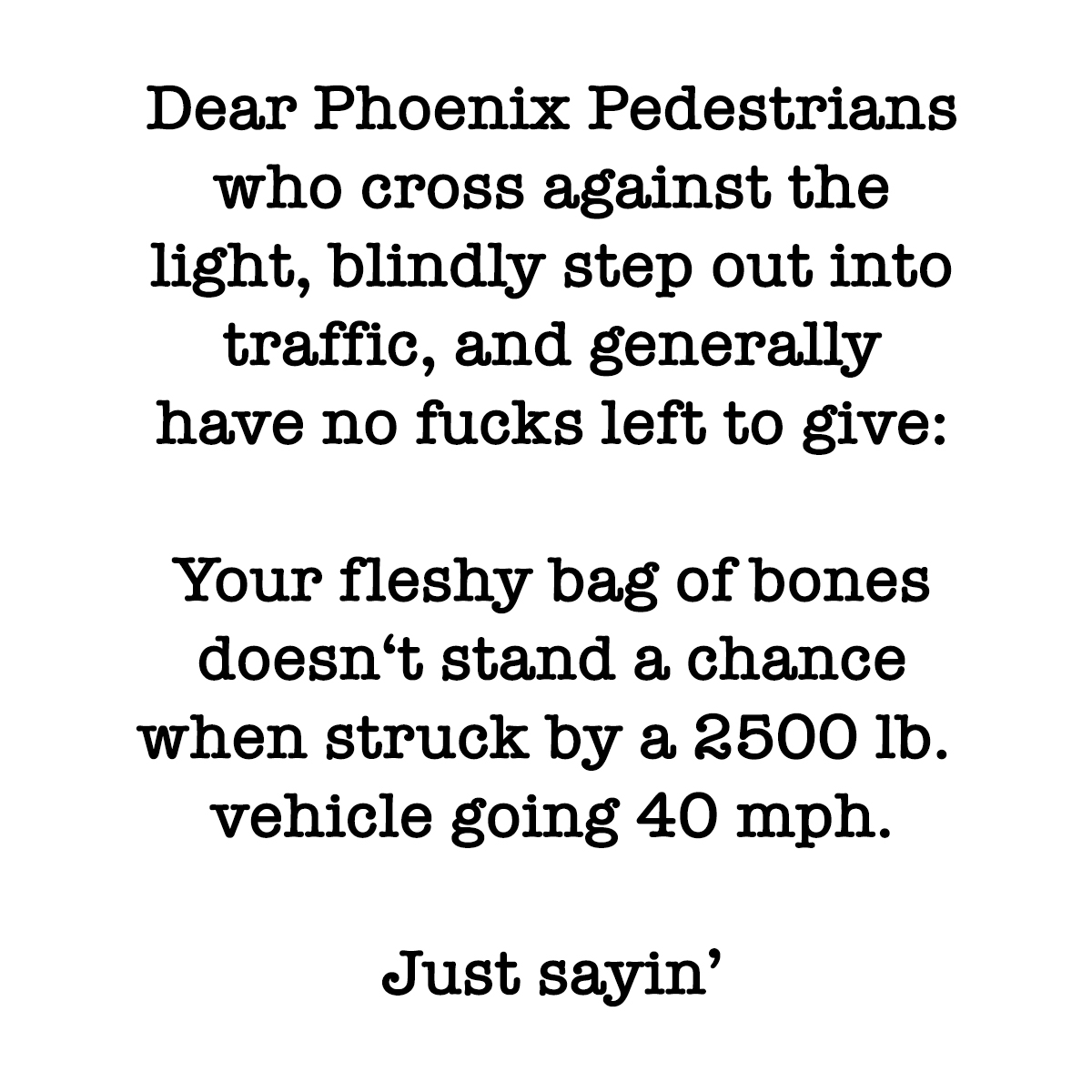
Because I am so tired of these idiots!