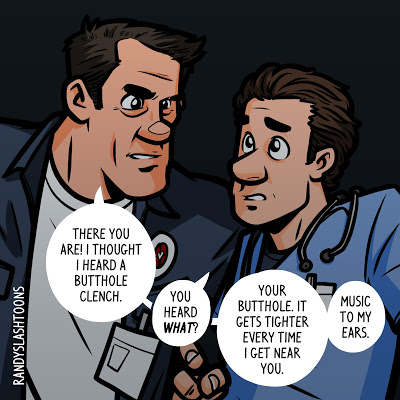
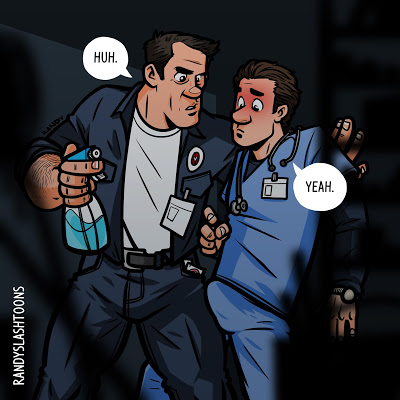
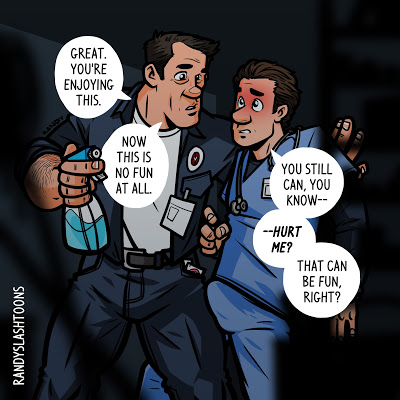
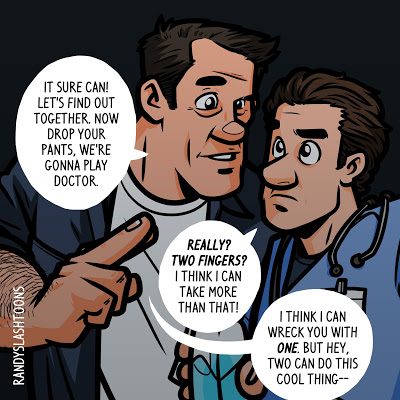
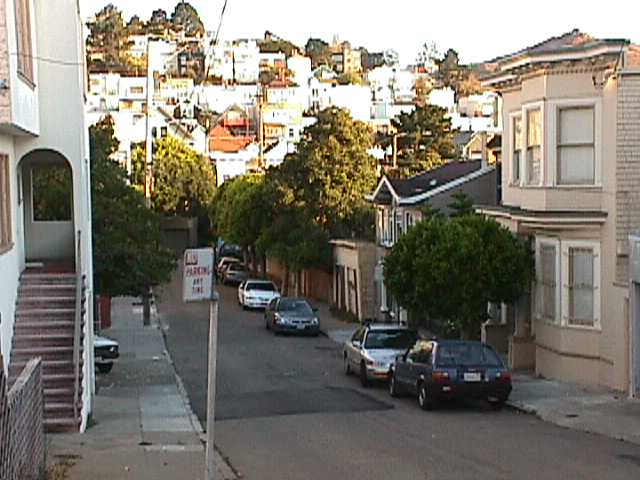
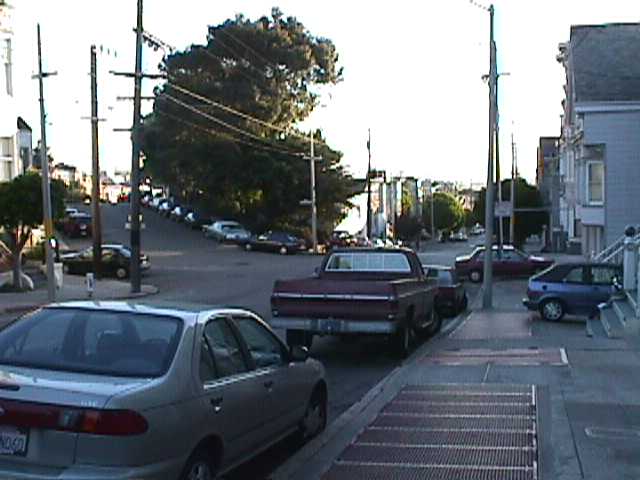
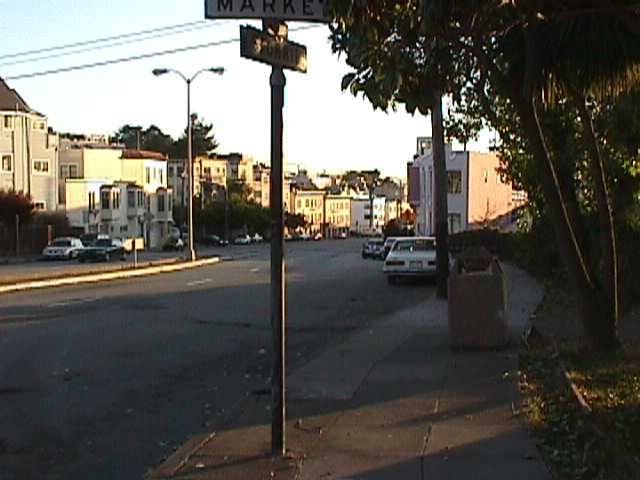
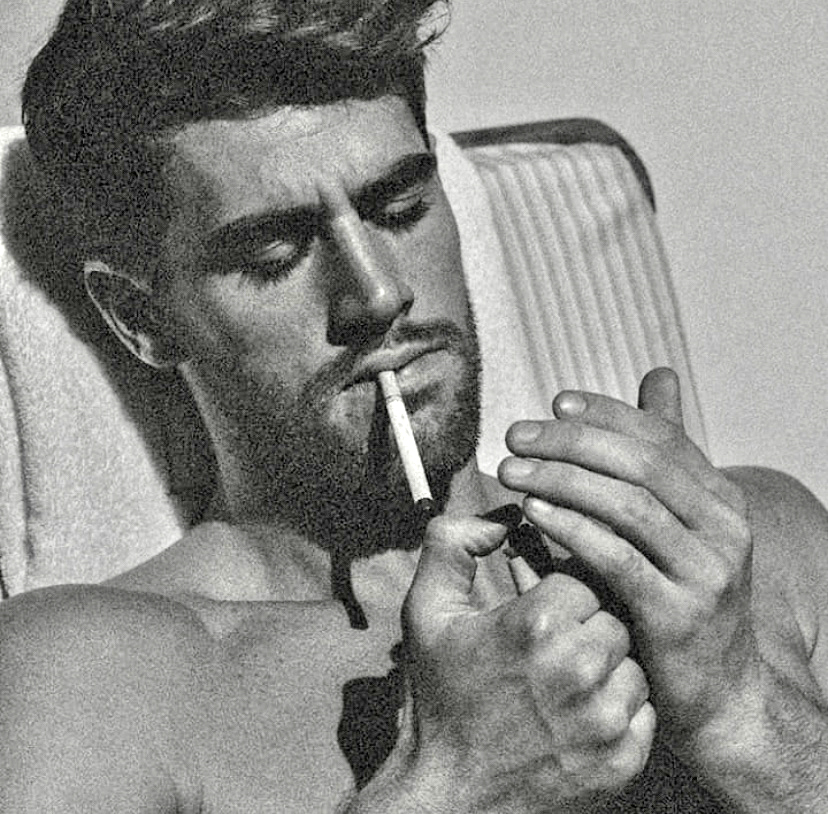
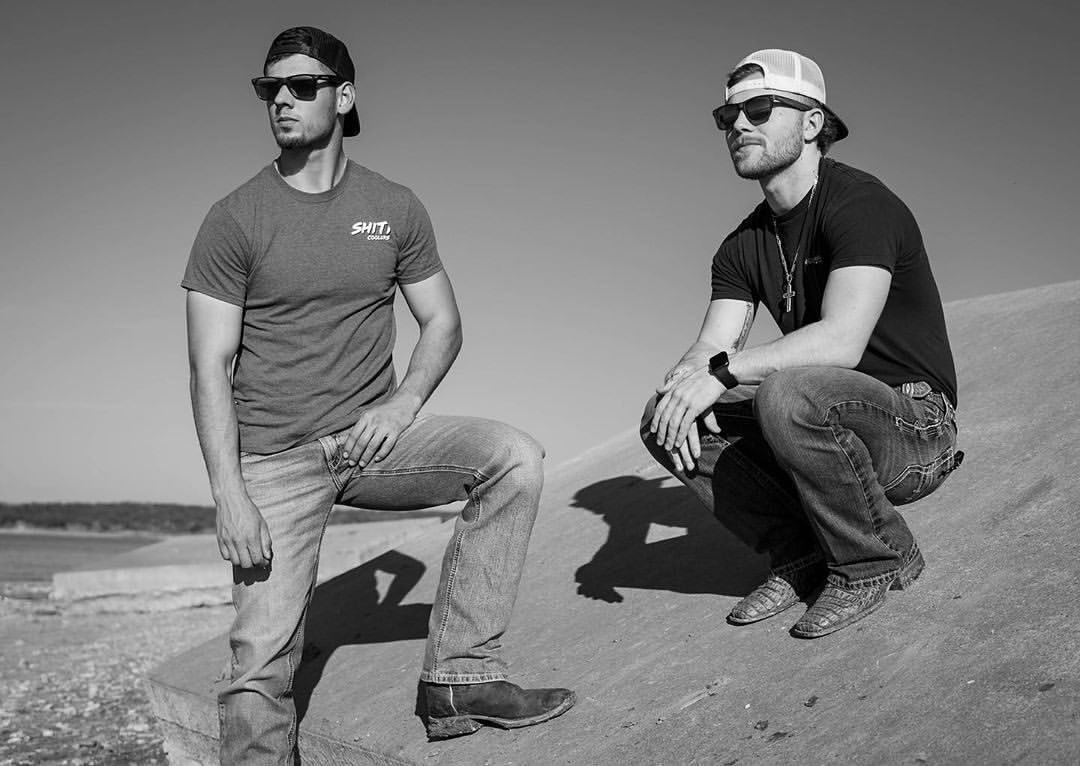
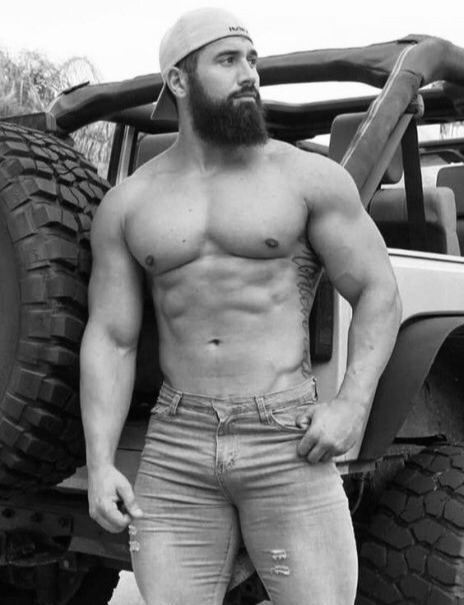
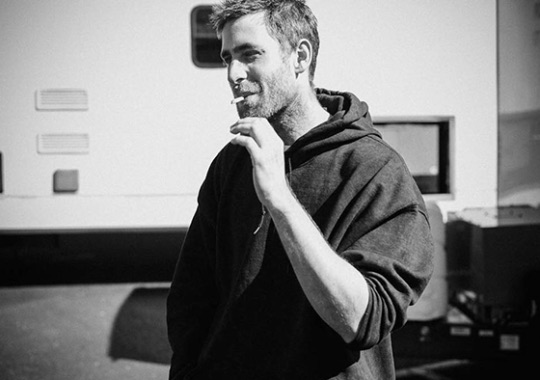
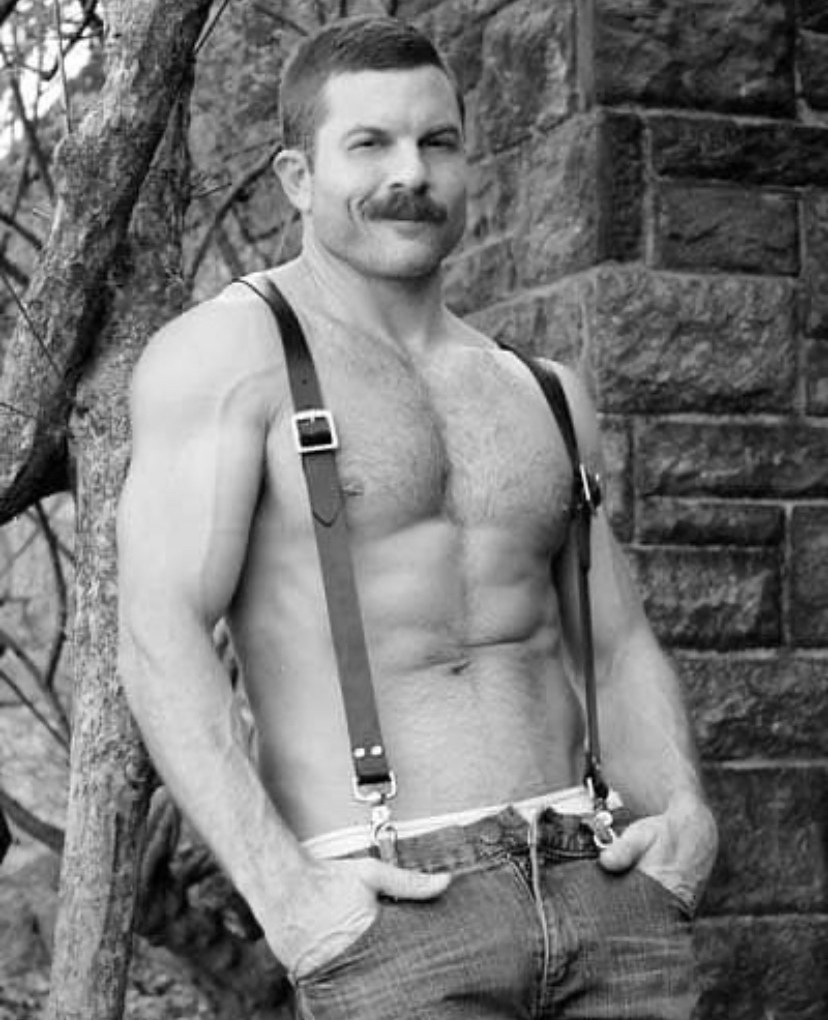
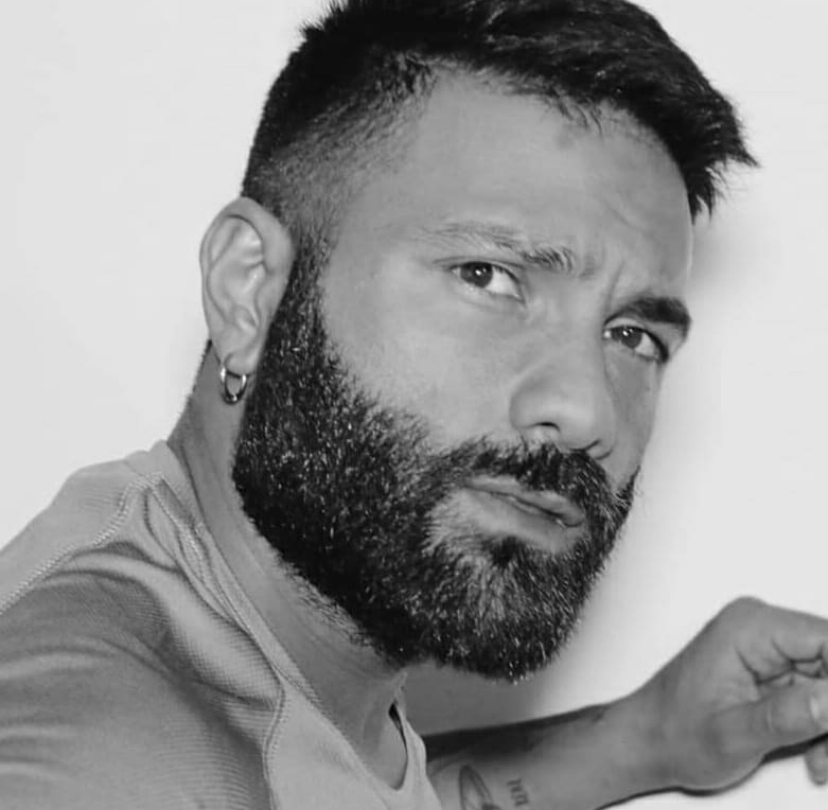
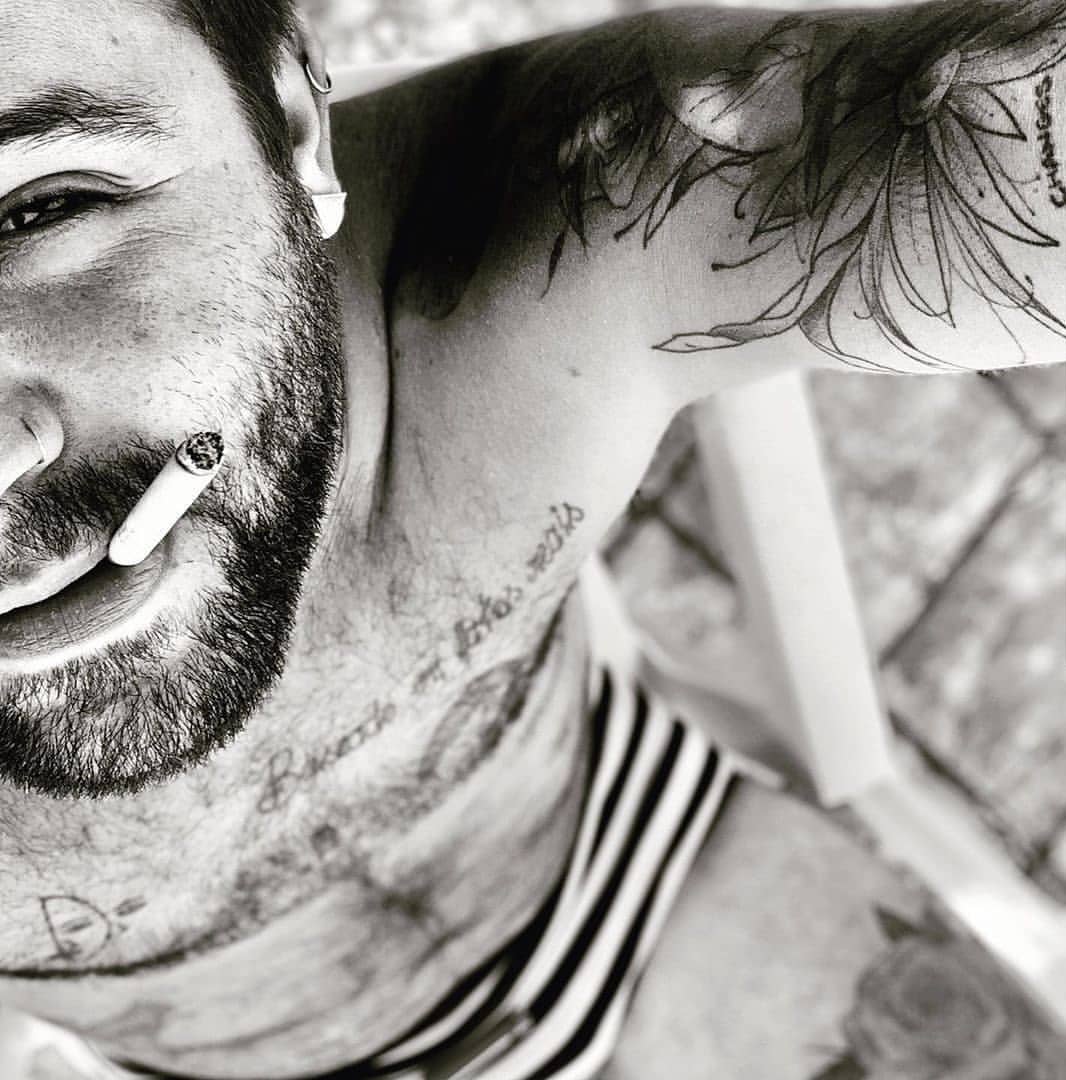
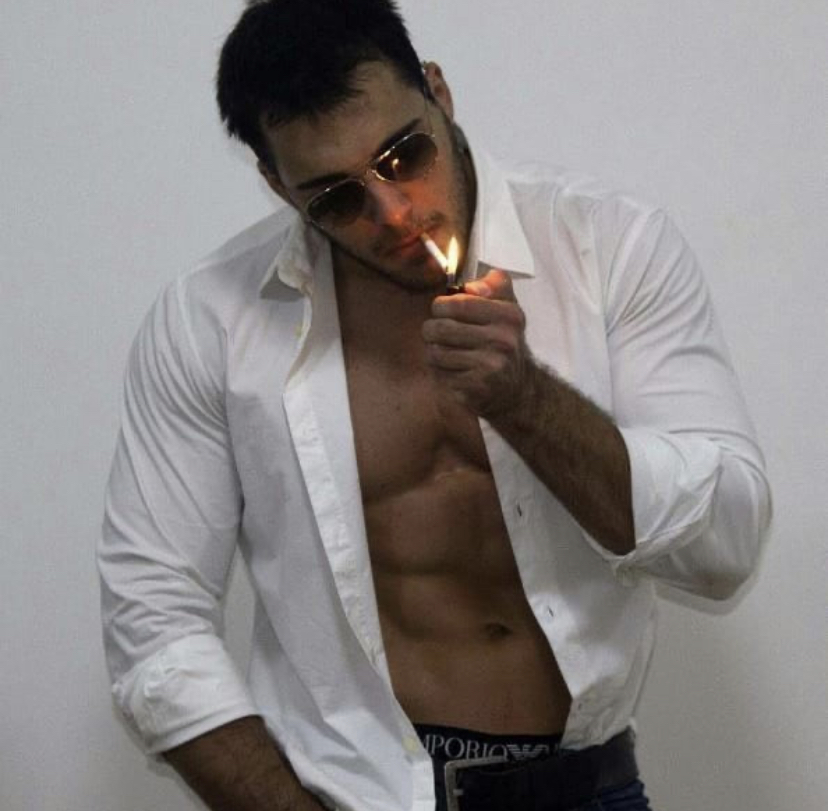
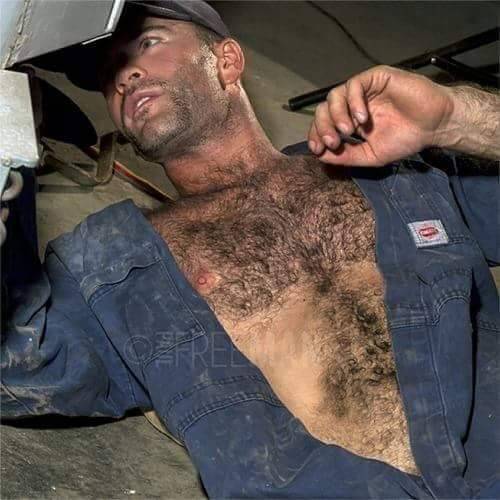
…of a certain age, did not have impure thoughts about this guy when we were growing up?

1 comments
Shitposting since 2005
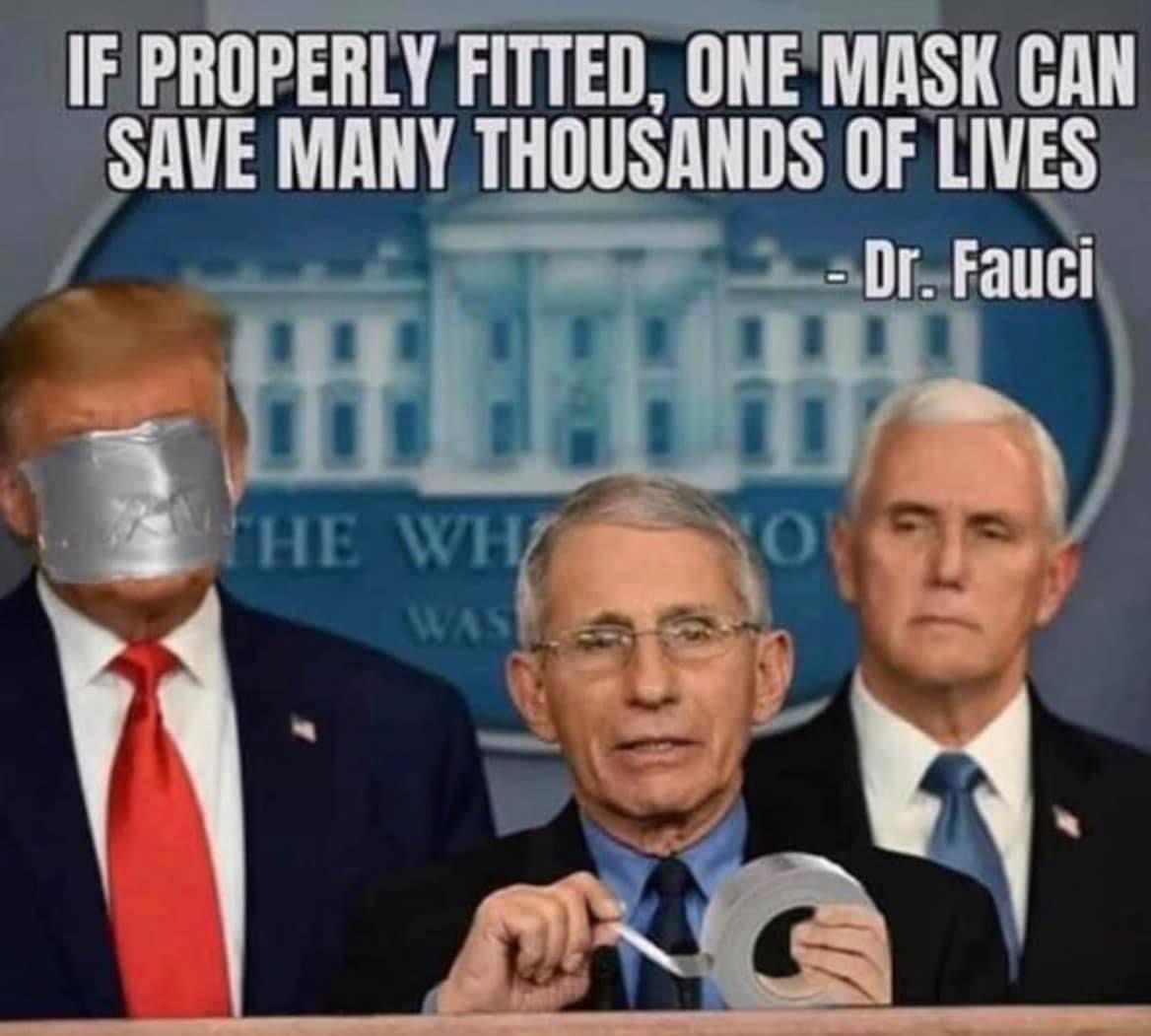
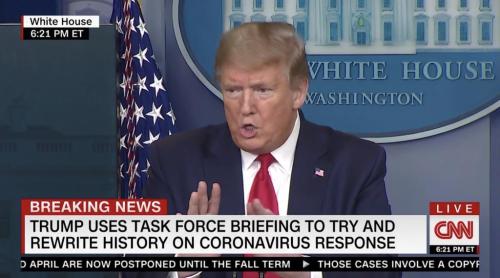
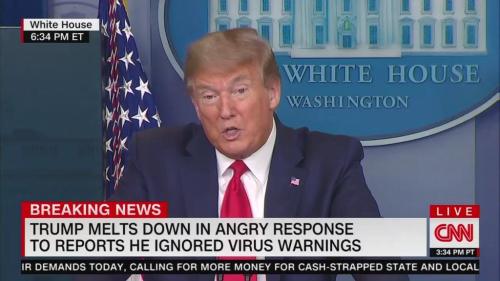
I swear Twitter just needs to just shut down Orange Caligula’s account for violating any number of their Terms of Service. But if the Russian Wig Stand’s call for armed insurrection against the governors of certain states won’t trigger it, nothing will. #complicit
0 comments
0 comments
0 comments
From Wil Wheaton:
America had come together, setting aside all of our own wants and needs, to engage in the single greatest act of human kindness in history. We all stayed home, at great expense and inconvenience, so the most vulnerable among us wouldn’t die a preventable death.
I want you to think about this for a moment, before I continue: there is someone you love, who is at risk of serious infection and death,right now. I am staying home for that person, so you don’t lose someone you love. I am not the only person doing this. You’re doing this. Your family and your neighbors are doing this. We are, all of us, doing this, together, even though it is hard, it is scary, it is frustrating.
But we are doing it, together, because we care about our fellow humans.
A strong, moral, ethical, worthy leader will look at this tremendous sacrifice and ask themselves how they can honor it, how can they keep this going as long as possible, so the sacrifices we’ve made for a few weeks can be extended into months. We are doing this so people do not die.
That bears repeating: we are doing this so people we love do not die a preventable death.
America has the resources to ensure that staying home does not financially ruin anyone who is making this incredible, unprecedented, unselfish sacrifice right now. What America does not have, is the leadership to use those resources.
What America has is a vicious, selfish, incompetent, cruel, abusive, autocratic, impeached president who looked at all this sacrifice, who looked at Americans of all demographics and political beliefs, and saw an entire country setting aside its differences to work together so innocent people — people we love — do not die.
This man looked at that, and saw that it was a threat to his ambitions. Forget for a moment that it is entirely his fault that thousands of preventable deaths have occurred, and just reflect that his impulse is NOT to encourage and comfort millions of people who are scared and stressed out, but to hurt us, to abuse us, to risk our lives and the lives of our loved ones, because that man has no empathy, no compassion, no morality of any kind.
Thirty-three thousand humans have died in America since this pandemic hit our shores. According to scientists, 90% NINETY PERCENT of those deaths would not have happened, if only Trump had listened to experts and taken this seriously. If only Trump was a real leader, with compassion, empathy, and competence, tens of thousands of families would not be mourning the loss of a loved one.
America had come together to fight this. We mustered ourselves quickly and we were ready for a leader to help us take this commitment to join together and focus it, so we could get through this crisis as quickly as possible, with minimal disruption.
But the impeached president and his allies failed us. As they have done all along, they have put their narrow self interests ahead of the interests of the country, and ahead of the value of your life.
He is, right now, celebrating a fake “protest” that was organized and paid for by a right-wing organization controlled by the DeVos family. Right now, he is taking people’s fears and anxieties, and instead of using both the bully pulpit and a working relationship with congress to reassure and help them, he’s pouring gasoline on a fire.
And he is doing it because it’s all he knows how to do. This man doesn’t know how to be a leader. He doesn’t know how to be a human being who cares about others. He looked at an entire country coming together, and his impulse was to tear it apart.
Donald Trump looked at the single greatest act of human kindness in the history of our species, and he felt threatened by it. So he is doing everything he can to destroy it, to destroy us.
And for what? To consolidate his own money and his own power.
Rick Wilson says “everything Trump touches dies”. For tens of thousands of innocent Americans, he’s right.
A leader looks at the best impulses of their people in a crisis, and they celebrate, encourage, and support those impulses. A president cares about protecting their citizens above all else.
Trump is neither of those things. Trump is an abusive despot, out of his depth, incompetent and unqualified.
May history record that, when millions of Americans came together, unselfishly, in the greatest act of human kindness in history, Trump saw a threat to be destroyed.
We are nowhere near the end of this. We are probably not even at the end of the beginning of this. Trump, his fearful supporters, and his angry cultists, are going to make things so much worse than they would have been, because it’s all they know how to do.
What a tragedy.
1 comments
1 comments
0 comments

2 comments
 Only American arrogance would assume they have the monopoly on the world’s ‘dumb’.”
0 comments

0 comments
0 comments

0 comments
capitalists: Wow, ancient cultures were so stupid, sacrificing people to please some invisible sky god. How can you let people die over an imaginary concept? Barbaric.
capitalists: We can’t shut businesses down because of disease! That makes the little line on my stock market app sad!
0 comments
0 comments
I miss this guy from the very pit of my soul.
0 comments
0 comments



0 comments
0 comments
0 comments
0 comments
As usual, John Pavlovitz nails it with an eloquence I could never hope to match:
Ever since the restrictions and cancellations and changes in response to COVID-19 began a few weeks ago (back before we regularly used terms like social distancing, self-isolation, and flattening the curve), we’ve all been asking the same question:
“When will things return to normal?”
They won’t.
Returning to normal, would involve some precise dividing line by which we could cleanly delineate the end of this event and the beginning of something else coming. It would also suggest that if there were such a line, that we could cross it unencumbered without carrying those days with us. That of course is an impossibility. We can’t ever leave anything we experience fully behind, can we?
We’re all walking around with the emotional souvenirs of every day we’ve lived here:
Our experiences all renovate us and reshape us.
We absorb and internalize everything we walk through.
It all gets stored up in our minds and our bodies.
You are the sum total of the blessings and the bruises of this life.
You’re collecting both as we speak.
So today you might want to ask yourself:
How are these days renovating me?
What new thoughts am I thinking?
What old wounds and fears are resurfacing?
How am I different than I was a few weeks ago?
Yes, hopefully soon, the spread of the virus will slow and we’ll see some of the recognizable rhythms of our life return (going to work, to school, or to sporting events—or being able to find toilet paper without selling an organ on the dark web)—but none of those familiar activities will go unchanged and neither will we.
For months we’ll be contending with social distancing, we’ll likely be wearing masks when we’re shopping and working, and large public events will include all kinds of safety protocols we’ve never had to contend with.
We’ll probably approach air travel and general public spaces very differently, being wary or at least more conscious of other people around us.
If we’re responsible human beings, we’ll all have to change our social patterns and use caution and restrain ourselves until vaccines are available.
Many of us will have to find new jobs or alter our spending habits or make adjustments in our lifestyles.
We’ll need to reschedule events and plans that were interrupted and gain professional momentum that we’ve lost.
And we’ll have to do all this—while heading quickly into the most important election in our lifetimes, with all the upheaval and turbulence that will bring.
Maybe normal is a lot to expect.
I was on a video chat with a group of friends last week, and one of them said, “I don’t think we’re prepared for the PTSD counseling we’re all going to need after this is all over”— and she’s right. For a long time we’re going to be unpacking the fear and the grief of this season, from the relational collateral damage of being in close quarters with people or from being separated from them, from the time we’ve lost with those we love, from the anger and resentment we’ve accrued seeing people around us downplay the tragedy or enable it with carelessness, from the widened political fractures.
So, I’m not sure normal (or the way things were) is a possibility.
Instead of worrying about rewinding back to who you used to be before all of this, consider who you’re becoming:
What are you learning about what matters to you?
What are you finding out about yourself?
How are your relationships changing?
What news skills have you acquired?
What old loves have you returned to you?
How are you more aware or appreciative or compassionate because of this?
How are you more fearful or anxious or impatient?
Because the truth is, we don’t have normal, we only have the present.
Yesterday, my ten-year old had one of those aha moments children get so frequently, that she wanted to share with me.
“Daddy,” she said excitedly, “did you know that the the second you say, ‘Now,’ it’s in the past? Now—now—now!” See—that’s already all gone!”
“Yes” I said. “Now is a really difficult place to stay.”
We can’t really pinpoint when this nightmare season began, because it didn’t happen in an instant for us. There were a series of cascading waves of news stories and anecdotal information and announced restrictions, mixed with decisive moments of layoffs or high profile deaths or major cancellations. It all encroached on us steadily but slowly—which is why it isn’t going to simply end suddenly. There is no sharp dividing line between this horrible time and a less horrible coming season. There are just a series realizations and realities and connected moments within this day in which we get to choose.
You’ve been changed by these days and you can’t unchange yourself.
People you know are different and they’re not going back to who they were.
Families have been altered and they’re never going to be the same.
Our communities have been renovated and they can’t be restored to their former condition.
Our nation has been irreparably damaged and a full repair isn’t possible.
Even when we begin to feel something resembling normal—another threat or challenge will come to interrupt our plans and comfort and security and routine—and we’ll have that series of presents to choose within.
So while we’re not going to be the same—we can be better.
We can come through this with a different appreciation for the people we love.
We can find gratitude for the simple joys we’d forgotten were so readily available to us.
We can have a greater compassion for the pain of the people around us.
We can aspire to live more intentionally, given that we recognize how fragile life is.
I’m not sure normal is an option, but if we do this right, we’ll embrace the new abnormal together.
Be present in today—it’s all you have.
0 comments
0 comments

0 comments


1 comments