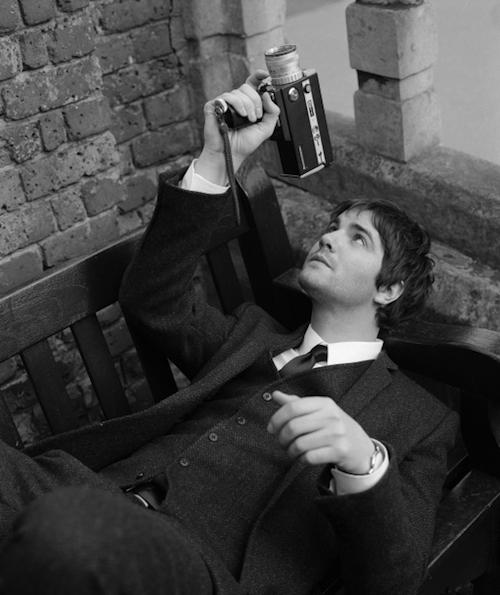
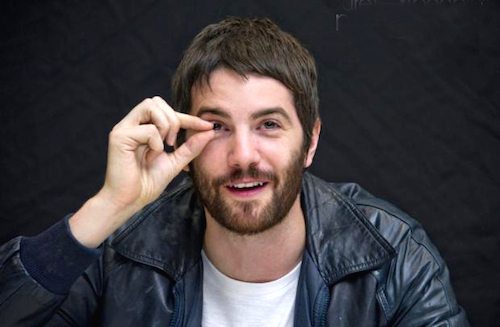
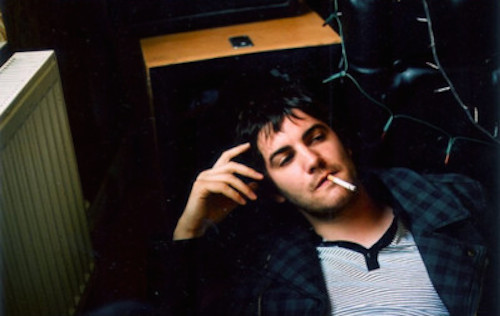
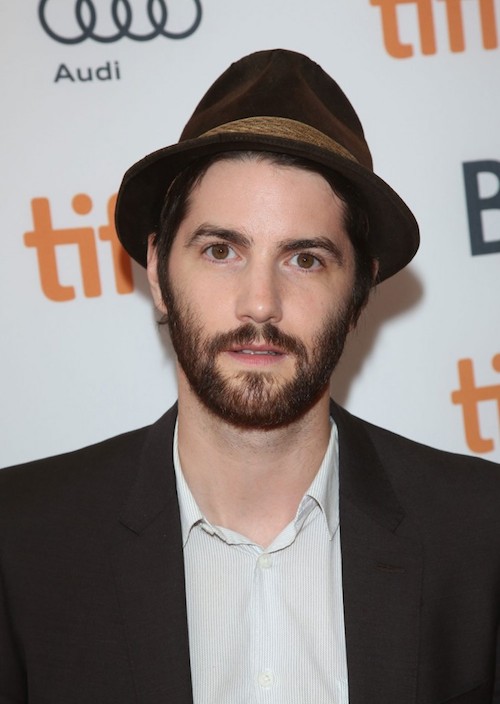
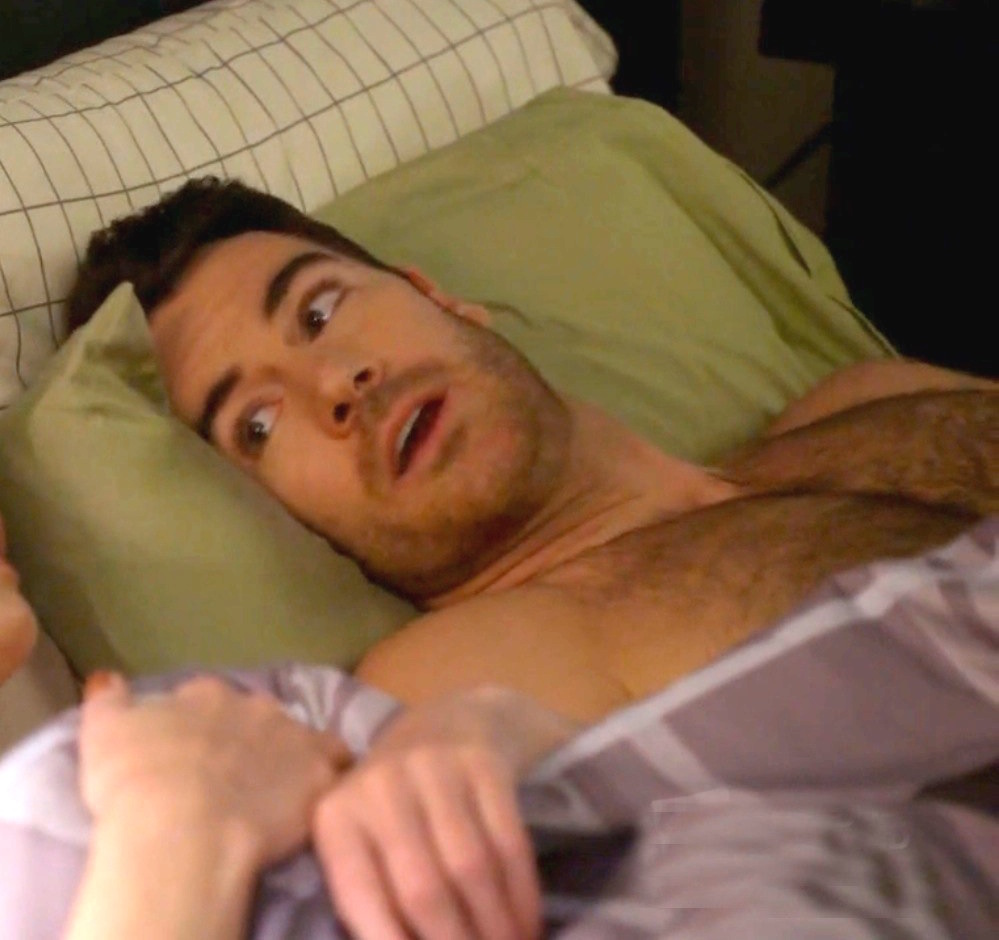
But damn if I wouldn’t pay to see these two go at it.
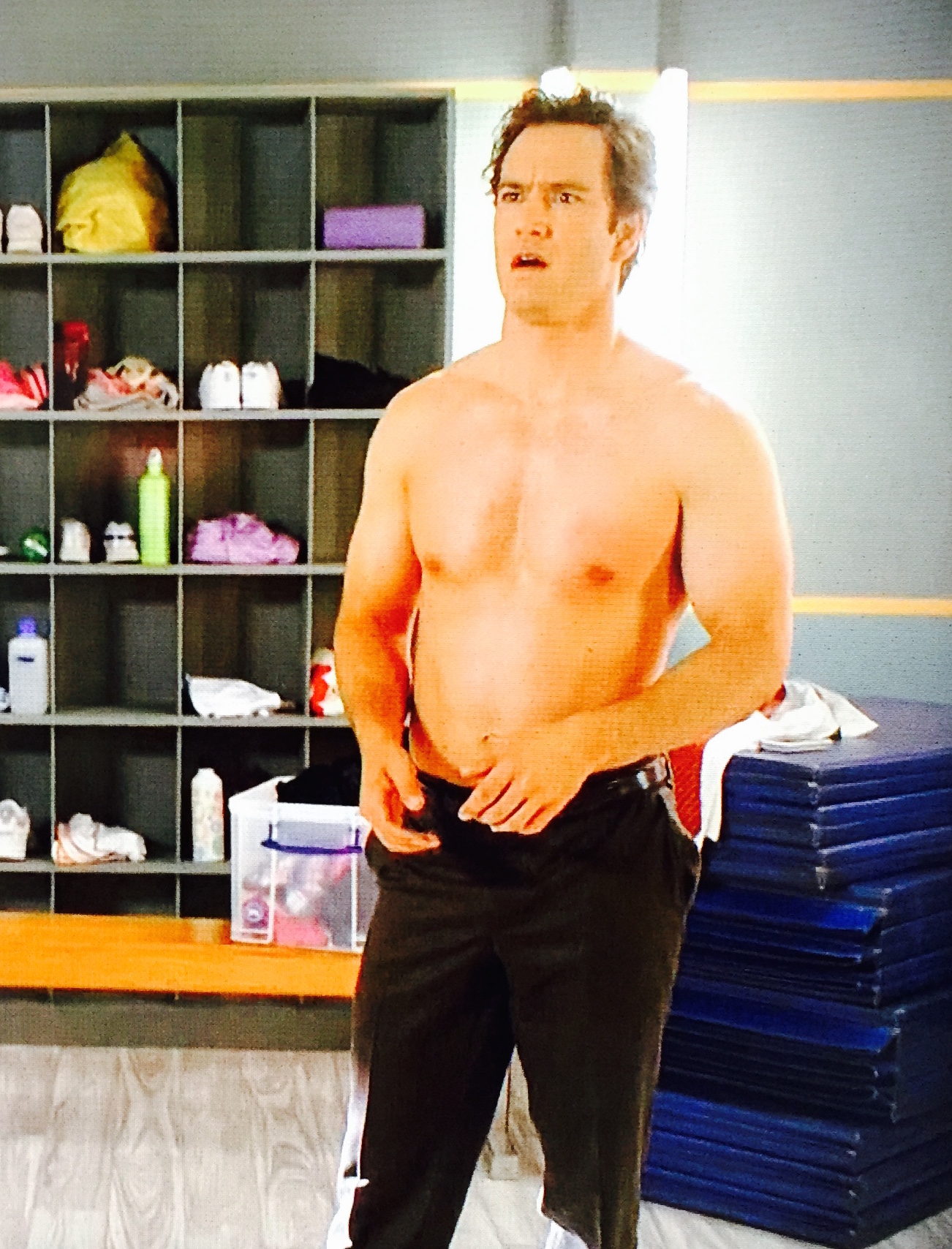
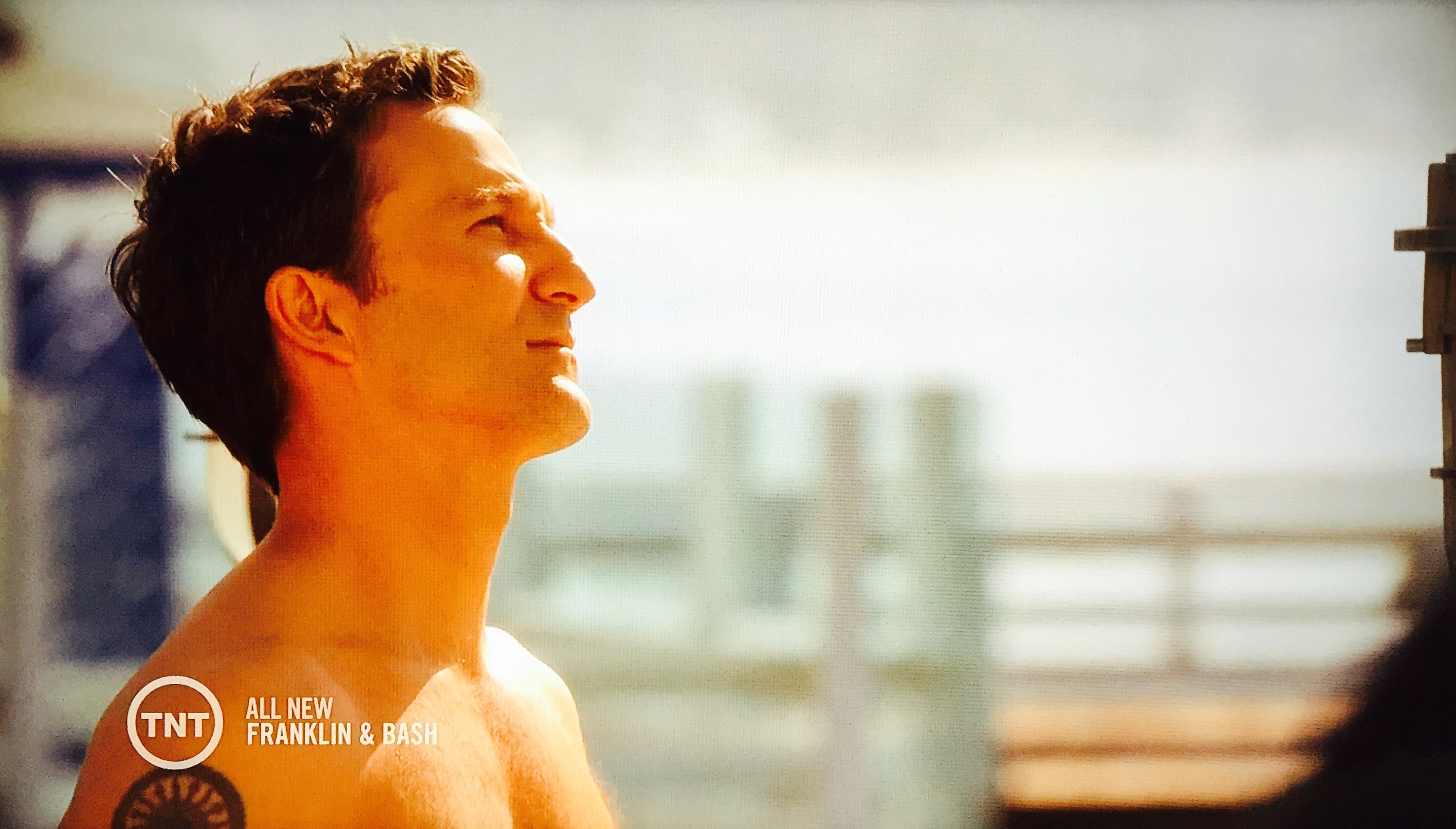
And the whole homoerotic undertone to their on-screen relationship doesn’t help matters either…
0 comments
Shitposting since 2005
But damn if I wouldn’t pay to see these two go at it.
And the whole homoerotic undertone to their on-screen relationship doesn’t help matters either…
0 comments
Via Daring Fireball:
The Washington Post:
FBI Director James B. Comey sharply criticized Apple and Google on Thursday for developing forms of smartphone encryption so secure that law enforcement officials cannot easily gain access to information stored on the devices — even when they have valid search warrants.
I can’t think of a better endorsement of Apple and iOS.
“Apple will become the phone of choice for the pedophile,” said John J. Escalante, chief of detectives for Chicago’s police department. ‘The average pedophile at this point is probably thinking, I’ve got to get an Apple phone.”
Well, that didn’t take long. An even stronger endorsement. The pedophile card is pretty much the last resort for these law enforcement types who feel entitled to the content of our digital devices. Fear mongering with bogeymen and an appeal to base emotions.
0 comments

1 comments
0 comments
Last weekend Ben and I flew down to Phoenix for our very belated wedding reception. Since we got married under the friends/family radar a year ago, we both thought some sort of celebration is due—not only for ourselves, but also for those same friends and family.

Since the vast majority of the people we wanted to share in our special day lived in Arizona, we decided that Macayo’s in Phoenix would be our venue. Since we haven’t had really good Mexican food since we moved to Denver, this was a no-brainer.
Obviously, we went for a Doctor Who theme, but only the die-hard fans got the fez…


I think everyone had a good time…


We had to run a few errands the next day before we left…

And of course we had to visit one of our old (and hopefully future, in 2-3 years) stomping grounds…

Then we met a few of our friends at Lolo’s Chicken & Waffles for brunch before heading to the airport. Absolute heaven…

2 comments
…or are you just glad to see me?
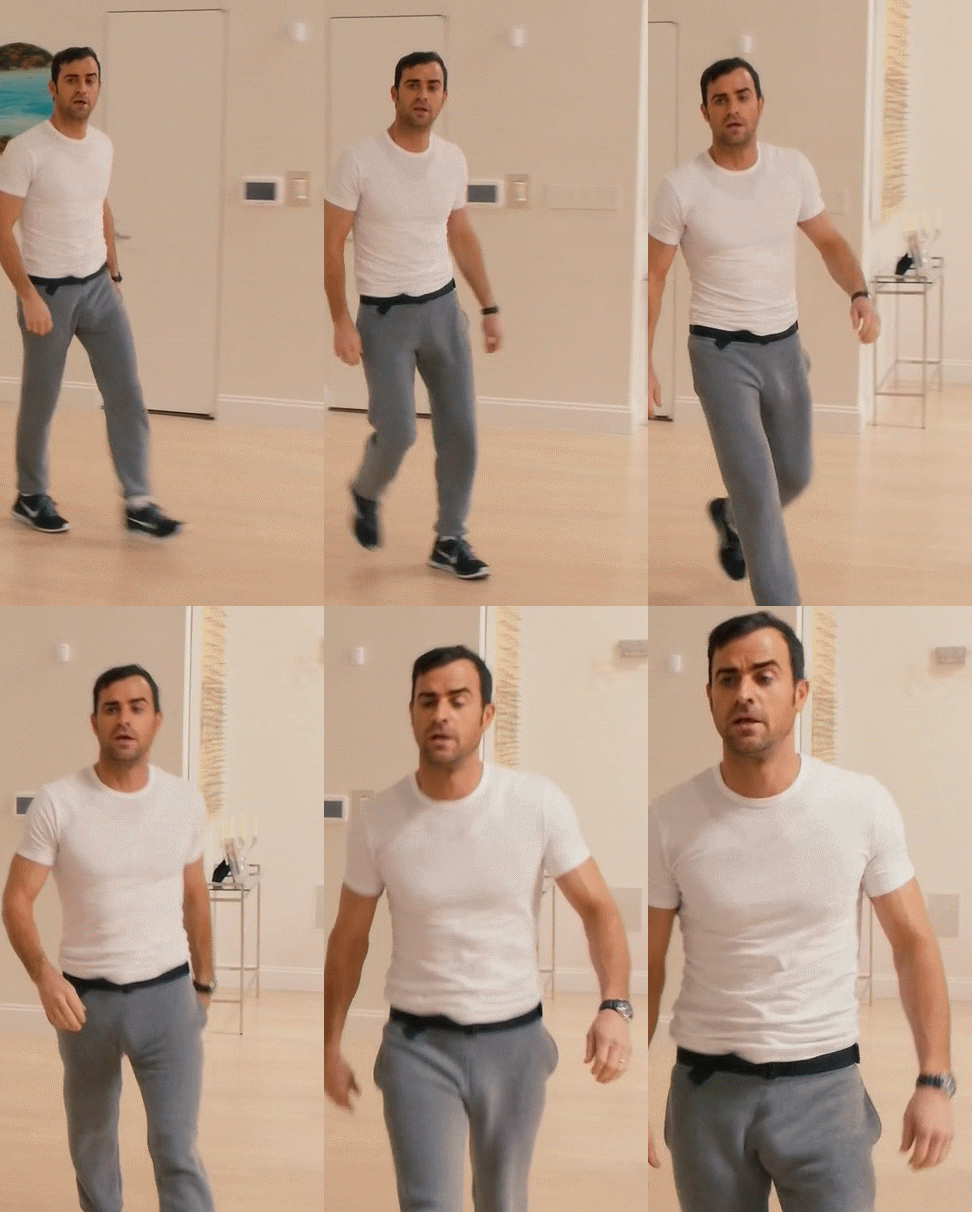
Move over Jon Hamm, there’s a new trouser snake in town.
I’ve said it before and I’ll say it again: Jennifer Aniston is a very lucky woman.
1 comments

I know I’m a little late to the blogging party on this one, but much like Robin Williams’ passing, this one really hurt. I mean, I didn’t know the woman personally, but her humor and outrageousness has been a part of my life since I first heard What Becomes a Legend Most back in 1980. I don’t remember now if I’d heard of Rivers prior to this or not, but once I heard that recording I was hooked.
As the years progressed and her very vocal LGBT advocacy became more and more pronounced, culminating with her famous, “Oh grow up!” line in the midst of the AIDS crisis, she endeared herself to my soul. I still have a copy of her “Can We Talk?” AIDS pamphlet somewhere.
While her humor in these later years at times seemed more pointed, nasty and some may even say—tired—than in the past, I remained a fan. Yes, there were times when I turned off Fashion Police simply because the manufactured venom (obviously jokes written for her, not by her at that point) crossed the line even for my libertine sensibilities, but I never stopped respecting her for all she’d done for the gay community.
You are missed, Joan and gone too soon.
1 comments

1 comments
4 comments

0 comments
I know it’s a problem worthy of a degree in rocket science, but a solid line on the pavement means DO NOT CROSS OVER. It does not mean DO NOT CROSS OVER…unless you’re in a hurry, or DO NOT CROSS OVER…unless you have to get in traffic ahead of someone else, or DO NOT CROSS OVER…unless you weren’t paying attention and need to get off now, or DO NOT CROSS OVER…unless you’re high and don’t even know what the fuck you’re doing.
It means DO NOT CROSS OVER. Period.
Thank you.
1 comments
Call me a glutton for punishment.
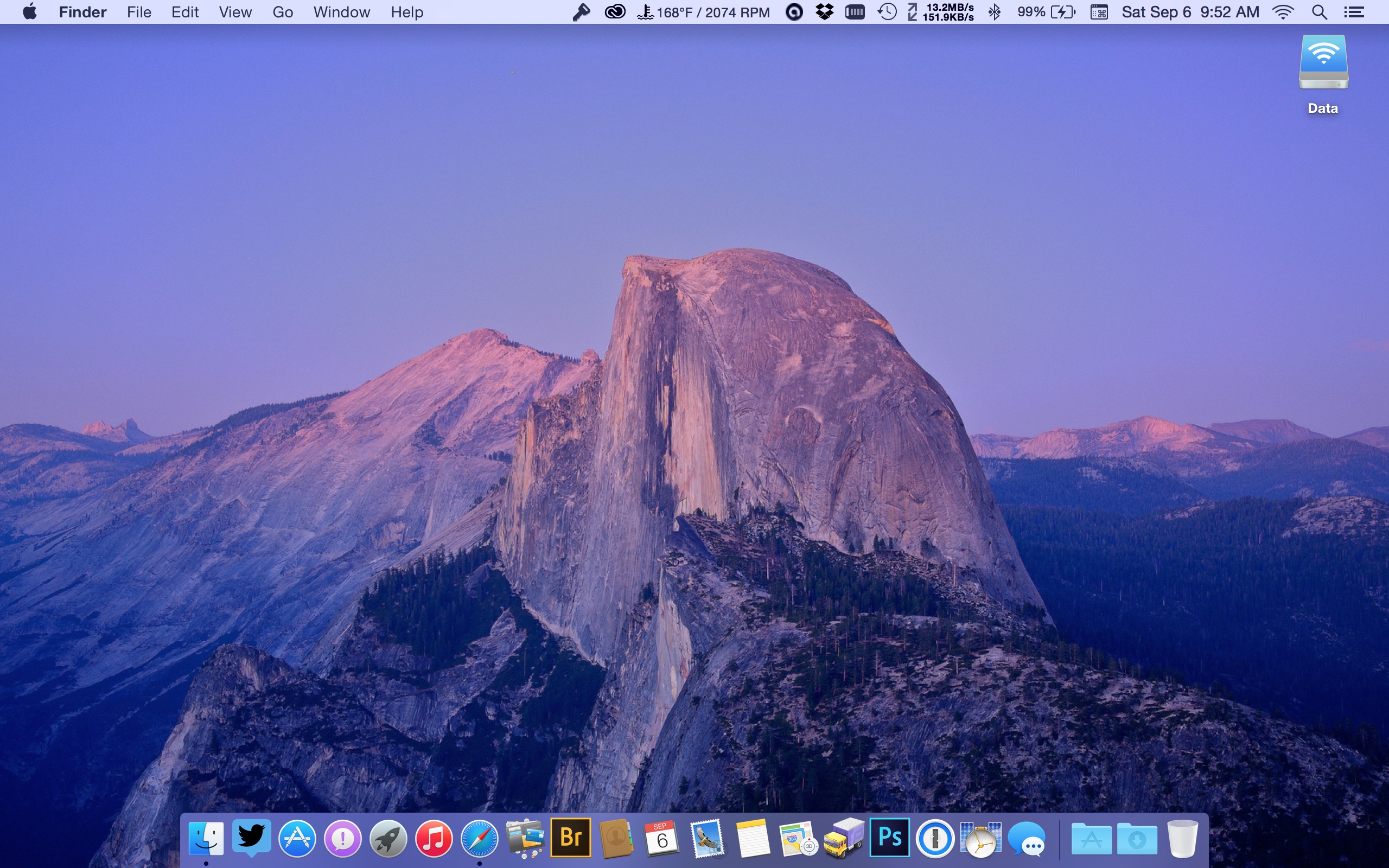
After my initial foray into beta testing Yosemite and having too many issues with the mouse dropping its connection, I returned to Mavericks a couple weeks ago. Yeah, Mavericks was stable, but having seen the beautiful new future Apple was teasing us with, I reloaded the Yosemite Beta, ran the updates and have been using it since. I have to say that the latest release has cleared up most of the problems I was having. I say most because occasionally the bluetooth will still just say, “No, no, no…” and the mouse will disappear, but nowhere near as often as it had been happening previously. Also, the myriad other little bugs I had reported over the course of my testing seem to have been squashed up by the folks at Apple.
An endless source of amusement for me during all this has been the OS X 10.10 forum at MacRumors. Folks are falling into two camps: Yosemite is beautiful, and Yosemite is UGLY.
Personally, I think it’s stunning—and it was the main reason I couldn’t stay away. By comparison, Mavericks now looks old and dated to me.
The ones calling it ugly seem to have no good reason other than the user interface has changed from what it was. But it’s not like Jony Ive took a steamroller, wholesale, to their beloved skeumorphism; there are still plenty of three-dimensional, real-world icons throughout the OS. And ironically, the same ones who are decrying the loss of dimensionality are the same ones who are bitching about the new translucency of certain windows. The ones I really like are the folks who say, “If this is Apple’s view of the future I’m going to Windows!”
Buh-Bye. Don’t let the door hit ya on the way out.
0 comments
“I no longer have patience for certain things, not because I’ve become arrogant, but simply because I reached a point in my life where I do not want to waste more time with what displeases me or hurts me. I have no patience for cynicism, excessive criticism and demands of any nature. I lost the will to please those who do not like me, to love those who do not love me and to smile at those who do not want to smile at me. I no longer spend a single minute on those who lie or want to manipulate. I decided not to coexist anymore with pretense, hypocrisy, dishonesty and cheap praise. I do not tolerate selective erudition nor academic arrogance. I do not adjust either to popular gossiping. I hate conflict and comparisons. I believe in a world of opposites and that’s why I avoid people with rigid and inflexible personalities. In friendship I dislike the lack of loyalty and betrayal. I do not get along with those who do not know how to give a compliment or a word of encouragement. Exaggerations bore me and I have difficulty accepting those who do not like animals. And on top of everything I have no patience for anyone who does not deserve my patience.” ~ Meryl Streep
0 comments
…that I’ve been quiet of late. Not to worry. Ben and I have just moved to new digs and I’ve been too exhausted to even think about posting anything, but regularly scheduled programming will resume shortly.
4 comments

So much for my mouse problems disappearing. There are dangers to being an early adopter.
I considered myself lucky that I hadn’t suffered any of the truly horrendous game over problems being reported by other Yosemite Beta testers in the MacRumors Forums, but the mouse issue I’d previously reported had become intolerable. It had reached the point that not only would it spontaneously disconnect, it was often taking two or three reboots to get it to reattach itself. Way too much trouble.
Time to abandon Yosemite in its current state and revert back to Mavericks.
The reversal process wasn’t a walk in the park. Even though I’d dutifully backed up my Mavericks installation to Time Machine before I loaded the Beta, for some reason after wiping Yosemite and reinstalling Mavericks from scratch, Migration Assistant couldn’t actually use the backup. “No valid volumes found.”
Ugh.
Thankfully I’d used Carbon Copy Cloner to create an image of the entire Mavericks drive around the first of July and was able to successfully restore from that. As for data that’s changed since then, I was able to manually transfer everything back from my latest Yosemite Time Machine backup.
I’ve learned my lesson. I can wait for the general release. October isn’t that far away.
0 comments

0 comments

Depression is something so profound it transcends being a comedian (or even happiness itself). It may even be correlated with the profession. But hearing that Robin Williams—who if only unconsciously we all expected to always be with us—took his own life, does make you step back for a moment and ponder the entirety of the human enterprise.
1 comments
“The absurdity runs deep: America is using American military equipment to bomb other pieces of American military equipment halfway around the world. The reason the American military equipment got there in the first place was because, in 2003, the US had to use its military to rebuild the Iraqi army, which it just finished destroying with the American military. The American weapons the US gave the Iraqi army totally failed at making Iraq secure and have become tools of terror used by an offshoot of al-Qaeda to terrorize the Iraqis that the US supposedly liberated a decade ago. And so now the US has to use American weaponry to destroy the American weaponry it gave Iraqis to make Iraqis safer, in order to make Iraqis safer.
It’s not just ironic; it’s a symbol of how disastrous the last 15 years of US Iraq policy have been, how circuitous and self-perpetuating the violence, that we are now bombing our own guns. Welcome to American grand strategy in the Middle East.”
– Vox: The US bombing its own guns perfectly sums up America’s total failure in Iraq
4 comments
0 comments
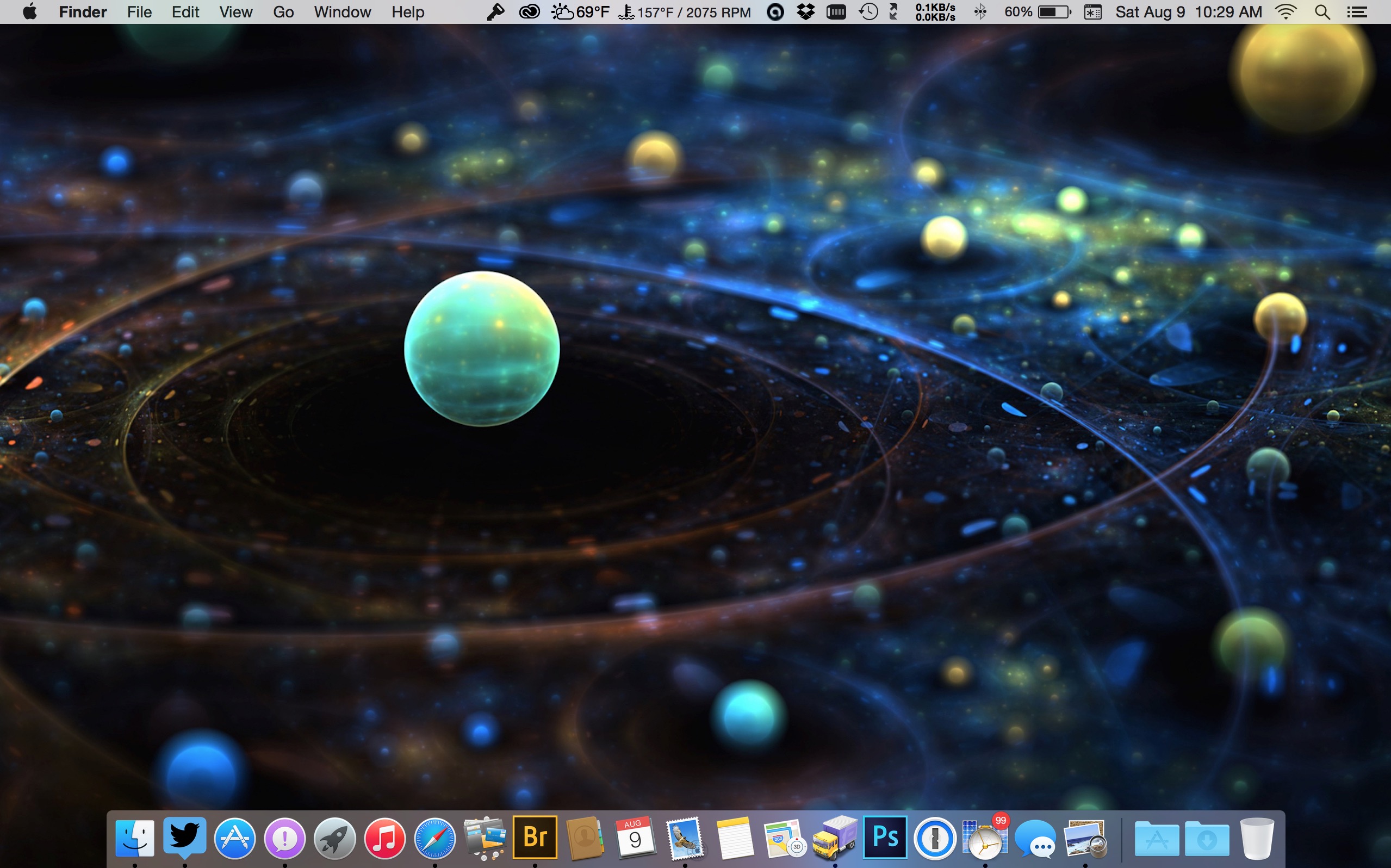
And so far, so good. A few little glitches here and there (all of which I’ve dutifully reported back to Apple) but overall Yosemite has been much more stable than I’d anticipated it would be.
The biggest problem I’ve encountered has been the spontaneous dropping of the connection to my Bluetooth mouse and the subsequent refusal to reconnect, requiring a complete reboot. I’m not a hundred percent sure this wasn’t a problem with the mouse itself, because it the poor thing was four years old and this behavior had been happening occasionally under Mavericks, but to rule out the mouse itself we bought a new one and the problem has disappeared for the most part.
Other issues have been mostly graphics related: items not aligning properly, text overshooting other elements in windows or being cut off, inconsistencies in what is translucent versus what is not from application to application; things that don’t prevent me from productively using the OS, but definitely need to be addressed before this is shipped.
In short, I’m still very impressed what Apple has done here.
0 comments
Last night I dreamt that I met George Takei and Elton John (although not at the same time). I think William Shatner was also there for a moment, but only making bitchy comments toward George.
Elton was working as a waiter in a restaurant to raise money for some charity. He gave me his phone number and told me to call him to talk about music.
0 comments
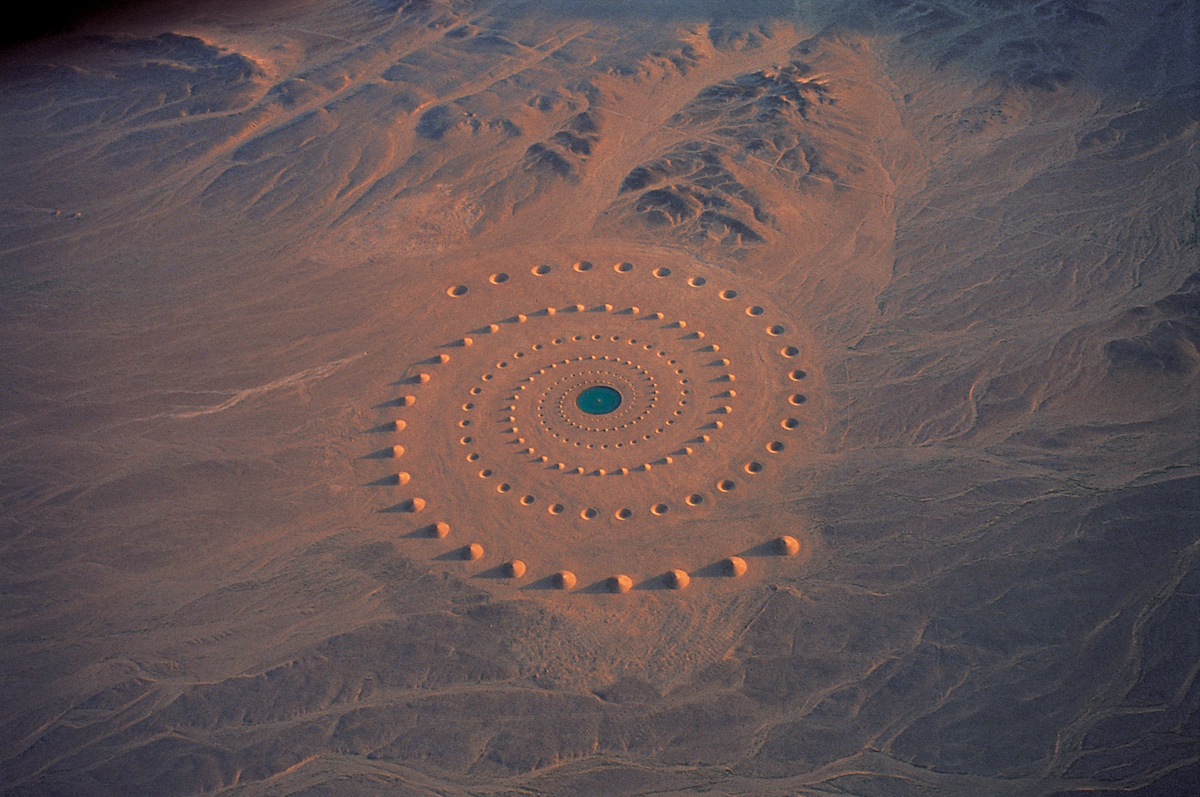
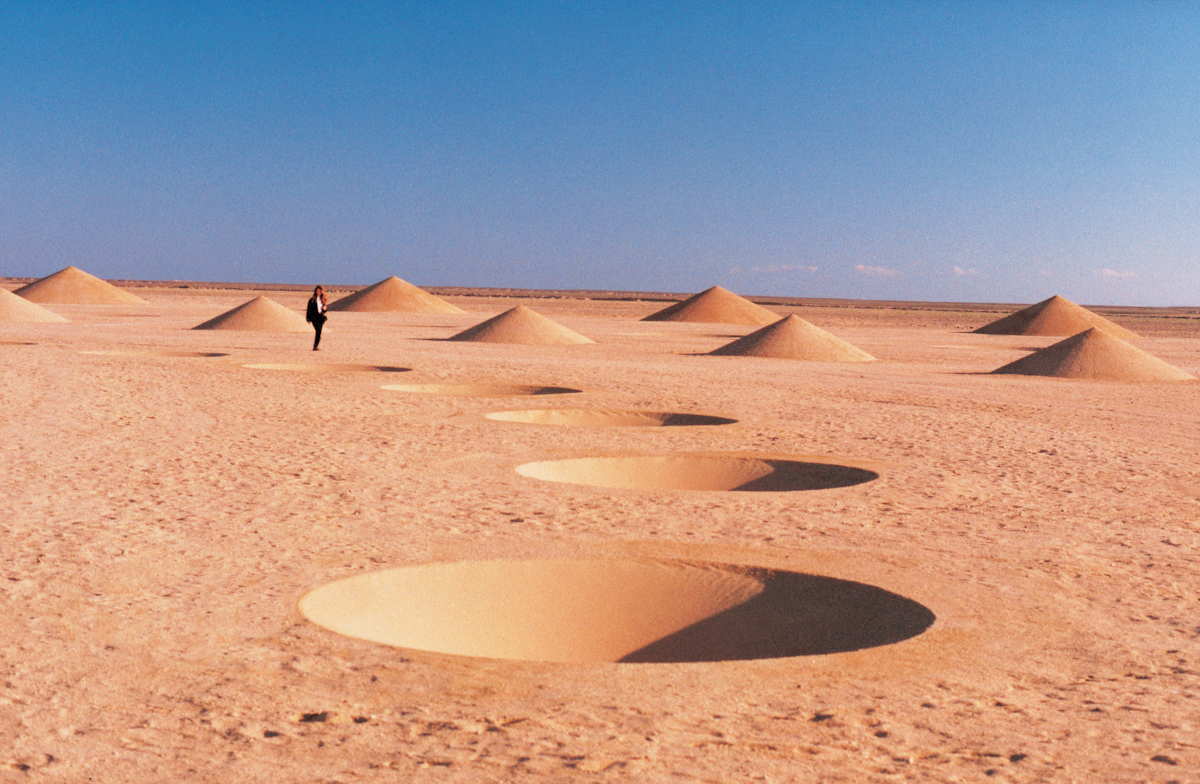
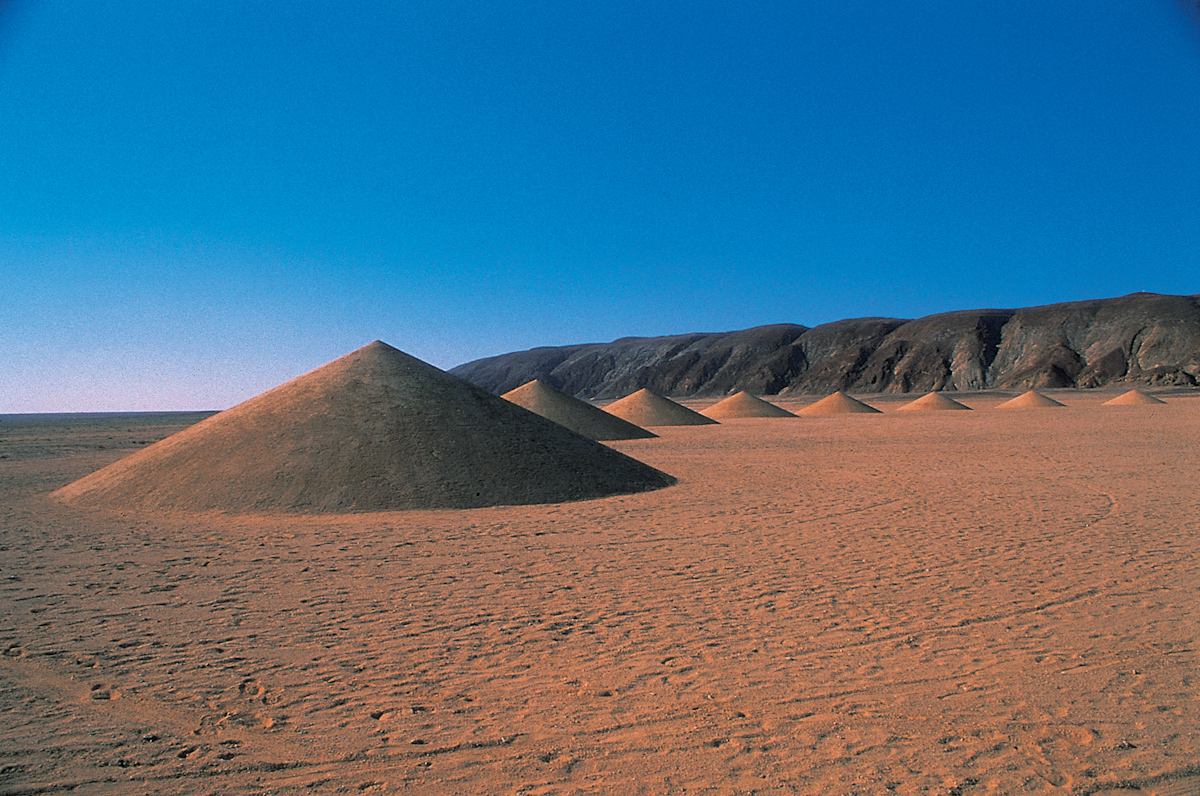
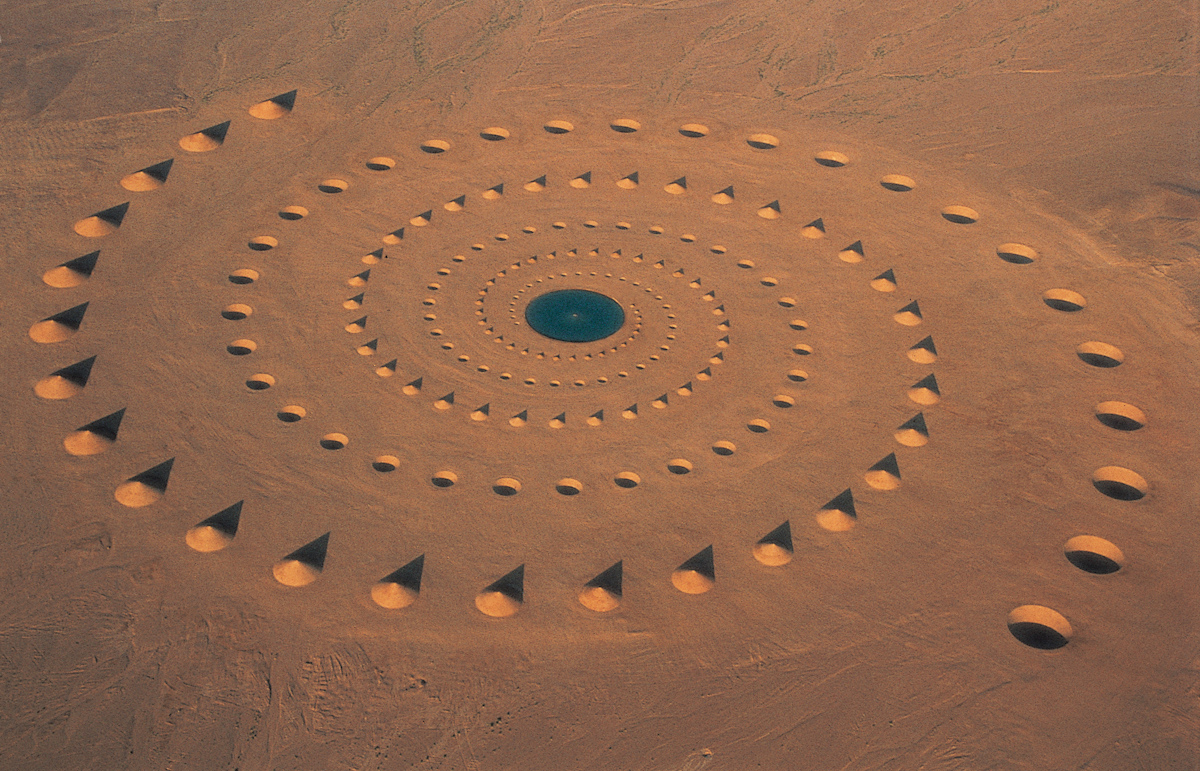
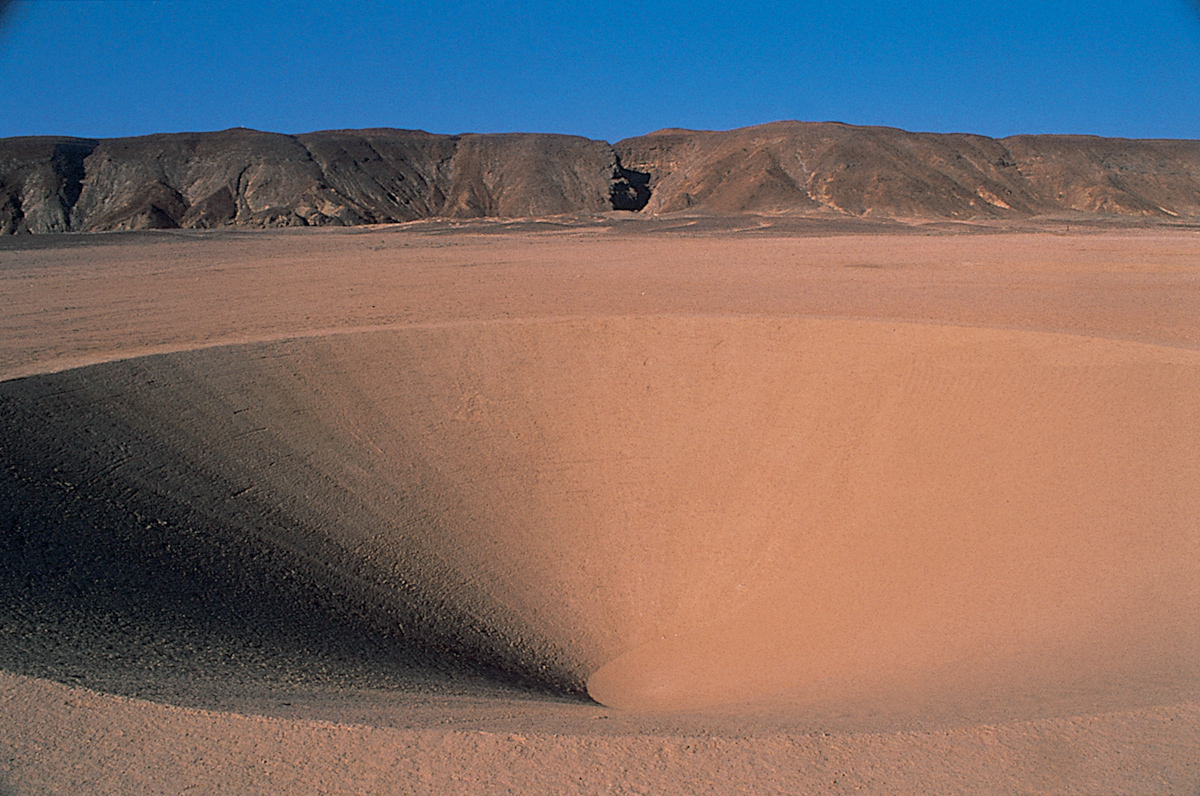
Located near the Red Sea in El Gouna, Egypt, Desert Breath is an impossibly immense land art installation dug into the sands of the Sahara desert by the D.A.ST. Arteam back in 1997. The artwork was a collaborative effort spanning two years between installation artist Danae Stratou, industrial designer Alexandra Stratou, and architect Stella Constantinides, and was meant as an exploration of infinity against the backdrop of the largest African desert. Covering an area of about 1 million square feet (100,000 square meters) the piece involved the displacement of 280,000 square feet (8,000 square meters) of sand and the creation of a large central pool of water.

0 comments