
We came so close to getting this right. And FAILED.
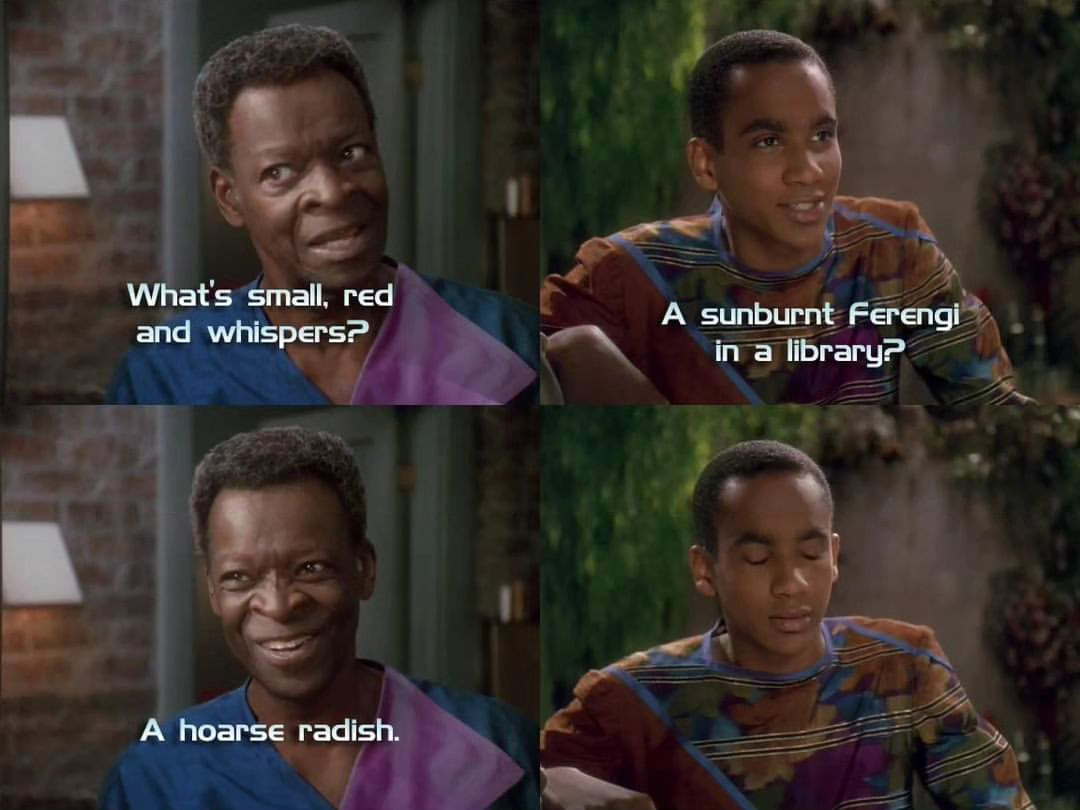
Trek Dad Joke
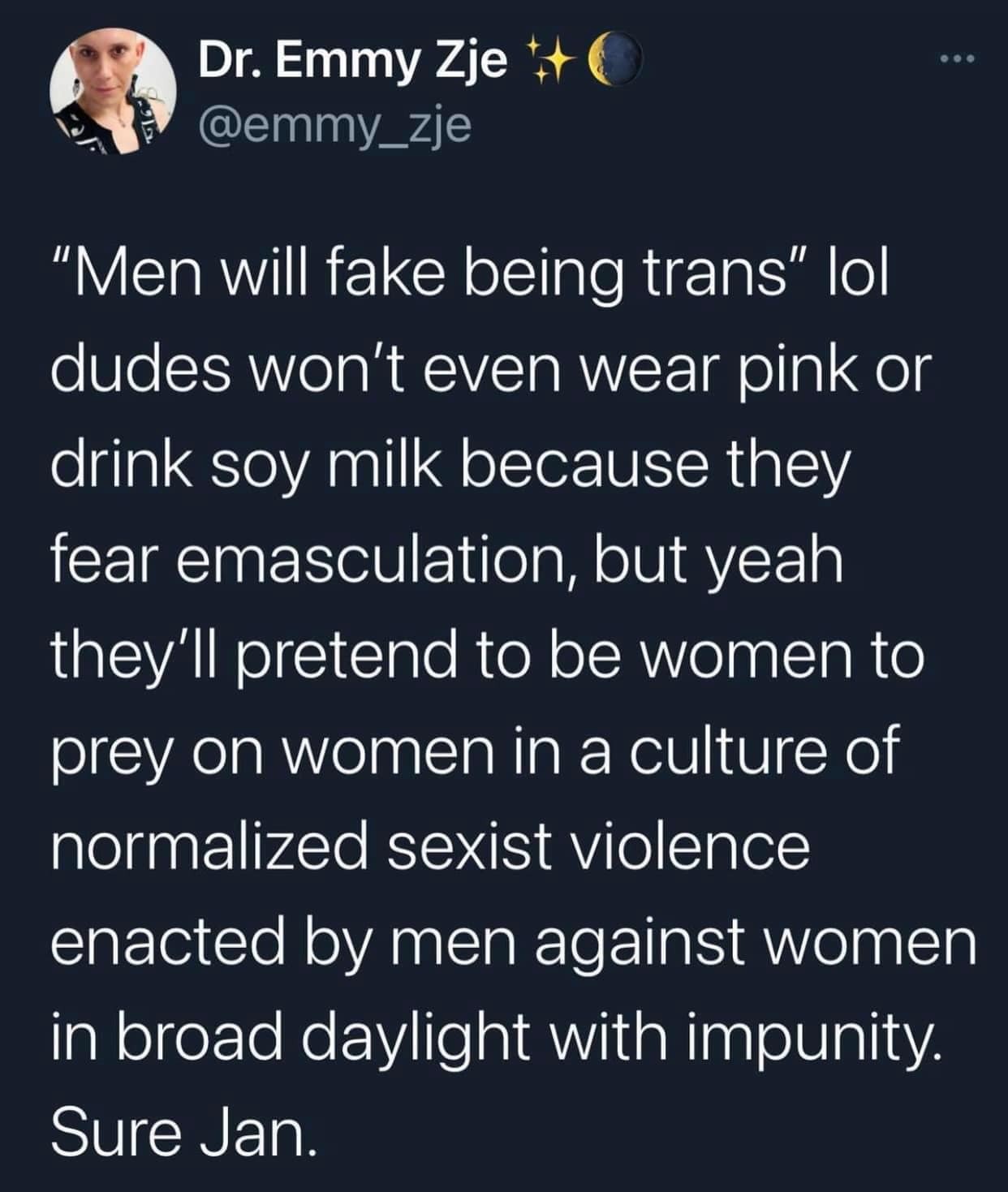
Do They Even Realize How Asinine They Sound?
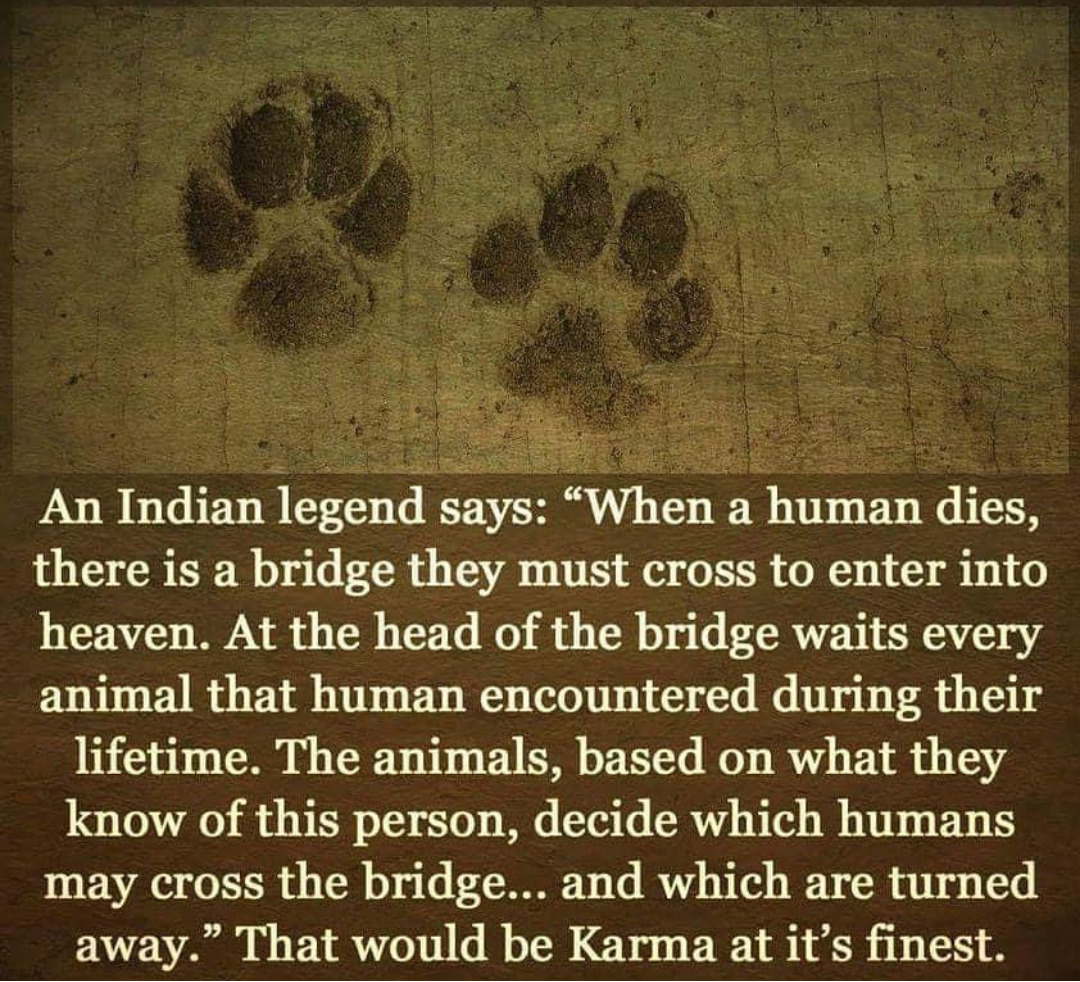
Yes It Would!
Viruses Of The Mind
From Infidel753:
Viruses are the simplest of all living things. Indeed, it’s questionable whether they should be considered “living” at all. A virus does not eat, breathe, digest, or perform any other of the organic functions of such true organisms as animals, plants, or bacteria. It consists of a string of DNA (or, in the case of retroviruses, RNA) within a protein shell. It cannot even reproduce without a host cell to parasitically exploit. Once inside the host cell, the virus DNA insinuates itself into the cell’s own DNA, and diverts the functioning of the cell’s internal machinery to produce copies of the virus. A virus is not so much a living thing as a packet of pure information—including instructions for replicating itself, and for modifying the behavior of the host organism in ways which will spread the virus (coughing, sneezing, etc).
Computer “viruses” work in much the same way and are thus aptly named. A computer virus is not even a material object but a series of electronic codes—again, it is a packet of pure information, usually including instructions which force the host computer to create new copies of the virus and spread them to other computers, just as a conventional virus uses a living host cell.
DNA and the systems which transcribe it, and electronic computers, are both information-processing systems. Viruses are parasites, entities composed of information rather than flesh and blood, which exploit such systems. As with conventional parasitism, this process usually inflicts substantial harmful effects upon the host cell or host computer, whose internal systems are perverted away from their normal functions to serve the aim of virus replication and spread.
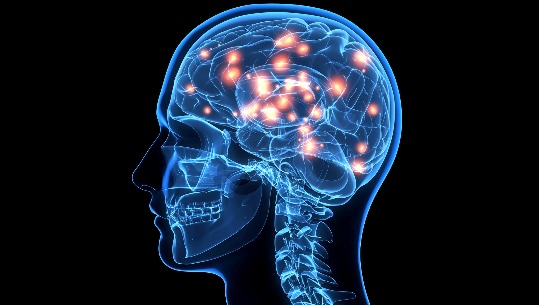
The human mind is also an information-processing system. And it too has its viruses.
Consider religion, especially proselytizing religion. When this virus infects a human mind, it perverts the workings of that mind away from its normal function as part of that human’s system for maintaining a happy, satisfying life. Healthy sexual feelings are re-interpreted as “sin”. Irrational beliefs and bizarre, self-sacrificing behavior develop as the instructions from the invading ideological virus override natural mental processes. Like a cell which ruins itself by creating countless copies of the virus that infected it, and spreading them to other cells, the human whose mind is “infected” with a proselytizing religion often becomes fanatically dedicated to spreading the infection to others, even at the expense of his own safety and well-being. He becomes a host, a toolfor the information parasite, serving the purpose of its spread rather than the advancement of his own natural desires.
Several such mind-viruses—Christianity, Islam, fascism, Marxism—have evolved and spread successfully. Some human minds afflicted with these information parasites develop only mild cases (natural immunity due to better education or higher intelligence, perhaps), while others soon progress to the full-blown “fanatic” stage in which the virus is most effectively spread.
A broad education, including knowledge of science and critical thinking and exposure to a wide range of ideas, is the best “vaccine” we have against such mental viruses. Another defense is social environments hostile to their spread — the equivalent of public sanitation, which discourages the spread of conventional diseases. In this case, the protective social environment is one of cultural pluralism. Exposure to a wide range of cultures and ideas tends to render a human mind less susceptible to being completely taken over by any single idea (even if the variegated idea systems are all religious ones, the effect can still work). This does not mean that multiple cultures must be physically present. Japan is very mono-cultural by Western standards, but its people are constantly exposed to other cultures via the media, film and TV, the internet, etc.
Over the last couple of centuries, improved hygiene, vaccines, and other medical innovations have massively reduced the threat posed by infectious disease — to the point where diseases like AIDS or covid, which probably would have passed literally unnoticed any time before 1800, now register to us as major threats because the epidemic diseases that once routinely killed 10% to 20% of whole populations at a time are mostly under control or even effectively extinct. Rising levels of religious non-belief in Europe, the US, Latin America, and even the Middle East show that we’re making similar progress against mind-viruses. It is still hard to imagine a world without religion, but a few generations ago it would have been hard to imagine a world without smallpox. We can do this.
Monday

365 Days of UNF: Day 233










Sunday Evening

This Weather Cannot Come Soon Enough

Josh Edgoose | 10 Miles West
When Your Uber Driver Gives You That Look…

…you know there’s gonna be an unscheduled stop before you get to your destination.
In Case Anyone Needs Reminding…

Dark Brandon Strikes Again! ?

You can’t make this shit up!
Sunday Joke?
• An Oxford comma walks into a bar, where it spends the evening watching the television, getting drunk, and smoking cigars.
• A dangling participle walks into a bar. Enjoying a cocktail and chatting with the bartender, the evening passes pleasantly.
• A bar was walked into by the passive voice.
• An oxymoron walked into a bar, and the silence was deafening.
• Two quotation marks walk into a “bar.”
• A malapropism walks into a bar, looking for all intensive purposes like a wolf in cheap clothing, muttering epitaphs and casting dispersions on his magnificent other, who takes him for granite.
• Hyperbole totally rips into this insane bar and absolutely destroys everything.
• A question mark walks into a bar?
• A non sequitur walks into a bar. In a strong wind, even turkeys can fly.
• Papyrus and Comic Sans walk into a bar. The bartender says, “Get out – we don’t serve your type.”
• A mixed metaphor walks into a bar, seeing the handwriting on the wall but hoping to nip it in the bud.
• A comma splice walks into a bar, it has a drink and then leaves.
• Three intransitive verbs walk into a bar. They sit. They converse. They depart.
• A synonym strolls into a tavern.
• At the end of the day, a cliché walks into a bar – fresh as a daisy, cute as a button, and sharp as a tack.
• A run-on sentence walks into a bar it starts flirting. With a cute little sentence fragment.
• Falling slowly, softly falling, the chiasmus collapses to the bar floor.
• A figure of speech literally walks into a bar and ends up getting figuratively hammered.
• An allusion walks into a bar, despite the fact that alcohol is its Achilles heel.
• The subjunctive would have walked into a bar, had it only known.
• A misplaced modifier walks into a bar owned by a man with a glass eye named Ralph.
• The past, present, and future walked into a bar. It was tense.
• A dyslexic walks into a bra.
• A verb walks into a bar, sees a beautiful noun, and suggests they conjugate. The noun declines.
• A simile walks into a bar, as parched as a desert.
• A gerund and an infinitive walk into a bar, drinking to forget.
• A hyphenated word and a non-hyphenated word walk into a bar and the bartender nearly chokes on the irony
– Jill Thomas Doyle
Ohhhh…That Explains It
As A New Week Dawns…

The Wealthy Have NEVER Lived Like The Rest Of Us



Click to embiggen.
Appropriate Venue for ANYTHING Regarding Hunter Biden That Comes From The Republicans

Enough Of This Shit!



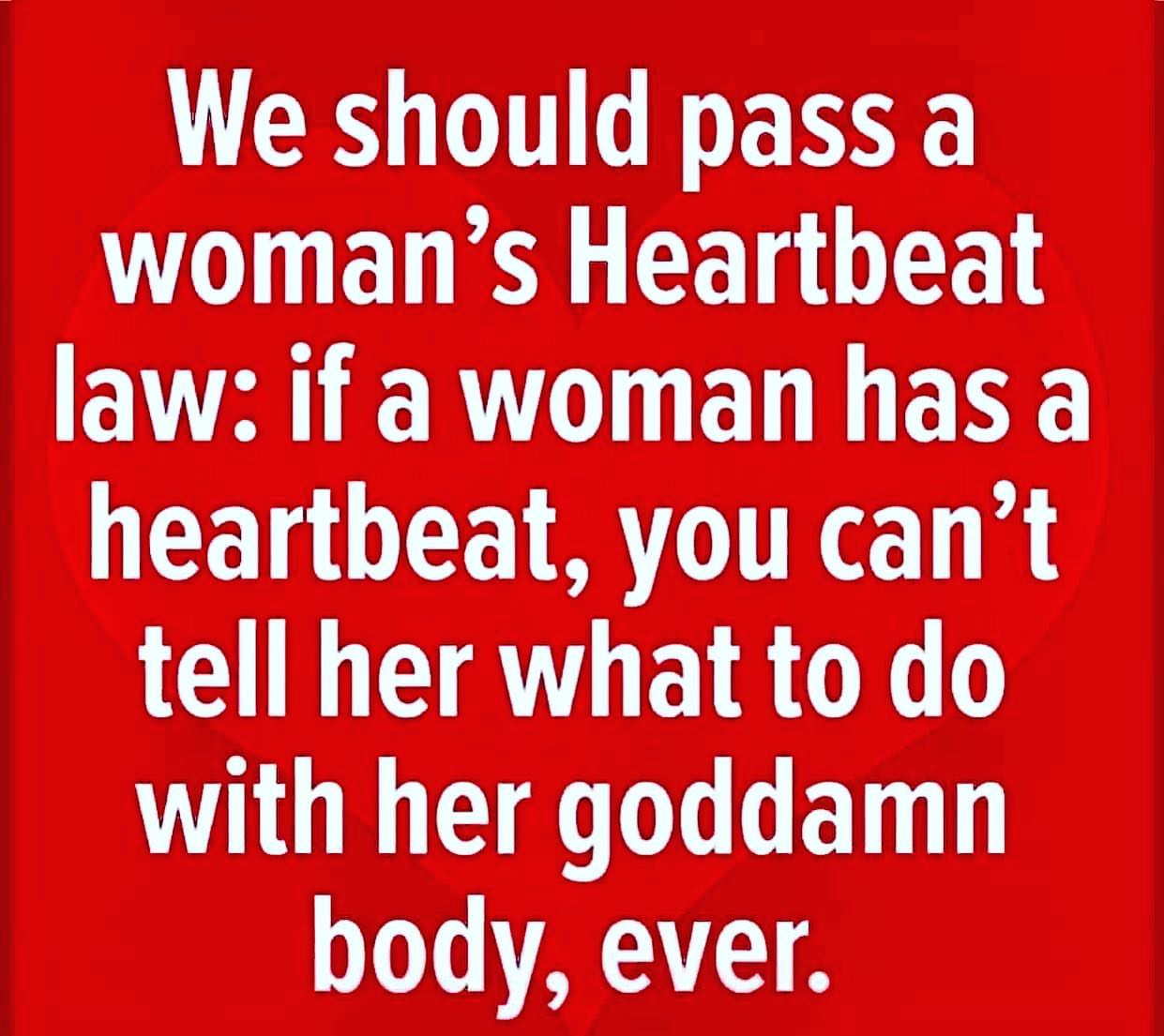

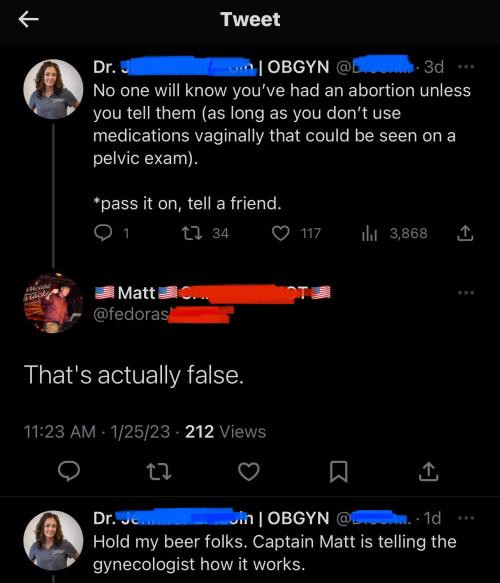





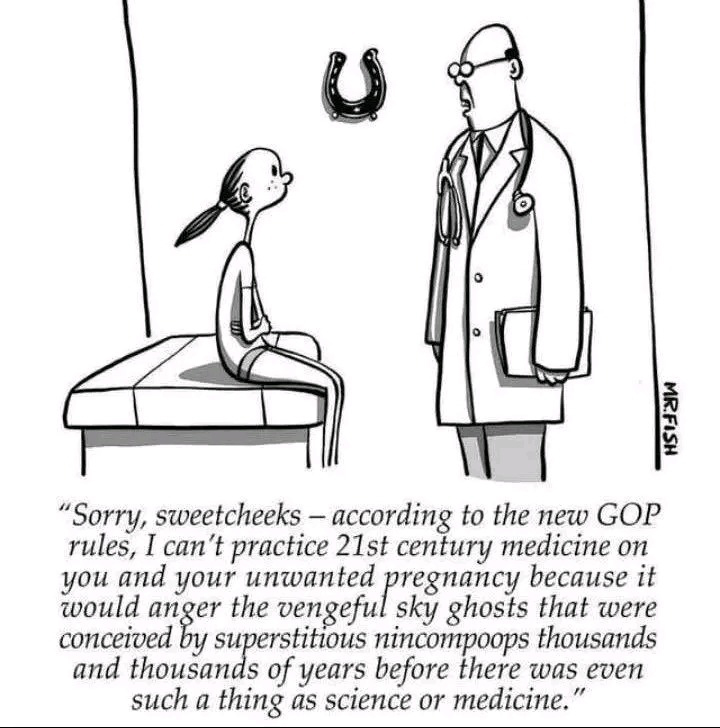
No Lie Detected
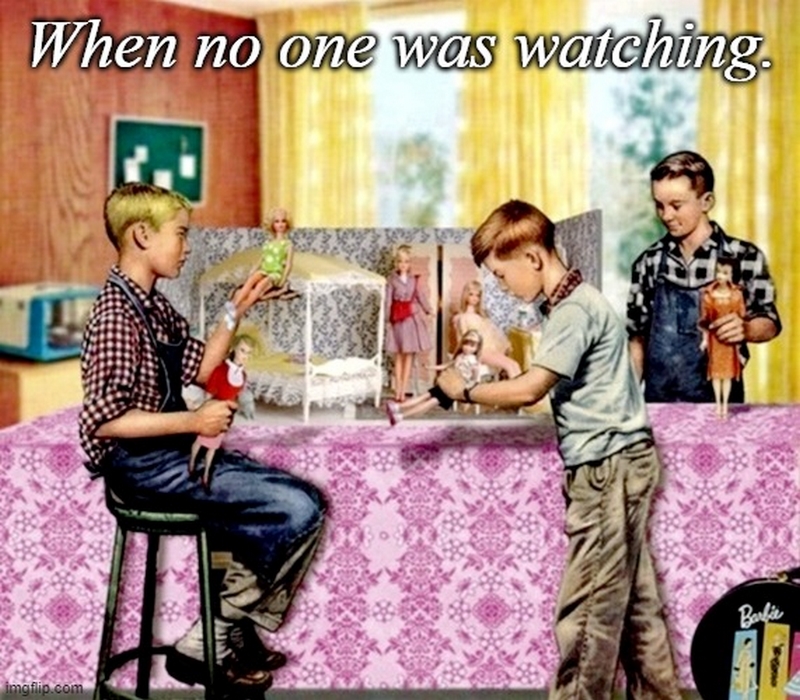
I’m Going With the Latter

Not To Mention Life Post 2016 in General…

Totally Oblivious

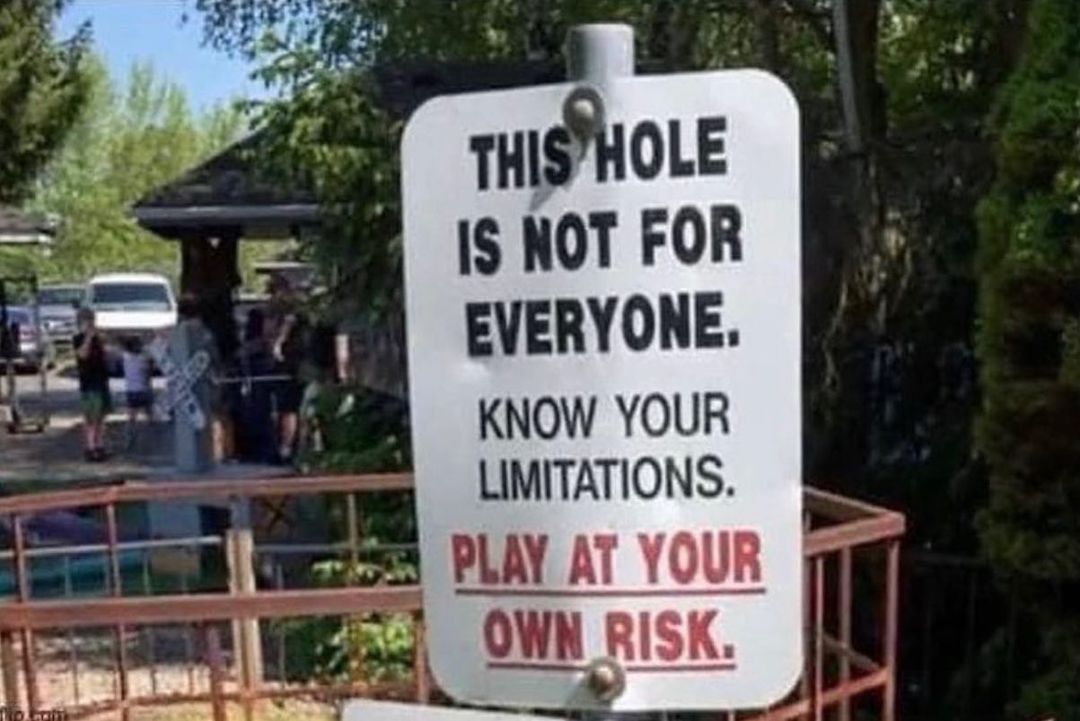
Play At Your Own Risk

















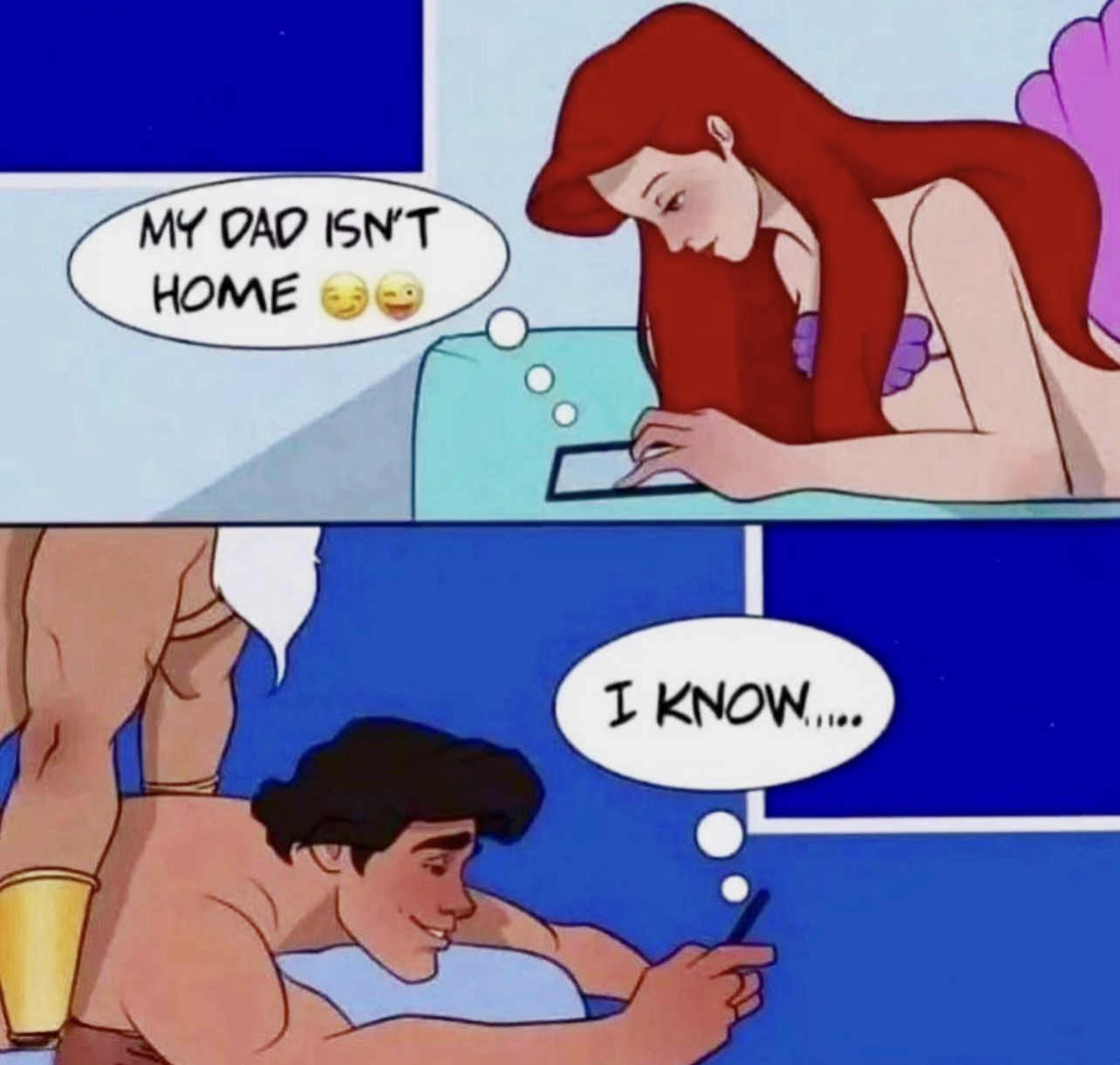
Wanna Ride?

Get In There






























Pitchers!










And Cats Laying Down With Dogs, and Who Knows What Else?

Impressive Skills
Yeah, yeah, I know it’s “just” Photoshop, but it’s still impressive the level of skill the artist uses to restore this old photograph. It’s equally impressive the level of genertive AI that’s used to recreate the missing parts of the childrens’ faces.
? ? ?
Is There No Line He Can’t Cross Without Being Held Accountable?