

Released 41 Years Ago Today
Alec R. Constandinos: Romeo & Juliet (1978)
So many memories attached to this one, but the one that stands out the most was taking the record into Jerry’s Audio in Phoenix (one of many high end audio stores at the time) and having it played through a pair of Gale401‘s. At the time the Gales were my dream speakers, priced somewhere in the stratosphere and completely unobtainable on my $2.75/hour Broadway Southwest Sales Associate budget, but to my young ears (that could actually easily still hear to 20kHz!), they sounded even better than the JBL L100s. I knew all the salesmen at Jerry’s and one of them (a notorious hard rocker) came running into the listening room yelling, “What is this disco shi…” He stood there for a minute listening and finally said, “Damn, that sounds good.” Romeo & Juliet was supposedly one of the first records mixed down from a 48-track master and even today it does sound damn good.

365 Days of UNF: Day 16



Unnecessary
 One of the movies we didn’t get a chance to see when it came out last summer because of financial constraints was Solo: A Star Wars Story.
Based on the reviews I’d read, I took the fact that I missed seeing it when it was in the theaters as a blessing in disguise. When it appeared on BlueRay a few weeks ago I briefly considered purchasing a copy, but again lack of funds prevented me from doing so.
It appeared on Netflix a few nights ago.
I was not impressed. In my opinion it wasn’t so much a bad movie as simply an unnecessary one in the Star Wars pantheon. Yeah it provided backstory of how Han and Chewbacca met, how he won the Millennium Falcon from Lando Calrissian, and provided the expected stunning special effects and action sequences, but I came away thinking, “They went to a hell of a lot of trouble making this film simply to explain away a stupid technical error—Han’s bragging that he “made the Kessel Run in less than twelve parsecs” (a parsec being a unit of distance, not time) in the original Star Wars film.
Maybe it’s just the curmudgeon in me, but I’m starting to believe there can actually be too much Star Wars; that the magic is being diluted.
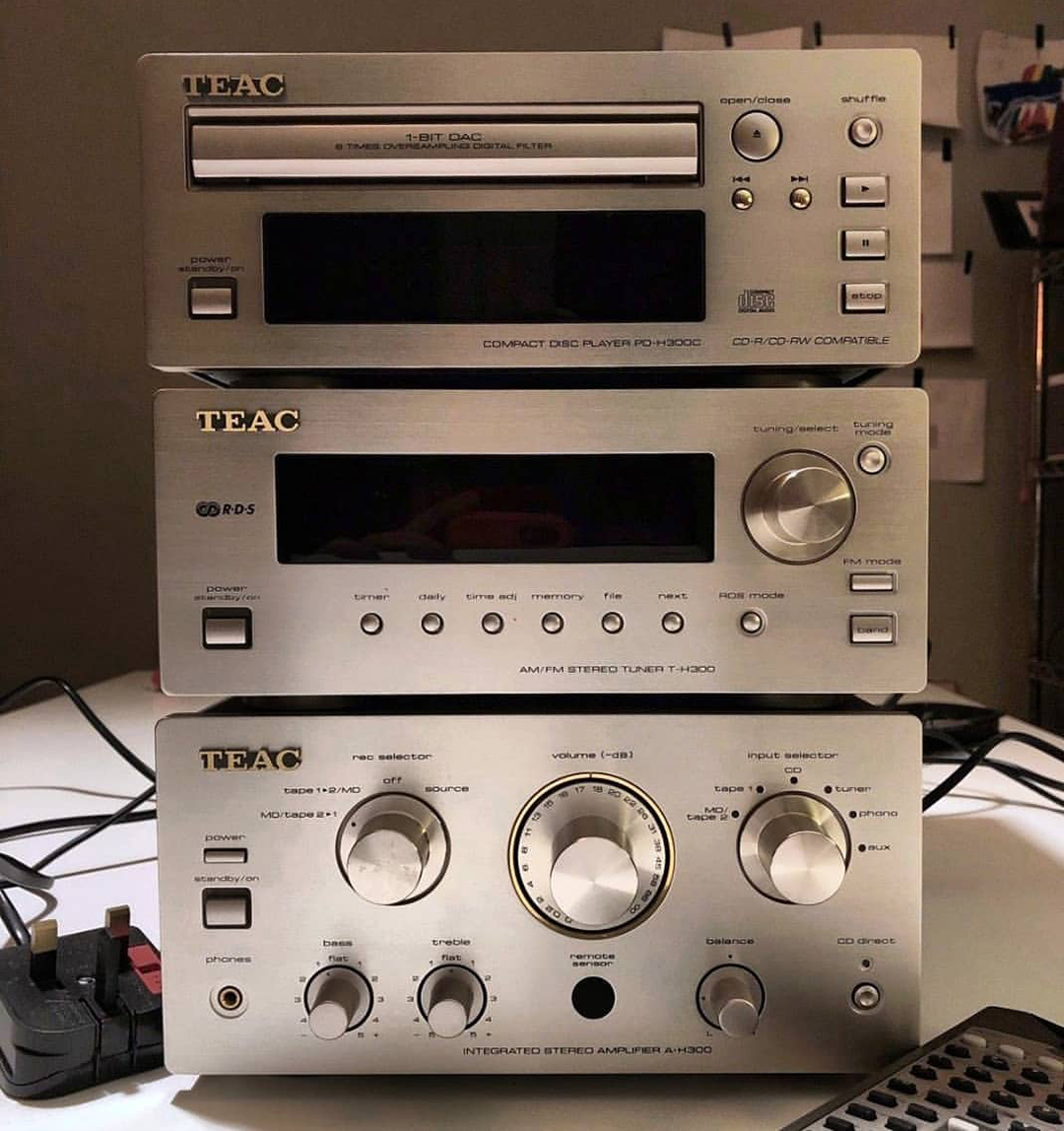
Vintage Audio Porn
The More Things Change…
365 Days of UNF: Day 15

So True

Oh, That It Were So Easy

Monday

365 Days of UNF: Day 14

Sign Me Up!

Shower Thoughts
The night skies must’ve been amazing before the invention of electric lights.
Vintage Audio Porn
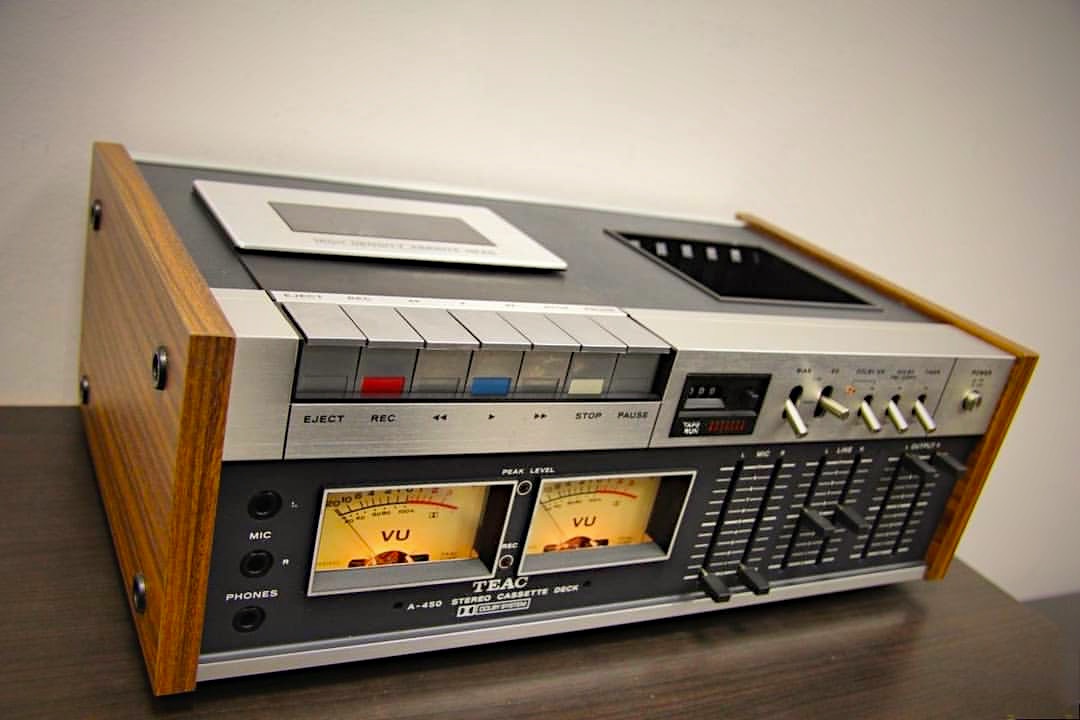
My buddy Ken bought one of these new back in the day, and I confess I was very guilty of breaking the Tenth Commandment.

It’s Been a Rough Decade
Especially the last two years. If it weren’t for Ben in my life, I’m sure I’d look much worse.

No Presidency

Amateur

Who among us has not had three “corn dogs” in our mouth at once?
Men Will Be Men (NSFW)
“I’ve been savin’ ’em up for you, Cleveland.” ~ Bette Midler, Live at Last






































































Yes Daddy


“Yeah, you there…you know what to do.”
365 Days of UNF: Day 13

My First Celebrity Crush

I loved it in Wild Wild West when the story required some reason for him to take his shirt off…




Yes. Yes You Did.

Gratuitous Nick Jonas

Mirror Mirror On The Wall (NSFW)




















We Are The Borg
You will be assimilated. Resistance is futile.
A couple months ago Ben started watching Star Trek Voyager reruns on Netflix. It’s obvious from his encyclopedic knowledge of the episodes that it hit his life about the same time TOS did mine. I was never a big fan of Voyager, and I finally have up on its original run sometime after the third or fourth season. It wasn’t the storylines or the acting; it was the fact that it relied way too heavily on technobabble when they couldn’t come up with any other explanation of why something happened.
I have to admit however that I got caught up in the show this time around. It started out as background noise while I was doing other things, but started capturing more and more of my attention. The technobabble wasn’t as distracting as I remember (perhaps because our own lives are now peppered with it), but as we enter our viewing the seventh and final season, something else is annoying the ever-loving fuck out of me: the doctor. Did one of the writers have a hard-on for Robert Picardo? It seems he’s become the focus of every other story.
But I digress. I came here to discuss the Borg, not the hologram.
In Voyager we learned a lot about the Borg, but the fundamental question remains unanswered: who are they? Where did they originally come from? Okay, so they’re a big bad hive mind that goes around gobbling up civilizations across the galaxy, but why?
As an acting coach might say, “What is their motivation?”
Some fan fiction posits they came from or are the biproduct/source of VGER (Star Trek: The Motion Picture). I propose something else entirely, although how exactly it would work remains unclear: we are the Borg. Whether they came from the future or via an alternate timeline that breached our own.
Even if this doesn’t fit into the Star Trek universe, I can still easily see our civilization spreading out into the Universe, not as peaceful emissaries and seekers of knowledge, but as rapacious beasts, harvesting whatever we come across in the name of progress and—most importantly—capitalism. I can see us becoming the Borg. We are the alien invaders that figure so prominently in our entertainment. Our current civilization is obsessed with acquisition and control. How is that not unlike the Borg, and if you take it to its absurd conclusion?
And why are there no non-humanoid Borg? We know non-humanoid life forms exist in the Star Trek universe. Why do we not see them assimilated?
And for that matter, has anyone ever seen a Ferngi Borg?
I posed this question on Twitter some time ago, and Sean responded by citing a specific instance where a non-human Borg was featured and pointed out that humanoids in this galaxy are so prevalent because they all descended from a single “seed” deposited by some ancient, unknown species and one would assume that seed included the original Borg.
I also just watched an episode with an assimilated Klingon. But in both cases, these were still humanoid. I’m talking about a distinctly non-humanoid Borg, say for example, a Xindi?
Are they simply not interested in anything that walks on more than two legs? Is it because it’s more cost/resource efficient for their implants to be “one size fits all” (as long as it’s humanoid)? I doubt we will ever get a definitive answer.