Psychologists say time itself began to feel different after 2000. Then it shifted again after 2020. Not because the world suddenly moved faster, but because the human brain stopped recording life in the same way.
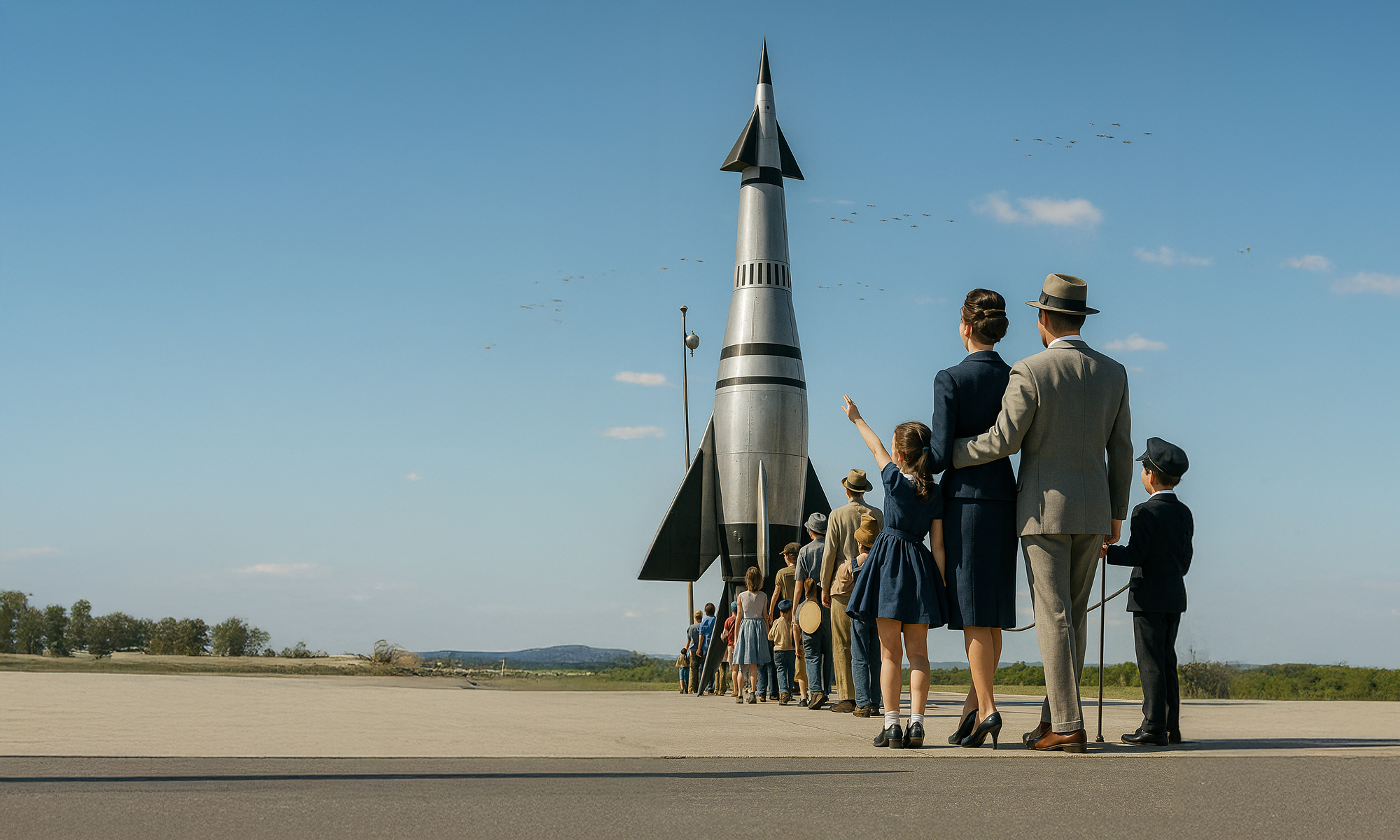
Before 2000, life had a natural rhythm.
Seasons felt unique. Years felt separate. Childhood felt long for a reason.
Your brain was truly present.
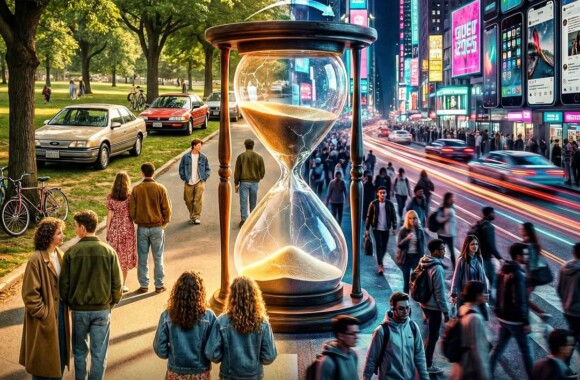
After 2000, something quietly changed. Not the clock. The brain.
Internet. Email. Smartphones. Endless scrolling.
Constant stimulation flatted our sense of memory.
Researchers from Stanford and UCLA discovered that when the brain is overloaded, it struggles to form deep memories, and fewer memories make time feel shorter.
Your brain silently concludes that nothing important happened.
So entire years begin to blur together.
Ping. Scroll. Switch. Refresh.
Every interruption breaks mental continuity. Your brain can no longer build long timelines. Days feel chaotic. Years feel missing.
The pandemic didn’t just disrupt routines. It reshaped how we experience time. Stress. Fear. Uncertainty. Isolation. Monotony. All at once.
Under constant stress, the prefrontal cortex stops planning. The hippocampus stops storing memories. The nervous system shifts into survival mode. The result? Days blue, weeks disappear, and years merge into one.
People everywhere report the same feeling: 2020 feels like yesterday. Everything since then feels like a single long year. I feel years older than I should. You are not imagining it.
Time slows down when life is full of novelty: new places, new faces, new challenges. After 2020? Less travel, less change, less variation. No novelty means fewer memories. Fewer memories mean less sense of time.
Stress doesn’t just blue the past. It also compresses the future. Studies show stress makes people feel older, lose long-term vision, believe time itself is running out. The brain becomes trapped in the present moment.
Time feels faster when the rain is overwhelmed, stressed, under-stimulated, fragmented, and disconnected. Time itself never changed. Our ability to experience it did.
We now live in a world of information overload, low novelty, high stress, and constant distraction. The perfect formula for life to feel unreal.
That’s why the 2000s flew by. The 2010s faced away. And the 2020s feel like a blur.
Here is the hopeful truth: you can expand time again. The brain slows time when it experiences novelty, presence, deep focus, emotion, adventure, and meaning.
-
- Psychologists suggest simple changes:
- Do fewer things with deeper focus.
- Turn off constant notifications.
- Seek real and new experiences.
- Change your surroundings.
- Create clear memory moments.
- Reduce ongoing stress.
An intentional life feels longer.
Time never actually sped up. The world didn’t suddenly distort. Our brains simply stopped fulling living. And to feel time gain, we must relearn how to truly live again.
[From an Instagram post I failed to properly document.]
0 comments