0 comments
Shitposting since 2005
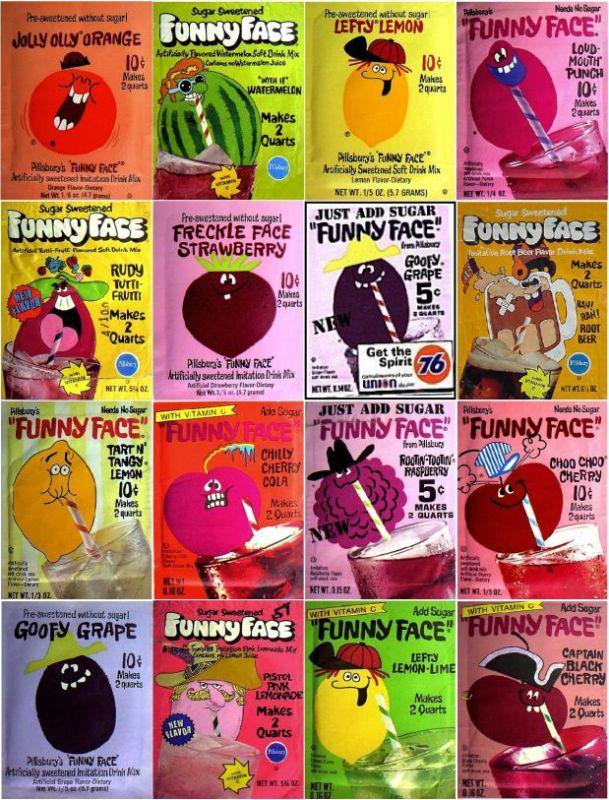
I’m old as fuck.
Fact: “Choo Choo Cherry” as originally “Chinese Cherry,” but even back in the 60s that was deemed a bit too racist and was promptly changed.
0 comments

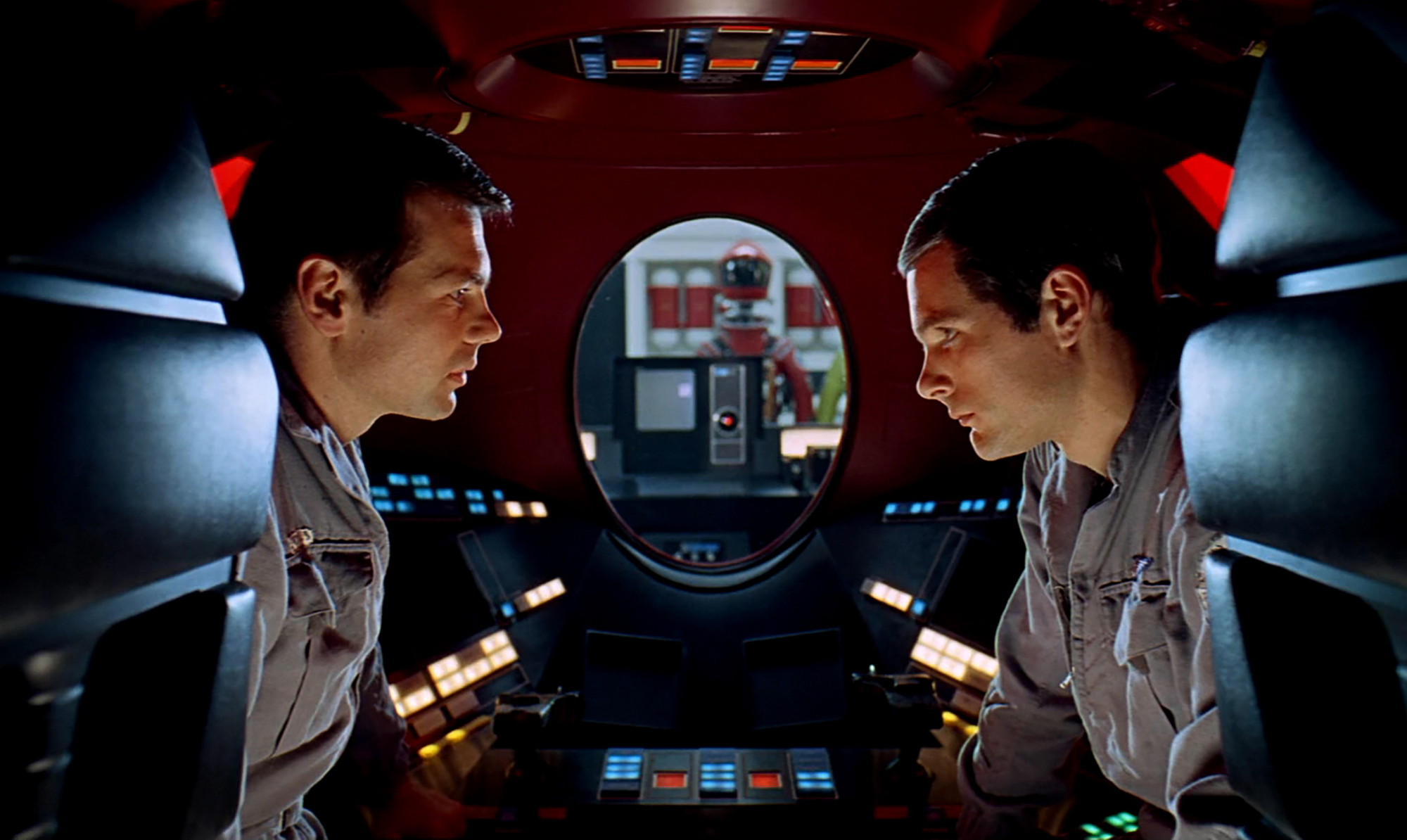
…I have to go into the office on December 24th, but at least it’s only a half day face.
Come to think of it, that’s my face for pretty much everything that’s happening in the world these days…
1 comments
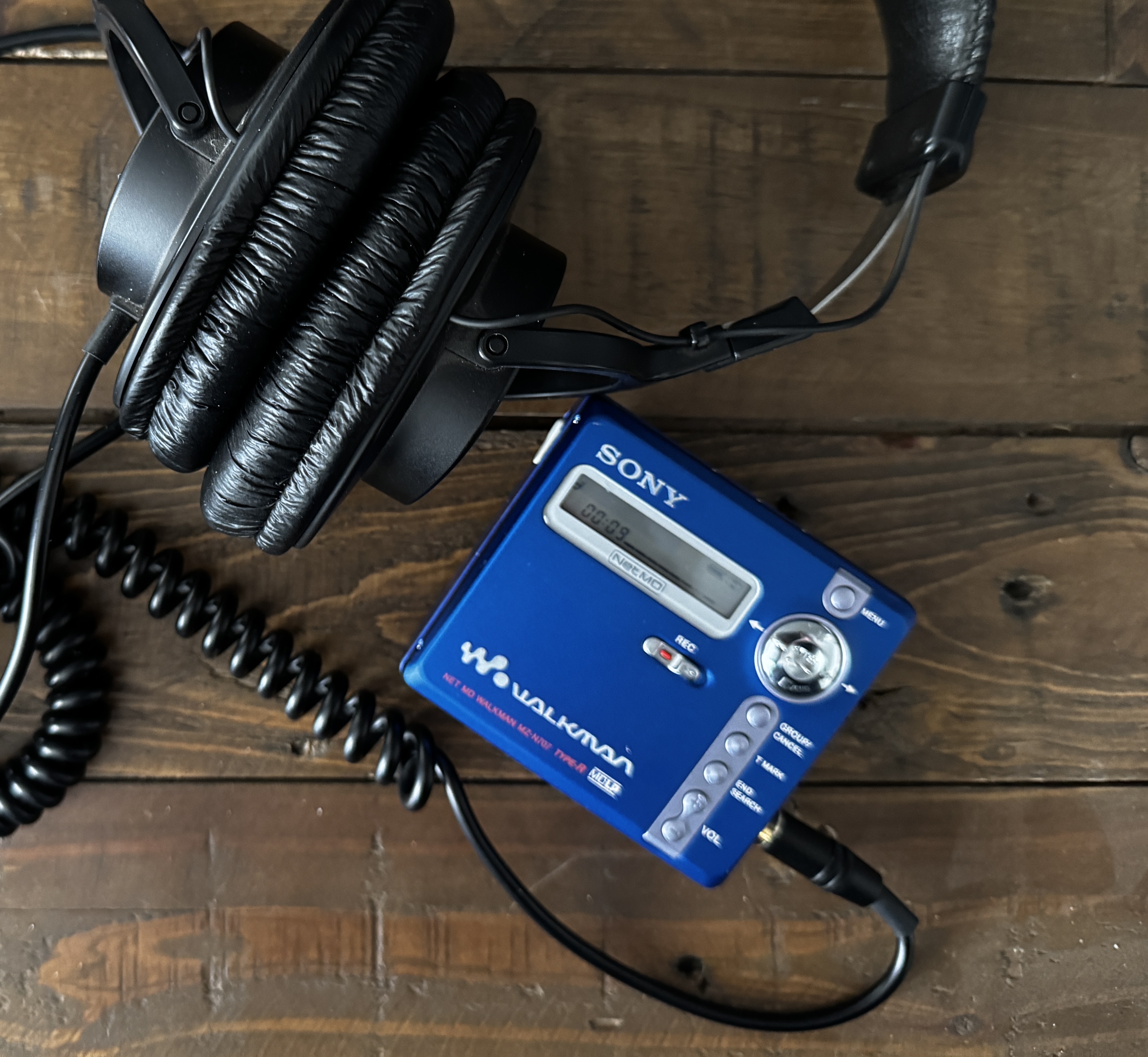
Why, you ask? Because the my other portable developed a very wonky disc release mechanism and stopped writing the TOC (table of contents) to the disc after editing it, rendering every disc (no matter what was recorded) as “BLANK DISC.”
When I reached the point I couldn’t deal with this any longer, there were no other decent MZ-S1’s showing up online, so I decided to try a different model. To be honest, it was the color that got me.
And wouldn’t you know, immediately after I hit the BUY IT NOW button, an auction for another pristine MZ-S1 showed up. I submitted the minimum bid, never expecting to actually win the auction. Of course, a week later, I did…
Both units arrived today.
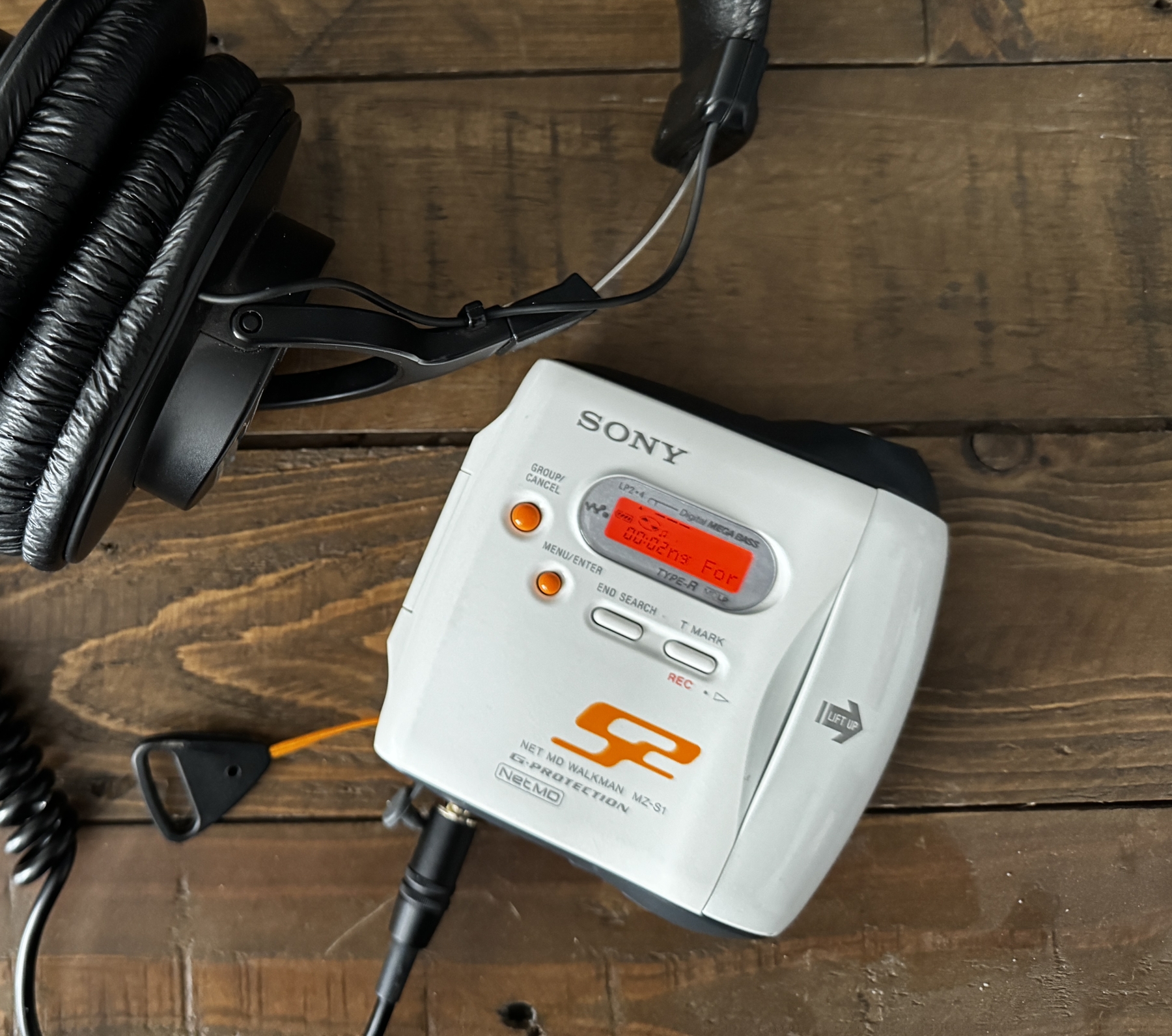
To be honest, it is nice to have a fully functional S1 again. The S1 has always been my favorite Minidisc portable, since I originally owned one in the early 2000s. While some MD connoisseurs decry its large, chonky design, I personally love it. See: Quirky.
One aspect of buying used Minidisc equipment that seldom gets mentioned is that oftentimes the sellers will throw in a few discs to sweeten the deal—or to just get them out of the house. Almost always they’ve got stuff recorded on them—not an issue since they can be easily erased and reused—but occasionally you find a gem hidden among them.
The first S1 (the one with the wonky release mechanism) came with an unlabeled disc with no disc name or track titles recorded. Before I summarily dismissed it and erased it, I thought I’d give it a listen. I really liked the funky jazz beat, so I took a chance that it was more than just YouTube-friendly royalty-free fodder (a lot of times seller post videos of their wares on YouTube), and fired up Soundhound. It immediately identified it: Ernest Raglin – Below The Bassline. It’s been one of my go-to discs to listen to while falling asleep since getting it.
I know all this shit is boring as fuck to most of my readers—OLD MAN REDISCOVERS AND FINDS JOY IN OBSOLETE TECHNOLOGY AND WAXES POETIC ON ITS COOL FACTOR AS WORLD SLIDES INTO DYSTOPIAN HELLSCAPE—so thanks for sticking around in spite of it.
2 comments
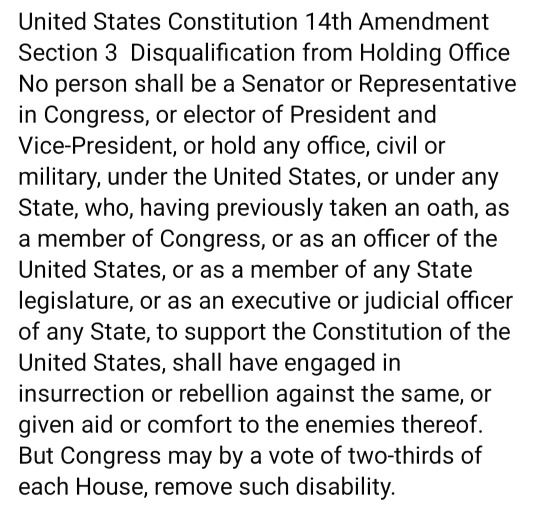
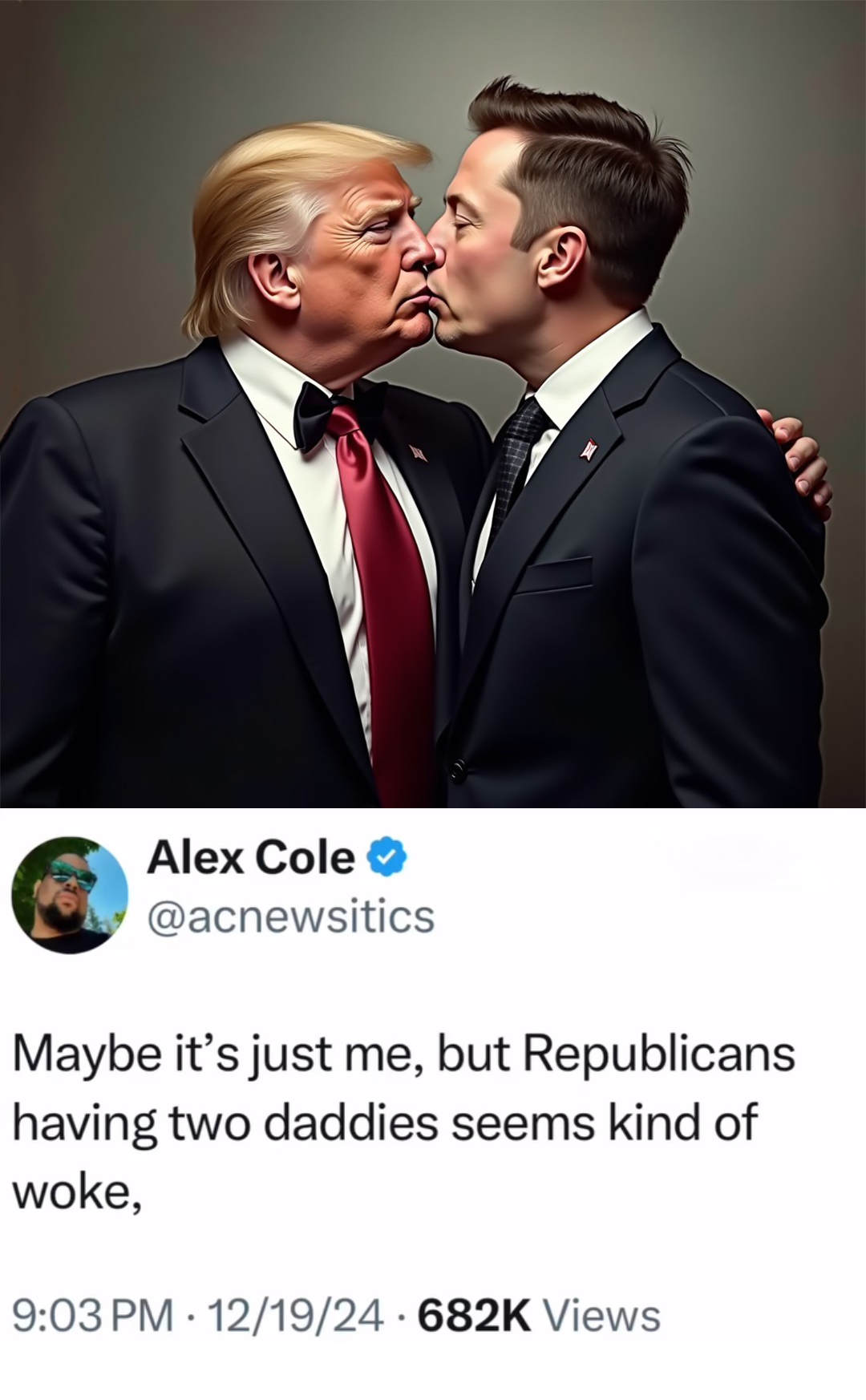
People are still apparently asking if 45 can be disqualified from office via the 14th Amendment. At this point I see no way of that happening unless the person who is designated to swear the bastard in refuses, citing that same 14th Amendment…and even then it’s highly unlikely.
In my heart-of-hearts fantasy, 45 is at the podium and about to take the oath (which we know means nothing whatsoever to him) and the FBI arrives on scene, handcuffs him, and carts him off. I know it will never happen, but it’s nice to fantasize.
“People” say something has got to be happening behind the scenes that we’re not privy to; that there’s some master plan in the works to prevent Trump from taking office. While that gives short-term emotional comfort, I seriously believe anything is happening.
No my friends, I fear we’re stuck with 45 until the Grim Reaper shows up to take him away. Whether that means President Vance or President Musk afterward remains to be seen, but it doesn’t really matter. We’re fucked regardess.
The small solace I take in this whole clusterfuck is that the Republicans are already refusing to kiss the ring, are infighting, will hold the absolute slimmest of majorities in Congress, and basically can’t pull their heads out of their asses. The Democrats—at least for now—seem to have grown something resembling spines, and are standing up for our Democracy using all the tools at their disposal.
0 comments
0 comments
0 comments