
0 comments

Shitposting since 2005
0 comments

0 comments


0 comments

0 comments



“Filming this isn’t what we agreed to, Bro.”
0 comments
 |
 |
 |
 |
 |
 |
0 comments

0 comments
I was listening to the news this week and one of the anchors said that we needed to put the 137,000 people dead in four months into a context people can understand.
He said to imagine those 137,000 dead people were airline passengers. Losing 137,000 people in four months would be equivalent to 50 planes a week crashing, for four months, with all on board dying.
50 PLANE CRASHES A WEEK. For four months. All on board, DEAD. He said if planes were falling out of the sky at a rate of 50 per week, not only would people be horrified, but they would expect something to be done. The government wouldn’t be shrugging their shoulders and acting like it was no big deal.
I thought this was a great way to put it. No one would or could ignore that. No one would call it a hoax. No one would question the “science”. No one would ignore it for four months. People would want answers and they would be afraid to get on a plane until something was done.
Planes are crashing around us and no one is taking it seriously.
0 comments

0 comments
…it is better to keep your mouth shut and keep people guessing than to open it and remove all doubt.

1 comments

0 comments

0 comments
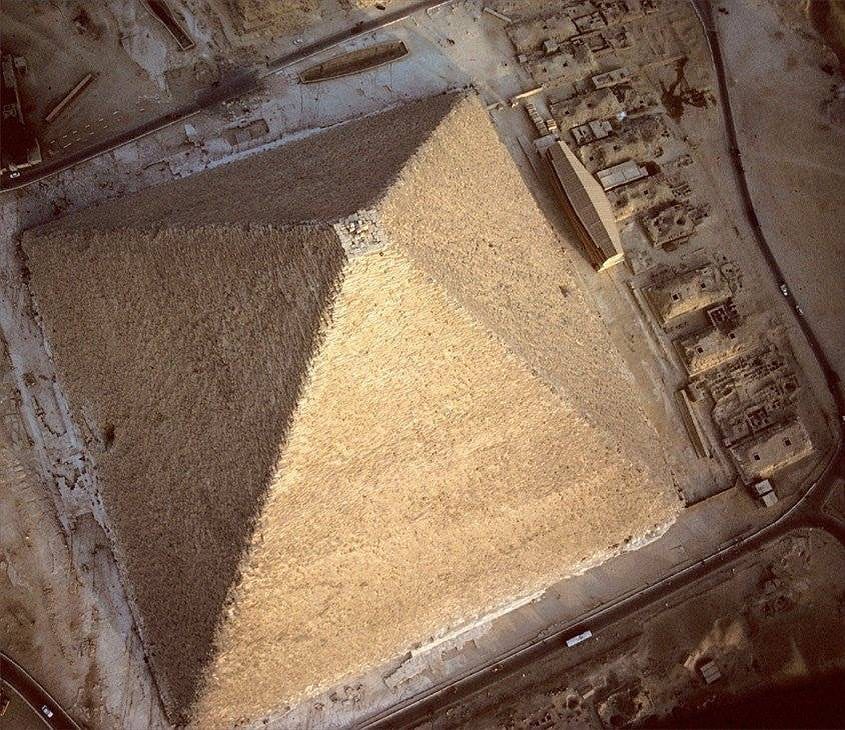
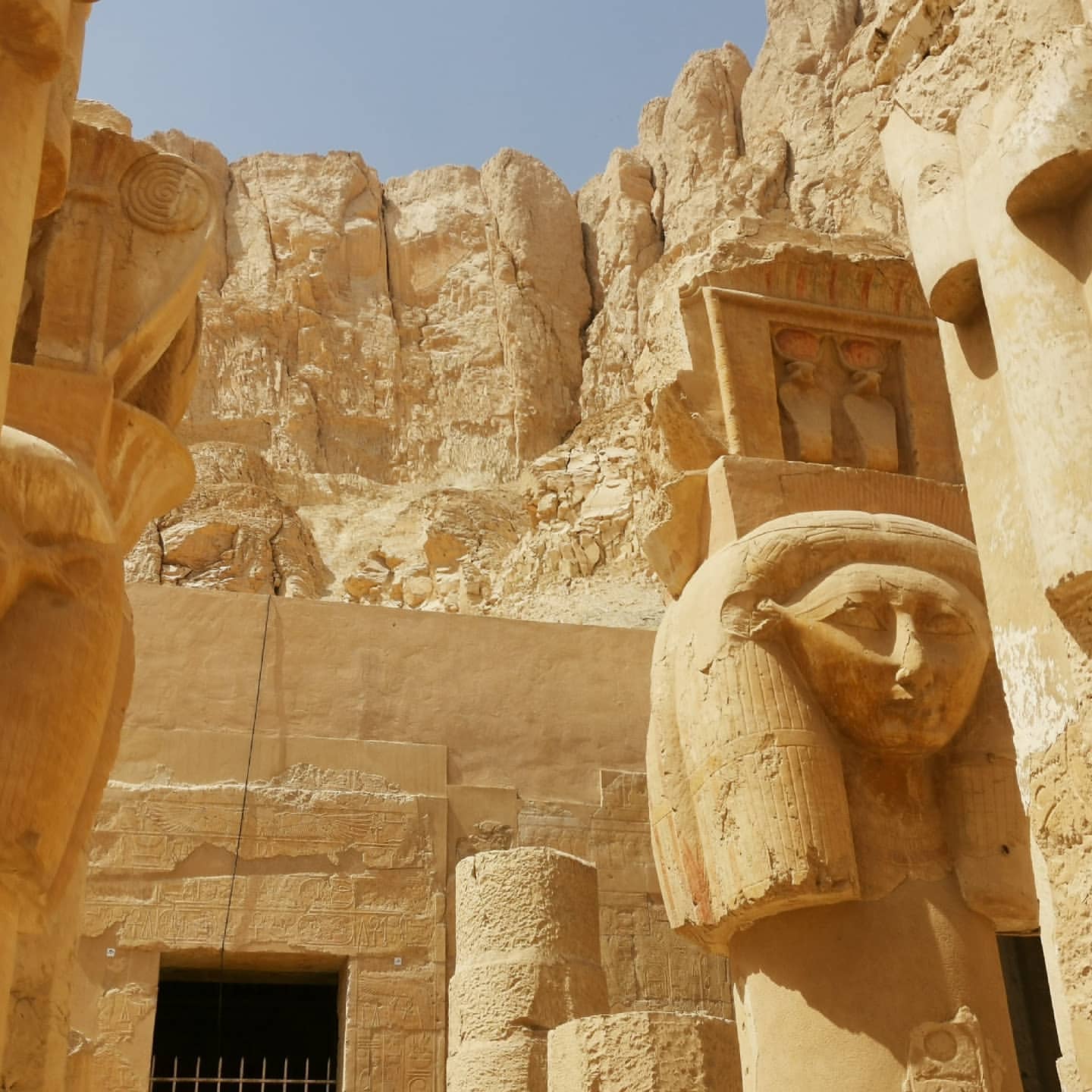

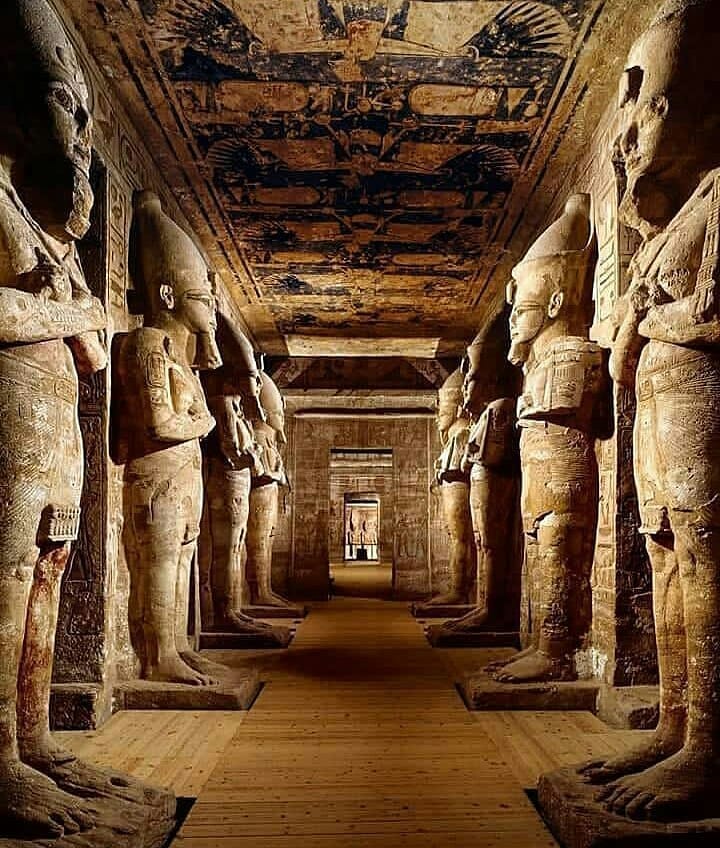

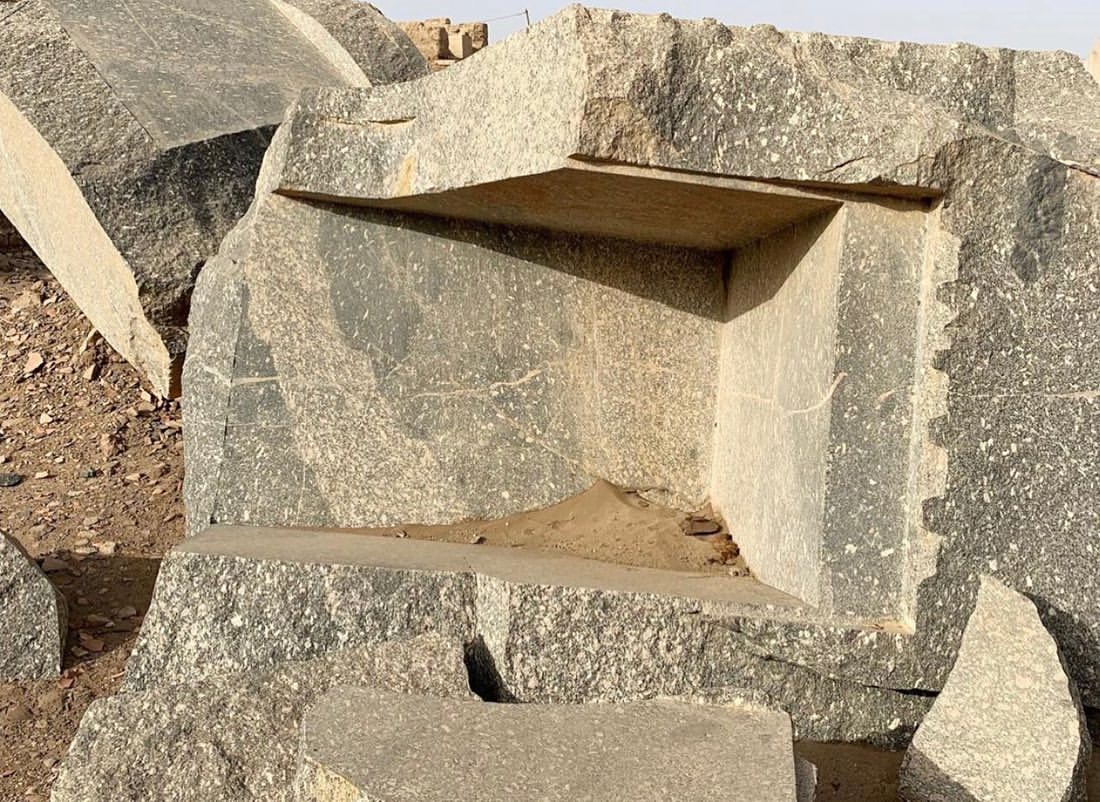
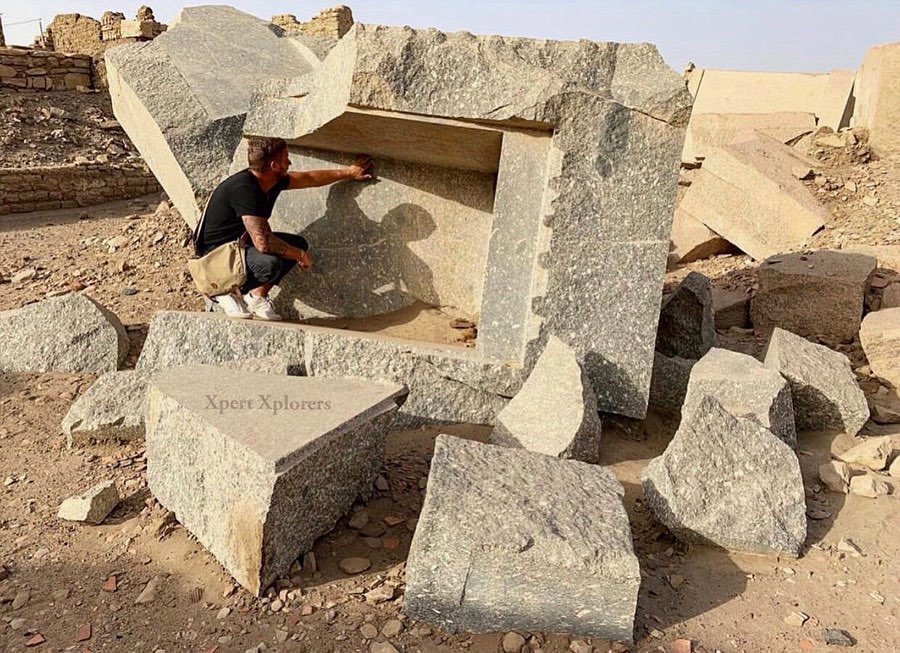

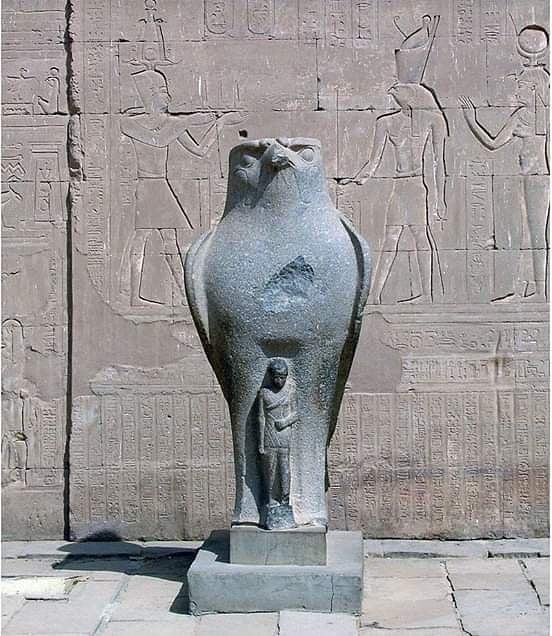
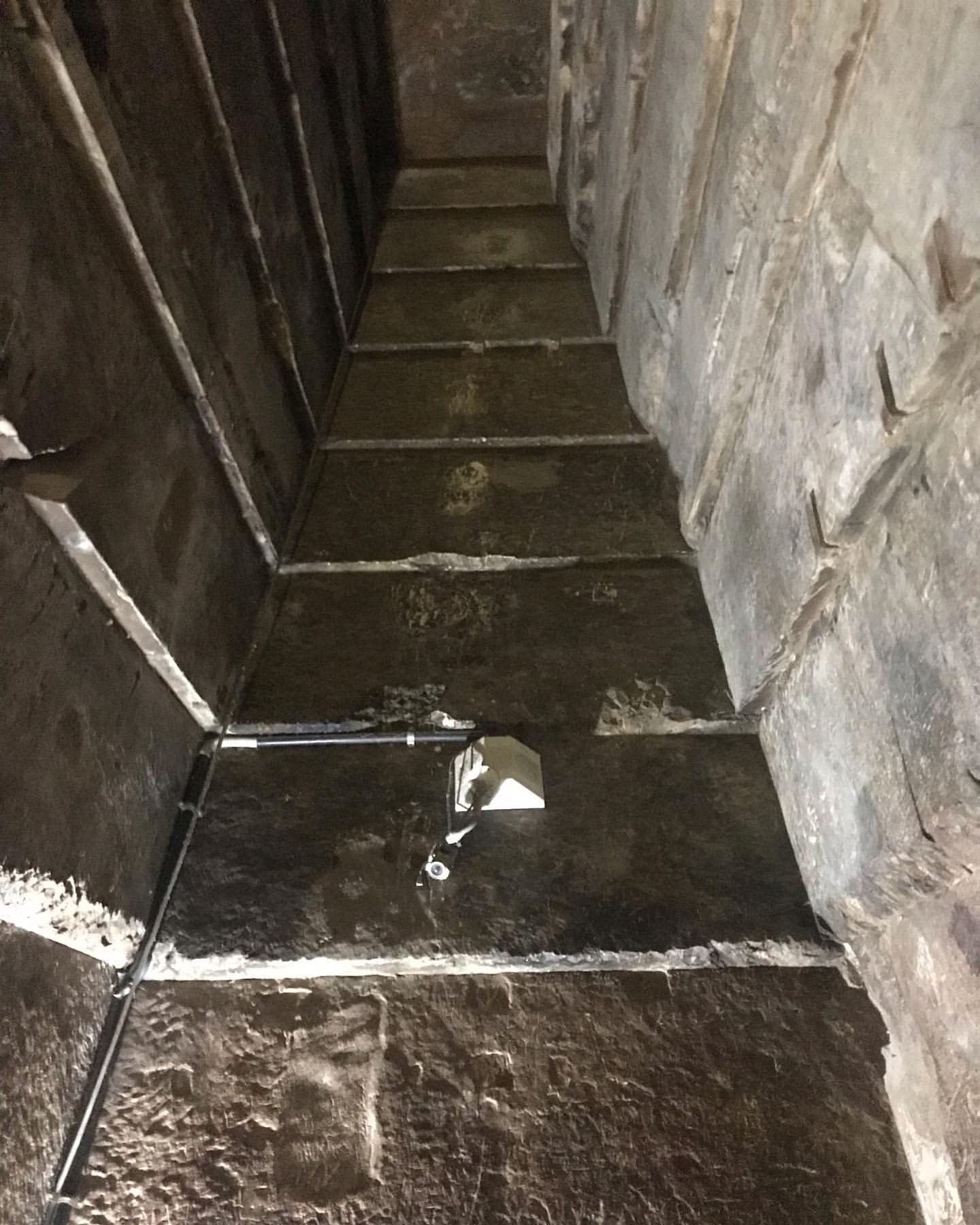



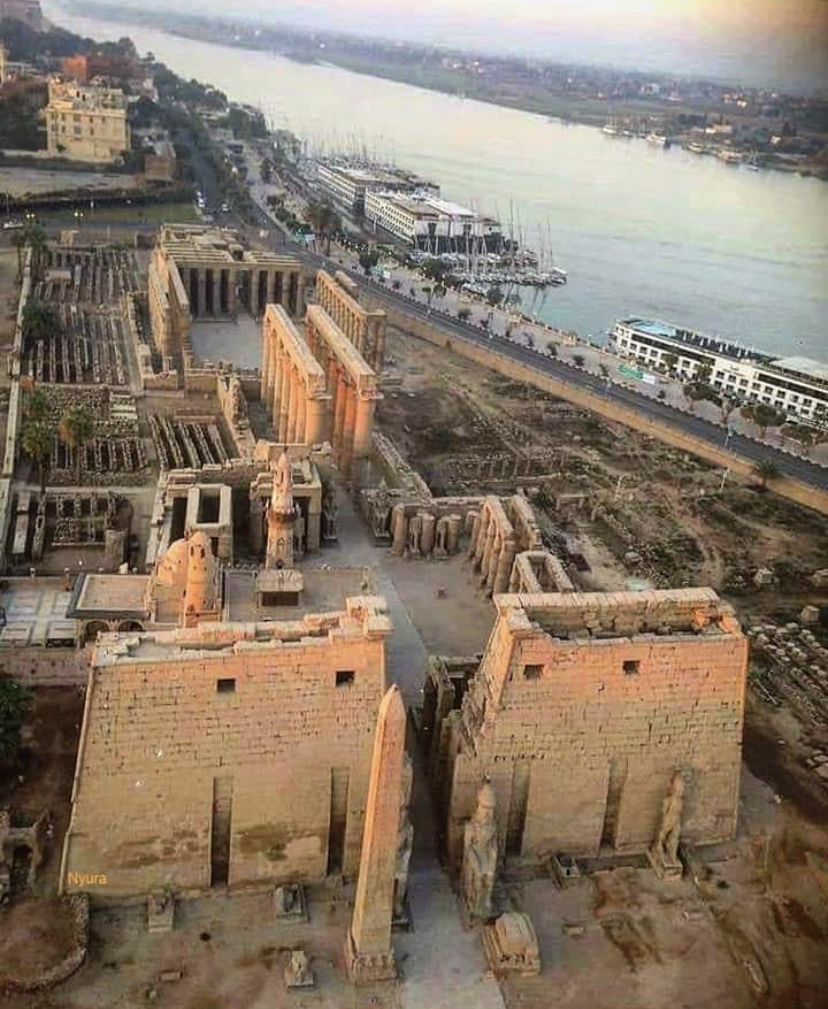





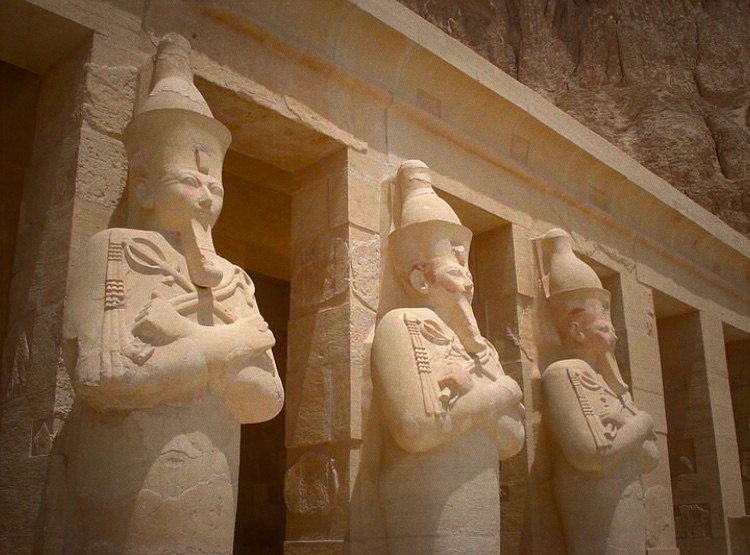
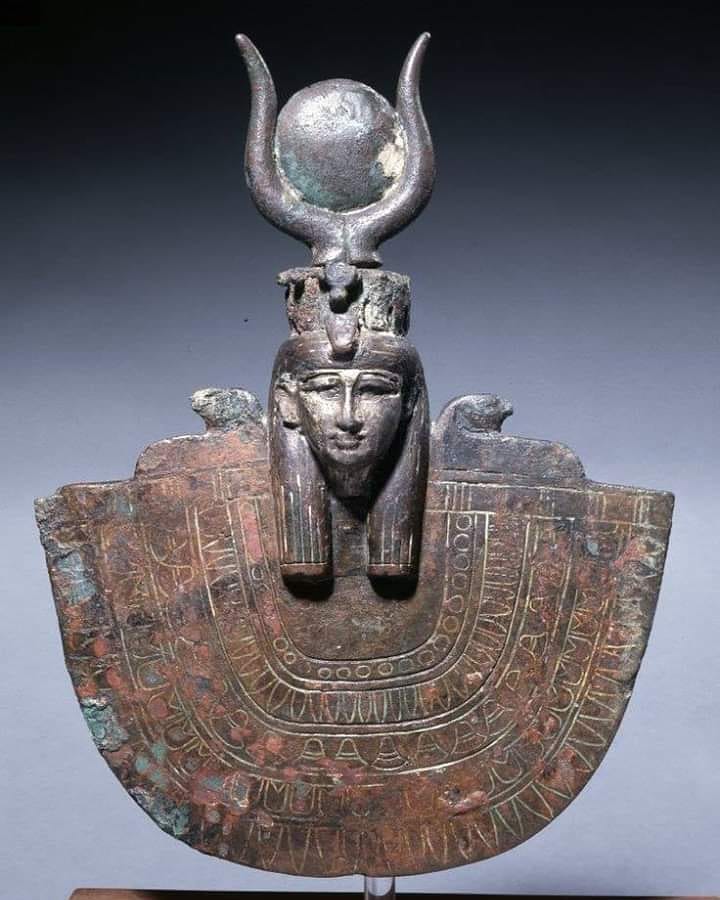
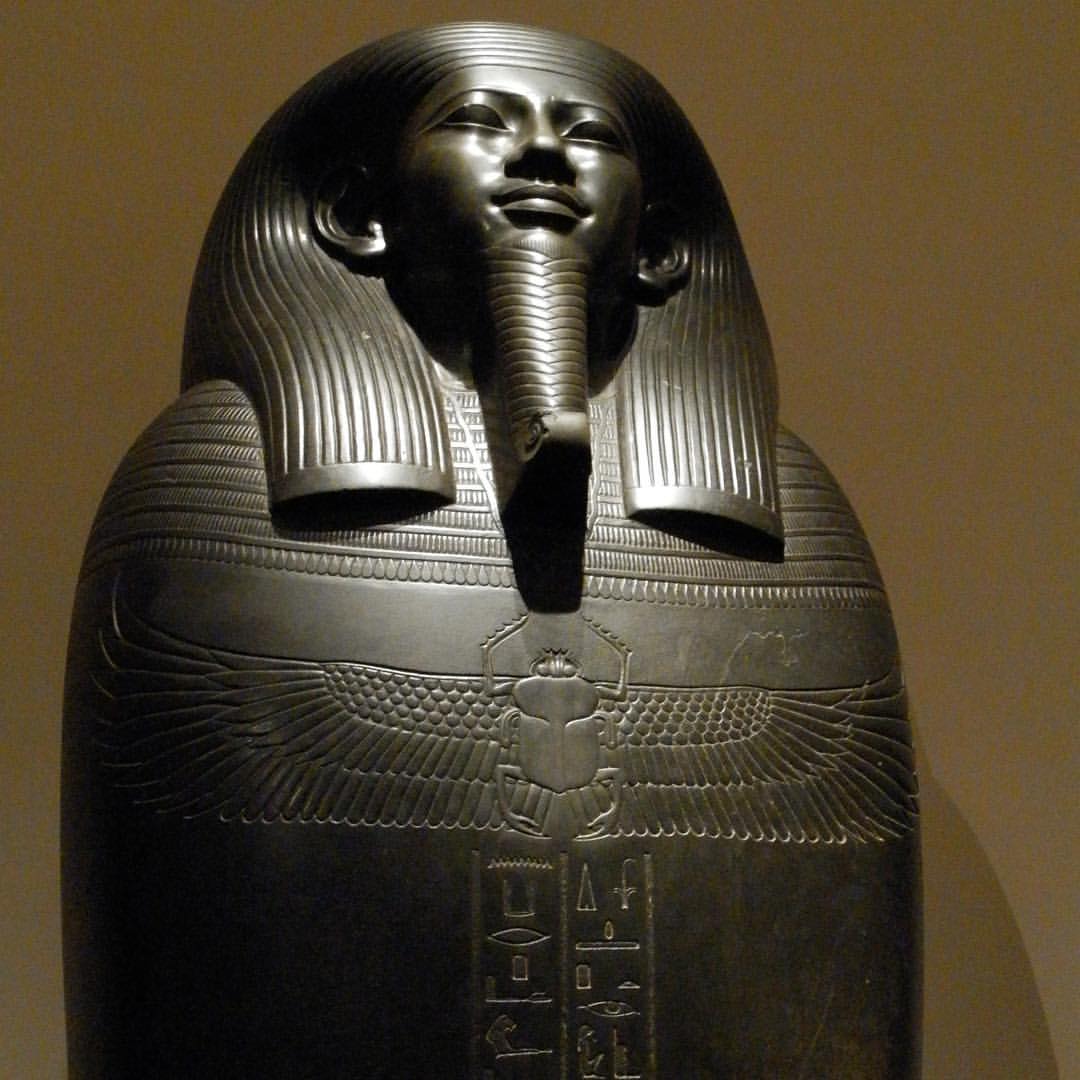

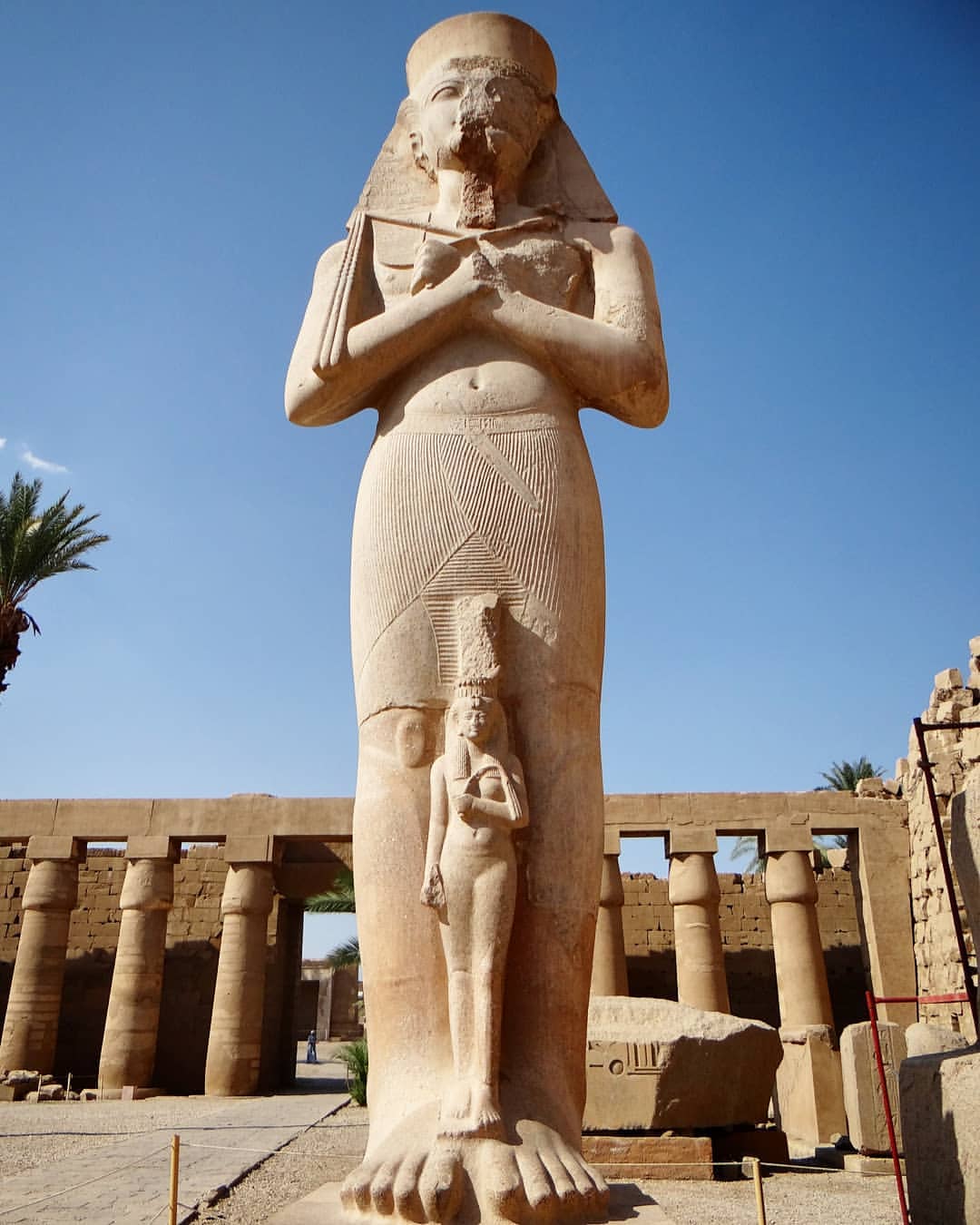

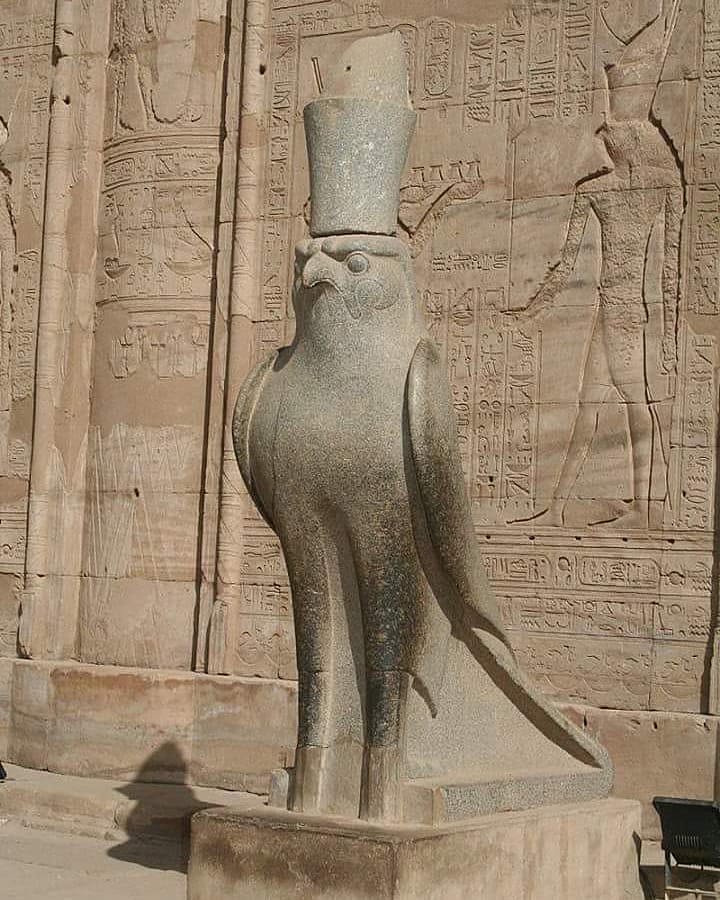
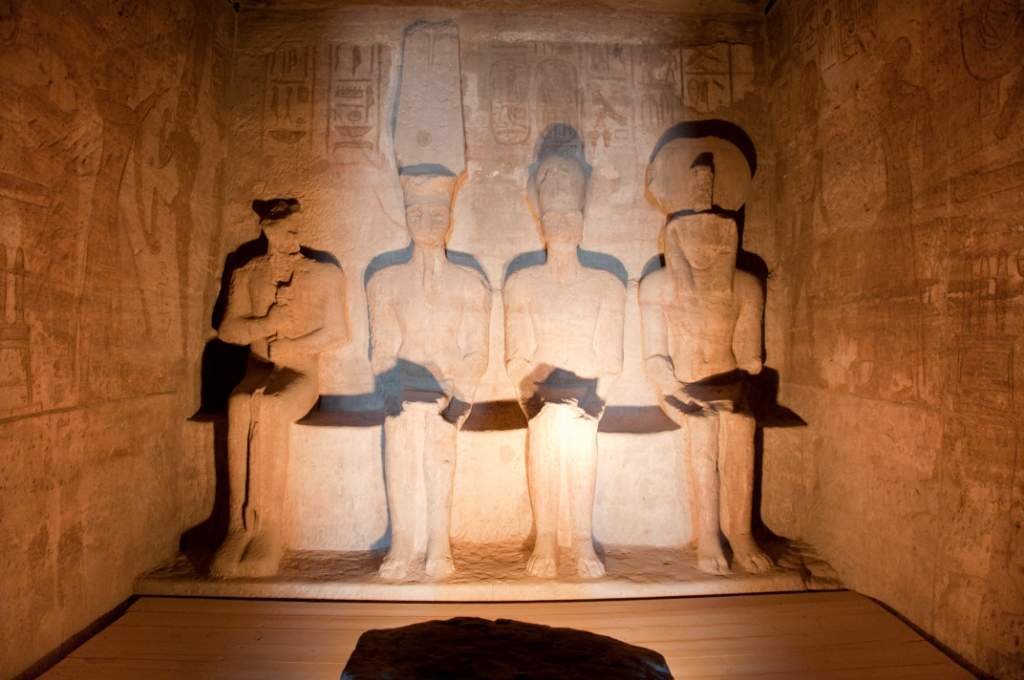


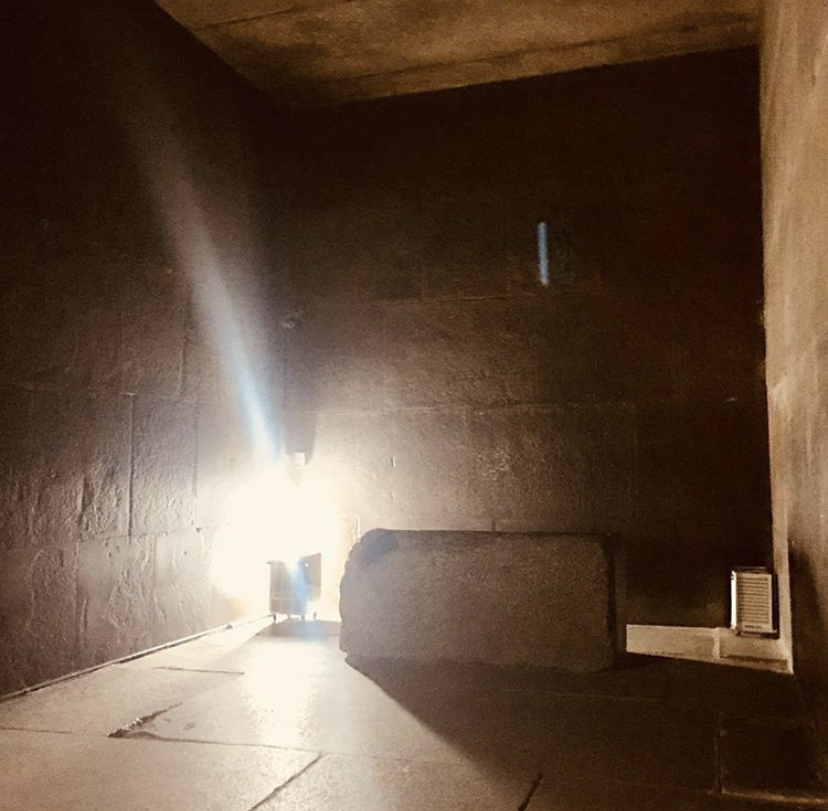

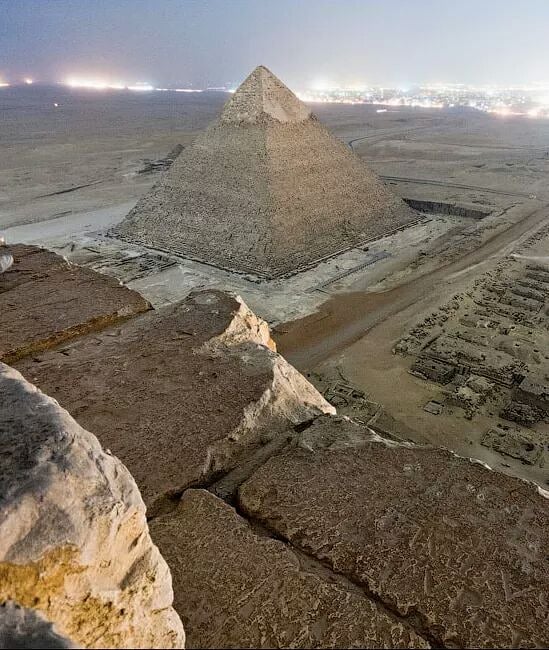
Since I was a child, I have always been fascinated by ancient Egypt. It started one summer while at my grandparents’ house when looking through an issue of National Geographic. In that issue, the disassembly and relocation of the Temple of Abu Simbel was documented, prompted by the rising waters of the Nile after the creation of the Aswan Dam. It was probably the greatest archeological preservation in history and I was captivated. I took the magazine to my mom and showed her, asking, “When did we go here?”
She tried to tell me that we had never been to Egypt, yet I remained convinced that I had visited the temple at some point. (One of the many things that have happened over the course of my life that—despite my professed atheism—makes me remain a closet believer in reincarnation).
My interest never really waned, and in fact in the mid 80s I fantasized about visiting in this life. I said I wanted to be able to see the Great Pyramid while I was still young enough and nimble enough to able to crawl around inside. I never got around to it for a multitude of reasons (most notably the unrest in the middle east and more importantly a simple lack of funds) and now, sadly, that time has long passed.
Since the height of my interest in the 80s, many new discoveries have been made, and I am now among those who believe that because of water erosion present on the Giza plateau, both the Sphinx and the great pyramids located there are much older than traditional dating would have you believe. Combined with the knowledge being gleaned of the Younger Dryas event (a meteorite swarm that hit Earth approximately 12,000 years ago) I’d go so far as to say they date from that period, if not earlier.
Furthermore, it is postulated that there was a worldwide civilization in existence prior to the impacts; a civilization as advanced as our own, yet one built on a technology that it shared many aspects of modern civilization, also possessed some wholly different and as yet un-discovered.
I mean, are we to believe the precision rock cutting and finishing found in Egypt—seen in several of the photos above (and in fact across the world, all dating from essentially the same period) was done with copper chisels?
If you’re interested in going down this particular rabbit hole, all you need to do is Google Younger-Dryas and pack a lunch.
All I know for sure is that these images elicit something on a very gut level. The meanings (and I’m not just referring to the individual hieroglyphs) of all these things is so close—and yet just out of reach. We’ll probably never fully understand what motivated the Egyptians, so instead we’re simply left appreciating their incredible art.
2 comments

1 comments

0 comments

0 comments

0 comments

0 comments

0 comments

0 comments
0 comments

0 comments

0 comments

0 comments



0 comments

0 comments

0 comments

0 comments

The other day I realized I hadn’t seen Divine’s Lust in the Dust in probably a decade or more, so I tracked it down on iTunes and bought it for a ridiculously low price. It remains my favorite Divine vehicle, although I’m sure that’s going to raise a spirited discussion among my readers.
Anyhow, about a third of the way into the flick this handsome stud flashed ever-so-briefly up on the screen and I thought, I’d forgotten all about that one. Not surprising since this image was basically his whole appearance in the film, but then—and now—it was enough to give me pause (and hit pause!).
No idea who he is, as IMDB has been of no help whatsoever…
0 comments