0 comments
Shitposting since 2005
0 comments
0 comments
0 comments
1 comments
0 comments

0 comments
0 comments
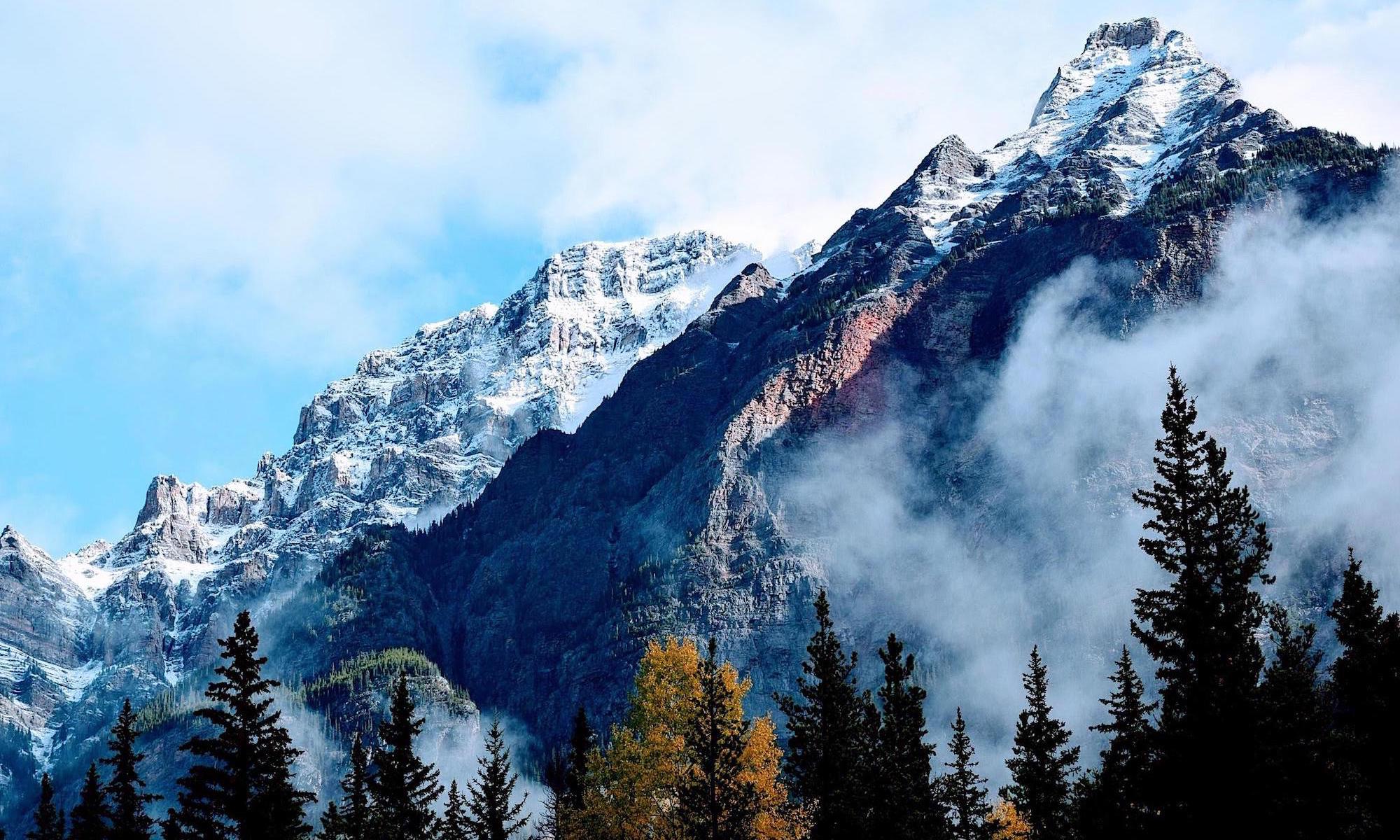
We drove up to Payson and took a drive along the Mogollion Rim yesterday to escape the heat. It was easily 35 degrees cooler than Phoenix and it rained! It was delicious.
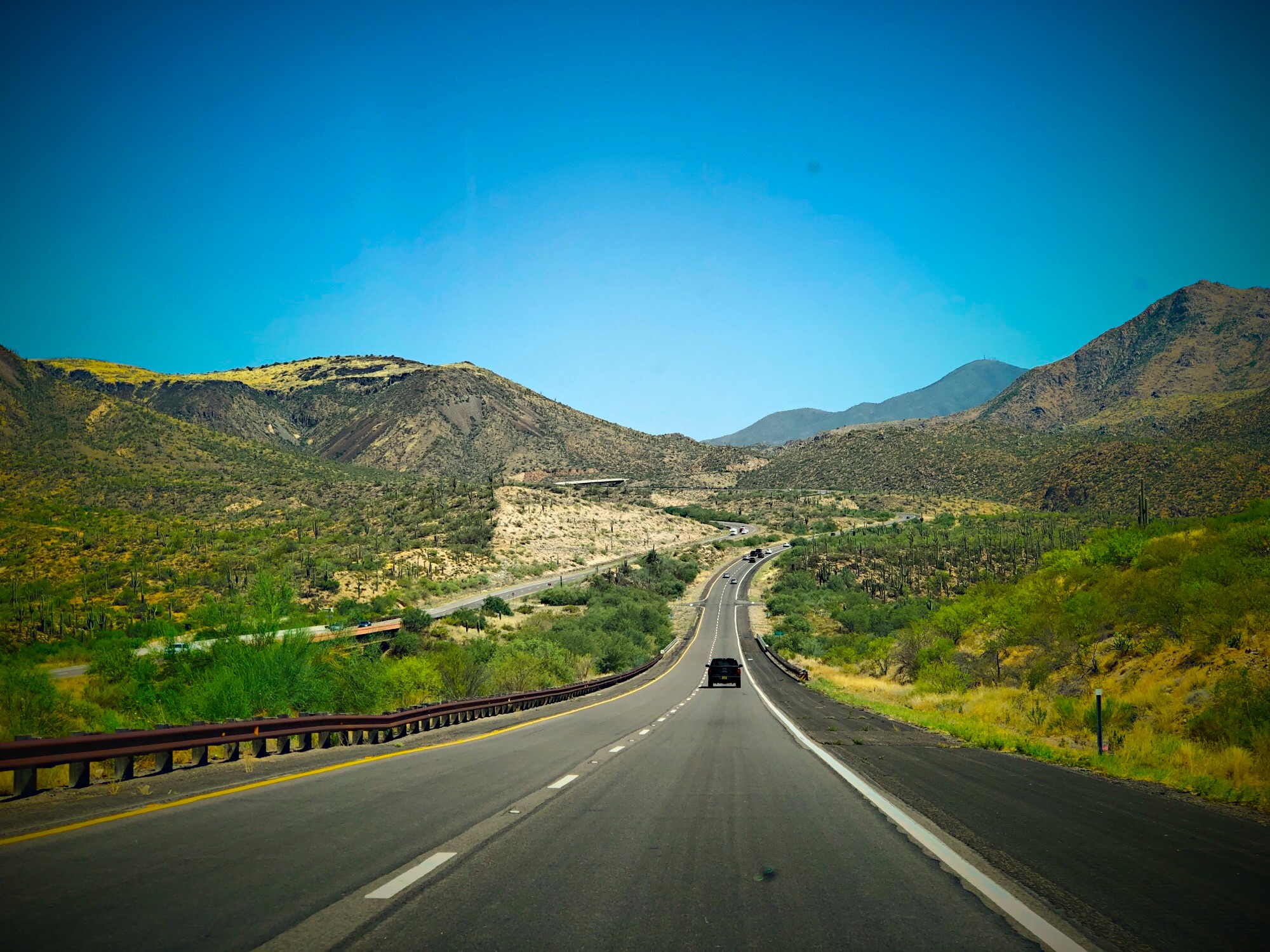
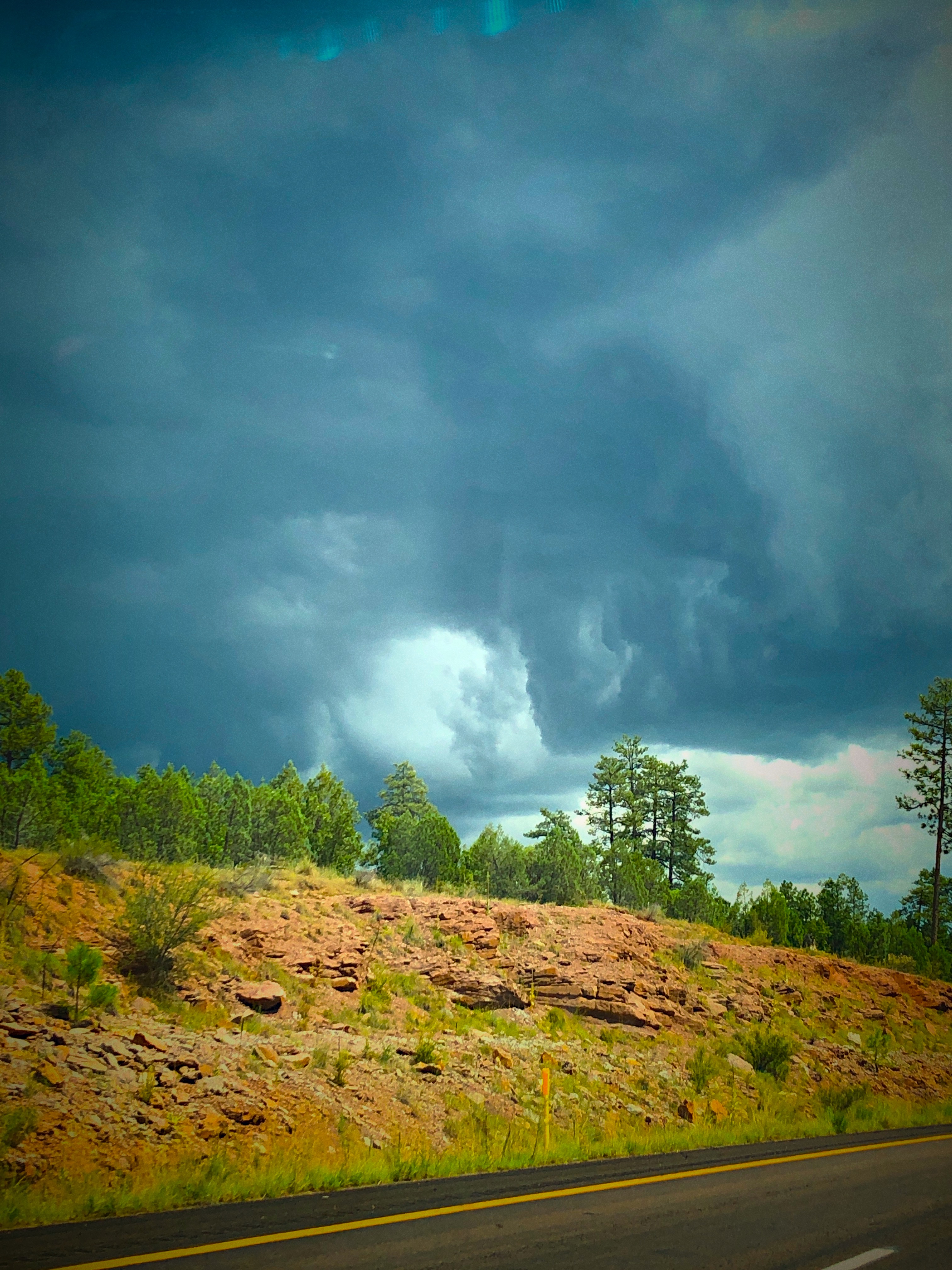
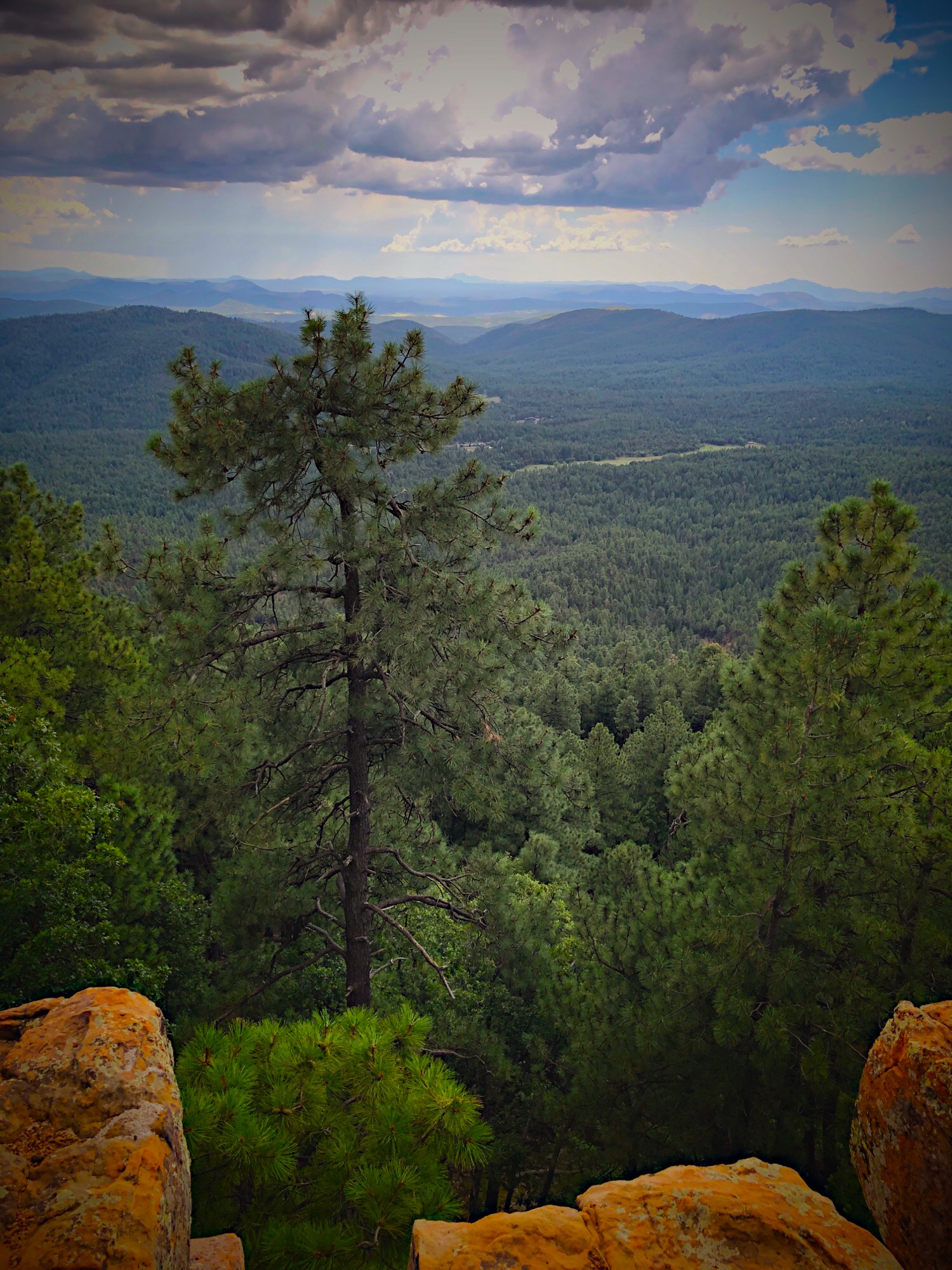
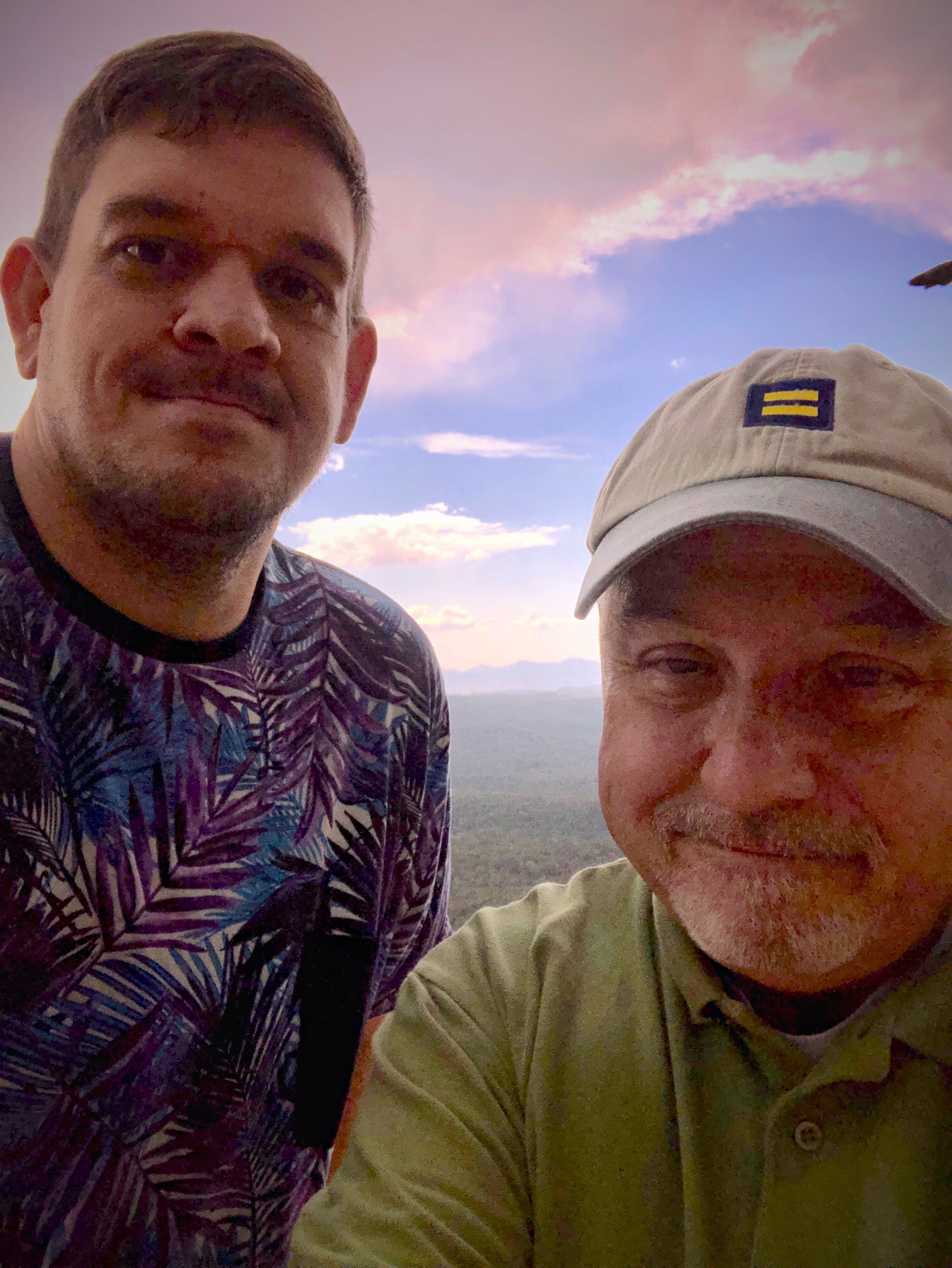
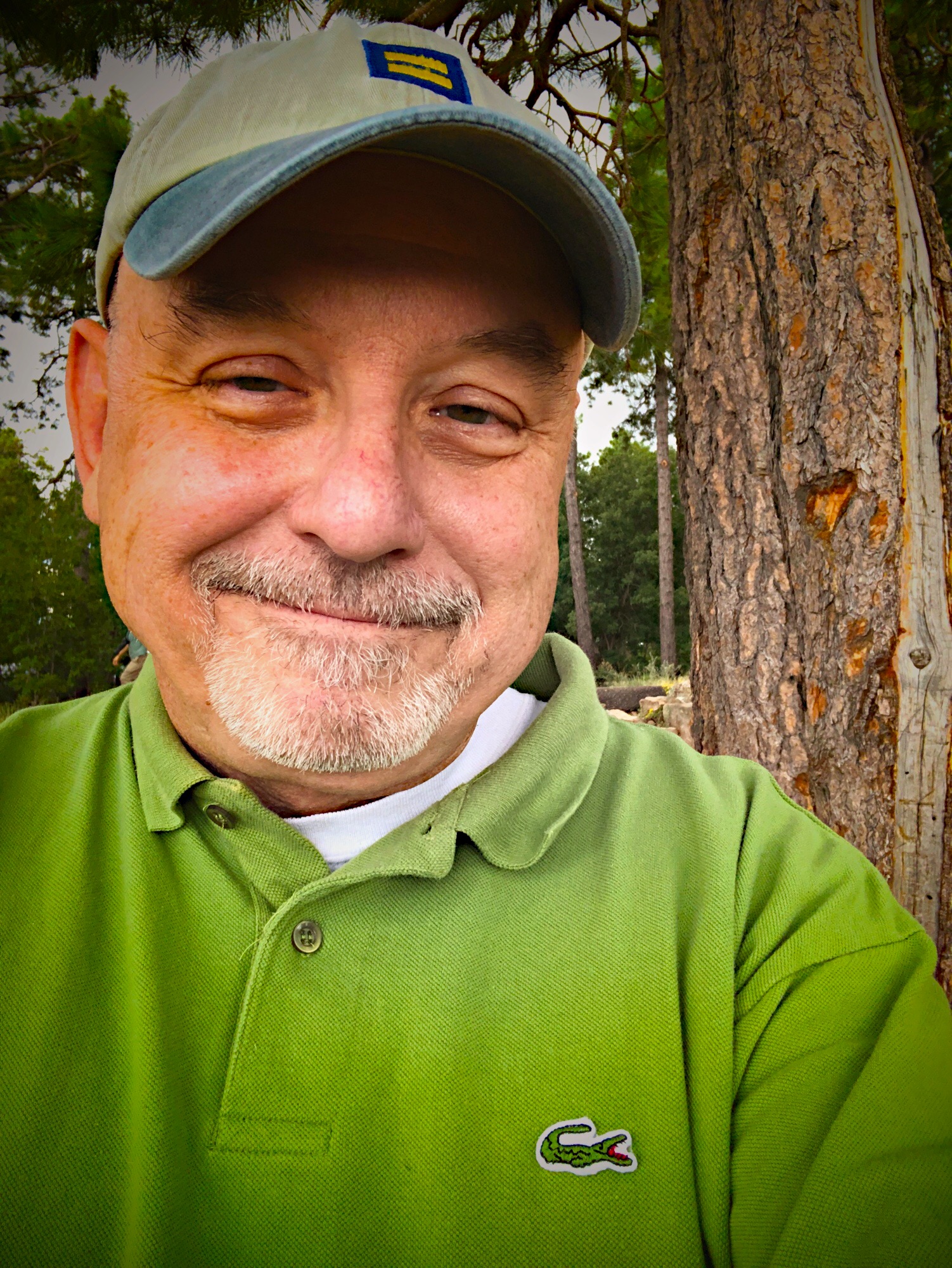
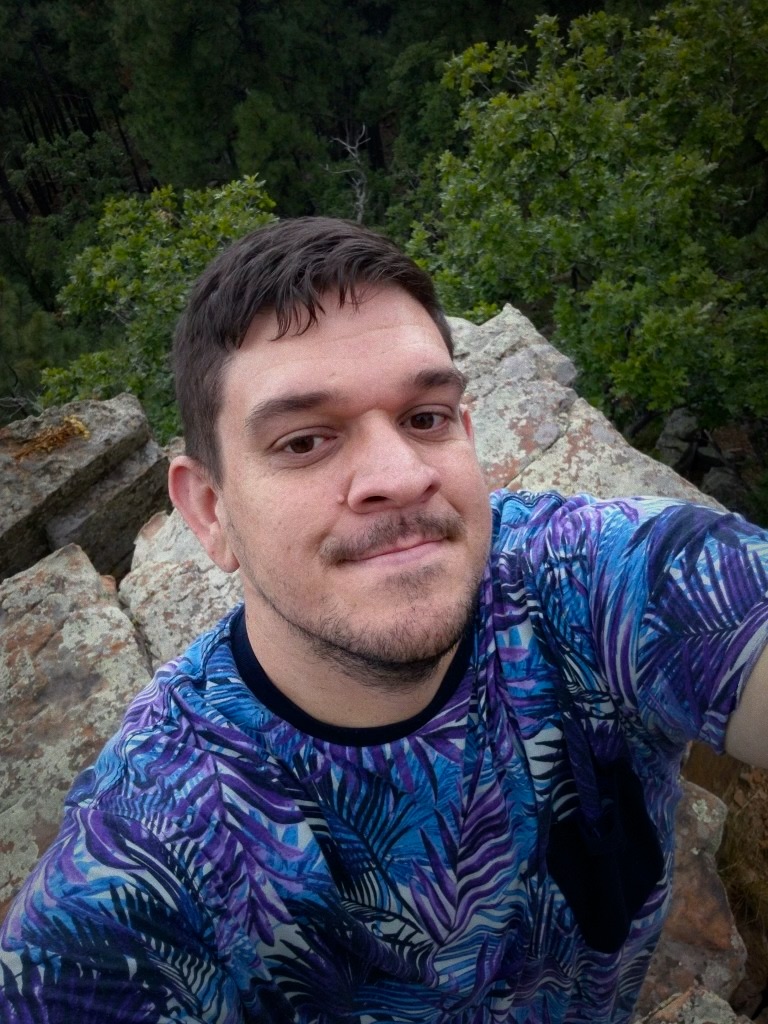
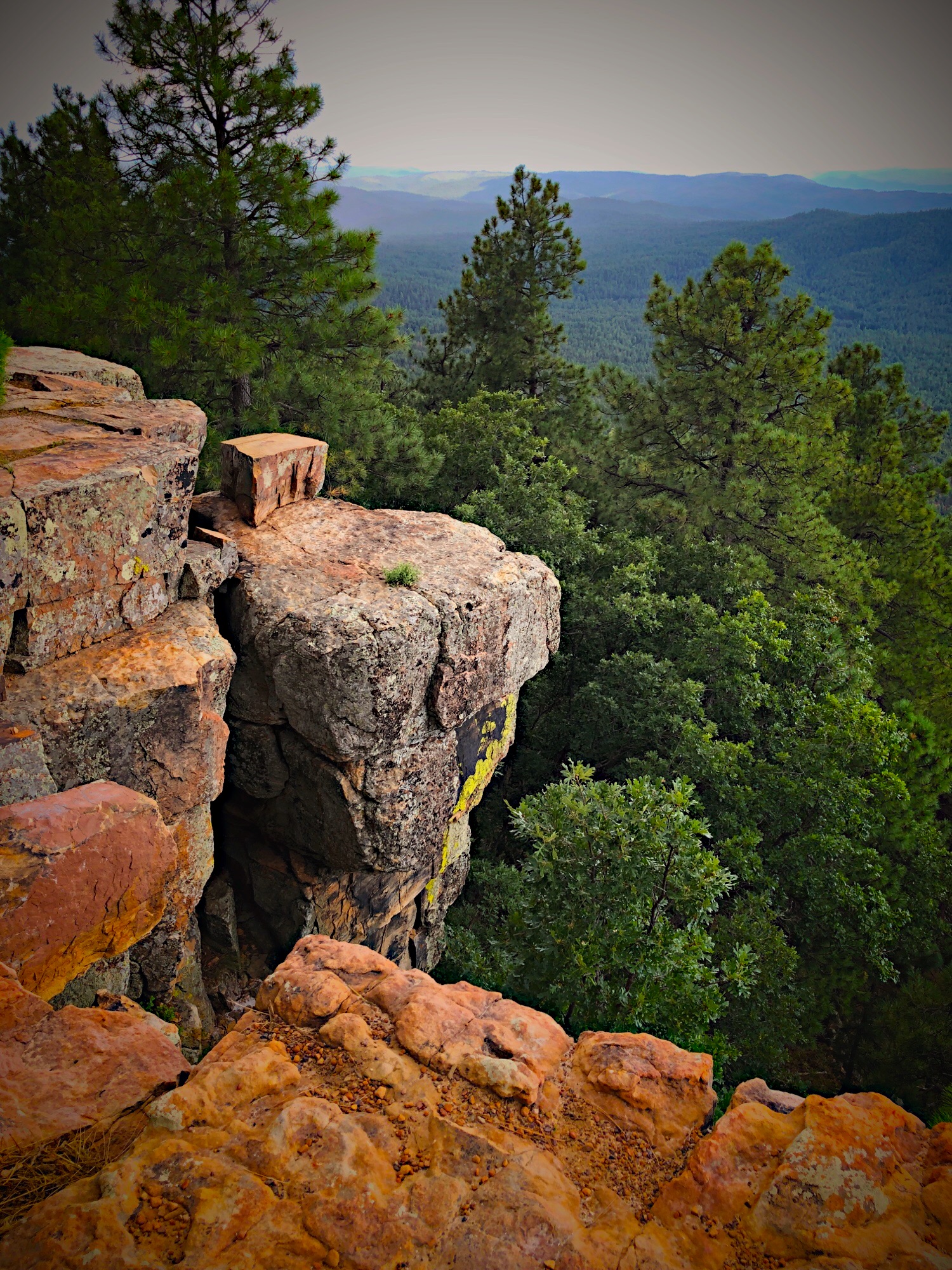
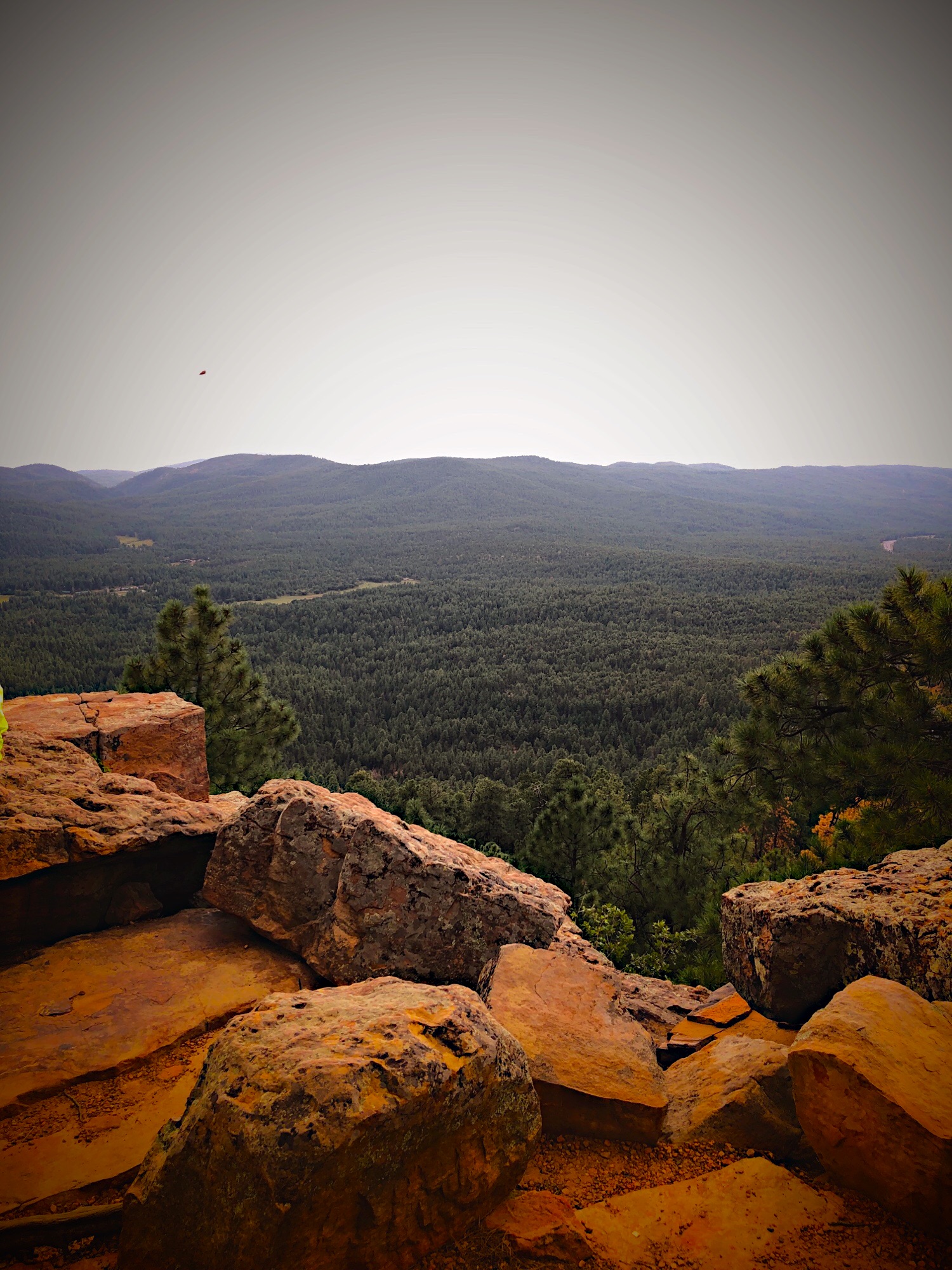
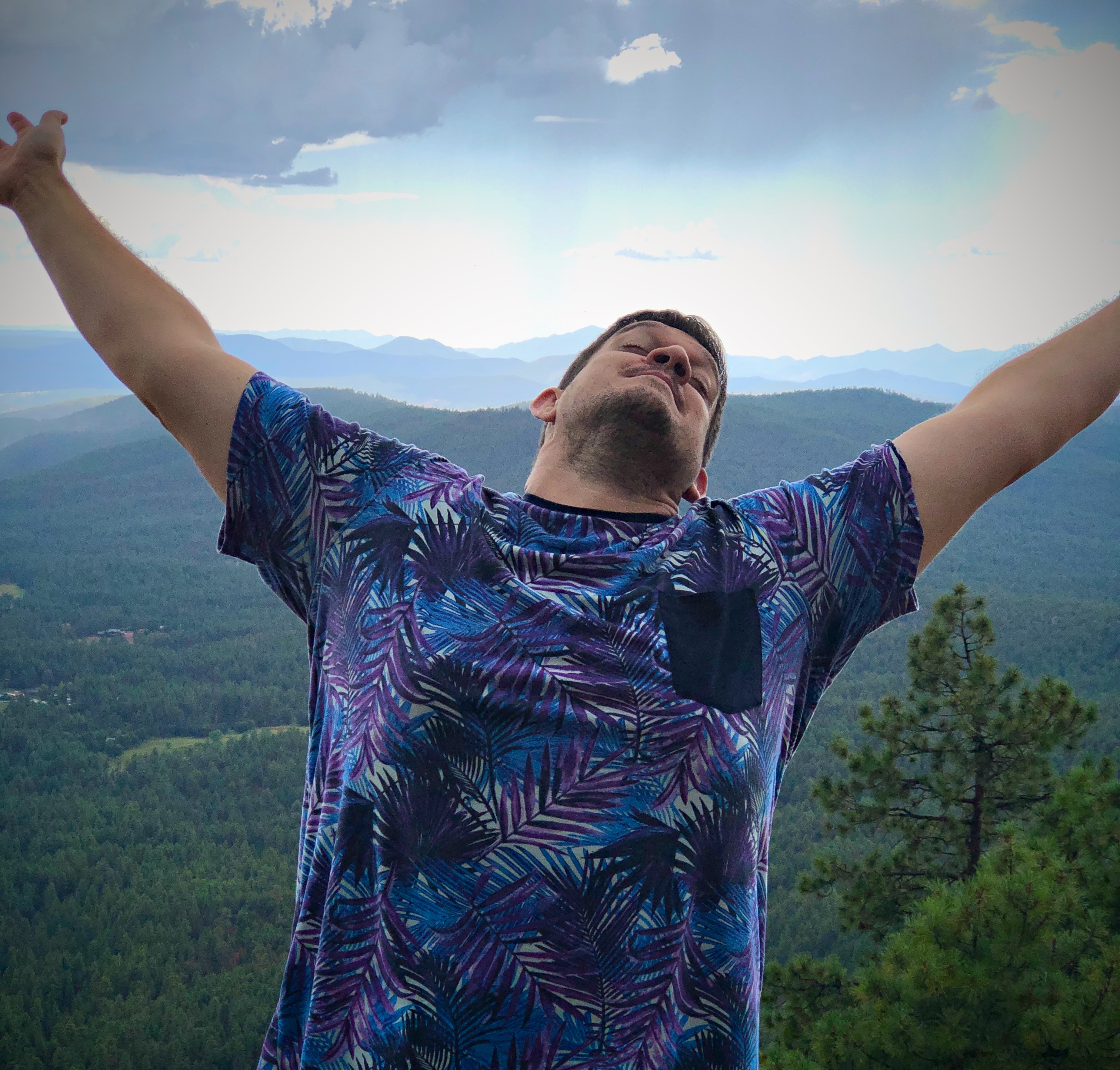
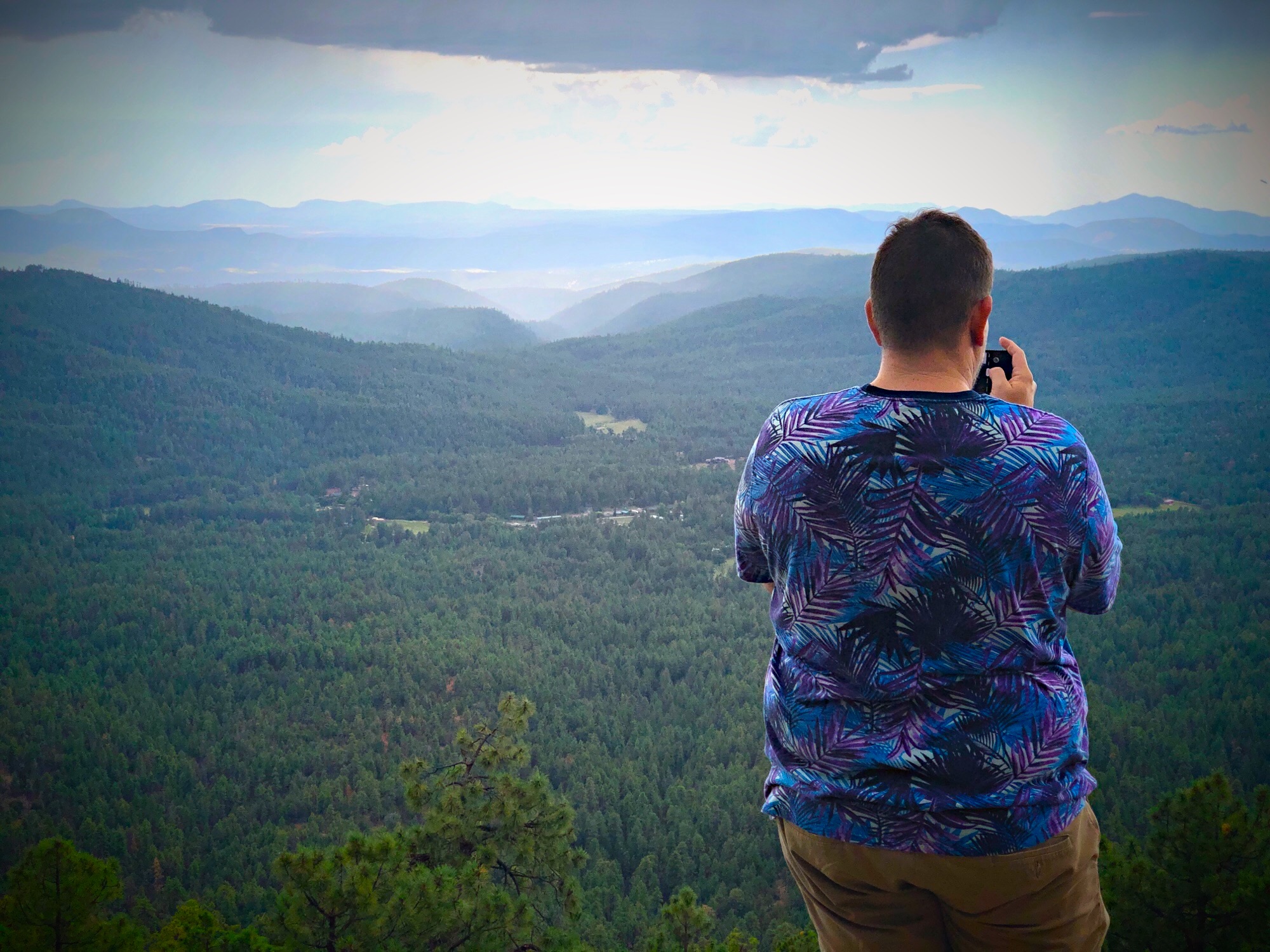
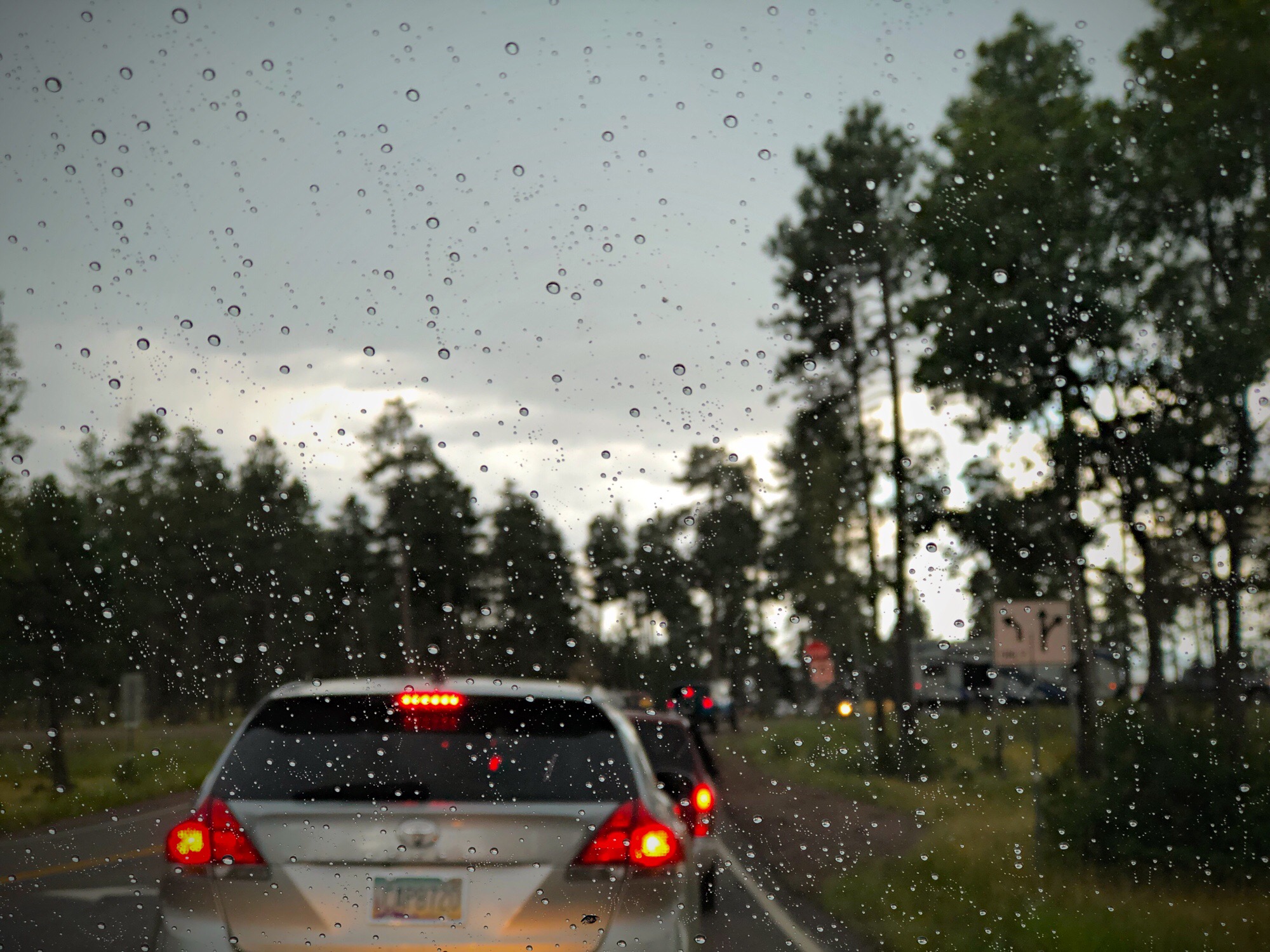
And while we didn’t think it would happen, the storm followed us home. About an hour after we got there, it POURED for a solid 20 minutes.
0 comments
0 comments
0 comments
0 comments
0 comments
 Not a word passes between us, not because we have nothing to say, but because we don’t have to say anything.” ~ Khaled Hosseini
0 comments
0 comments
0 comments
Previously on Battlestar Galactica…
Ric was another Louie’s regular, although I don’t remember him ever showing up at a GSA meeting. A couple years older (I believe he was 20 or maybe 21 when we met), I was enraptured. On yet another Friday afternoon at the table plans were being made for the evening. Ric turned to me and asked what my plans were. “Just going back to the dorm and watching some television,” I said.
“Posh! Come out with us!”
And by out, he meant Jekyll’s, which billed itself as Tucson’s newest and gayest disco,
“I dunno,” I said. “I’m not much of a going-out kind of person.”
“Well, if you change your mind, here’s my address,” he said, handing me a slip of paper. Tina’s driving and we’re leaving around 9. If you want to come with us, be there and we’ll all go together.”
I walked back to the dorm, butterflies dancing in my stomach. On one hand I was being honest when I’d said I wasn’t much for going out; on the other hand, I desperately wanted to get to know Ric better and yes—I wanted to see what gay life was really like.
The butterflies didn’t dissipate, even when, several hours later I was walking down 4th Street (or maybe it was 5th Street—I honestly don’t remember) to the house he and Tina shared. I knocked on the door and Ric answered, giving me a big hug as I walked in. “Welcome! I’m so glad you decided to go with us. This will be fun tonight!”
I seem to remember one more person joining us—it was probably Don Hines—before we headed out. We all piled in Tina’s big yellow sedan and drove to Oracle & Drachman, where Jekyll’s was located.
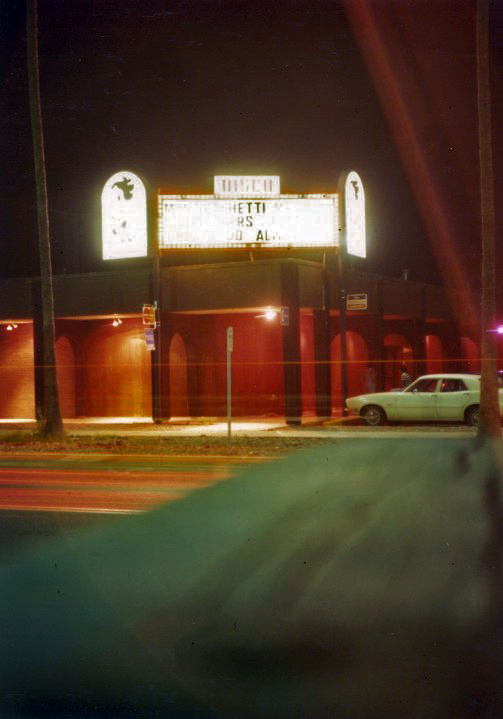
At this point, some 42 years later, memories of that evening are little more than a blur, but some things do stand out. I remember paying a three dollar cover charge to get in, but I also remember I was not carded. (At the time legal drinking age in Arizona was 19, and I was still 18.) In fact, I was never carded, except at Maggie’s in Phoenix years later—and then only because the bouncer wanted to know my name. (But that is a story for a future installment.)
Looking back, I’m sure Jeckyll’s would be judged a dive by anyone’s standards then and now, but for me it was absolute magic. I’d never been to a disco before, and here I was in a gay disco. There were men dancing with men, women dancing with women, and lots of people of—as we politely say today—people of indeterminate gender being their own fierce selves.
A wraparound bar greeted you as you walked in. To the right there was a sunken wooden dance floor and DJ booth. To the left was an elevated area with booths and tables.
And the music…I’d never been exposed to music like that before and I was entranced. It was here I first heard Giorgio Moroder’s From Here to Eternity, Themla Houston’s Don’t Leave Me This Way and Cerrone’s Love in C-Minor to name just a few. Disco wasn’t something that had been on my musical radar at all, but it became something that I love to this very day.
Not apologizing.
We stayed until the bar closed that night, and afterward walked down the street to grab an early breakfast at Denny’s. It seemed to be the place to go after the club shut down. Drag queens mingled with leathermen, and we were in the middle of it all. When we were finished eating, Tina and Ric drove me back to my dorm room, my head absolutely spinning.
I don’t remember exactly what happened after that first night out together, but at some point Ric showed up at my door and didn’t leave for a week thereafter. If my encounter with John had left me scratching my head, wondering what all the hoopla was about gay sex, Ric showed me. OMG…Ric took me places I didn’t know existed and left me begging for more.
Ah, youth.
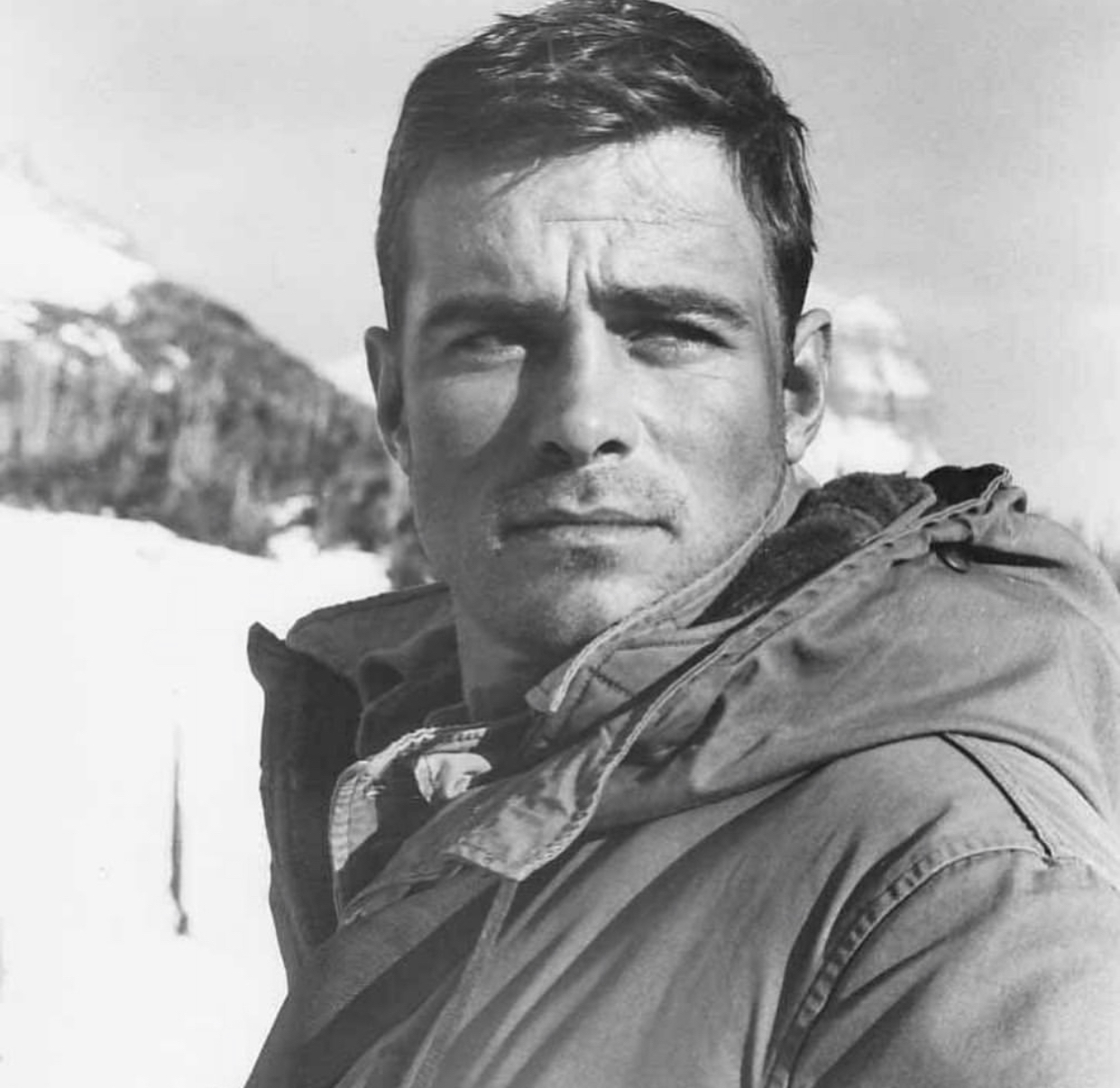
An obvious romance was brewing—at least in my eyes. We spent nights wrapped in each other’s arms, sleeping on blankets in front of the fireplace at this house when we weren’t at my dorm. When he’d left his beat-up army surplus jacket in my room one day, I brought it with me to Louie’s that afternoon to return it and he said, “You like it? Keep it.”
I wore it like a second skin.
But then something happened, and I was left wondering what precipitated it, other than what I now know to be the uncontrollable hormones of young gay men. Ric stopped coming around. We weren’t doing anything together any more. He’d become very hard to get hold of, and when I did he was distant. And then the answer arrived. I was told by someone at the table that he’d been seeing some other boy; someone who was not from GSA or the table. I was crushed. When we finally connected, there were tears. At the time I just didn’t understand. I thought we were something special…
Within weeks after the breakup, I became very ill. My tonsils and under-jaw glands swelled up. I went to Student Health and was diagnosed with mono. (I’d gone all through high school without coming down with the scourge, for obvious reasons, so it came as no surprise it finally hit when it did.)
I’d let my folks know what was going on and they expressed parental concern. I assured them I was in good hands with Student Health and basically spent an entire week in bed, missing every class. (Yeah, I felt that bad.) Shortly after my recovery, I received a very strange missive from my dad. It was an article about upper respiratory gonorrhea that had been clipped from the Phoenix gay paper. On the bottom he’d written in big block letters, “Don’t give him anything but love.”
Now keep in mind this was months before I finally came out to the family, and this left me confused as hell. How did he know? Where and how did he get this article?
The student mailboxes were adjacent to Louie’s, so I didn’t actually open the mail or read it until I was already sitting at the table. I guess my jaw must’ve dropped to the floor because they asked what was going on. “I just got this from my dad,” I said, passing it around the table.
They all agreed: “He knows.”
Next time on Battlestar Galactica…
0 comments
Previously on Battlestar Galactica…
It was shortly after my second meeting with GSA that I was introduced to the table at Louie’s Lower Level.
Louie’s—located in the basement of the Student Union—was the funky laid-back alternative to the more traditional and sterile campus cafeteria upstairs and doubled as a great gathering place for students before and after class. Think lots of dark wood, Tiffany lighting, and plants in macrame slings. Kind of TGI Fridays on a budget. (It was 1977, after all.)
I’d been going there since I started at the university, but until my second GSA meeting and a group of us headed downstairs afterward to grab a bite to eat, I’d somehow been completely oblivious to the fact that one long table off to the east side of the dining room was home base for many of the campus homosexuals.
It was there where I met my tribe that spring: John Maguire, Ric Hathaway, Chas Dooley, Don Hines, Kent Kelly, John Marion, Abe Marquez, Tina, Marco, and many others who became friends, mentors, and yes, in a couple cases, even lovers over the coming months. I shall do my best to give each their proper due since so many of them are no longer with us.
Chas Dooley
I actually met Chas before GSA or Louie’s. He was a good friend of Andy’s and visited him a lot when I was in the old dorm. Chas was young, black, proud, flamboyant, and simply had no fucks to give. He intimidated me when I was still in the closet; once out I came to admire and adore him. In fact, there were times over the next couple years I wanted nothing more than to jump his bones, but while the interest seemed to be mutual, the timing was always off and it never happened.
I lost track of Chas sometime between 1978 and 1980. He’d moved home to Louisiana and while we’d continued to correspond eventually a letter was returned as undeliverable and the phone number I had for him was disconnected.
It was in 1991 or so that I was walking home from the Castro to my apartment off Church Street in San Francisco and I passed a handsome black man coming my way. We made eye contact, smiled, and after we’d passed almost immediately turned around. “Chas?” “Mark?” We rushed to each other and hugged. He was late to be somewhere, so we couldn’t catch up. We exchanged numbers (I guess everyone ends up in SF eventually), but not for lack of trying, we never did reconnect.
I have tried to track him down, both through normal channels as well as through the Social Security Death Index (you never know, and if he’s gone I’d like closure) but there are hundreds of Charles Dooleys listed online (but none in the SSDI), so I’ve given up hope of ever reconnecting with him.
The First Time: John Maguire
I wasn’t particularly attracted to John. We’d both become regulars at Louie’s and had gotten friendly, enjoying each other’s company, but while there were many tasty things on Louie’s menu, lust of John definitely wasn’t one of them. One Friday afternoon we were at the table talking and discovered we were both still virgins. He looked at me and asked, “Do you want to do something about that?” A thousand thoughts ran through my head in a flash, and I blurted out, “Sure!” It was one of those, “Oh fuck, why not?” moments.
We didn’t go out on a proper date beforehand and there was no romance; he simply showed up at my dorm room at the appointed time and we got naked. I won’t go into all the gruesome details, but let’s just say the experience was far from what I think either of us had hoped for. After he left I thought, “This is what has everyone in such an uproar?” John and I were still amicable after the encounter, but something had definitely changed and neither one of us really put any further effort into our friendship developing further.
I have no idea whatever happened to John. Upon returning to school for my sophomore year, many people had disappeared from GSA and the table, John being one of them. I heard he’d moved home to New Jersey.
And again, like Chas, there are hundreds of possible John Maguires online. So…yeah, tracking him down, living or dead…not going to happen.
Next time on Battlestar Galactica…
3 comments
Donna Summer: Live and More (1978)
0 comments
0 comments
I believe there’re other forms of intelligence in the universe. I’ve seen and heard some pretty convincing UFO stuff. Besides, if we’re the most intelligent things in the universe…well…that’s just depressing.” ~ Rekha Sharma
0 comments

0 comments
Being a teen is always tough, but being a teen NOW, in the middle of this global shitshow, plus social media, plus cyber bullying, plus call out culture … it’s just got to be fucking AWFUL. My heart goes out to every teen who is just trying to figure out what the fuck is going on with themselves, and also has to live with all that bullshit.” ~ Will Wheaton
0 comments
0 comments
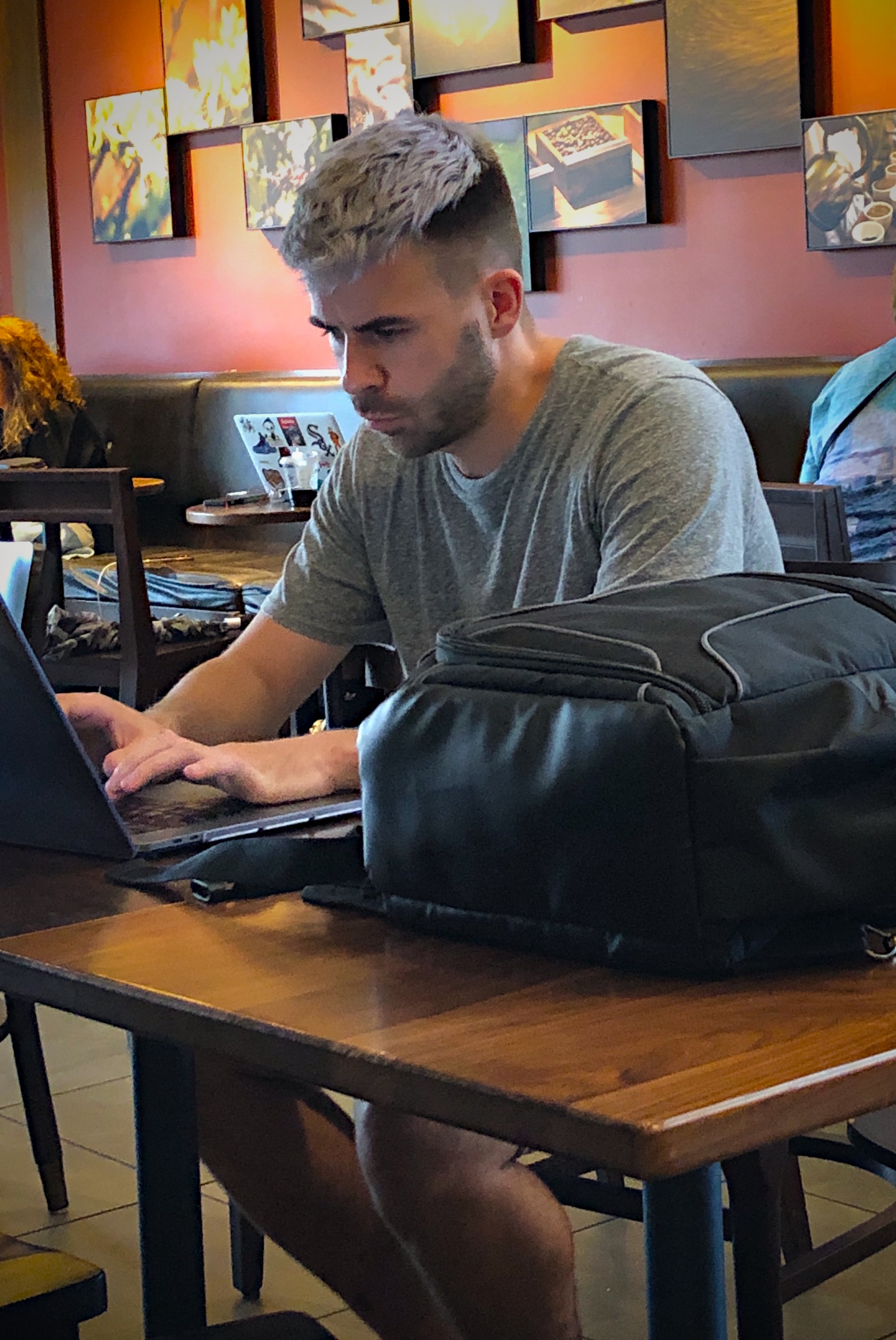 Ben: “He looks like a 90s hacker.”
0 comments
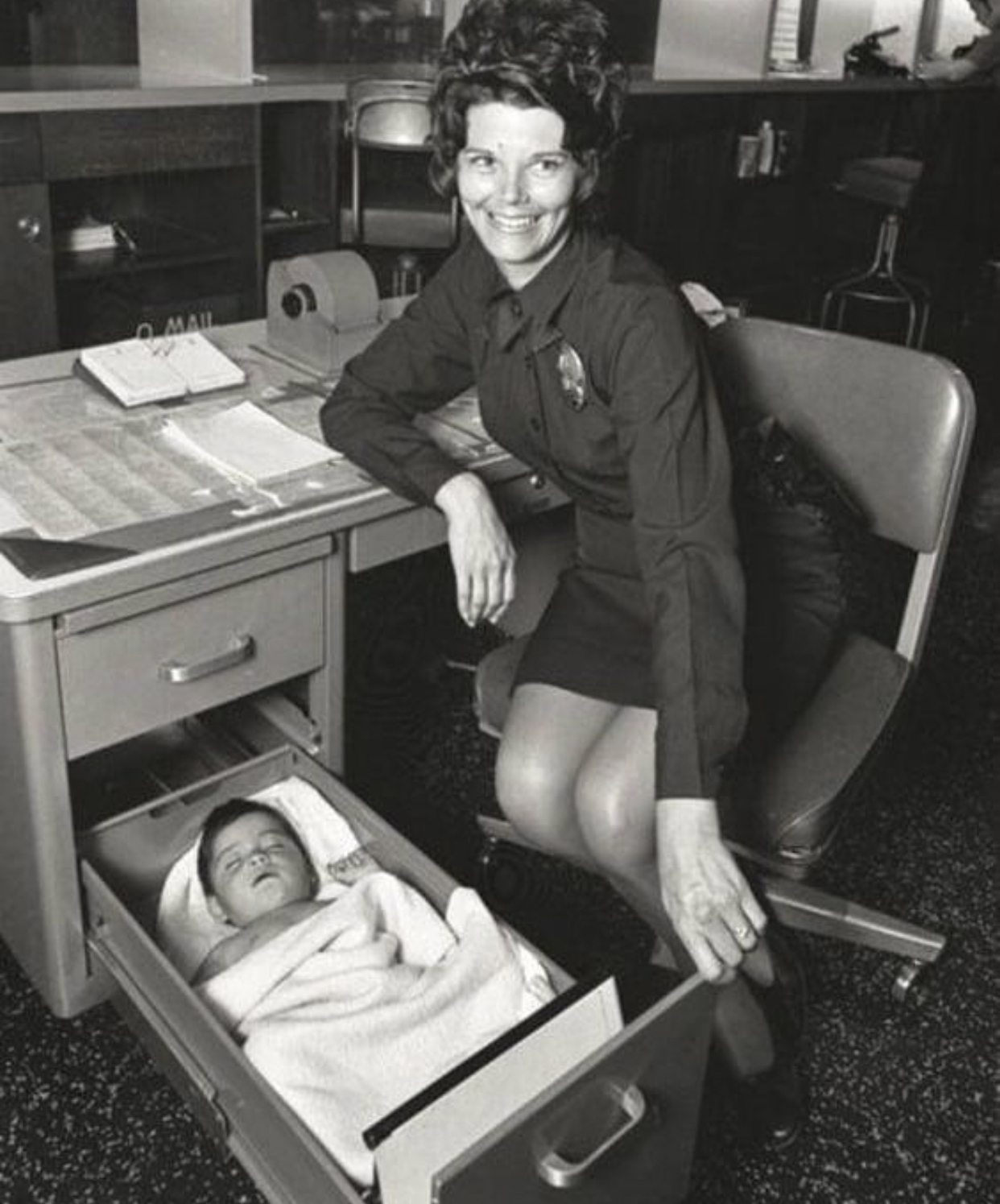
“And when it starts crying, I just close the drawer!”
0 comments
0 comments