0 comments

Shitposting since 2005

0 comments

0 comments

0 comments

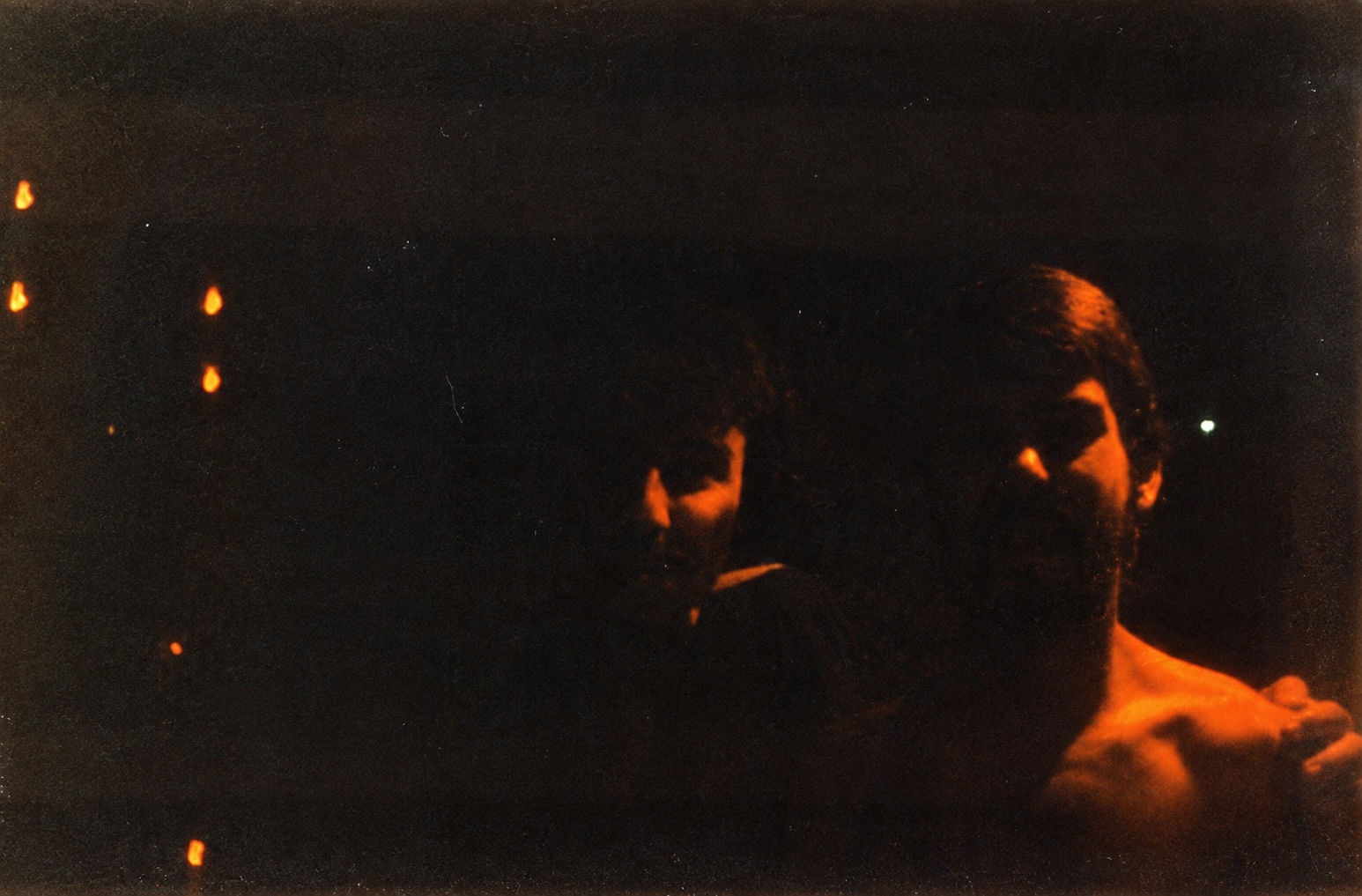
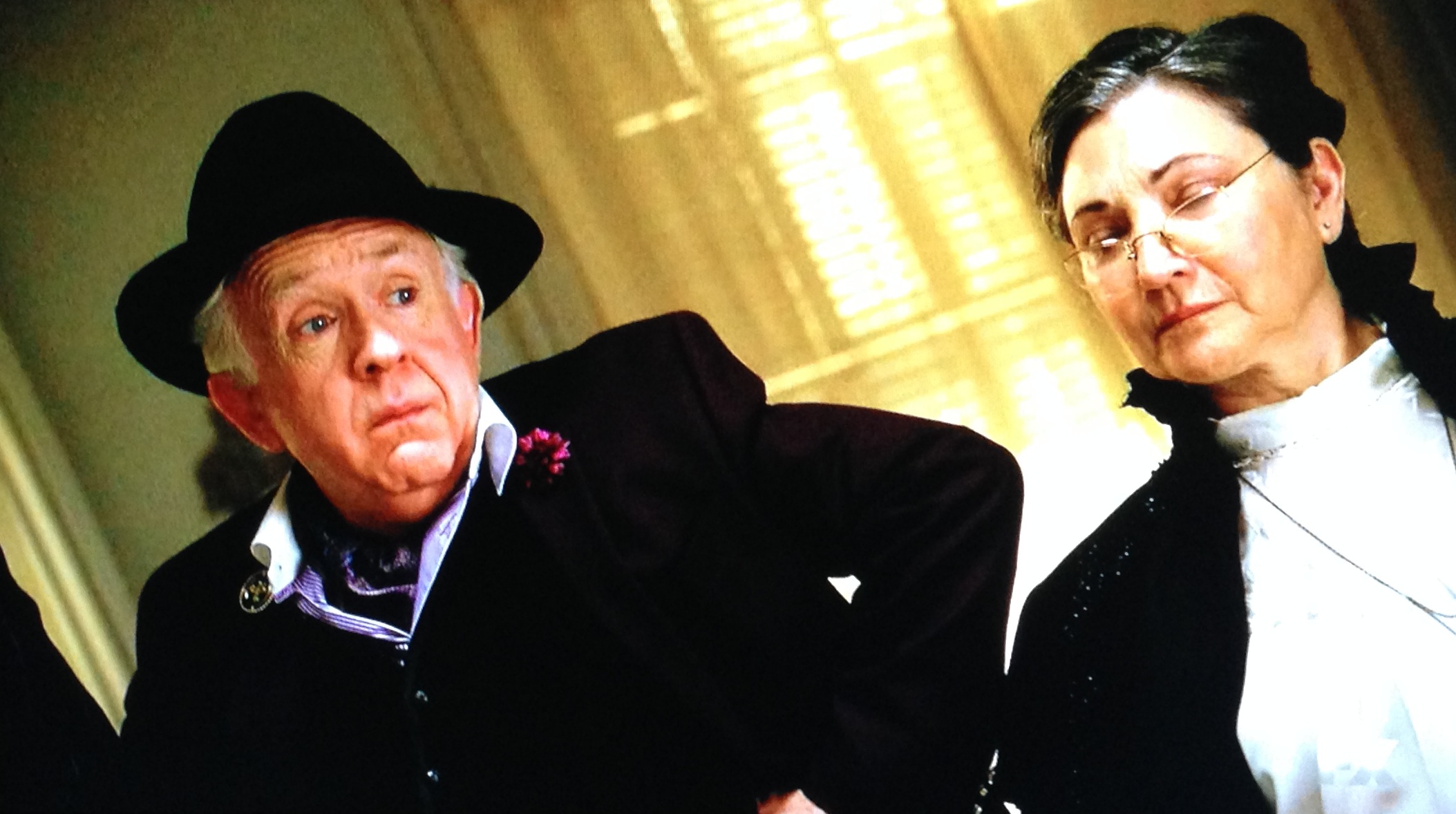
“She’s not a villain—not to me; not when I was playing her. She was a very devoted woman looking to meet her goals. So committed she was that she didn’t take breaths between her sentences. Look, she had to get things done for her husband and for Satan, and that’s a heavy load, right? Just a nice lady with a to-do list that happens to be devoted to the Prince of Darkness. I could relate to her.”~Ruth Gordon on the role of Minnie Castevet in Rosemary’s Baby/Interview with James Grissom, 1984
P.S. She was upset about the continuity error with the hair roller, but…what are you gonna do?
[source]
This remains one of the most unsettling films I’ve ever seen.
And if you substitute Fred Trump for Guy Woodhouse and Mary Anne MacLeod for Rosemary it all starts to make sense. (Although I think both Fred and Mary Anne would’ve been willing participants and neither one was ever remotely as attractive as John Cassavetes or Mia Farrow. (I mean, John in his prime was hot.)
2 comments

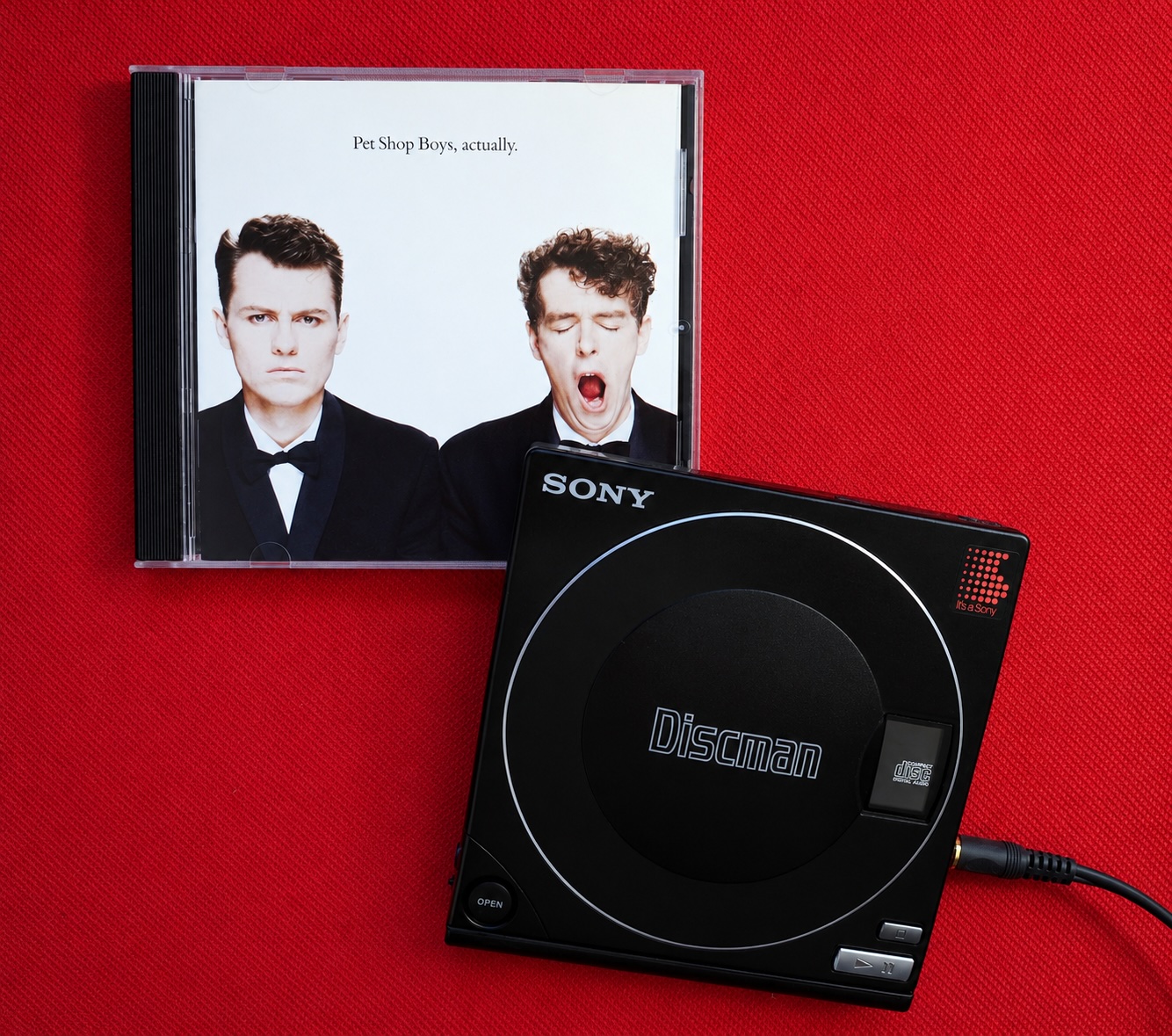
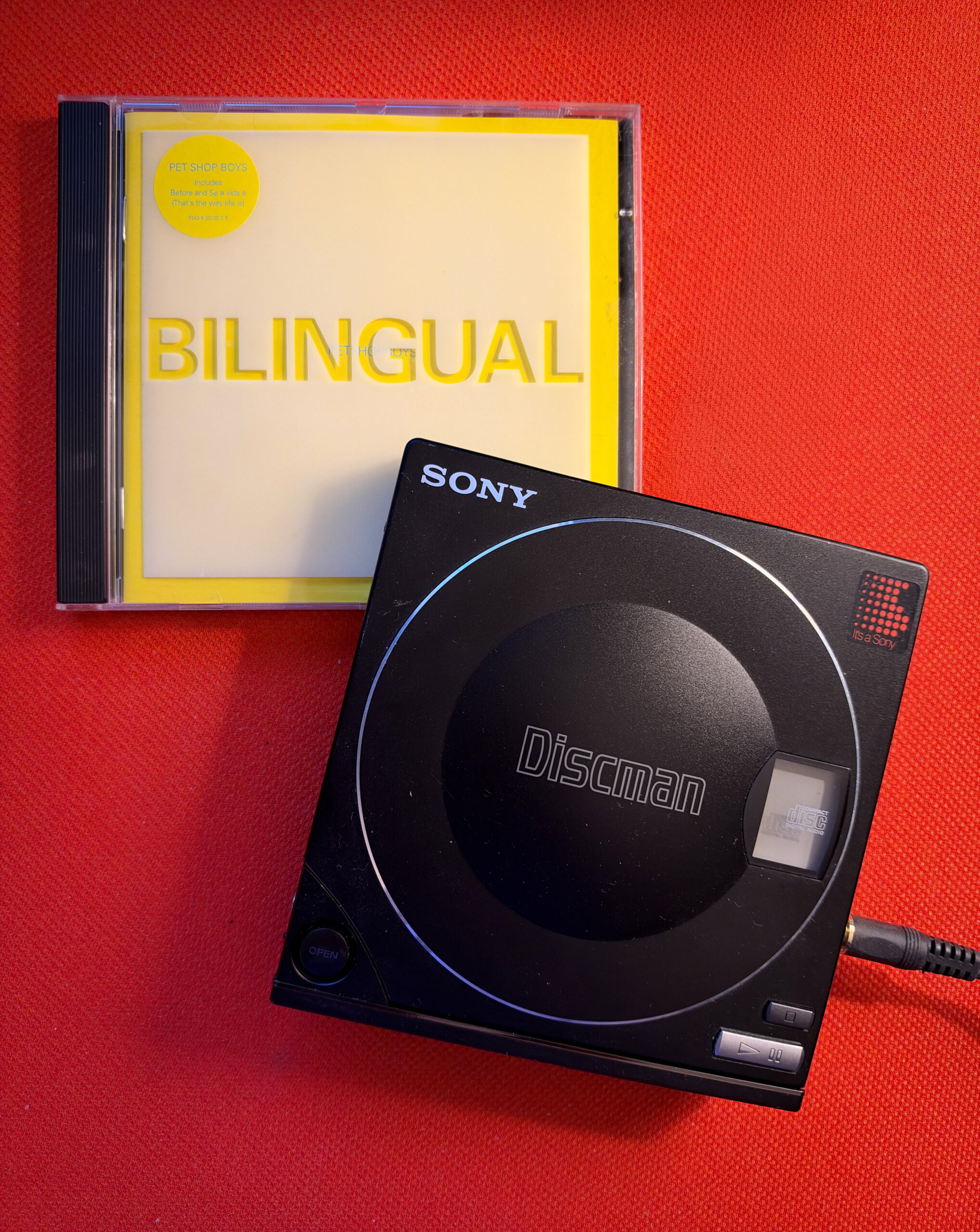
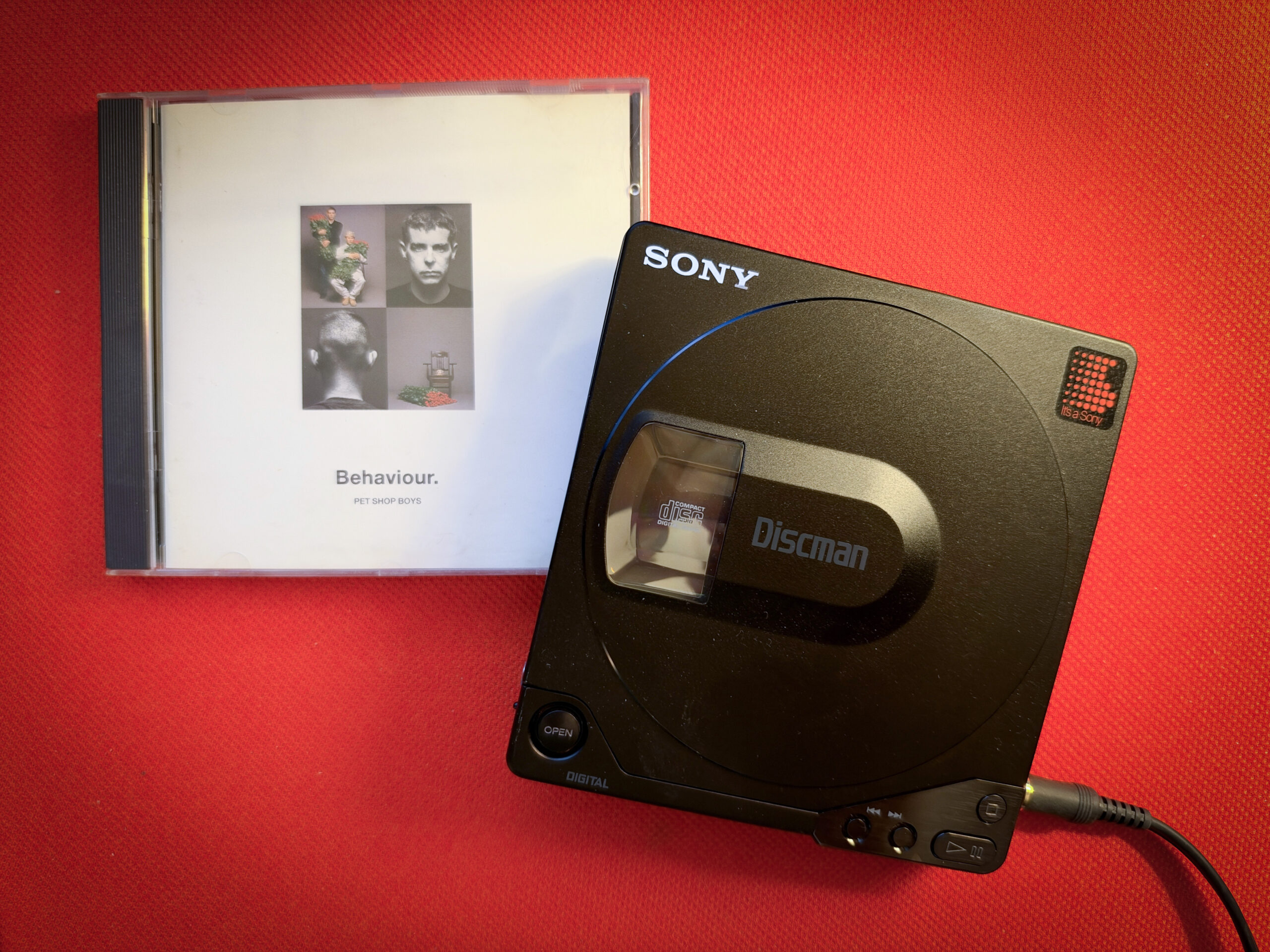
The only one I’ve never heard/owned is The Smiths. That being said, I’m really torn between Madonna, Pet Shop Boys, Eurythmics, and Janet.
3 comments


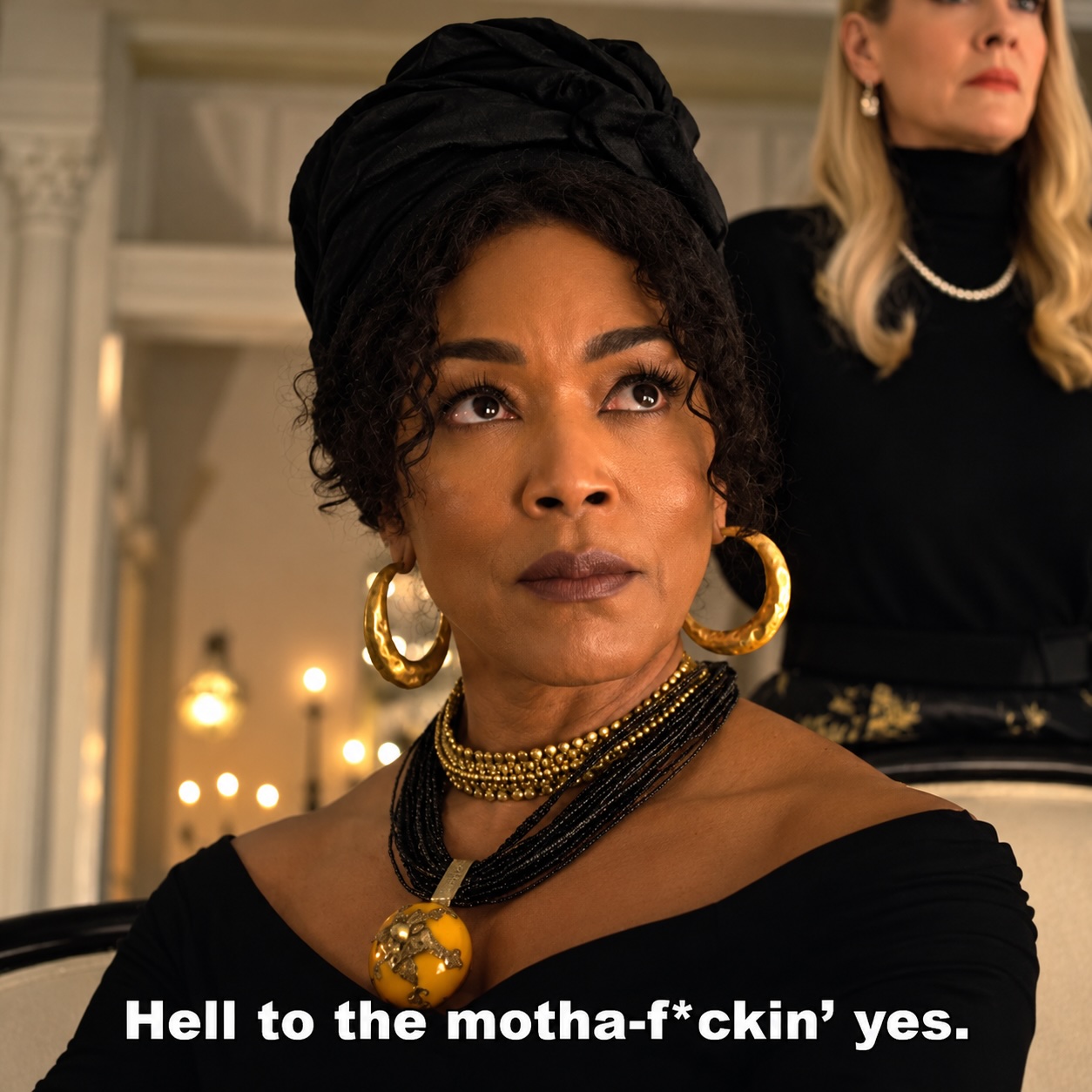
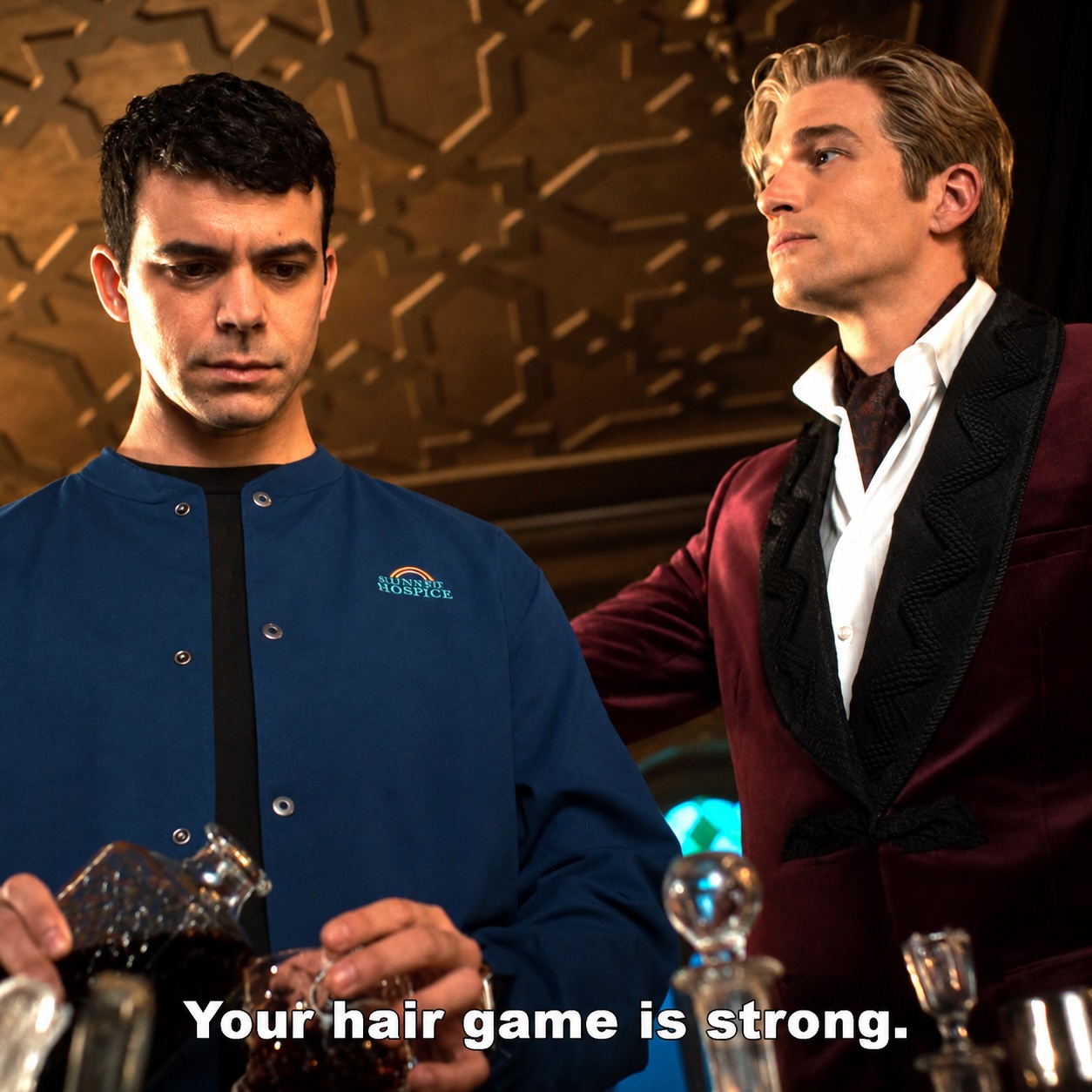
…because it doesn’t make a lick of sense until you get to Episode 5 or 6. And even then I find myself going, “WTF?!”
2 comments

0 comments

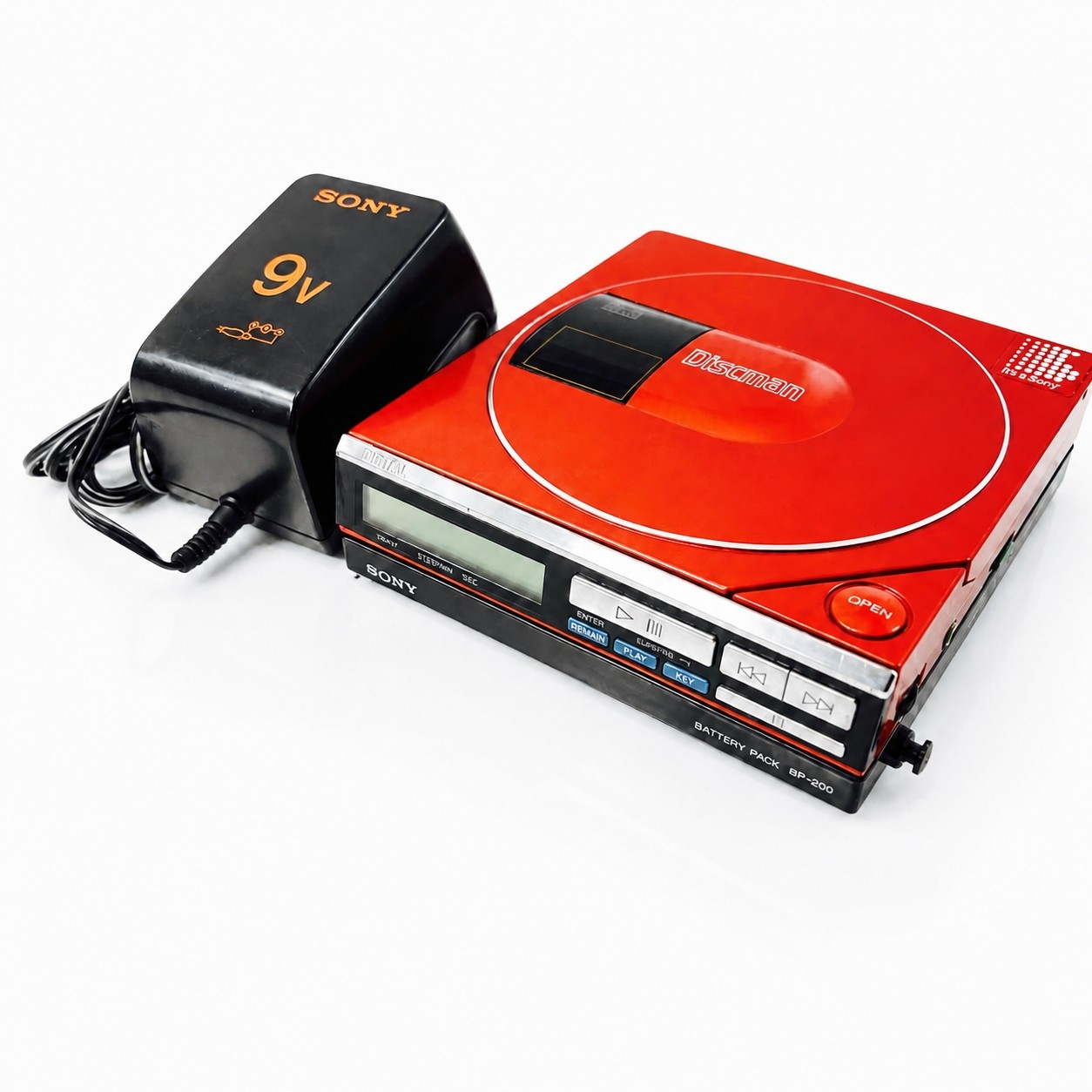
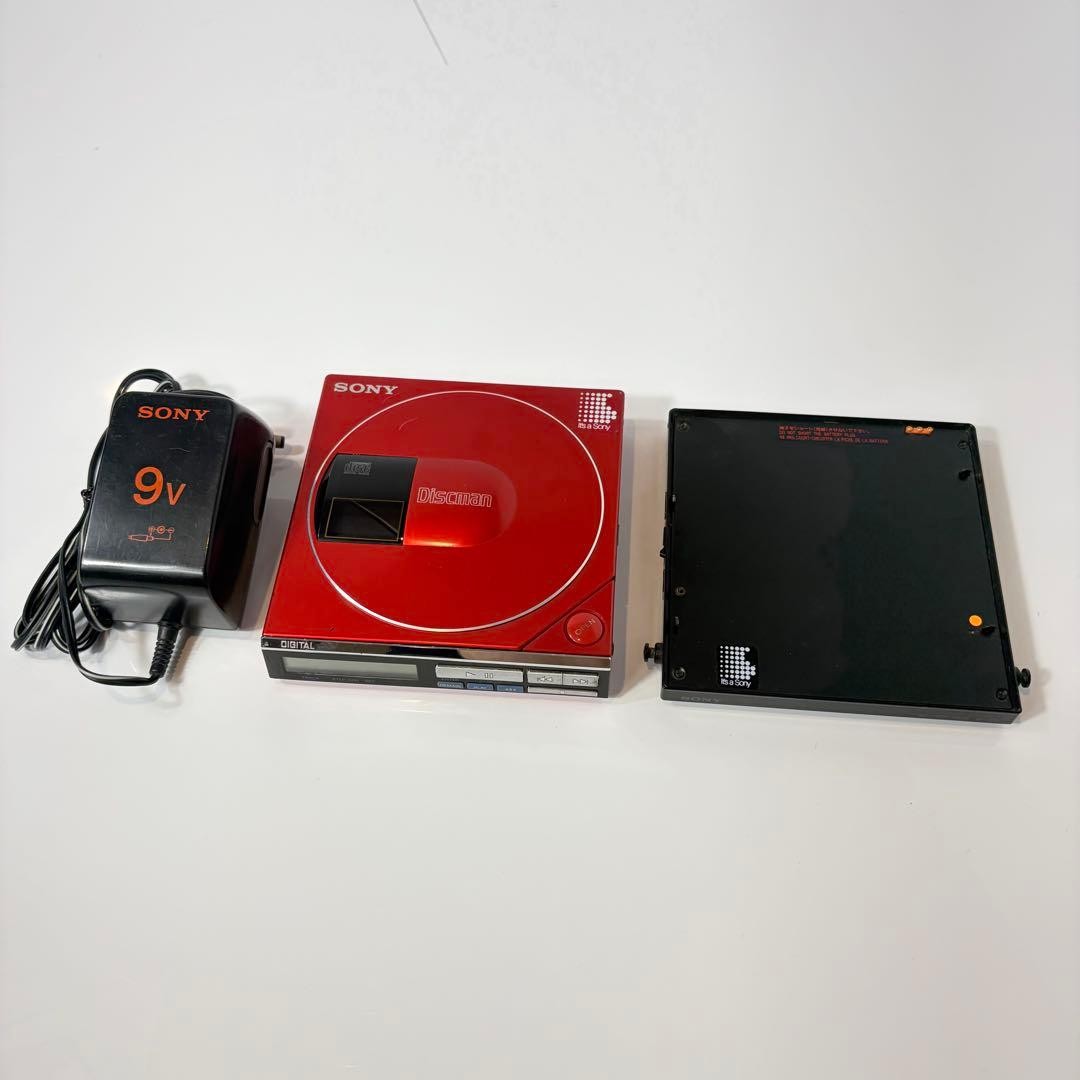
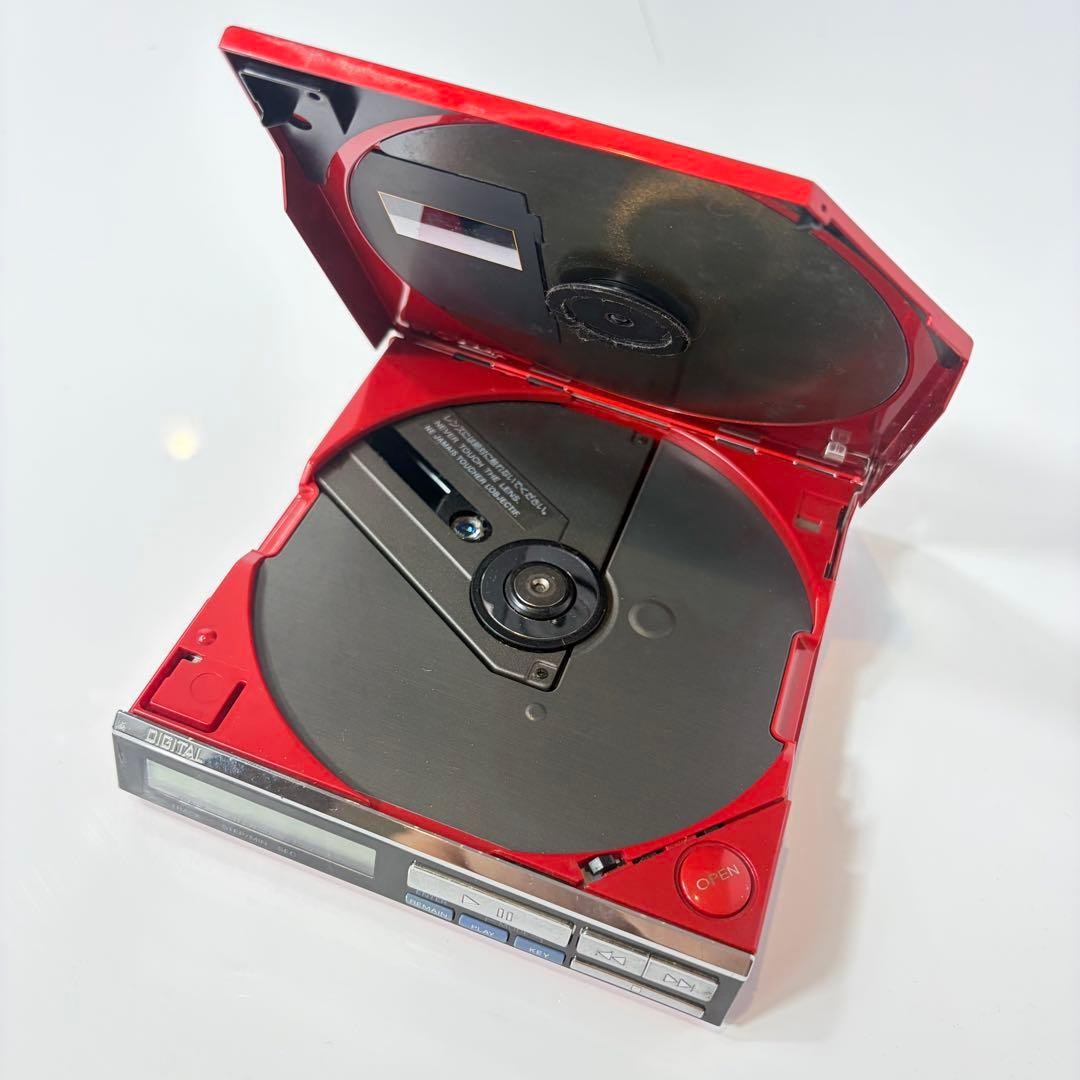
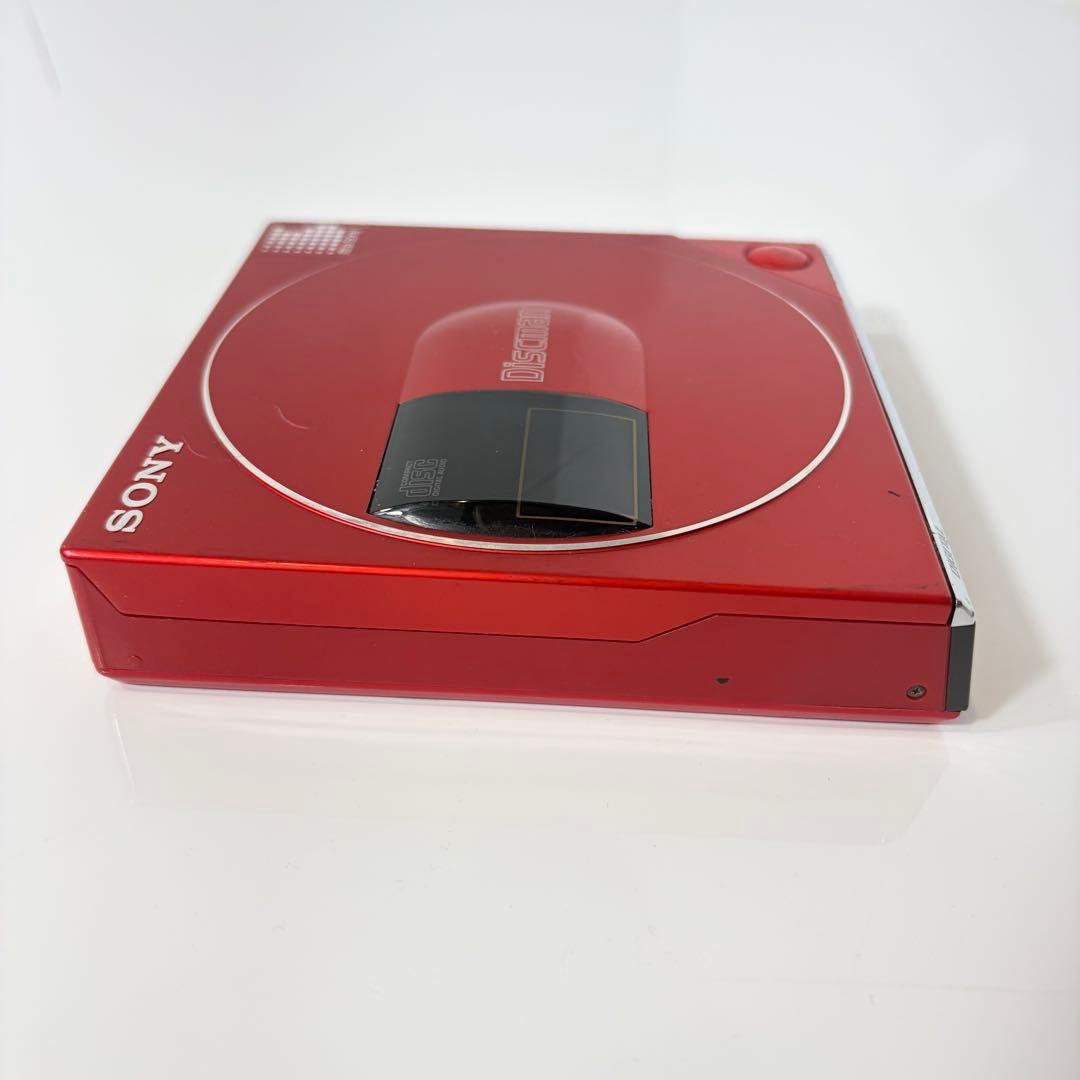
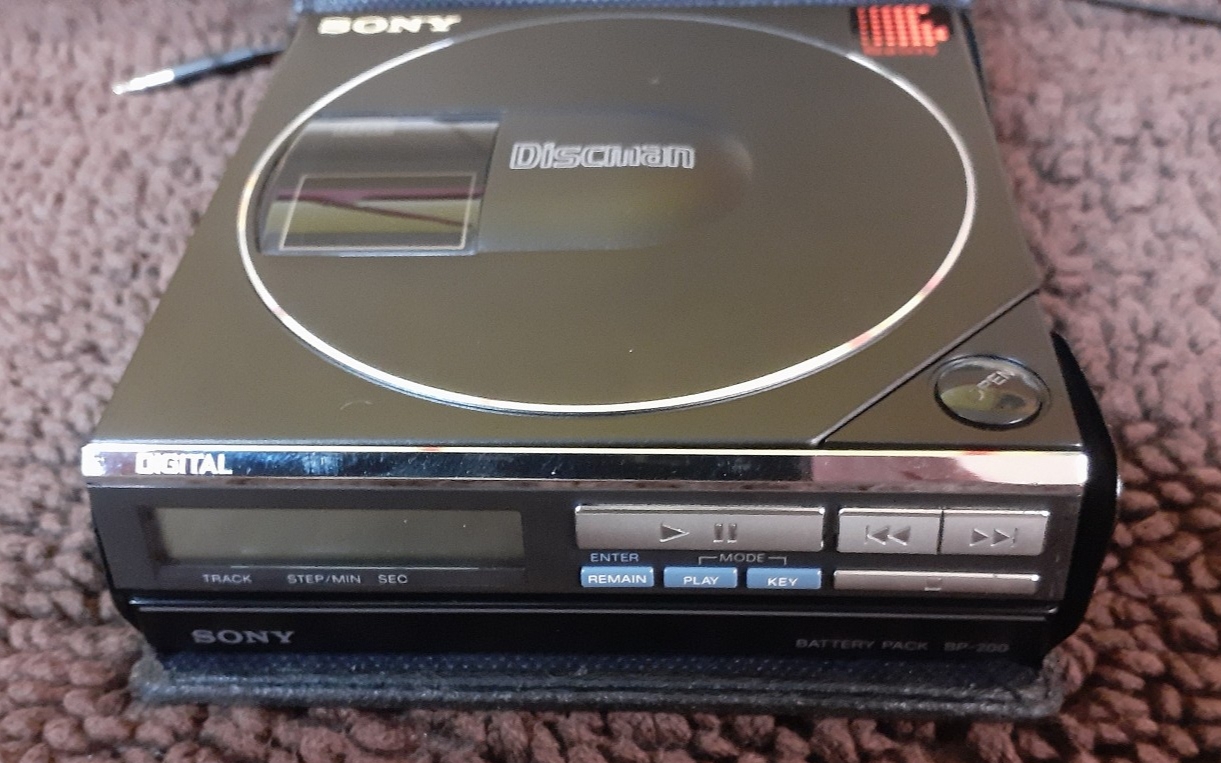
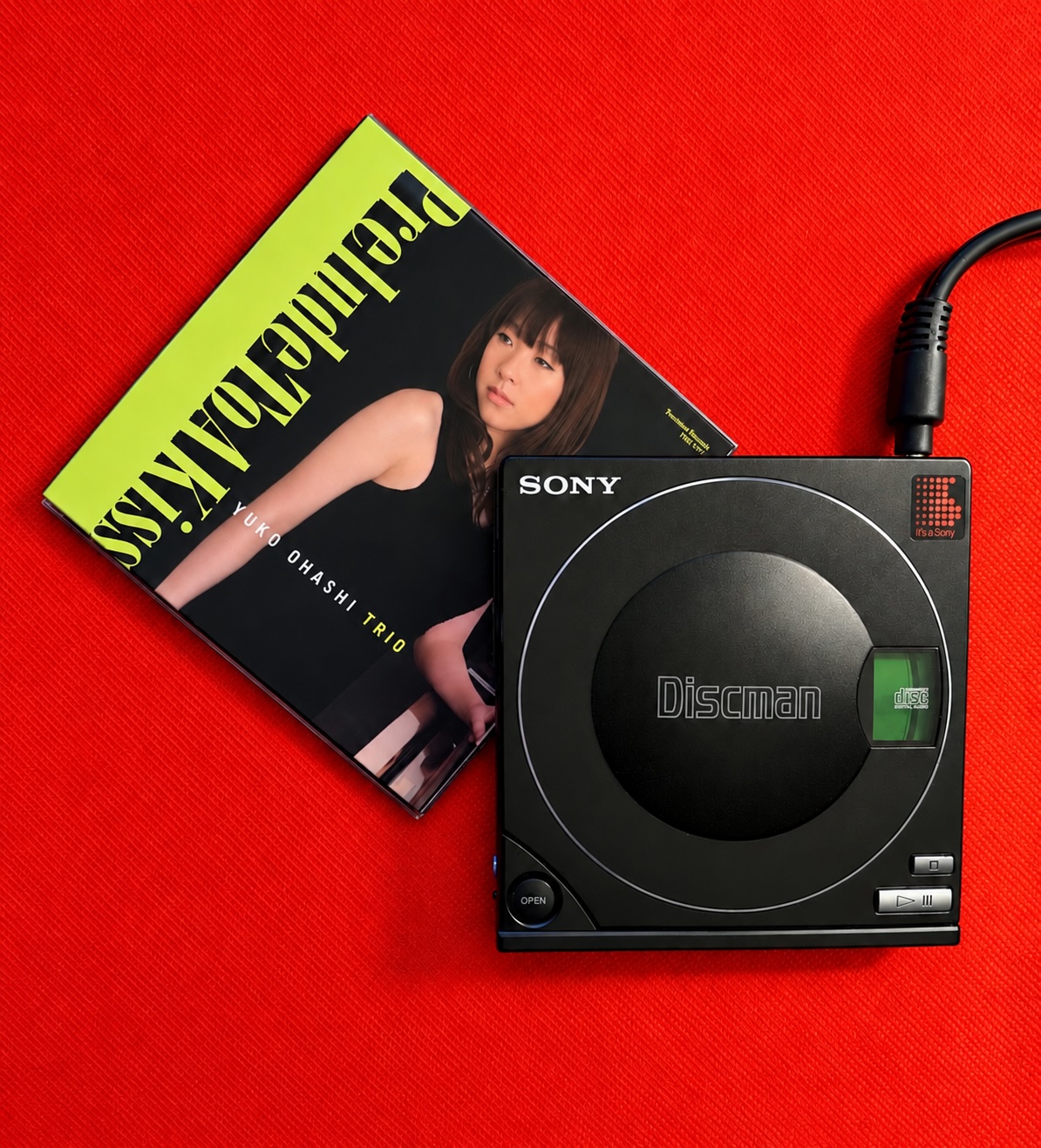
Sony introduced its CDP-101, the first commercial compact disc player, on October 1, 1982 and was in production until 1985
List price was $730, and the player was initially only available in Japan. The release coincided with the first release of compact discs by Sony and Philips in Japan.
It was released to the US and worldwide on January 2, 1983.

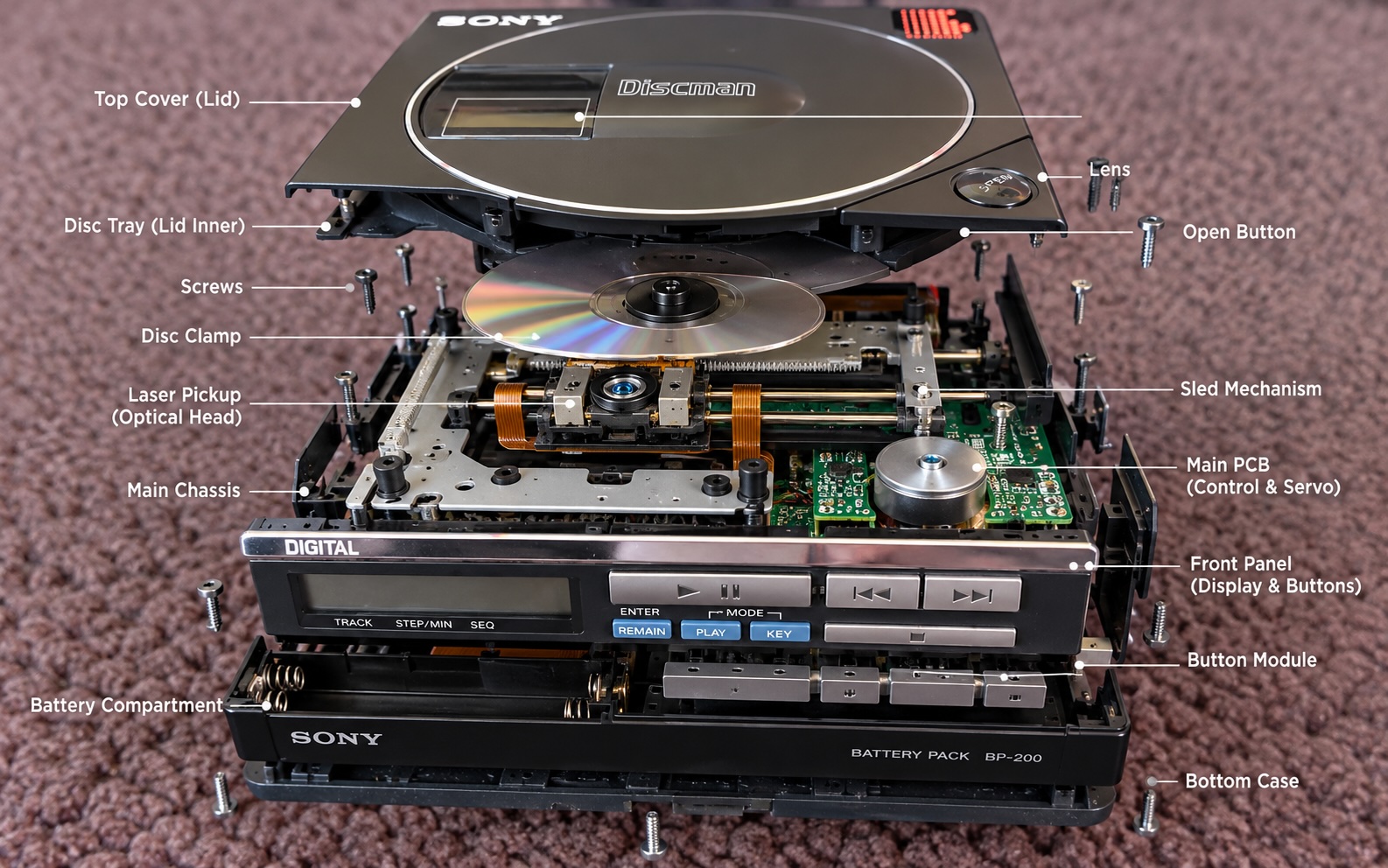
Demonstration CD players from Sony had the disc placed vertically in the machine allowing the CD face to be visible through a transparent front whilst playing. The CDP-101 instead opted for a horizontal tray-loading system. The case and front panel of the system were manufactured from plastics.
The front of the unit featured a vacuum fluorescent display panel to provide information such as track number and playing time, an infrared receiver for the included remote control, and buttons to control playback, open and close the tray and toggle the display between showing elapsed and remaining playing time. The only dial was for adjusting the volume level of a 1/4″ headphone jack.
At the back of the unit there are two on/off switches, one labeled Auto Pause and the other Anti Shock. There are two RCA jacks to carry left and right channels of audio; a 26-pin accessory connector is included, presumably for future developments that did not materialize. There is also a heatsink on the back.
The remote control unit, RM-101, has most of the same buttons as the main system. It omits the open/close button and display toggle, but has numbered buttons unlike the main unit, that allow a particular track number to be selected.
The model name CDP-101 was chosen by Nobuyuki Idei, who headed Sony’s Audio Division. “101” represents the number 5 in binary notation and was chosen because Idei considered the model to be of “medium class.”
Because of the high cost of digital-to-analogue converters (DACs) at the time, the CDP-101 has only one DAC for both the left and right audio channels. There is no sample-and-hold circuitry to delay the first channel until the other is ready, so the left and right channels are out of sync by approximately 11 μs. The output voltage is 2V RMS.
Unlike the Philips CD100 which uses oversampling to enable the use of a 14-bit DAC, the CDP-101 features a 16-bit DAC that was designed and manufactured in-house by Sony. The decision to use 16-bit CD encoding was made at Sony’s insistence, because Philips had already developed a 14-bit DAC, and Sony was worried that would allow Philips to get their product to market first if 14-bit encoding had been chosen.
0 comments
6 comments
0 comments

0 comments

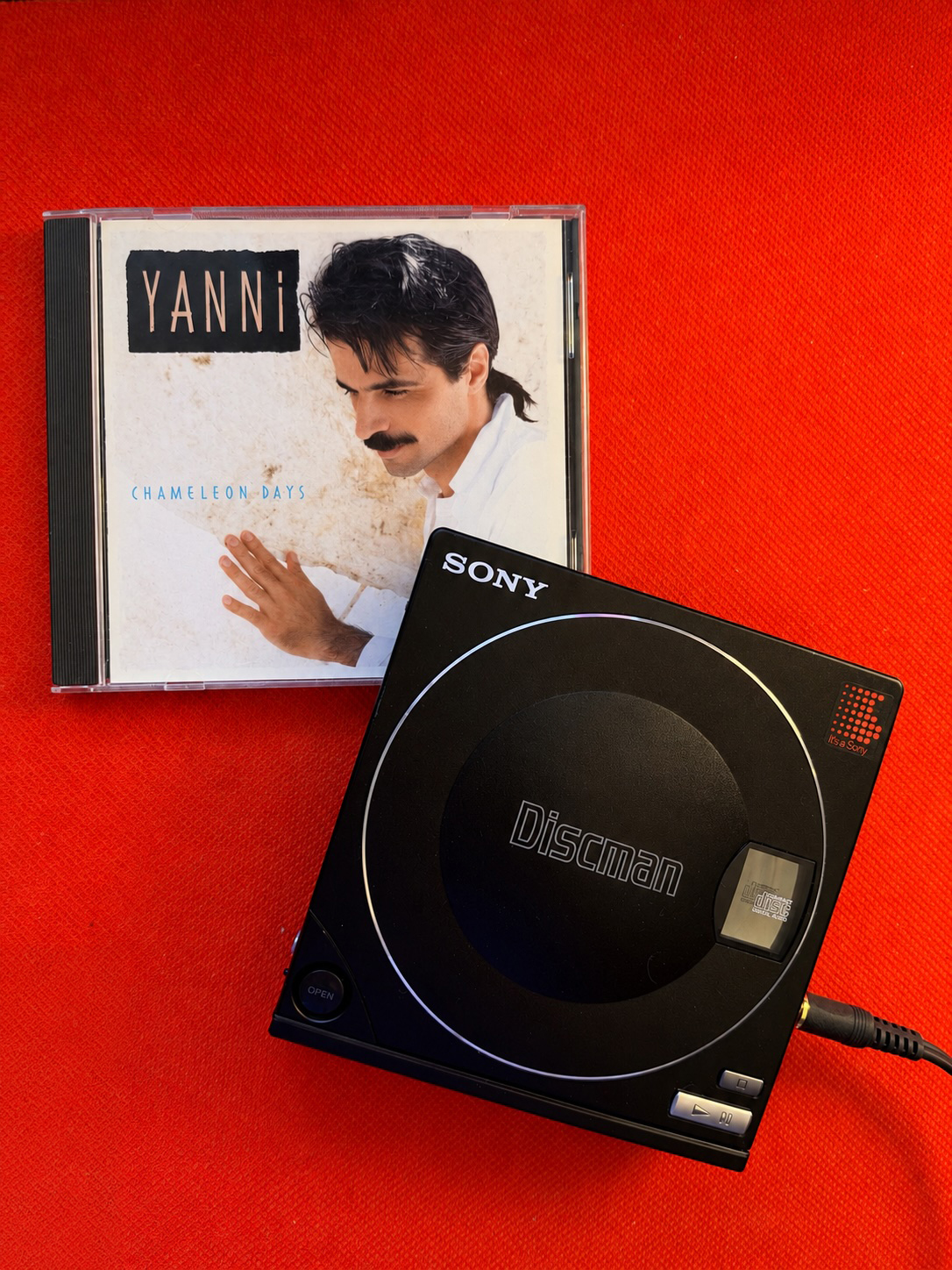
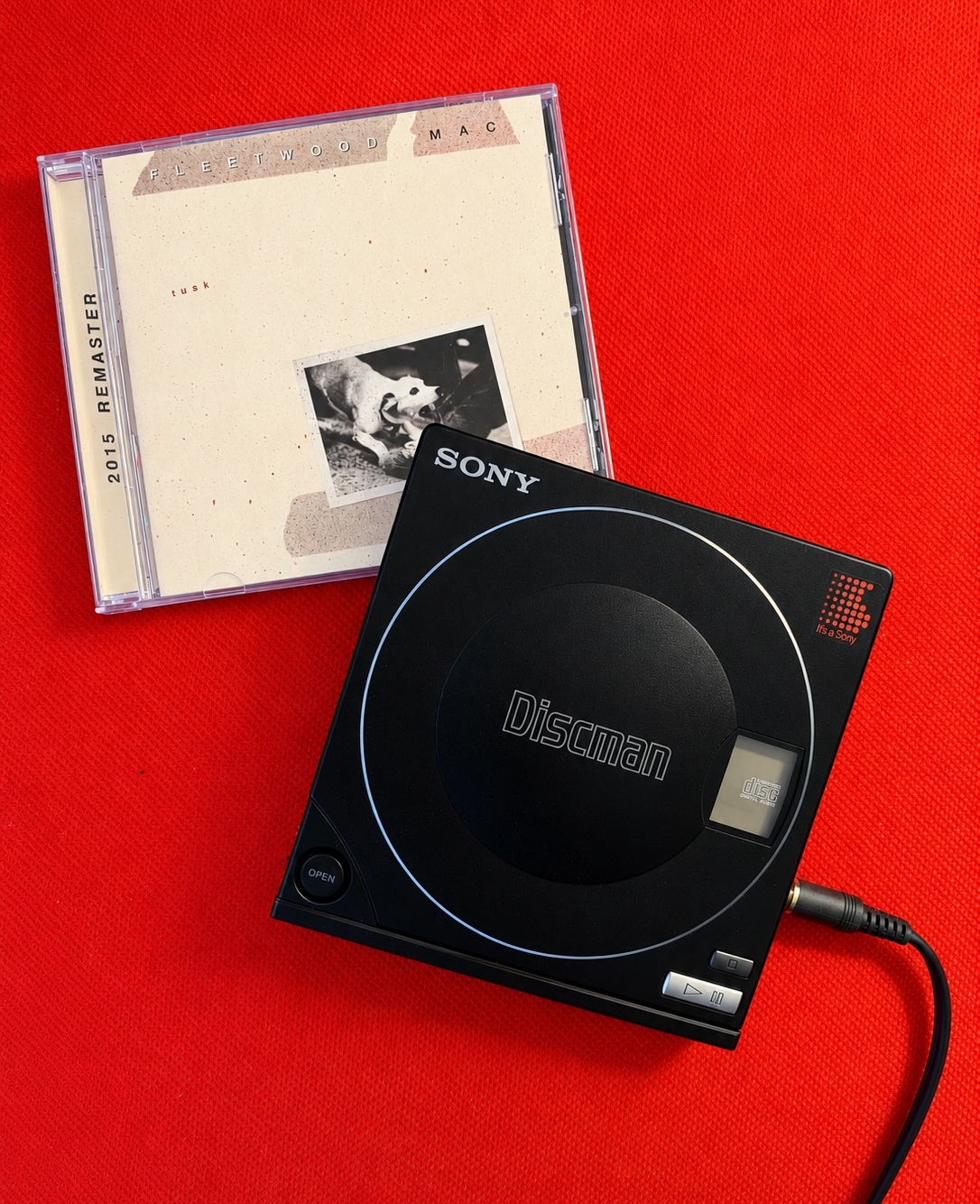
Played on a period-appropriate CD player, no less!
I love this album so very. much. Not only is the recording itself…

technically and sonically superb, but the songs themselves are a perfect reflection of the late 80s. In my opinion, Faith and Listen Without Prejudice perfectly reflect George Michael at his peak. Neither Patience or Older were bad, but both are eclipsed by the two previous releases. And as far as Songs From the 20th Century is concerned, as much as I want to like it, I still listen and my reaction remains, “Wut?”
0 comments

0 comments

0 comments
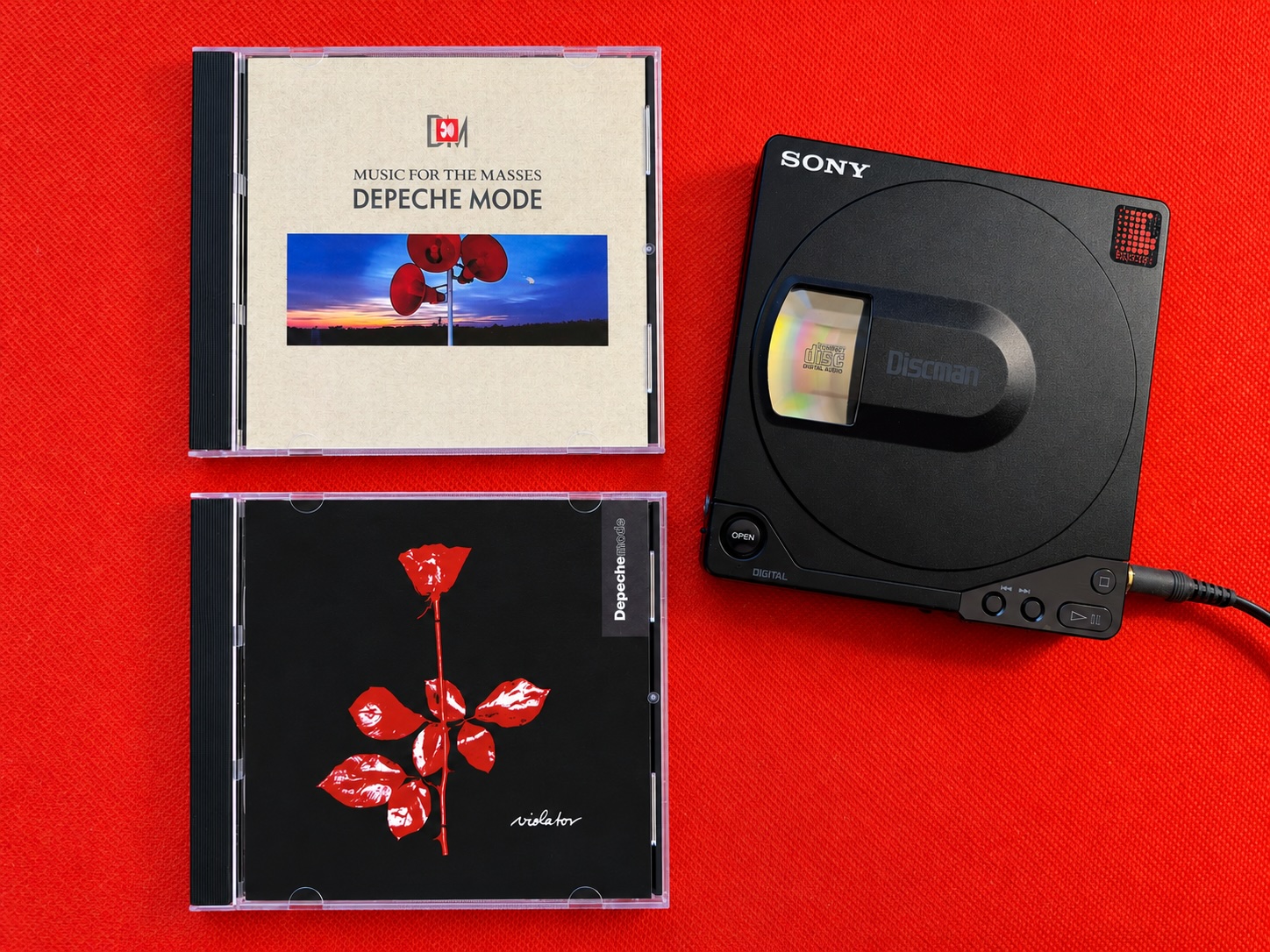
Depeche Mode: Music For The Masses (1987)
Many a heated discussion occurred between myself and a colleague in that little architectural office as to whether Depeche Mode or Pet Shop Boys were better…
0 comments
Pet Shop Boys – Very Relentless (1993)

This was one of the first CDs I replaced when I started rebuilding my collection years ago, and remains one of my all-time favorites.
As I wrote last spring:
I love this album, mainly because it was so different [the Relentless disc of the set] from what PSB had put out up until that point.
I will forever associate this disc with a little club I happened upon called The Playground in San Francisco in August of 1993 because it seemed they were always playing it.
I discovered The Playground after I had started boxing up my life to move back to Arizona—for the first time—after nearly a decade in The City. City life—and still pining over Rory—I knew it was time for me to cut my losses and start new.
Once I’d made up my mind to leave however—going so far as to give notice at work and on my apartment—as she is wont to do, The City pulled out all the stops to get me to stay. One evening I was out in front of my apartment building washing the car, and an absolutely gorgeous man happened by, struck up a conversation, and the next thing I knew we were upstairs doing the nasty. I started meeting guys left and right. And then my friend Rick came over one evening and started singing the praises of The Playground.
I was no stranger to sex clubs, having frequented the 1808 on a regular basis just after moving to San Francisco and spending many a rainy night wandering the halls of Mike’s Night Gallery many years later, but I’d drifted away from those venues because it was easy enough to find sex pretty much anywhere in the city if you really wanted it. So why pay for it?
In any case Rick’s full-throated (pardon the pun) endorsement of The Playground let me to check it out one night.
From the description in my Journal at the time:
There ís something very primal about the place, something that ís very much linked to our deepest (and yes, darkest) sexual fantasies. The owners have a gold mine in their hands, if they know how to keep the ambiance alive.
It s a converted warehouse on 17th Street between Folsom and Harrison. The building itself is at the back of a large parking lot. It’s all gray metal with yellow painted trim. At night there are two rotating yellow beacons located on the loading dock where you go in. When you first enter, to the right is the admission area. When you pass through that, you first enter the television and refreshment area. There are several sofas clustered about a lone TV. If you proceed back, slightly to the left, the next area you come to is the glory hole space. It’s a series of black painted cubicles surrounding a raised platform. Naturally, there are more than ample holes drilled between the cubicles and the platform. Immediately to the right of this area is what I’ve come to call “the drive-in.” There’s an English taxi (vintage unknown) parked there that faces a projection television that plays the same porn videos that are playing in the television area. If you continue back toward the rear of the building from the drive-in, you get into another area dominated by separate cubicles. These cubicles surround another, smaller room, and they have small holes drilled at eye-level, allowing you to look into the smaller room and see whatís going on. When you exit the peep-hole area and head again, toward the rear of the warehouse, you pass “the dungeon” on your left, where you’ll find a sling and various other equipment I could not identify. To your right is the restroom (and yes, people do have sex in there). Continuing back, down a set of stairs, are three more spaces: the jail, the infirmary, and off the infirmary, a small room with a bed and a single lone light bulb. There’s something very eerie about these two rear rooms, although exactly what it is, I haven’t quite been able to put my finger on. The jail, which opened only recently, is very hot. It consists of a large area surrounding four cells, complete with bunks and toilets.
After visiting The Playground several more times, combined with all the men falling out of the sky, I abruptly changed my plans to leave and ended up staying in San Francisco for another nine months. By then the downpour of eligible bachelors had ended and I was at wit’s end with the same aspects of city life that had initially prompted my thoughts of moving back to Arizona months earlier. It was then that I returned to Tucson for six months before the siren call of The City prompted my return.
0 comments

0 comments
…meh? No spoilers.After seeing the first three episodes, I can’t say I’m especially wowed. Then again, I’m not so disappointed that I won’t be tuning in next week to see the next one. I’m still not sure what I was expecting, but so far I haven’t seen whatever it was.
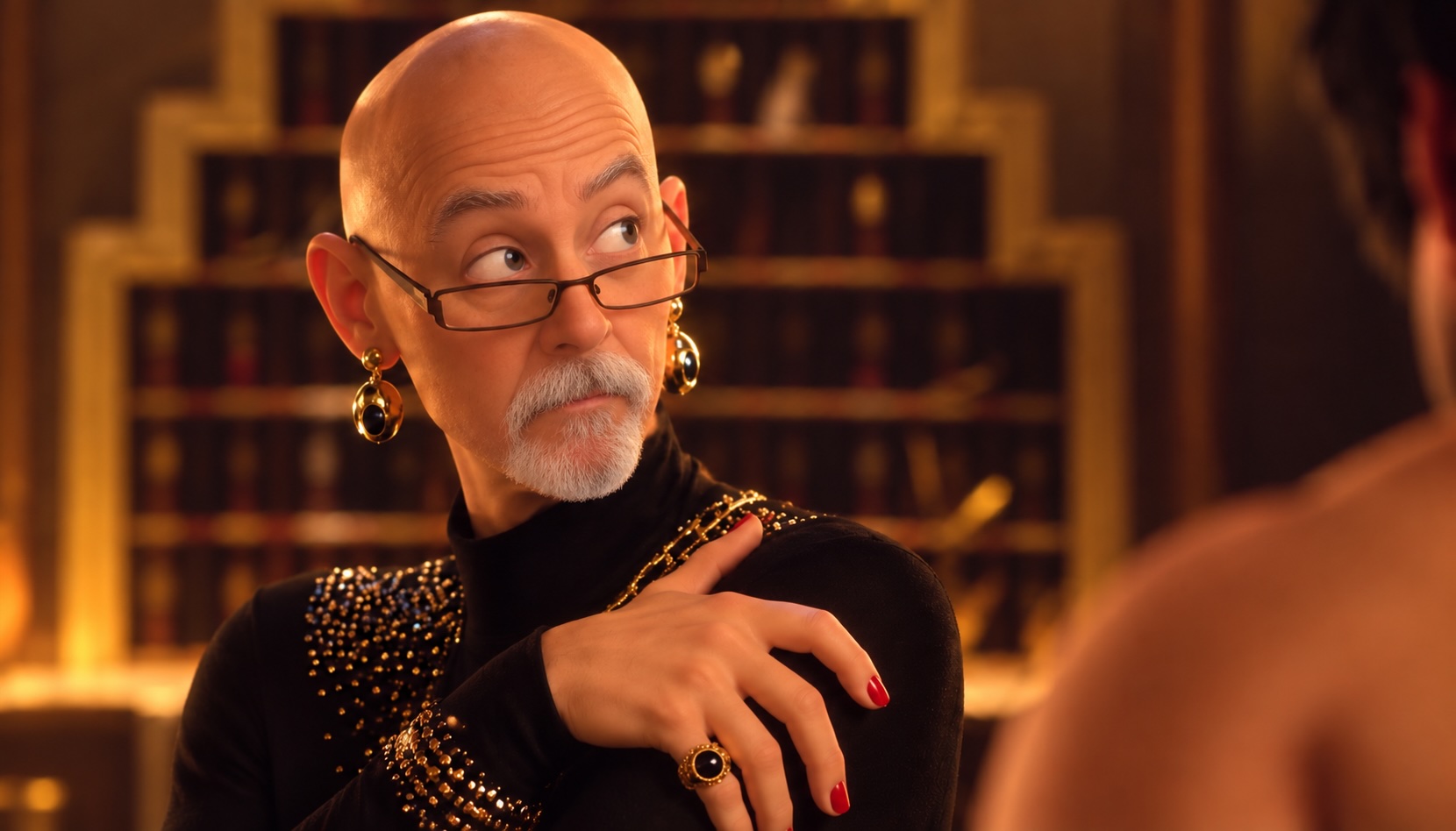
To me it seems like just a random assemblage of parts, hoping that a coherent storyline will emerge. This is Ryan Murphy after all. Is there even supposed to be a coherent storyline?I guess we’ll see as the season unfolds.The Coven actors reprising their roles were obviously my favorite, but the new main character, Ben, ain’t bad. And he’s easy on the eyes.
1 comments

My introduction to Philip Glass forty years ago. Imagine my joy when the entire score to the film was finally released fifteen years after the original soundtrack, including the full length 22-minute version of The Grid and previously unreleased tracks Organic and Resource.
My favorite cut and the one scene (other than the hot dogs and escalators scene “The Grid”—something you’ll immediately recall if you’ve ever seen the film) that’s stayed with me for the last 40 years:
Philip is my go-to guy whenever I need to center and recharge. There isn’t a piece of his music that I don’t love. (Okay, 1000 Airplanes On The Roof is borderline—and surprising considering my lifelong interest in the subject matter it’s supposed to depict—but I won’t ever outright refuse to listen to it.)
1 comments

0 comments

0 comments

Singer and songwriter Duncan Sheik, who was Grammy nominated for his 1996 hit “Barely Breathing” and won two Tony Awards as the composer of “Spring Awakening,” died September 17, 2026, at a hospital in New York City of cardiac arrest at the age of 56.
Sheik’s career traced an unusual arc from pop radio to the theater world, and in doing so he helped redraw the boundary between the two. He proved that intimate, literary songwriting could carry a Broadway score just as it drove an alternative hit. This opened the door for a generation of singer-songwriters who followed him from the recording studio to the stage.
Born November 18, 1969, in Glen Ridge, New Jersey, Sheik attended Phillips Academy in Andover, Massachusetts. He studied semiotics at Brown University, where his classmates included Lisa Loeb, known for her 1994 song “Stay (I Missed You).” The two were in the band Liz and Lisa together; Sheik played guitar. His early career also included a guest appearance with the Seattle alternative band His Boy Elroy.
On his own, Sheik signed with Atlantic Records and released his self-titled debut in 1996. Written largely by Sheik, it included “Barely Breathing,” which topped the Adult Alternative Airplay chart and spent more than a year on the Billboard Hot 100 chart, peaking at No. 16. The song was ranked among VH1’s “100 Greatest Songs of the ’90s” and was nominated for a Grammy Award for Best Male Pop Vocal Performance.
0 comments

It’s just that the particular ten change over time.
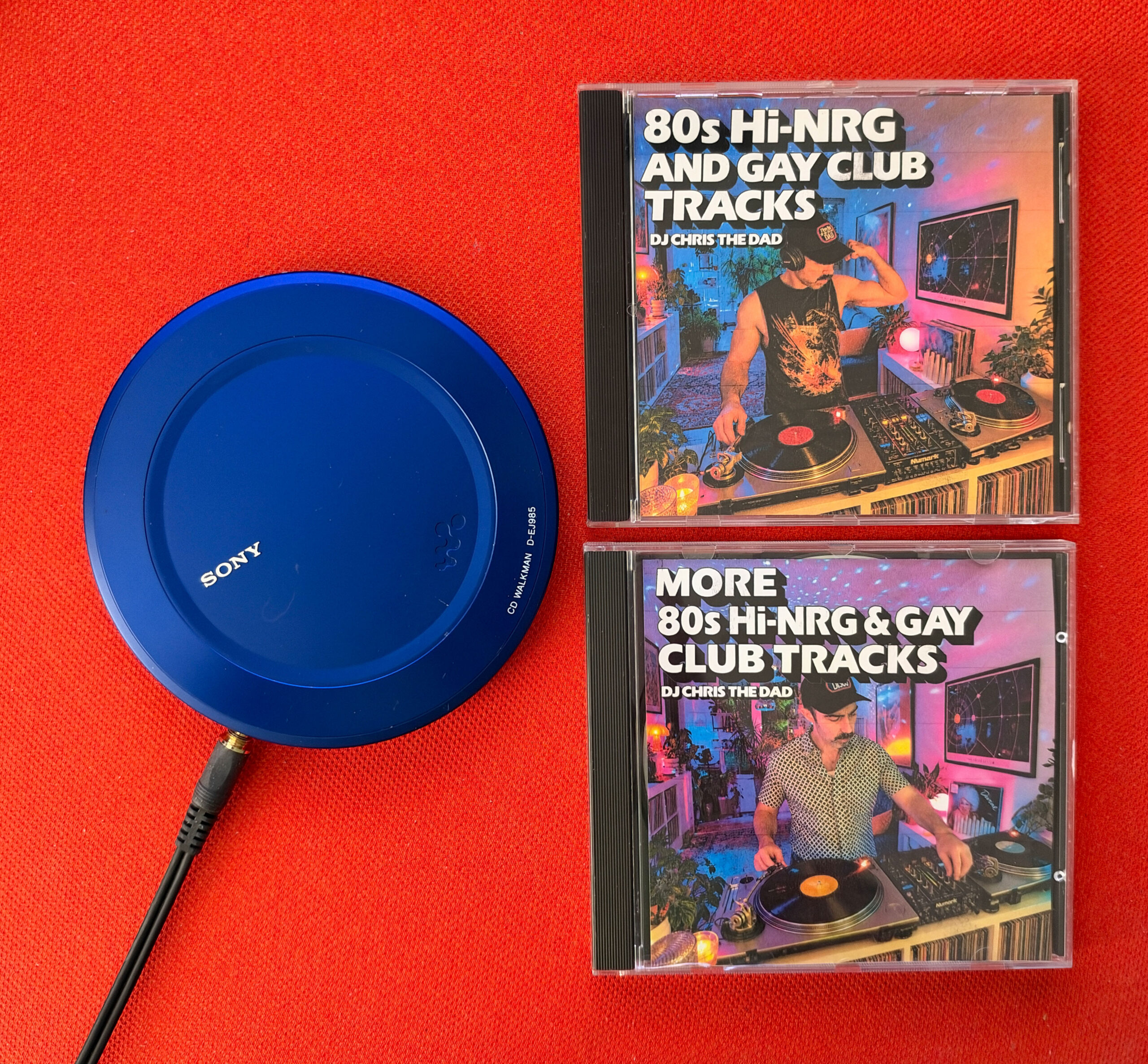
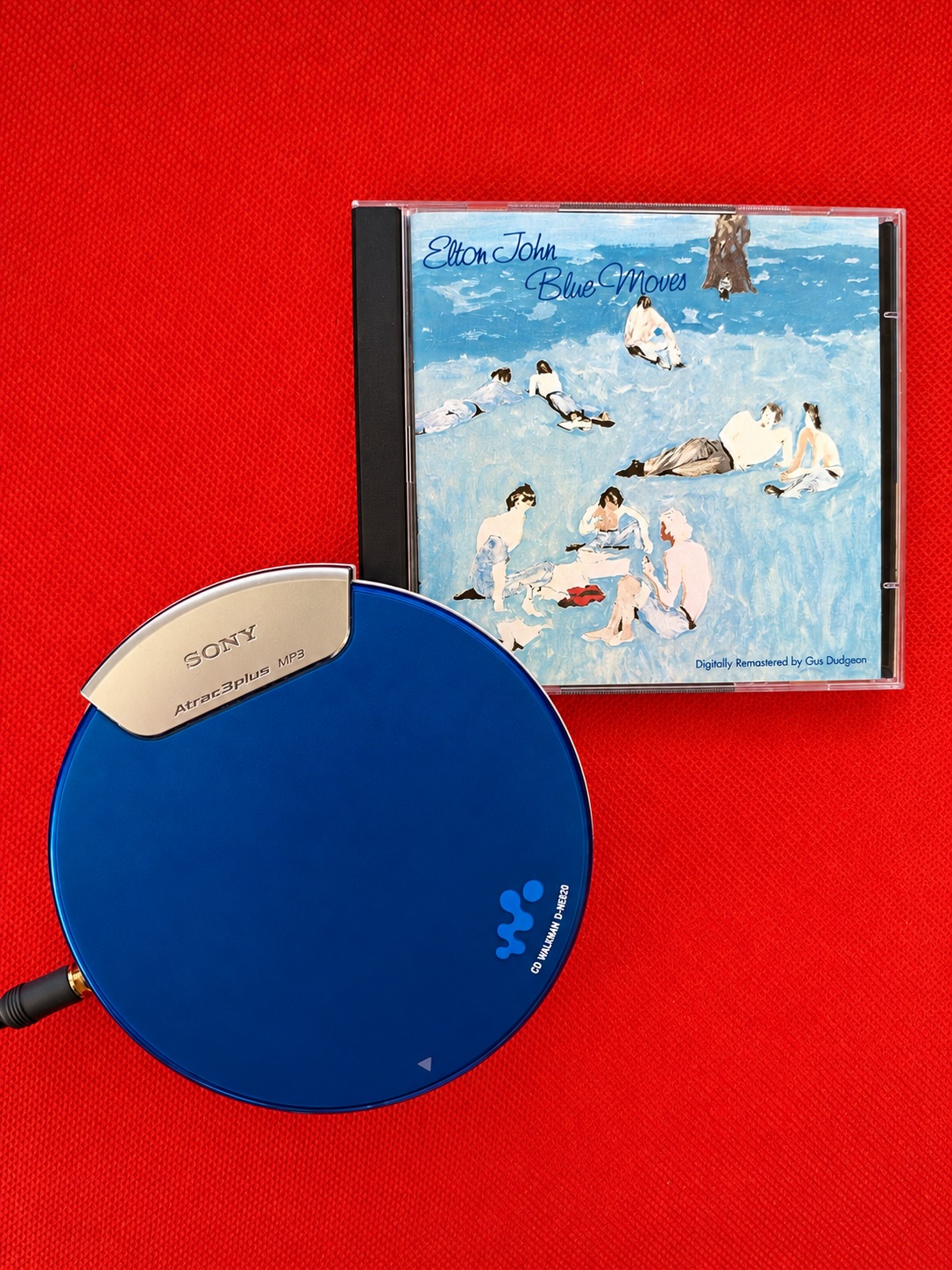
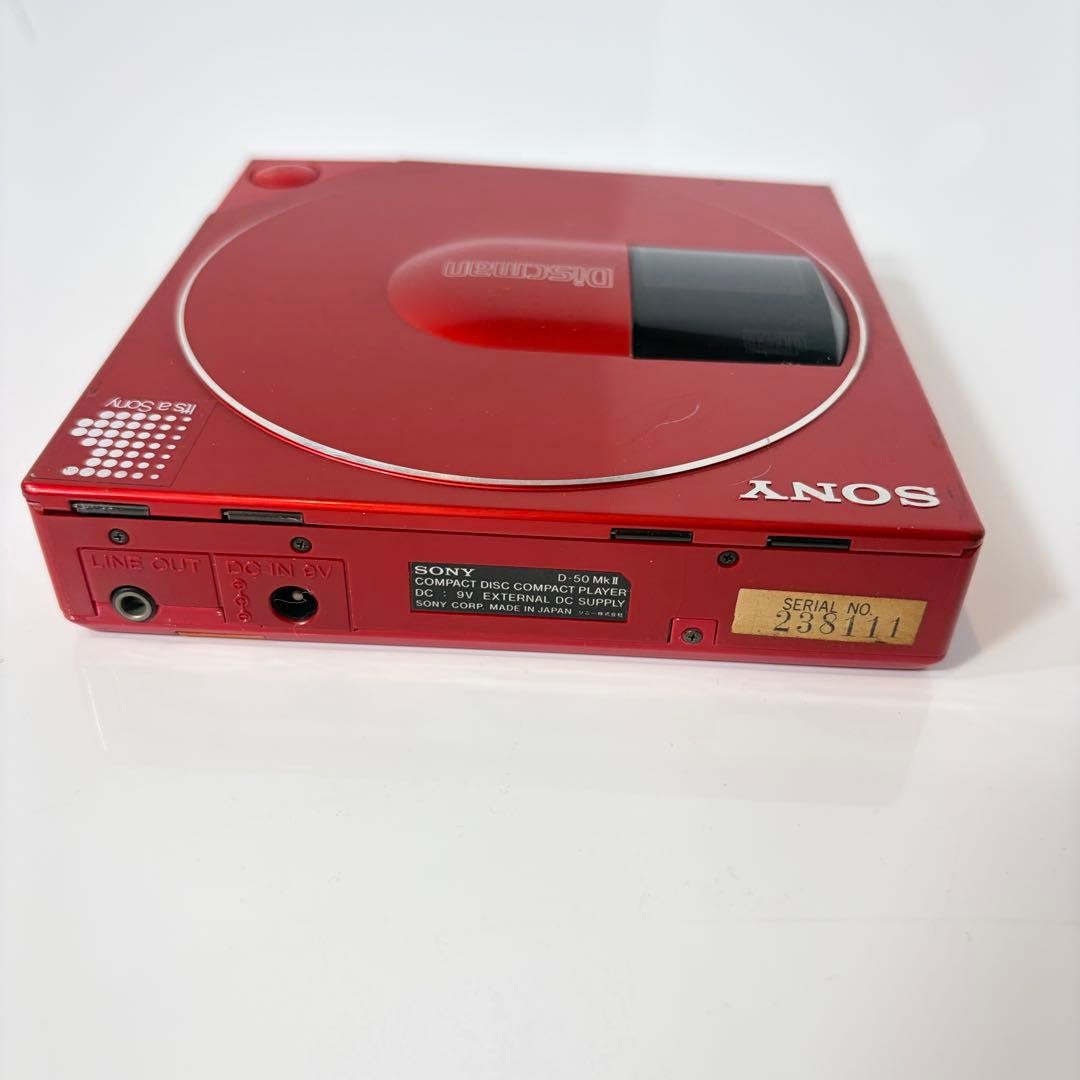
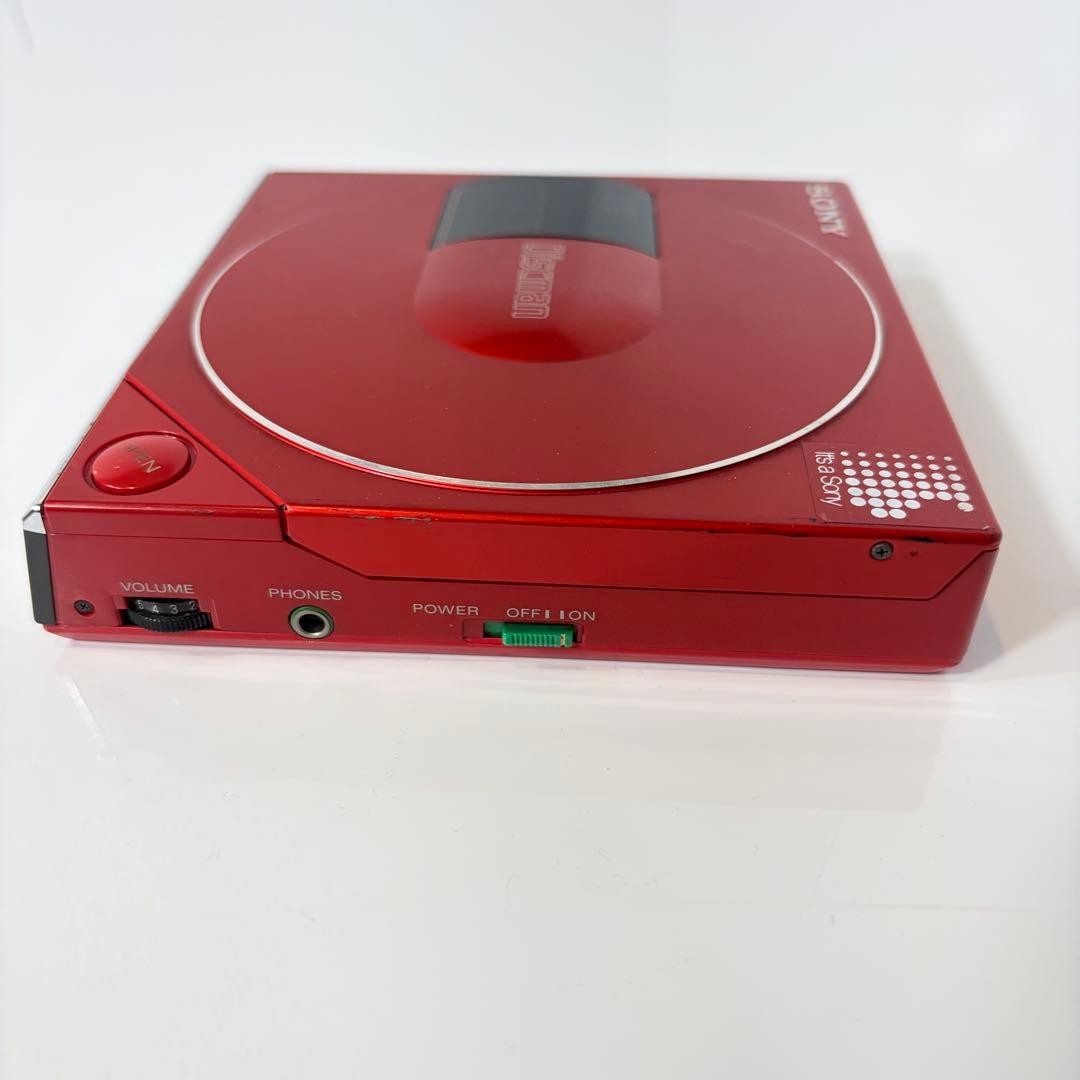
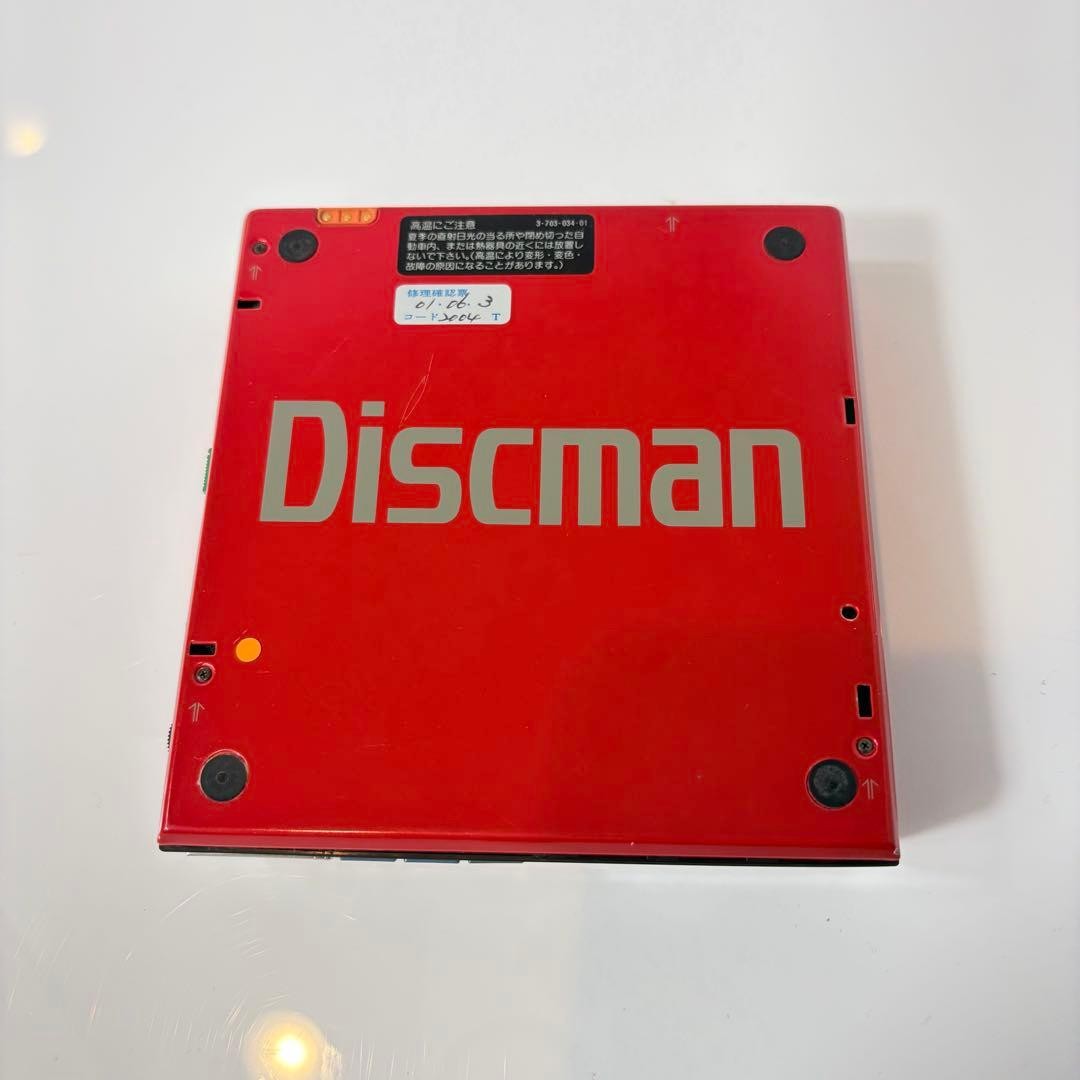
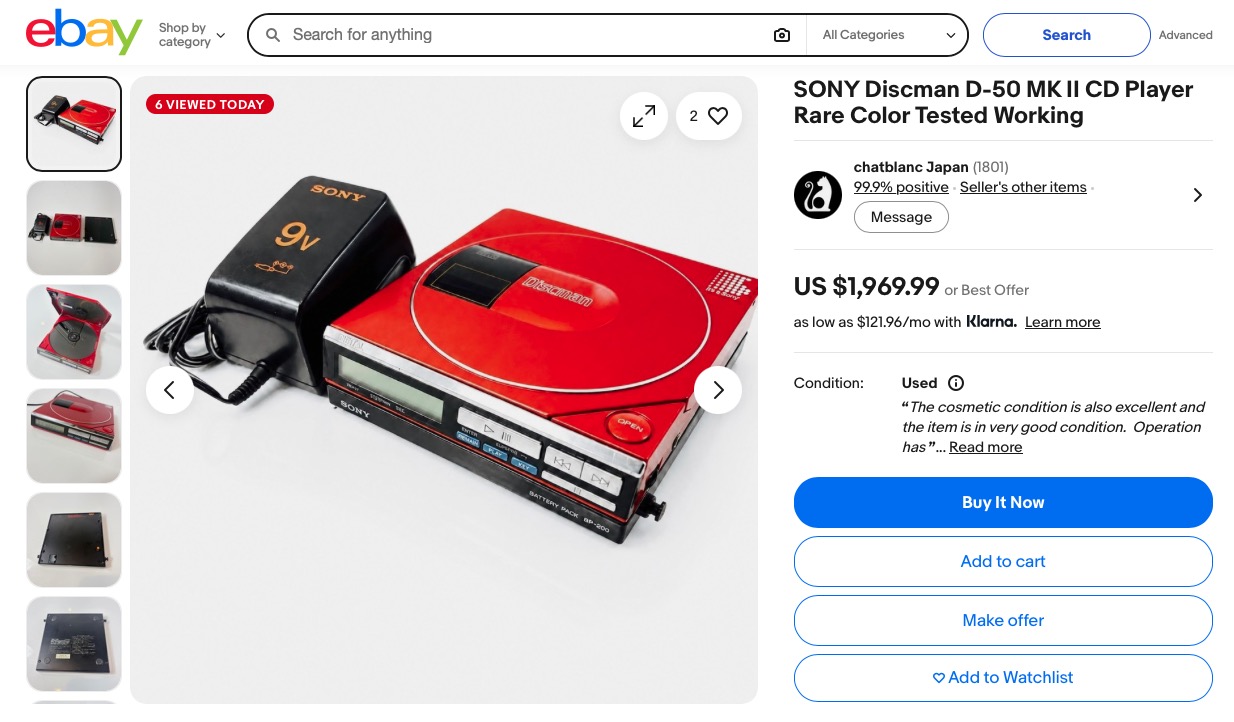
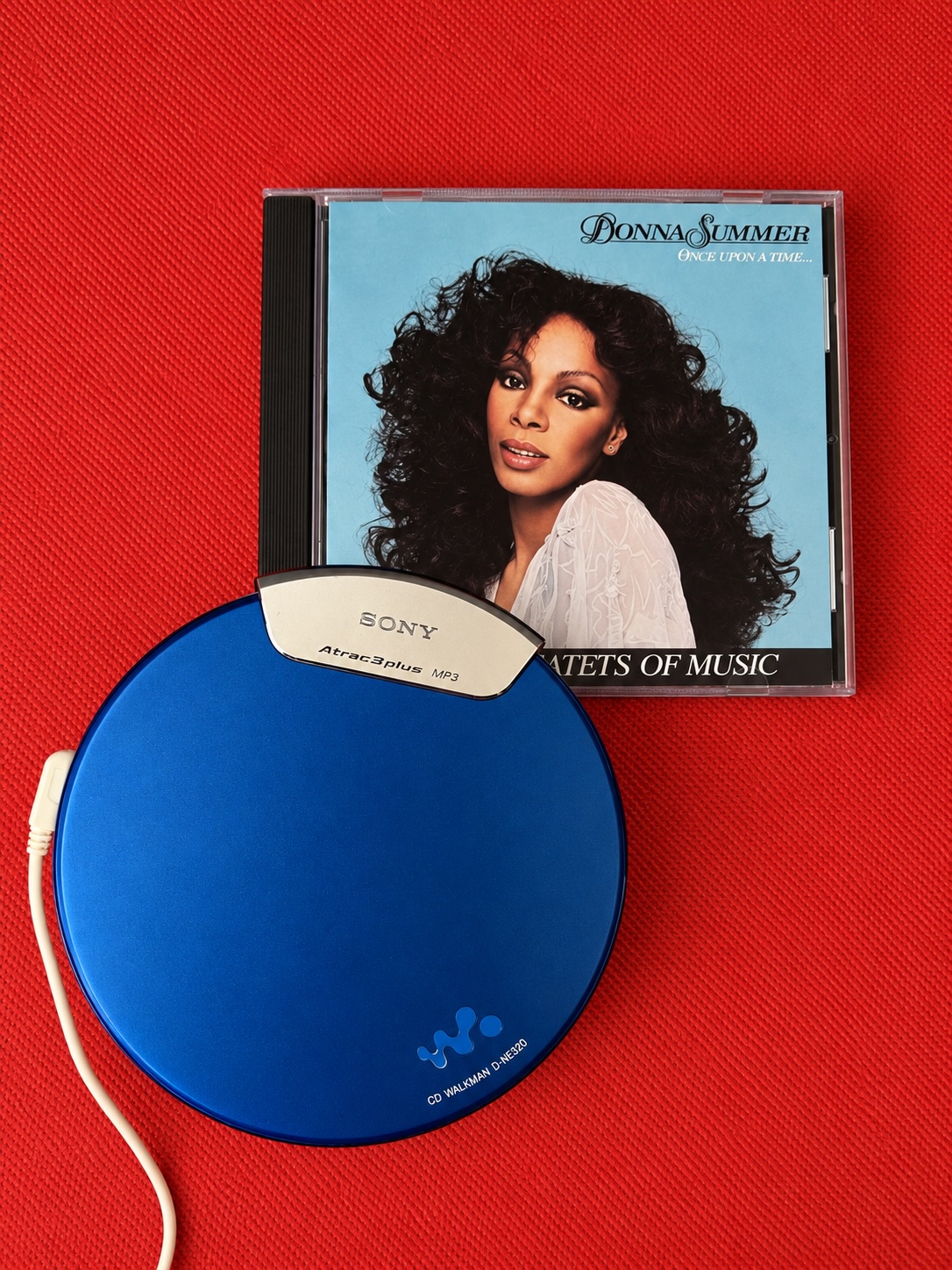
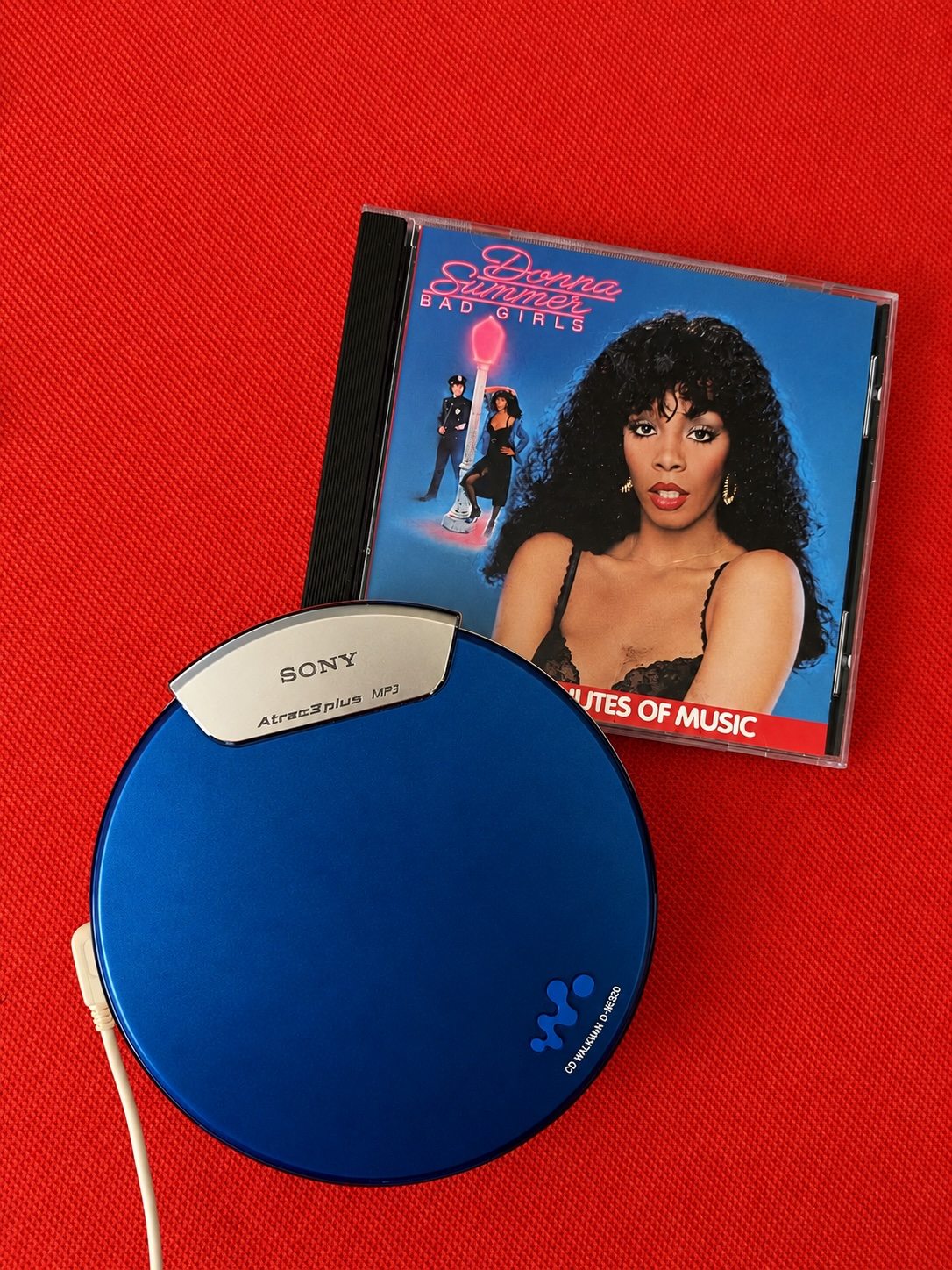
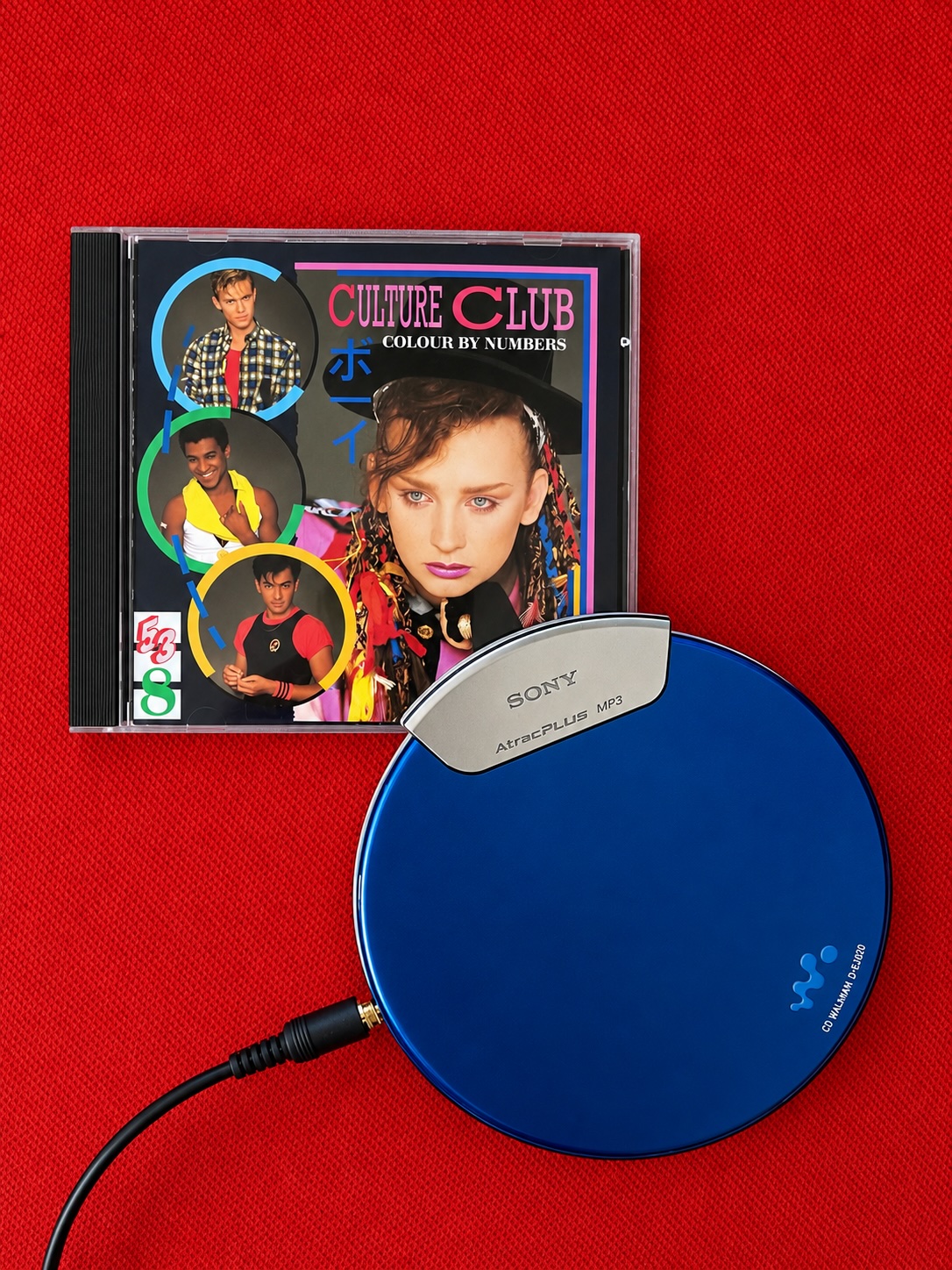
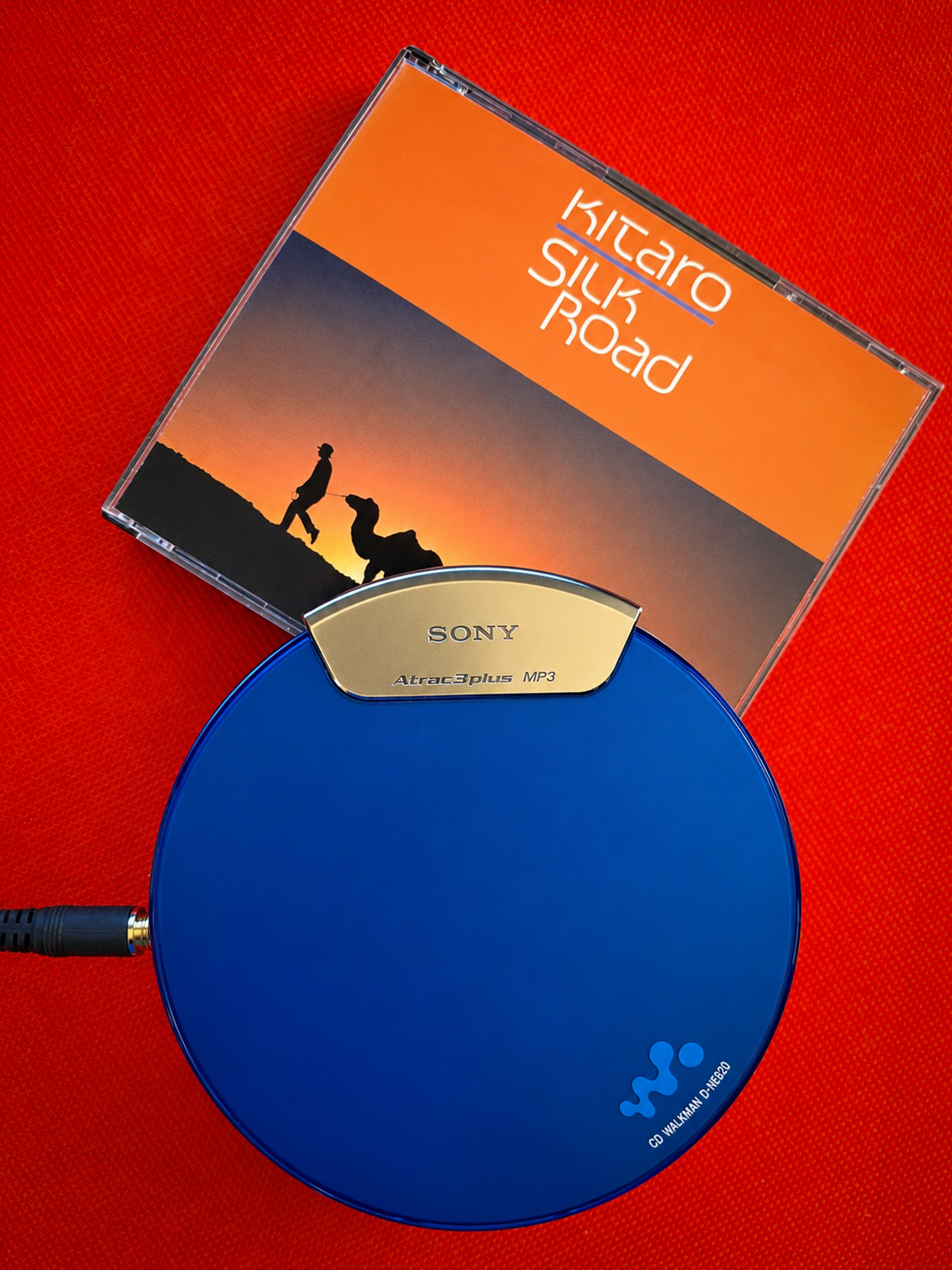
I sold the silver D-EJ985 (recouping what I’ ‘d spent for it), so I immediately turned around and added the D-NE820 to the collection. This one came from a seller in Japan, and while the general consensus is that buying from Japan is at best a crapshoot, the few times I’ve done it I’ve never had any problems. This time I was worried about tariffs, but they were already included in the very reasonable US $15 shipping cost, and I’ll say this about Japanese sellers: they pack things to survive the journey.
The NE820 is my current favorite. Unlike the EJ915 or the EJ985, it’s all plastic construction, but damn if it isn’t heavy. The fit and finish of the player definitely highlights Sony’s expertise at the time. And again, the color. People got all excited when Apple introduced a pale rainbow of iMacs a few years ago or even the latest burgundy iPhone [rolling eyes], but they could still take a lesson from Sony. Sony knew how to do color twenty years ago, and they weren’t afraid use it.
And with that, because I have any of this stuff, we come to tonight’s jazz fusion musical selection:

0 comments


And in honor of the day, the morning soundtrack:

And once again I am twenty years old, skimming over a vast sea of golden dunes in my landspeeder under a double sun in a hazy, wheat-colored sky…

0 comments

This piece of music burst into my life when I was still living in Tucson, a few months before relocating to San Francisco. There was a program of “Space Music” that aired on our local NPR FM station every Sunday night called Hearts of Space that I faithfully recorded onto cassette for later listening enjoyment. Novus Magnificat was the music I subsequently used for meditation for many years afterward, but the one instance of that mediation that really stands out in my memory was one afternoon in June or July 1986. I was floating on an air mattress in the swimming pool, my little tape walkman in a sealed plastic bag to prevent it from getting wet, headphones in place, and eyes closed.
All of a sudden I saw myself in San Francisco and I had just met Justin Banks, cover and featured model of the June 1986 issue of MEN. My heart fluttered.
It was a premonition that actually manifested about eighteen months later. The details of our meeting were very different from what I saw in my vision, but the fact that the meeting and subsequent brief affair happened at all still seems fantastical. Was that future already in place and my meditative state just allowed me a distorted glimpse into it, or did my meditation cause it? Was it all just sheer coincidence? I’ll never know. But I do know is that I came away that instant with the absolute certainty that eventually our paths would cross. I didn’t know where. I didn’t know when (especially since the actual timing and circumstances of my San Francisco move were still very nebulous), but I knew it would happen. Looking back at it all now while it’s true that our relationship that never turned into anything more than casual dating/fucking, much less the love-of-my-life thing that I’d hoped for while floating in that pool, Justin was a lesson—albeit a painful one—that I needed to learn. (And it wasn’t just “never date a porn star.”)
But back to Novus Magnificat, I had the pleasure of meeting Constance Demby in person a few weeks before I met Justin. Dave, a guy I’d been dating somehow managed to get us invited to the small recital she was holding one night at her home in Marin County.
It wasn’t a huge house, but the energy it contained was amazing. “Sparkly and Purple” are two words that even today, nearly 40 years later, best describe it. I remember several museum-quality crystals scattered around the living room, but the one that stands out the most in my memory of the evening was a three-foot-tall group of amethyst crystals that was standing off to the side of where she had her instruments set up. (Probably where the “sparkly and purple” impression came from come to think of it.)
She sat down to play and the room fell silent. When we left several hours later I won’t go so far as to say we were high, but we were definitely buzzing.
0 comments
0 comments