
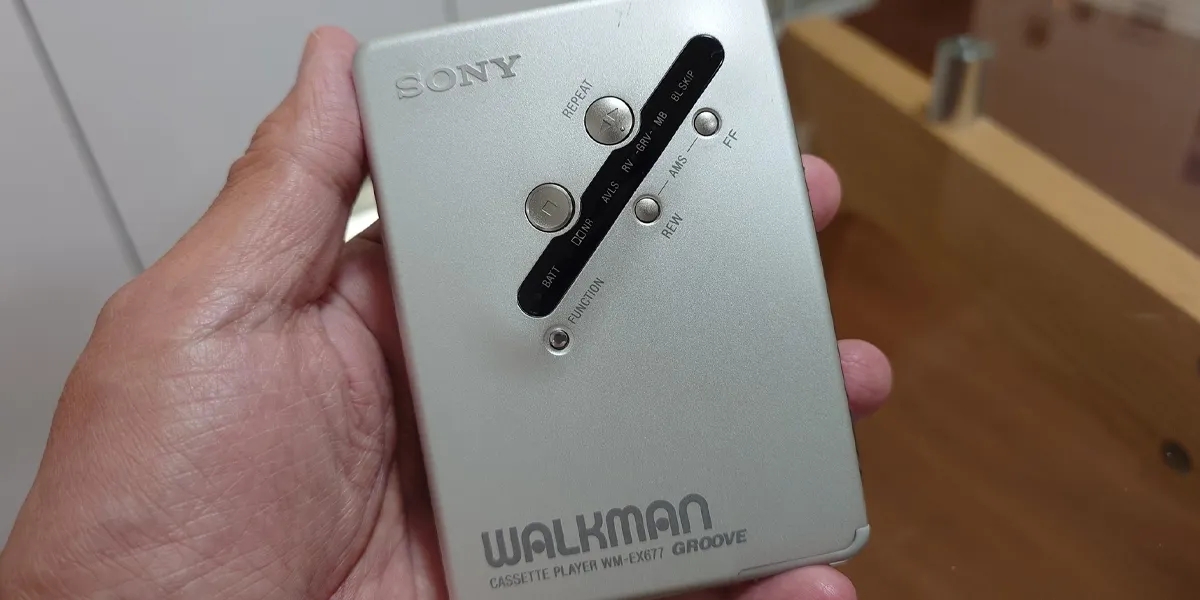
Almost every time I post one of Sony’s early Walkman models, someone asks why the company cannot simply bring them back. I understand why. There are stories almost every week announcing that cassettes and CDs are back, and several manufacturers now sell new players for both formats. From the outside, it can look as though Sony only needs to choose one, update a few things, and put it back into production.
Akira Tanaka, who spent years designing Walkman at Sony, says it would be much closer to starting over.
Tanaka is a former Sony mechanical engineer whose published project list spans four types of Walkman: five cassette models, eight CD models, two MiniDisc models, and ten generations of file-based players. He was project manager for the camera-equipped MZ-DH10Pand the MZ-RH1, Sony’s final Hi-MD Walkman. He later served as mechanical engineering manager for several digital Walkman generations, including the A820 and X1000 series.

He remained at Sony until taking early retirement in February 2025. Today, he owns more than 70 Walkman products and 279 catalogs, and he writes about the machines he helped create almost every day.
Tanaka is probably my favorite person to follow online. I eagerly wait for anything he has to say about Walkman history because nobody else has his combination of firsthand experience, technical knowledge, and personal archive. He has answered my questions, looked at my work, and helped me with the Obsolete Sony archive. I think of him as my Walkman senpai, and I am still slightly amazed that I get to talk with someone who helped make the products I spend so much time documenting.
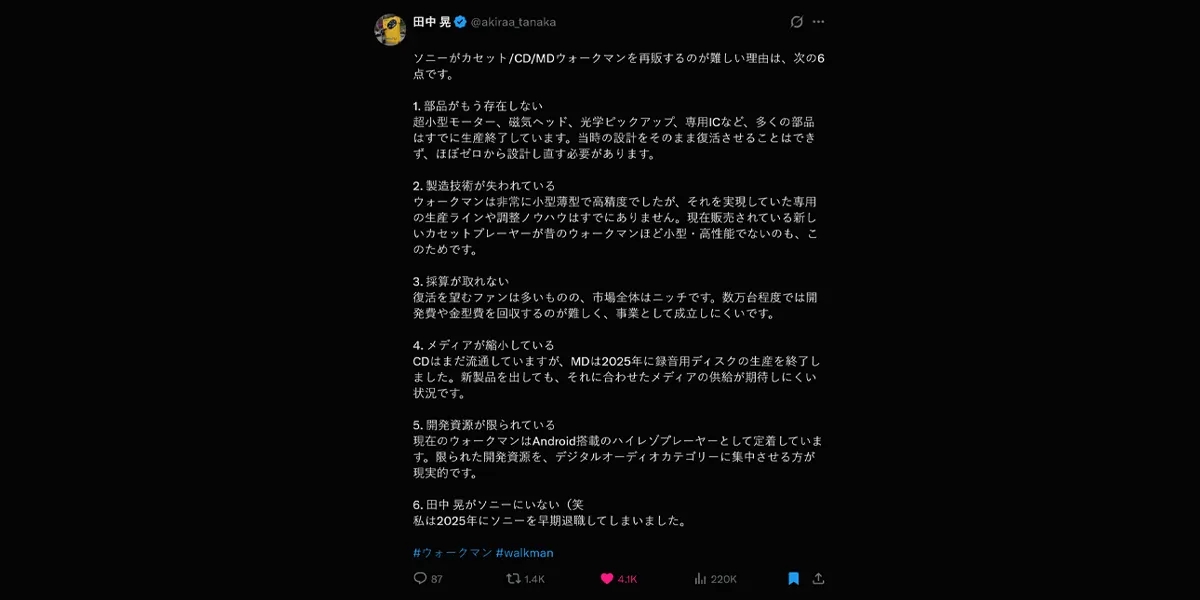
In a recent post, Tanaka gave six reasons Sony would have difficulty reissuing its cassette, CD, or MiniDisc Walkman models. His explanation reveals how much of the world that produced the Walkman has disappeared.
1. The Parts No Longer Exist
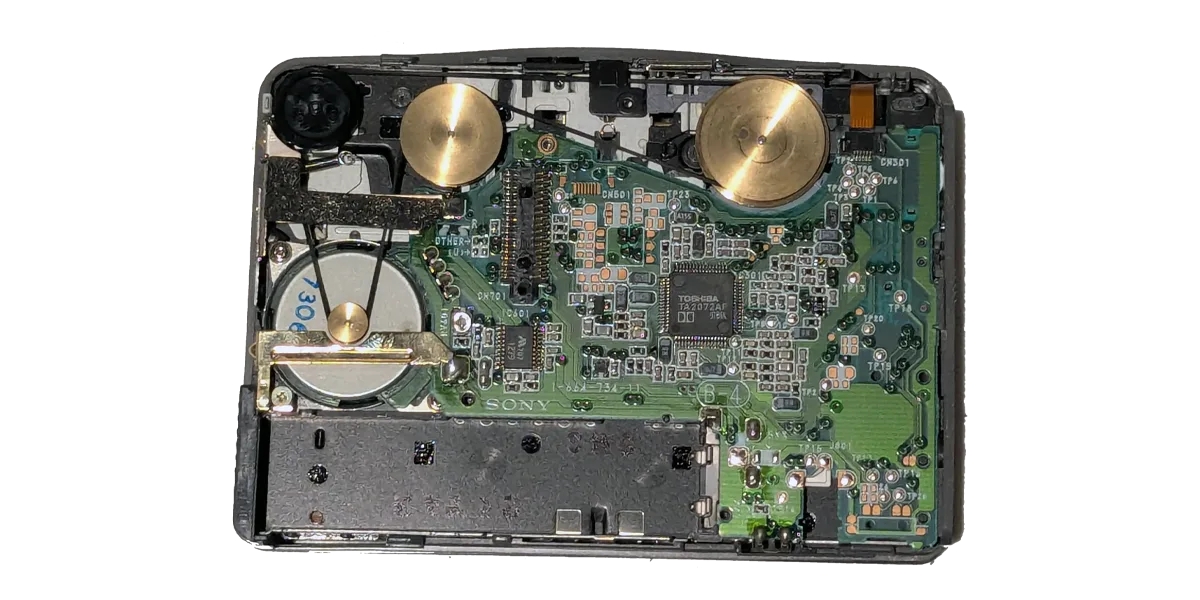
The miniature motors, magnetic heads, optical pickups, and proprietary integrated circuits used by these players have gone out of production. Sony cannot pull an old bill of materials from its files and order everything again. Suppliers moved on, production equipment was retired, and some companies may no longer be in those businesses. A working WM-EX2000 can make this difficult to believe, but any drawings still held by Sony describe components that nobody manufactures today.
Replacements could be designed, but nearly everything around them would need to change. A new cassette Walkman would need a transport, motor, head, control system, power supply, tooling, and housing built around components available now. A CD Walkman would need a new optical assembly and disc mechanism. A MiniDisc player would add a magnetic recording head, signal processing, and software. Sony can do all of this, but each format would require a new development program.
2. The Manufacturing Technology Has Been Lost
Later Walkman models were extremely small, thin, and precise. Sony reached those dimensions by designing each part around the others. Motors became flatter, circuit boards wrapped around moving assemblies, clearances almost disappeared, and the exterior casing sometimes became part of the structure.
That work depended on dedicated production lines and adjustment procedures. Drawings can record dimensions and tolerances, but they do not always record how a line was tuned after the first few thousand units, which jig solved an alignment problem, or which adjustment stopped a mechanism from wearing too quickly. Much of that knowledge stayed with the engineers and factory workers who used it.
This is why a new cassette player can be larger and mechanically worse than a Walkman sold more than 30 years ago. The factories making portable cassette mechanisms today are serving a small, inexpensive market. During the Walkman’s peak, shaving another millimeter from the body could justify a new motor and new tooling. That level of spending ended with the mass market.
3. The Economics Do Not Work
Plenty of people say they want a new cassette or MiniDisc Walkman, but the total market is still small. Collectors and physical-media fans are active online, which can make demand look larger than it is.
According to Tanaka, even sales in the tens of thousands might not recover the development and tooling costs. Low production volume would also raise the price of every specialized component. By the time Sony covered manufacturing, warranty service, and support, the player would be far more expensive than the simple reissue many fans have in mind.
4. MiniDisc Media Is Disappearing
CDs are still widely available, and cassettes continue to be manufactured in smaller quantities. MiniDisc is different. In January 2025, Sony announced that it would end production of all recordable MiniDisc media the following month, along with MD Data discs, MiniDV cassettes, and recordable Blu-ray media. Sony also said there would be no successor products.
A new MD Walkman would arrive after Sony stopped making blank discs for it. Used and unopened media will remain available for years, but the supply can only decline. Relaunching the hardware would make little sense unless Sony also restarted the media.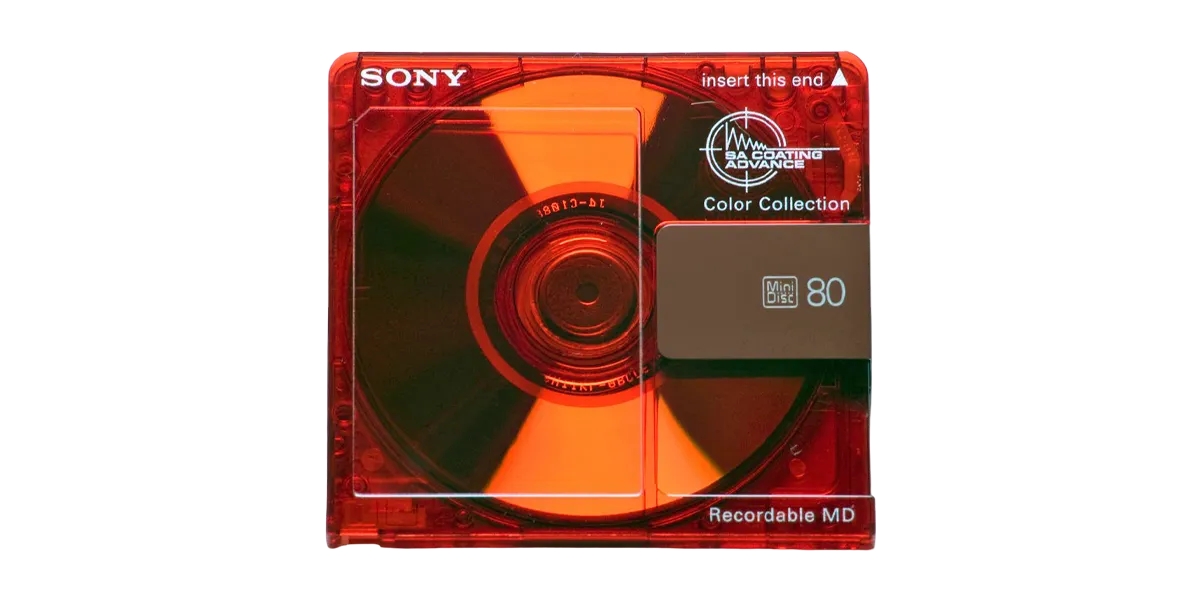
5. Development Resources Are Limited
Sony still develops Walkman. They are Android-based Hi-Res players built for local files and streaming, and that is where Tanaka believes the company can realistically concentrate its limited engineering staff and development budget. These players may have little in common with a cassette Walkman beyond the name and the fact that both play music through headphones. Sony chose to continue Walkman as a digital audio category and retire the cassette, CD, and MiniDisc mechanisms.
6. Tanaka Is No Longer at Sony
Tanaka makes his own departure the sixth reason. His joke points to another loss: Sony still has drawings, reports, patents, and test data, but it no longer has every engineer who remembers why a part was changed, which prototype failed, or how a production problem was fixed.
Some of that knowledge was passed to younger engineers, as Sony’s interview with Tanaka about the NW-X1000 shows. Once Sony stopped making mechanical Walkman models, however, there was no reason to keep passing along every detail of how to manufacture one.
Most of Tanaka’s six reasons are easy enough to guess. I still found it special to hear them from him. Sony has always been a company in motion. It launches the next thing and rarely explains why the old one can no longer be made. The Walkman moved from cassette to CD, MiniDisc, flash memory, and eventually Android, while the people, suppliers, tools, and knowledge behind each generation scattered.
Tanaka was close enough to this history to know what disappeared along the way. Sony will probably never publish a formal explanation of why those old Walkman models cannot come back. His post may be the closest answer we will ever get.
Make sure to follow Akira Tanaka on X, where he continues to share firsthand stories from Sony’s portable audio history.
0 comments