“¿Hay una discoteca por acqui?”
0 comments
Shitposting since 2005
Using the “/explode” prompt.
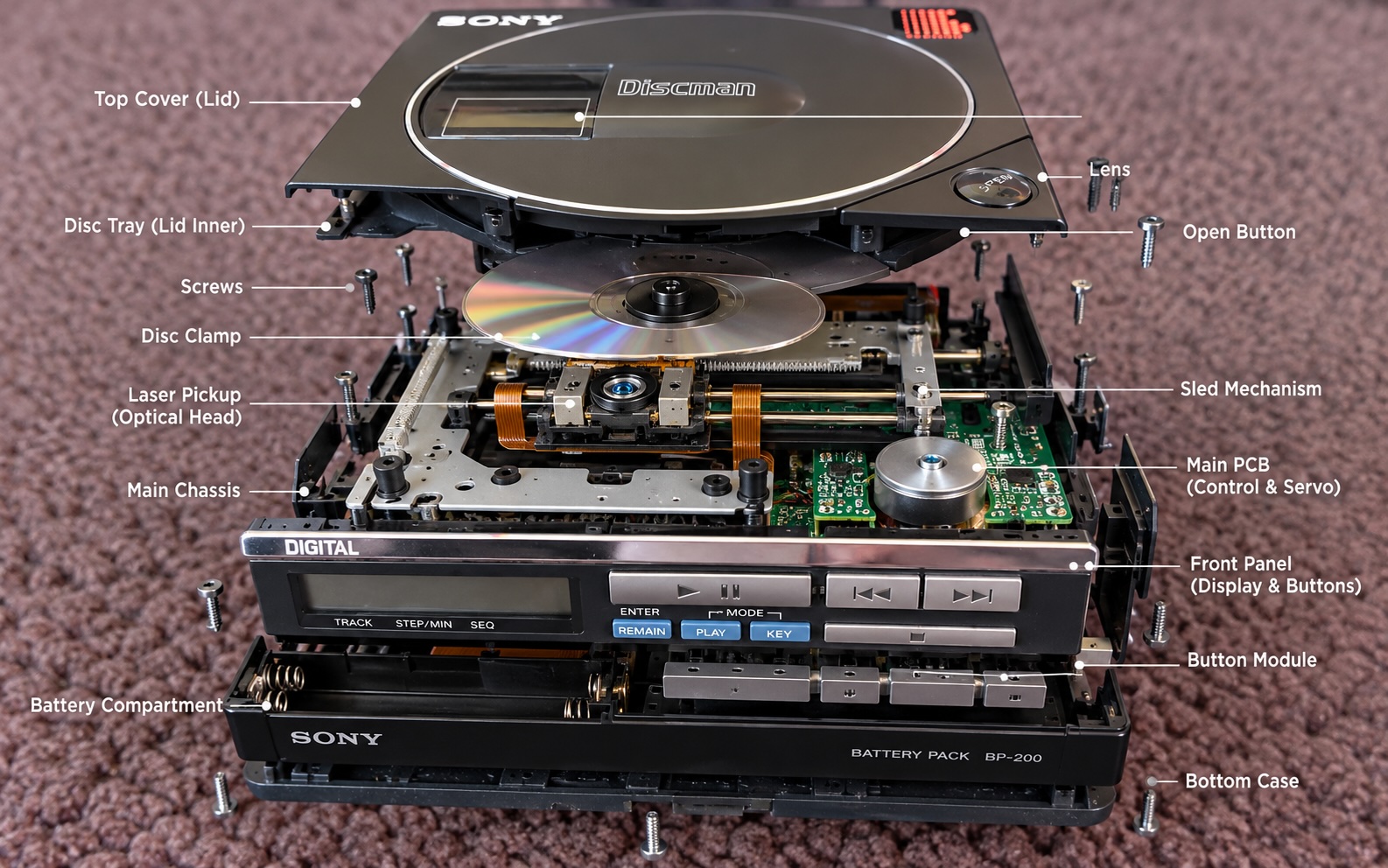
I’ve been inside this model (dirty!) more times than I care to admit and can say without reservation this isn’t even remotely close…but an impressive guess, nonetheless.
0 comments
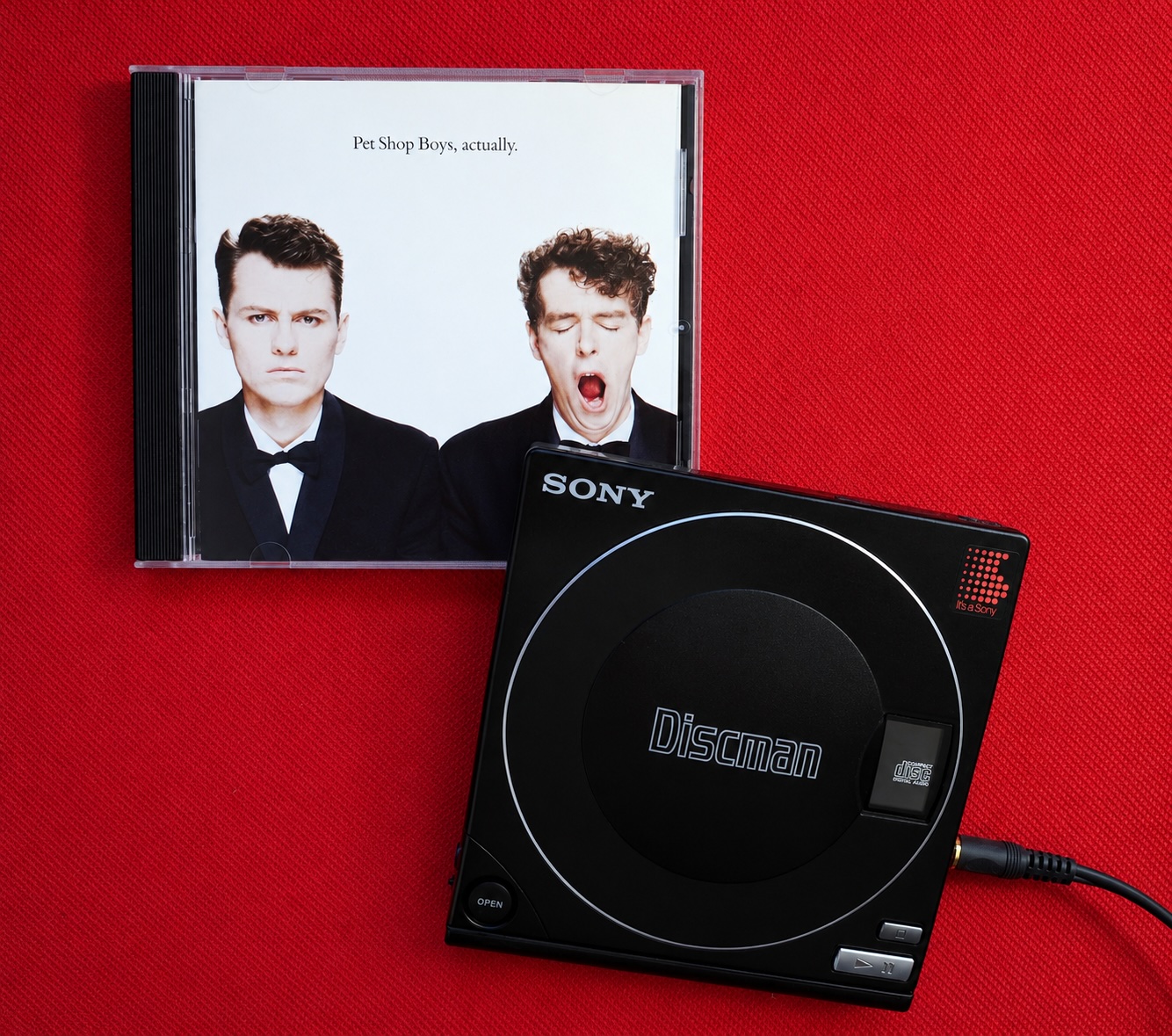
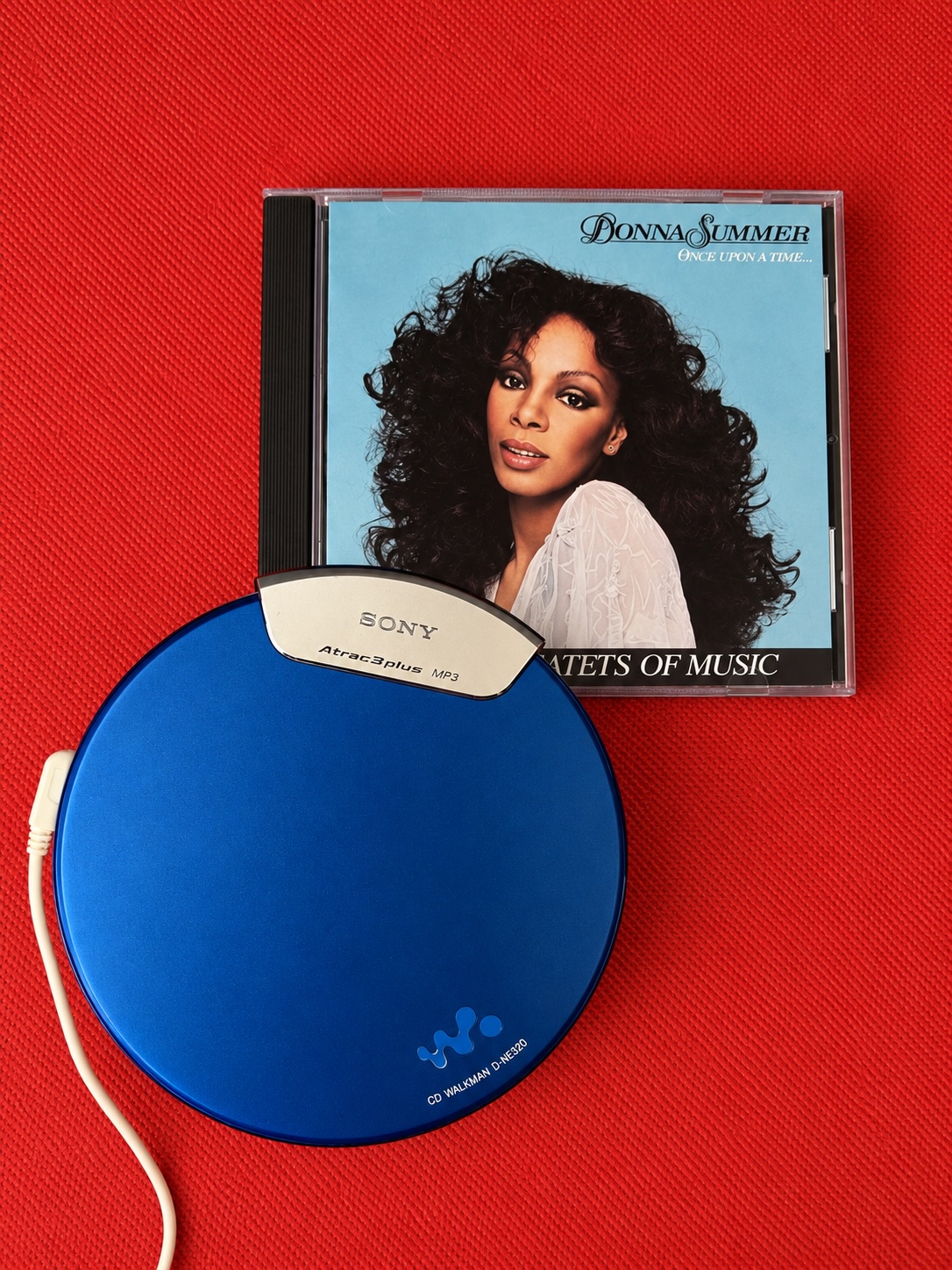
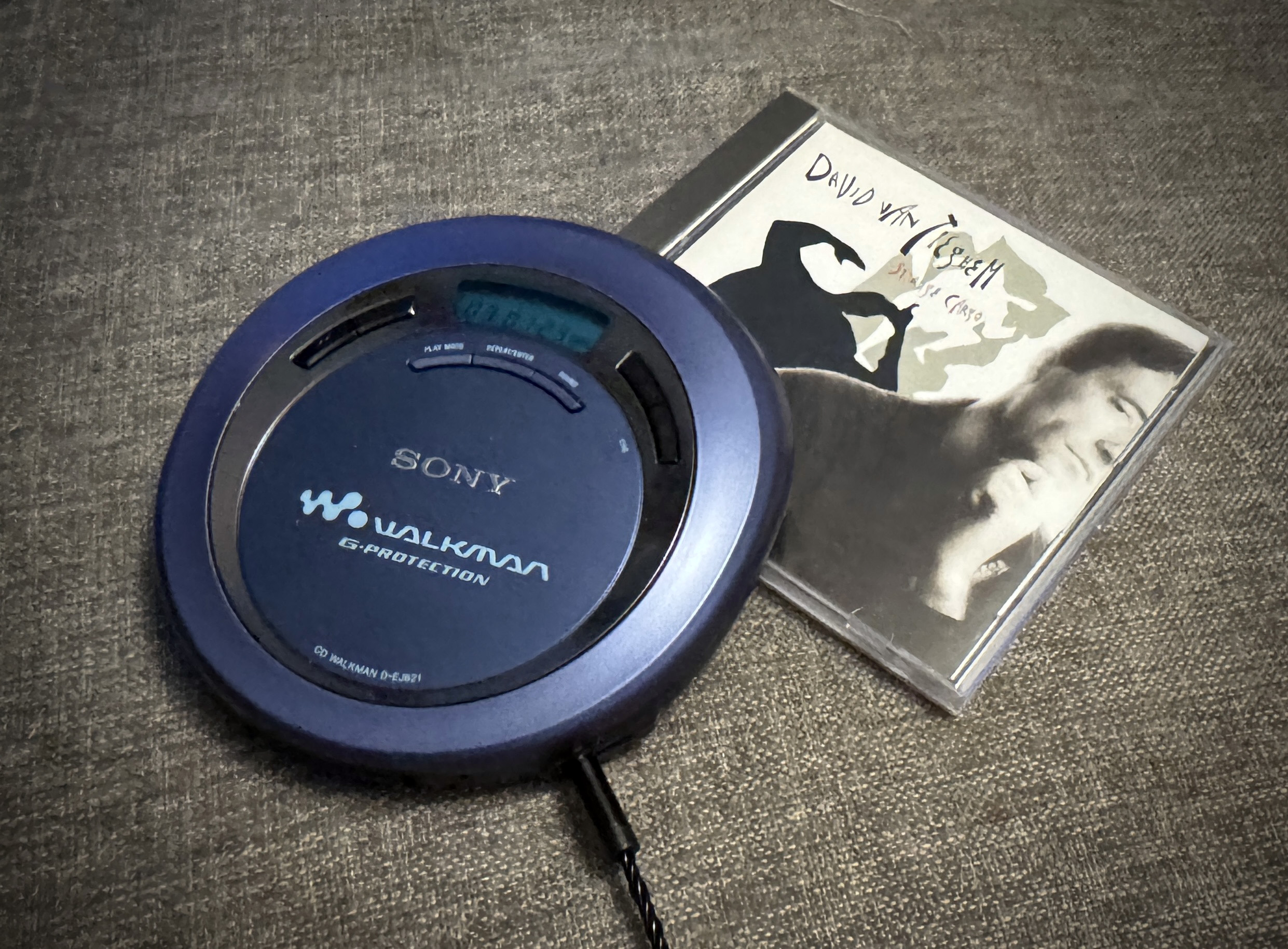
I remember listening to this on my bicycle one evening as I was heading home down Market Street from downtown. Funny how that particular memory is burnt into my memory, but the actual year this happened (91? 92?) or why I had been downtown on my bike after dark remains lost to time. All I know is that this disk was part of a trilogy of recordings I’d actuired and had on heavy rotation at the time. The other two were George Michael’s Listen Without Prejudice and Bette Midler’s Some People’s Lives—not that either of those help me pinpoint a specific year.
0 comments
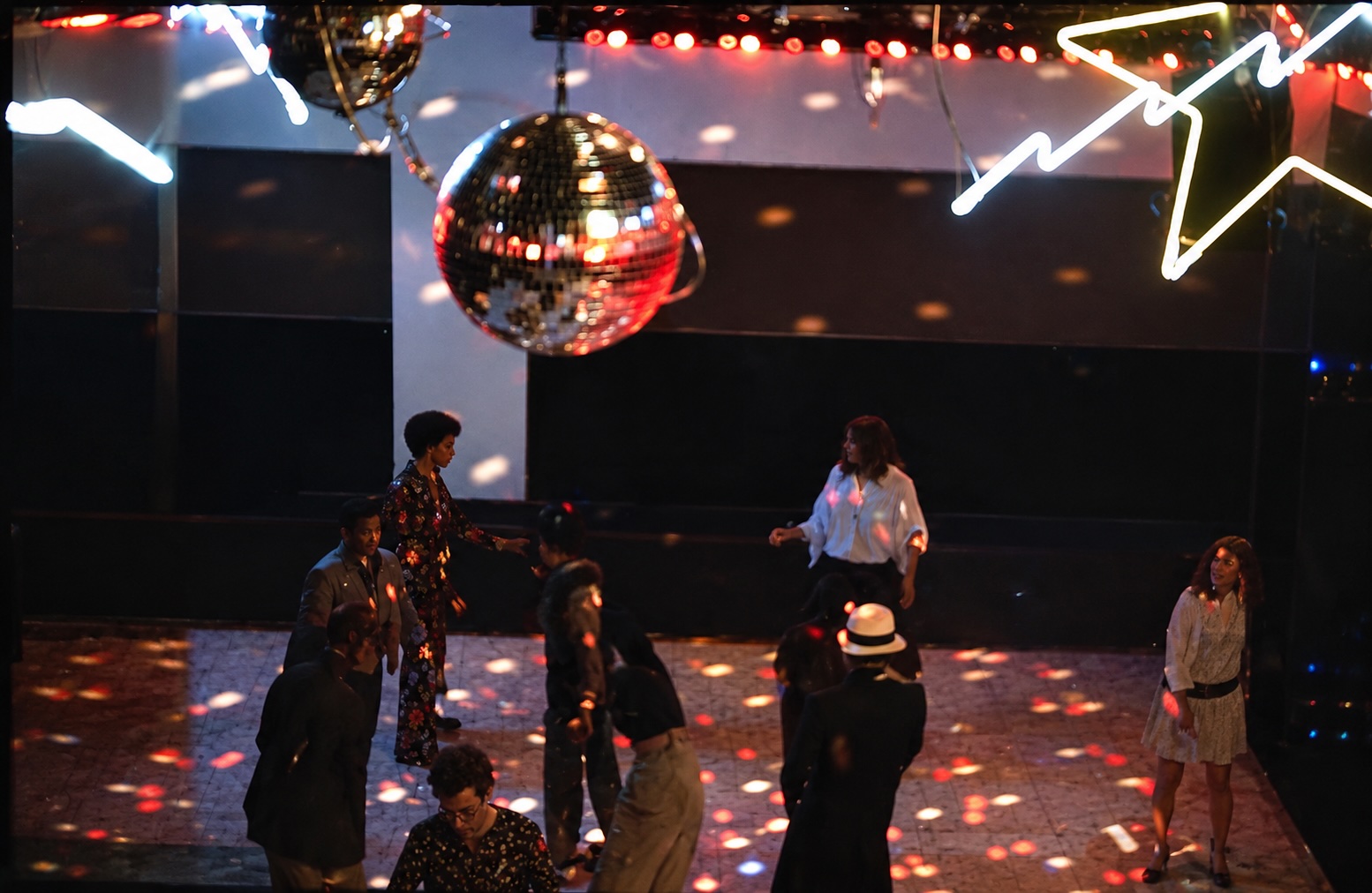
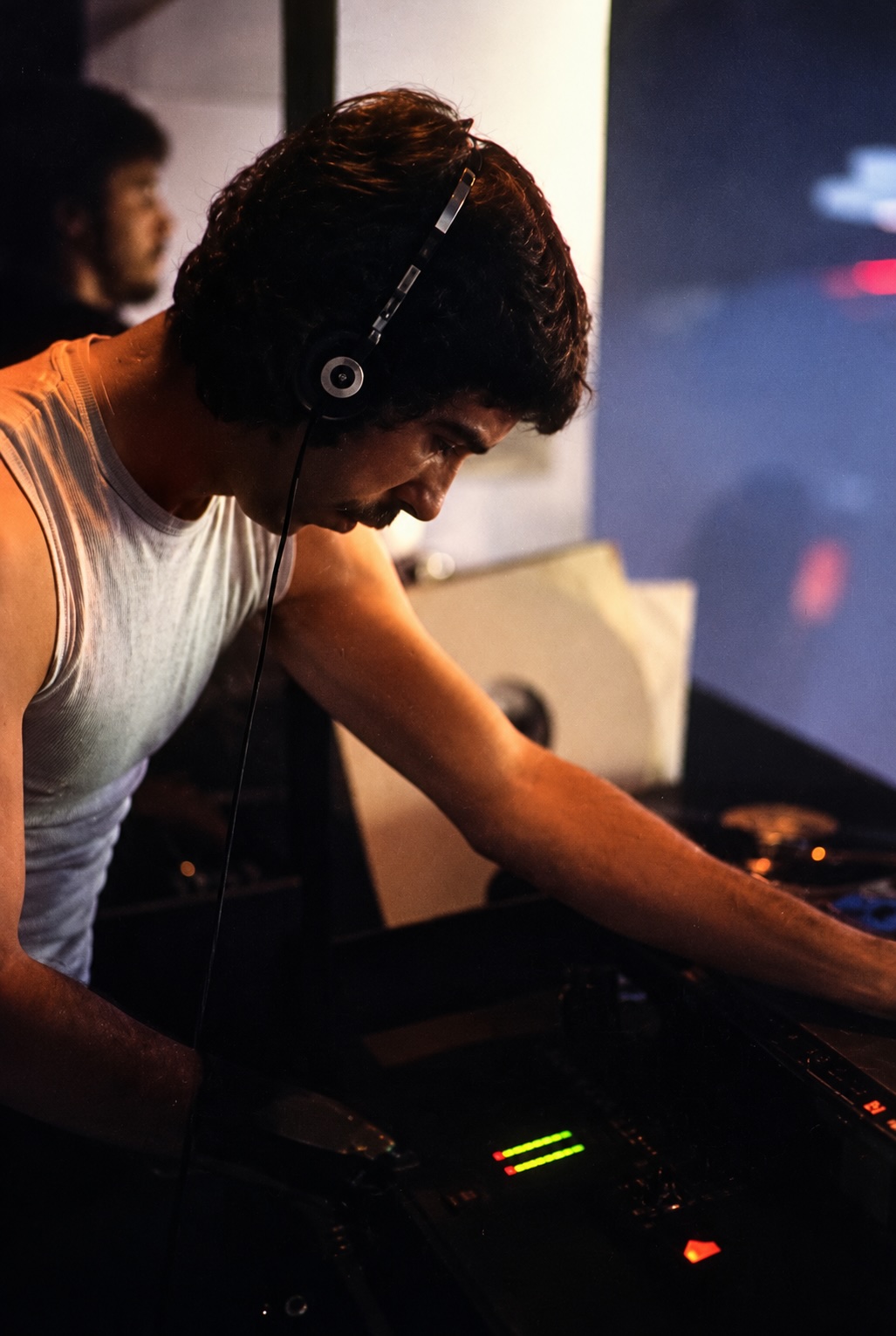
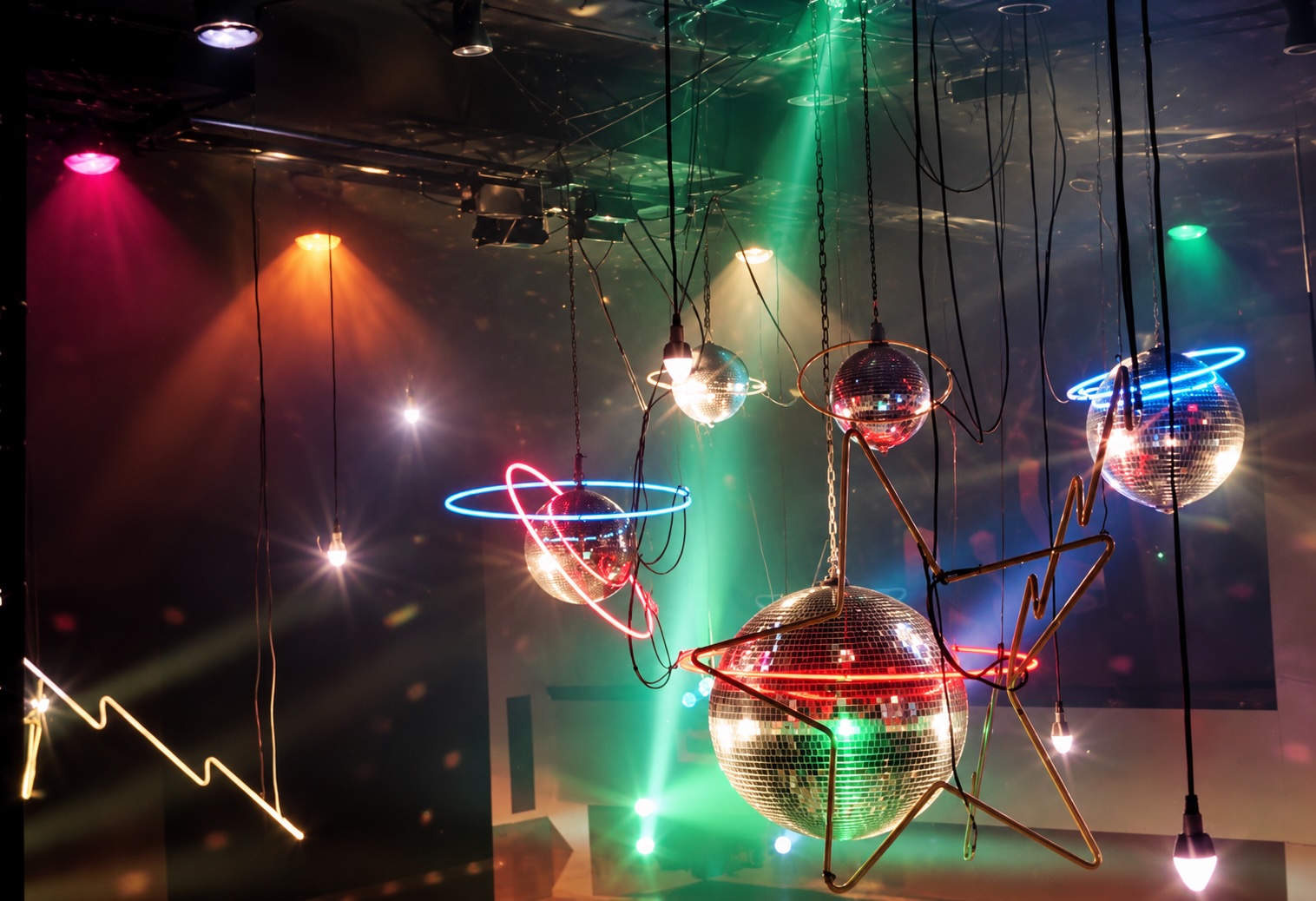
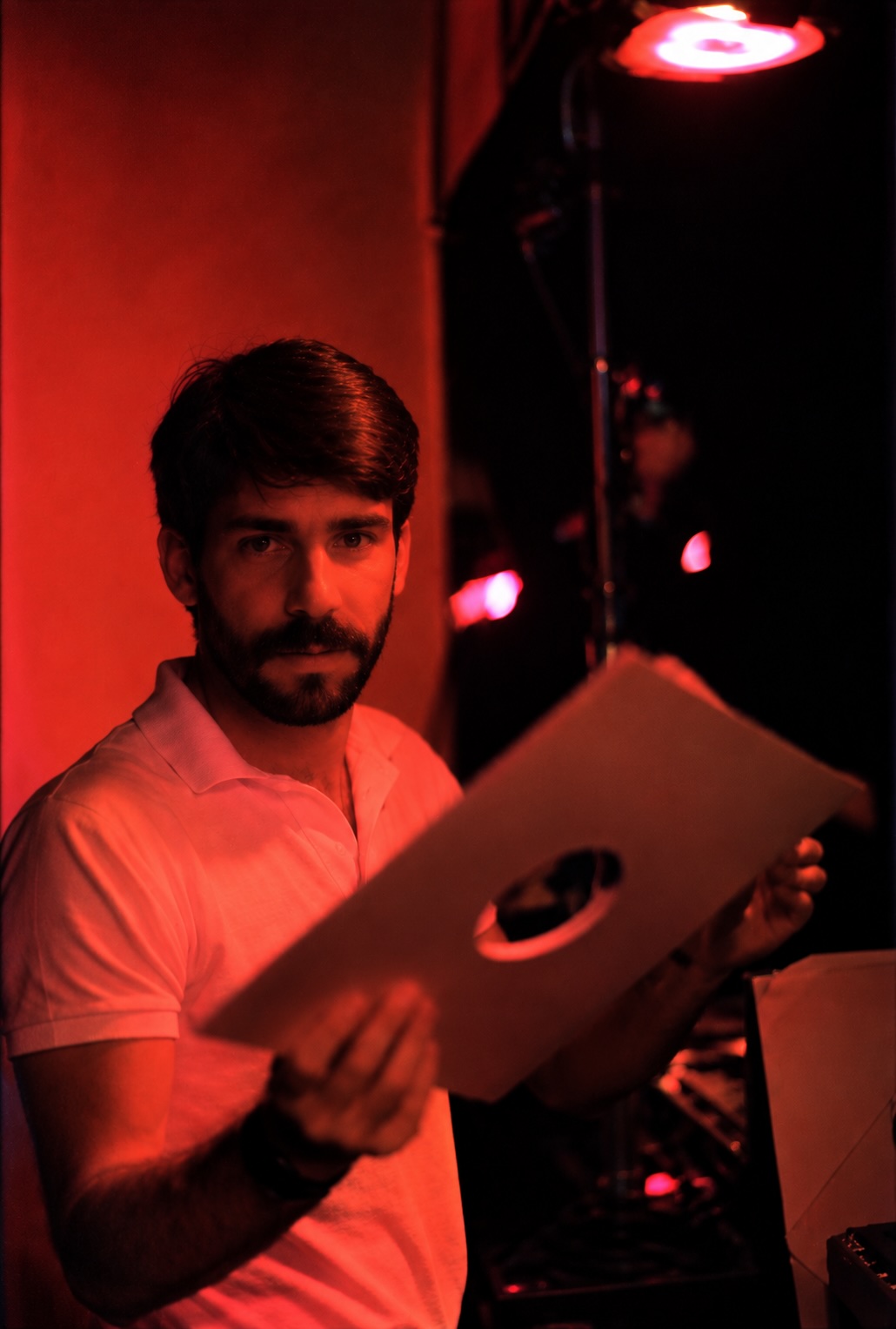
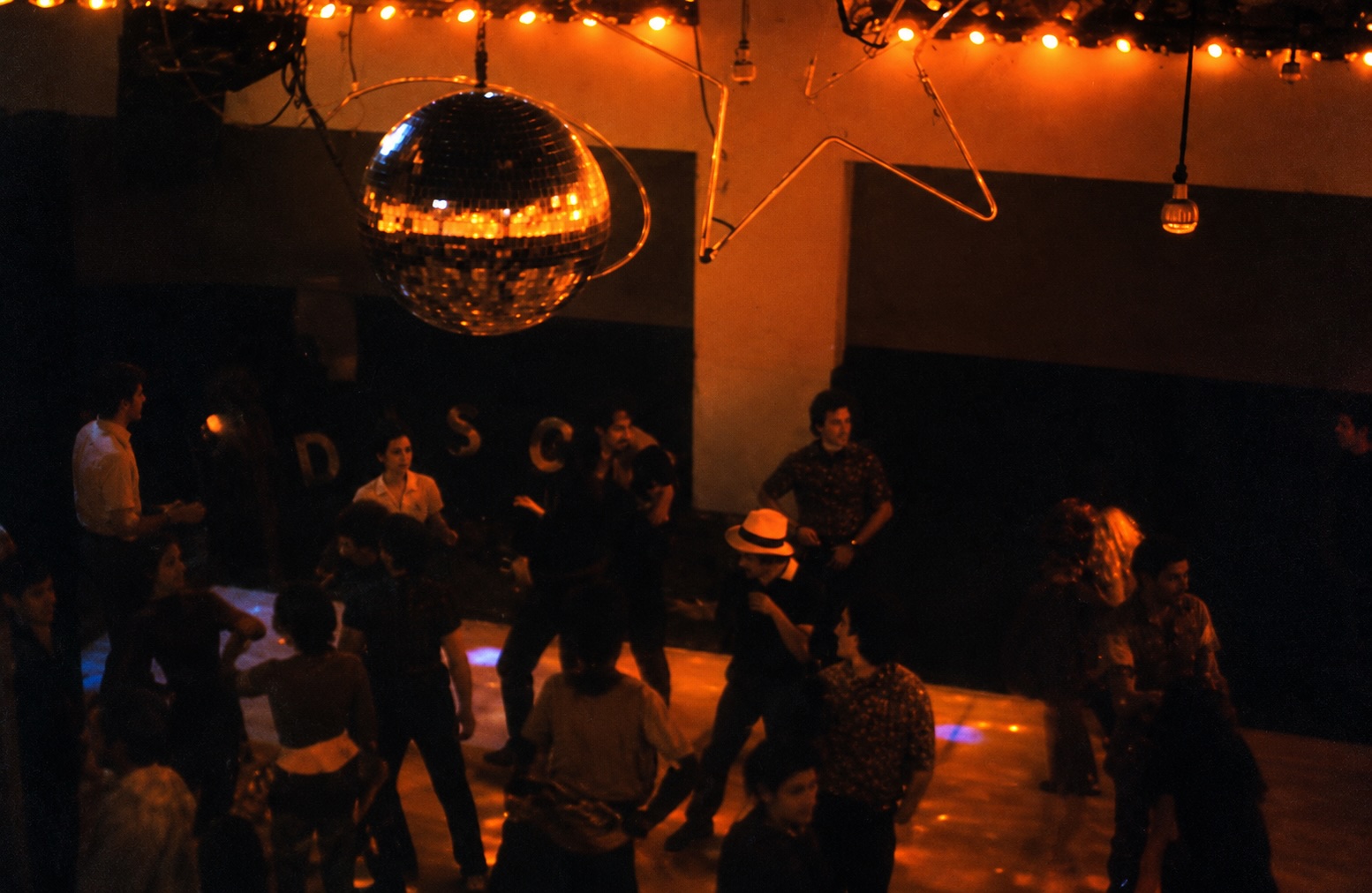
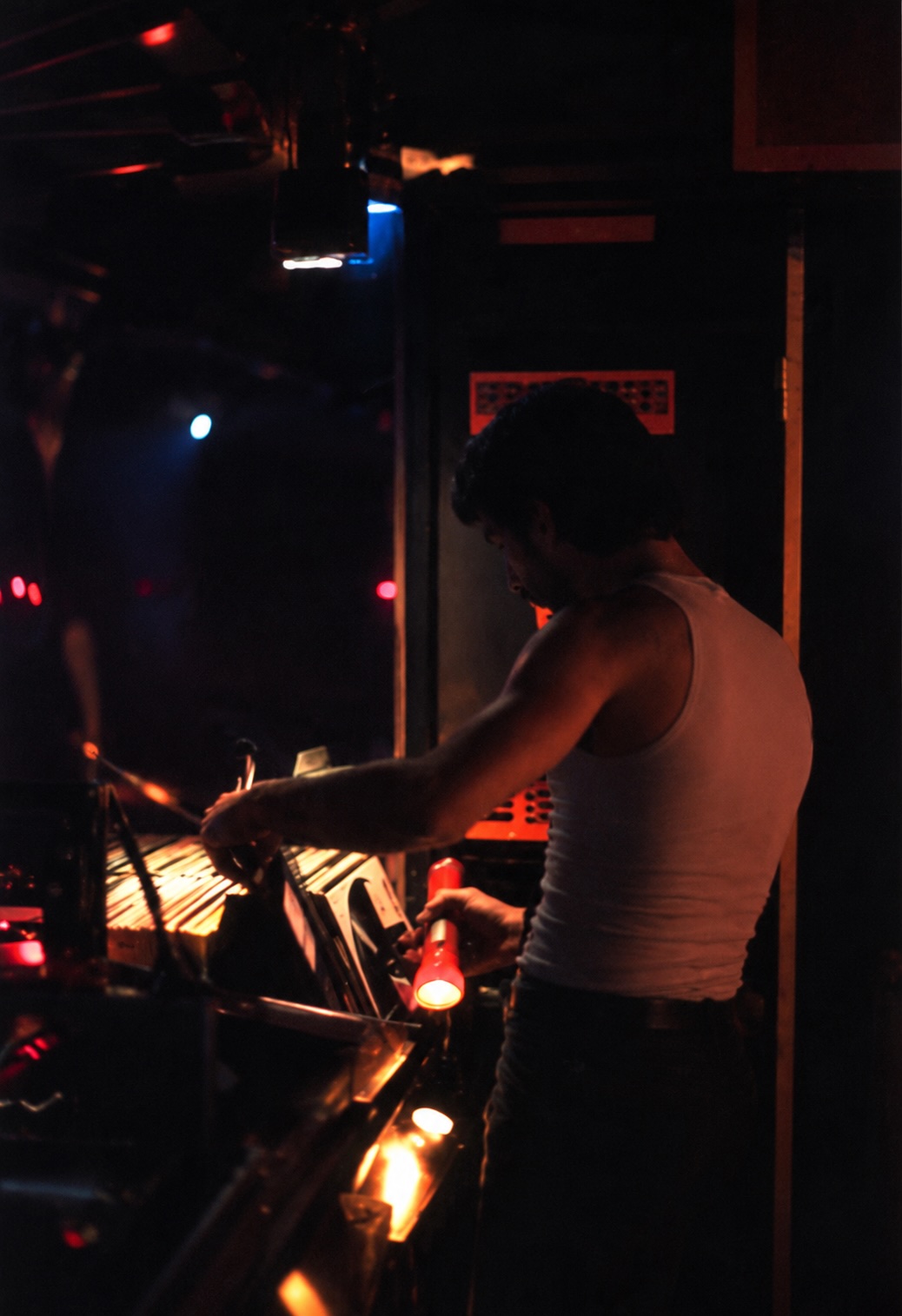
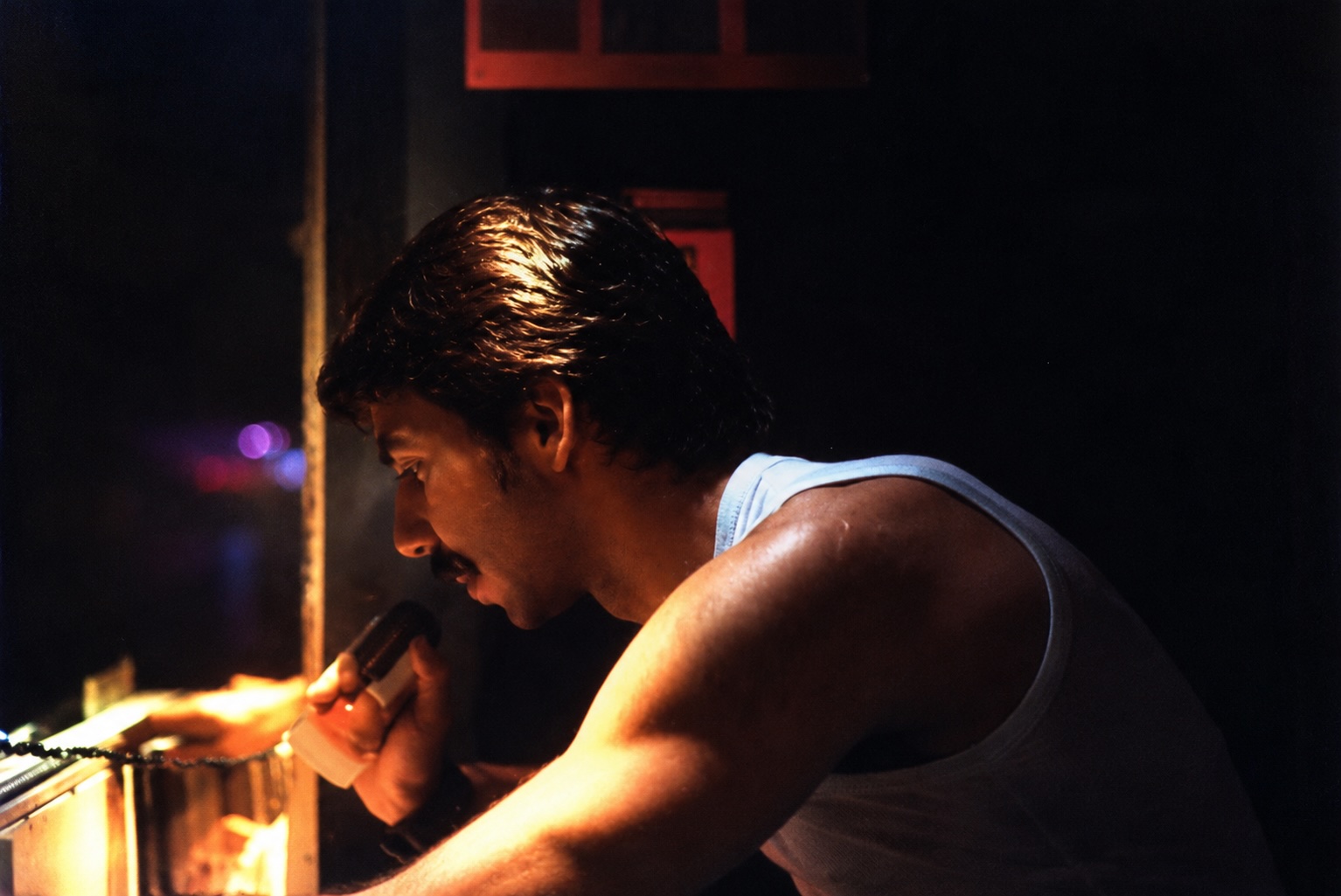
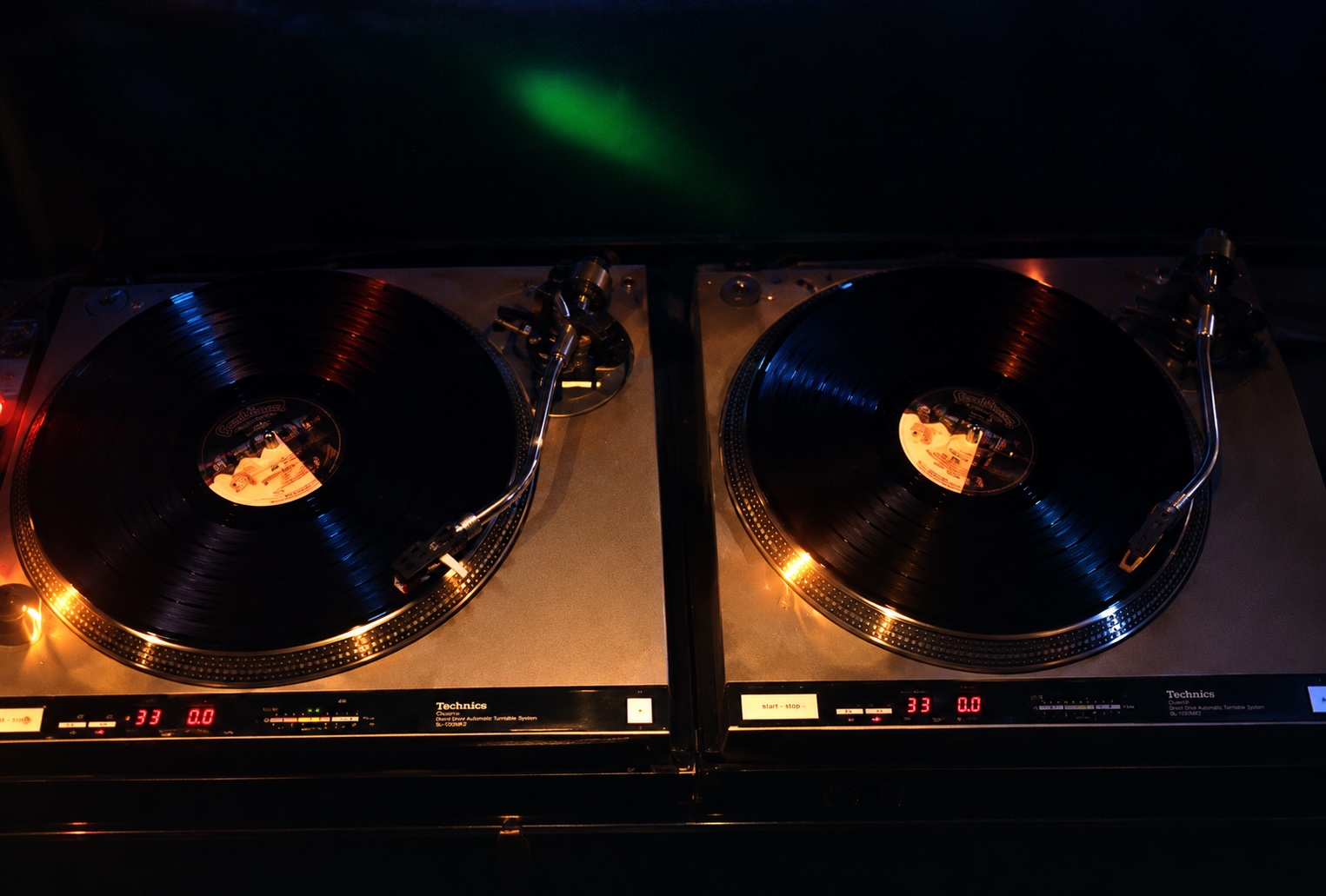
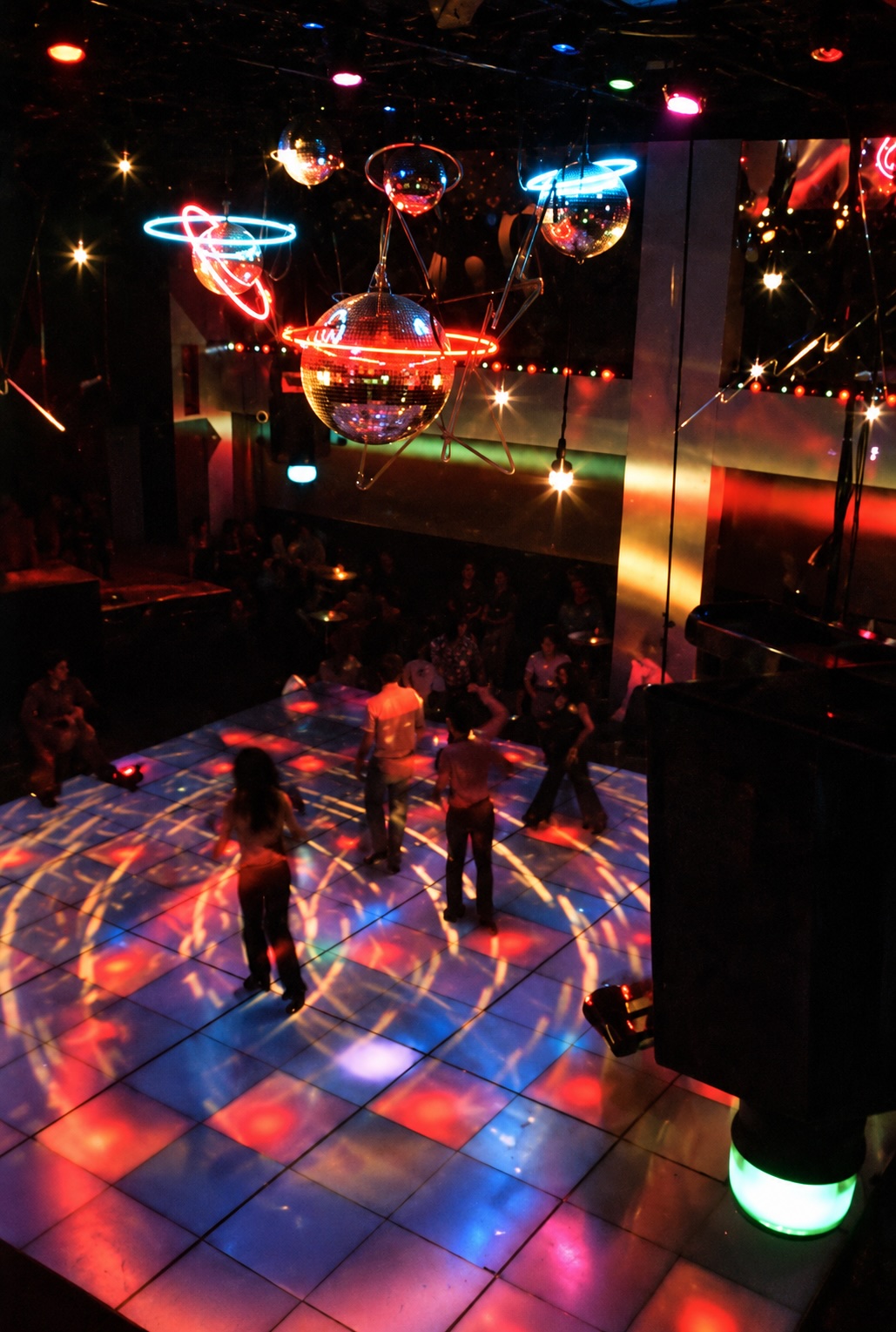
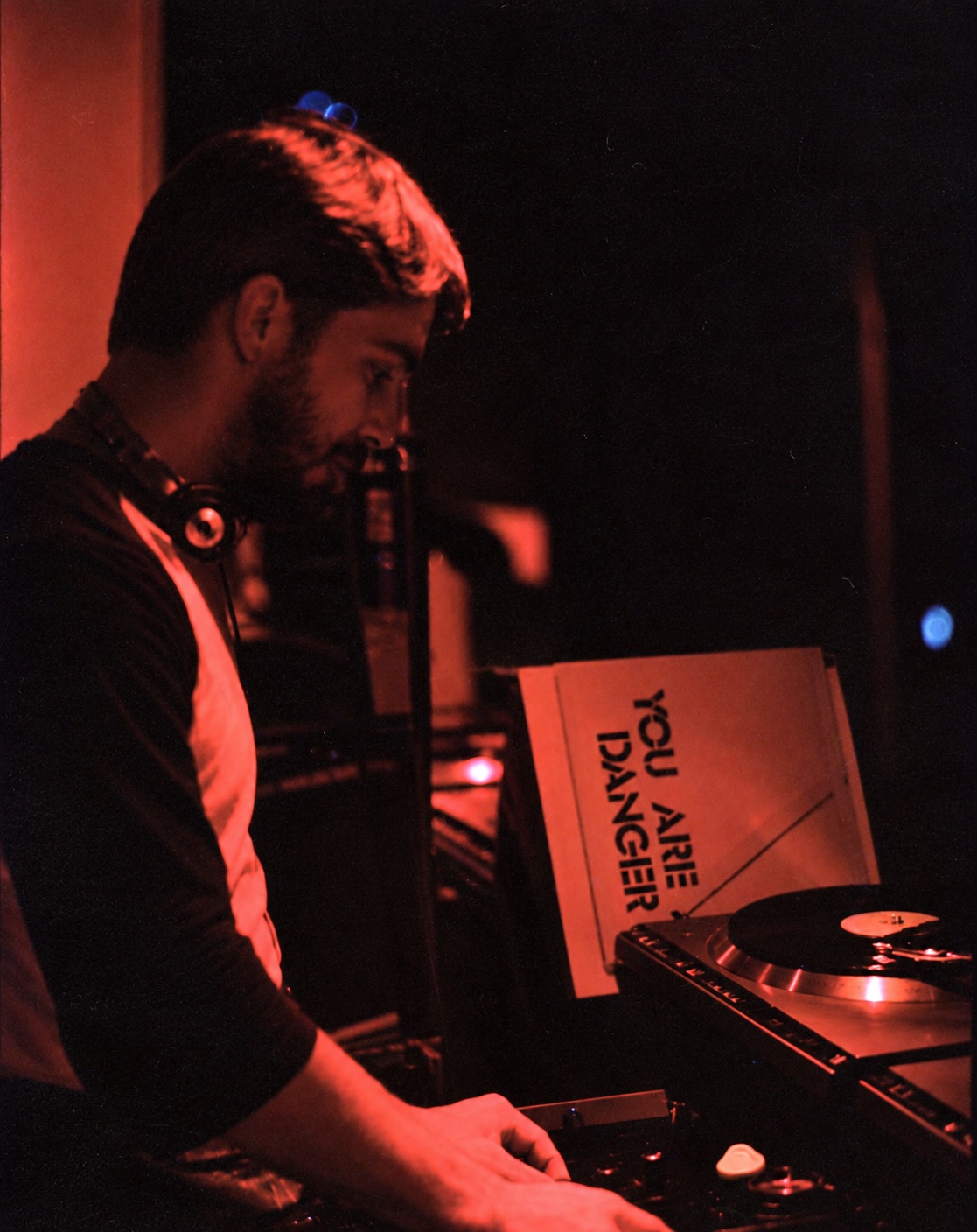
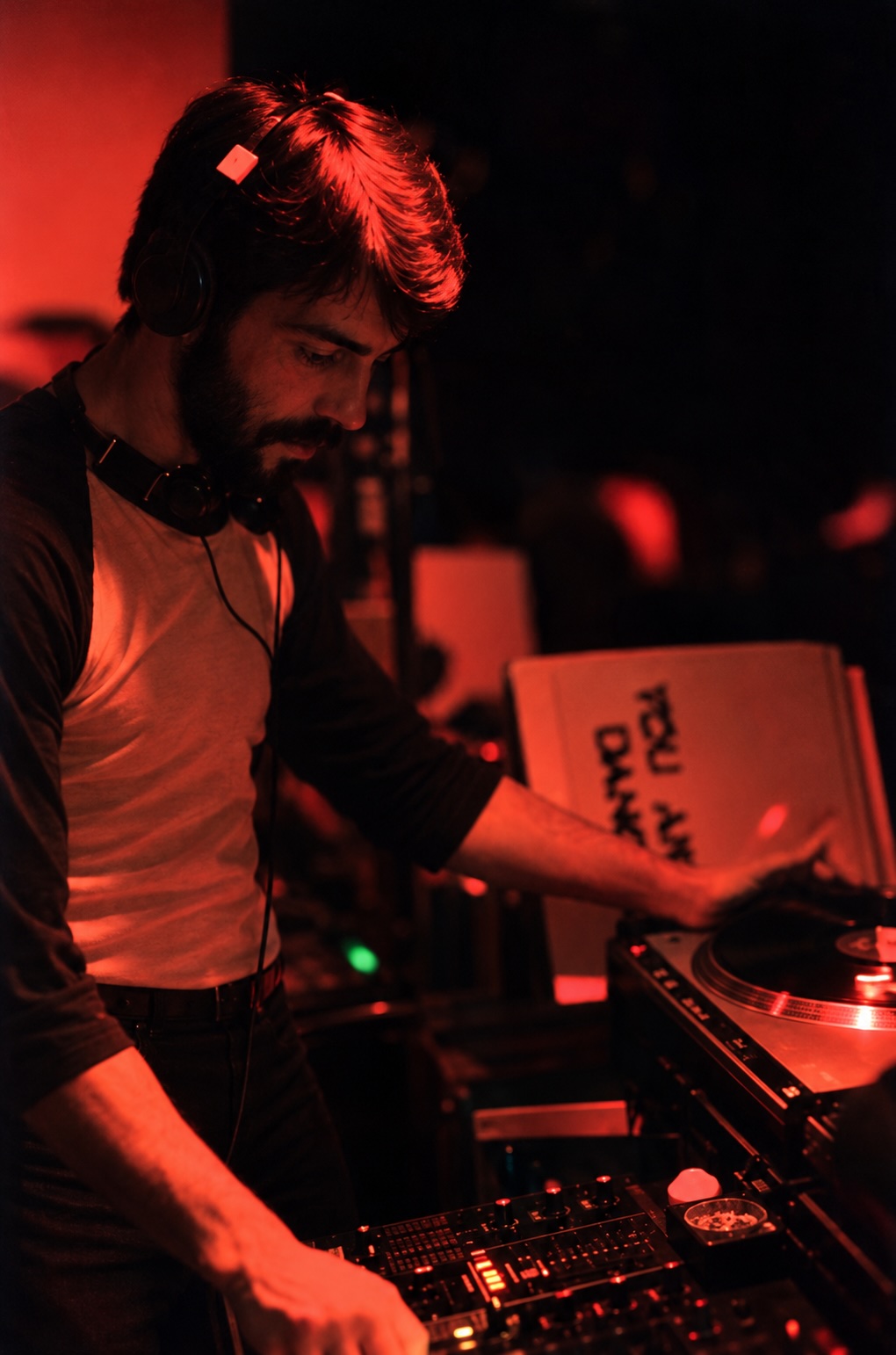
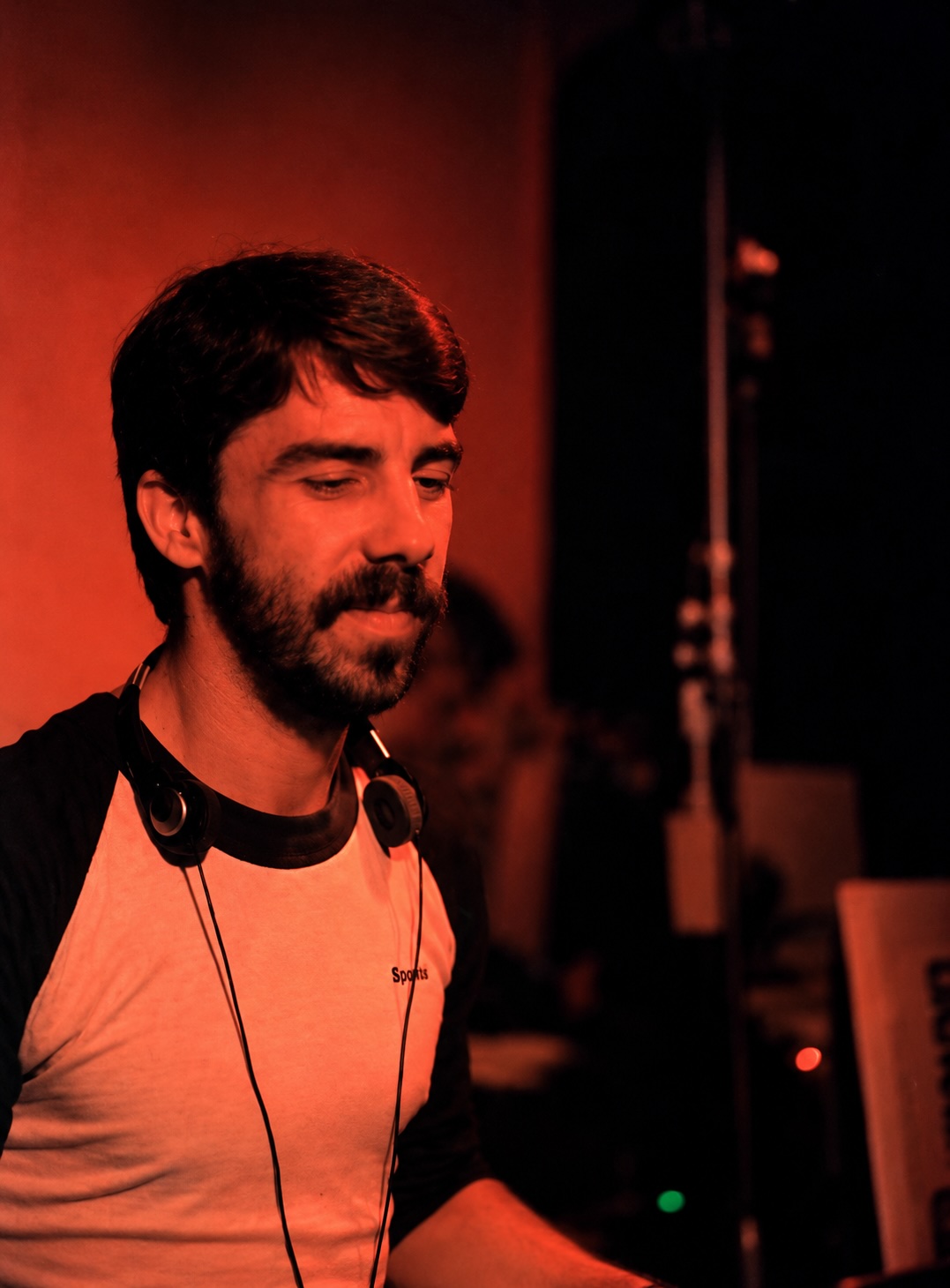
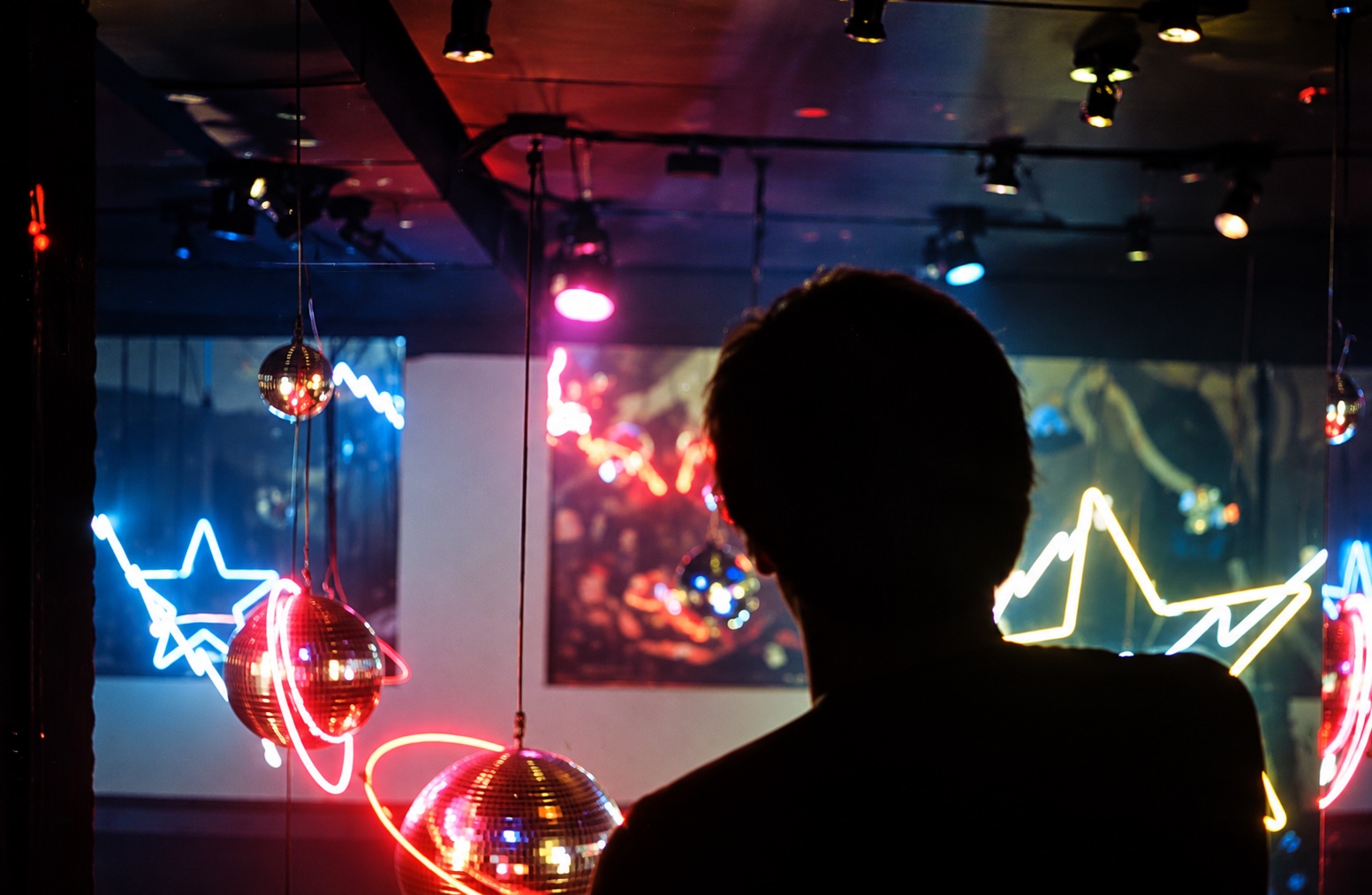
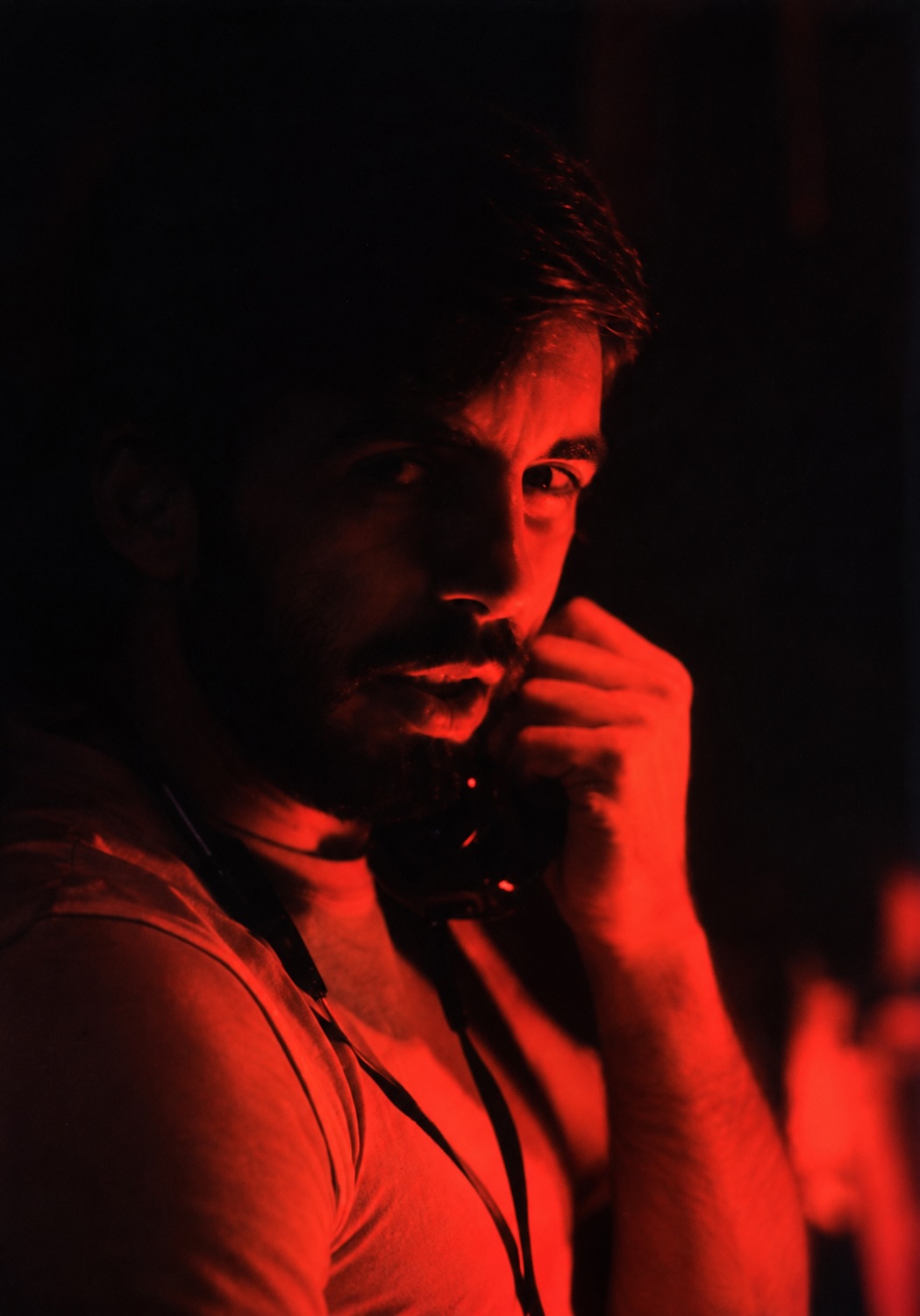
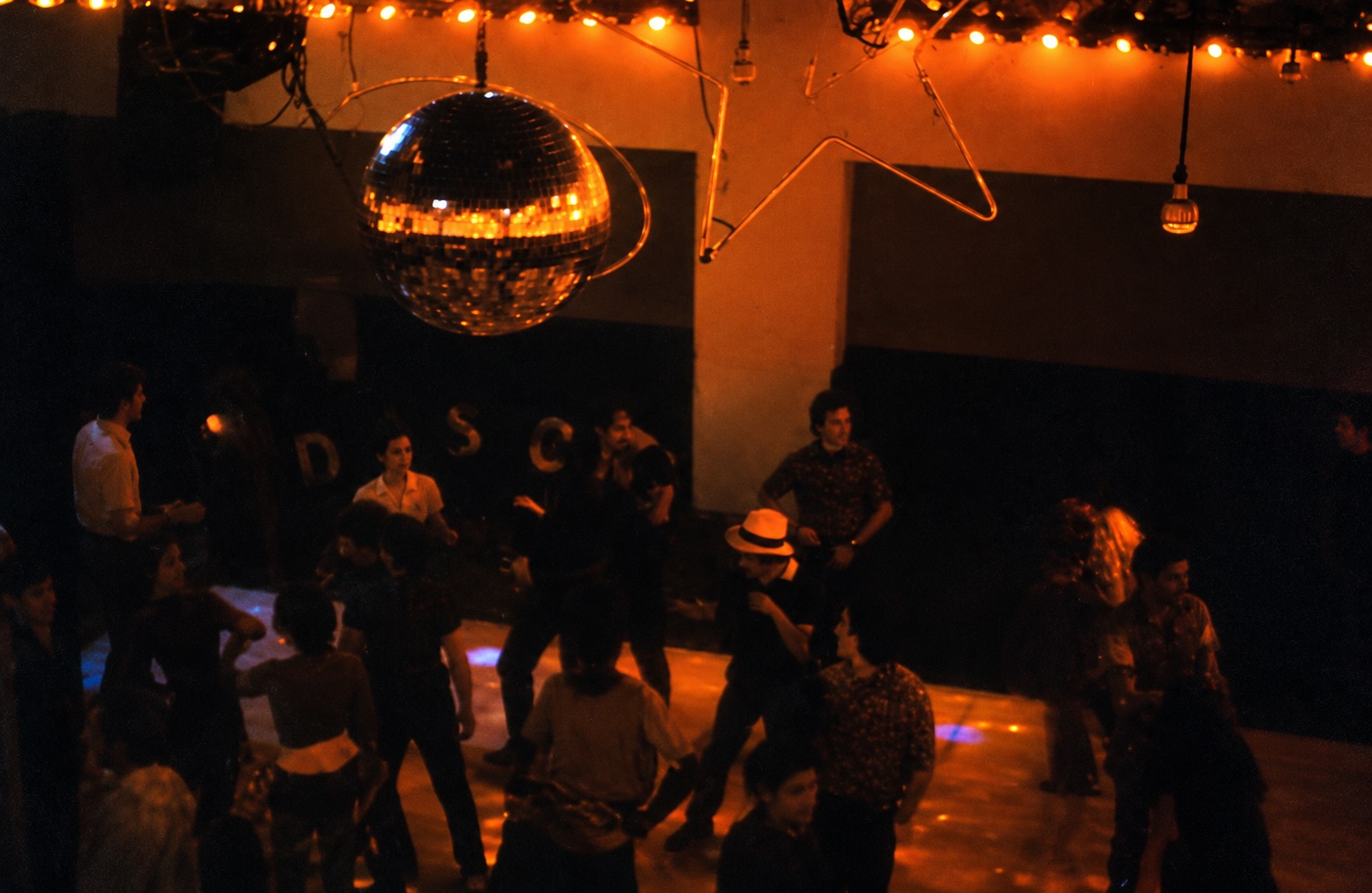
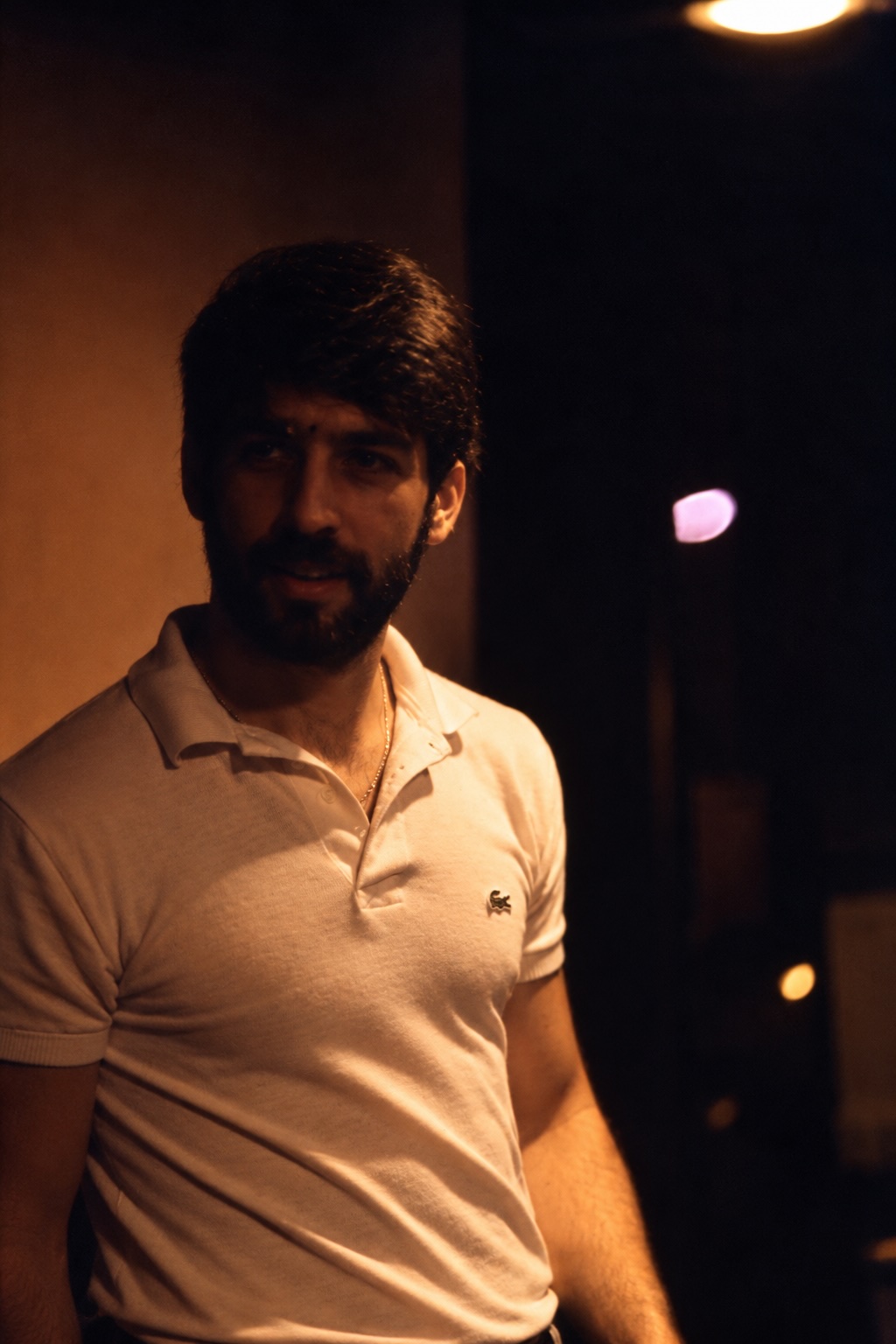
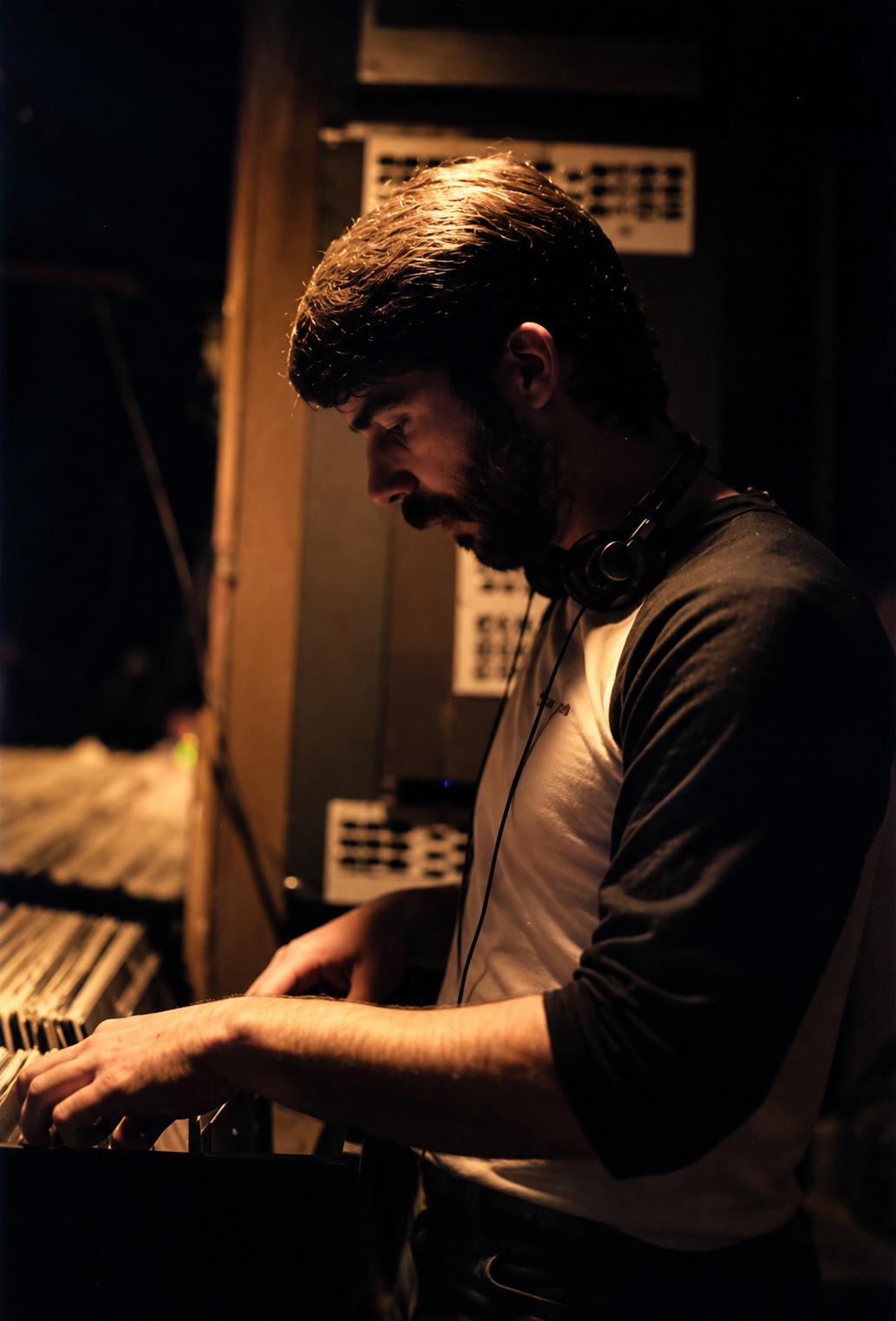
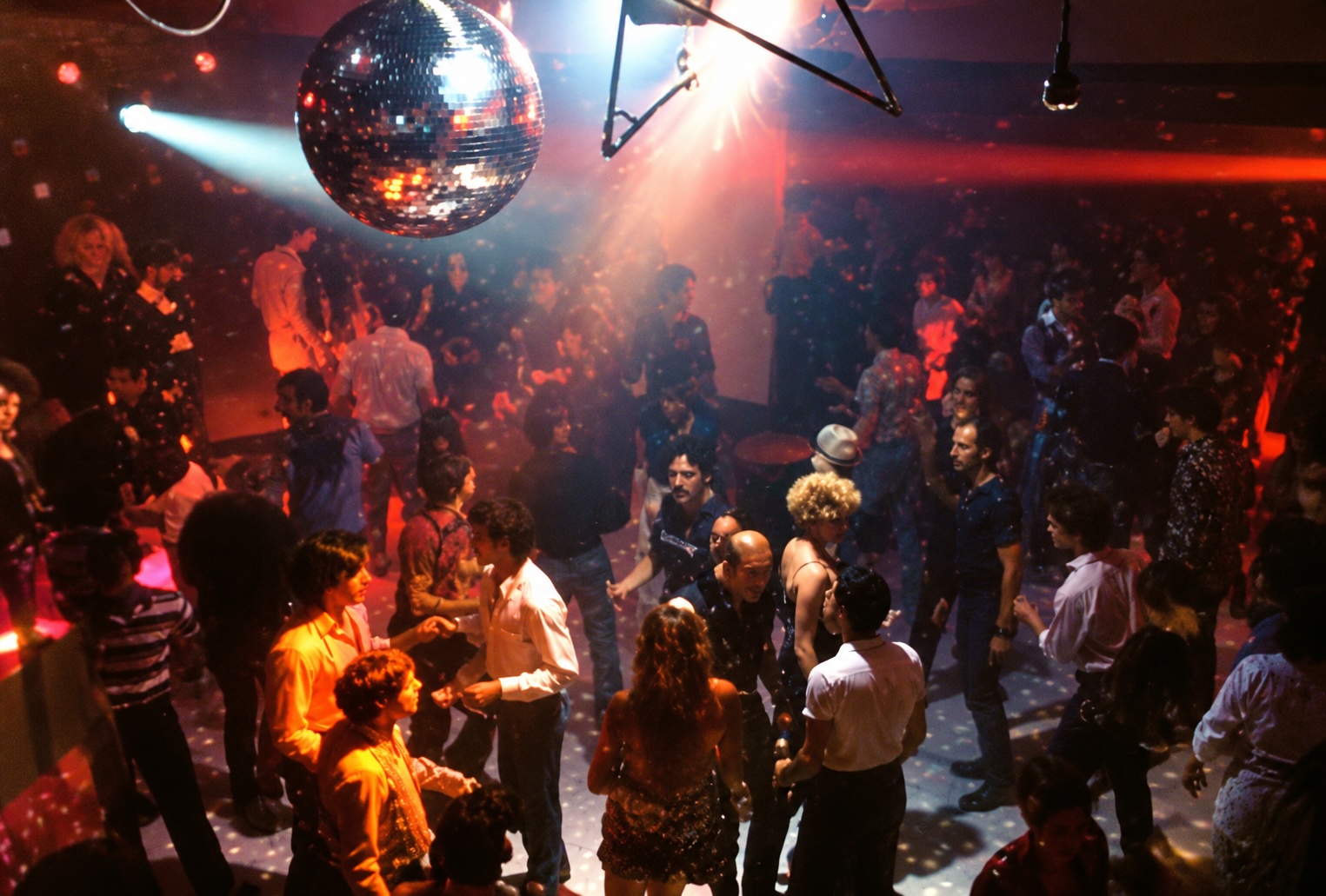
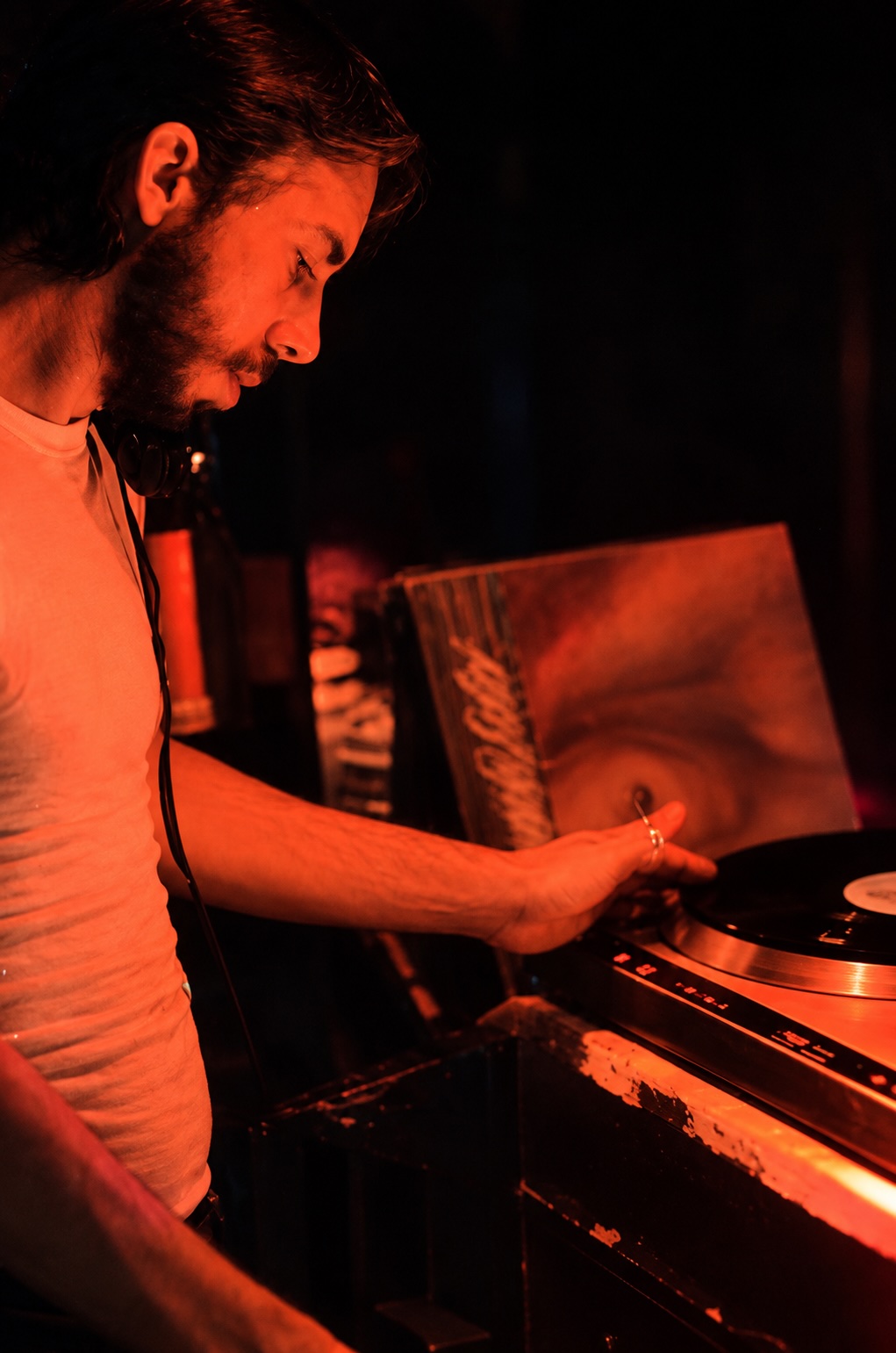
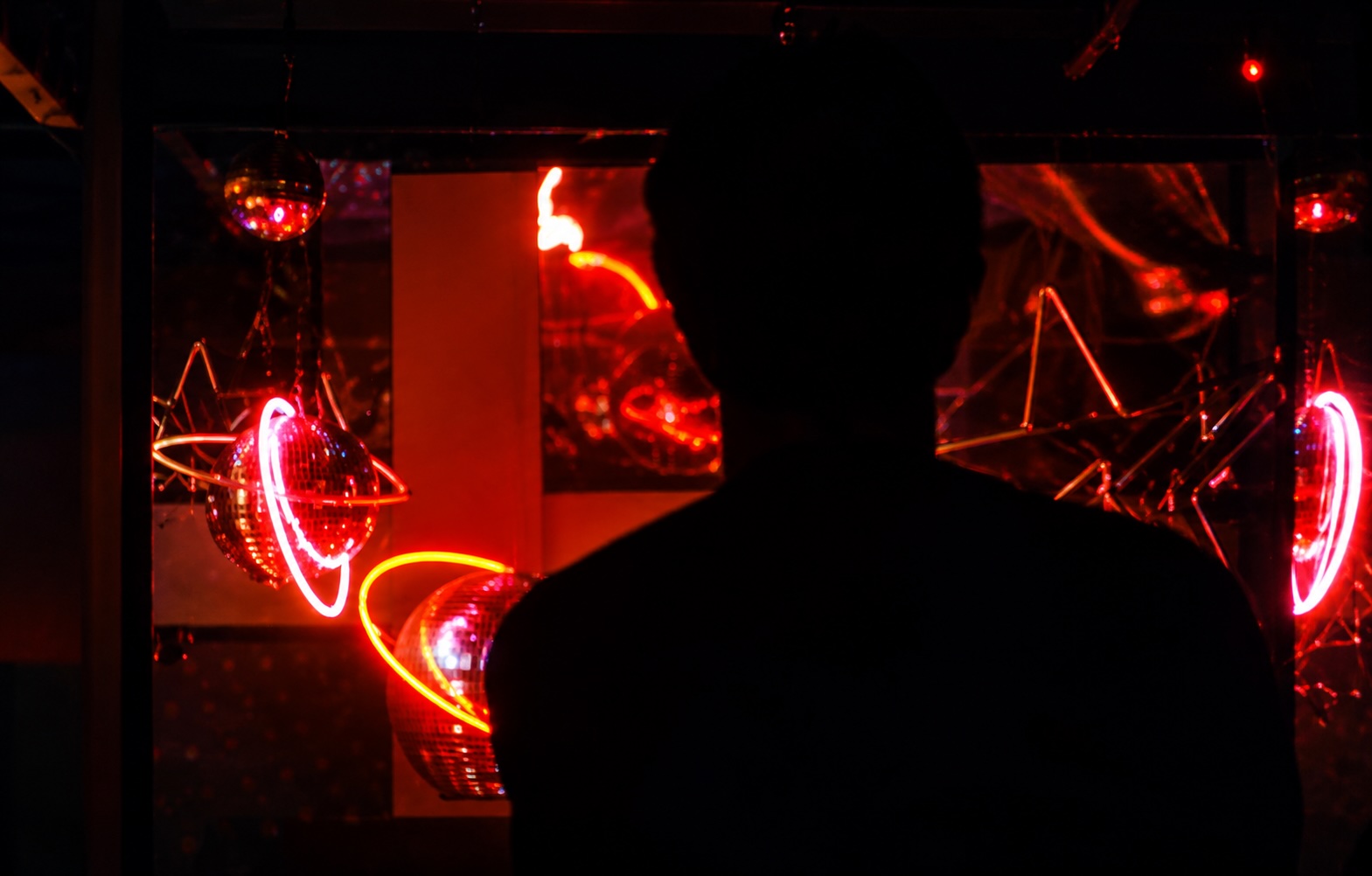
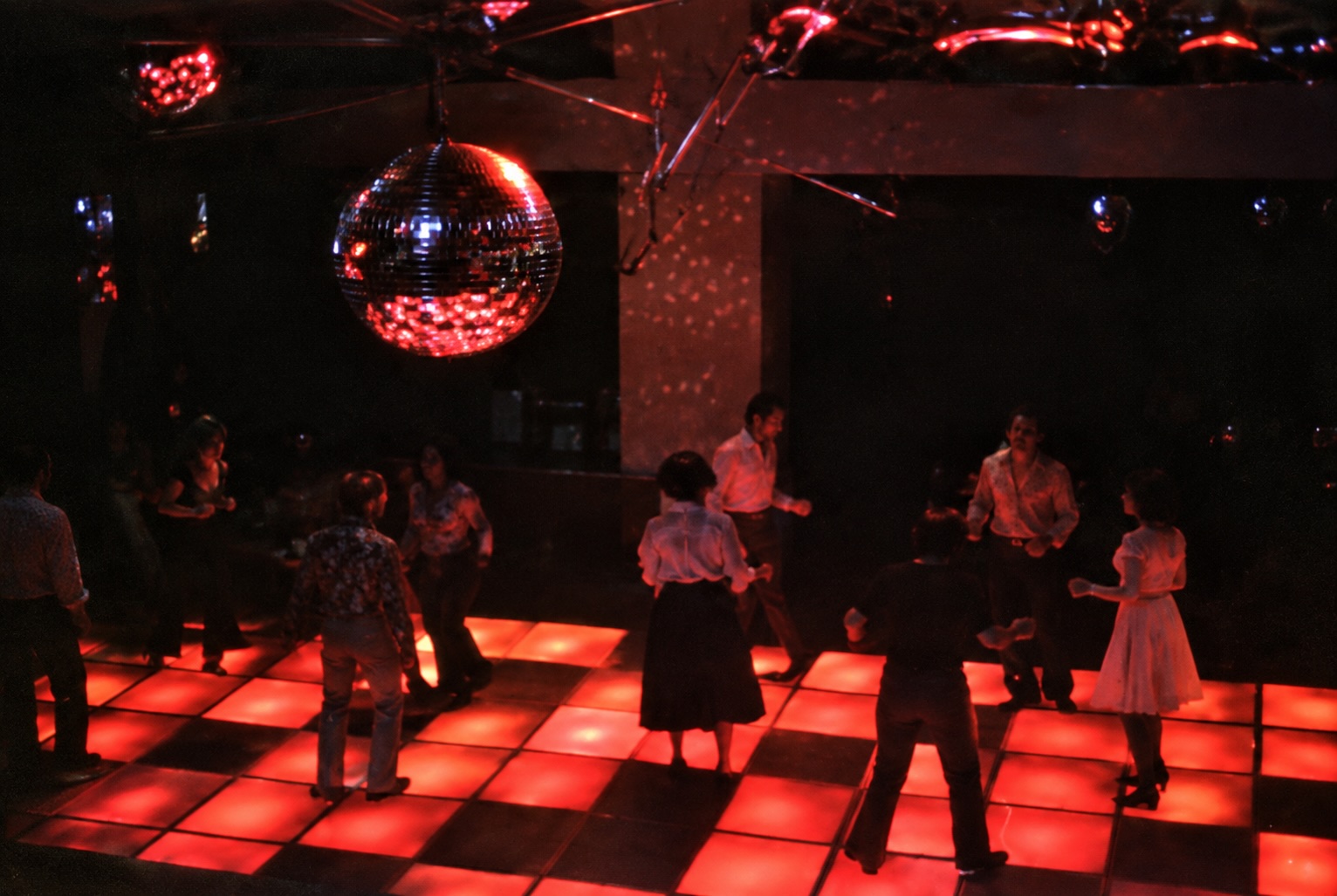
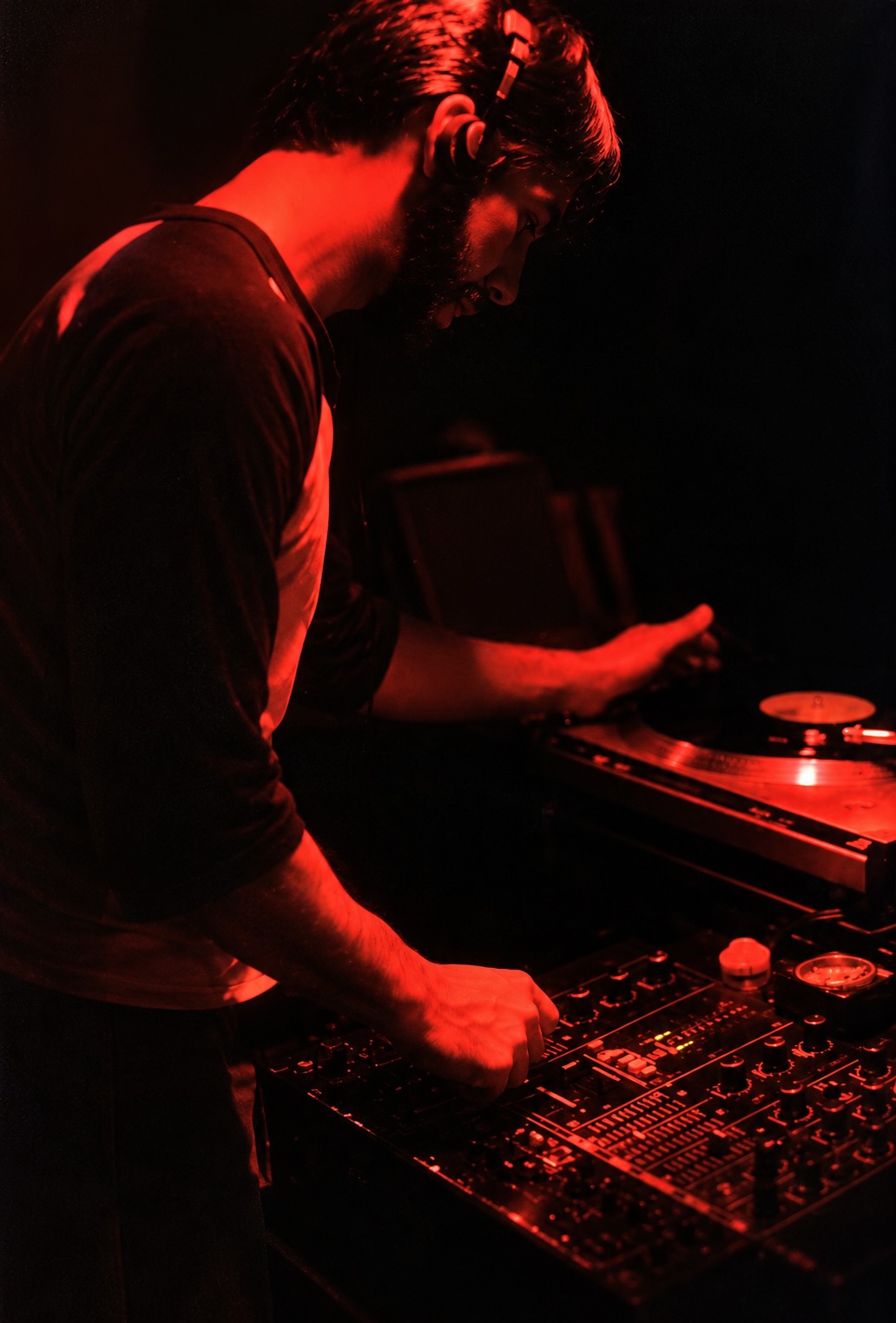
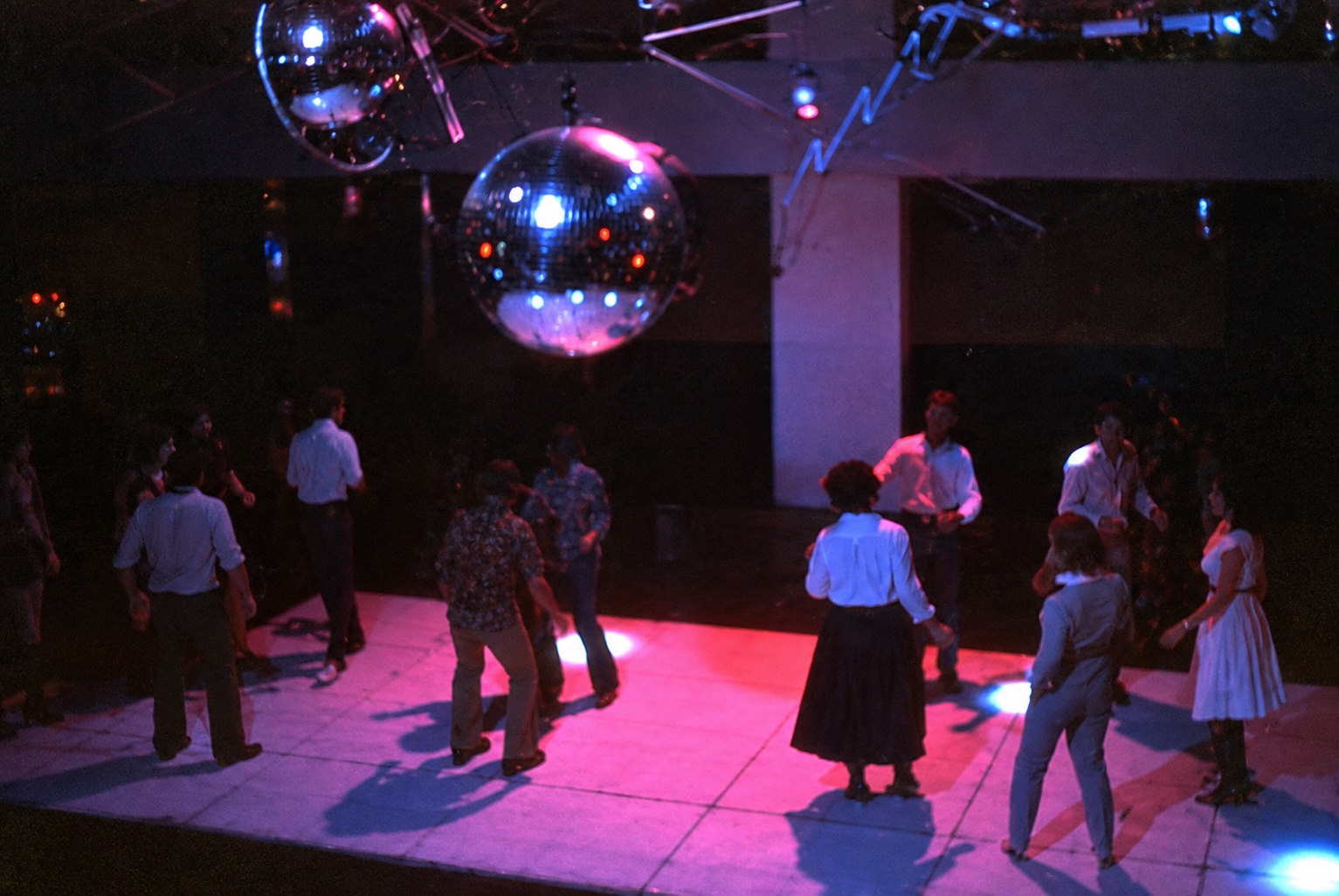
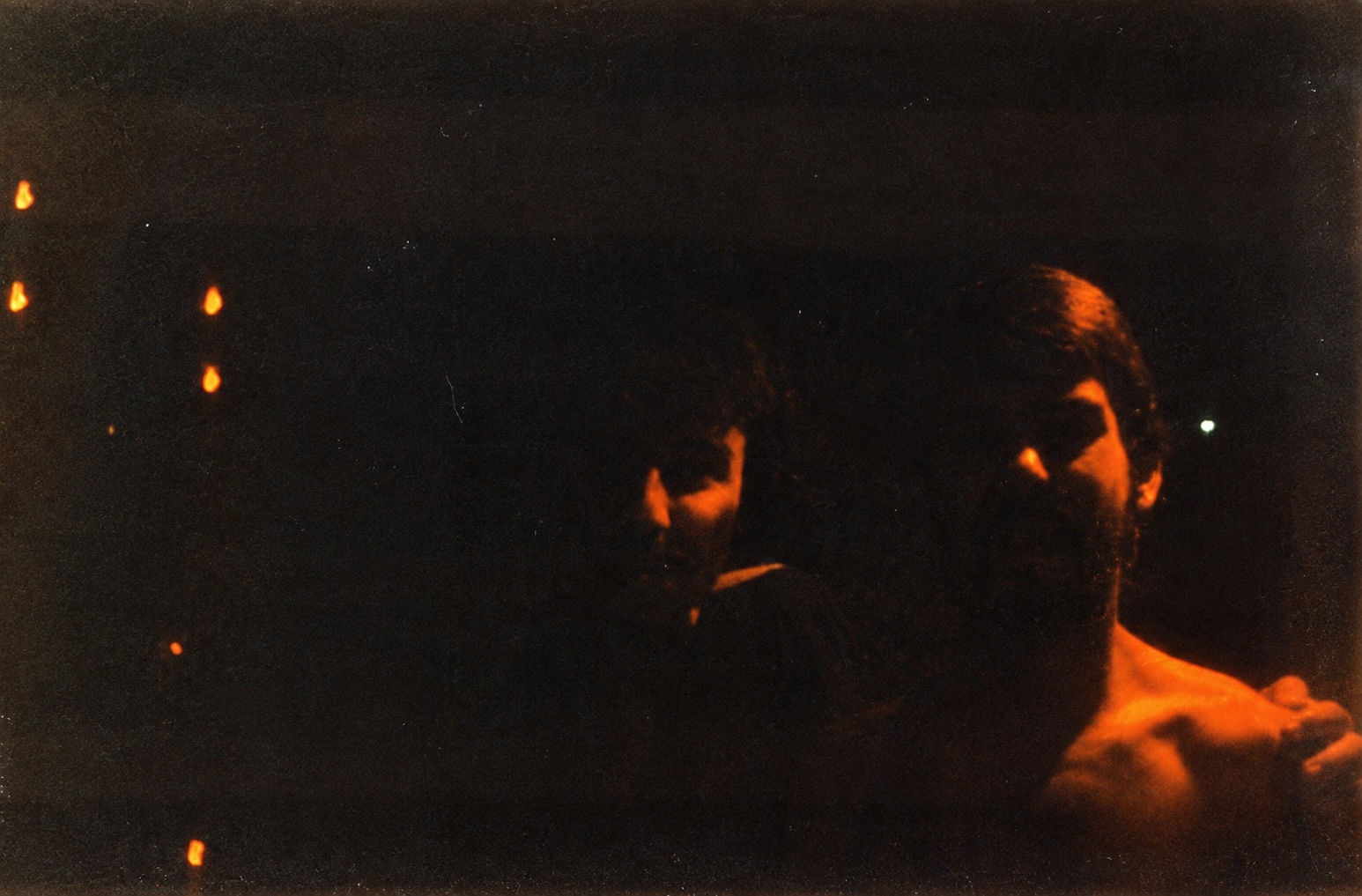
What follows is a series of photos I took over the course of several weekends at Hotbods in Phoenix during April 1983 when Steve invited me up to the DJ booth. Magic moments frozen in time that tie directly into my musical selection above.
I was working in very low light conditions with the fastest color film I could get my hands on, but even so a lot of these shots required extensive tweaking to get them looking this good.
0 comments
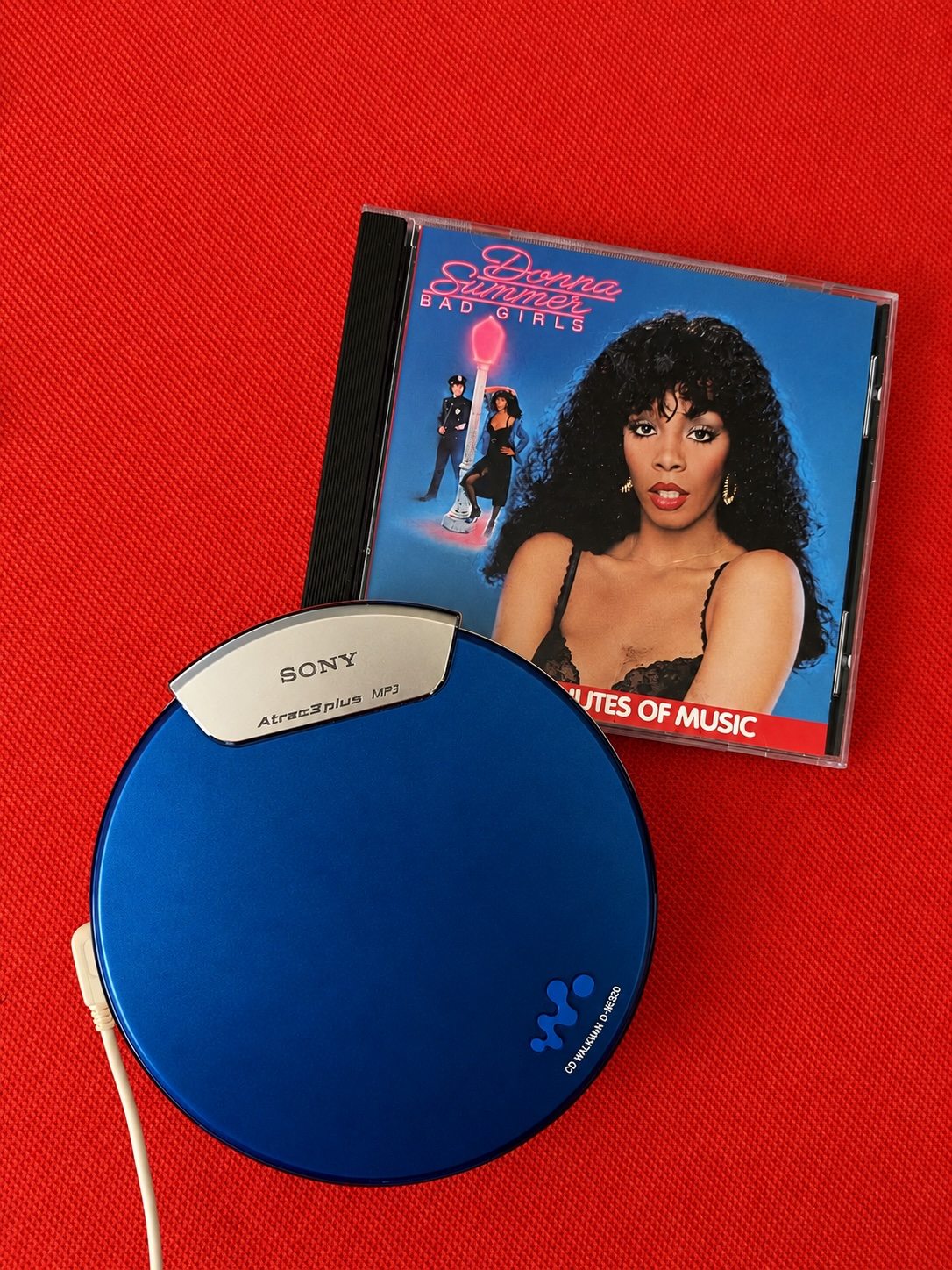
As I opined a few years ago:
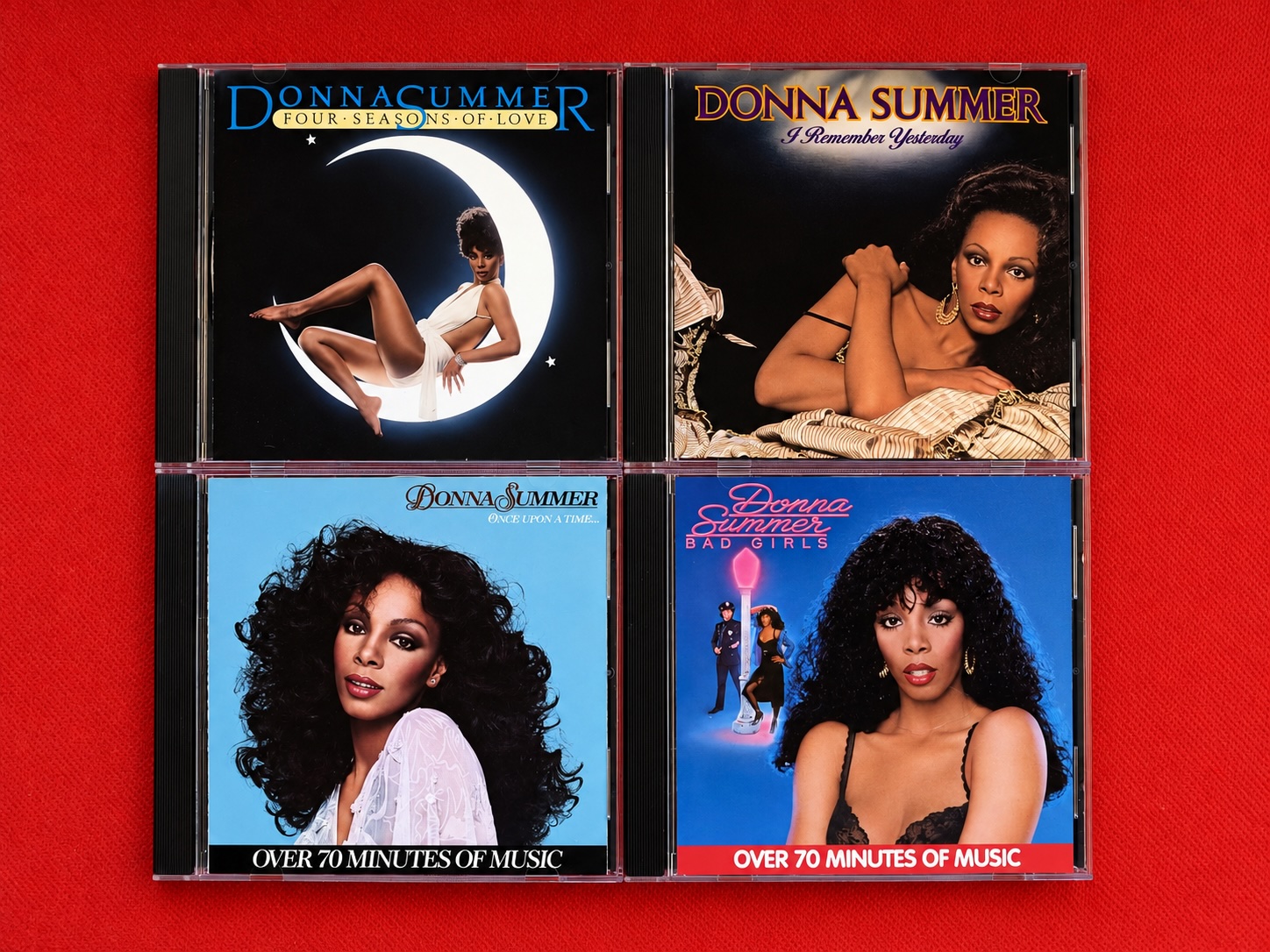
I was sorely disappointed with this album when it first came out. I couldn’t help but think, “She followed up Once Upon a Time with this?!” Even now, nearly four decades later, it fails to move me the way OUAT—or for that matter, even I Remember Yesterday or Four Seasons of Lovedoes.
And then to have it followed only by the greatest hits album, On the Radio, which seemed like nothing more than a contractually-obligated release to end her relationship with Casablanca Records…
While Donna did put out a few very catchy, danceable songs afterward, IMHO there were never again any whole albums that spoke to me the way her mid-Casablanca releases did.
Over the years my opinion of Bad Girls almost did a complete turnaround. While it’s still no Once Upon A Time it’s still a damn fine album, along with Four Seasons Of Love, I Remember Yesterday, and Once Upon a Time, bookending the epitome of her career.
0 comments
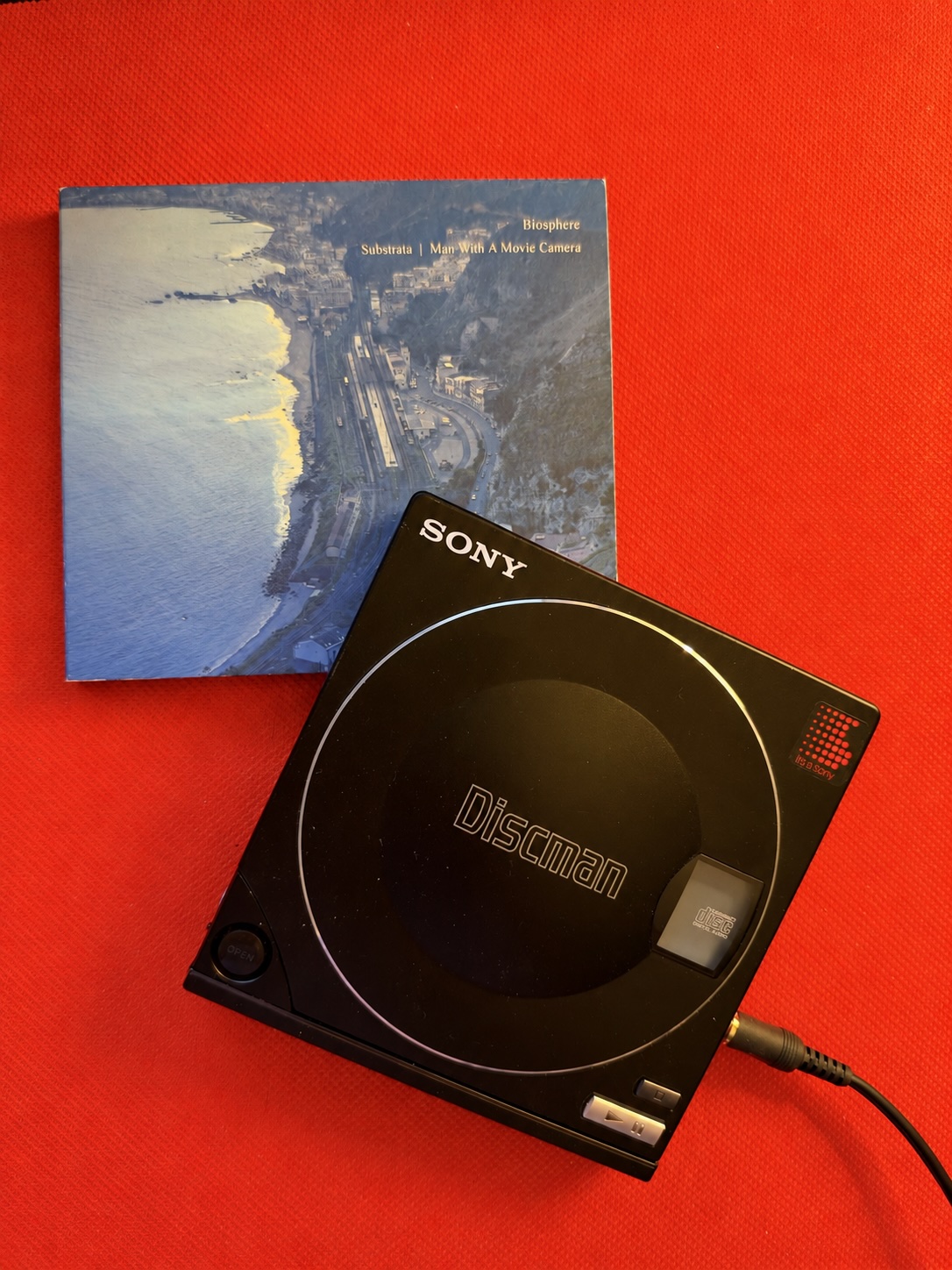
0 comments
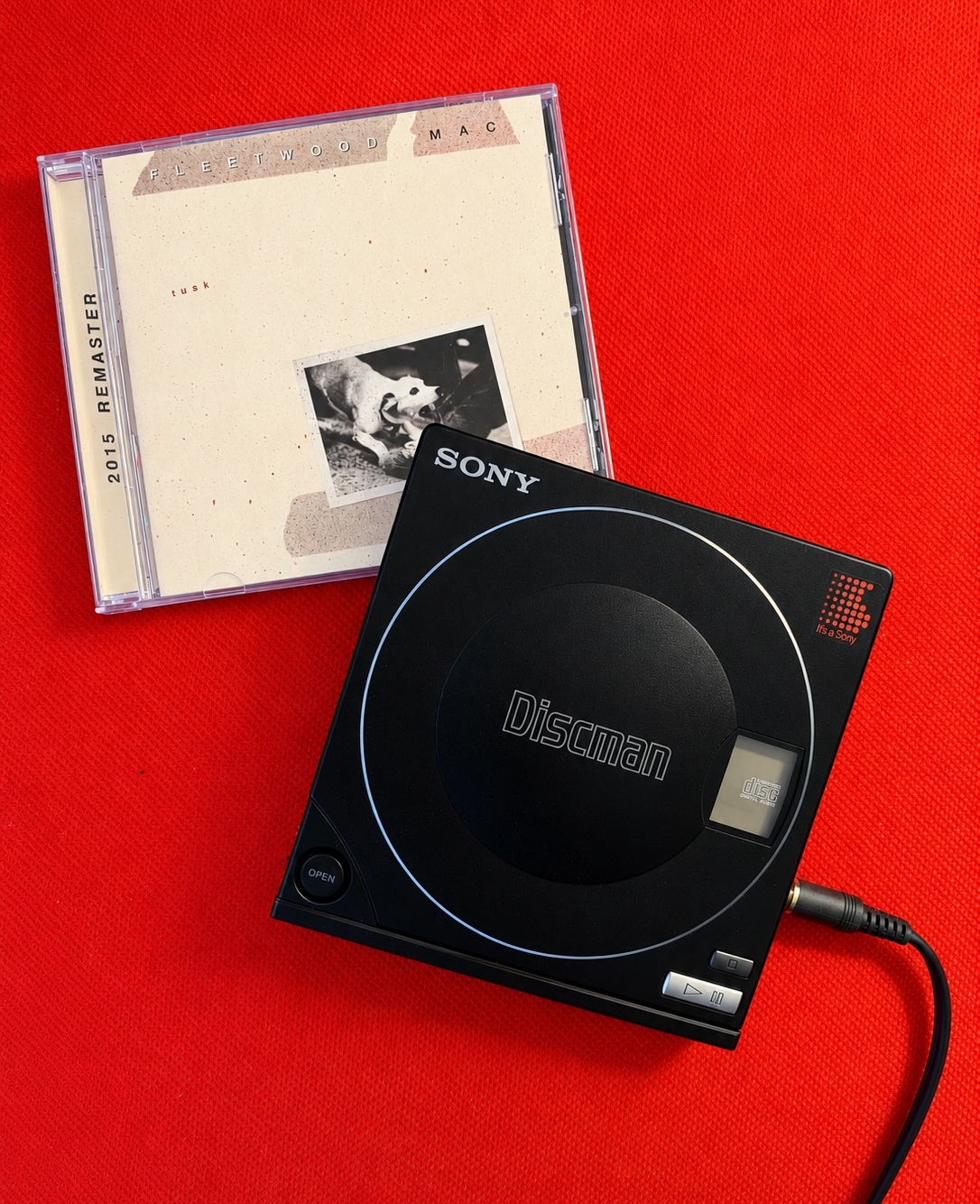
0 comments
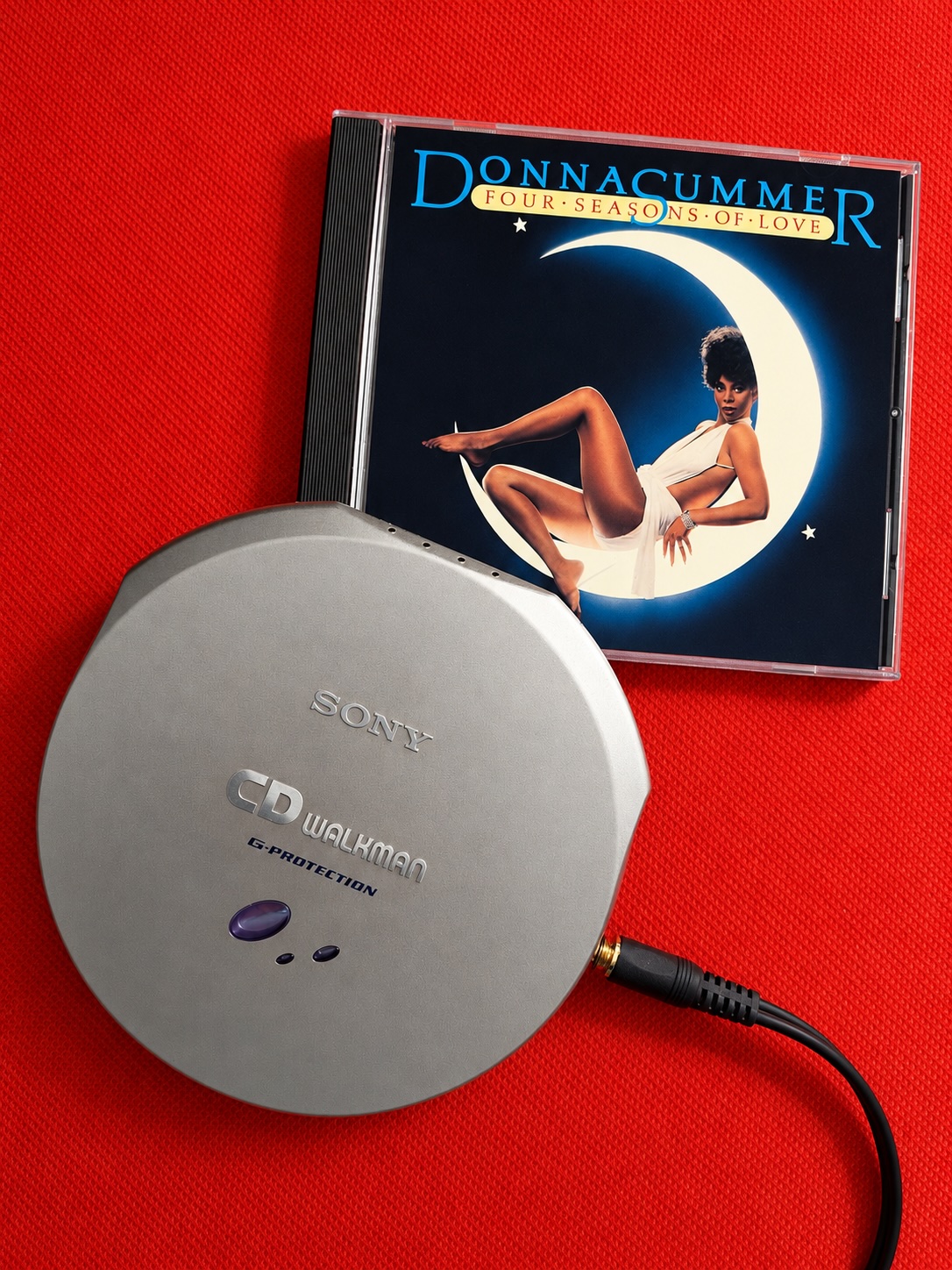
1 comments
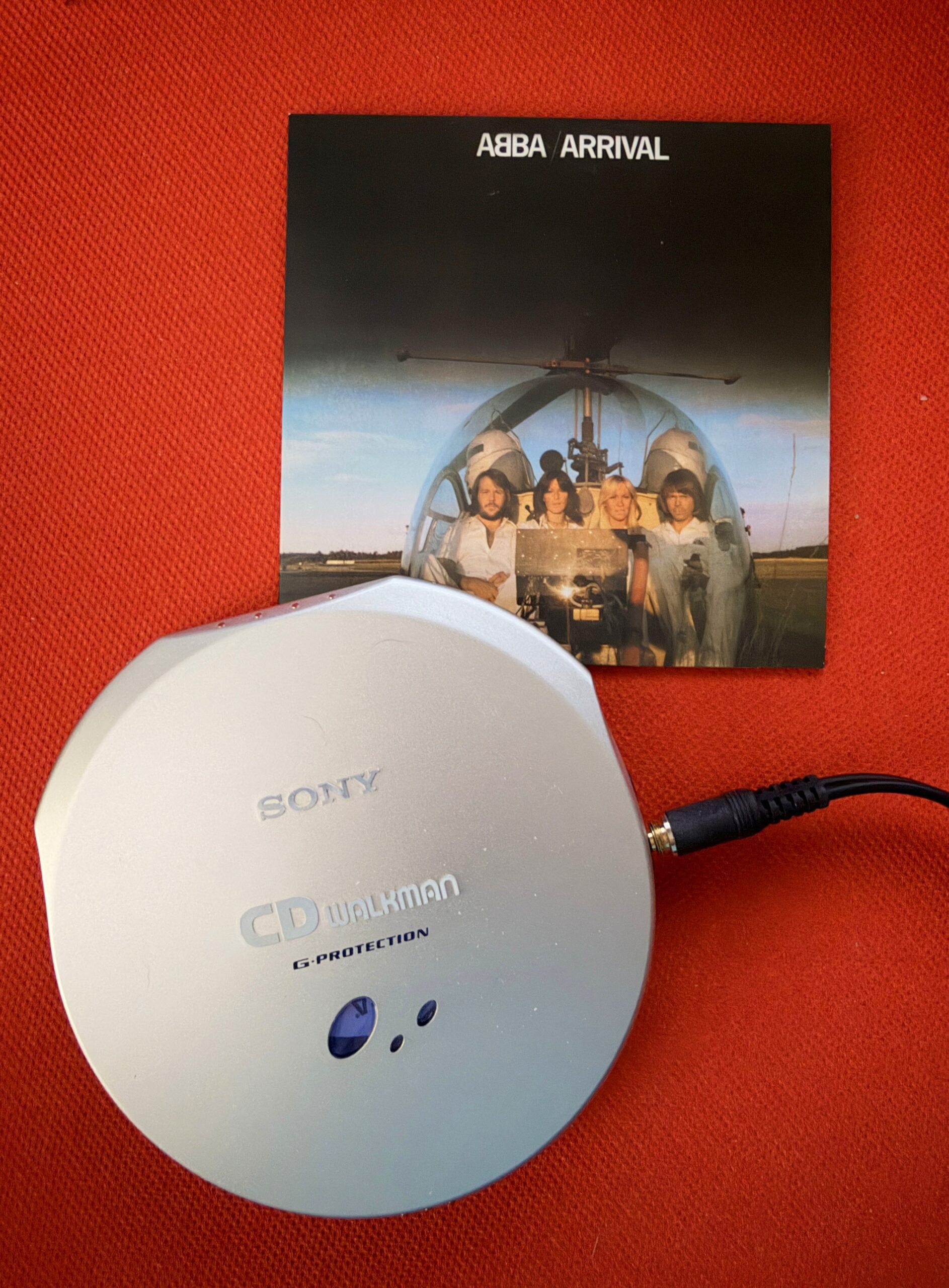
0 comments
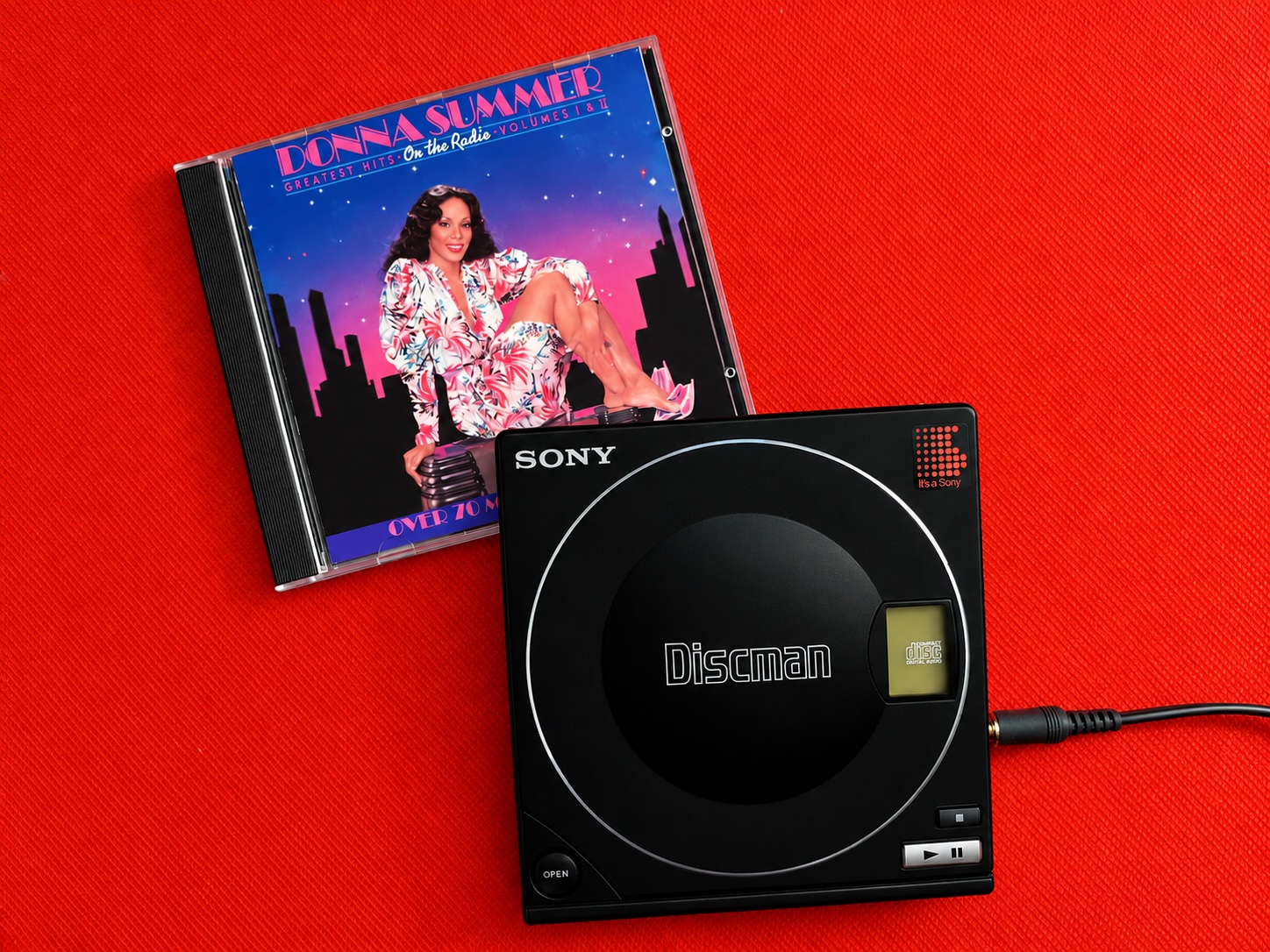
If I close my eyes I can almost believe it’s 1979 again. Of course, if it were 1979 and 10:30 pm on a Saturday night I would have probably already been at Bullwinkle, dancing and looking for love in all the wrong places.
2 comments
0 comments
0 comments
0 comments
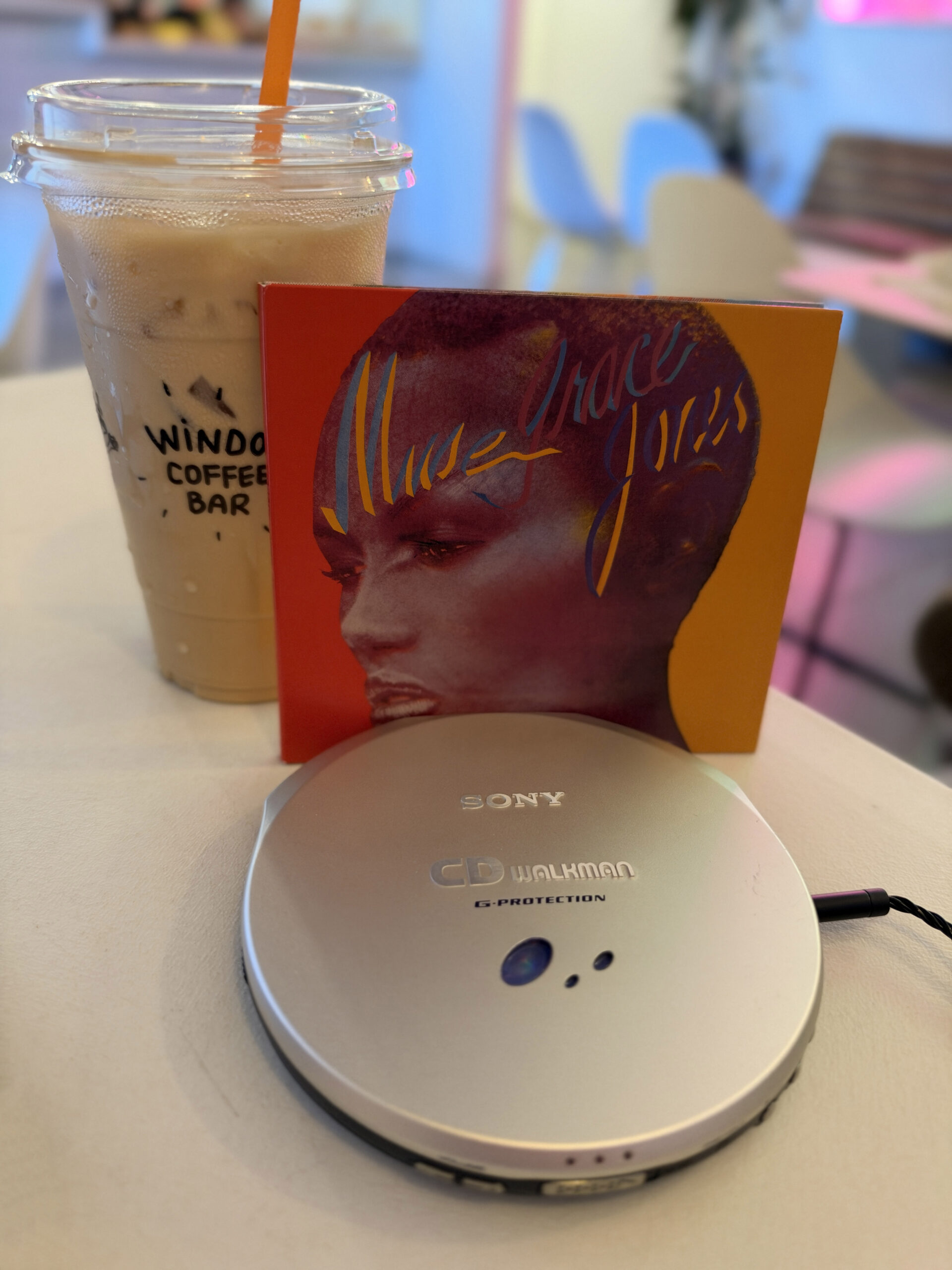
1 comments
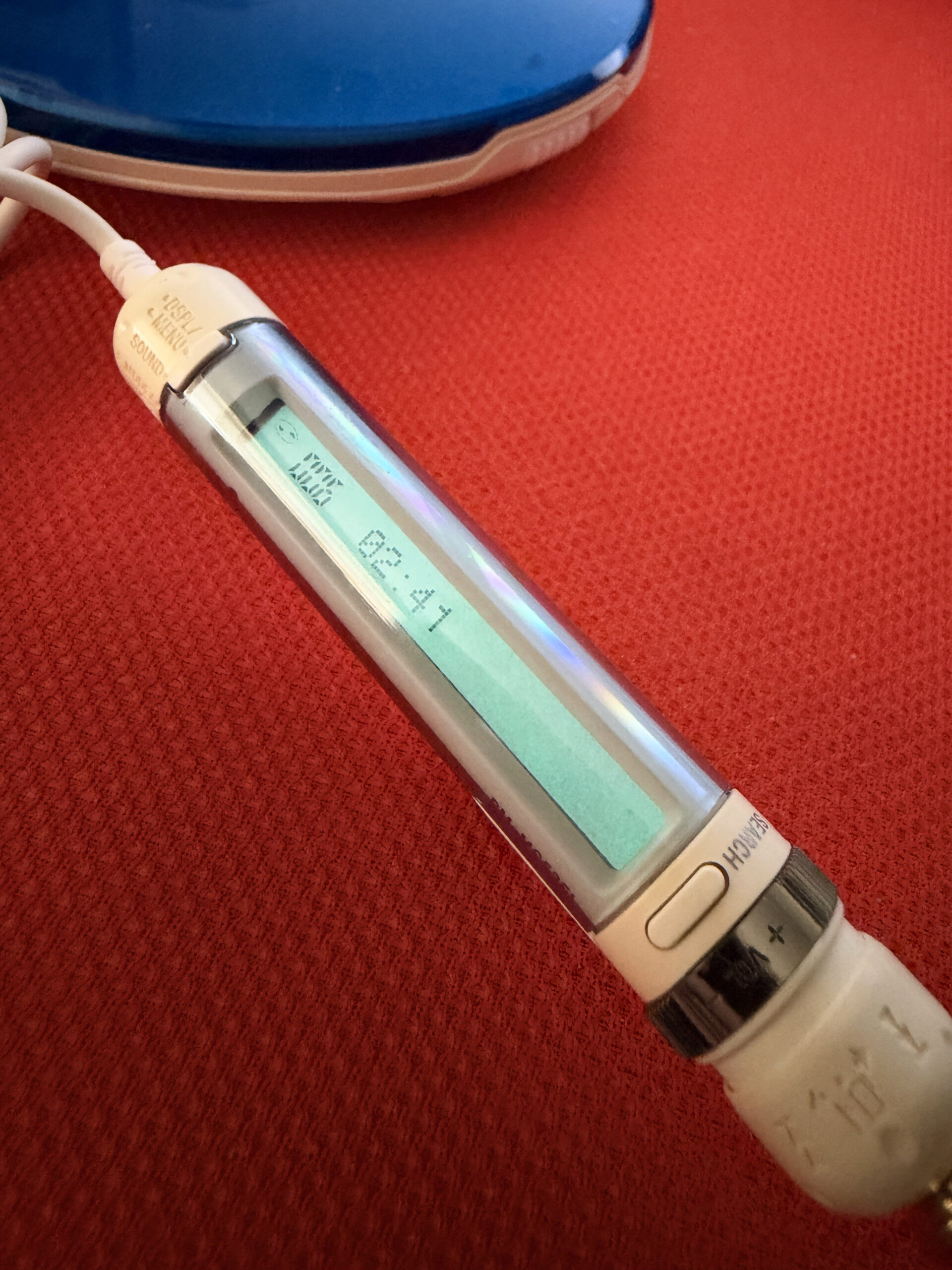
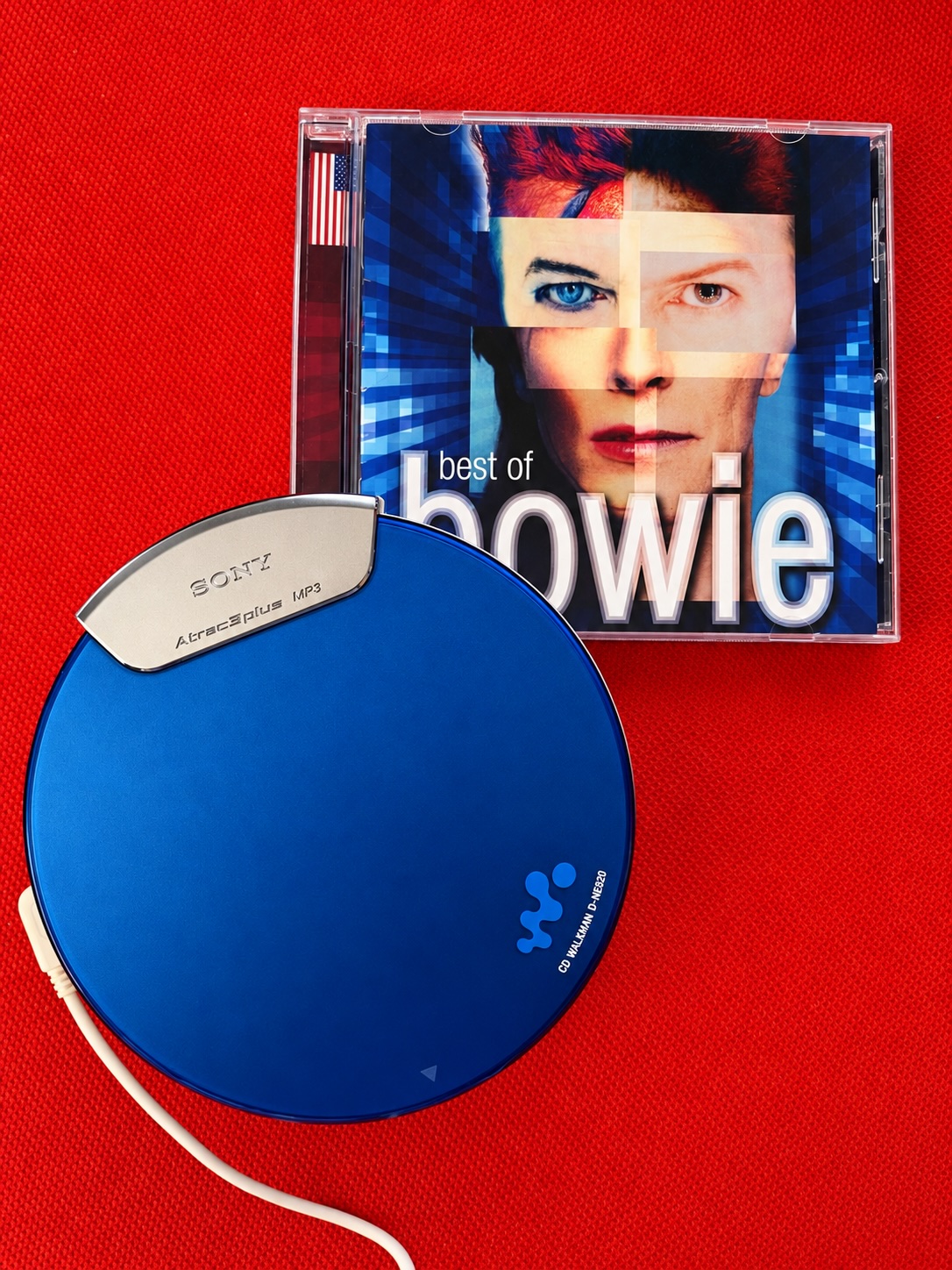
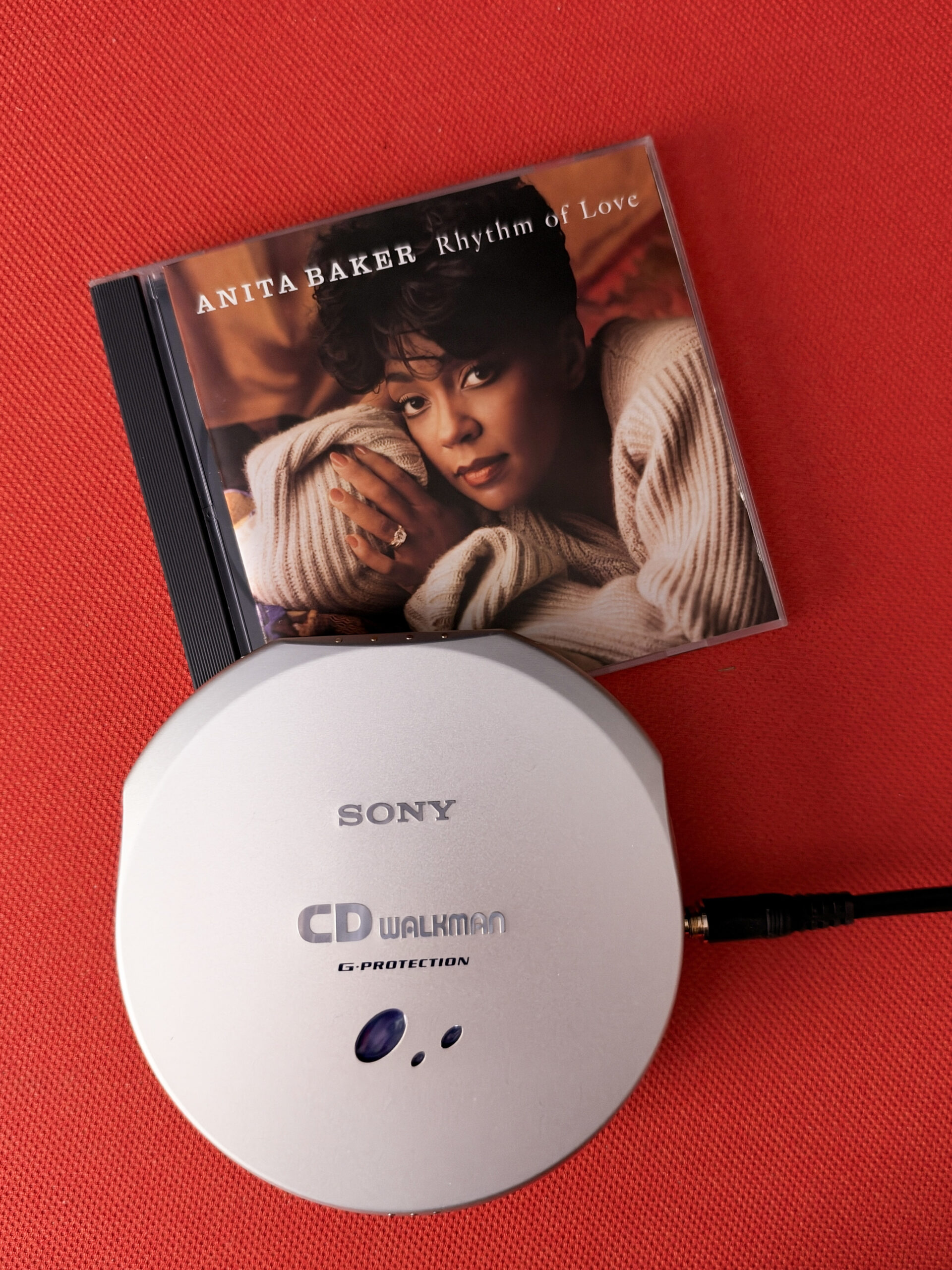
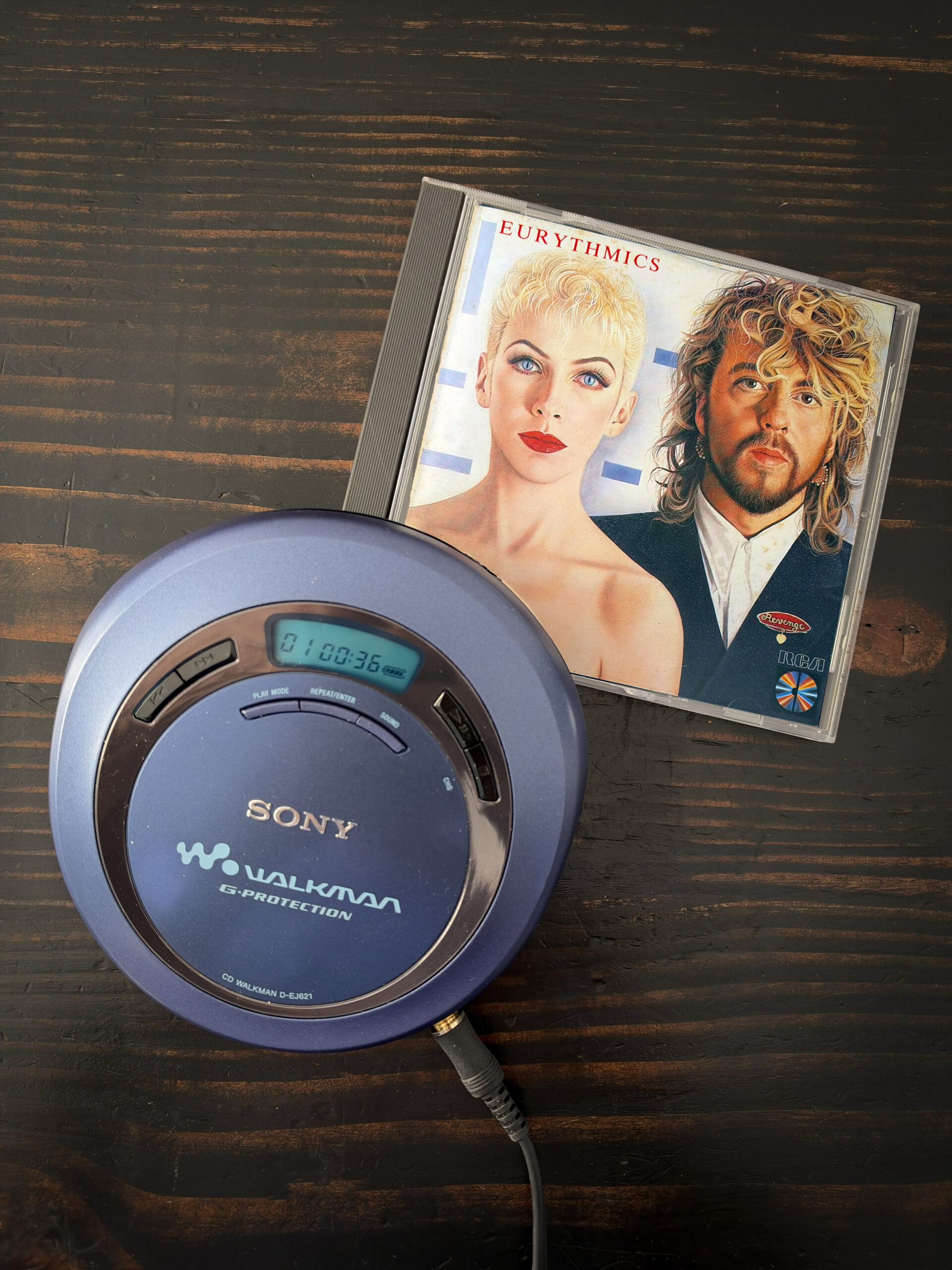
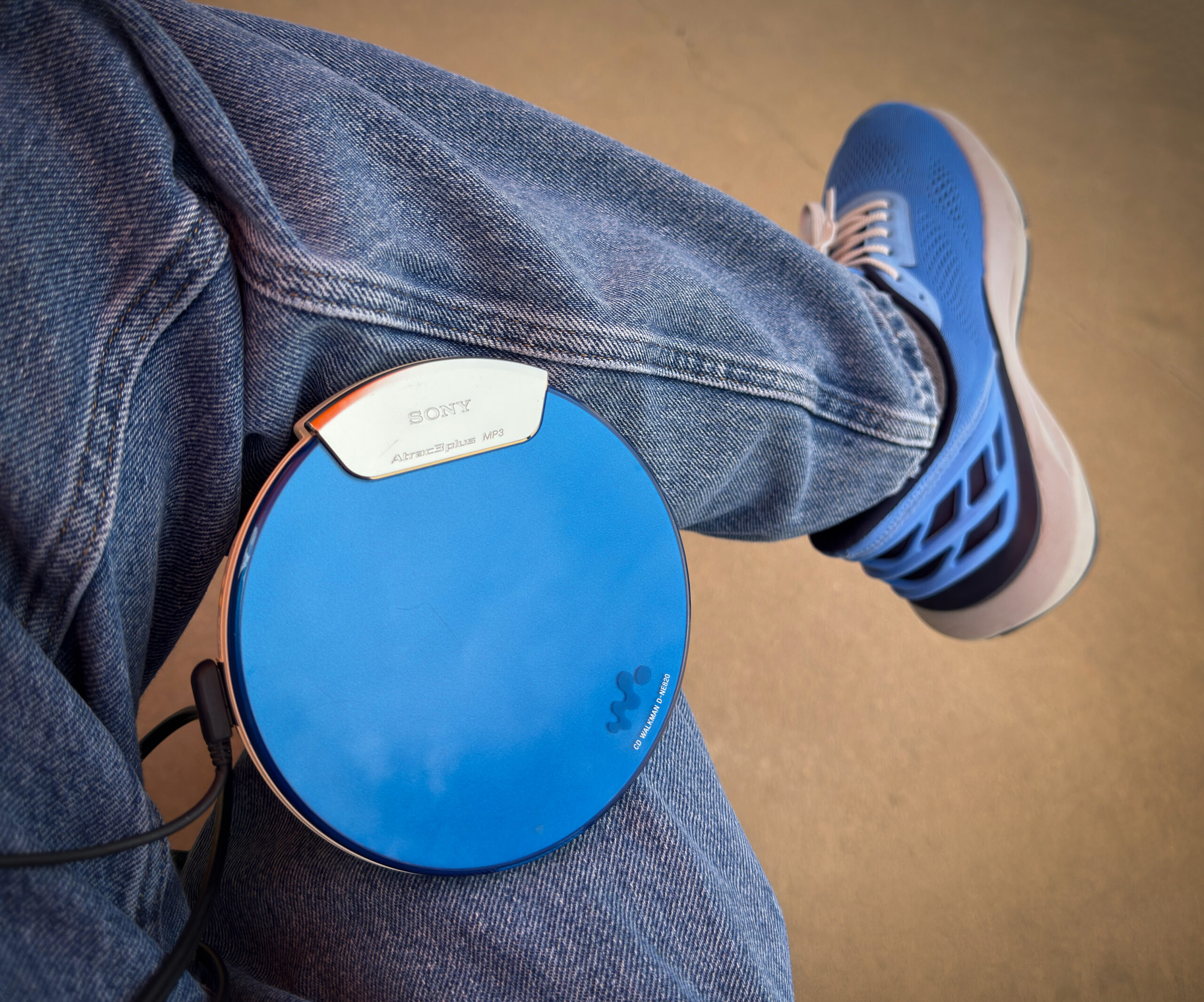
Like many of the portable CD players I buy off eBay, my most recent, the D-NE820, came with the original external AA battery case, but without the original remote or wall charger.
The wall charger isn’t that big a deal; I already have several and to be honest I only need one at a time anyway. But the remote is a little more problematic, especially with these later Sony players. Never mind that there’s no track display on the unit itself; a lot of the functions can only be accessed through the remote.
Acquiring one separately normally isn’t a big deal. Lots of sellers put them up for sale separately and they typically run from $20 to (gulp) $50. So like I’ve done in the past, I put in a search for the particular model that came with this player.
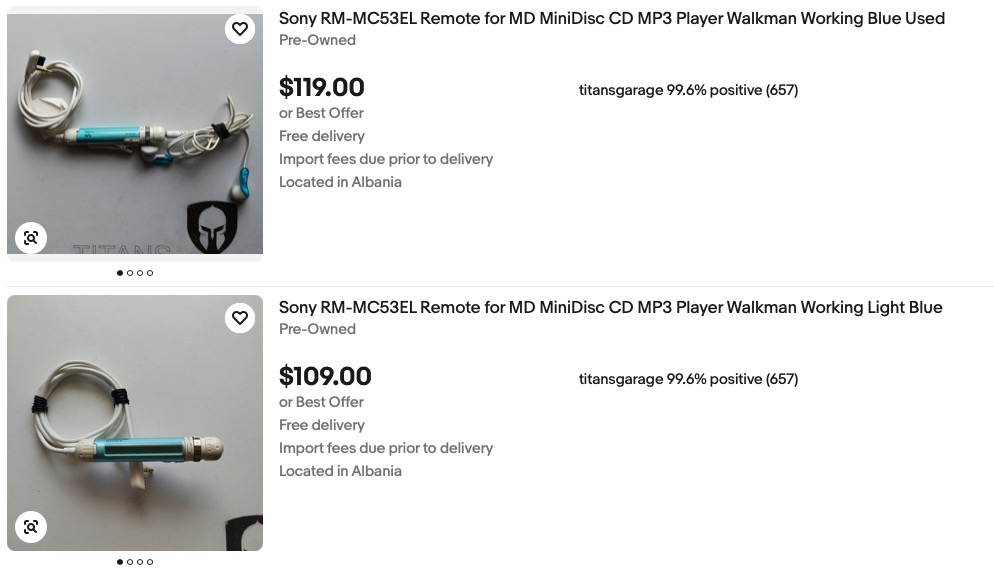
Yikes! Survey says, “NO.”
When eBay fails me, I resort to looking on Buyee, a Japanese proxy-buying service that lets someone outside Japan buy from Japanese marketplaces and stores that either don’t ship internationally or don’t readily accept overseas buyers. I got that beautiful orange MZ-N910 MiniDisc player through the service last year. The only downside is the handling and shipping charges. It ain’t cheap…
I found the remote there—as part of an auction that included another 820 player. The current bid was around $10, so I put in a $40 bid (what I was willing to pay for the remote alone), never thinking I’d get it. Well, a few days later I got notice that I won the auction with my bid.
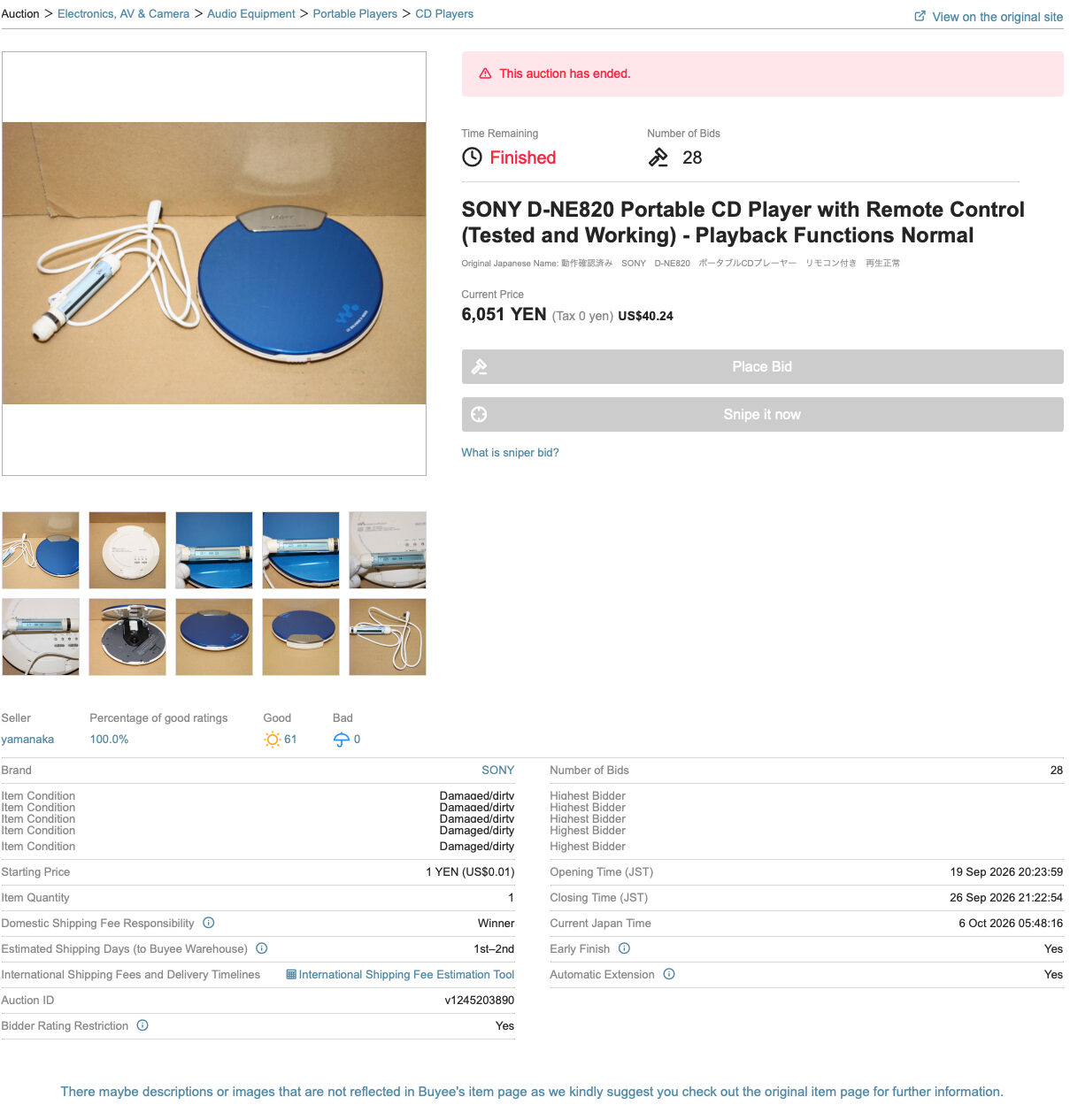
With the customs fee and expedited shipping the total came to around $70, substantially less than I would’ve paid if I’d gone through eBay for just the remote alone. And I figured I could always turn around and flip the player itself since I don’t need a duplicate and easily recoup the $70 since this model (without accessories) generally goes for > $100.
I arrived today
0 comments
0 comments
0 comments
0 comments
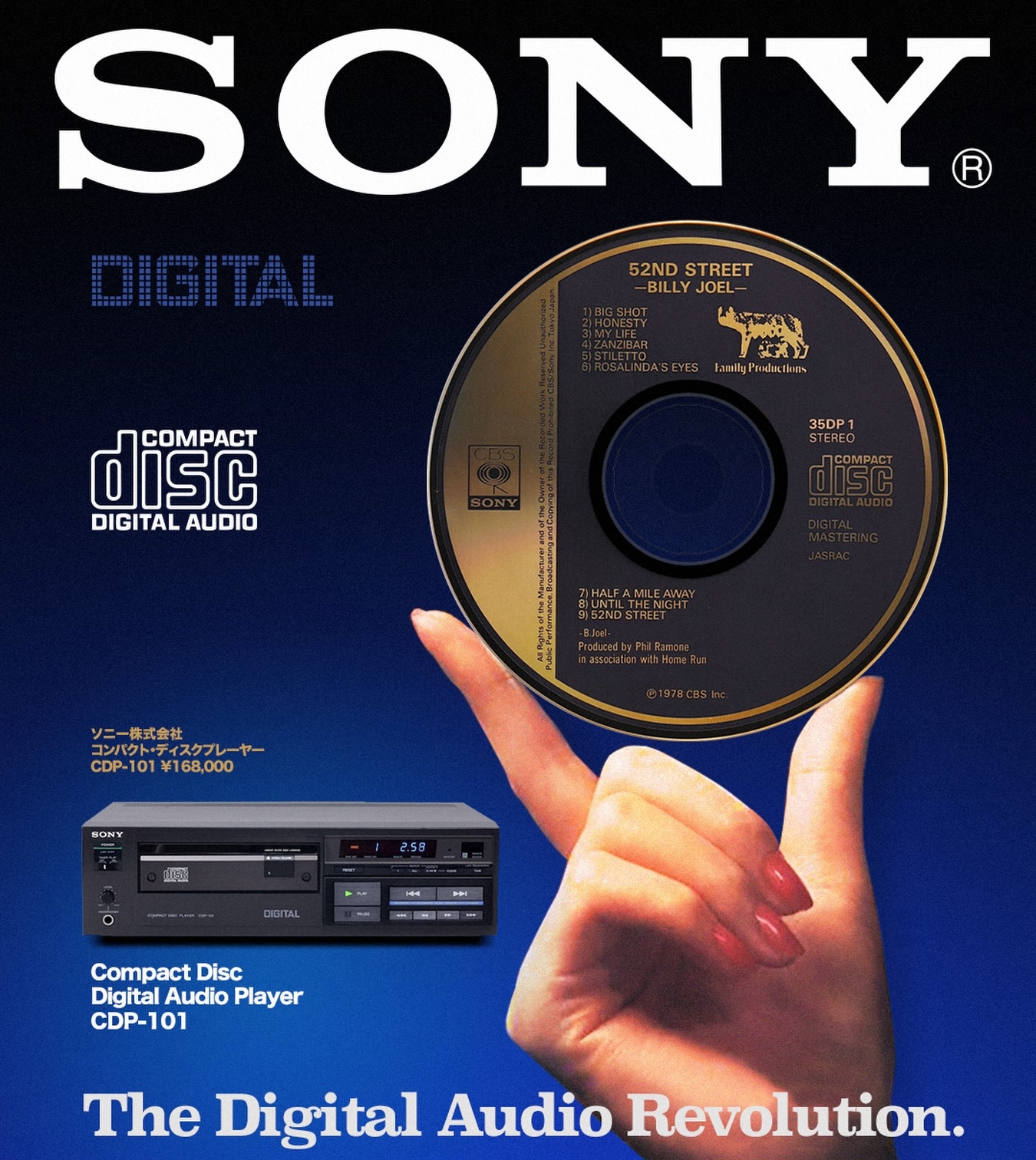
Sony introduced its CDP-101, the first commercial compact disc player, on October 1, 1982 and was in production until 1985
List price was $730, and the player was initially only available in Japan. The release coincided with the first release of compact discs by Sony and Philips in Japan.
It was released to the US and worldwide on January 2, 1983.
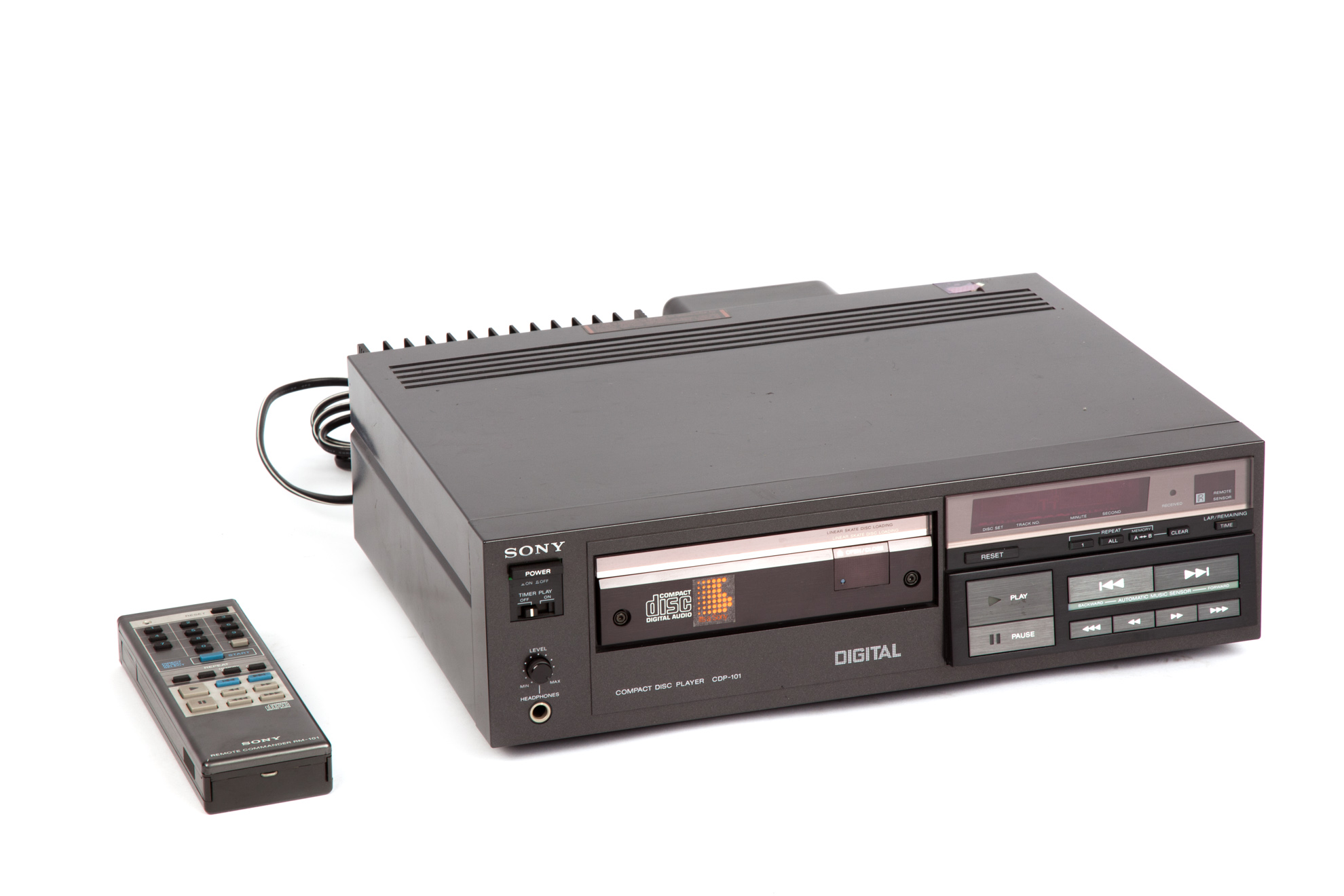
Demonstration CD players from Sony had the disc placed vertically in the machine allowing the CD face to be visible through a transparent front whilst playing. The CDP-101 instead opted for a horizontal tray-loading system. The case and front panel of the system were manufactured from plastics.
The front of the unit featured a vacuum fluorescent display panel to provide information such as track number and playing time, an infrared receiver for the included remote control, and buttons to control playback, open and close the tray and toggle the display between showing elapsed and remaining playing time. The only dial was for adjusting the volume level of a 1/4″ headphone jack.
At the back of the unit there are two on/off switches, one labeled Auto Pause and the other Anti Shock. There are two RCA jacks to carry left and right channels of audio; a 26-pin accessory connector is included, presumably for future developments that did not materialize. There is also a heatsink on the back.
The remote control unit, RM-101, has most of the same buttons as the main system. It omits the open/close button and display toggle, but has numbered buttons unlike the main unit, that allow a particular track number to be selected.
The model name CDP-101 was chosen by Nobuyuki Idei, who headed Sony’s Audio Division. “101” represents the number 5 in binary notation and was chosen because Idei considered the model to be of “medium class.”
Because of the high cost of digital-to-analogue converters (DACs) at the time, the CDP-101 has only one DAC for both the left and right audio channels. There is no sample-and-hold circuitry to delay the first channel until the other is ready, so the left and right channels are out of sync by approximately 11 μs. The output voltage is 2V RMS.
Unlike the Philips CD100 which uses oversampling to enable the use of a 14-bit DAC, the CDP-101 features a 16-bit DAC that was designed and manufactured in-house by Sony. The decision to use 16-bit CD encoding was made at Sony’s insistence, because Philips had already developed a 14-bit DAC, and Sony was worried that would allow Philips to get their product to market first if 14-bit encoding had been chosen.
0 comments
0 comments
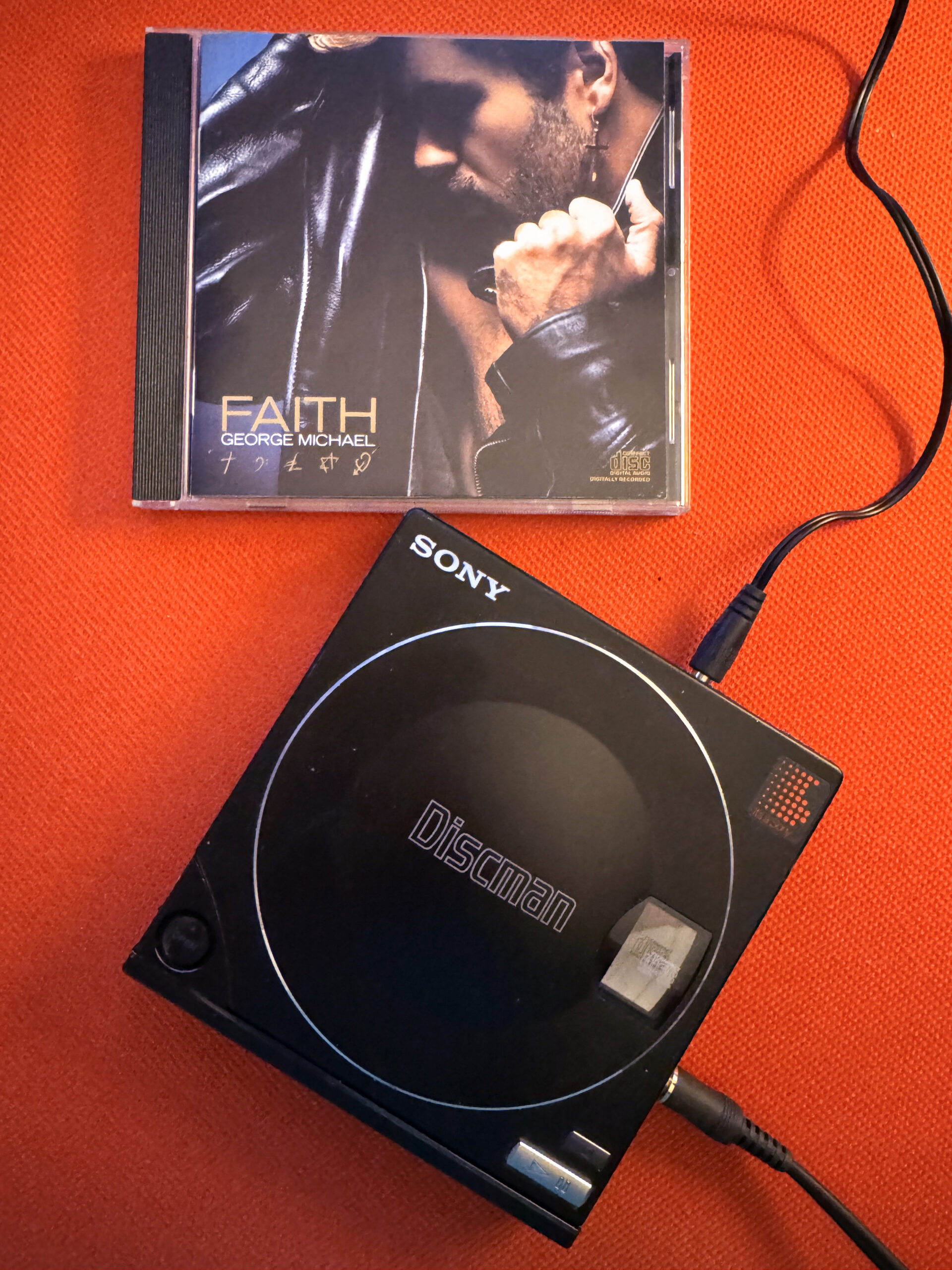
Played on a period-appropriate CD player, no less!
I love this album so very. much. Not only is the recording itself…

technically and sonically superb, but the songs themselves are a perfect reflection of the late 80s. In my opinion, Faith and Listen Without Prejudice perfectly reflect George Michael at his peak. Neither Patience or Older were bad, but both are eclipsed by the two previous releases. And as far as Songs From the 20th Century is concerned, as much as I want to like it, I still listen and my reaction remains, “Wut?”
0 comments
0 comments
Pet Shop Boys – Very Relentless (1993)
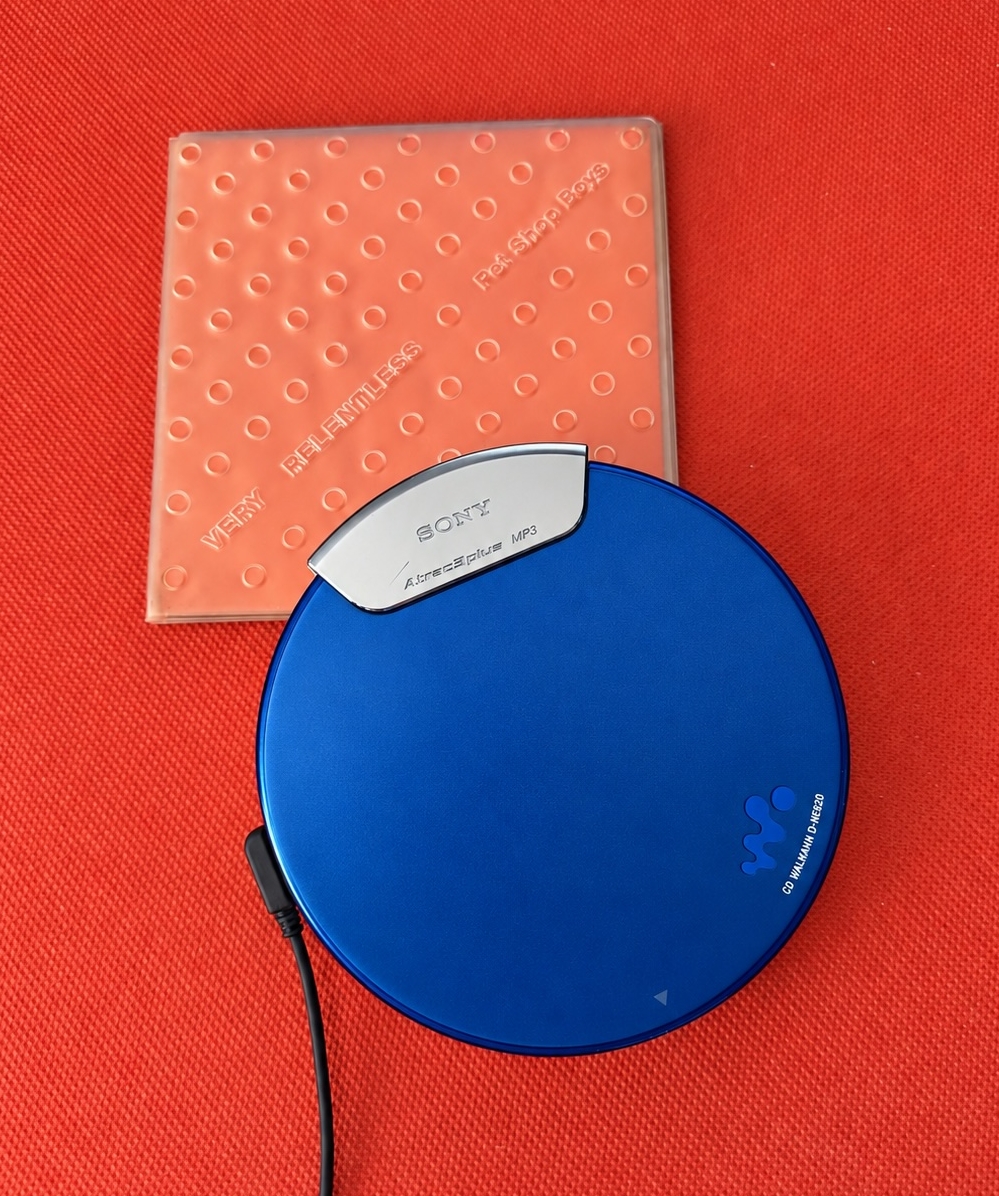
This was one of the first CDs I replaced when I started rebuilding my collection years ago, and remains one of my all-time favorites.
As I wrote last spring:
I love this album, mainly because it was so different [the Relentless disc of the set] from what PSB had put out up until that point.
I will forever associate this disc with a little club I happened upon called The Playground in San Francisco in August of 1993 because it seemed they were always playing it.
I discovered The Playground after I had started boxing up my life to move back to Arizona—for the first time—after nearly a decade in The City. City life—and still pining over Rory—I knew it was time for me to cut my losses and start new.
Once I’d made up my mind to leave however—going so far as to give notice at work and on my apartment—as she is wont to do, The City pulled out all the stops to get me to stay. One evening I was out in front of my apartment building washing the car, and an absolutely gorgeous man happened by, struck up a conversation, and the next thing I knew we were upstairs doing the nasty. I started meeting guys left and right. And then my friend Rick came over one evening and started singing the praises of The Playground.
I was no stranger to sex clubs, having frequented the 1808 on a regular basis just after moving to San Francisco and spending many a rainy night wandering the halls of Mike’s Night Gallery many years later, but I’d drifted away from those venues because it was easy enough to find sex pretty much anywhere in the city if you really wanted it. So why pay for it?
In any case Rick’s full-throated (pardon the pun) endorsement of The Playground let me to check it out one night.
From the description in my Journal at the time:
There ís something very primal about the place, something that ís very much linked to our deepest (and yes, darkest) sexual fantasies. The owners have a gold mine in their hands, if they know how to keep the ambiance alive.
It s a converted warehouse on 17th Street between Folsom and Harrison. The building itself is at the back of a large parking lot. It’s all gray metal with yellow painted trim. At night there are two rotating yellow beacons located on the loading dock where you go in. When you first enter, to the right is the admission area. When you pass through that, you first enter the television and refreshment area. There are several sofas clustered about a lone TV. If you proceed back, slightly to the left, the next area you come to is the glory hole space. It’s a series of black painted cubicles surrounding a raised platform. Naturally, there are more than ample holes drilled between the cubicles and the platform. Immediately to the right of this area is what I’ve come to call “the drive-in.” There’s an English taxi (vintage unknown) parked there that faces a projection television that plays the same porn videos that are playing in the television area. If you continue back toward the rear of the building from the drive-in, you get into another area dominated by separate cubicles. These cubicles surround another, smaller room, and they have small holes drilled at eye-level, allowing you to look into the smaller room and see whatís going on. When you exit the peep-hole area and head again, toward the rear of the warehouse, you pass “the dungeon” on your left, where you’ll find a sling and various other equipment I could not identify. To your right is the restroom (and yes, people do have sex in there). Continuing back, down a set of stairs, are three more spaces: the jail, the infirmary, and off the infirmary, a small room with a bed and a single lone light bulb. There’s something very eerie about these two rear rooms, although exactly what it is, I haven’t quite been able to put my finger on. The jail, which opened only recently, is very hot. It consists of a large area surrounding four cells, complete with bunks and toilets.
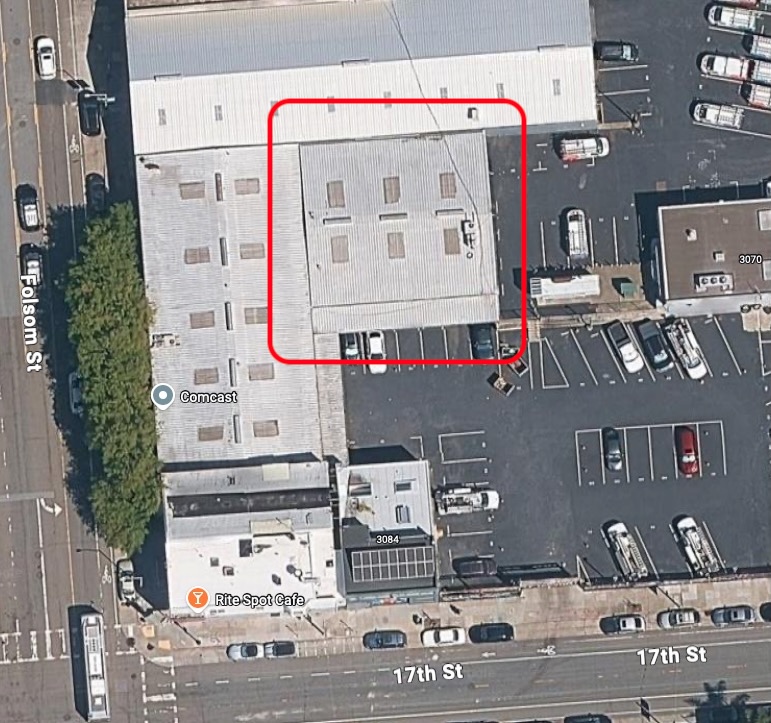
After visiting The Playground several more times, combined with all the men falling out of the sky, I abruptly changed my plans to leave and ended up staying in San Francisco for another nine months. By then the downpour of eligible bachelors had ended and I was at wit’s end with the same aspects of city life that had initially prompted my thoughts of moving back to Arizona months earlier. It was then that I returned to Tucson for six months before the siren call of The City prompted my return.
0 comments
0 comments
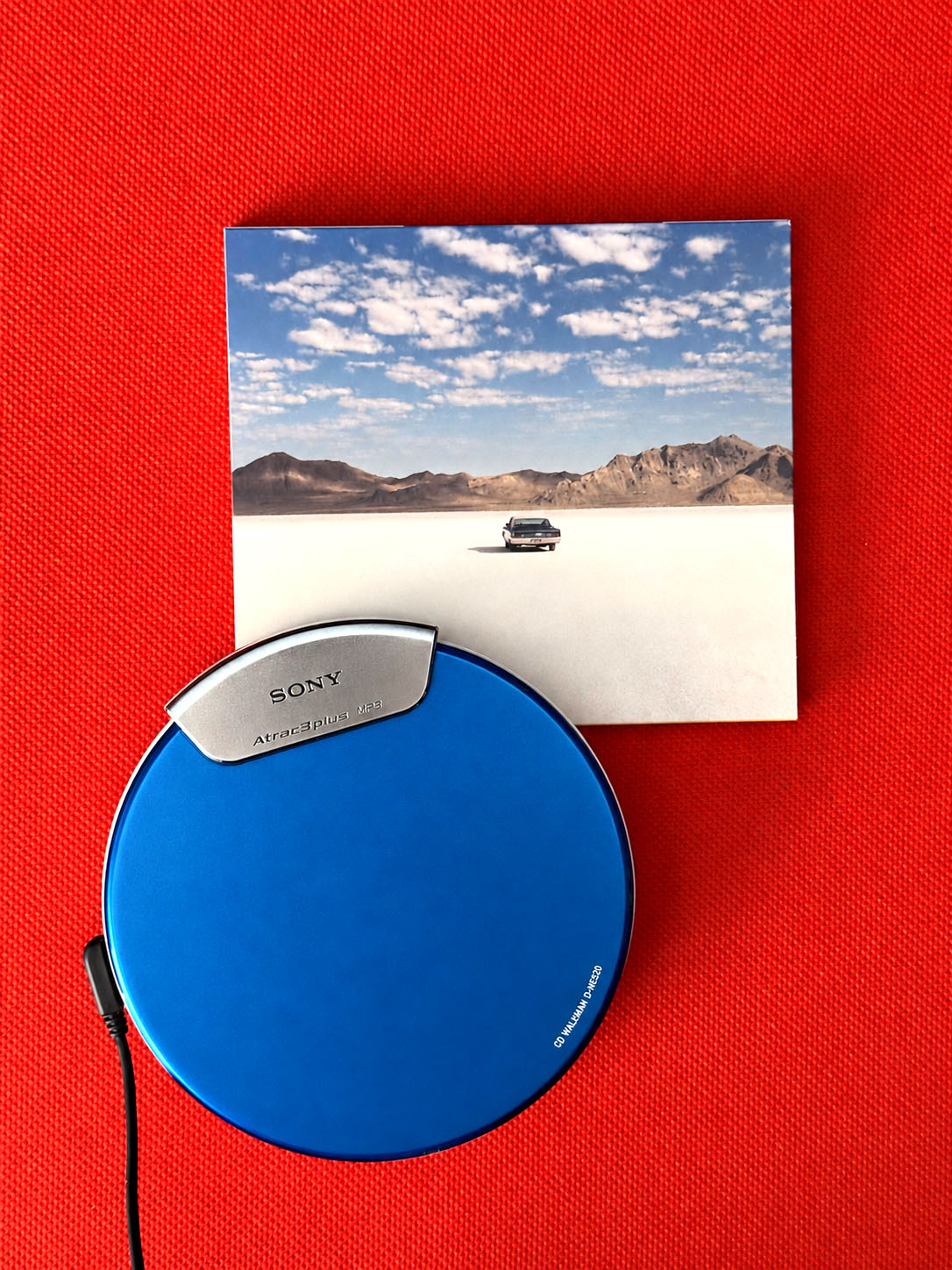
My introduction to Philip Glass forty years ago. Imagine my joy when the entire score to the film was finally released fifteen years after the original soundtrack, including the full length 22-minute version of The Grid and previously unreleased tracks Organic and Resource.
My favorite cut and the one scene (other than the hot dogs and escalators scene “The Grid”—something you’ll immediately recall if you’ve ever seen the film) that’s stayed with me for the last 40 years:
Philip is my go-to guy whenever I need to center and recharge. There isn’t a piece of his music that I don’t love. (Okay, 1000 Airplanes On The Roof is borderline—and surprising considering my lifelong interest in the subject matter it’s supposed to depict—but I won’t ever outright refuse to listen to it.)
1 comments
0 comments
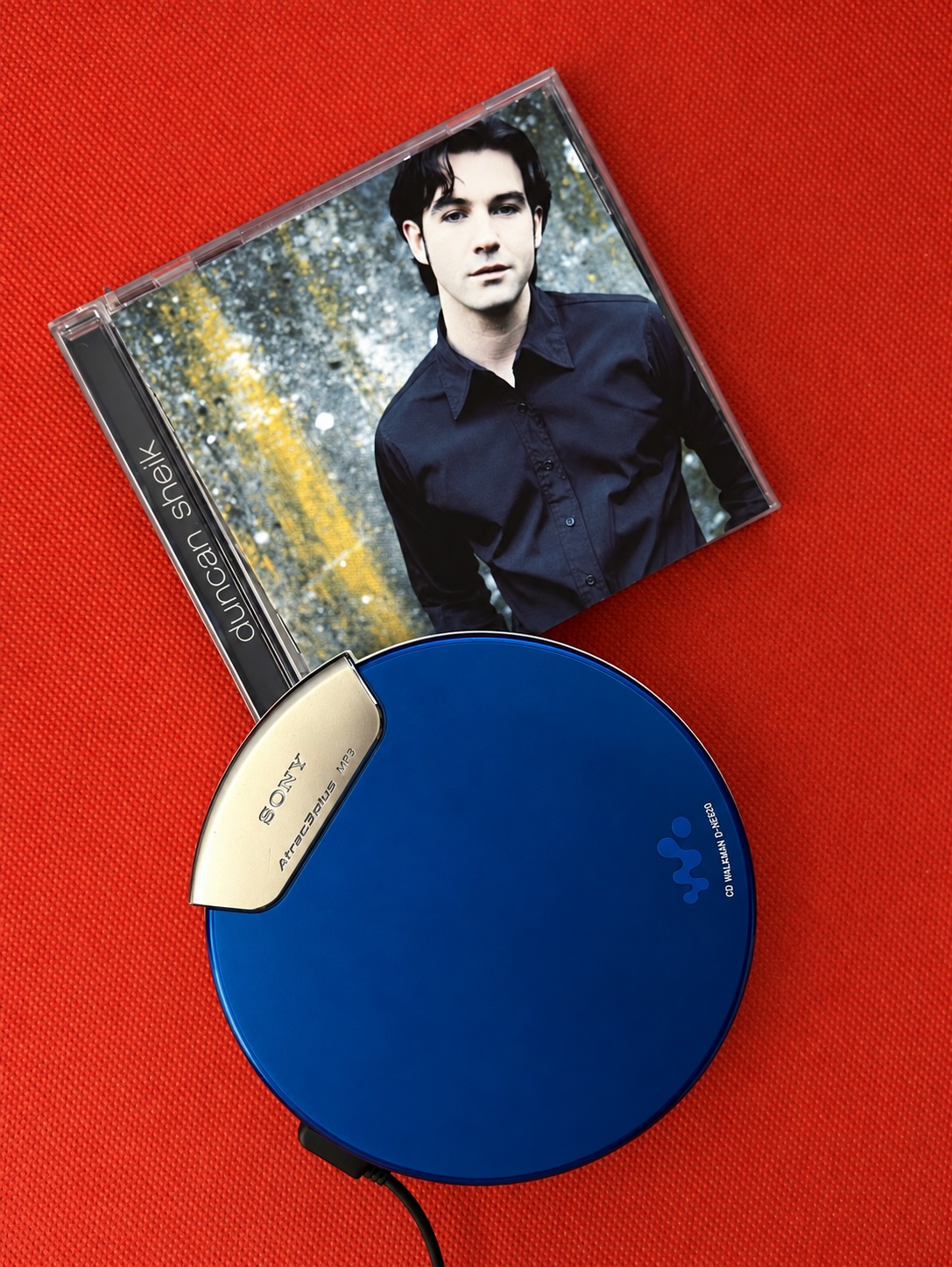
Singer and songwriter Duncan Sheik, who was Grammy nominated for his 1996 hit “Barely Breathing” and won two Tony Awards as the composer of “Spring Awakening,” died September 17, 2026, at a hospital in New York City of cardiac arrest at the age of 56.
Sheik’s career traced an unusual arc from pop radio to the theater world, and in doing so he helped redraw the boundary between the two. He proved that intimate, literary songwriting could carry a Broadway score just as it drove an alternative hit. This opened the door for a generation of singer-songwriters who followed him from the recording studio to the stage.
Born November 18, 1969, in Glen Ridge, New Jersey, Sheik attended Phillips Academy in Andover, Massachusetts. He studied semiotics at Brown University, where his classmates included Lisa Loeb, known for her 1994 song “Stay (I Missed You).” The two were in the band Liz and Lisa together; Sheik played guitar. His early career also included a guest appearance with the Seattle alternative band His Boy Elroy.
On his own, Sheik signed with Atlantic Records and released his self-titled debut in 1996. Written largely by Sheik, it included “Barely Breathing,” which topped the Adult Alternative Airplay chart and spent more than a year on the Billboard Hot 100 chart, peaking at No. 16. The song was ranked among VH1’s “100 Greatest Songs of the ’90s” and was nominated for a Grammy Award for Best Male Pop Vocal Performance.
0 comments
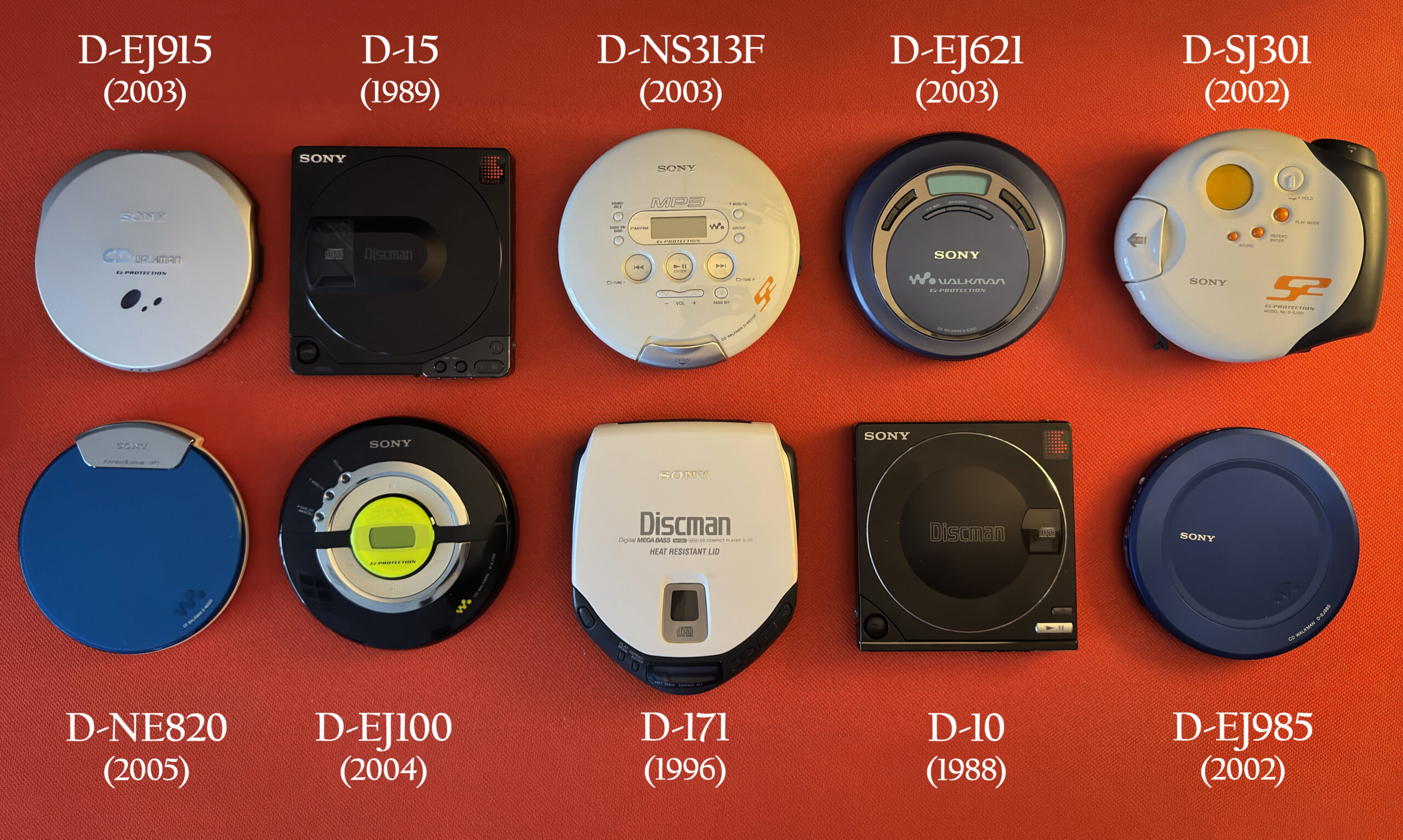
It’s just that the particular ten change over time.
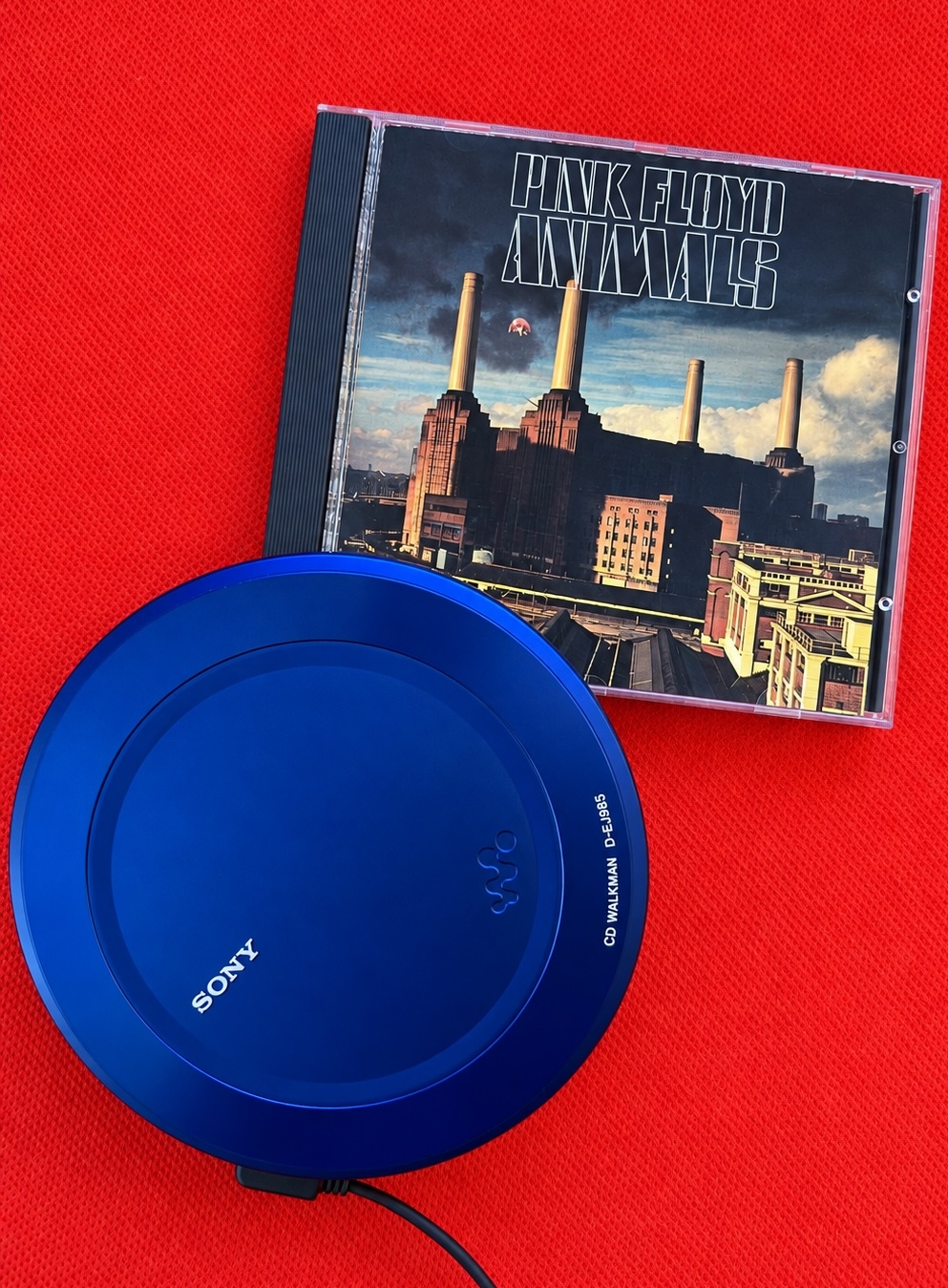
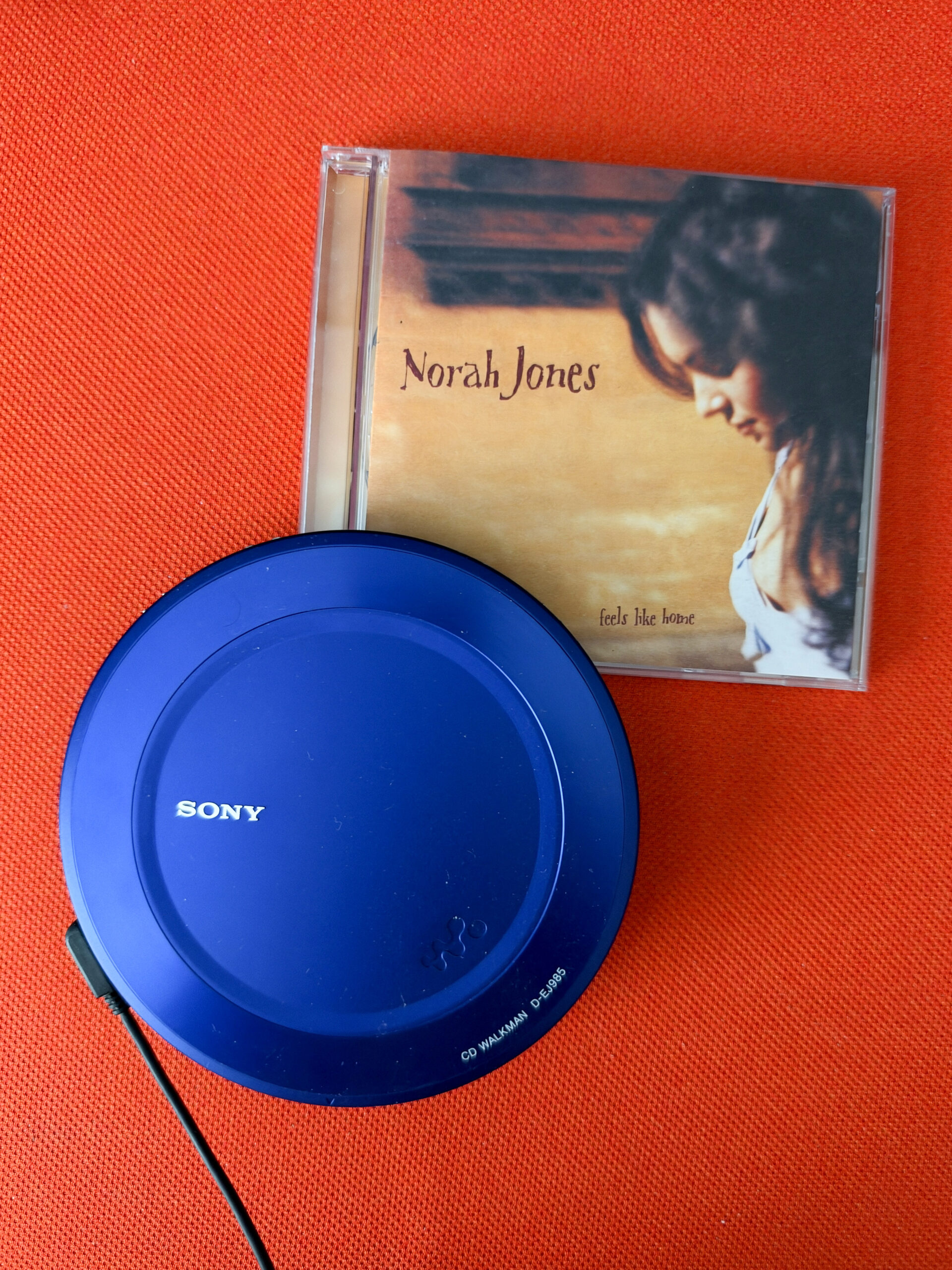
I sold the silver D-EJ985 (recouping what I’ ‘d spent for it), so I immediately turned around and added the D-NE820 to the collection. This one came from a seller in Japan, and while the general consensus is that buying from Japan is at best a crapshoot, the few times I’ve done it I’ve never had any problems. This time I was worried about tariffs, but they were already included in the very reasonable US $15 shipping cost, and I’ll say this about Japanese sellers: they pack things to survive the journey.
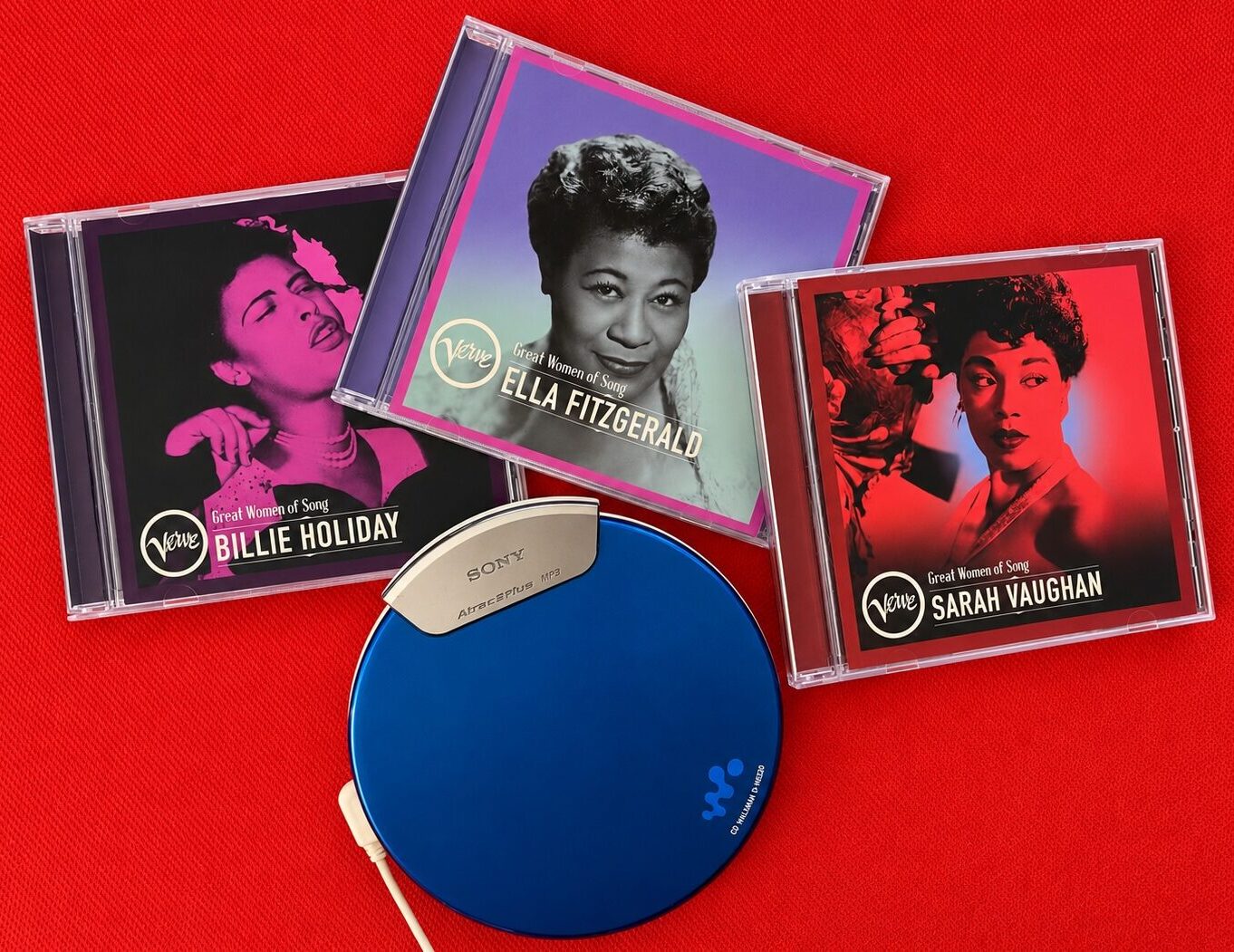
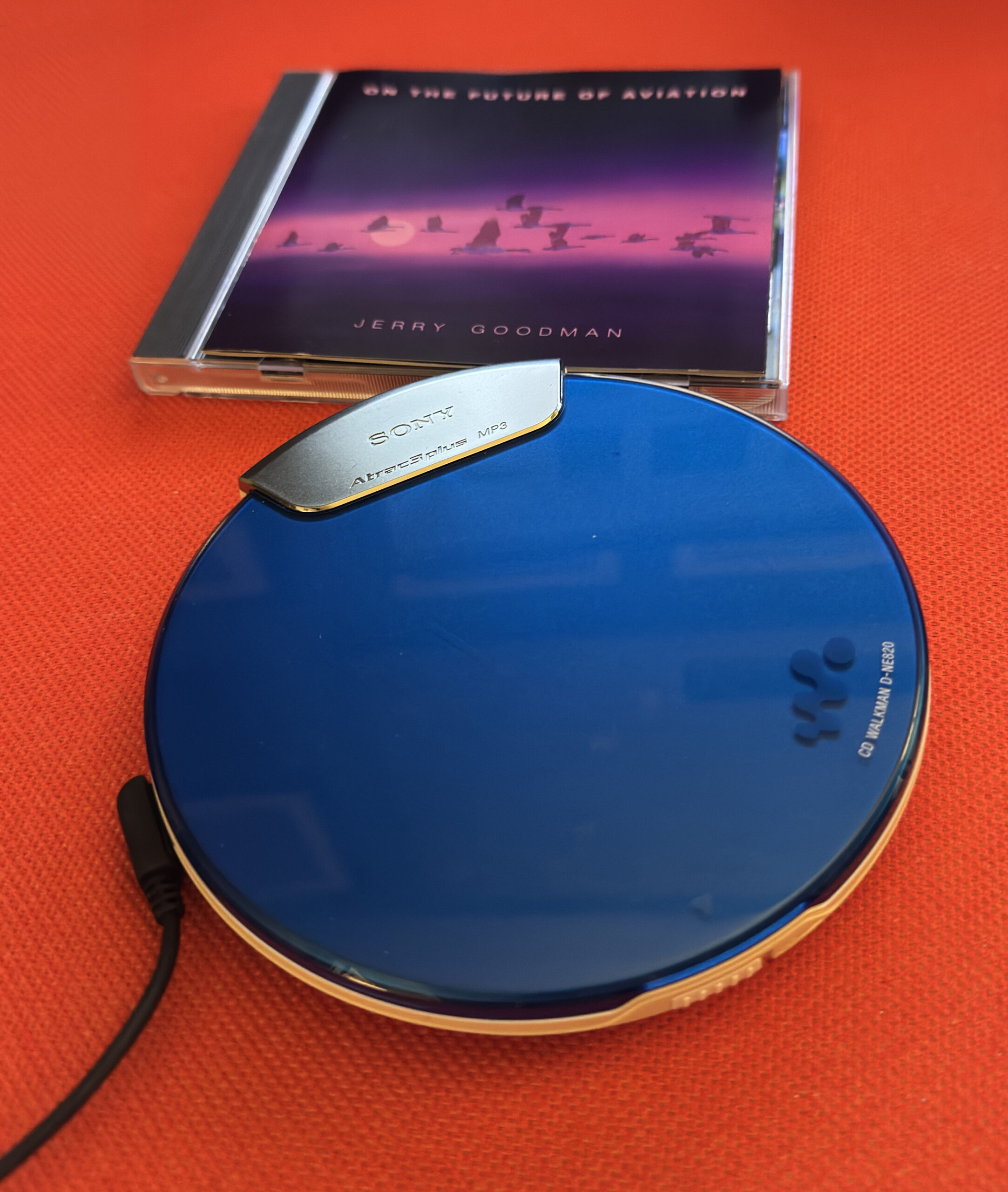
The NE820 is my current favorite. Unlike the EJ915 or the EJ985, it’s all plastic construction, but damn if it isn’t heavy. The fit and finish of the player definitely highlights Sony’s expertise at the time. And again, the color. People got all excited when Apple introduced a pale rainbow of iMacs a few years ago or even the latest burgundy iPhone [rolling eyes], but they could still take a lesson from Sony. Sony knew how to do color twenty years ago, and they weren’t afraid use it.
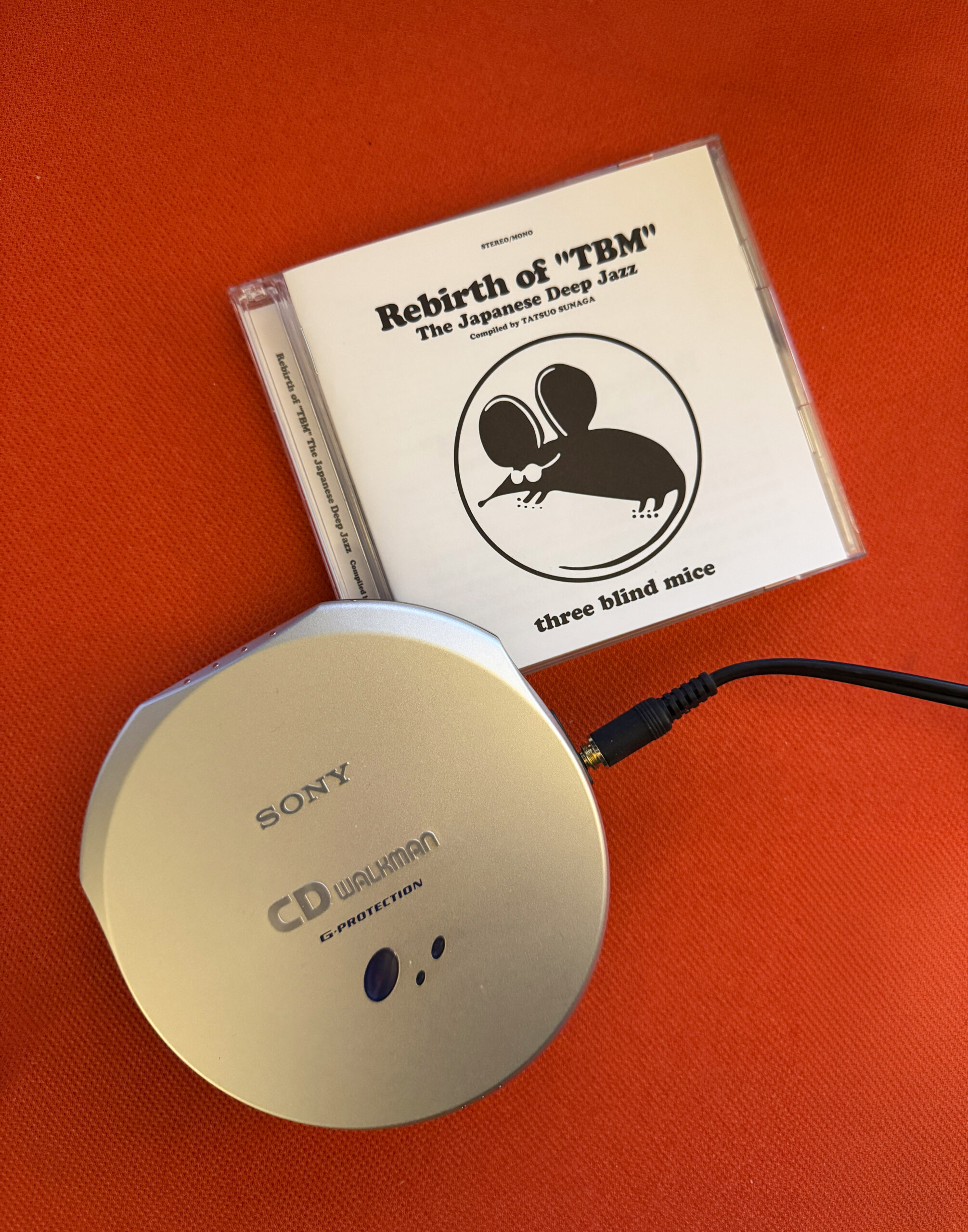
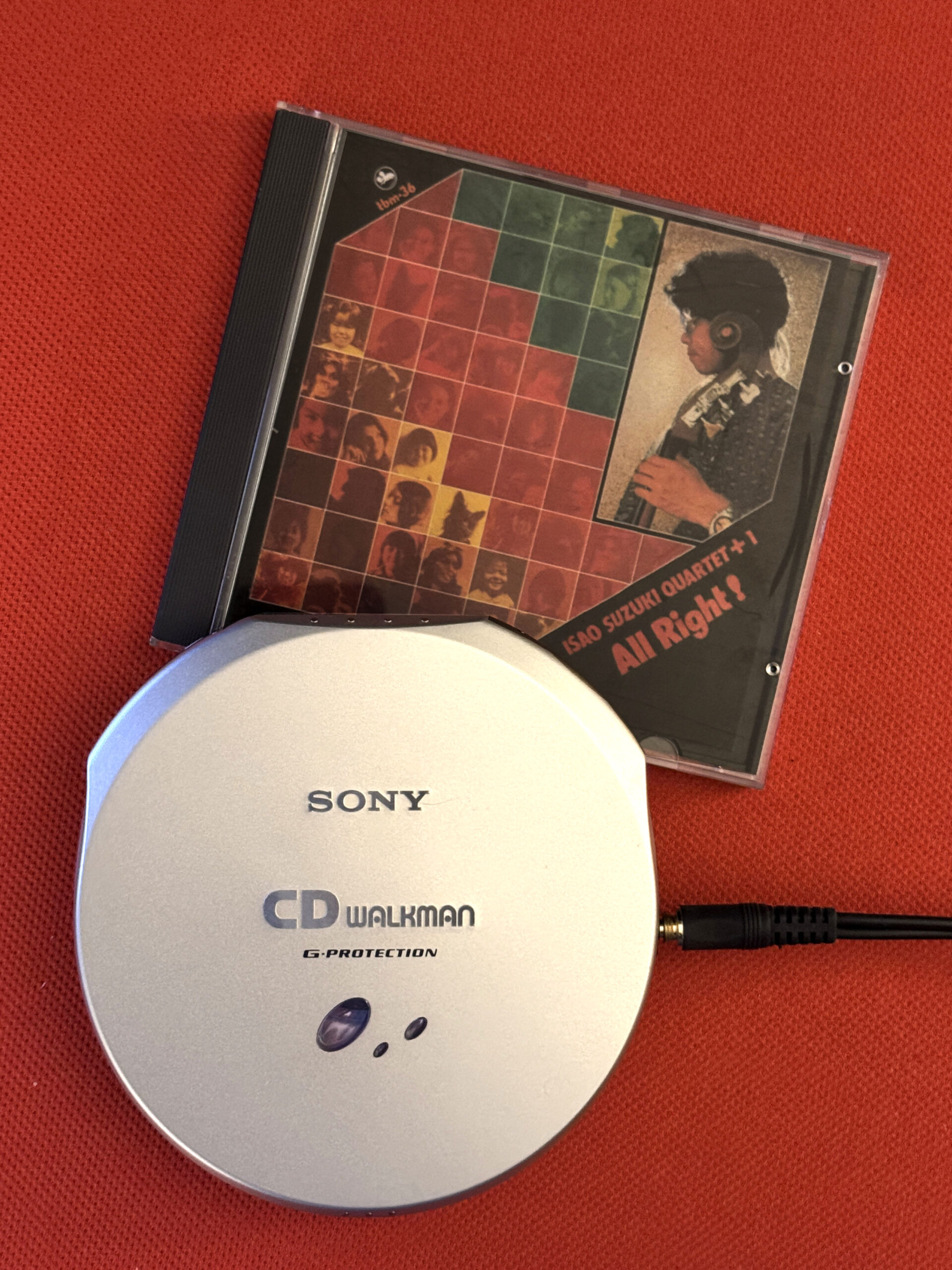
And with that, because I have any of this stuff, we come to tonight’s jazz fusion musical selection:
0 comments