Spotted on Reddit

It’s no secret that I’ve been infected with the HiFi bug since I was originally exposed to it in the 70s (the glory days of consumer audio as they’re known) in high school by my buddy Ken. Over the years, I’ve spent thousands of dollars in pursuit of that ideal sound and the irony has not been lost on me that as I’ve gotten older and my disposable income increased, allowing me the ability to chase after this ill-defined dream, my hearing has also been steadily diminishing on probably the same scale. I painfully discovered this in the early 2000s when I blew out a pair of tweeters in my system while trying to hear an 18kHz tone.

I’ve come to accept I can’t really hear pretty much anything over about 12kHz any more. Do I know I’m missing “something” that I used to hear? Yes. Maybe some of the “sparkle” that’s clearly lodged in my memory of these performances. Does that lessen my appreciation of music in any way? Not one bit.

That’s why this post on Reddit (copied below) resonated with me. I don’t know how many of you are as HiFi obsessed as I’ve been all my life or are just casual listeners, but I know that most—if not all—of my readers fall within in the same age range as myself and I’d be interested in hearing your thoughts on this.


A Small Theory About Audiophiles and Aging (Curious What You Think)

I’ve been thinking about this for a while, and I’m genuinely curious whether it resonates with anyone here.

We all know age-related high-frequency hearing loss (presbycusis) is normal. Most of us could hear close to 18–20 kHz as teenagers. Over time, that upper range gradually declines. It’s subtle, but measurable.

At the same time, the people who go deepest into the hobby (high-resolution libraries, serious DACs, carefully chosen amplifiers, room treatment, premium speakers) often aren’t 20-year-olds. They tend to be older.

Of course, disposable income plays a role, but not always. I know very wealthy people in their 20s and early 30s who could afford serious systems if they wanted to.

Here’s the thought:

As our hearing changes, music doesn’t sound exactly the way it did when we were younger. Not worse, necessarily. Just different. Maybe a little less sparkle. A bit less “air.” Slightly less immediacy in the top end.

So we start refining.

We upgrade the source. Then the DAC. Then the amp. Then the speakers. We experiment with positioning, isolation, cables, power. Each change brings subtle differences. Sometimes clearly audible, sometimes more subjective, but meaningful.

What if part of that drive isn’t just about objective fidelity?

What if it’s also about chasing a memory?

Not a specific frequency response curve, but the feeling of how music hit us when our hearing was at its peak. The internal reference we formed in our late teens or early twenties.

In that sense, the audiophile journey might be partly restorative. We’re not only optimizing equipment. We’re trying to align our present experience with an earlier sensory benchmark.

Interestingly, this might also explain why some listeners gravitate toward slightly warmer presentations over time. A smoother top end, richer harmonics, a more relaxed character. Not necessarily more accurate, but more satisfying.

I’m not saying this is the whole story. Gear differences are real. Room acoustics matter. Recordings matter. Taste evolves.

But I do wonder: does the intensity of the pursuit increase as our hearing subtly shifts?

Has anyone here actually tested their high-frequency hearing recently and noticed a correlation with the sound signature they prefer?

Curious to hear thoughts, especially from people who’ve been in the hobby 20+ years.

I’m 45, by the way. Keen bass player. I keep spending money upgrading my three hi-fi systems, and yet I’m still chasing what those first CDs made me feel when I played them on our family’s very average Sony CD player through cheap earphones.

It was 1994–95, and that remains one of my most powerful “audiophile” experiences.

Addendum:

The more I read the thoughtful replies you’re taking the time to write, the more I realize that what I’m describing probably goes beyond simple EQ or frequency response.

Maybe what I’m actually chasing isn’t “more treble,” but things like staging, separation, definition, presence — that sense of space and realism that makes music feel alive.

It’s also possible that when I was younger, it wasn’t just my ears that were different, but my brain. I was more attentive, more curious, more emotionally open to discovering what music could be. I remember being genuinely overwhelmed by those songs, even through what I now recognize was a very average system.

So perhaps part of the reference point I’m trying to get back isn’t purely acoustic. It might be cognitive and emotional as well.

I hope this clarifies what I meant in the original post.
We Will Survive This

“Right, Bubba?”

I’m not talking about the Middle East being inches away from WWIII, or the  latest attempted power grab by the orange clown in the White House. No, this time it’s more personal.

As many—if not most—of you know, I was diagnosed with laryngeal cancer back in 2003. Through a combination of fortunate events (and damn good medical care), I came through it—although not without some battle scars—and have been cancer free for the last two decades.

Everything’s been good, but lately I’ve been having more than the usual difficulty (a long-term effect of that previous course of radiation) swallowing. Stuff was getting caught on the way down, and while I’ve been able to successfully hack it back up and get it down on a second try, I was concerned enough that one day I reached down my throat and felt something—odd—on the back of my tongue. I made an appointment with my ENT. He ordered a CT scan and the results came back clear. Still, he shoved that infamous scope up my nose and down my throat and saw a spot where things had been getting caught. “Probably just an ulcer,” he said, “but with your history let’s be sure.”
I was supposed to go in for a biopsy yesterday, but when I went in on Tuesday for my pre-op screening, we discovered that I was never told to discontinue one of my medications, so now it’s rescheduled for this coming Monday.
It’s not my first biopsy; it’s usually an in-and-out the same day thing, but last time I had one done (this past November) I ended up in the hospital for several days because my blood-oxygen was remaining stubbornly low post-op. They finally decided that I had some kind of non-specific pulmonary infection and sent me home with a strong antibiotic and oxygen. It resolved itself in about a week, my numbers climbed back into the mid 90s and the oxygen generator went back.

But this time, as I got the pre-op paperwork from my insurance it mentioned not only the laryngoscopy with biopsy (expected), but also partial glossectomy. WTF? He’s planning on cutting out a part of my tongue? This was not discussed. I spoke at length with a good friend who’s been a nurse since probably I was in high school who managed to talk me off the ledge. She said that particular line item was in there because it was pretty standard, CYA stuff—especially with Medicare—in case he got in there, discovered it was not just an ulcer, and decided to excise the whole thing immediately.

This still has me a little freaked, mostly because of not knowing how it’s going to affect speech and swallowing if he decides to take out a chunk of the back of my tongue for however long it takes for it to heal. And then of course, if the biopsy comes back as malignant, then there’s all that to deal with, which—having been to that rodeo once already—I am most definitely not looking forward to going through again.

So if I go quiet—no pun intended—for some time after Monday, it’s because I have other things on my mind…

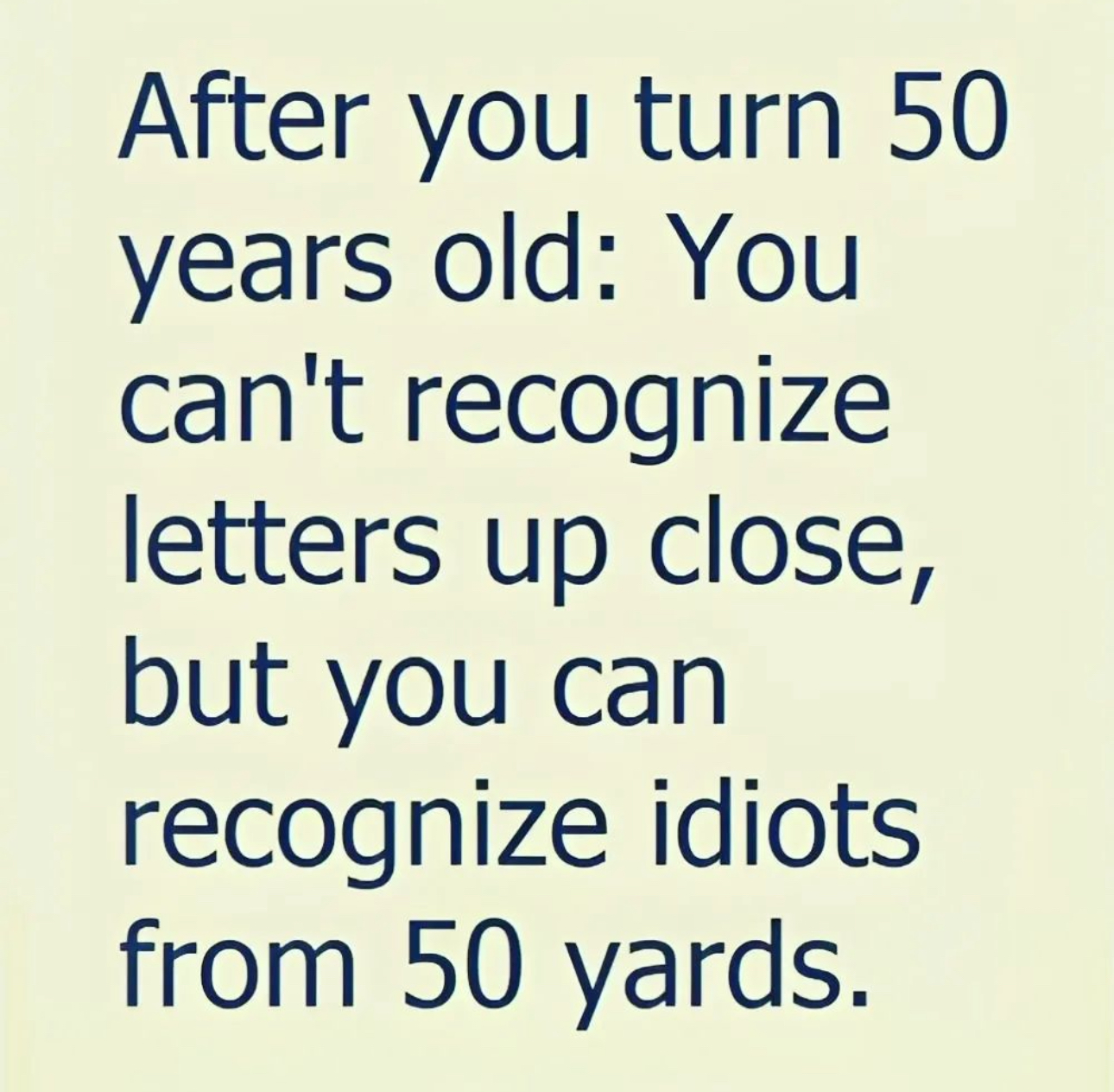
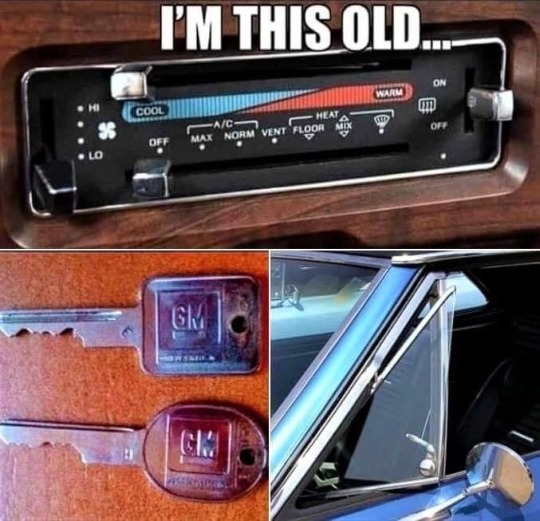
I’m This Old

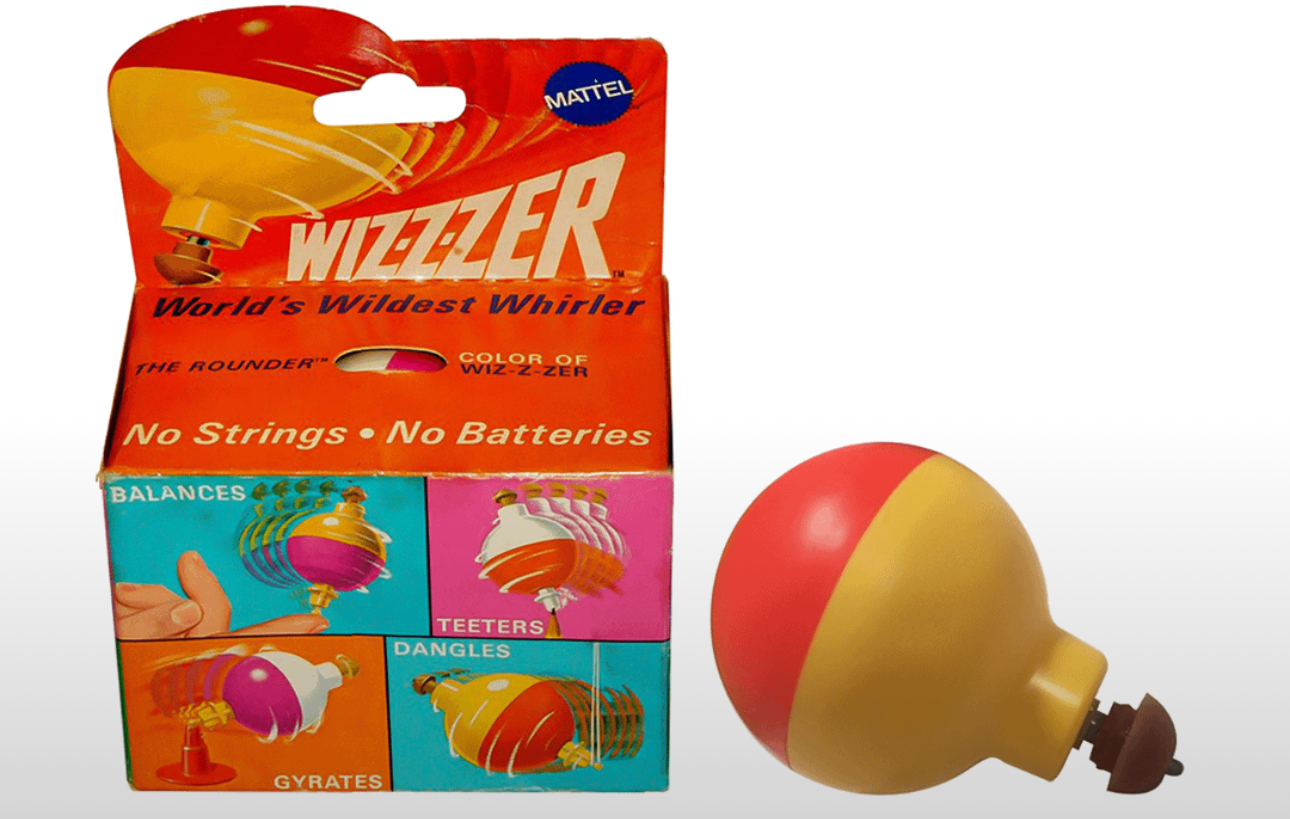
I could never get this blasted thing to do anything, and once the plastic spinner on the bottom broke off (and it did—without exception—if you actually used it) the whole thing was useless and got tossed in the trash…

Yeah, It’s All Our Fault 🙄

“Boomers are responsible for this bad thing!”

“Boomers are responsible for that bad thing!”

Know what else we Boomers are responsible for? The Civil Rights Movement. The Pill. NASA. Motown. Gay Marriage. Woodstock. The EPA. Voyagers 1 & 2. Stonewall. Personal computing. The Internet.

These are just a few off of the top of my head.

Please read some history, people.

Time Marches On

But it’s still sad.

I’m finally starting to organize my photos using MacOS’s Photos application. For as long as I’ve been an Apple user, I’ve eschewed using it, much preferring the year/month folder stricture I’ve used in Adobe’s Bridge (and more recently in XnView). But a few weeks ago I was trying to locate a specific image and could not for the life of me locate it.

I kept thinking I could’ve put my hands on it almost immediately if I had organized my photos by year and then by general subject…and the proverbial light bulb went off. Photos! Photos can do that. So, following the methods described in this video, I started importing my photos, going from 2023 backward.

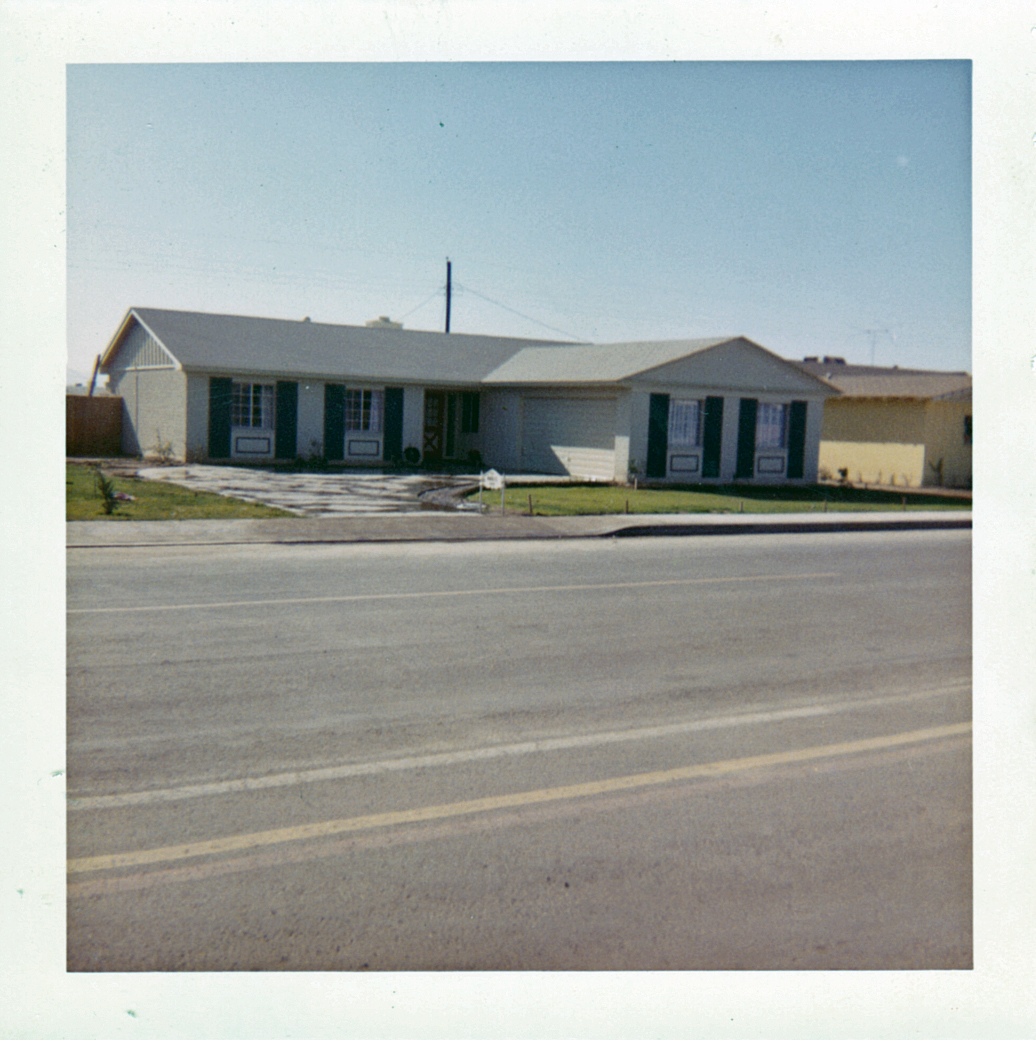
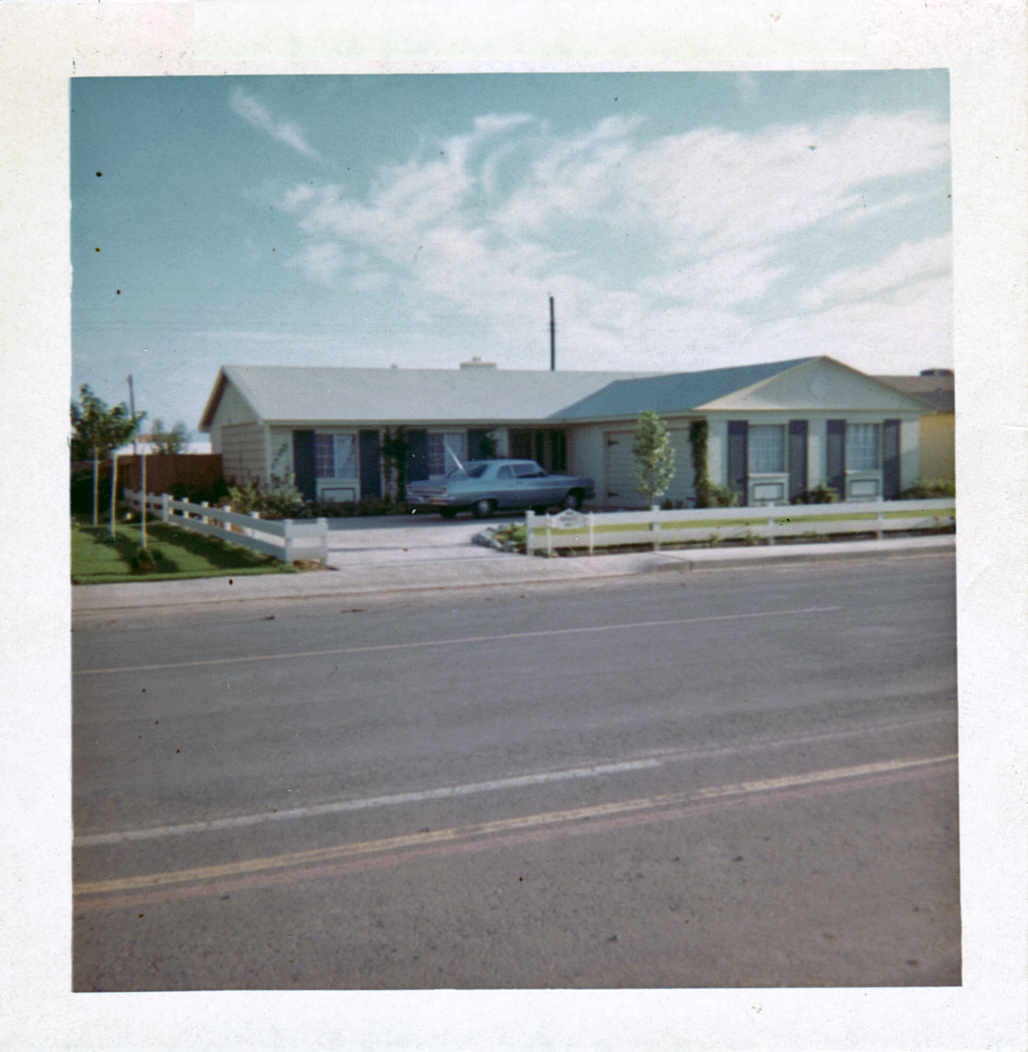
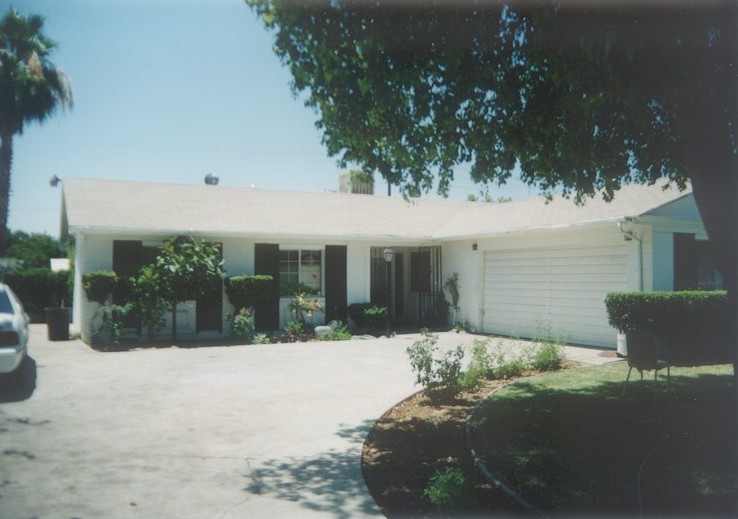
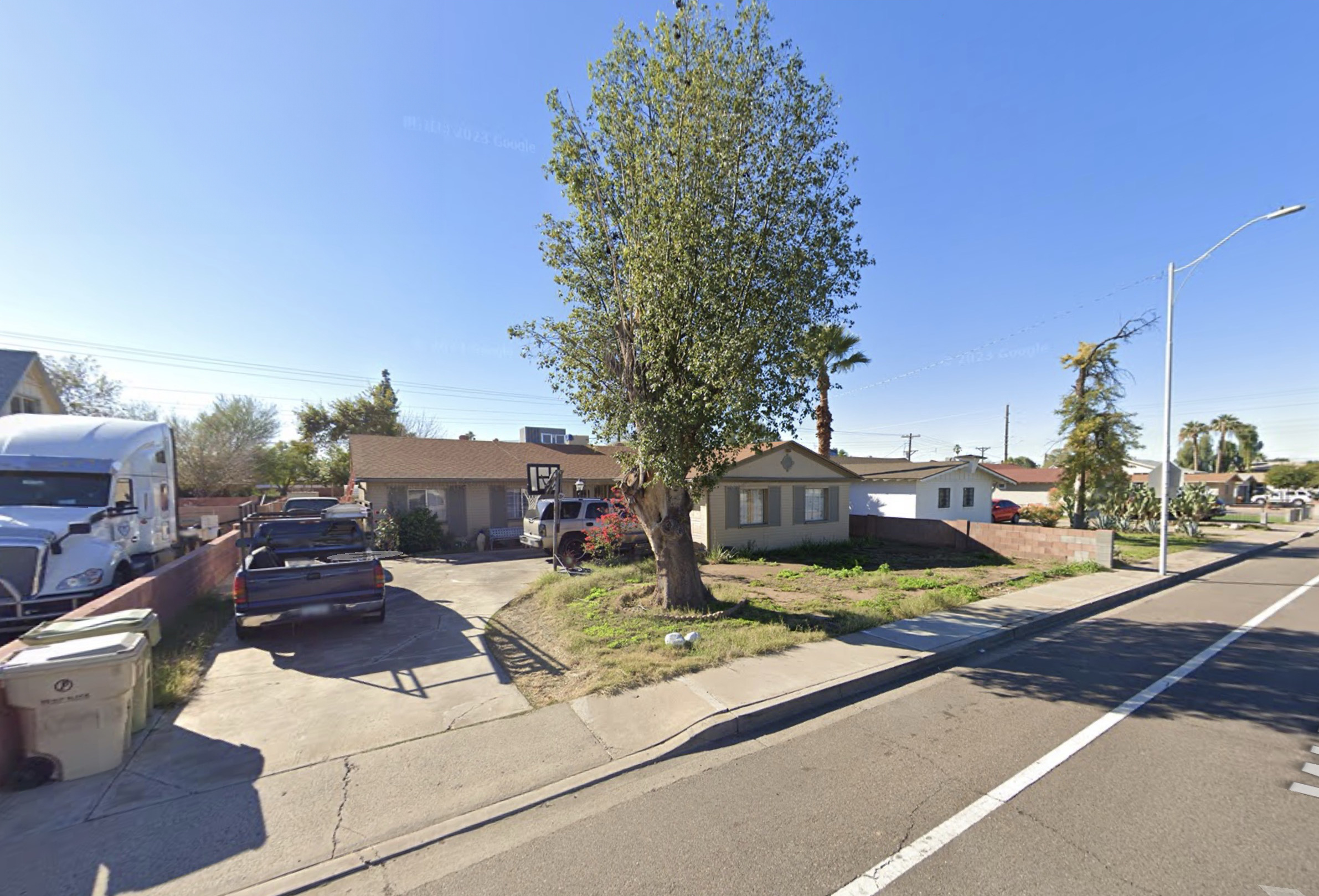
I ran across several photos of the house my family lived in for my grade/middle school years, and out of curiosity—instead of actually driving over to the place—I went on Google maps and street view and saw what it was looking like these days.

As I said, it was sad—especially to see the one-epic Australian Bottle Tree that had graced the front yard from the time we moved into the newly-finished home in 1963 reduced to the 60 year old husk it had become.

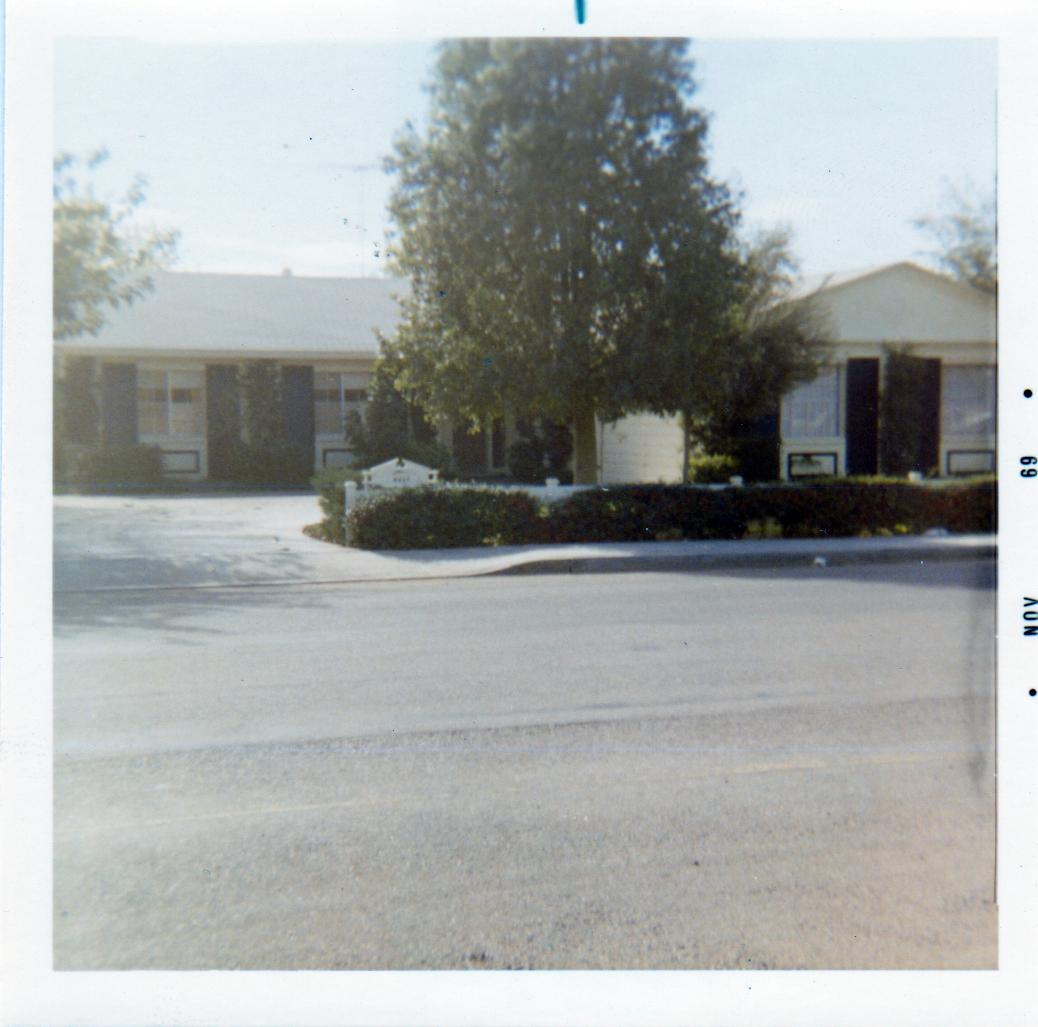
November 1963, shortly after we moved in
1964. Not exactly sure of the month, but judging from the angle of the afternoon sun, probably mid-summer. Notice the tree.
Five years after we moved in. The tree has been very happy in that location.
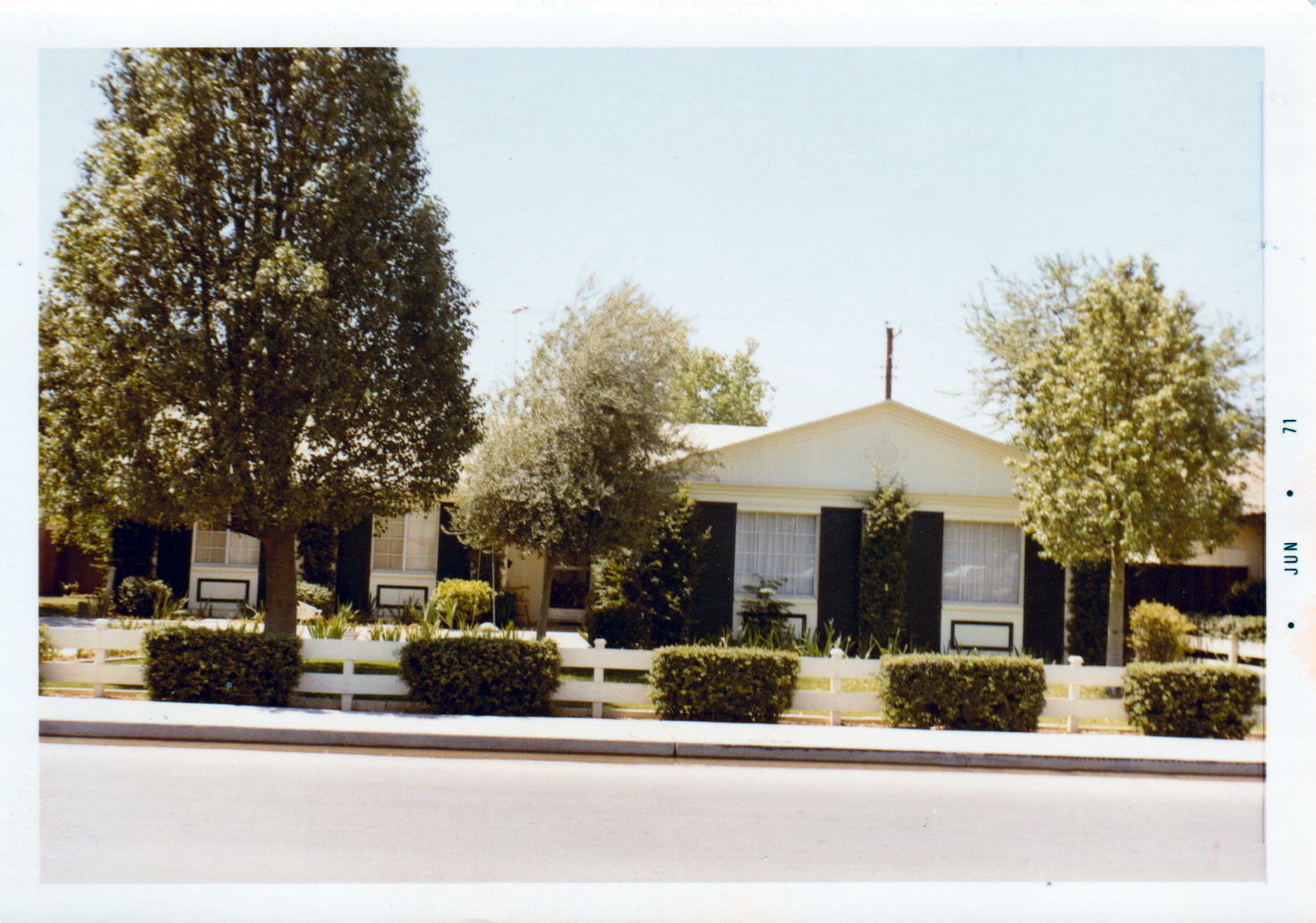
Three years later, summer of 1971. The tree is very happy. It’s sibling at the far right was actually planted at the same time. The olive tree went in a couple years later.
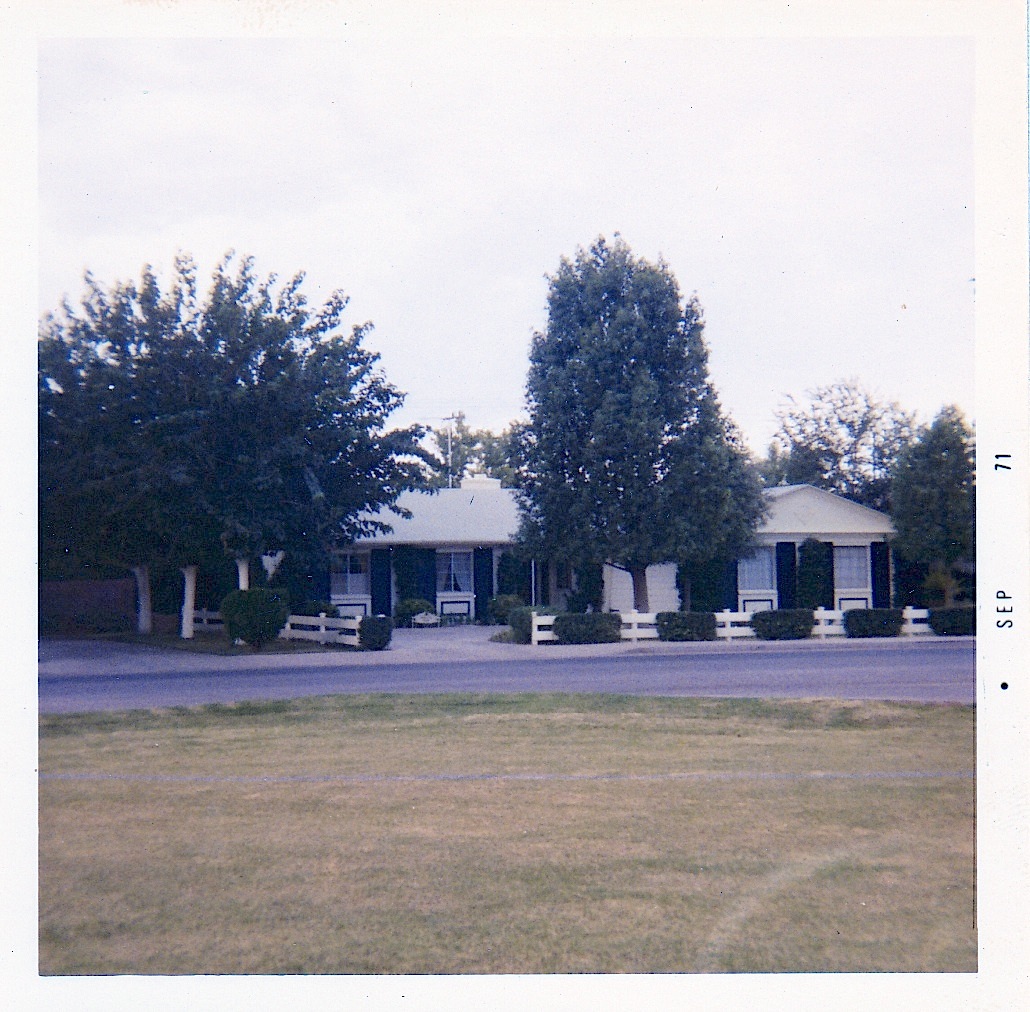
A few months later, about a year before we moved out.
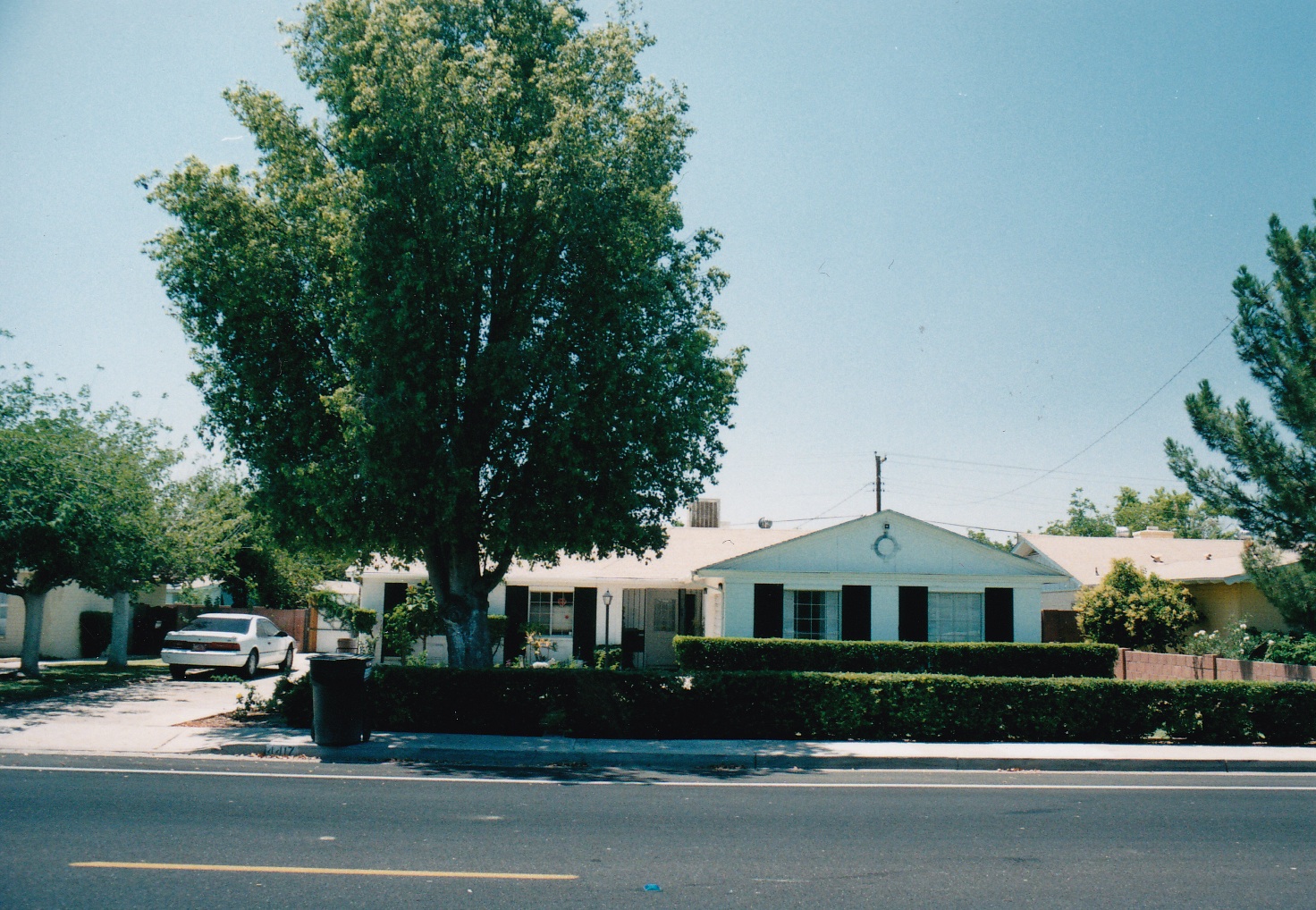
July 1998 was the first time I’d been by the place with a camera. I had returned from SF for a visit and had to drive by.
Another shot from that same 1998 visit.
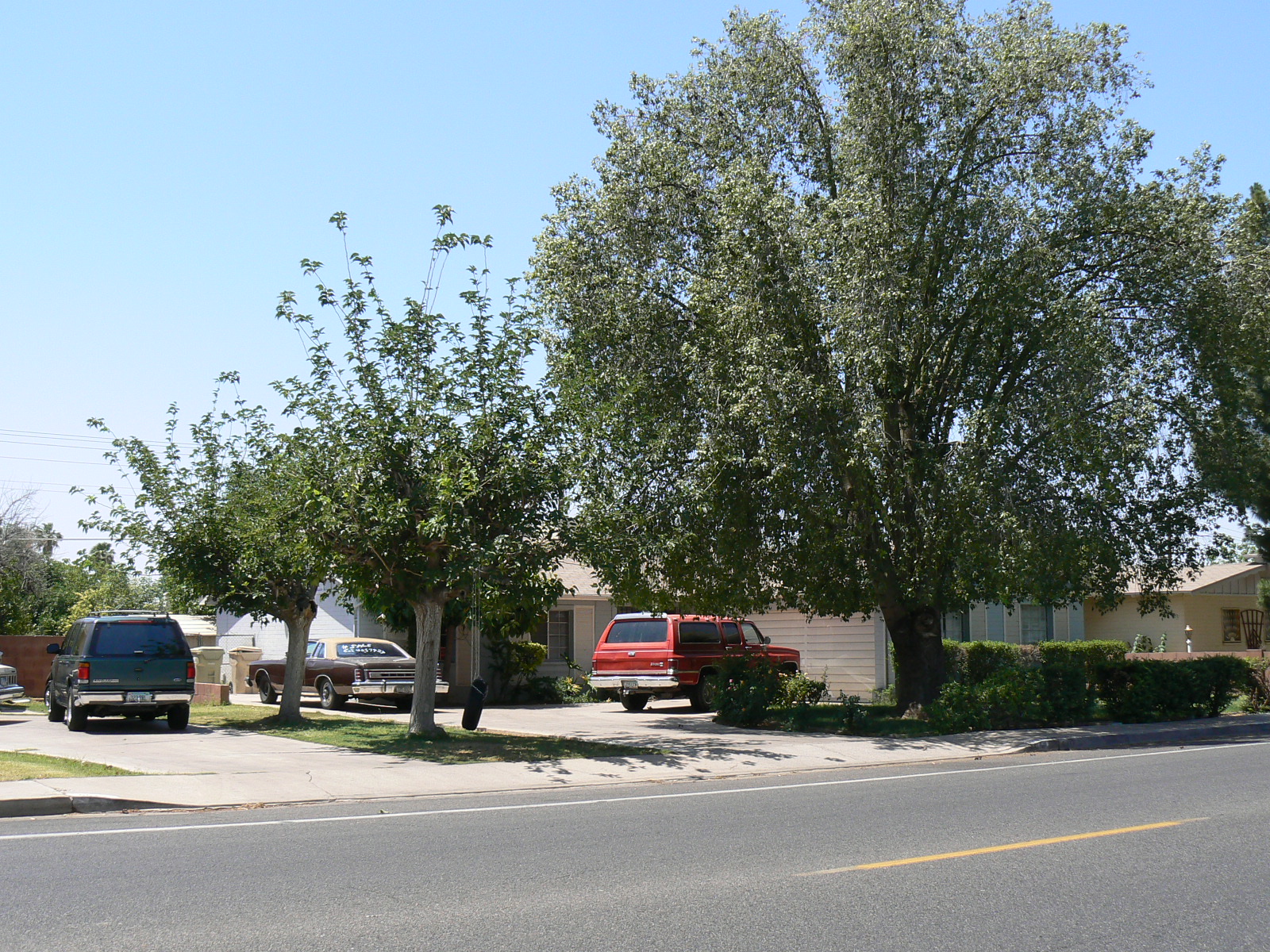
2006. Sometime after 1998 the tree was apparently struck by lightning (not surprising considering it was the tallest object in the neighborhood). The beginning of its—and the neighborhood’s—downfall.
And here it is in 2024, 61 years after the house was built and we moved in. Funny thing is, the same family has lived here since we moved out in 1972, but it’s obvious a newer generation has taken over and upkeep has gone to hell.

Over the years, both my sister and I have fantasized about buying the house and returning it to its former glory (or gutting it to the studs and updating it to 21st century sensibilities like have been done with other houses in the neighborhood). But it’s just a pipe dream, and with the area currently in a downward spiral, it will remain just that.

The house still pops into my dreams now and then, taking place mostly at night, and mostly involving being invited in by the current owners to see what’s been done to the place.

Another Unforeseen Aspect Of Getting Old

I post a lot of memes about being an introvert, but truth be told, I am an introvert—or at least I’ve become one.

It wasn’t always this way. I mean, I’ve always been on the shy side, but in social settings I was at least able to put myself out there and actually enjoyed being out and about and among my fellow humans whether I knew them personally or not. Back in my 20s and 30s I went out clubbing on the weekends, and readily accepted dinner, movie, and party invitations from friends.

I was also a bit of a whore, which doesn’t come easily (no pun intended) to introverts.

But as I’ve gotten older—especially since the arrival of COVID and I saw what selfish, inconsiderate assholes at least a third of Americans are when push comes to shove—I’ve reached the point where I just don’t want to deal with the masses of humanity any more. Crowds in general never really bothered me, as evidenced by my attendance at concerts, marches, and SF pride events until I simply got tired of them, but now I will do anything to avoid them. Looking back now, the COVID lockdown was a little slice of heaven.

Thankfully Ben—who does not share this aversion to the unwashed hoards outside our door—nevertheless understands my discomfort and does everything he can to prevent us from having to deal with them on more than a very limited basis.

My father became a bit of a recluse the older he got, something at the time I found odd, but—ironically—I am coming to understand quite well as I myself get older.