0 comments

Shitposting since 2005
0 comments

0 comments




0 comments

0 comments
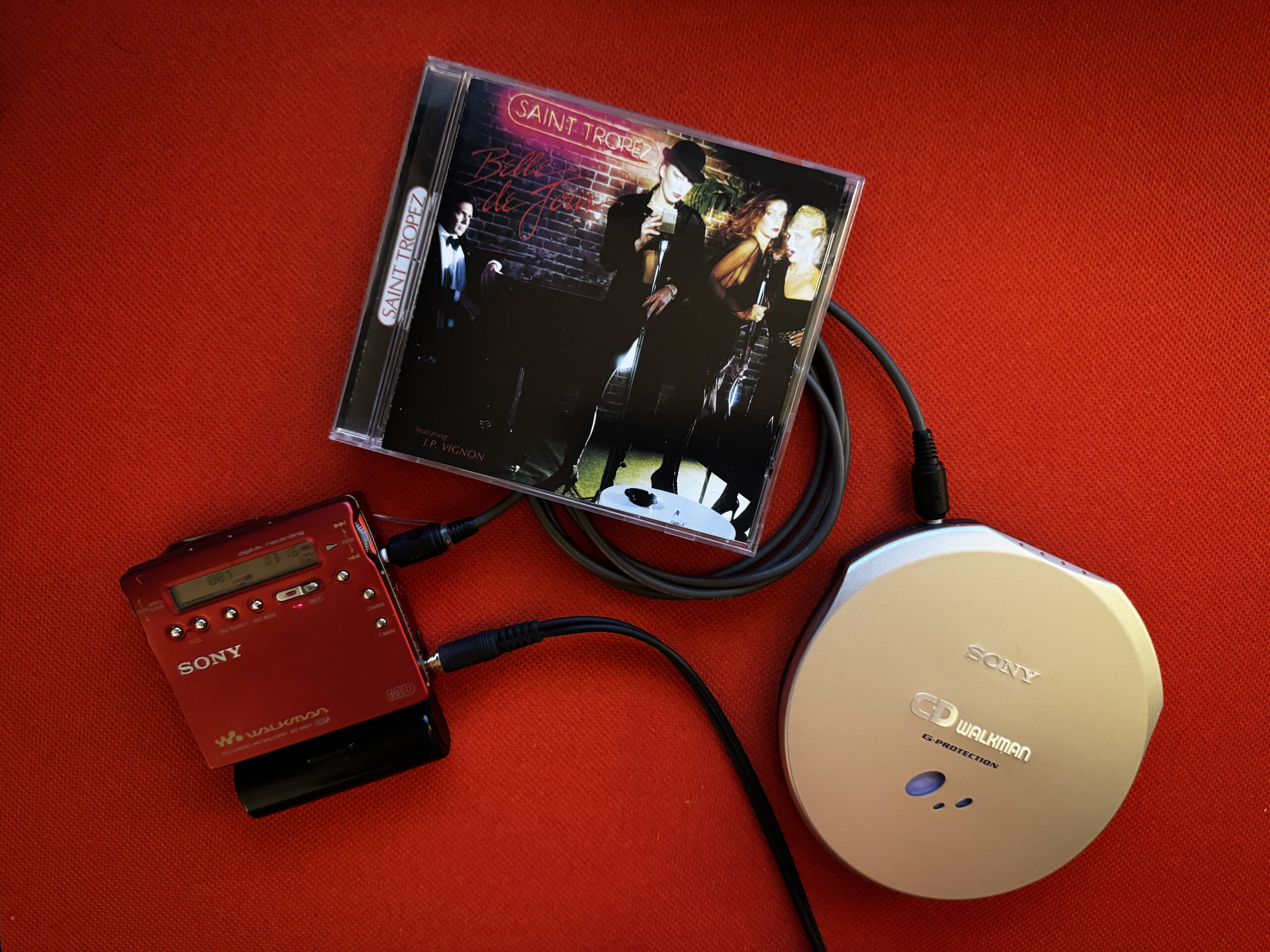
I’d been a fan of Saint Tropez since their initial release, Je T’aime in 1977. It was sexy, slow-dancing disco, and in fact the main track from that album, Violation was the first time I’d ever slow danced with another man, David Martinez.
Belle de Jour is one of my favorite disco records from 1979 and one of only two album covers I have framed.
After I heard Belle De Jour the first time that night back in ’79, I left the club, gave up my prime parking spot and drove downtown to Circles Records. Firstly because if anyone in town had this record, it would be them, and secondly—well, they were open until midnight…
Sadly, they didn’t yet have it in stock, so I drove back to the club and was rewarded later that evening by the DJ playing the track a second time.
I did finally get a copy not too long after that and—like J’Taime—acquired a copy of its own translucent pink vinyl version via Discogs about ten years ago.
0 comments
0 comments






0 comments

0 comments

0 comments

0 comments

0 comments

0 comments

0 comments

0 comments
0 comments

0 comments

0 comments






0 comments
flockblocked: The “Flock Safety restroom” sign is satire, but the joke works because the real surveillance network has grown incredibly fast. Flock Safety was founded in 2017, and today there are roughly 134,000–135,000 Flock cameras across the United States. What started as automated license plate readers has expanded into a massive web of cameras collecting vehicle data across highways, neighborhoods, shopping centers, public spaces, parks and communities nationwide.
That scale is why the debate is no longer about one camera on one street. It’s about Flock Safety, Flock cameras, ALPR technology, automated license plate readers, mass surveillance, police surveillance, AI surveillance, vehicle tracking, location tracking, government monitoring, police databases, data retention, privacy rights, Fourth Amendment concerns and civil liberties becoming part of everyday infrastructure. The sign is a joke, but the underlying question is serious: at what point does surveillance become so common that people stop noticing it?
0 comments















1 comments










3 comments