
During a brief moment during the COVID lockdowns, humanity unintentionally ran one of the largest environmental experiments in modern history.
With cars parked, flights cancelled and factories operating at reduced capacity, global daily CO₂ emissions fell by about 17% at their peak in April 2020. Road transport alone dropped by roughly 36%, making it the largest contributor to that sudden decline.
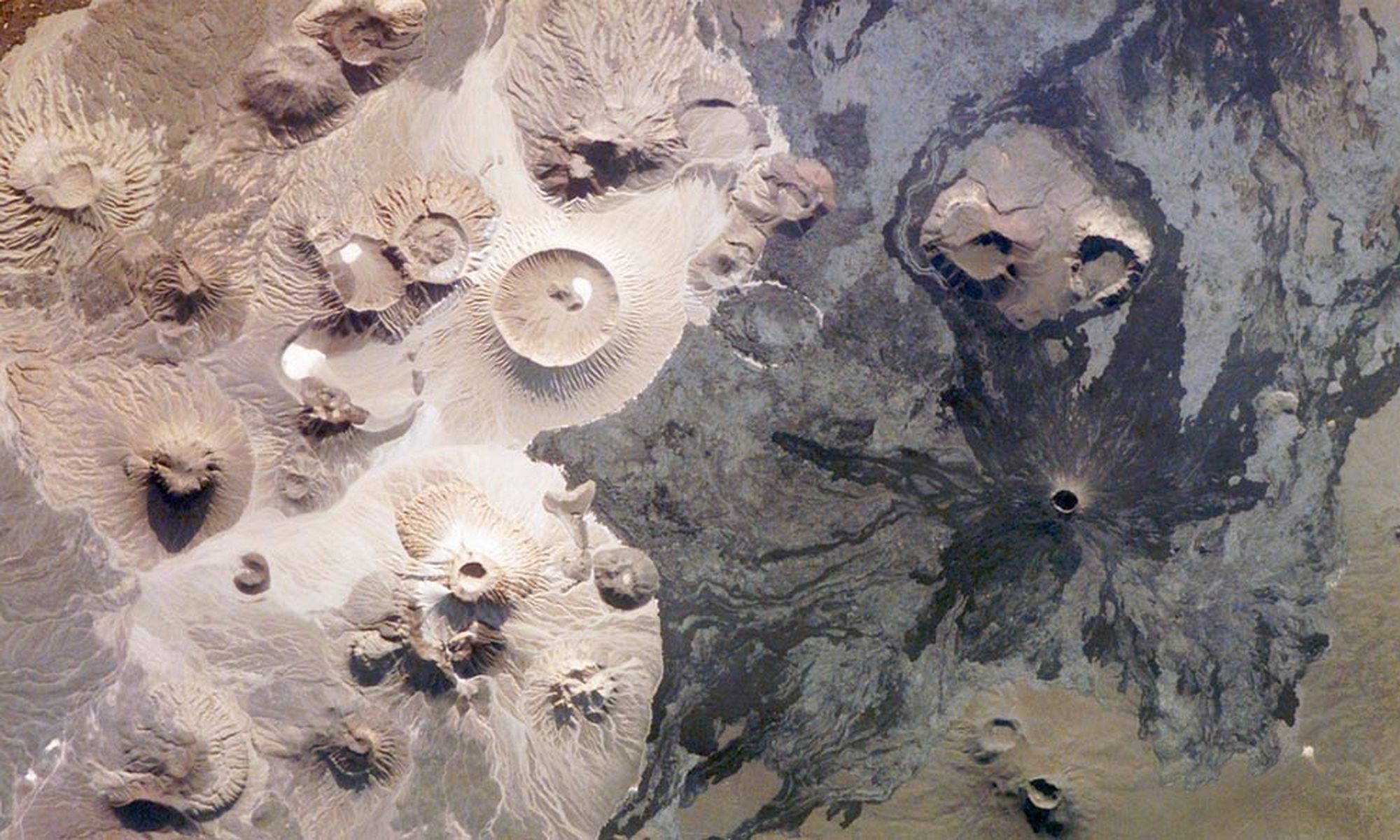
The change was visible from space too. Satellites observed dramatic reductions in nitrogen dioxide pollution over many major cities and industrial regions. The air genuinely became cleaner in many places, although pollutants such as fine particulate matter did not fall everywhere because weather, dust and other natural sources still played a major role.
But Earth didn’t suddenly “heal” in a few months. Atmospheric CO₂ continued increasing because humanity was still emitting billions of tonnes, just at a slower rate. Once economies reopened, emissions rapidly moved back toward previous levels. Across all of 2020, global CO₂ emissions ended up roughly 6% lower than in 2019.
And that’s perhaps the most important lesson. We don’t need permanent lockdowns to protect the planet. What those months demonstrated was how strongly transportation, energy production and industry influence the environment when their activity changes at a global scale.
The challenge is achieving those reductions deliberately through cleaner electricity, efficient cities, better public transport and low-carbon technology rather than through a global emergency.
For a few months, we saw how quickly some forms of pollution can respond when human activity changes. The planet didn’t heal overnight, but it showed us that our actions really can be large enough to change what satellites see from space.
[source]
0 comments