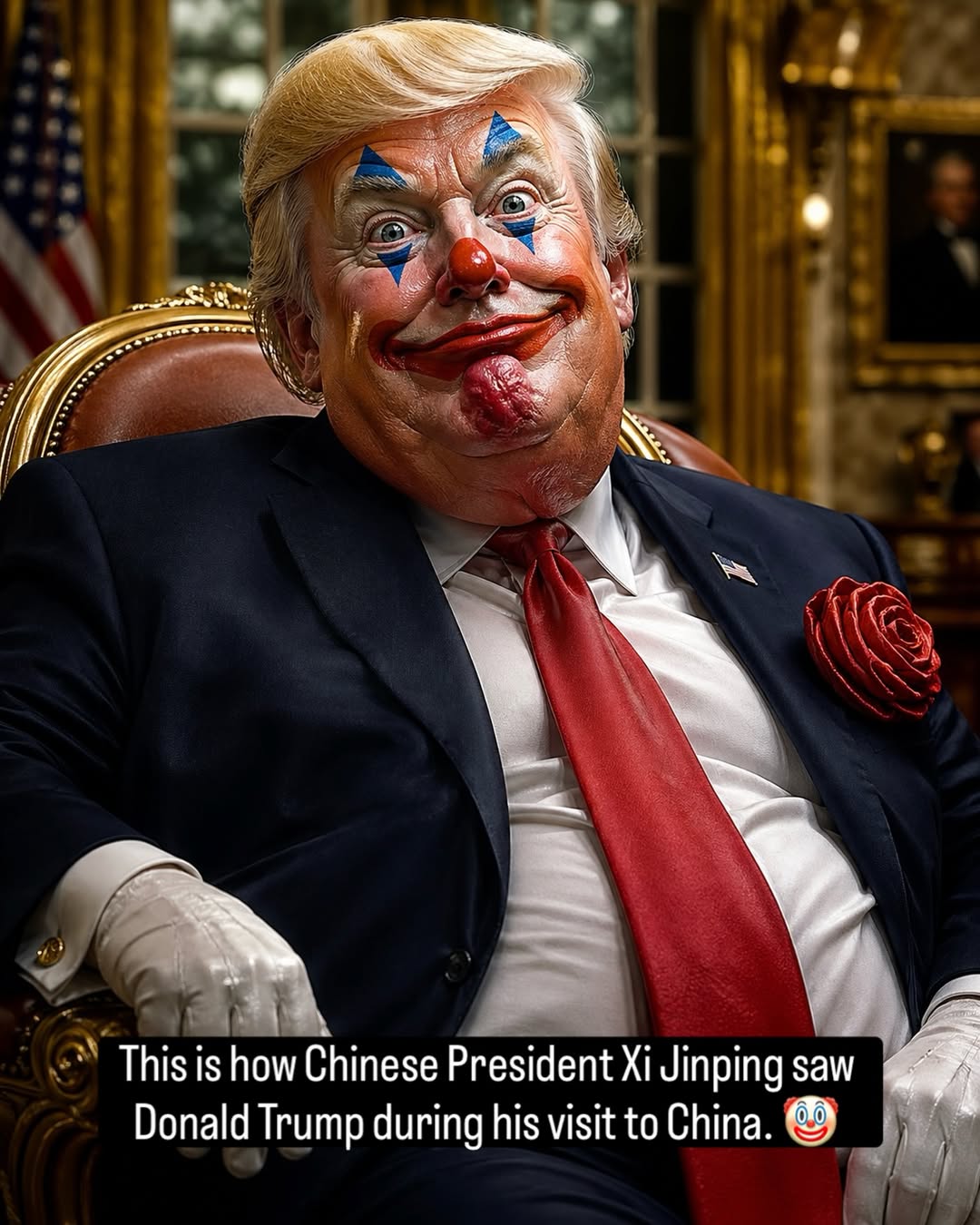
Donald Trump returned from China on May 15th claiming strength, dominance, and another “historic success,” but the reality looked far different to much of the world watching. What unfolded during the visit often appeared less like a display of American power and more like a carefully managed spectacle orchestrated entirely on China’s terms.
Chinese President Xi Jinping is known for discipline, control, and strategic patience. Trump, by contrast, frequently appeared impulsive, distracted, and overly eager for praise and optics. While Chinese state media projected calm authority and national confidence, Trump spent much of the trip creating headlines centered on himself rather than meaningful diplomatic achievements.
For critics, the visit reinforced a growing perception that Trump walks into high-stakes international situations believing theatrics can replace preparation and substance. The awkward moments, exaggerated praise, and constant need for attention only fueled the image of a leader more focused on performance than policy.
Meanwhile, China gained exactly what it wanted: powerful visuals, global exposure, and the appearance of stability and control beside an American president many already view as chaotic and unpredictable.
Whether supporters admit it or not, the trip did little to project strength for the United States. To many observers around the world, it looked like Donald Trump had wandered into a geopolitical chess match while still believing he was starring in reality television.
[source]
0 Comments
0 comments