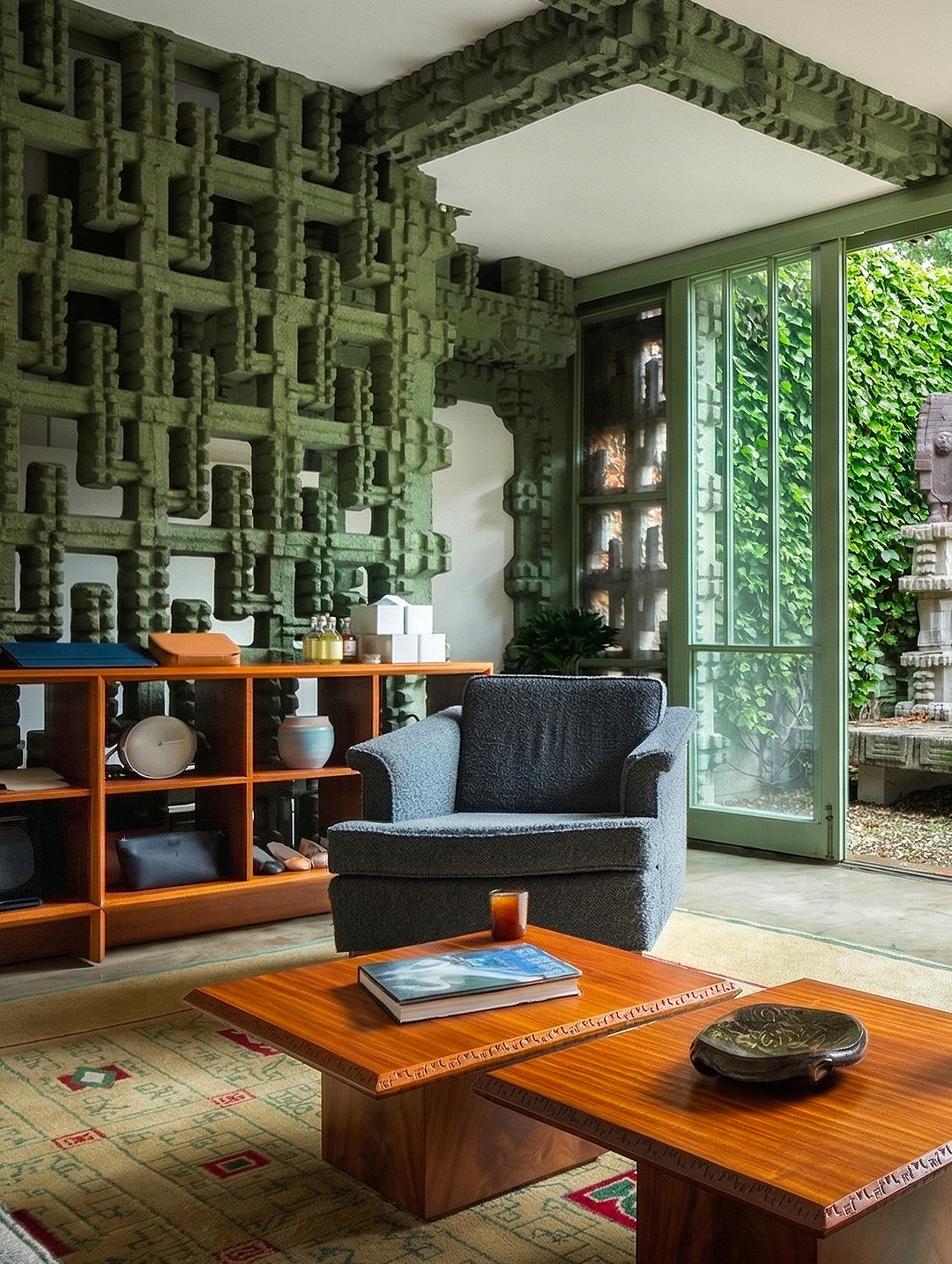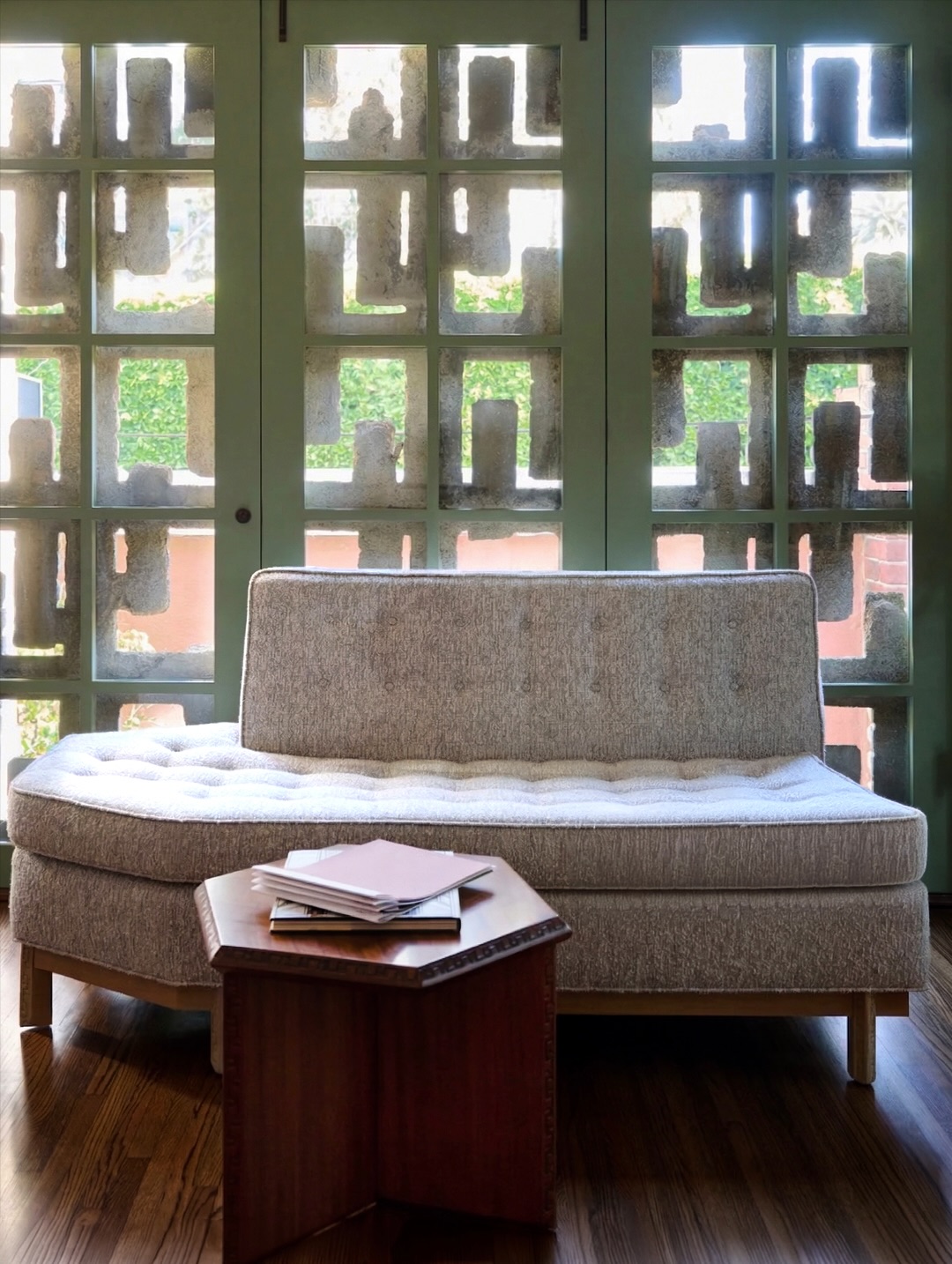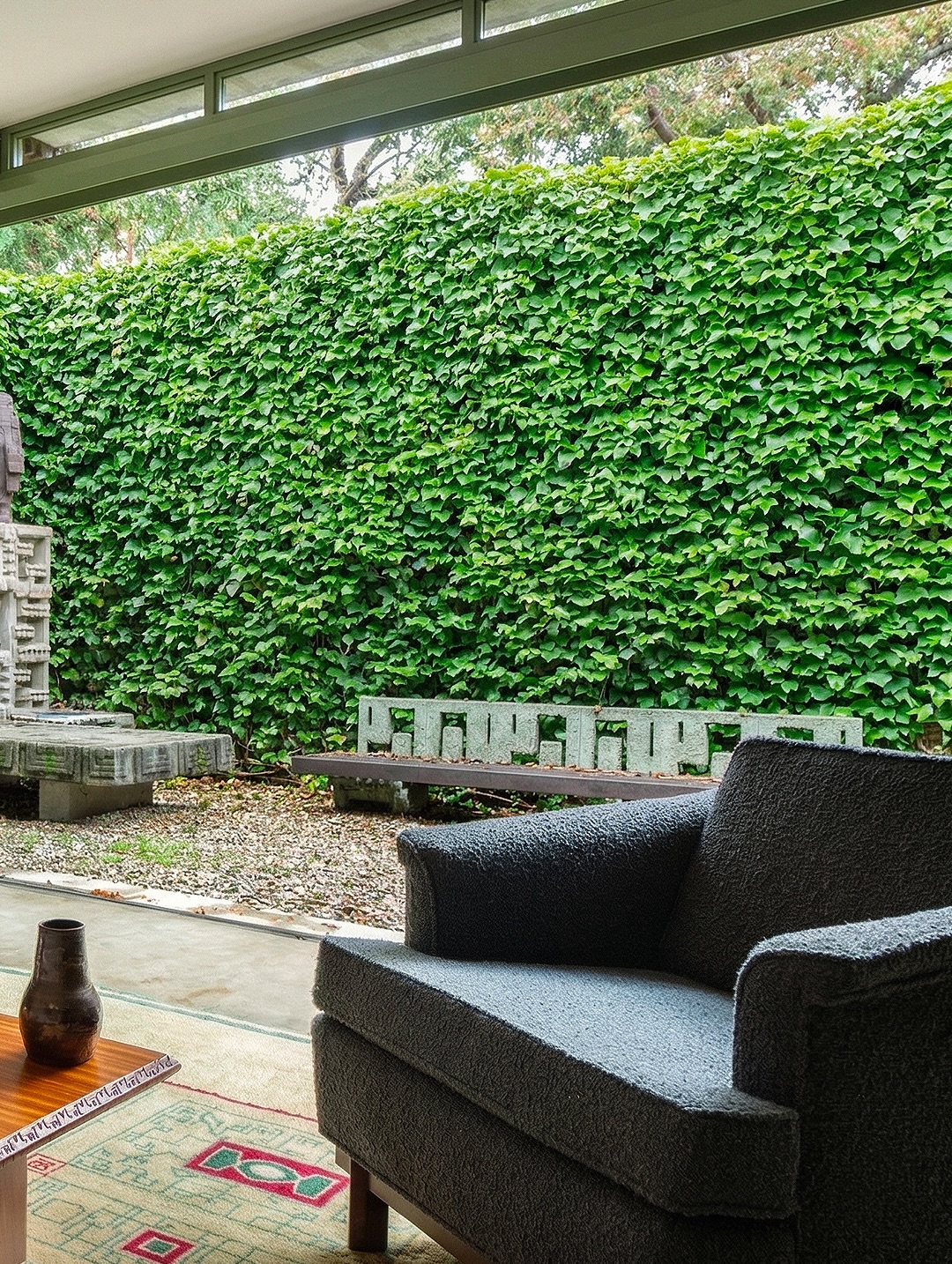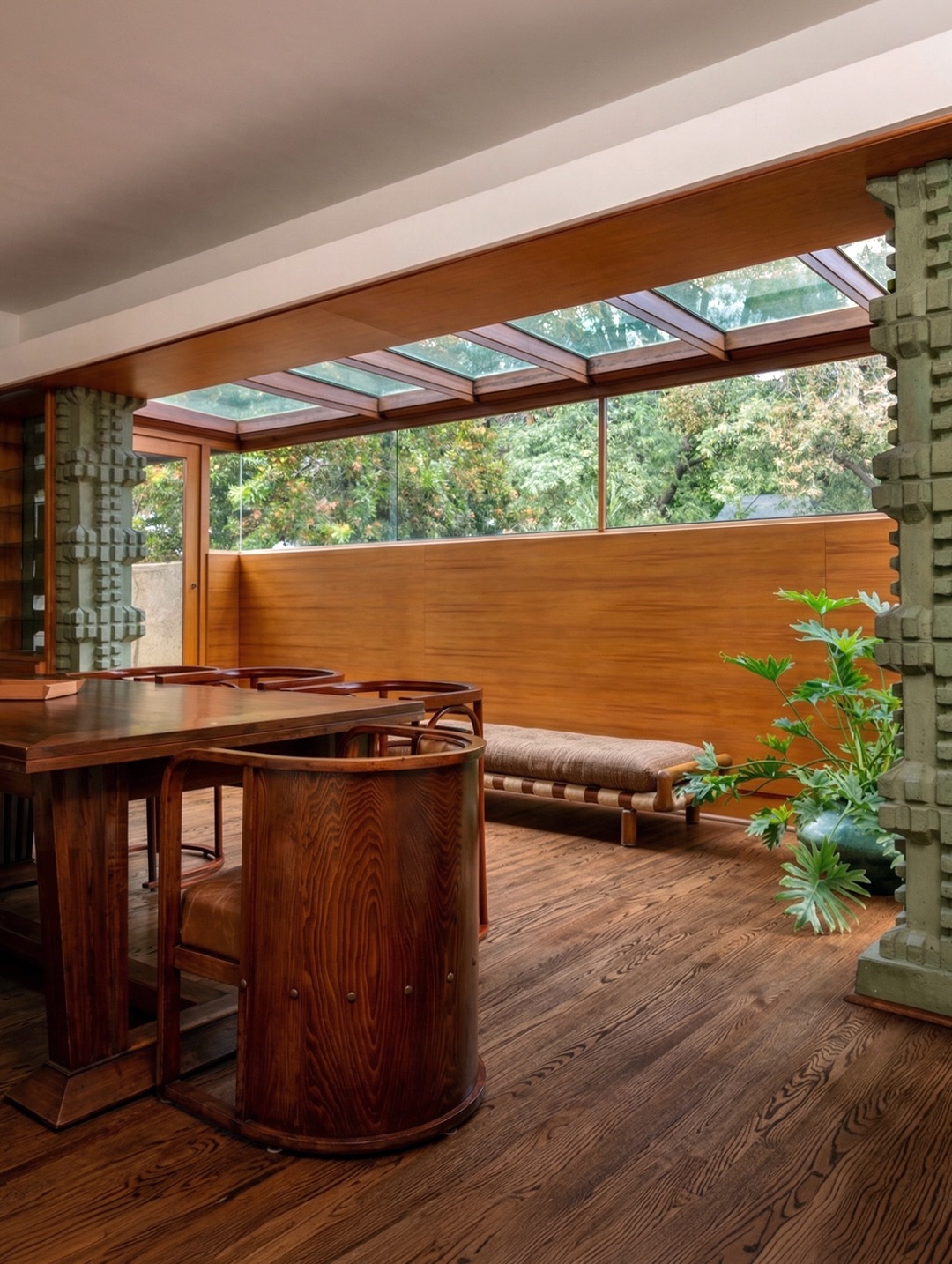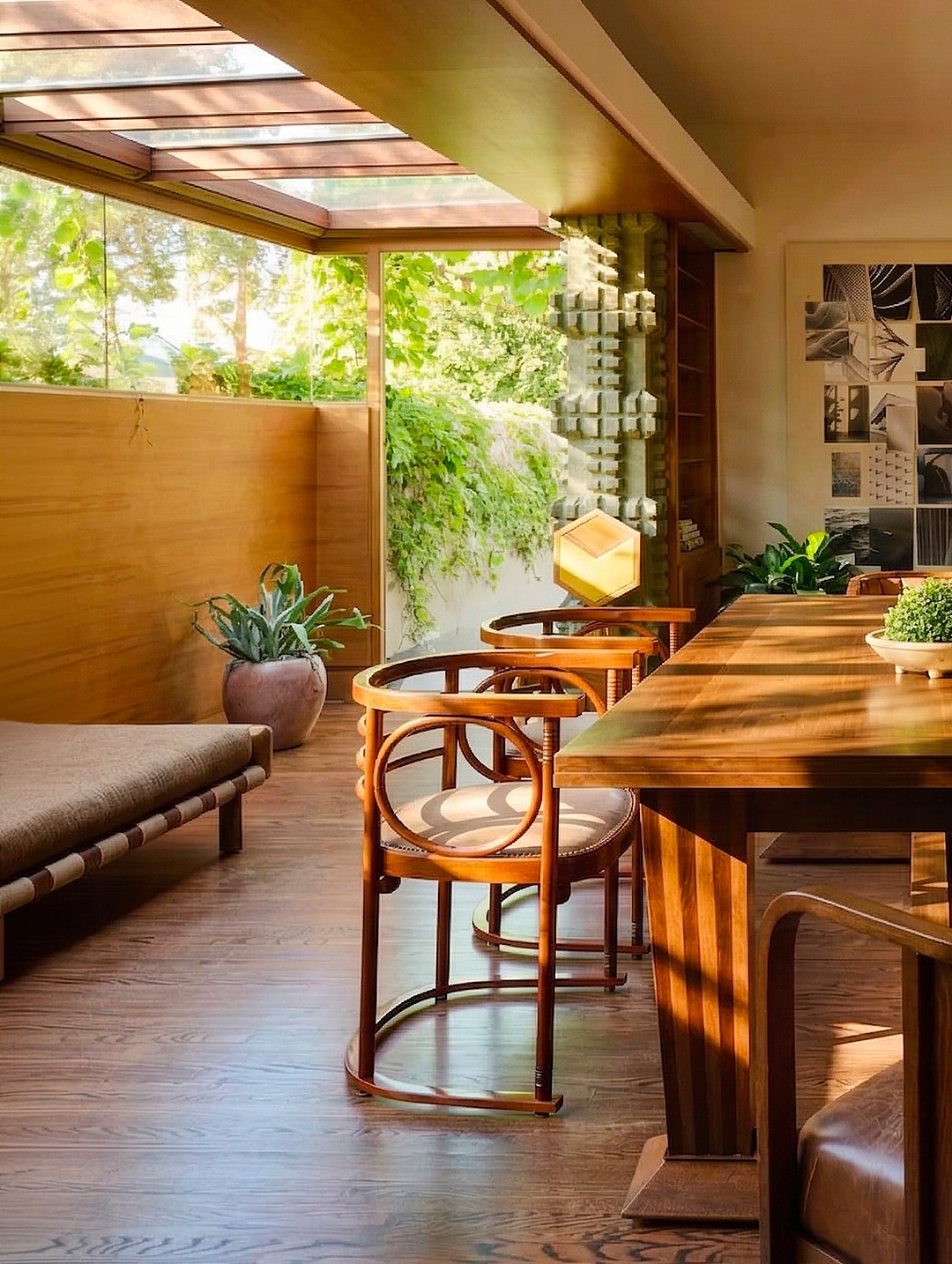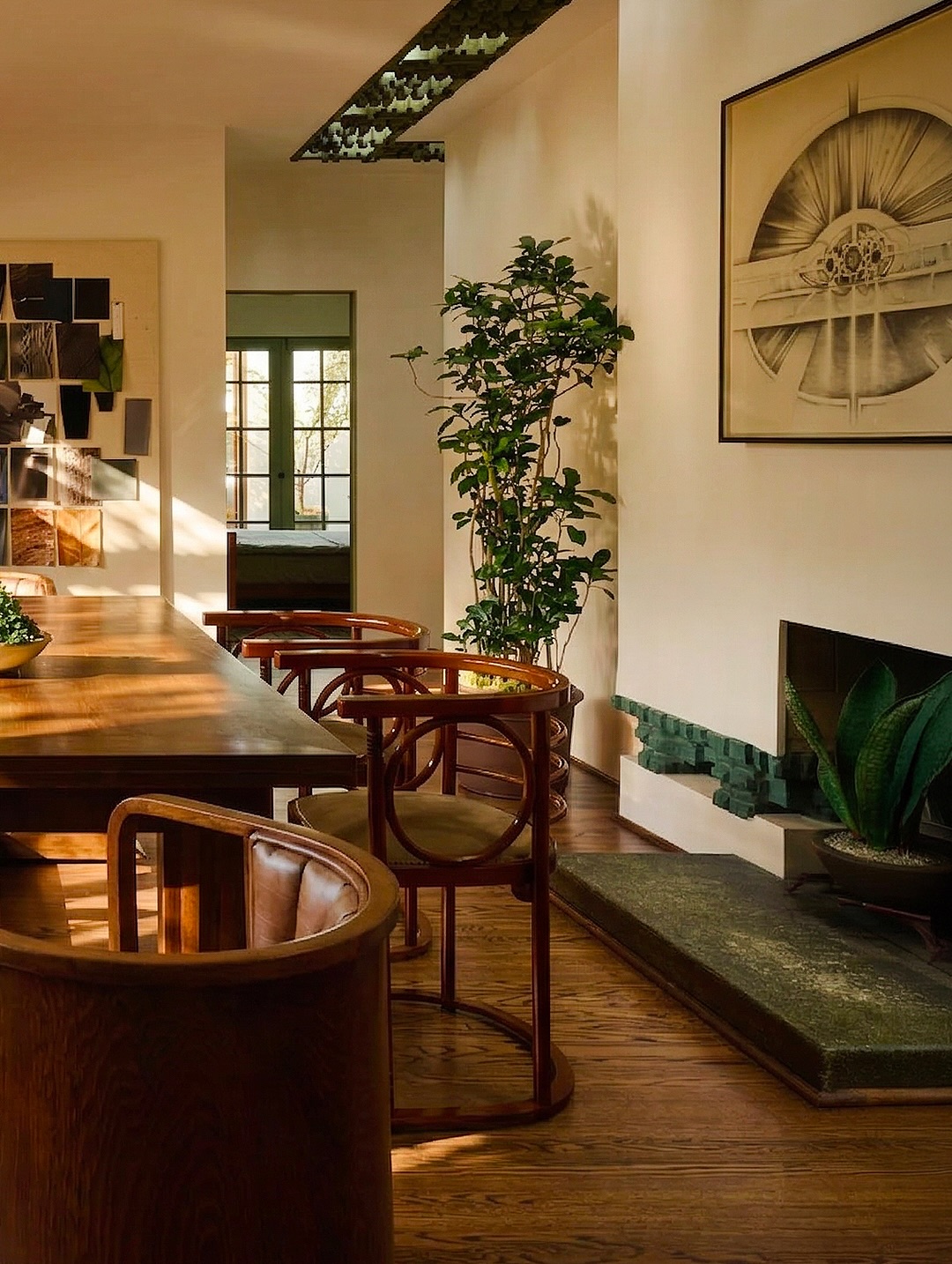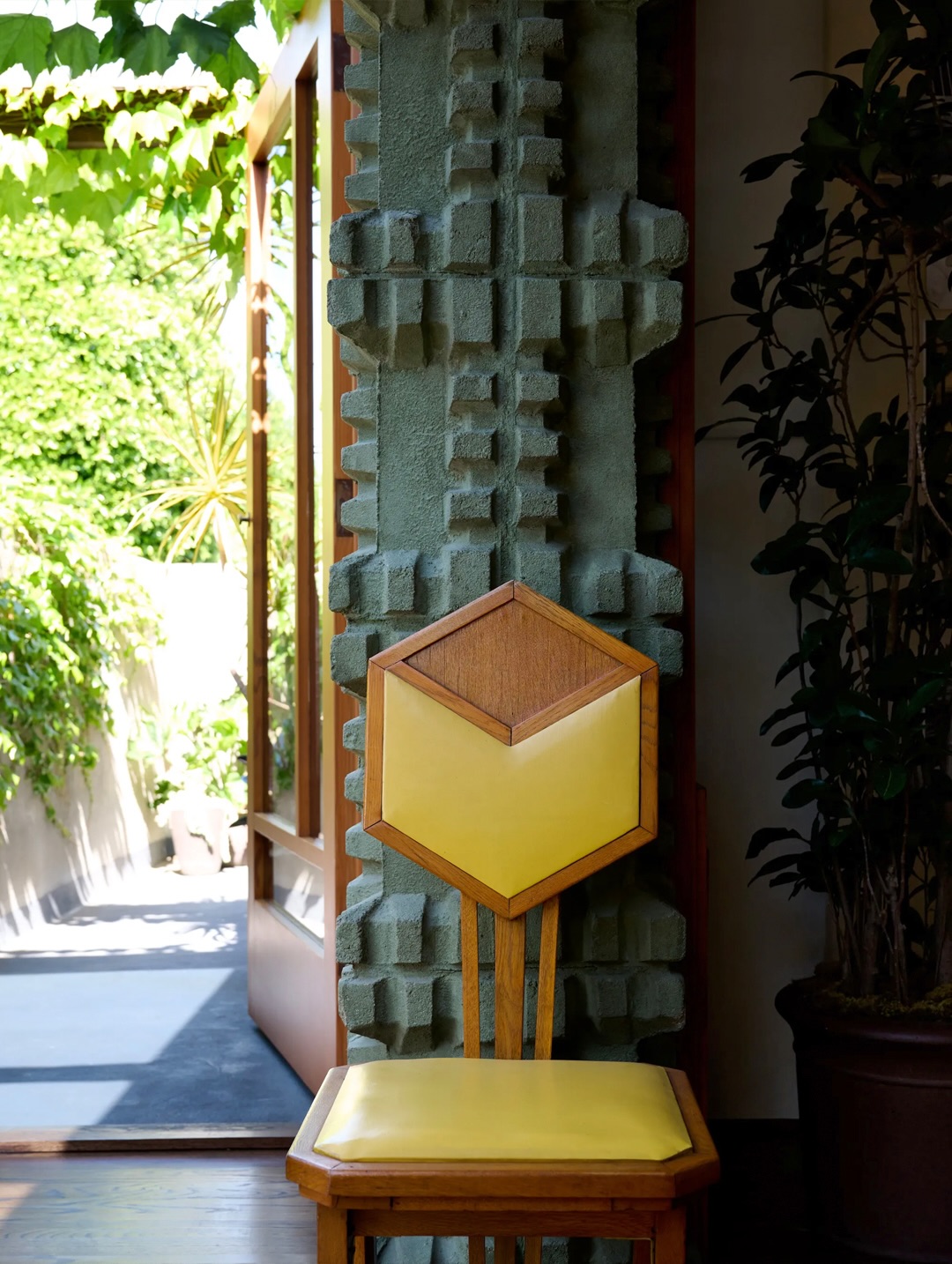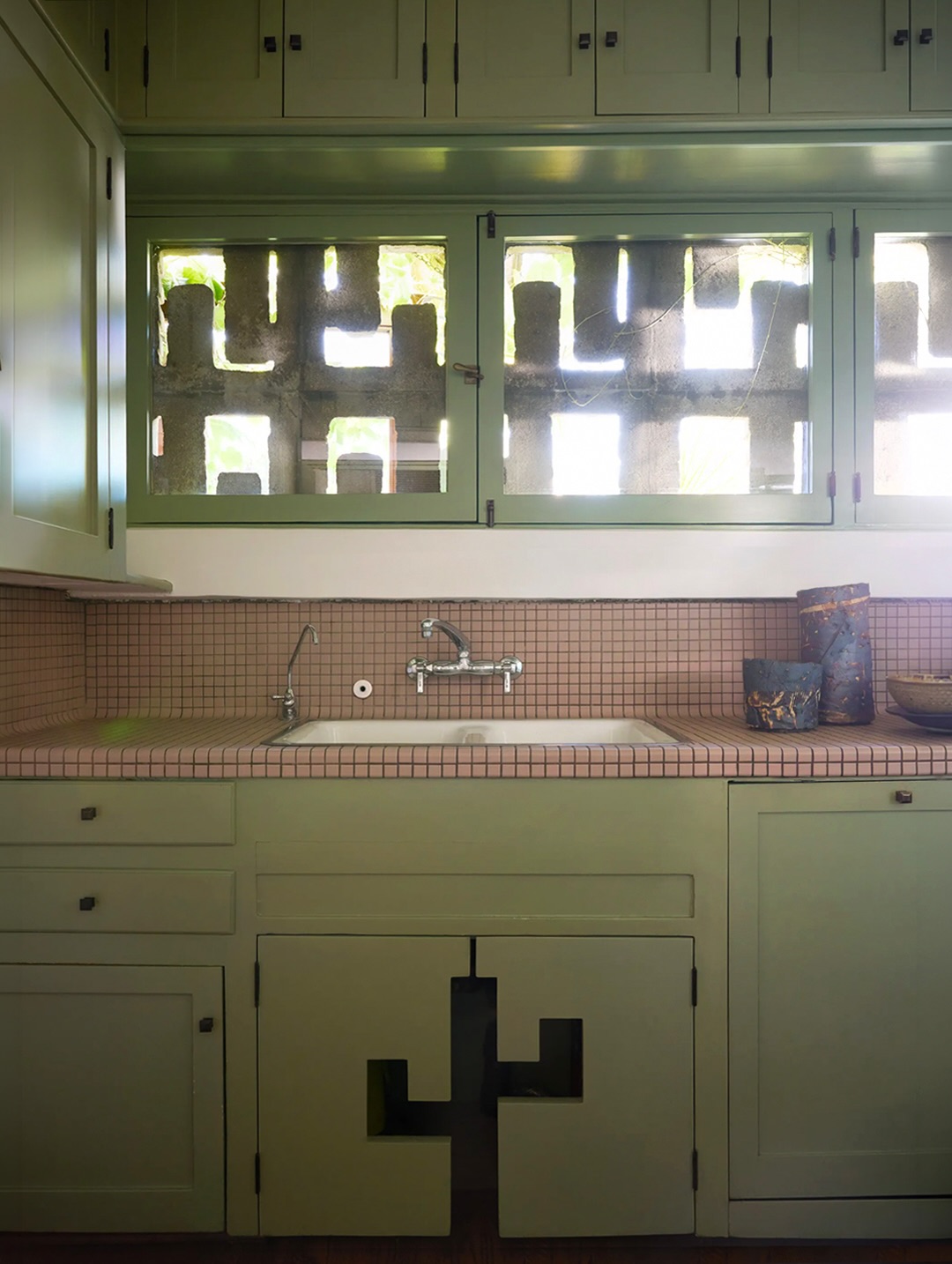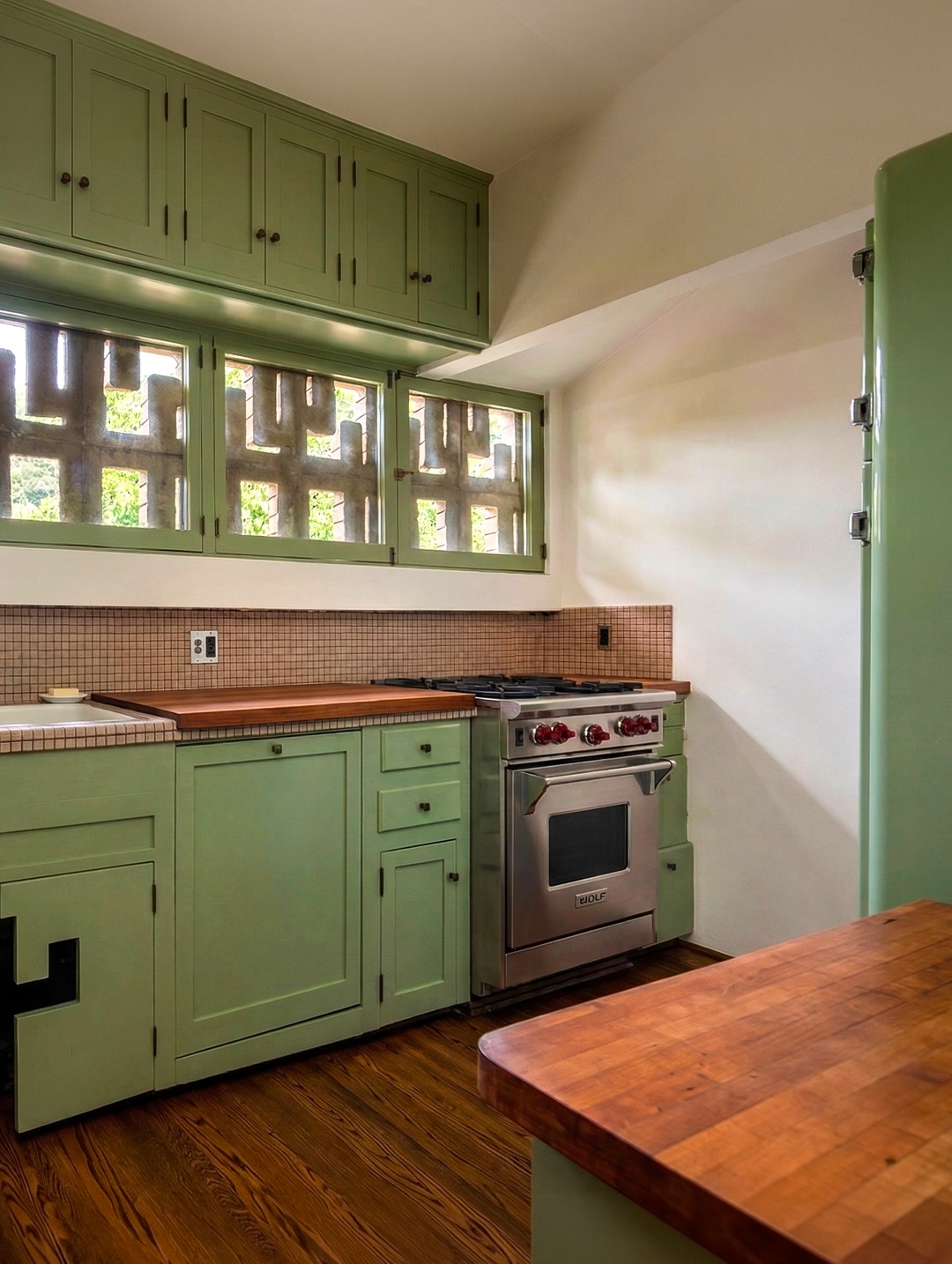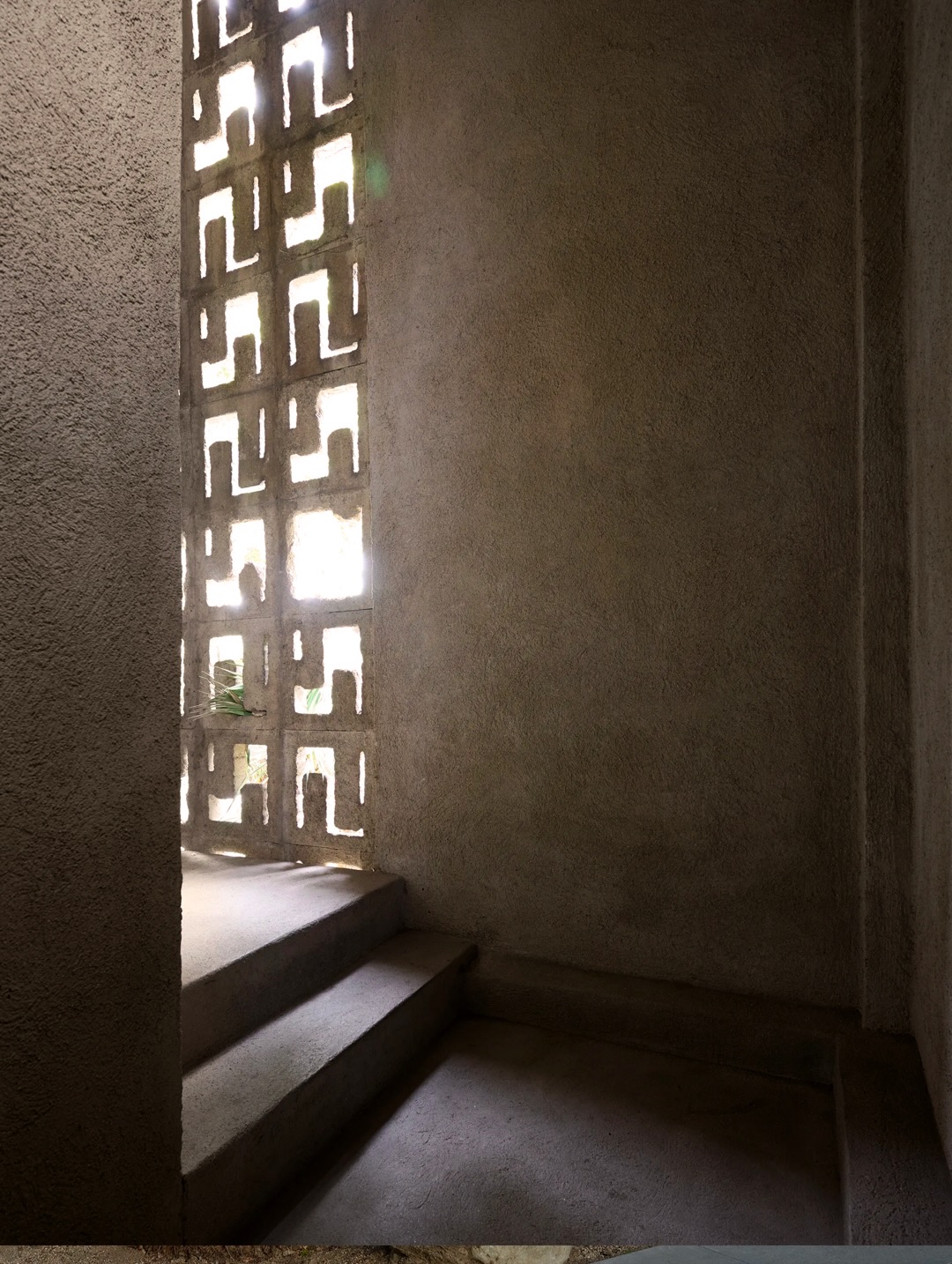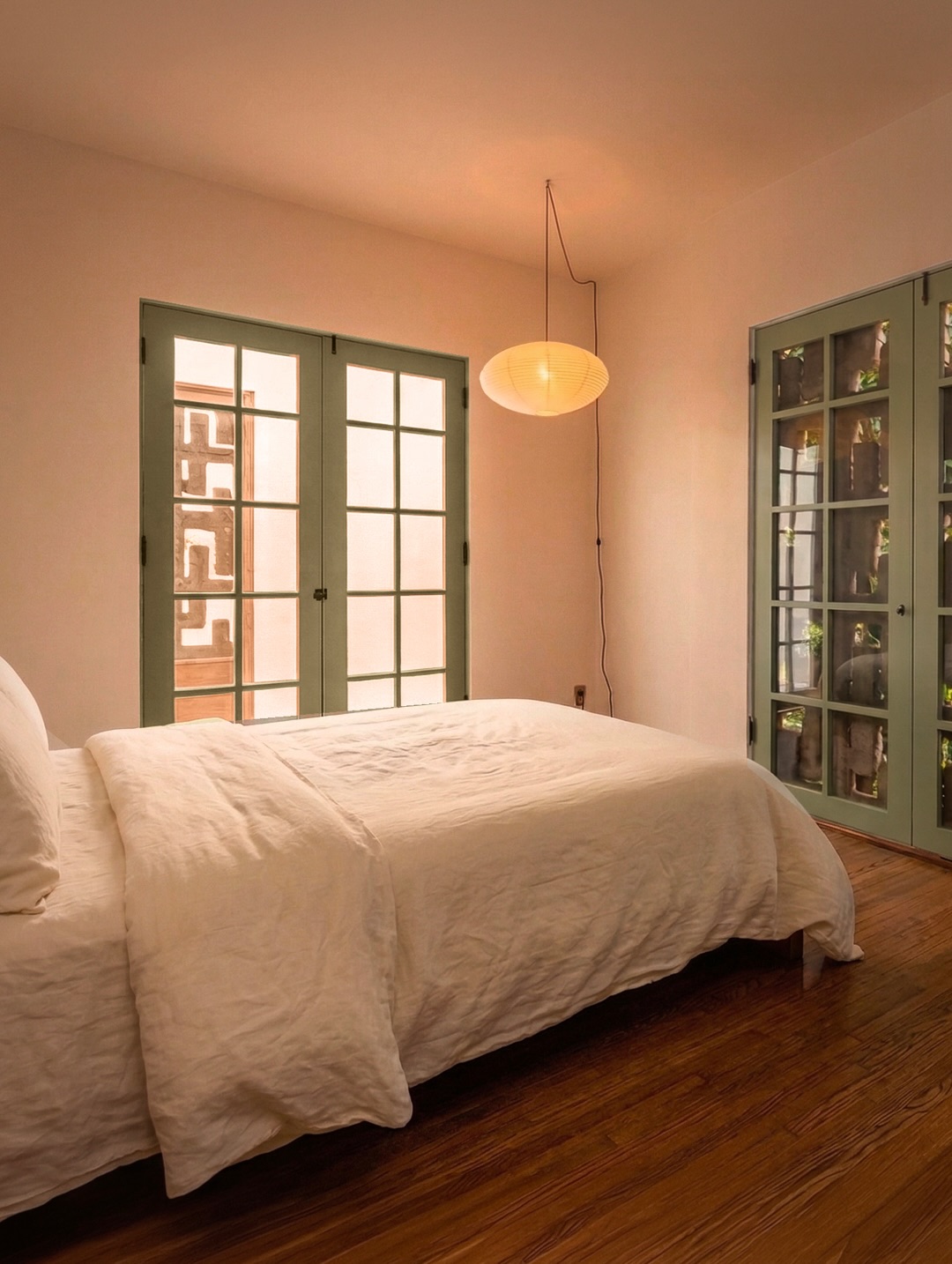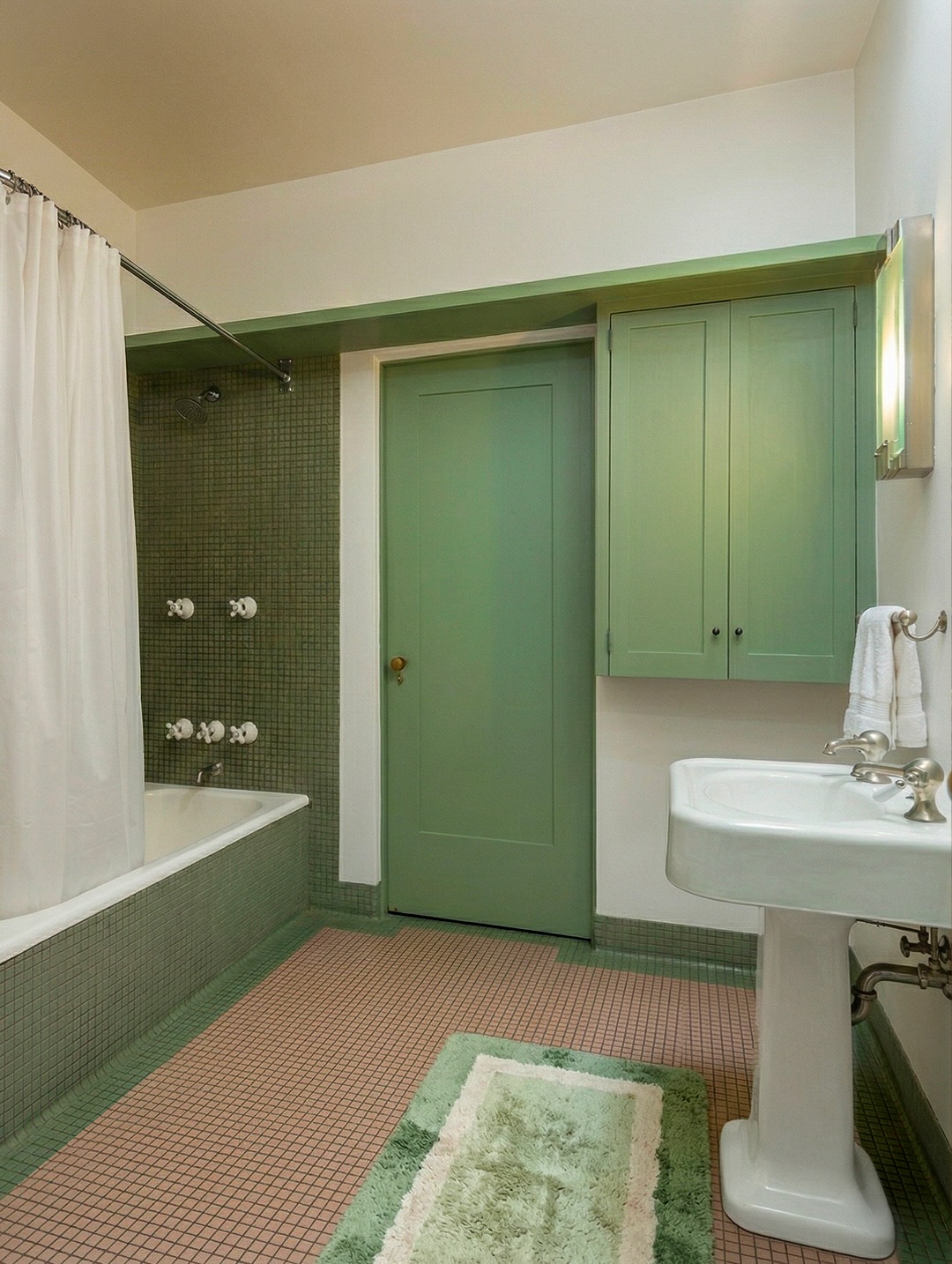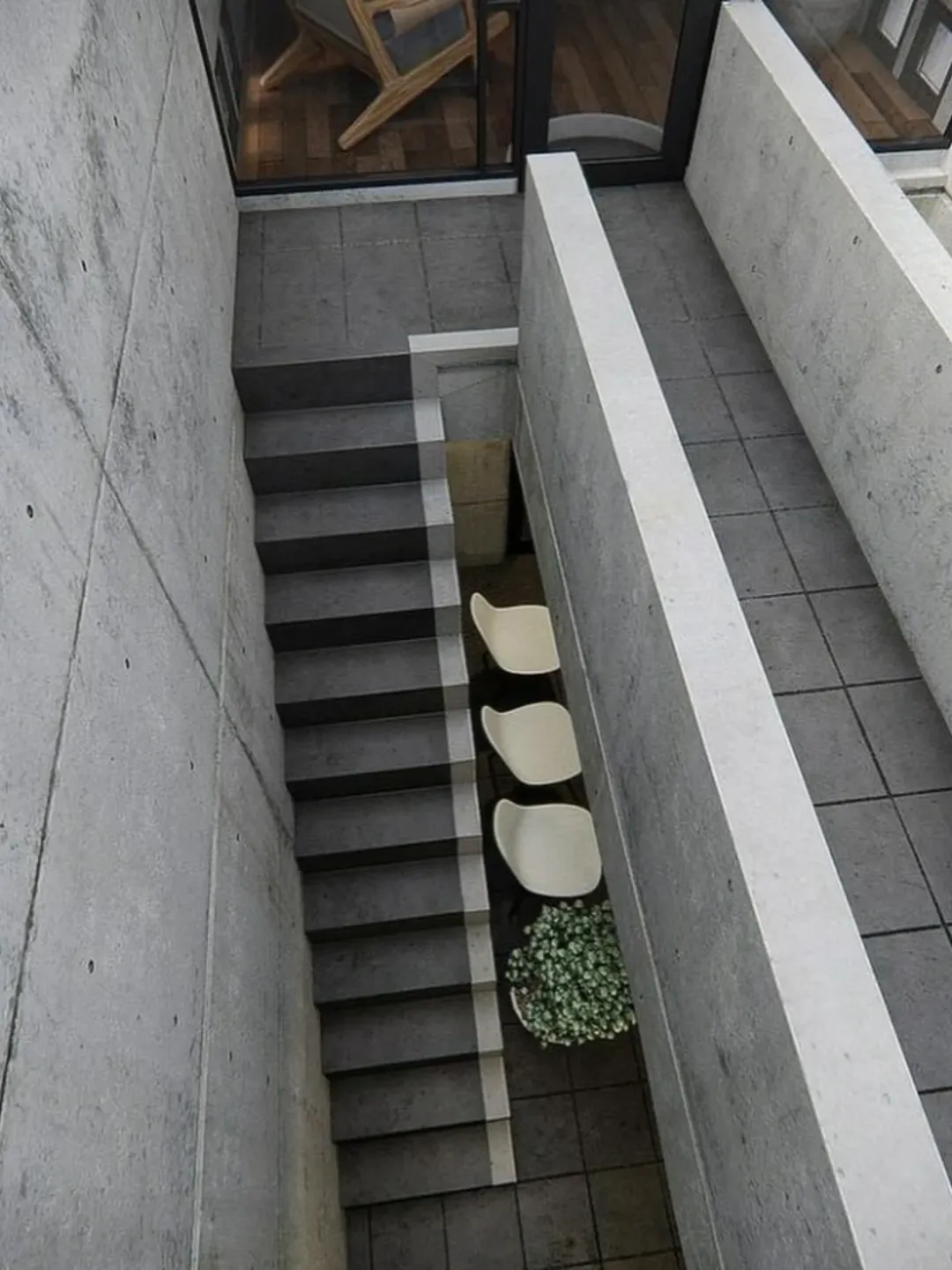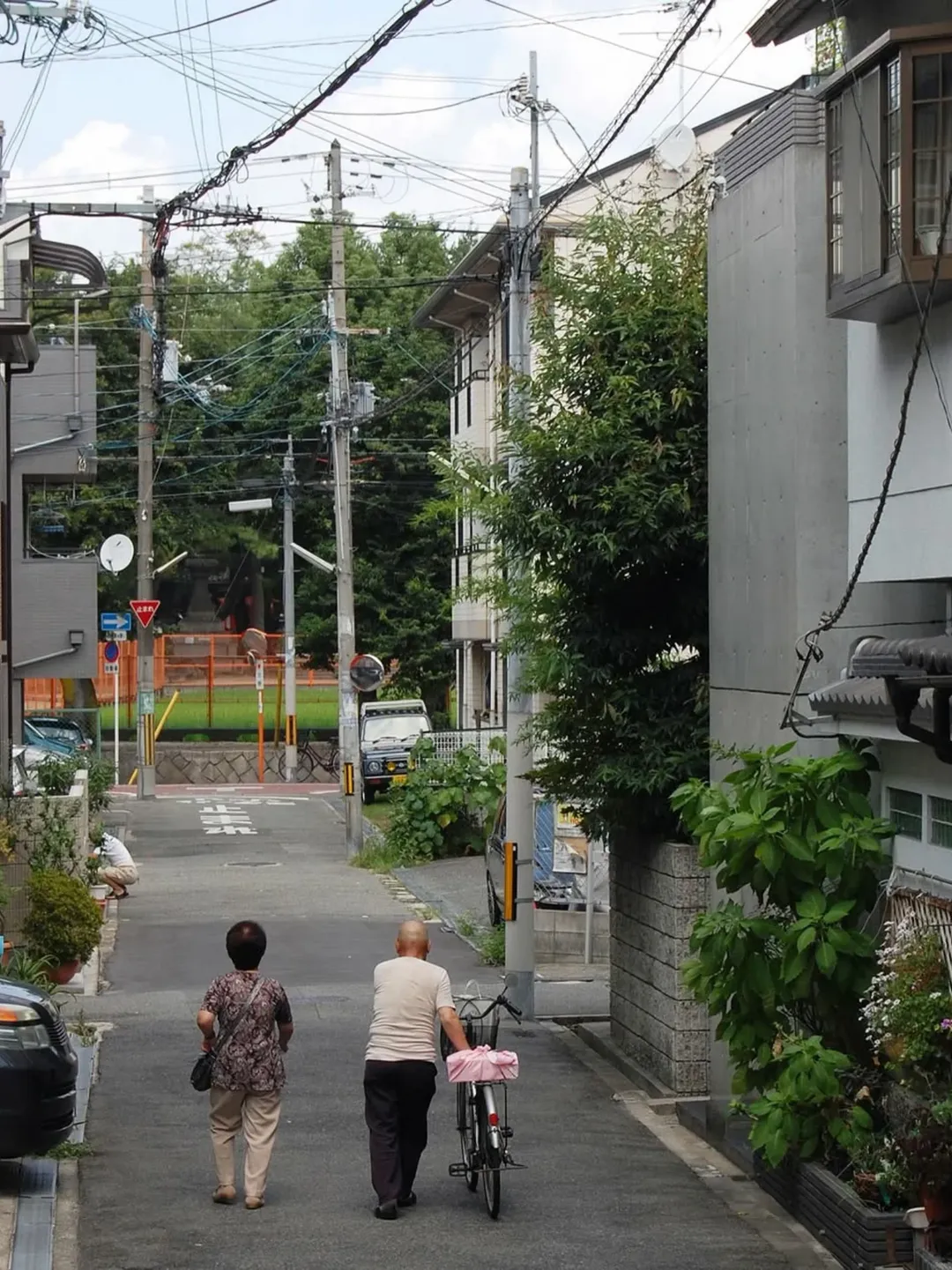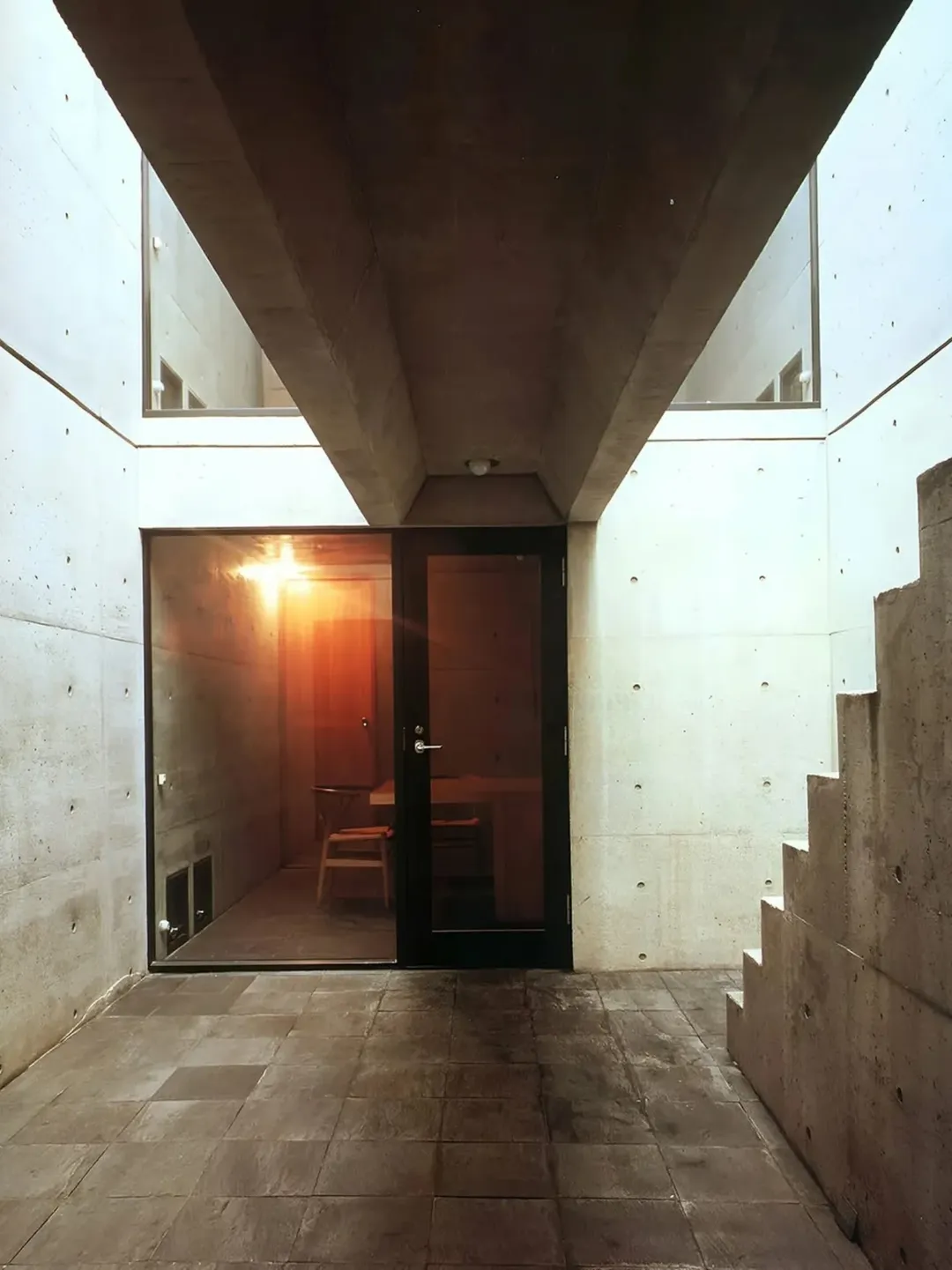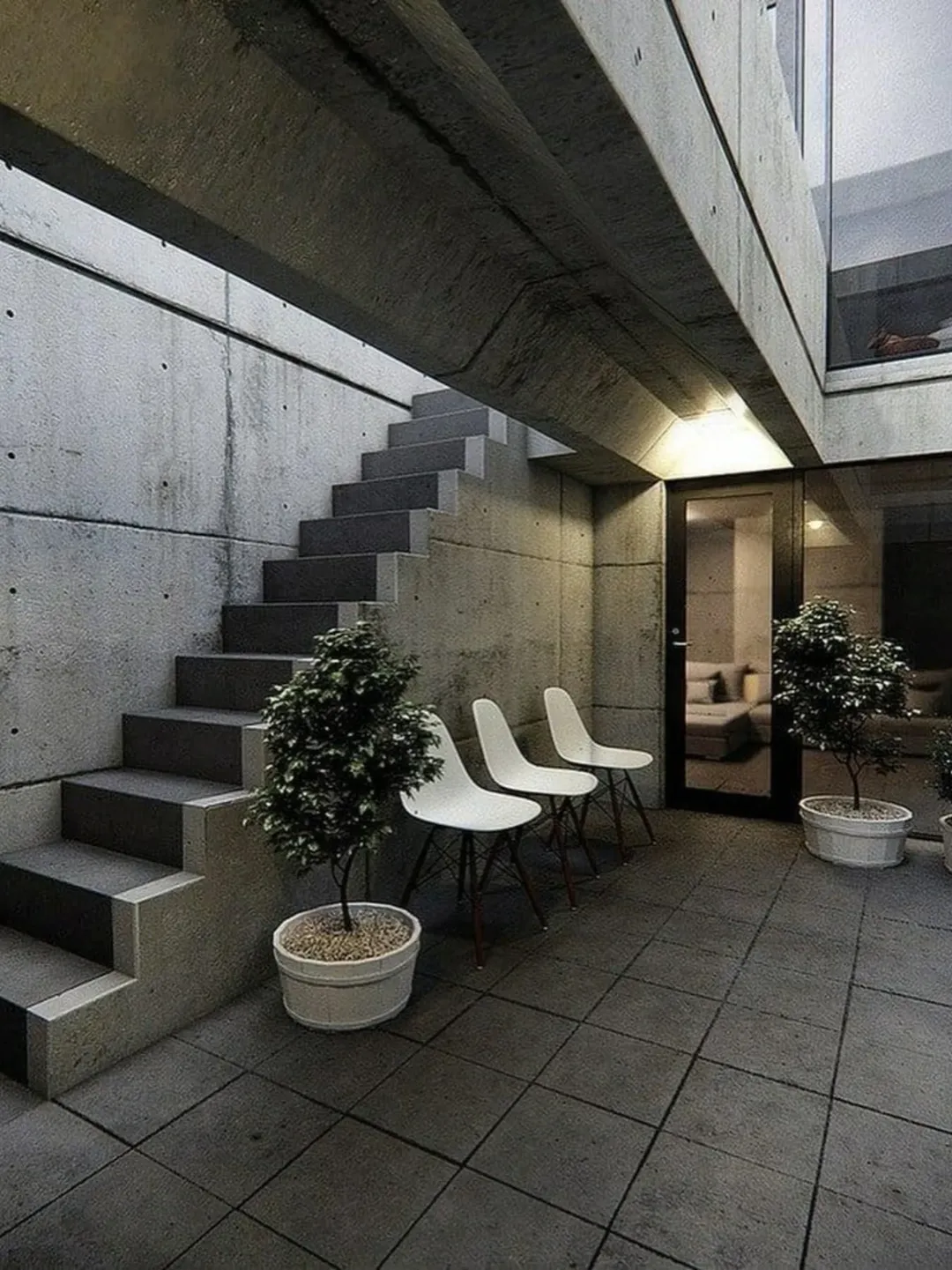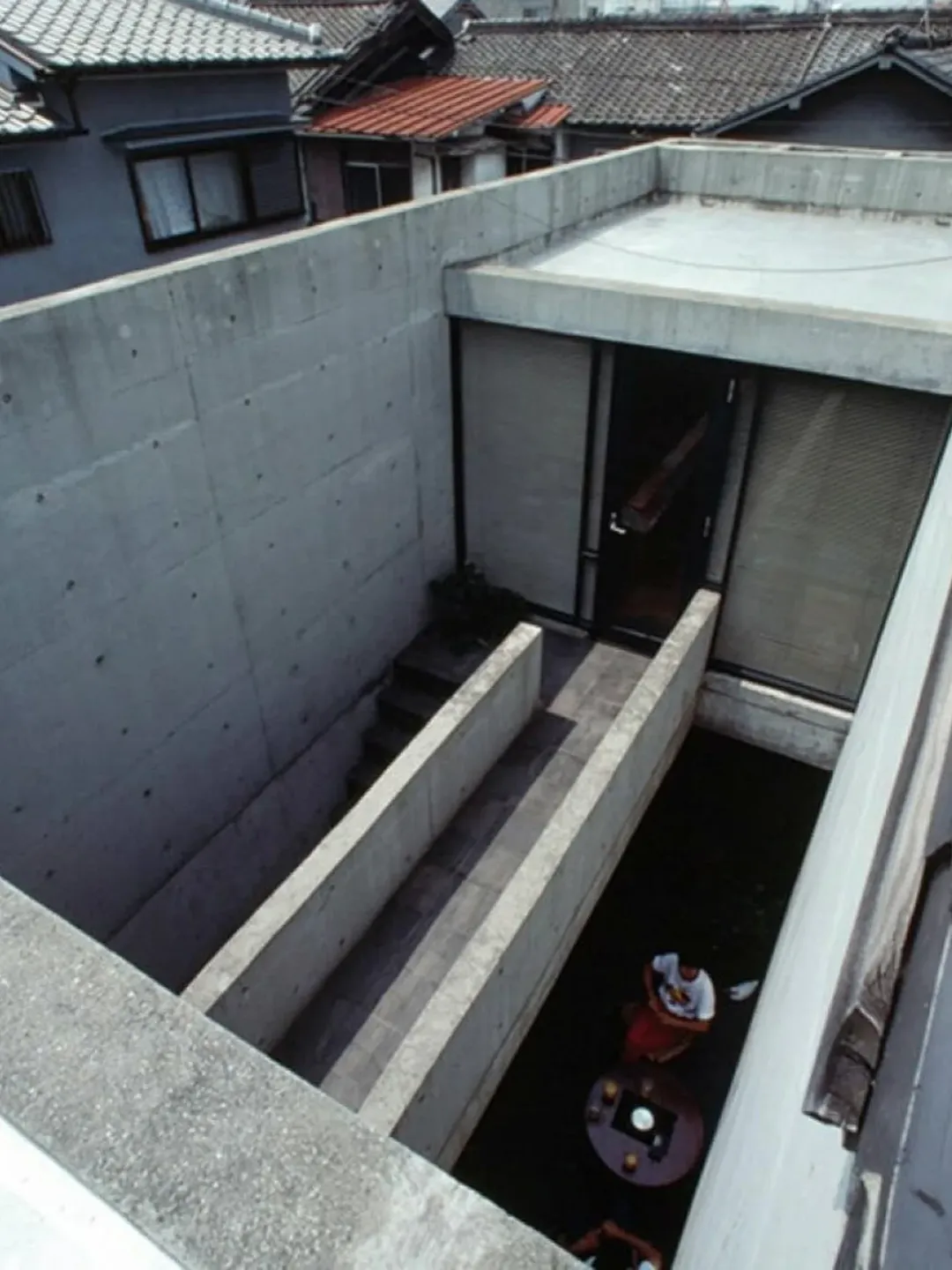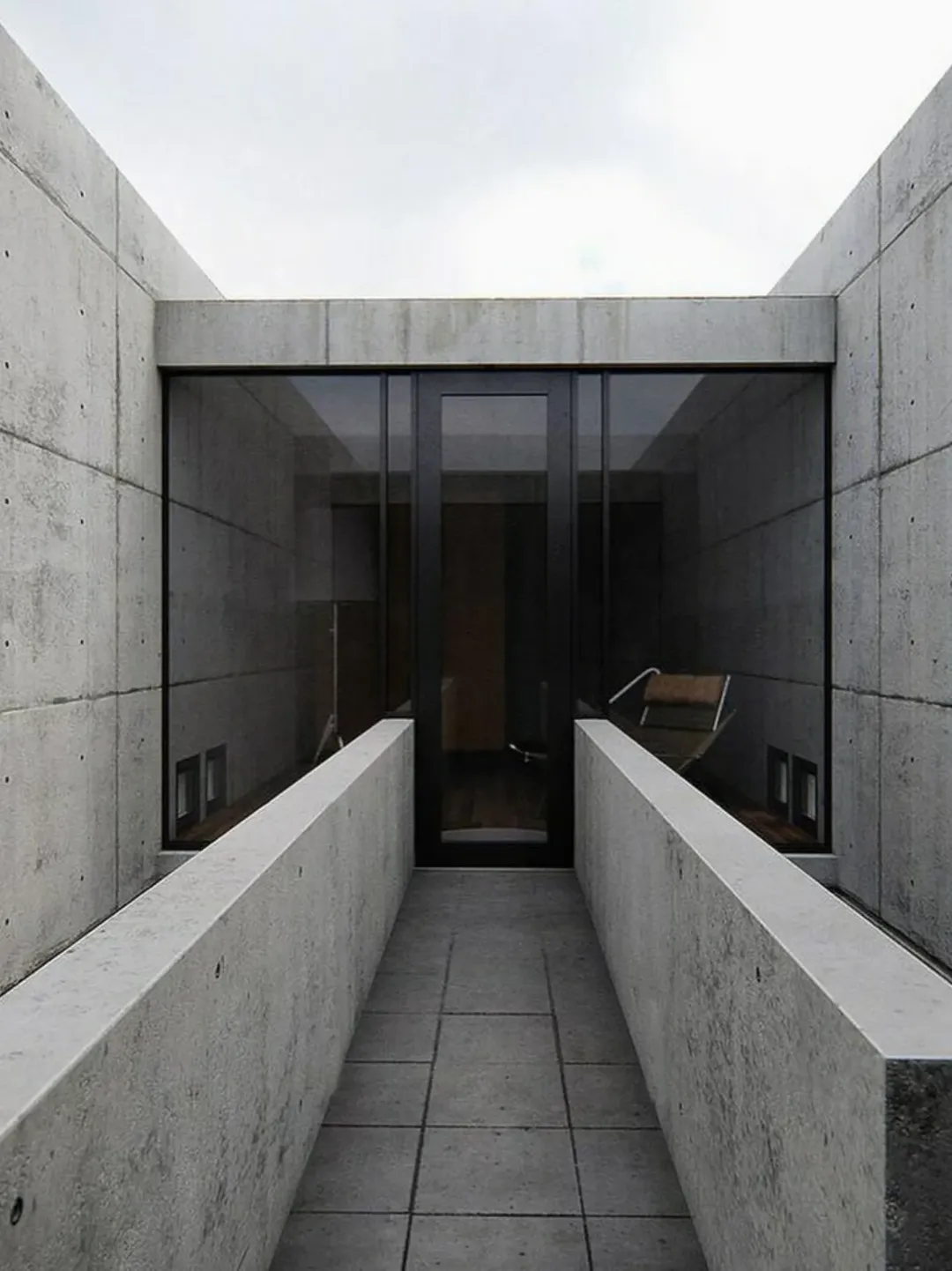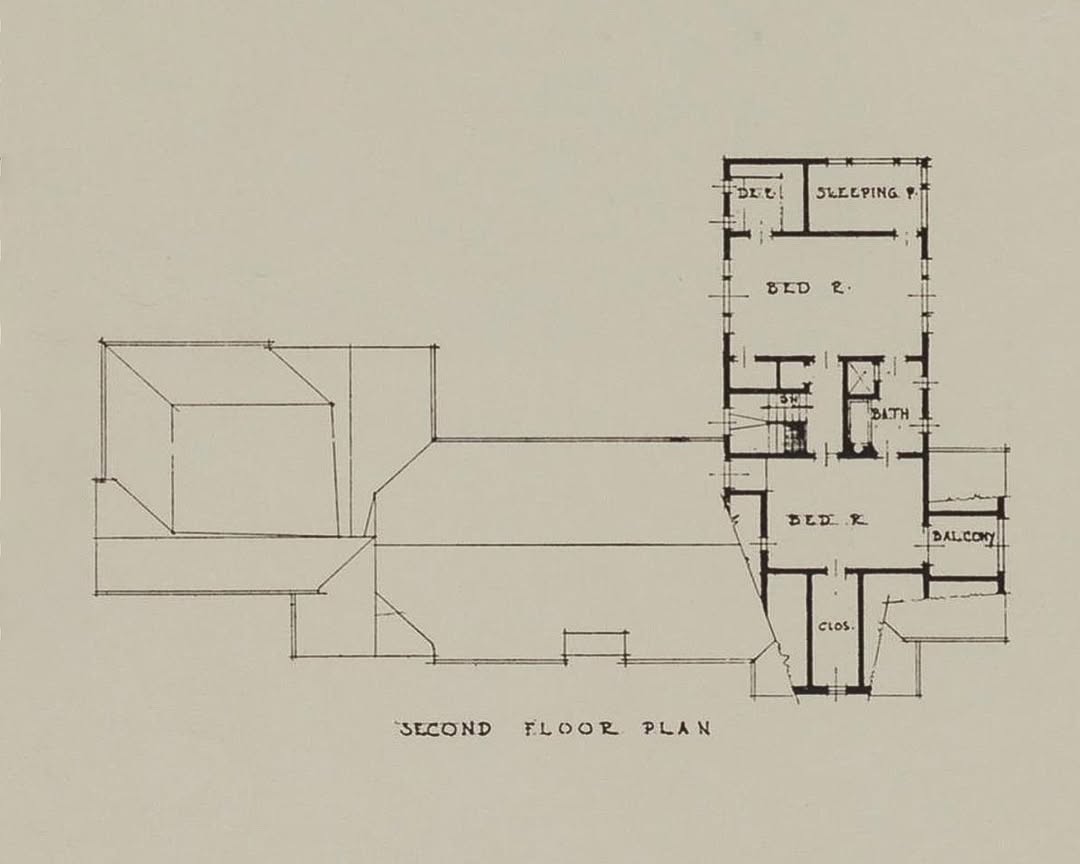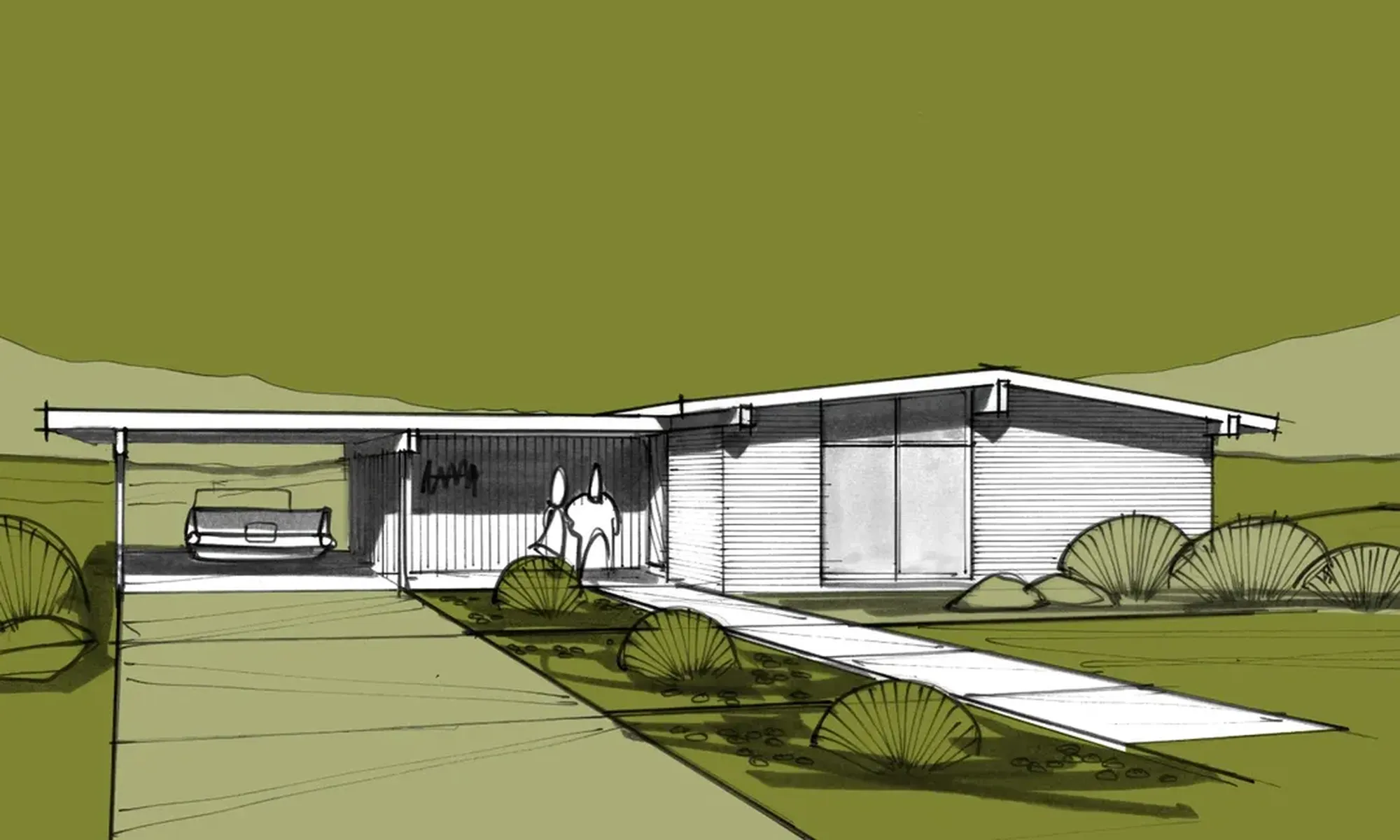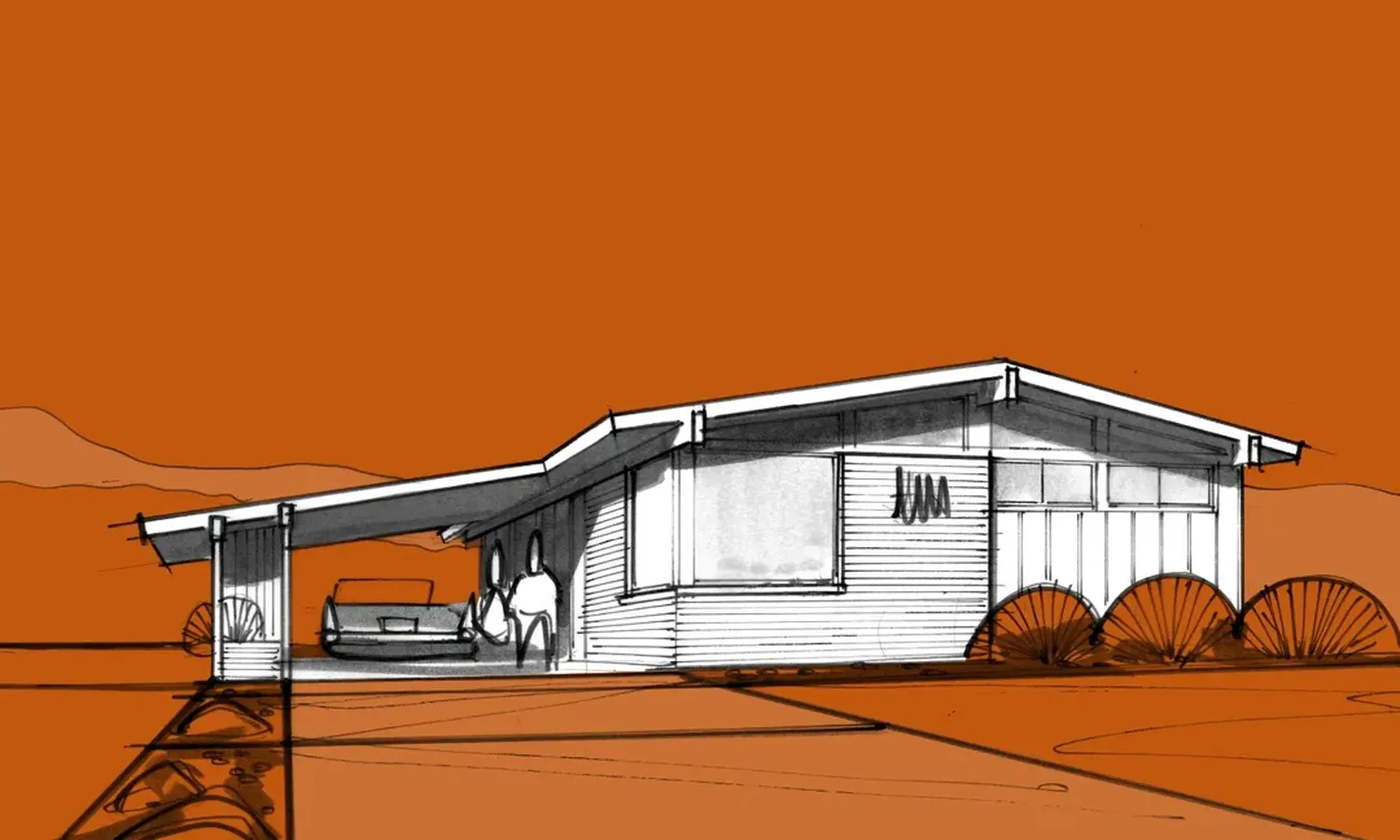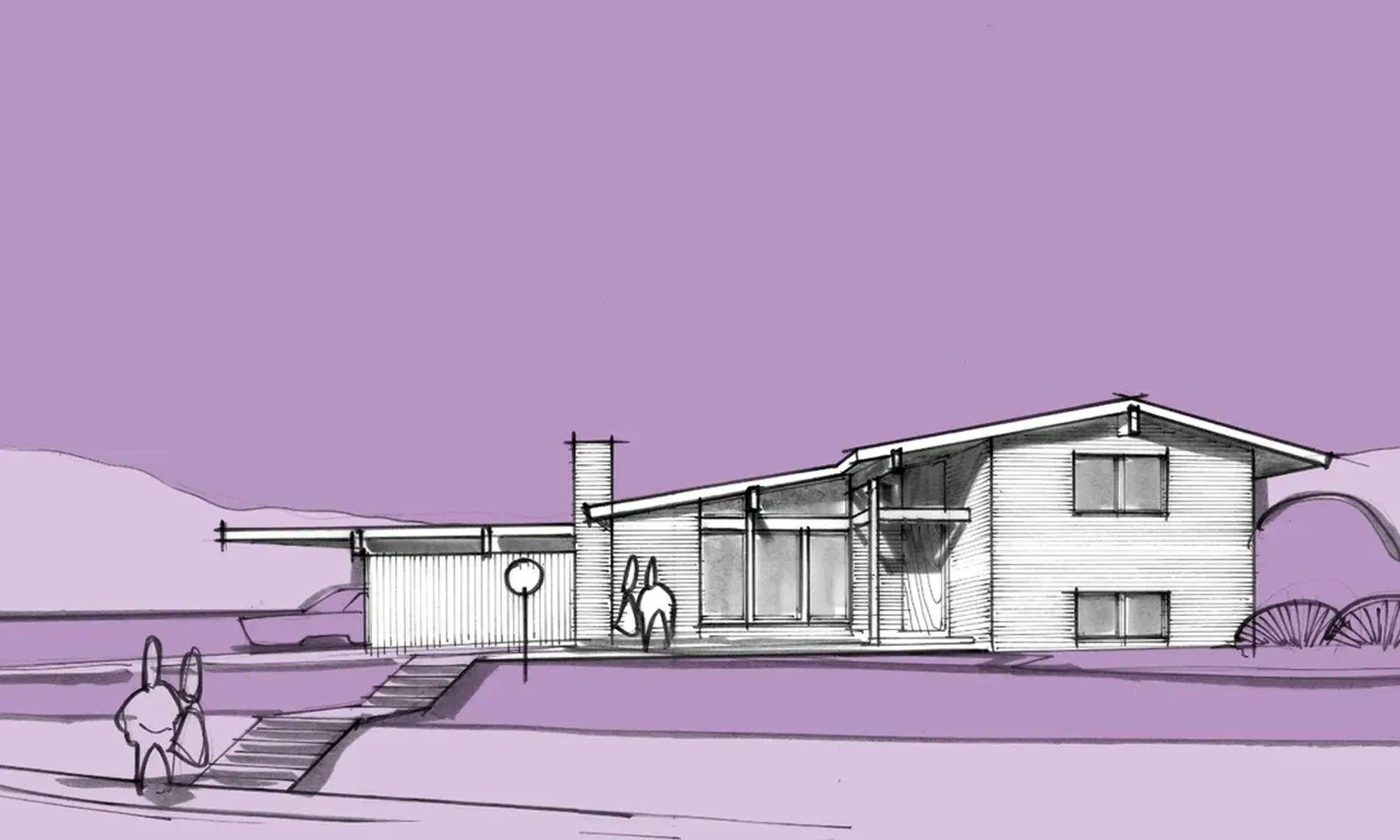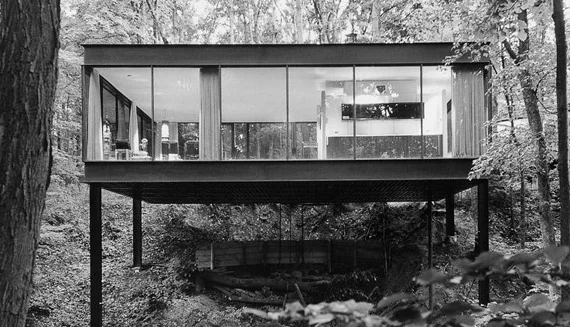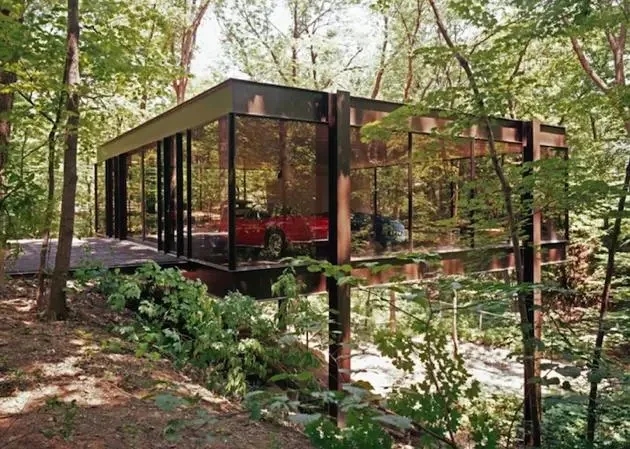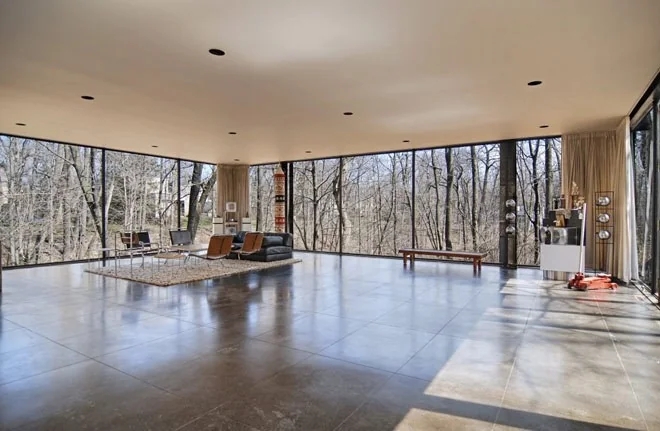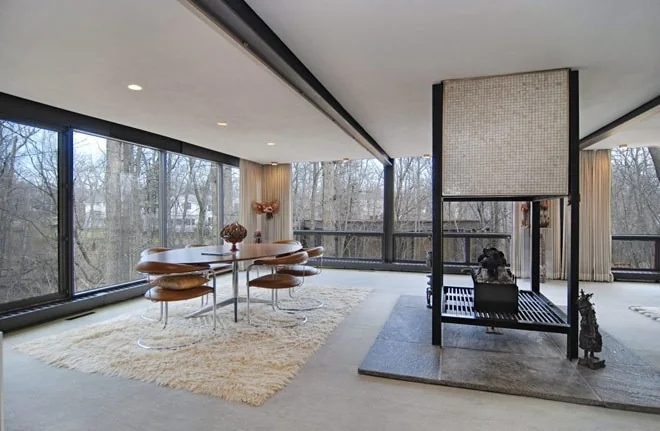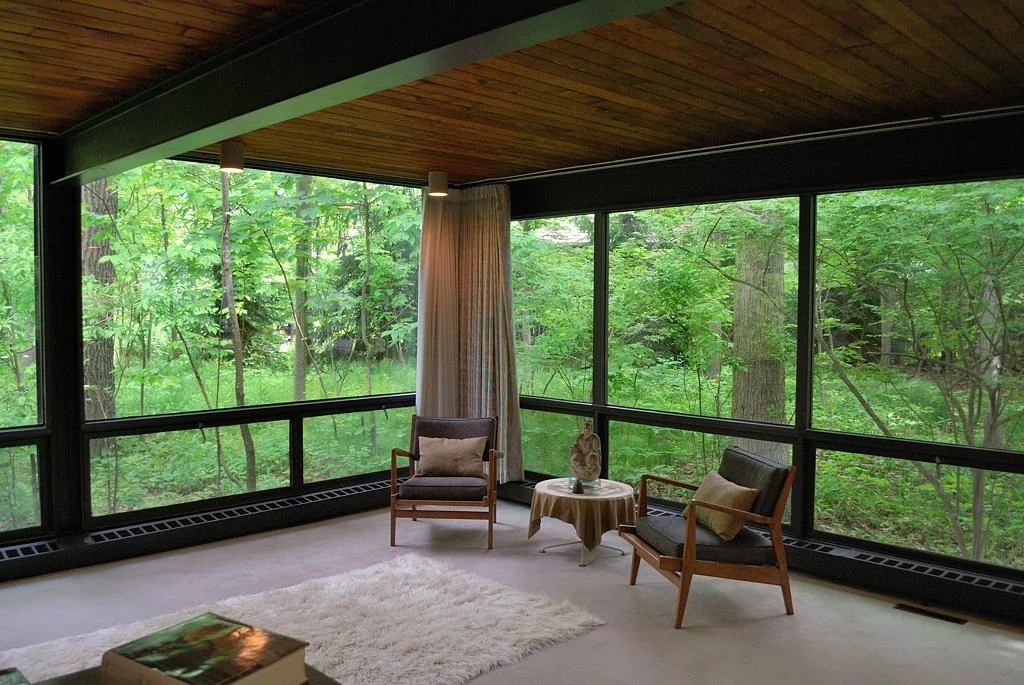
Vault House, Keisuke Kawaguchi + K2-Design, Shizuoka, Japan, 2011
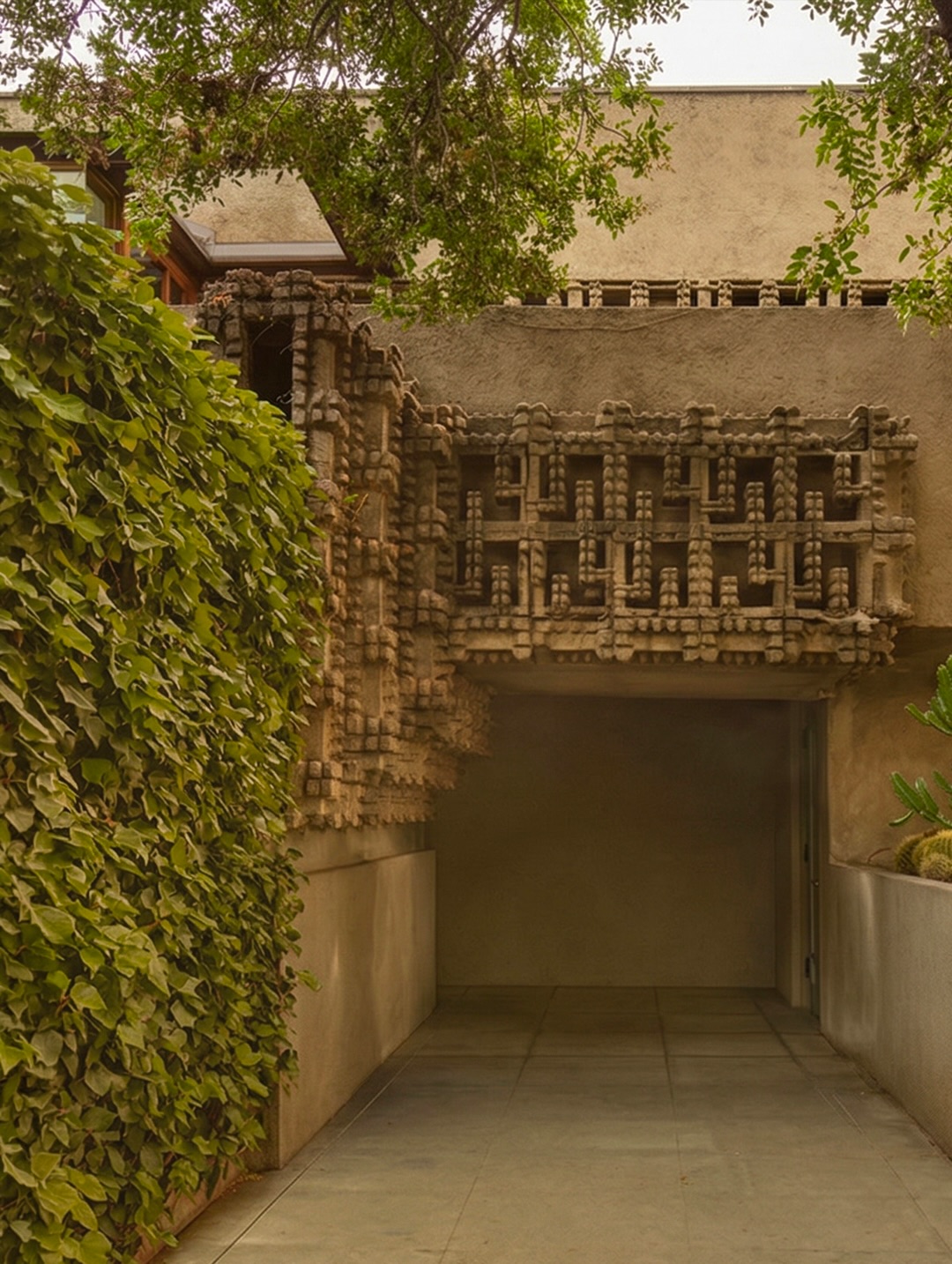
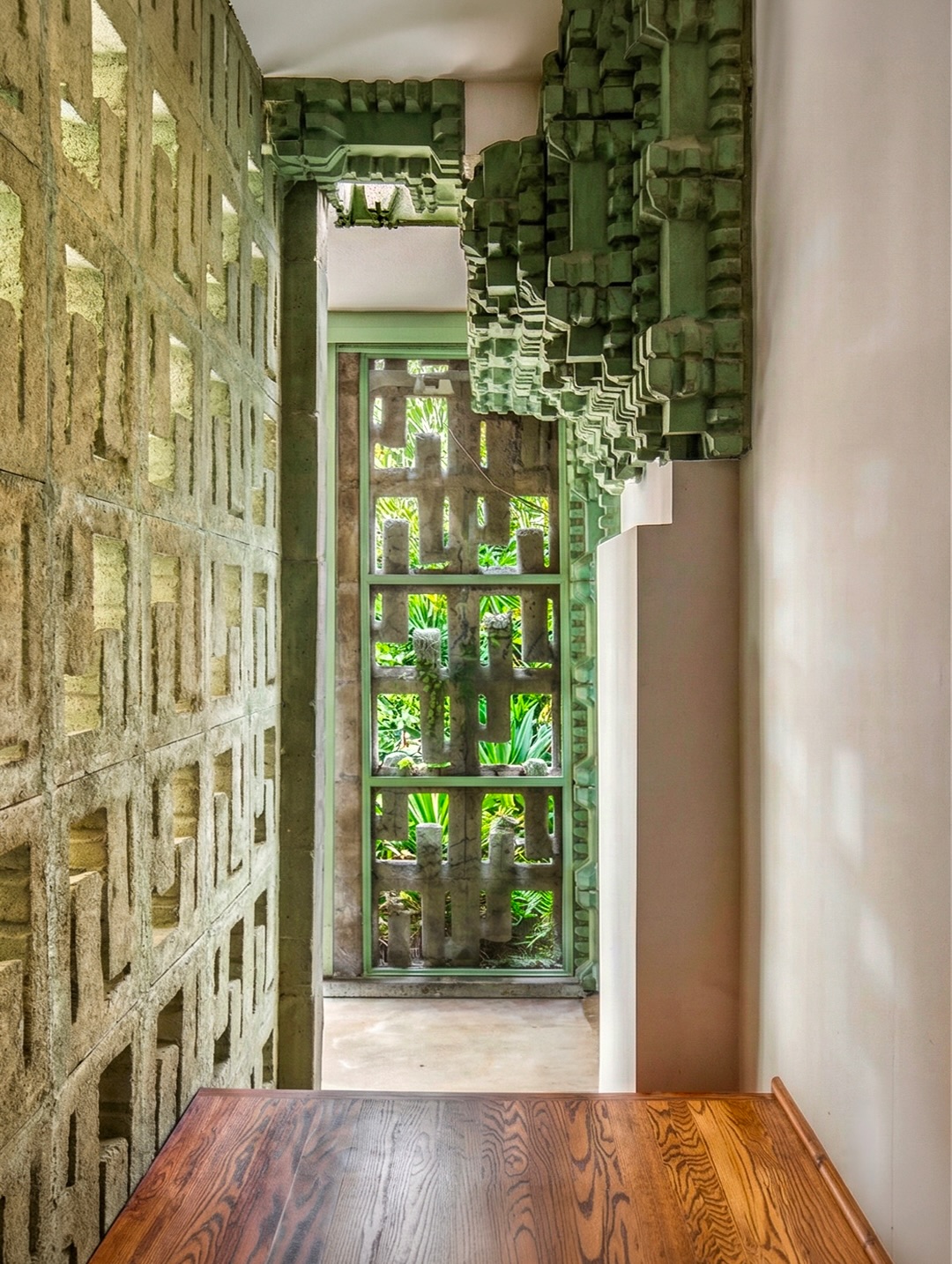
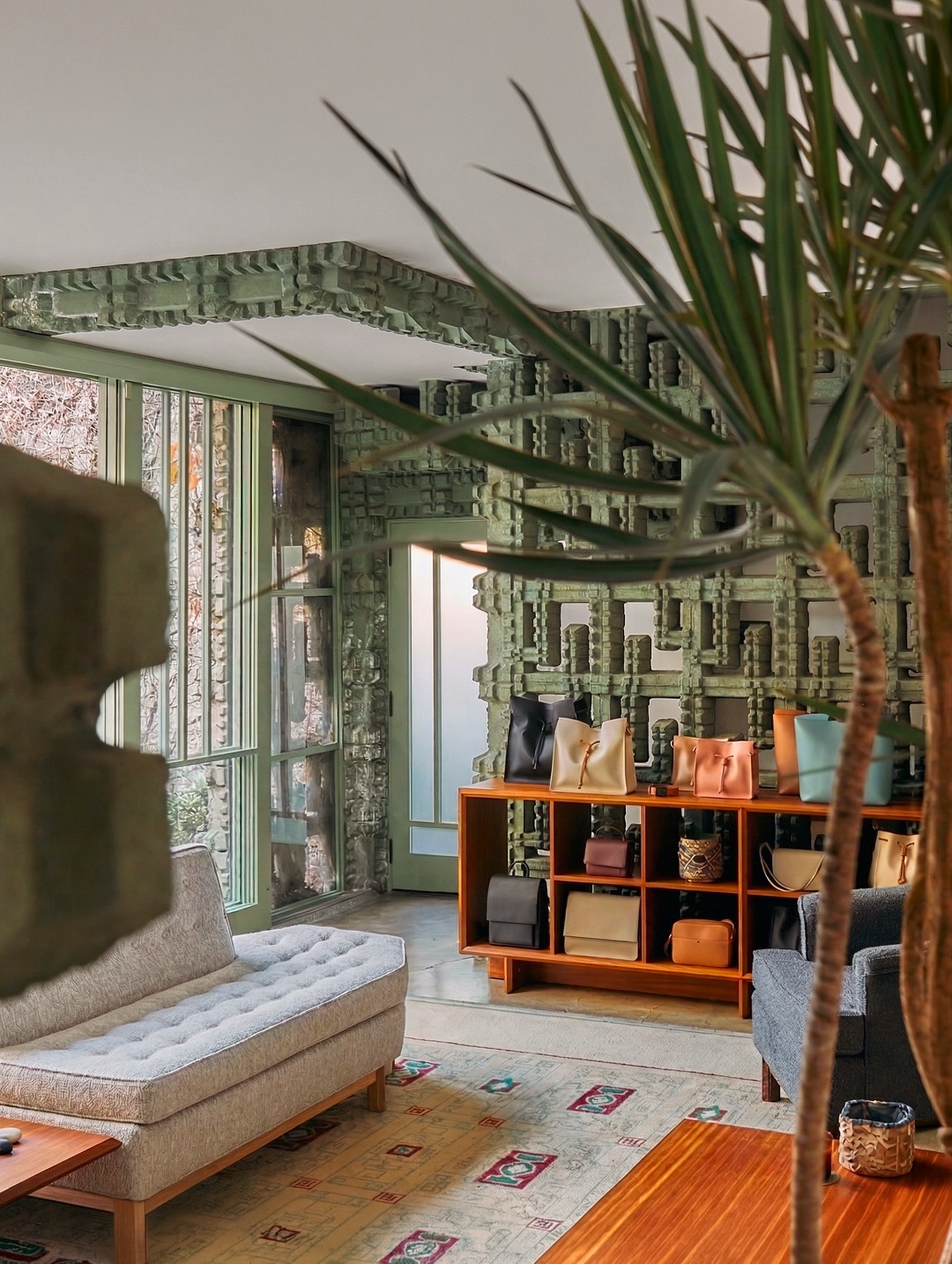
I think the architects drew inspiration from the Woolner house, although truth be told I still prefer Woolner over this one…

Once a legitimate blog. Now just a collection of memes 'n menz.
Vault House, Keisuke Kawaguchi + K2-Design, Shizuoka, Japan, 2011
I think the architects drew inspiration from the Woolner house, although truth be told I still prefer Woolner over this one…
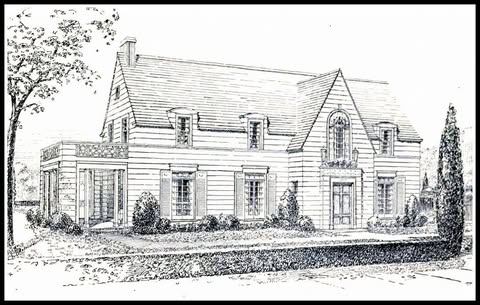
I’m a sucker for Art Deco.
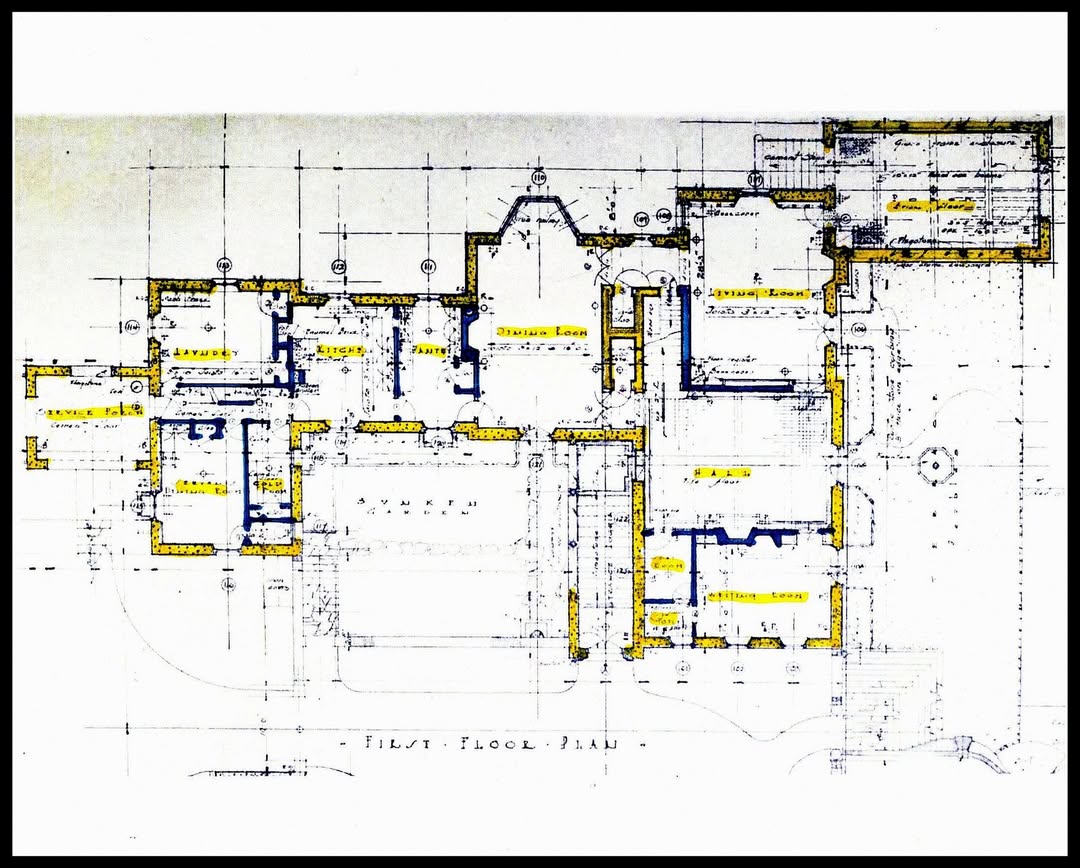
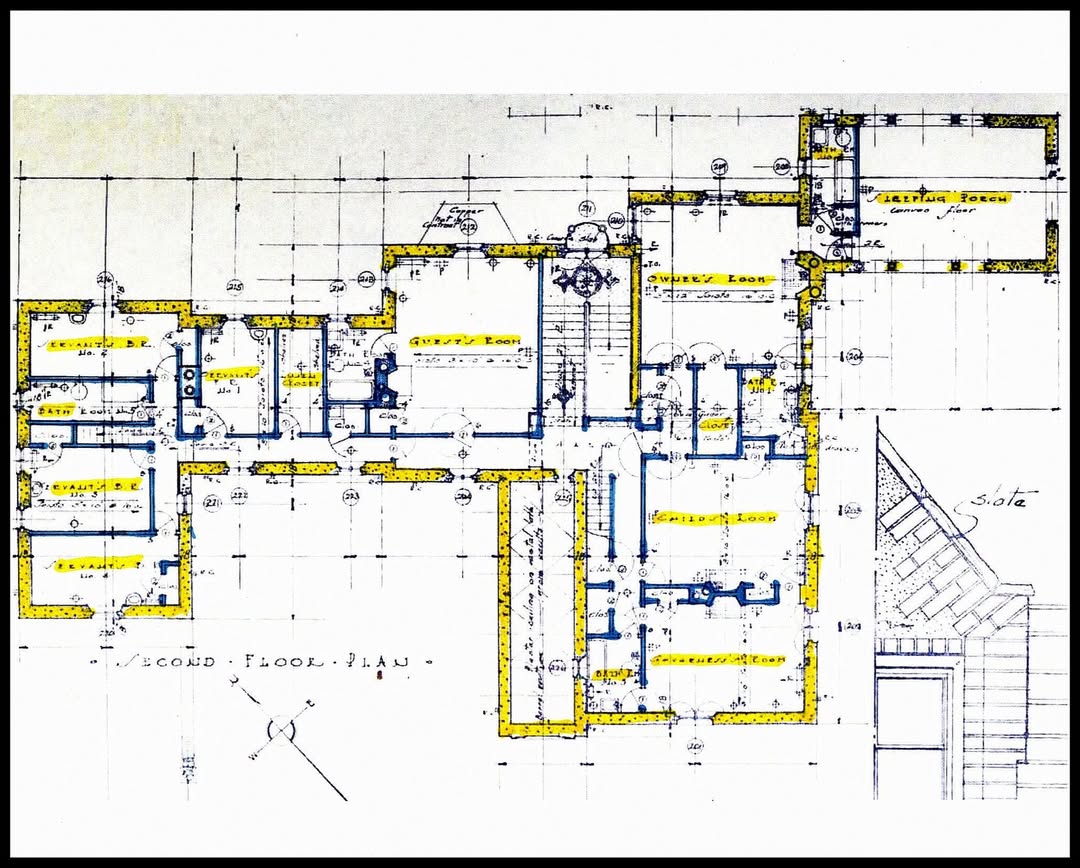
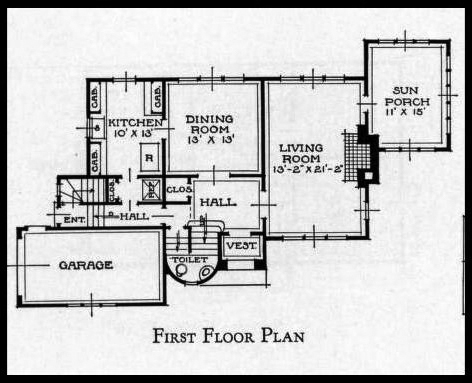
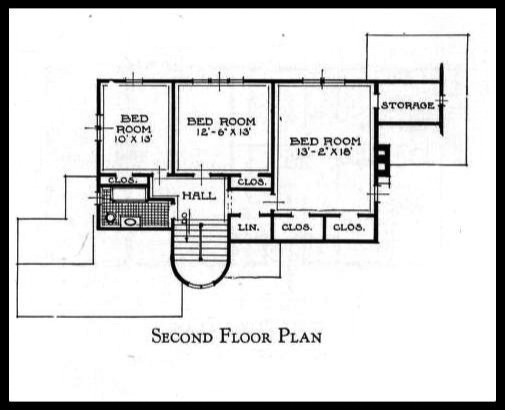
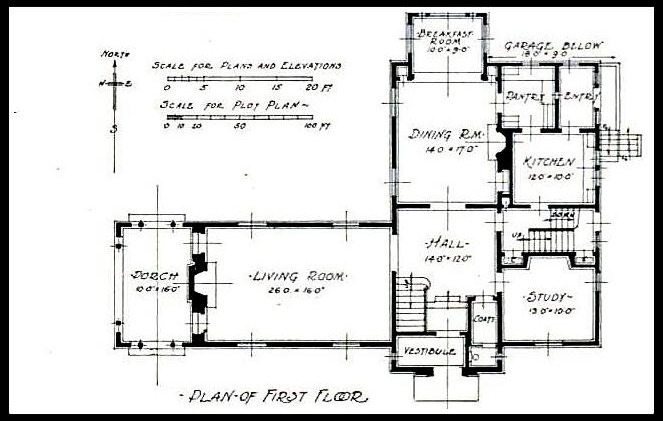
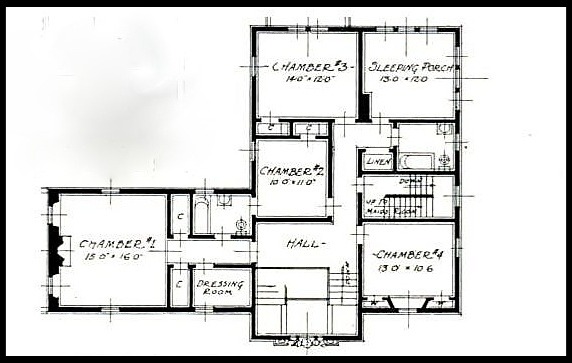
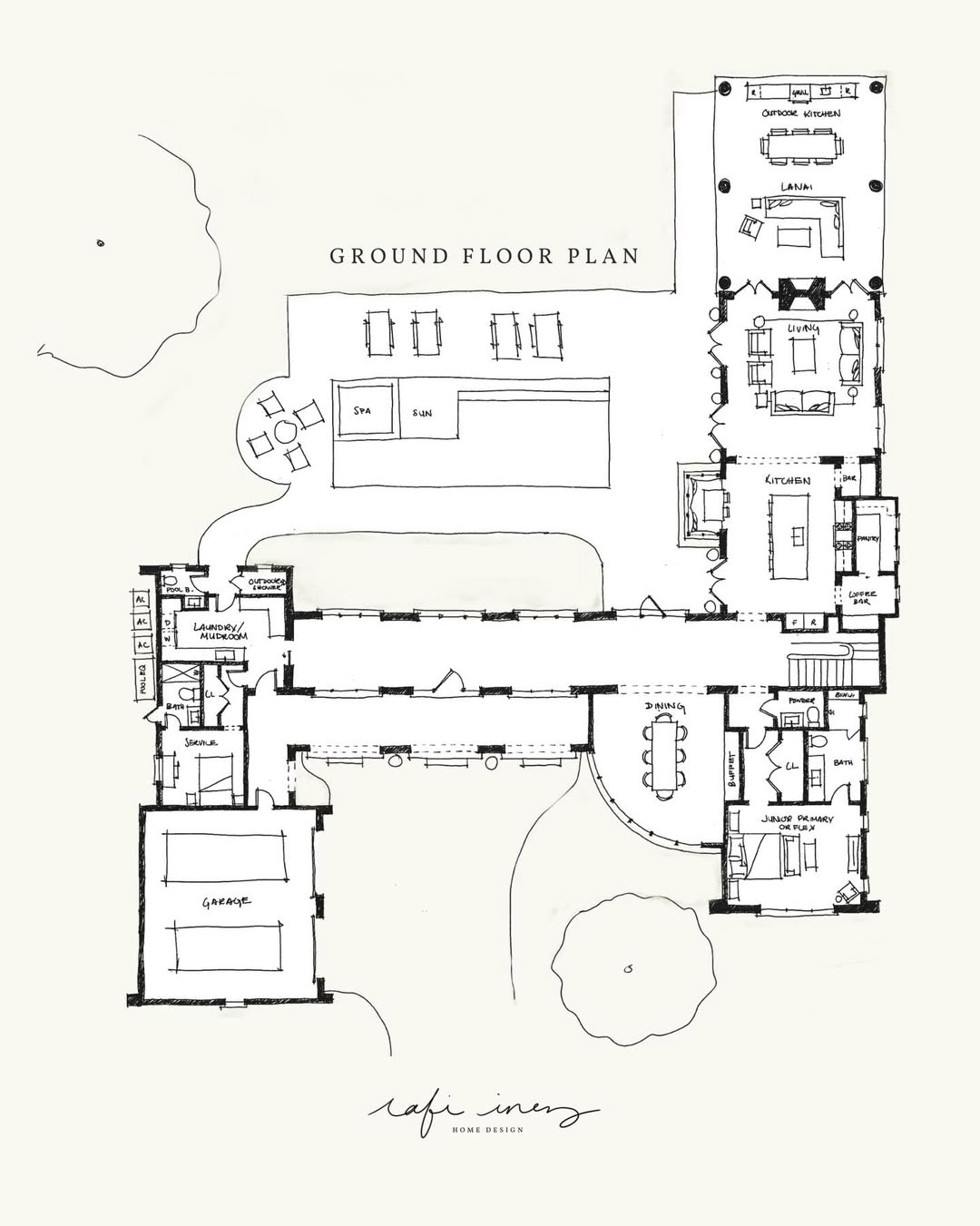
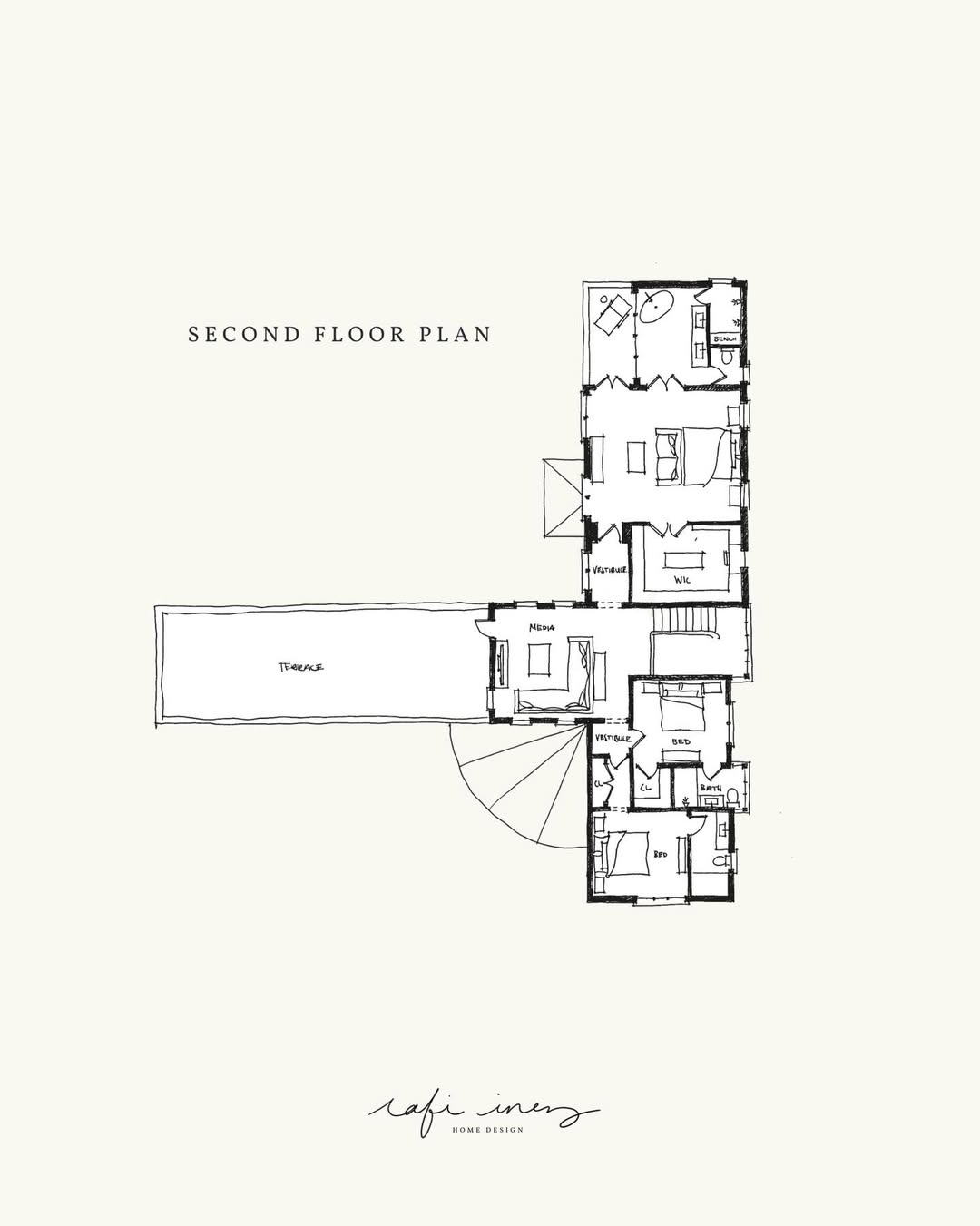
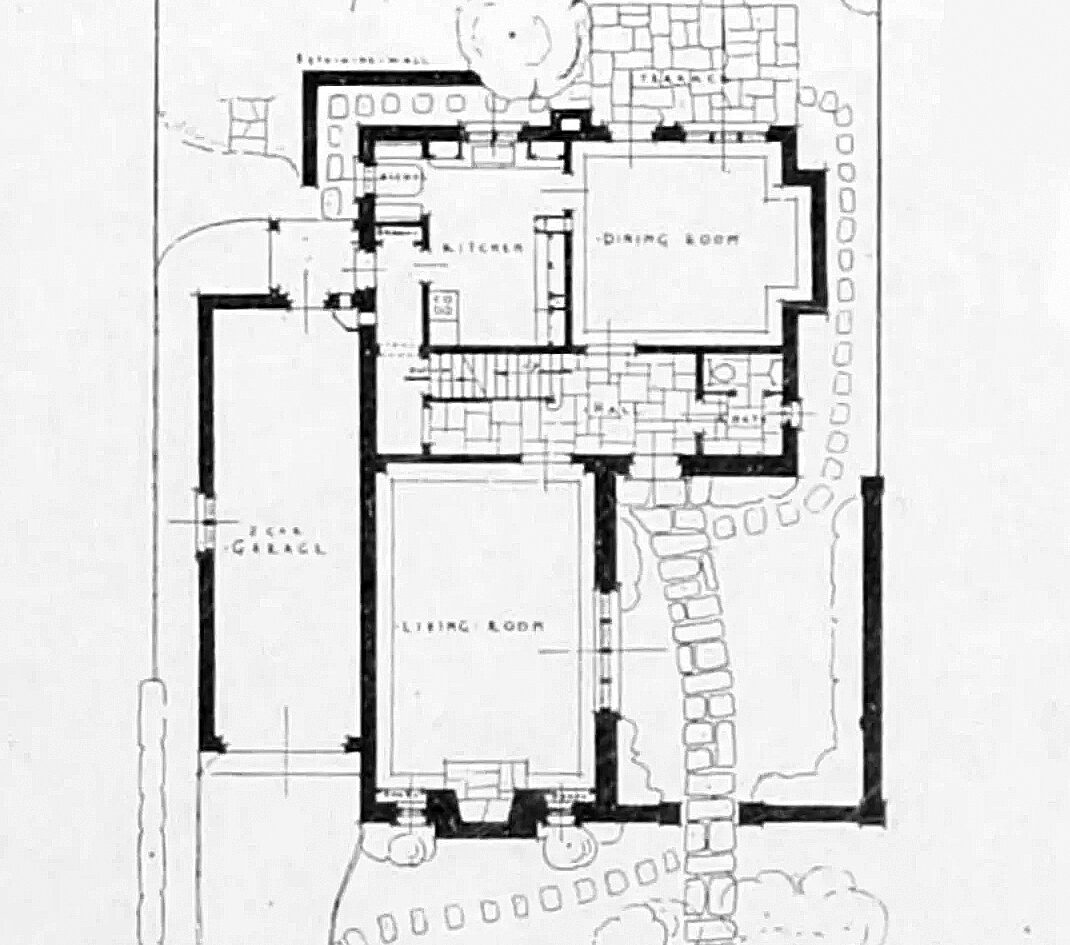
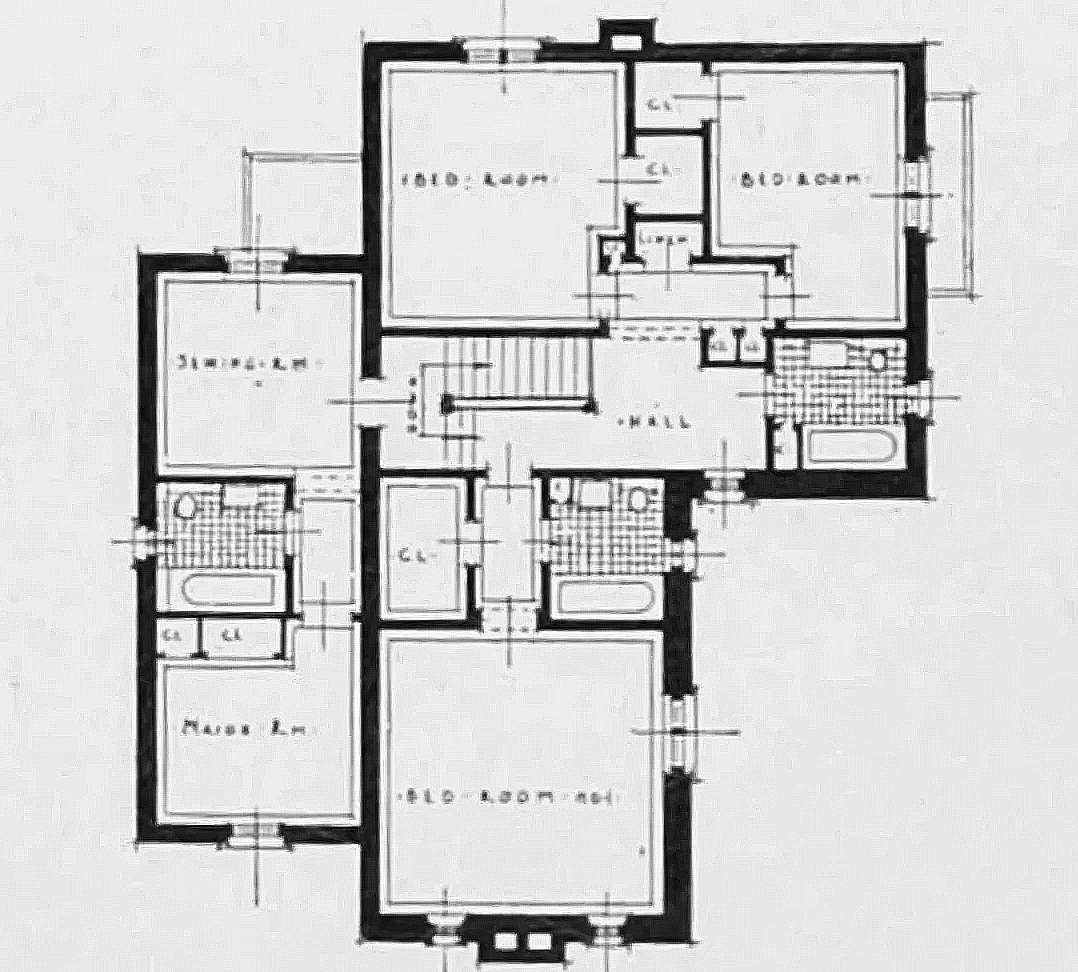
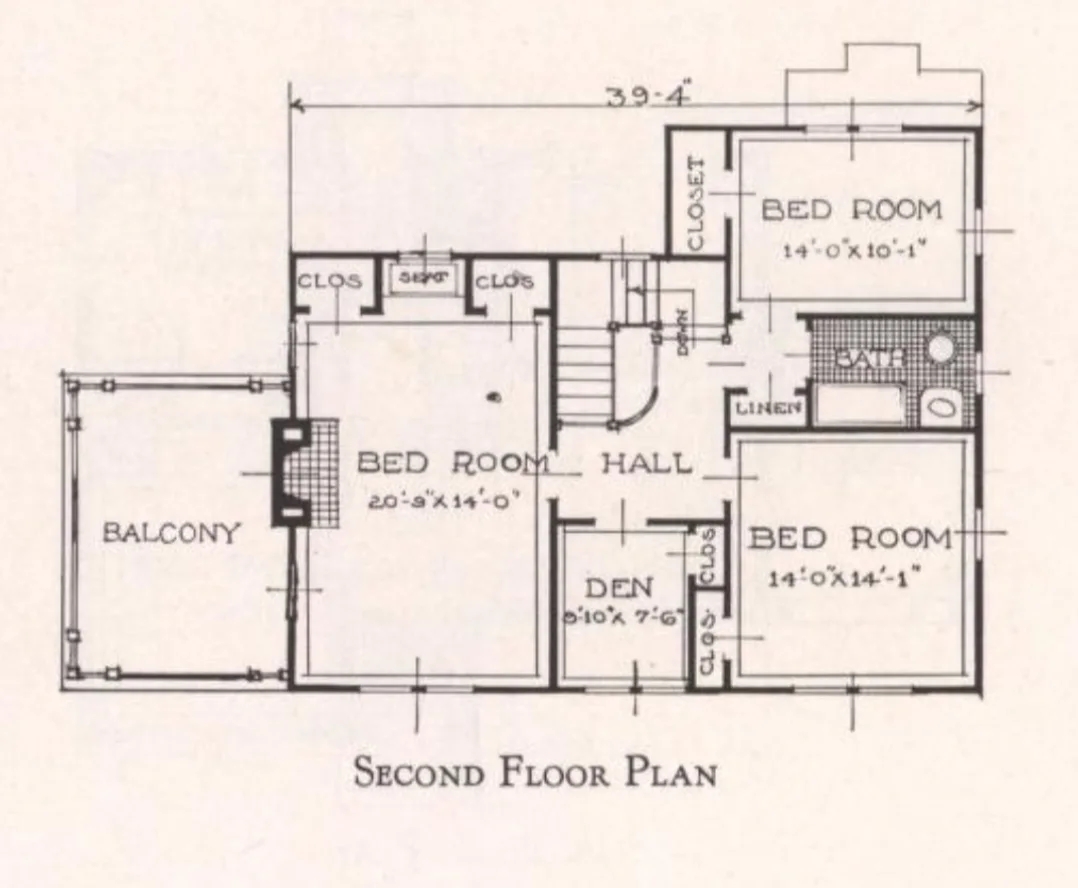
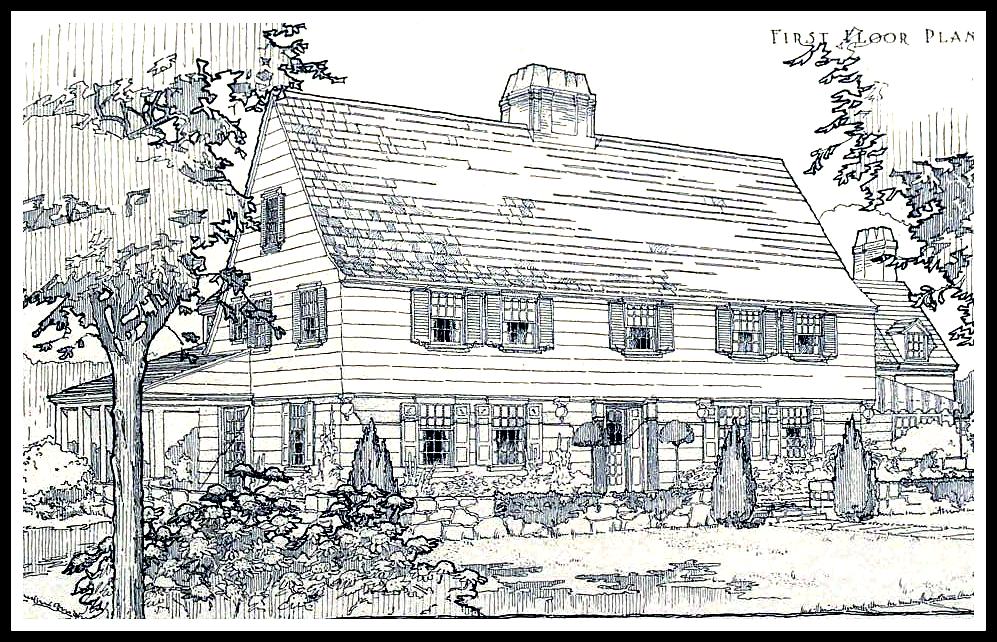
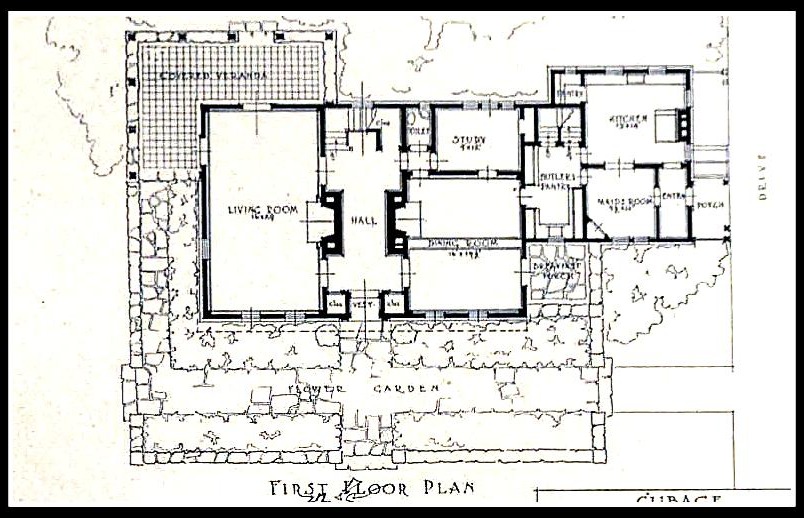
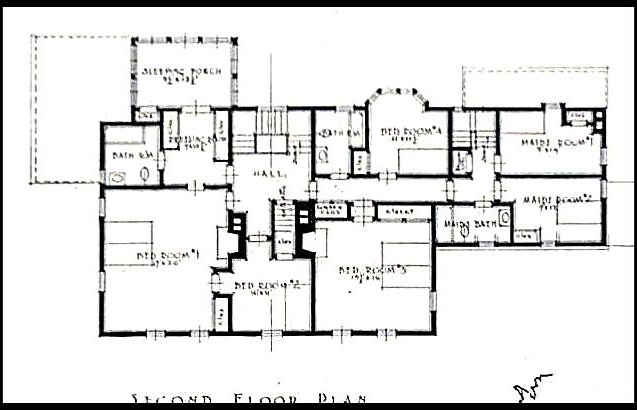
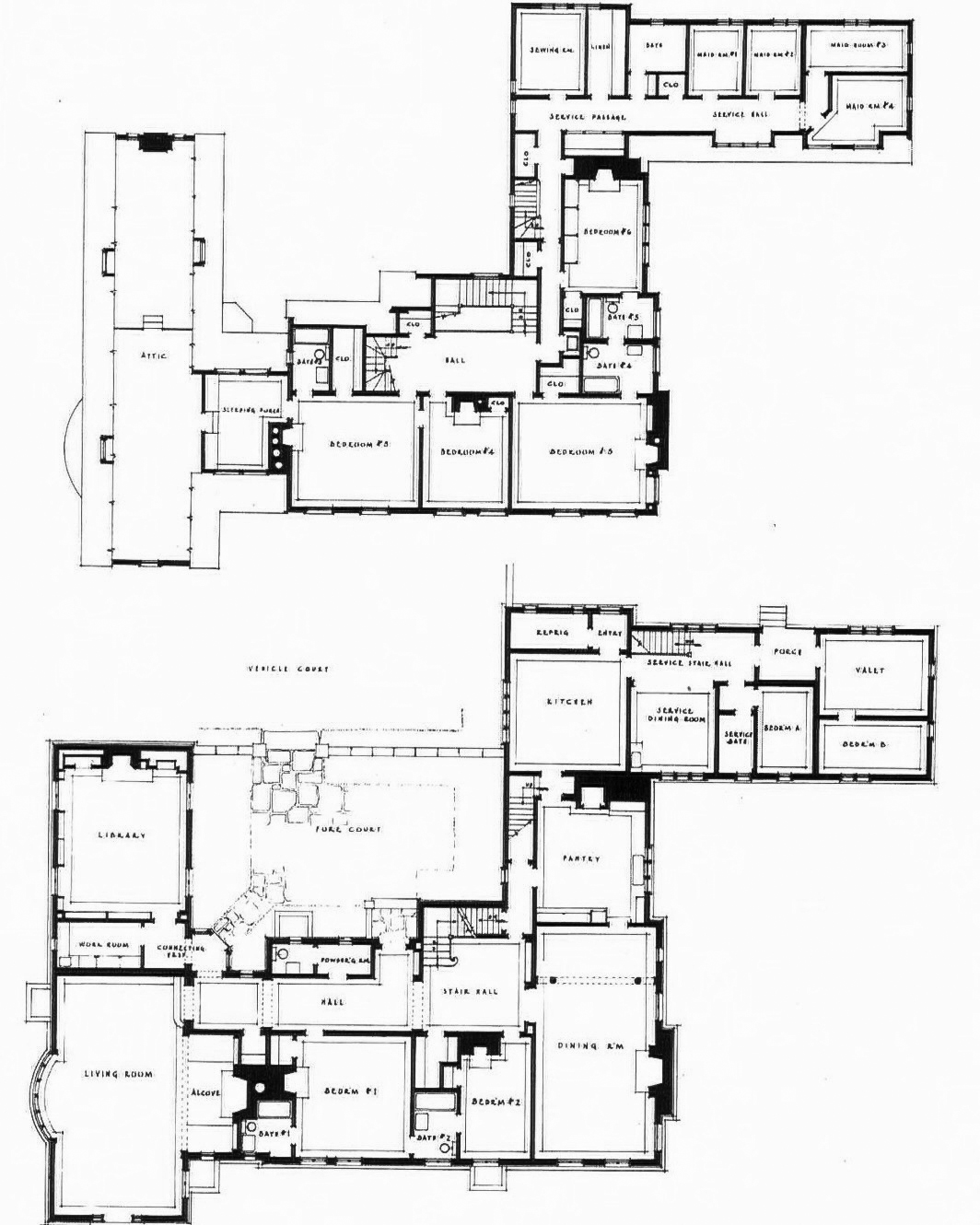
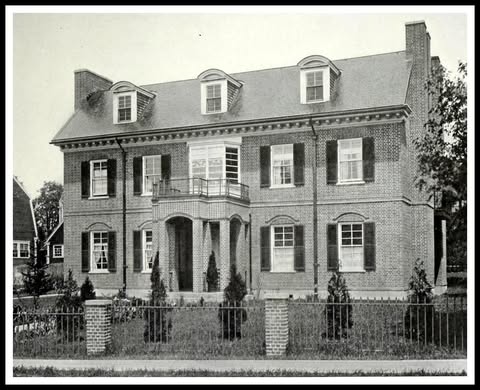
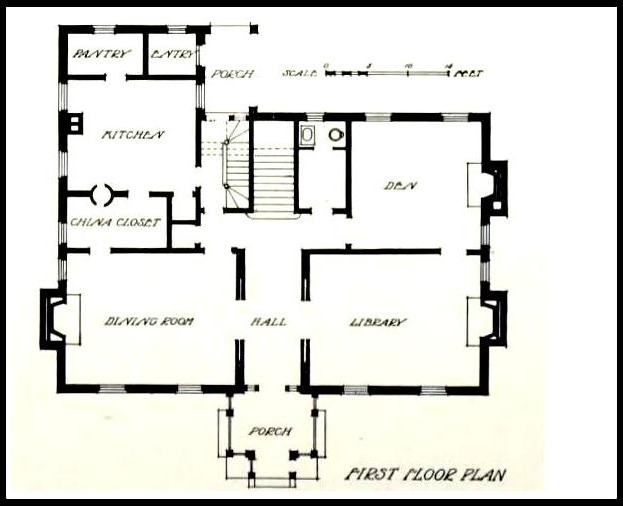
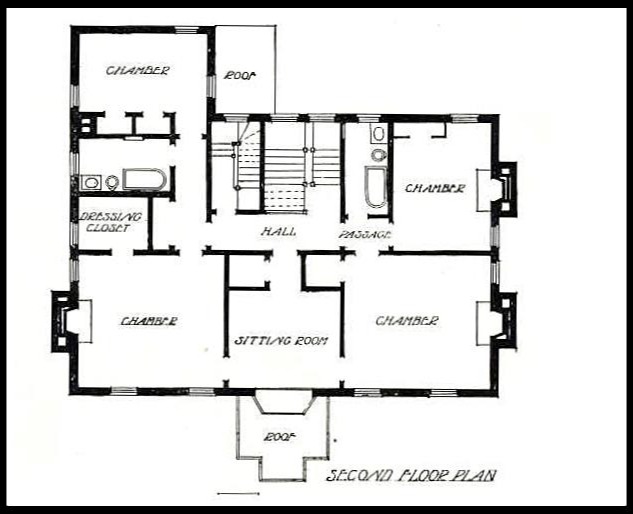
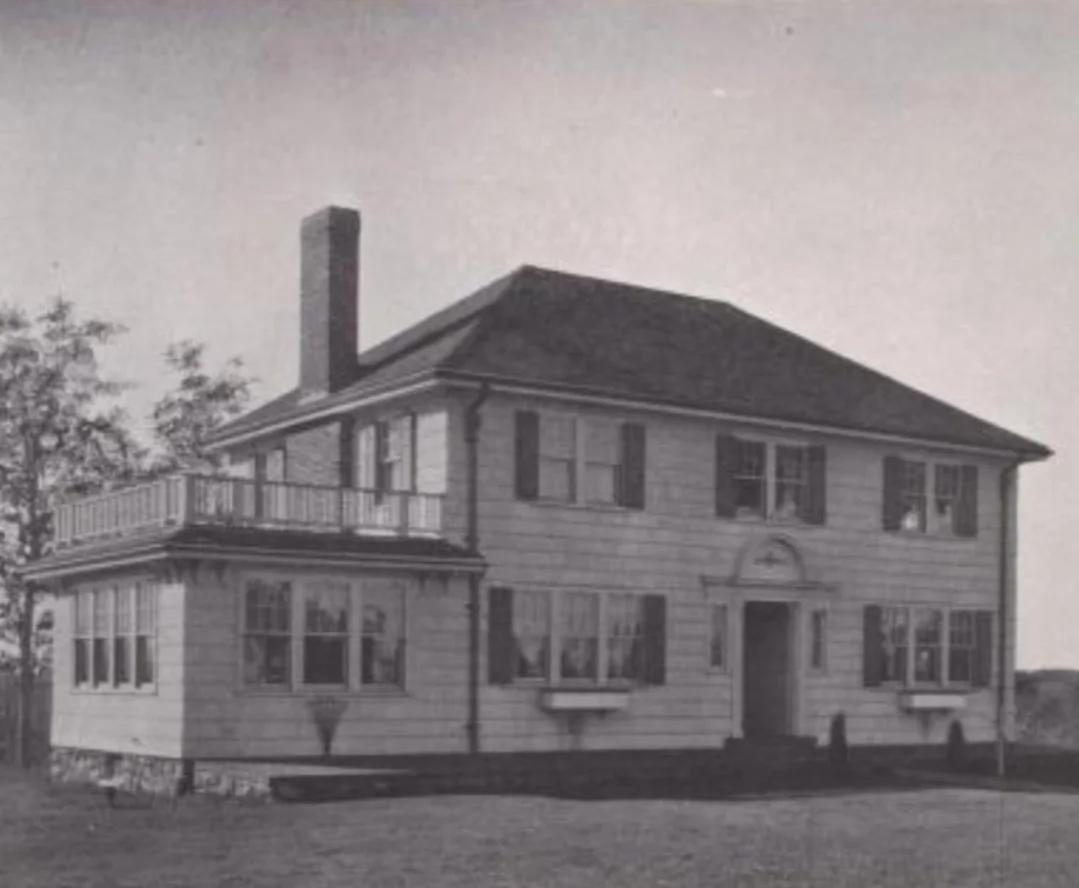
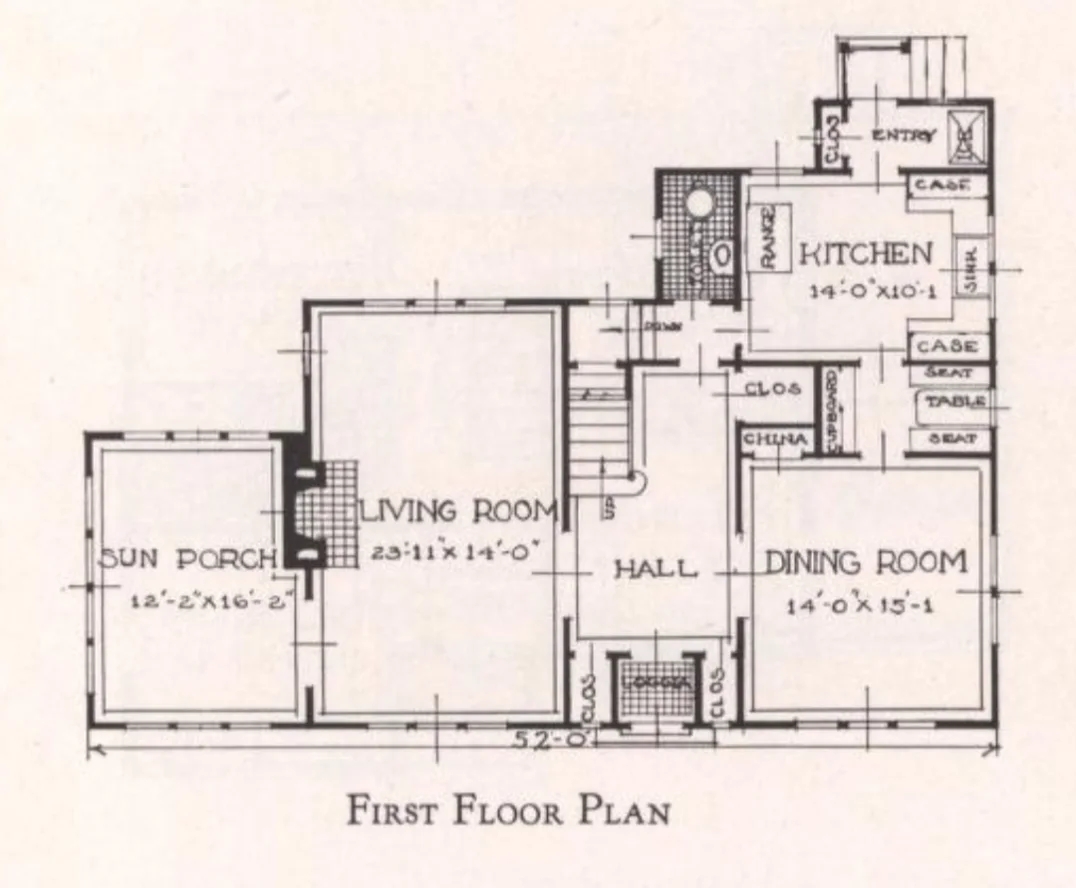
I would, however, rework the “Service Porch” downstairs to turn it into an office and knock out the wall between the kitchen and dining room. Upstairs, I would knock out the wall between the two bedrooms at the left and run a wall (with a door from the hall to the newly-enlarged bedroom) where the stair railing is on the left side of the hall.
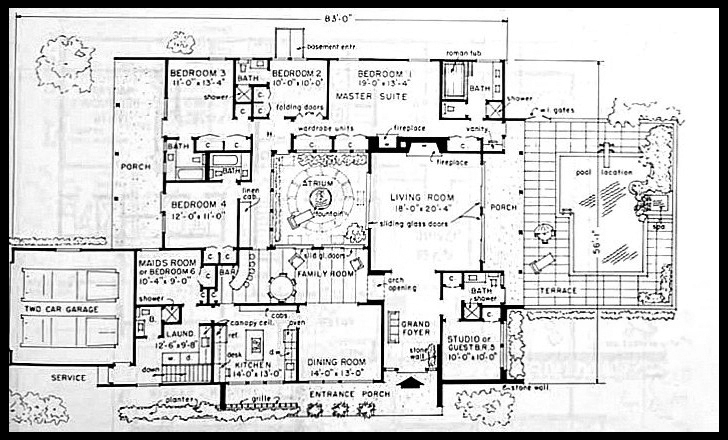
Built in 1962, this Modernist home in Los Angeles was designed by architect Carl Maston as his personal residence. Because of the steeply sloping site, the swimming pool had to be placed in the front—cleverly hidden from the street by a walled embankment.
A USC graduate, Maston went on to design more than 100 buildings across Southern California, each showcasing his inventive, livable approach to modern design.
When asked what inspired him to create this building, Agustín Hernández replies: “The pre-Columbian architecture of Mexico.” He speaks softly and exudes happiness. The path through the building is dramatic and accessing it is not hazard-free, as the gangplank is built without a railing and there is thus a drop of several meters either side. The metal entrance gate slides into the wall in a manner distinctly inspired by sci-fi, and then up spring-mounted steps visitors reach a cavernous room with the same concrete surfaces found on the exterior. Models that look more like sculptures than houses are scattered throughout the space. Hernández explains the architecture of a military academy with the aid of one of these. He built the facility in reference to the monumental pyramid cities of Chichén Itzá, Monte Albán and Teotihuacán. He points out how a pyramid-shaped structure forms the end point of an axis one kilometer in length. The abstract mega-structure appears at once archaic and futuristic. [more]
Other than not using metal hurricane tie downs and other common US construction techniques, why isn’t this used here? Looks extremely sturdy…
…I dreamt of living in this building.
In 1972, this was the future…
Yes, please! Absolutely gorgeous…
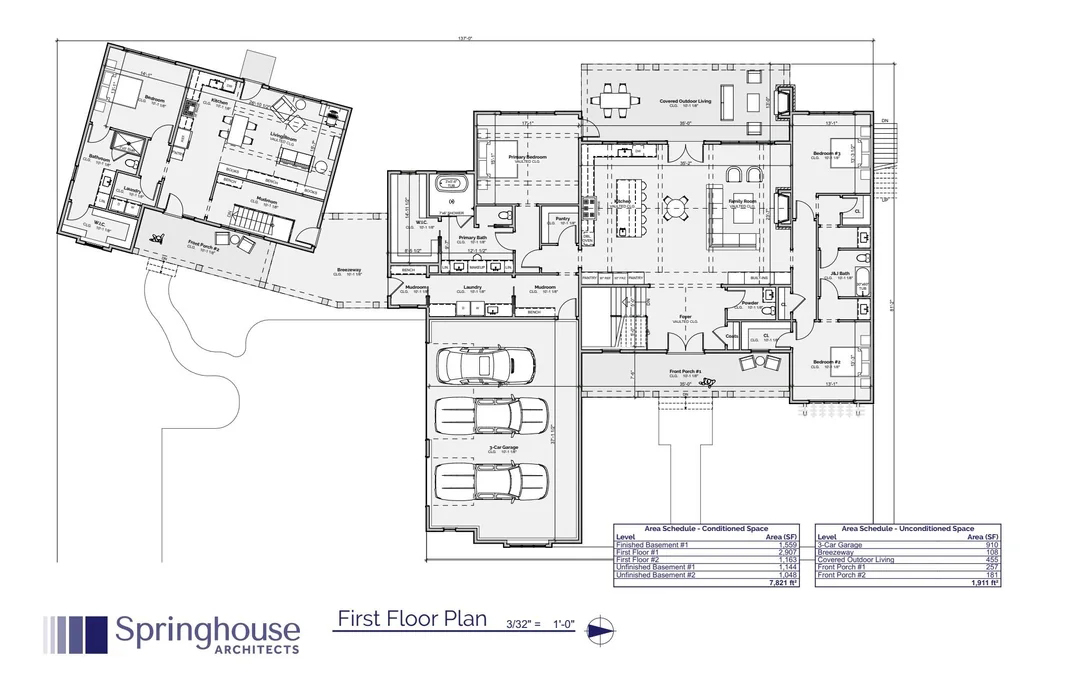
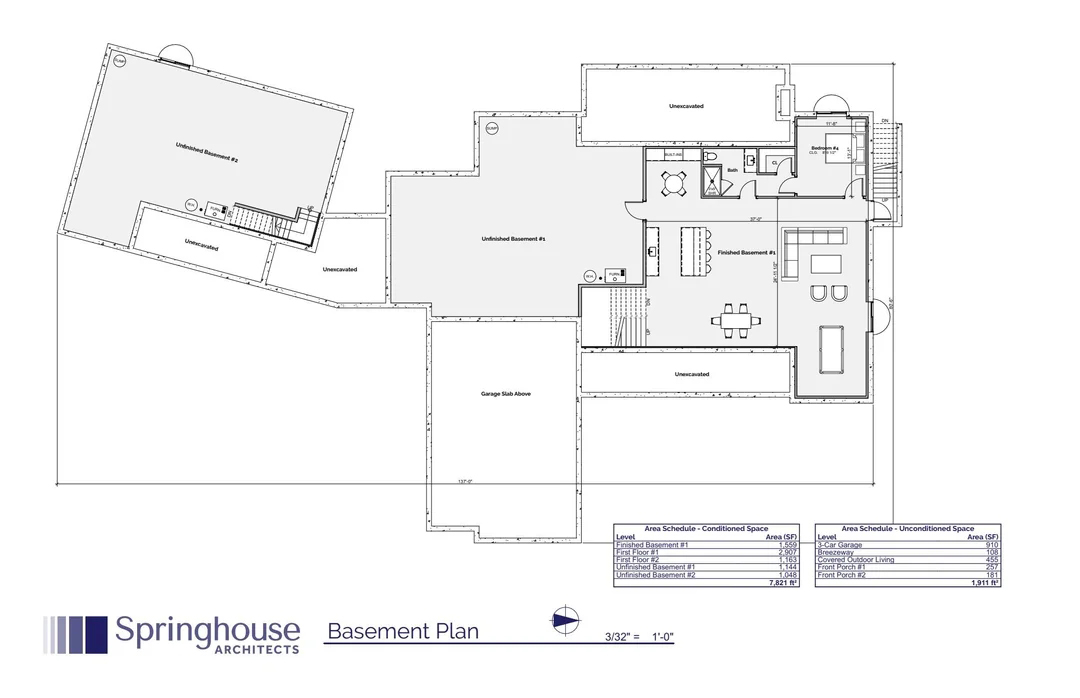
The Farm, an hour east of Toronto, is a 30-hectare haven in Southwestern Ontario, offering a serene escape for the client, their family, and friends. This picturesque retreat features an array of buildings artfully integrated into the natural landscape, designed to resonate with the site’s rich history and stunning beauty.
The centerpiece of The Farm is the main house, a contemporary reimagining of a traditional longhouse. Stretching 48 meters in length and oriented eastward to greet the morning sun, the house boasts a sleek exterior of charcoal-stained cedar complemented by a matching metal roof. The design elegantly distributes public and private spaces along its length, including a luxurious master suite with a secluded patio, additional bedrooms, and a versatile loft studio above the garage.
Enhancing the home‘s fluidity, multiple entry points provide seamless access, while the dining room transforms into a breezeway, merging indoor and outdoor living depending on the seasons. The interior palette is a study in refined simplicity, featuring polished concrete, warm white oak, and exposed Douglas fir, creating an ambiance of understated elegance.
The Farm’s grounds are equally captivating. A tranquil Zen Garden invites meditation and relaxation, while an outdoor pool, hot tub, fire pit, and charming guest cabana promise leisurely afternoons and cozy evenings. The pond, situated 70 meters east of the main house, draws wildlife and serves as a perfect stargazing spot. Beyond the pond, a meandering stream with rustic wooden bridges beckons exploration, fostering a profound connection to nature.
At The Farm, every detail is crafted to enhance the harmony between architecture and landscape, offering a retreat that is both a luxurious escape and a celebration of nature’s splendor.
[source]
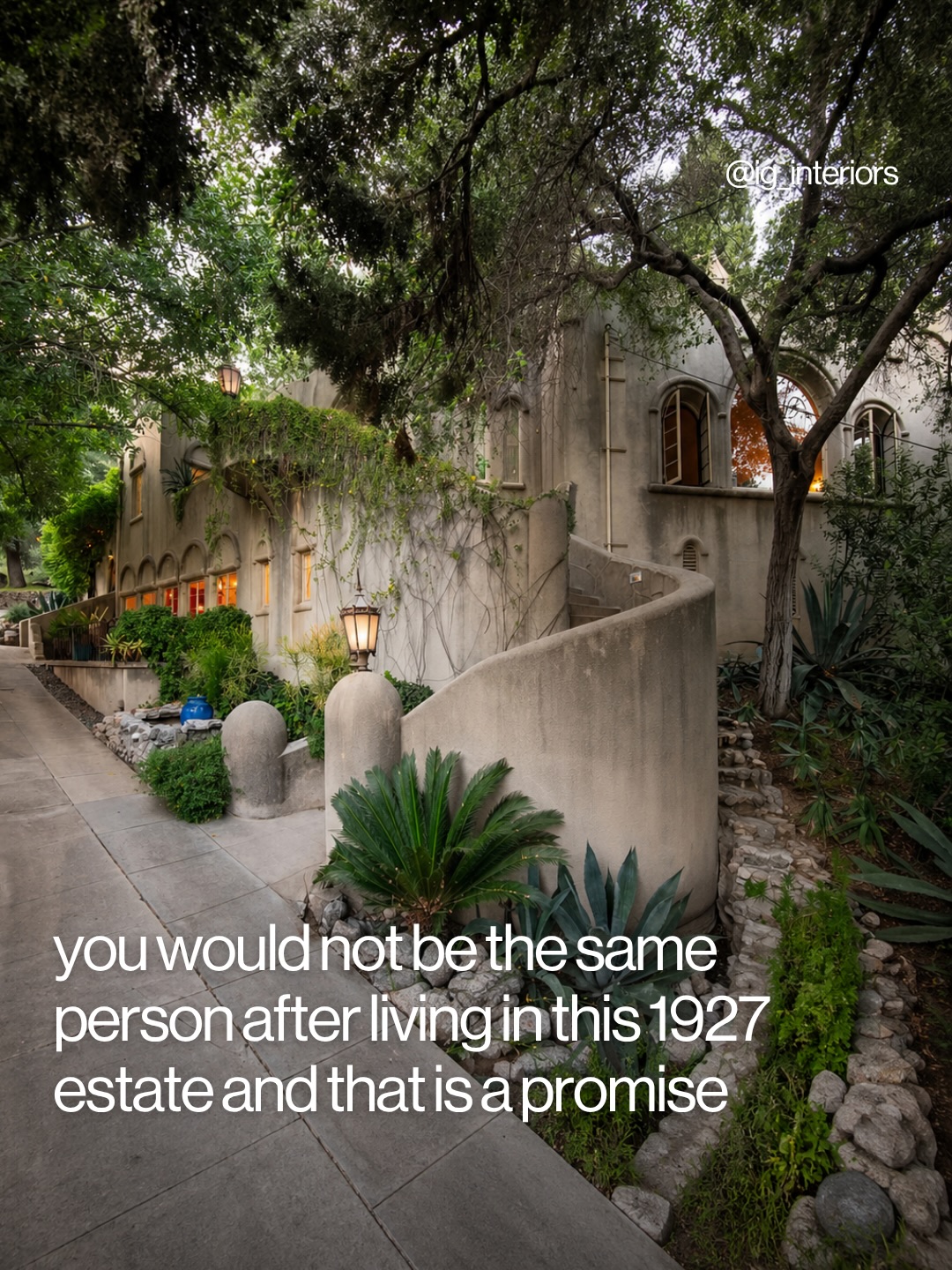
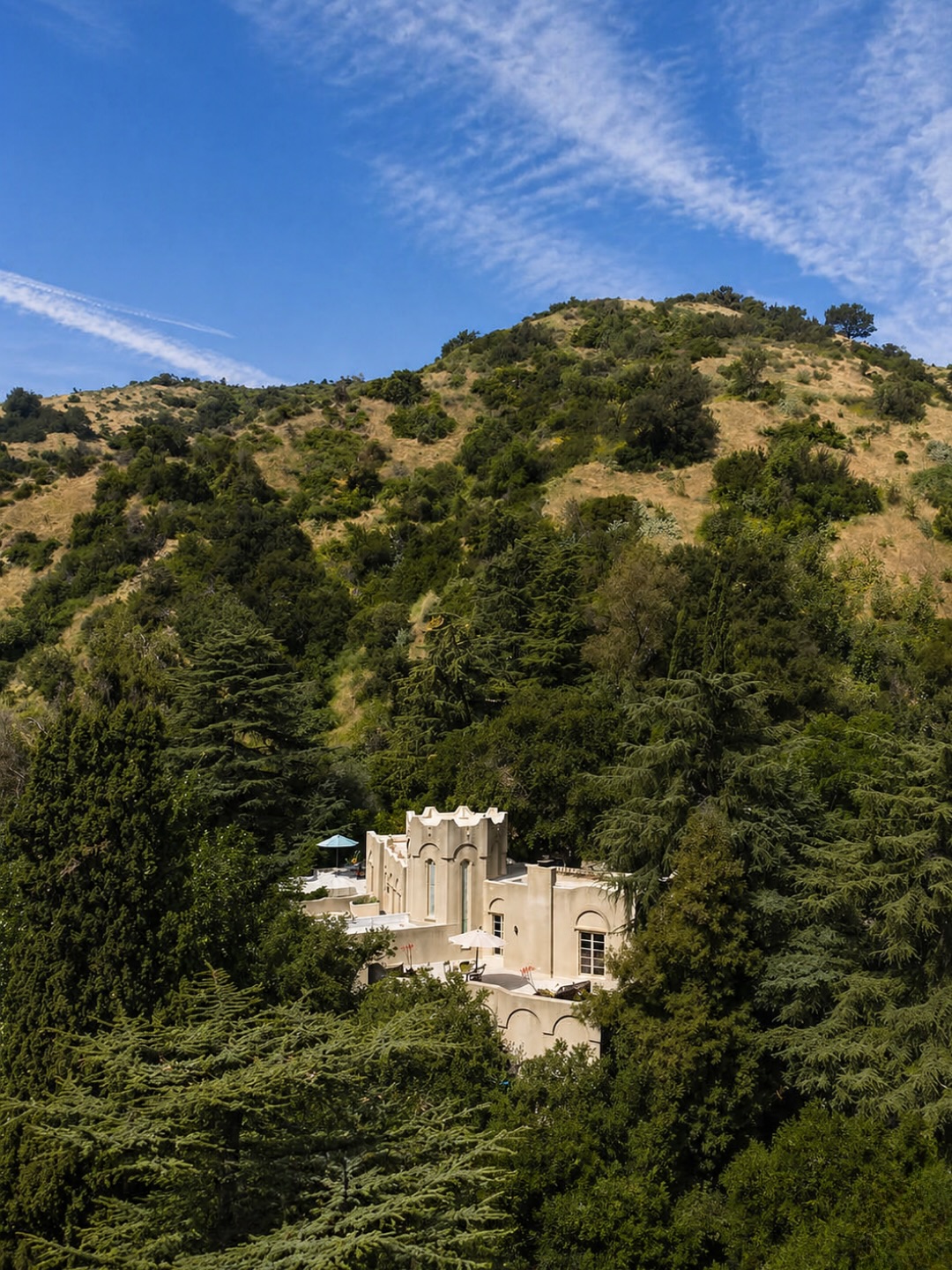
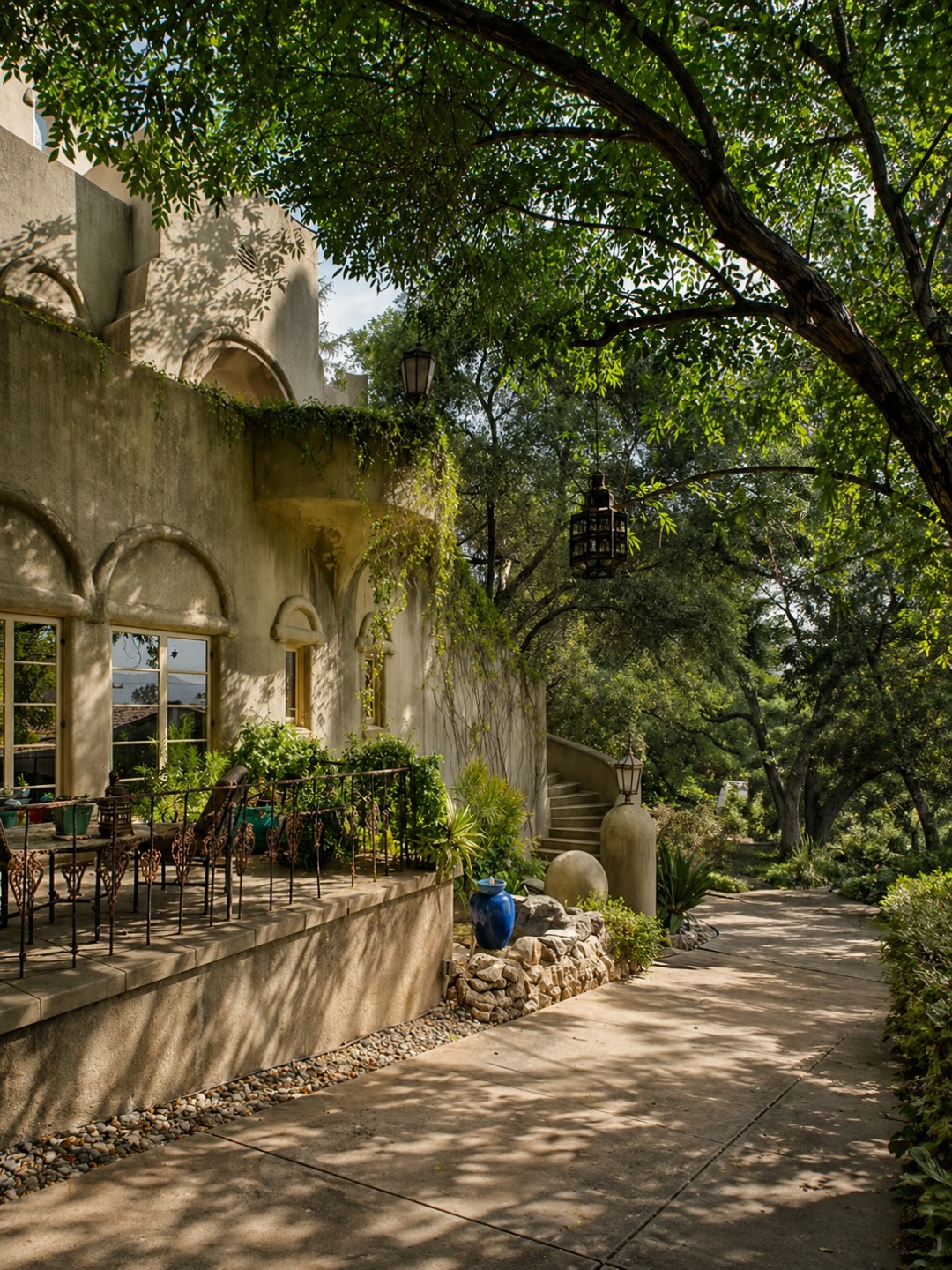
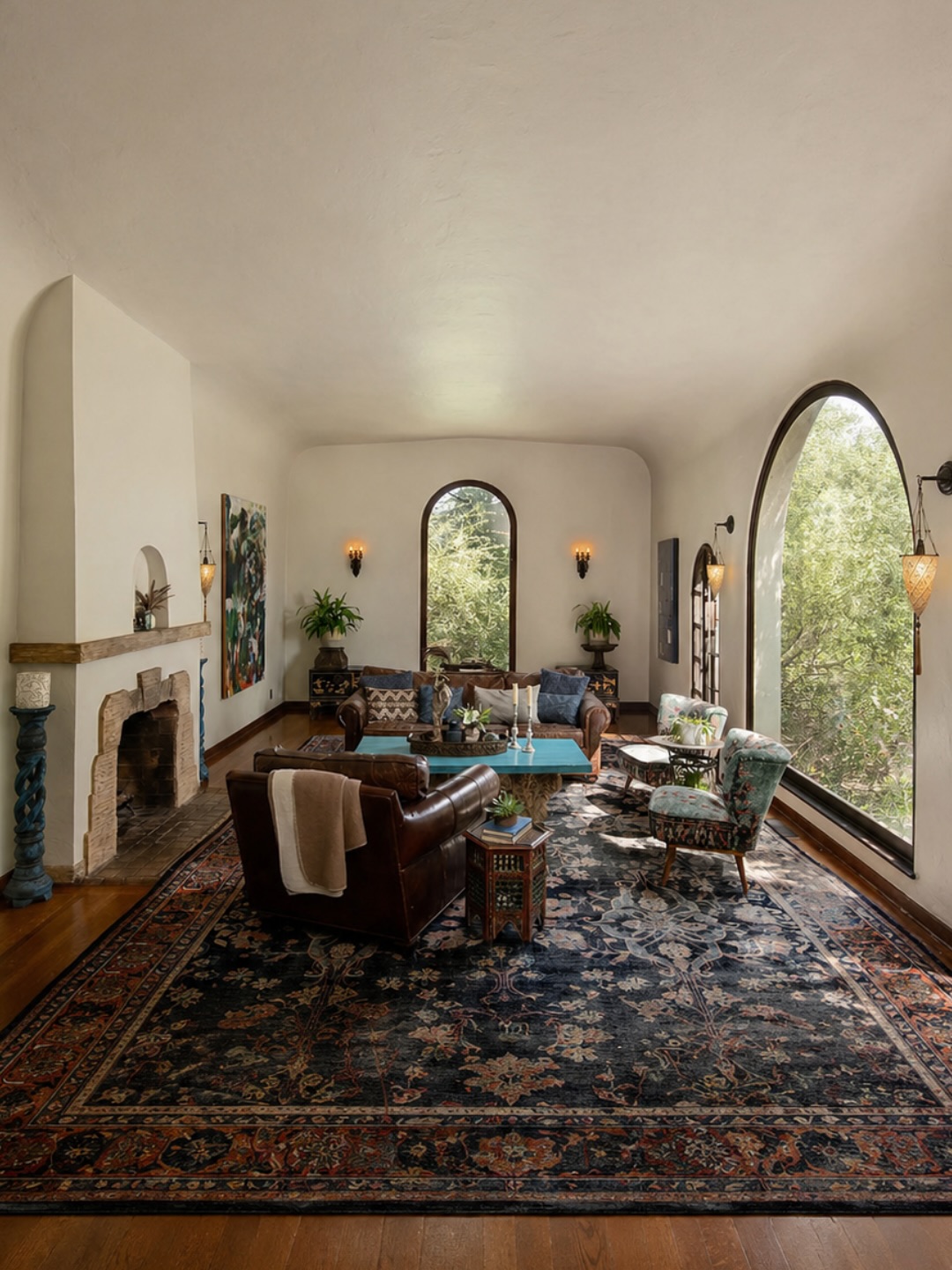
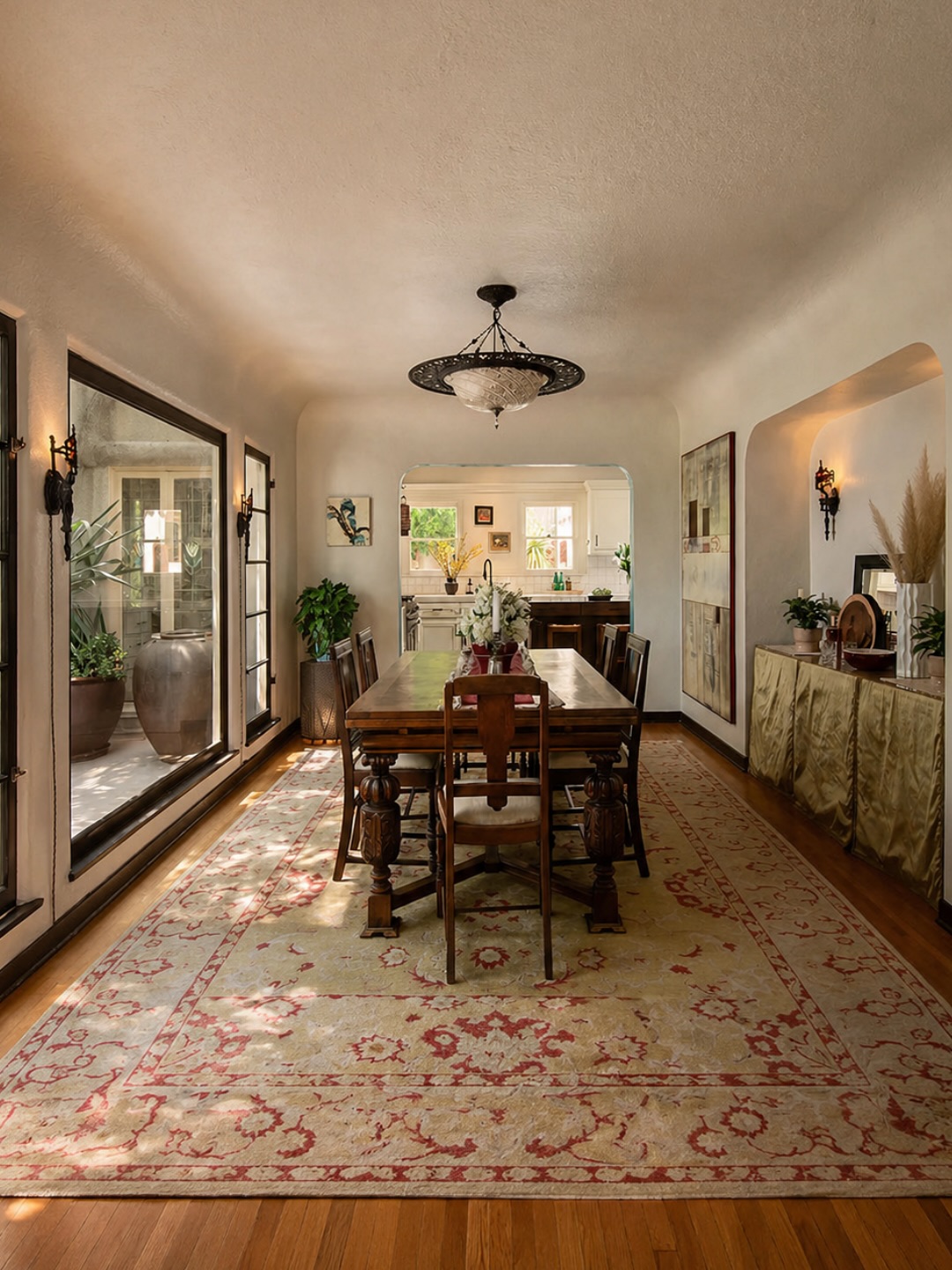
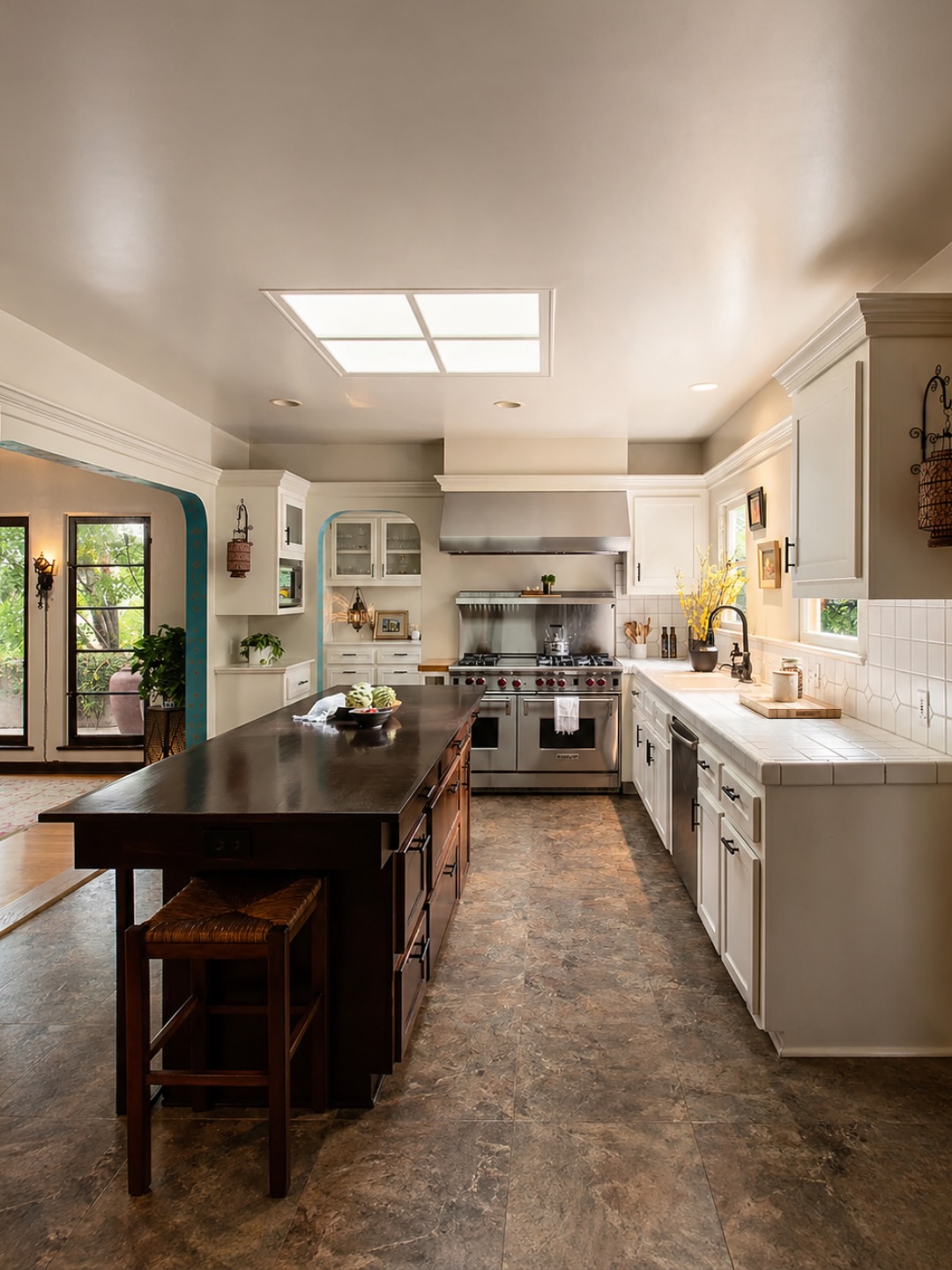
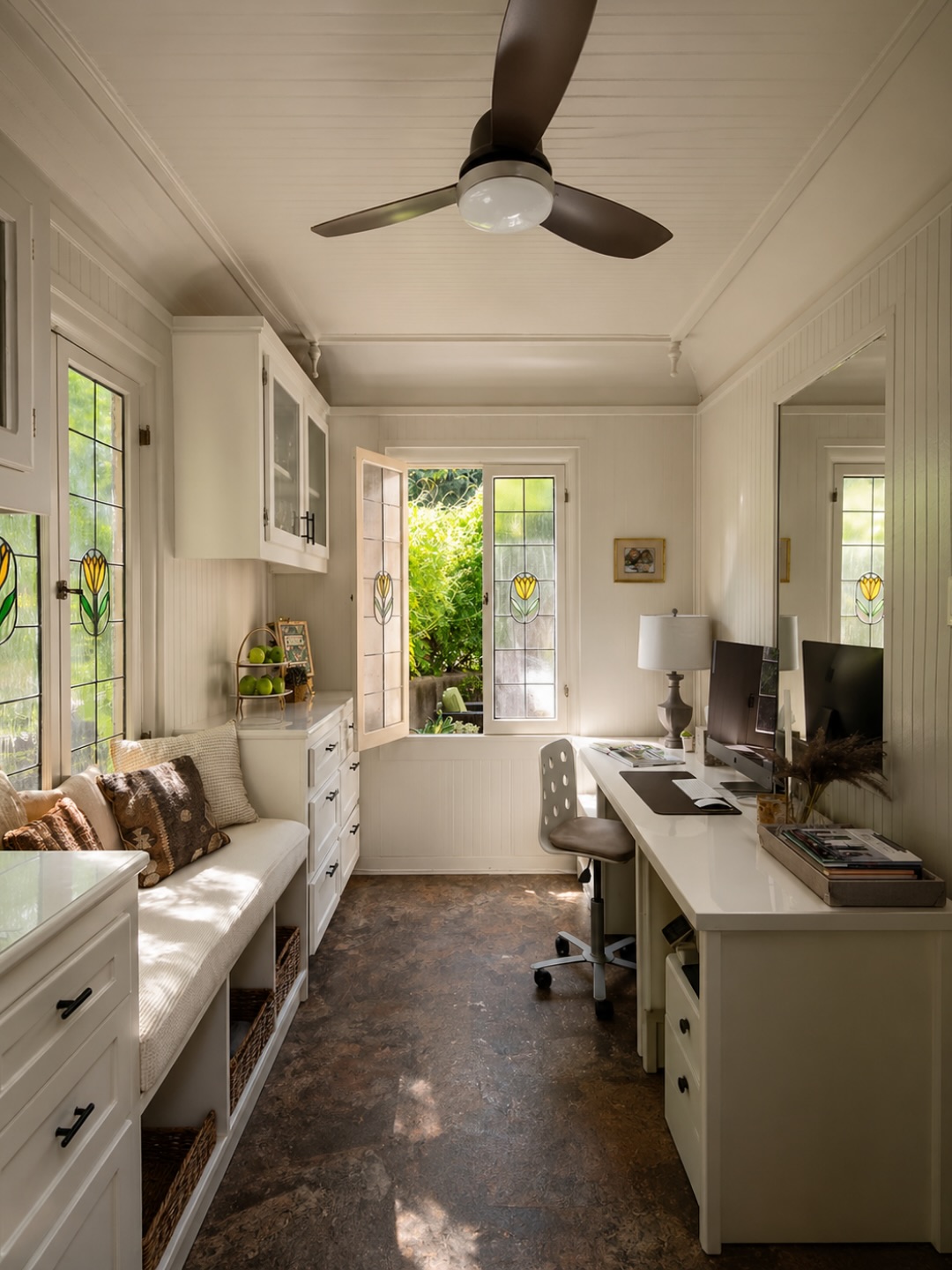
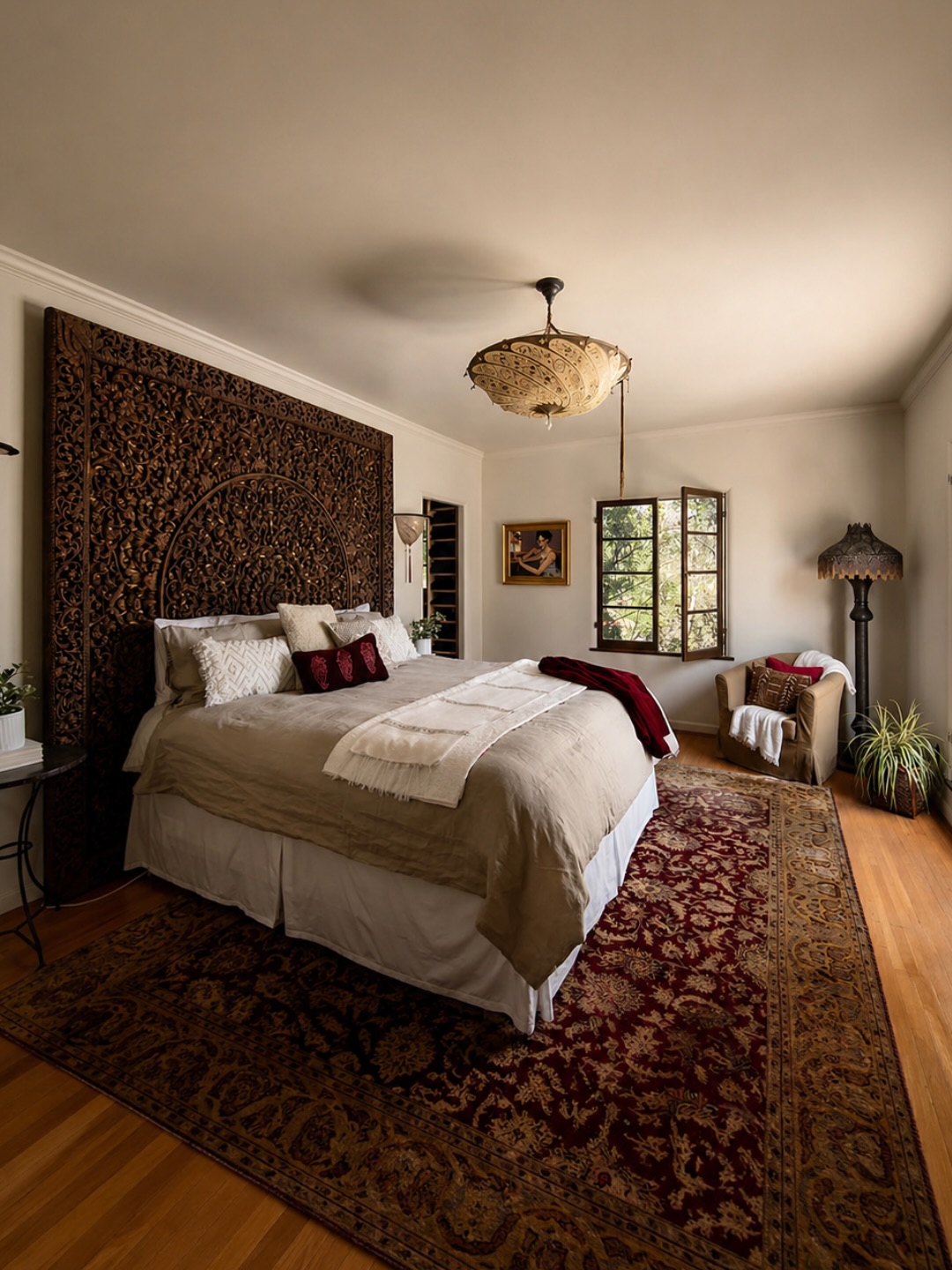
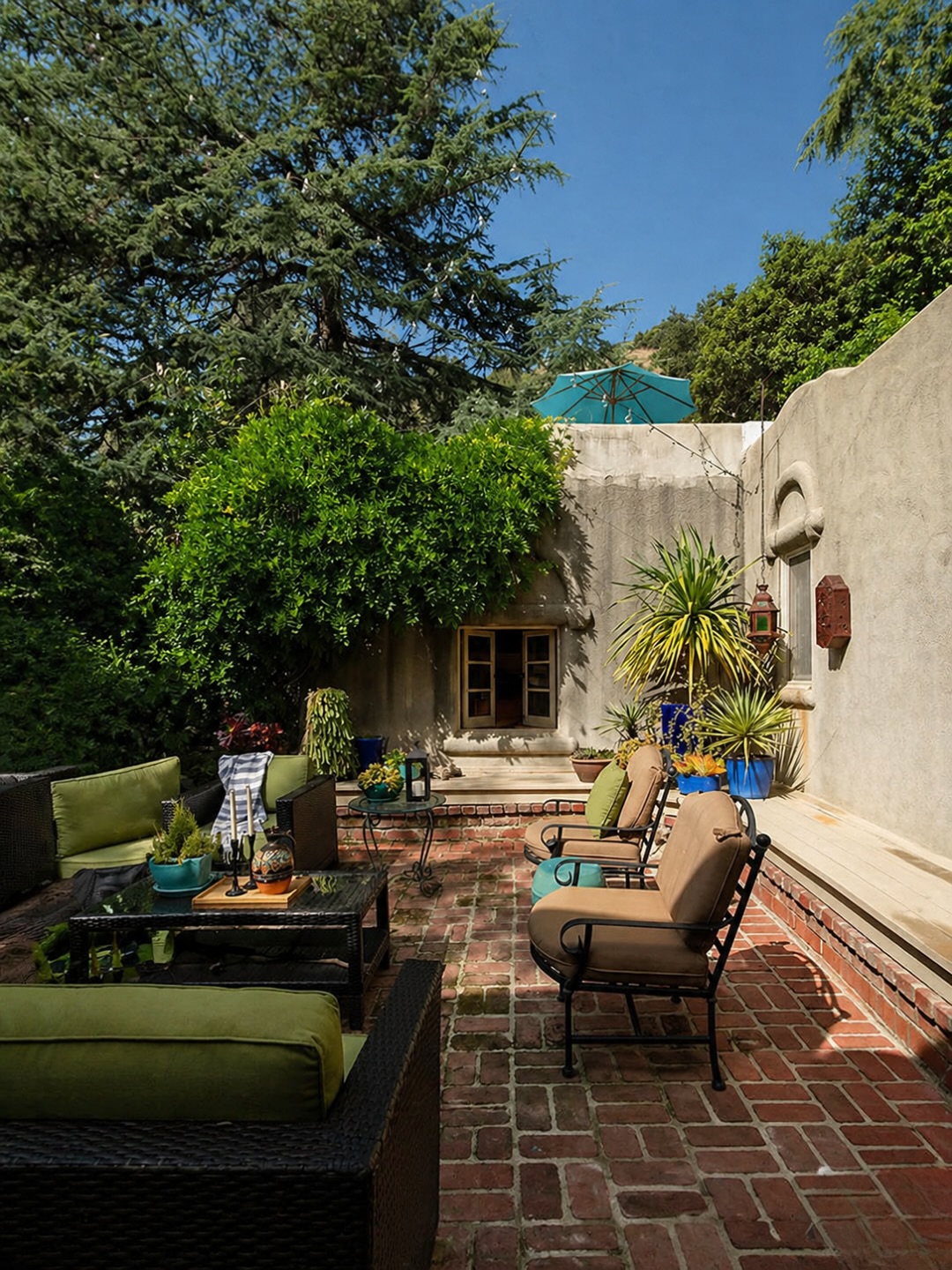
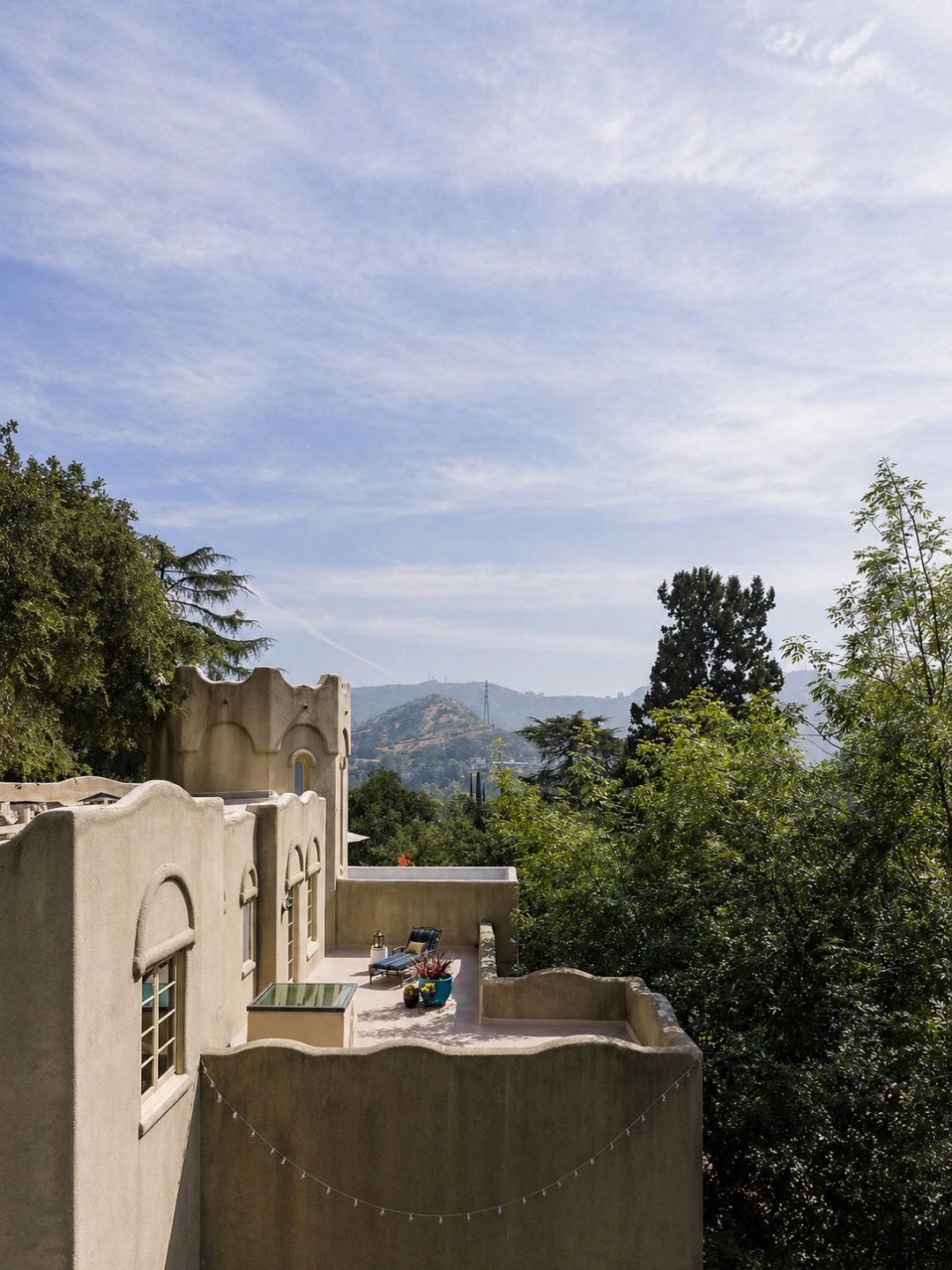
A 1929 Spanish masterpiece, this meticulously preserved residence enchants with sweeping landmark views and timeless craftsmanship.
You enter through a courtyard that features an outdoor kitchen and dining area, arriving inside under a majestic rotunda graced by hand-painted Malibu tiles and intricate wrought iron staircases. Multiple archways, soaring vaulted ceilings, exposed wooden beams, grand fireplaces, and wrought iron balconies evoke an era of refined grace, while stained and leaded glass windows bathe the home in radiant light.
Gather with friends in the sunlit kitchen designed for culinary artistry and open to the front courtyard or relax and read a book by the office fireplace. A dramatic entertaining living room comes complete with a Juliet balcony; downstairs is a home theater, a cozy bar in the family room for your favorite cocktails and then unwind by the cascading saltwater spa before heading off to one of the three en suite bedrooms.
Nestled within the coveted hills of Los Feliz, this estate, formerly owned by actress Olivia Wilde, features four bedrooms, three-and-one-half baths in just under 3300 square feet and recently sold for $5M.
$5M is a bit of a bargian for L.A. isn’t it?
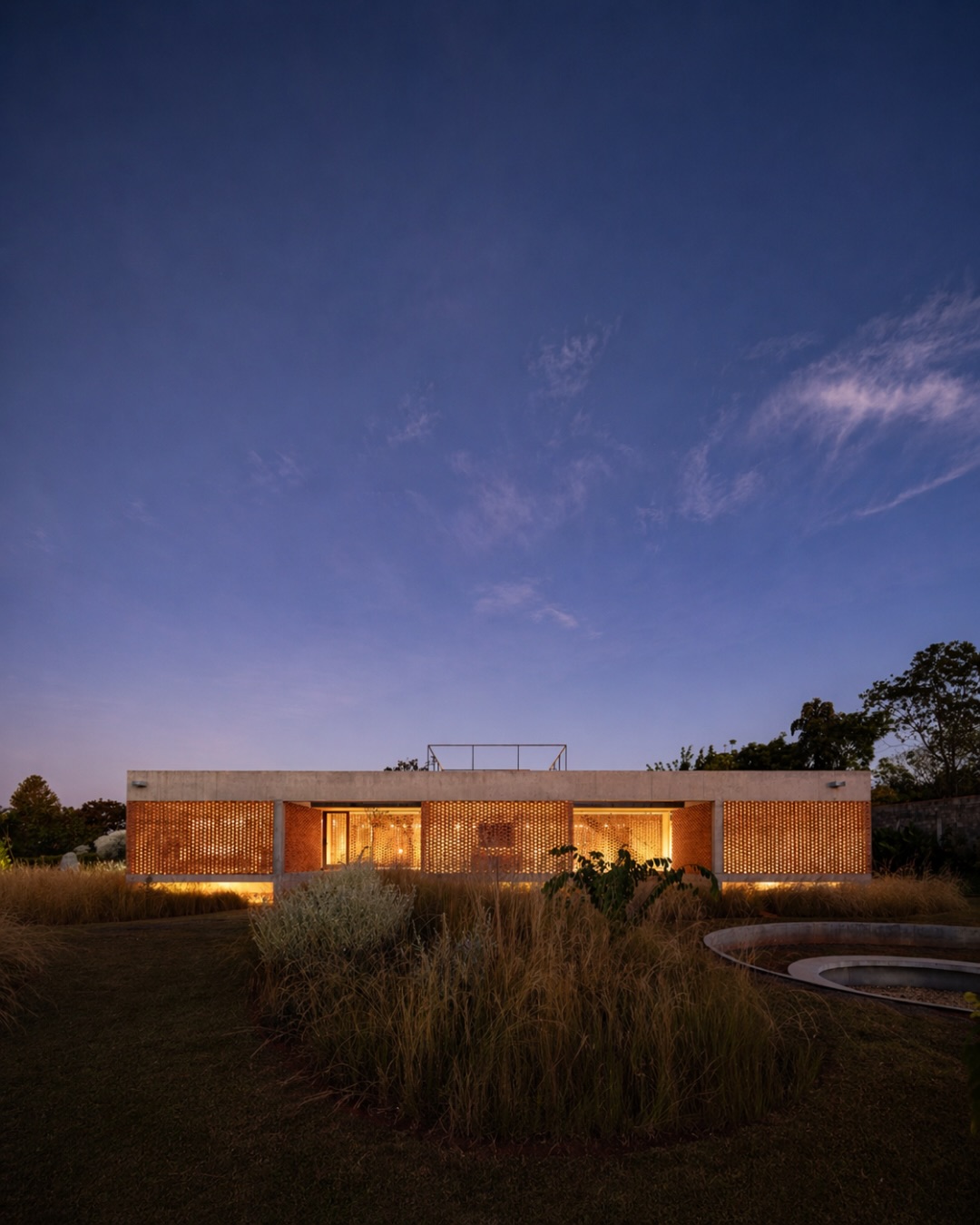
Yumenomori, meaning “Forest of Dreams,” is YODEZEEN’s debut project in Japan — a 500 sqm single-family home in Sapporo completed in 2025. Designed by Artem Zverev and Artur Sharf, with project management led by Anna Tarabanova and Olga Kravchenko, the house embodies a seamless fusion of Japanese tradition and contemporary European architecture.
Set in a seismically active zone, Yumenomori showcases adaptive engineering and a deep respect for nature. Its facade features vertical wooden slats, terraces, and garden elements inspired by Japanese landscaping, creating harmony between the built and natural environments. A polished forest rock, placed in a symbolic garden and visible through expansive glass walls, anchors the home spiritually and visually.
Inside, minimalist design prevails. Travertine, stone, and wood form a serene palette, while a striking red stone adds energy through custom furnishings. The interiors feature Poliform kitchen design, Henge lighting, and B&B Italia furniture, with Italian wood finishes hand-selected for warmth and balance.
A curated collection of art by Andrii Voznicki and Naraz Bilyk adds personal depth, reflecting the client’s trust and shared vision. Yumenomori stands as a timeless sanctuary—where architecture, nature, and culture converge.
[source]

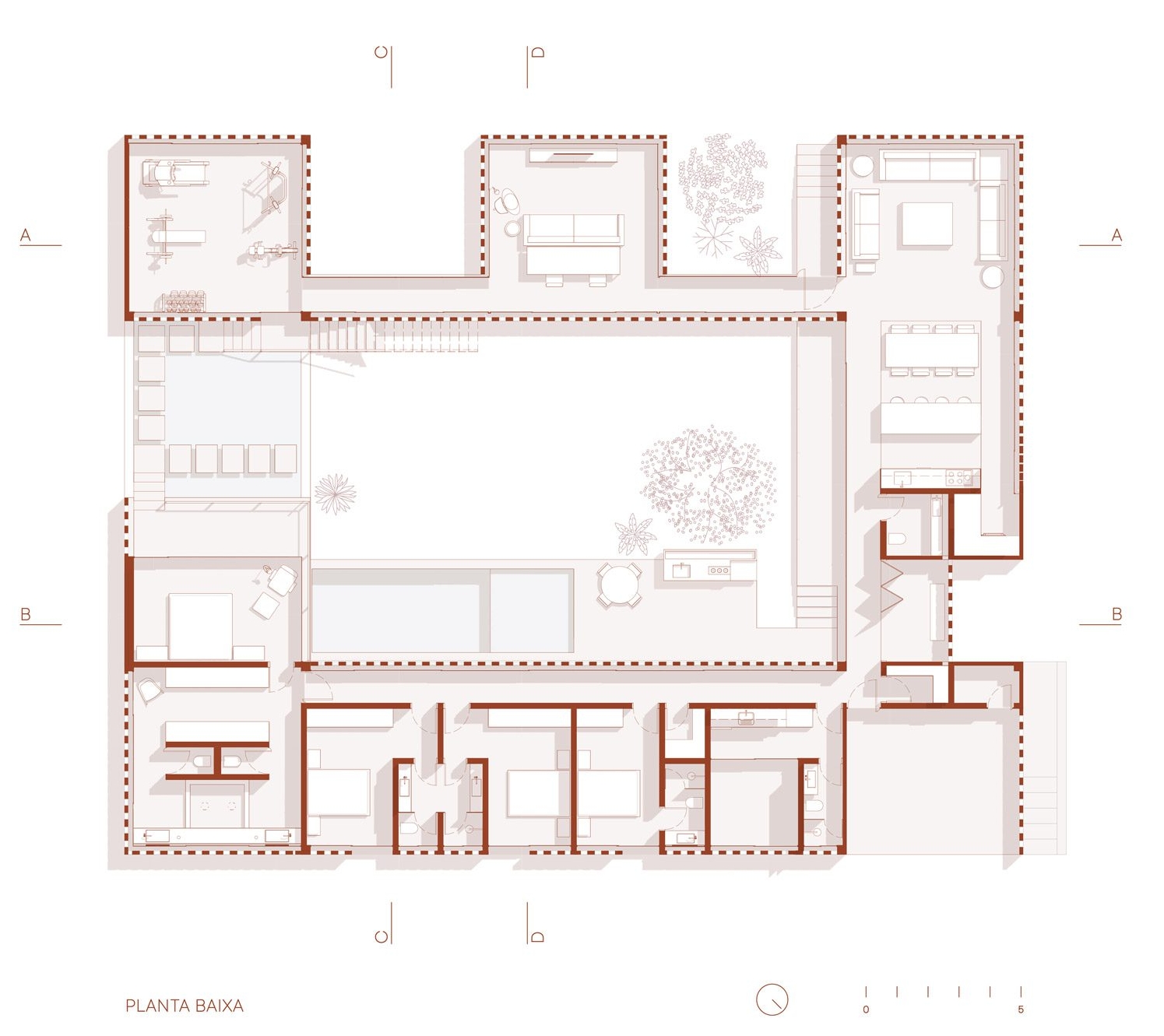
The plot is only 10 meters wide and is surrounded by abandoned land, so designing a layout to suit a resident was quite challenging. An inner courtyard was created to allow the house itself to have its own view, enabling every room to breathe. Therefore, the courtyard is the heart of the house, and the layout is organized around it.
On the ground floor, the double-volume living room is in the middle of the house beside the courtyard. Gigantic floor-to-ceiling glass sliding doors are placed between them to allow sunlight to shine in and create a sense of a seamless boundary between indoor and outdoor space. The upper-level corridor that runs between the living area and the courtyard is designed to disturb this sense as little as possible by using the slimmest steel structure and glass railing. The open-plan dining and kitchen area, which is also attached to the courtyard, is placed at the back of the house. At the front area of the house, there are a multi-purpose room, a powder room, and a working room. Indoor space and the street outside are separated by a parking area that has a building component designed using simple geometric shapes that fit into the limited space. The storage room, in combination with the mailbox and garbage area in front of the house, is designed in a simple cylindrical shape, along with a curved walkway and a shoe room, making it easy to walk in and creating a turning circle for the driver to park the car easily.
On the upper floor, the kids’ bedrooms are placed at the back of the house. The balcony on the second floor next to the courtyard is designed with a curved shape to accommodate tree growth and blossoming.
The master bedroom area has a small living space adjacent to the courtyard, where sunlight and fresh air flow in through a large casement window. The master bedroom and walk-in closet, designed to have a flowing space, are placed along with a linear terrace that has a cast-iron shading to block excess sunlight and increase privacy for this area while allowing the wind to ventilate.
Más que Arquitectura Estudio: The guiding thread of the experience at Villa Arrebol suggests a lifestyle immersed in the natural environment; the transition between interior and exterior is responsible for generating sensations and reminding us of the qualities of the place we live in. The major inspiration was the dynamics of the hacienda, where you have beautiful spaces, but none is fixed to be only what it is. You can eat somewhere outside the dining room, read somewhere outside the living room. Spaces can be occupied depending on what you’re looking for — coolness, sun, shade, and this home provides all those options.
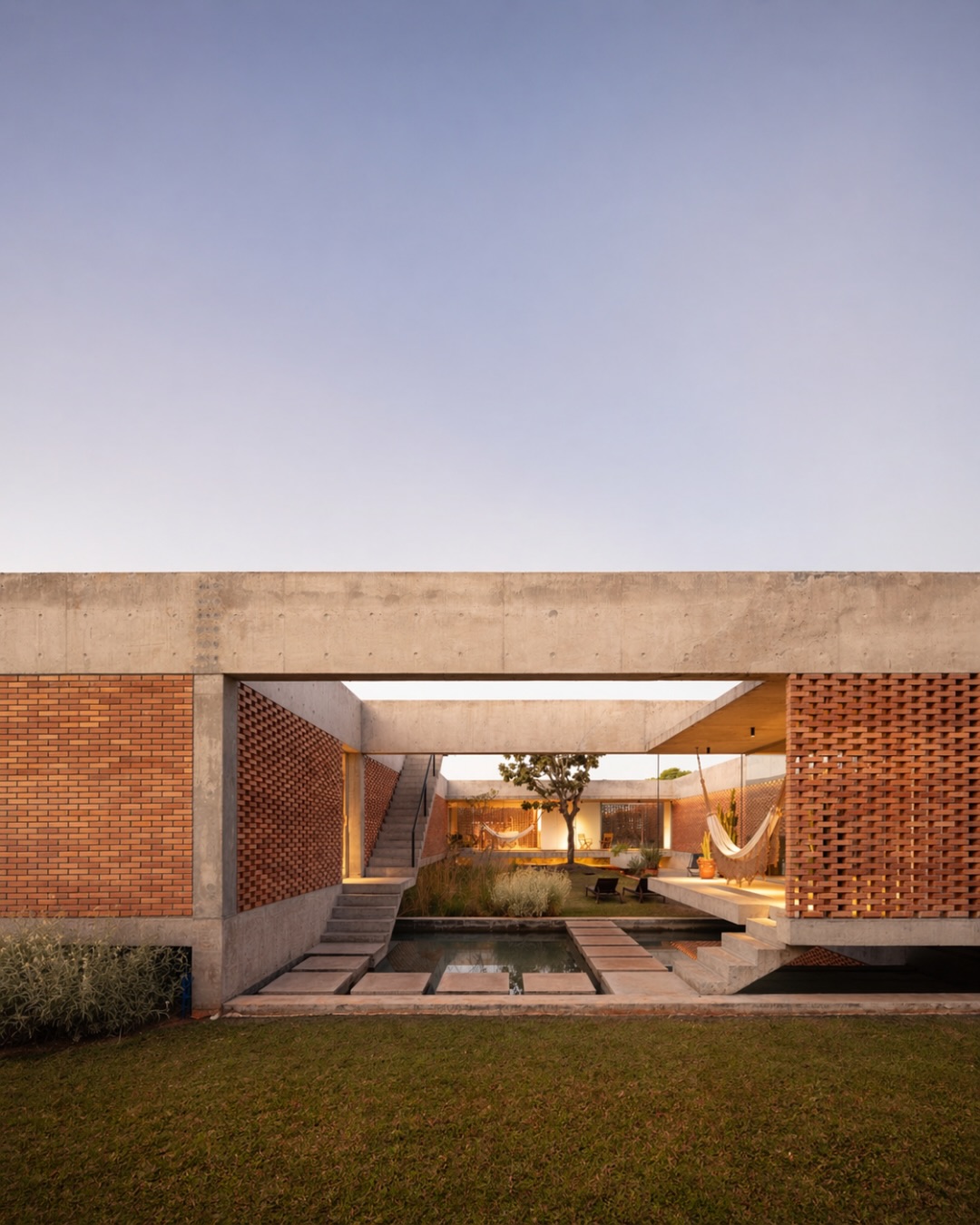
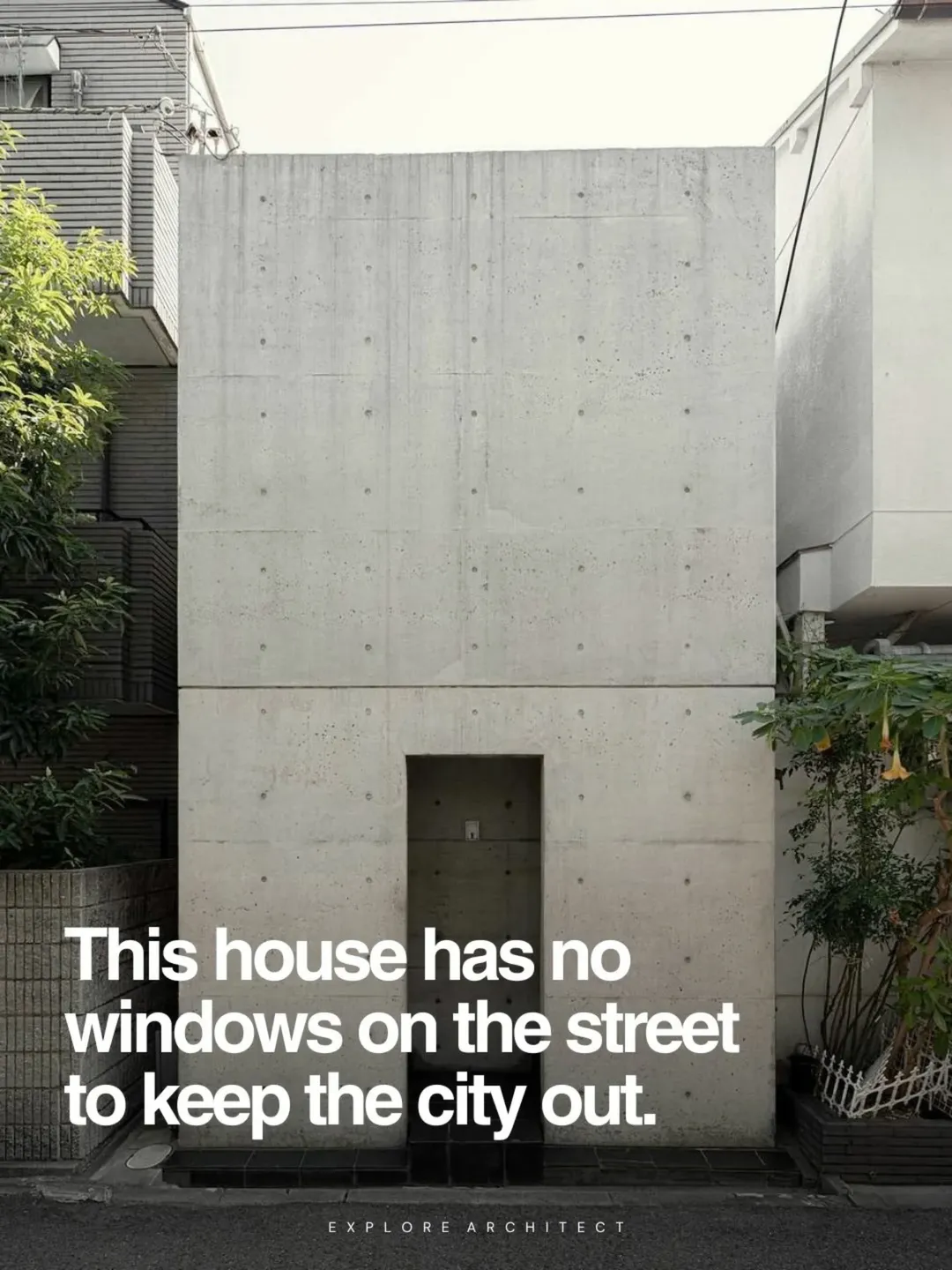
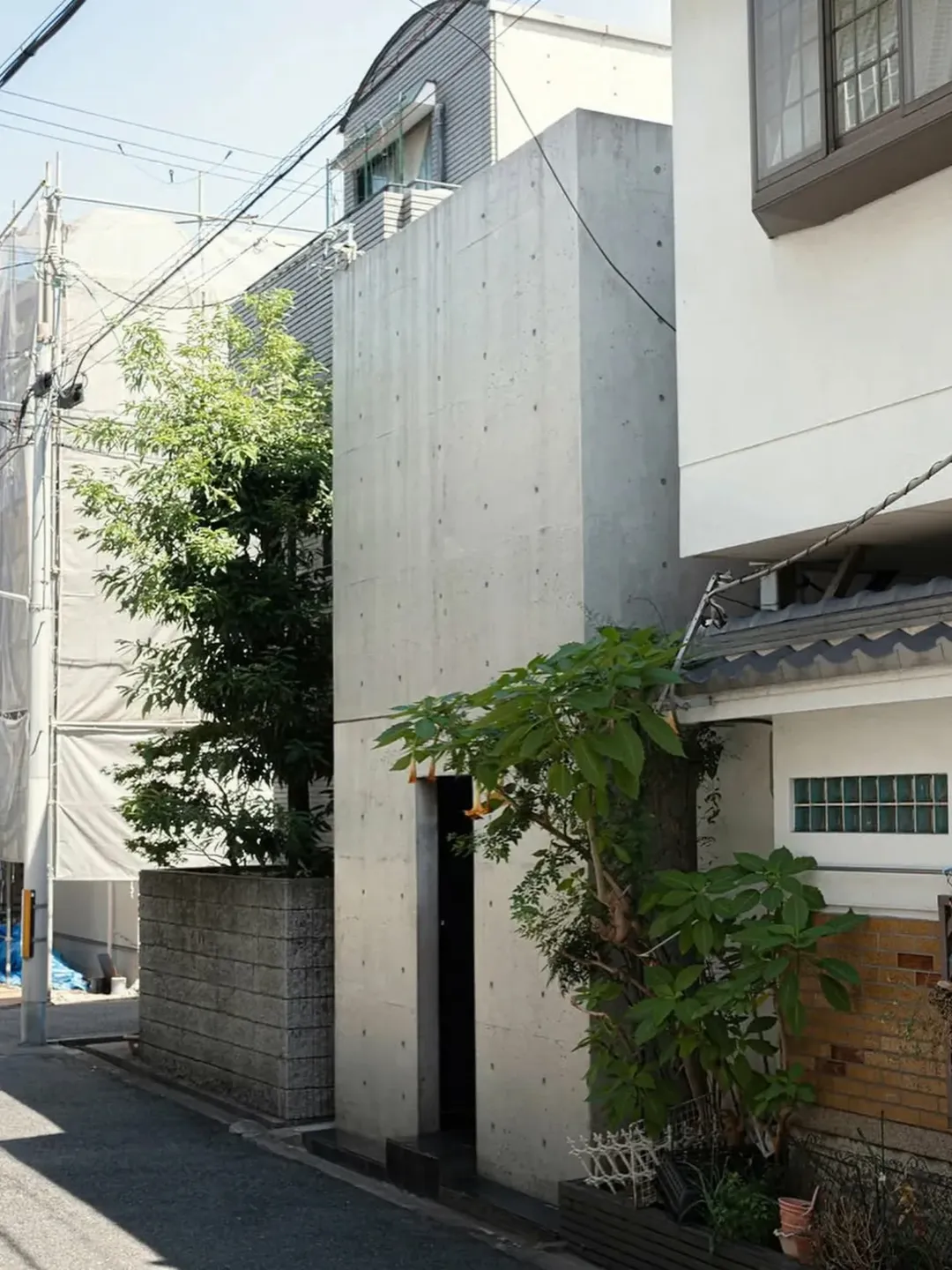
The house’s land is an irregular polygon, which meant adapting to its particular shape as well as the existing nature of the land. The facade faces south, so windows could not be added. You arrive at this seemingly enclosed and dark space, but you are welcomed by a double-height ceiling and an indoor garden, exchanging the warmth of the sun for a cool, green space.
A residential project that preserves the trees of the site, bringing life to a courtyard that becomes the heart of the home.
By gathering trees around a courtyard, the space turns into a sort of Yucatecan jungle, and we are also creating green views for every interior space of the home.
The house changes from morning to evening. The shadows and lighting shift, which helps to highlight different areas at different times of the day. The serene evening achieves a balance between the exterior and interior, in intimate communion with nature.
[source]
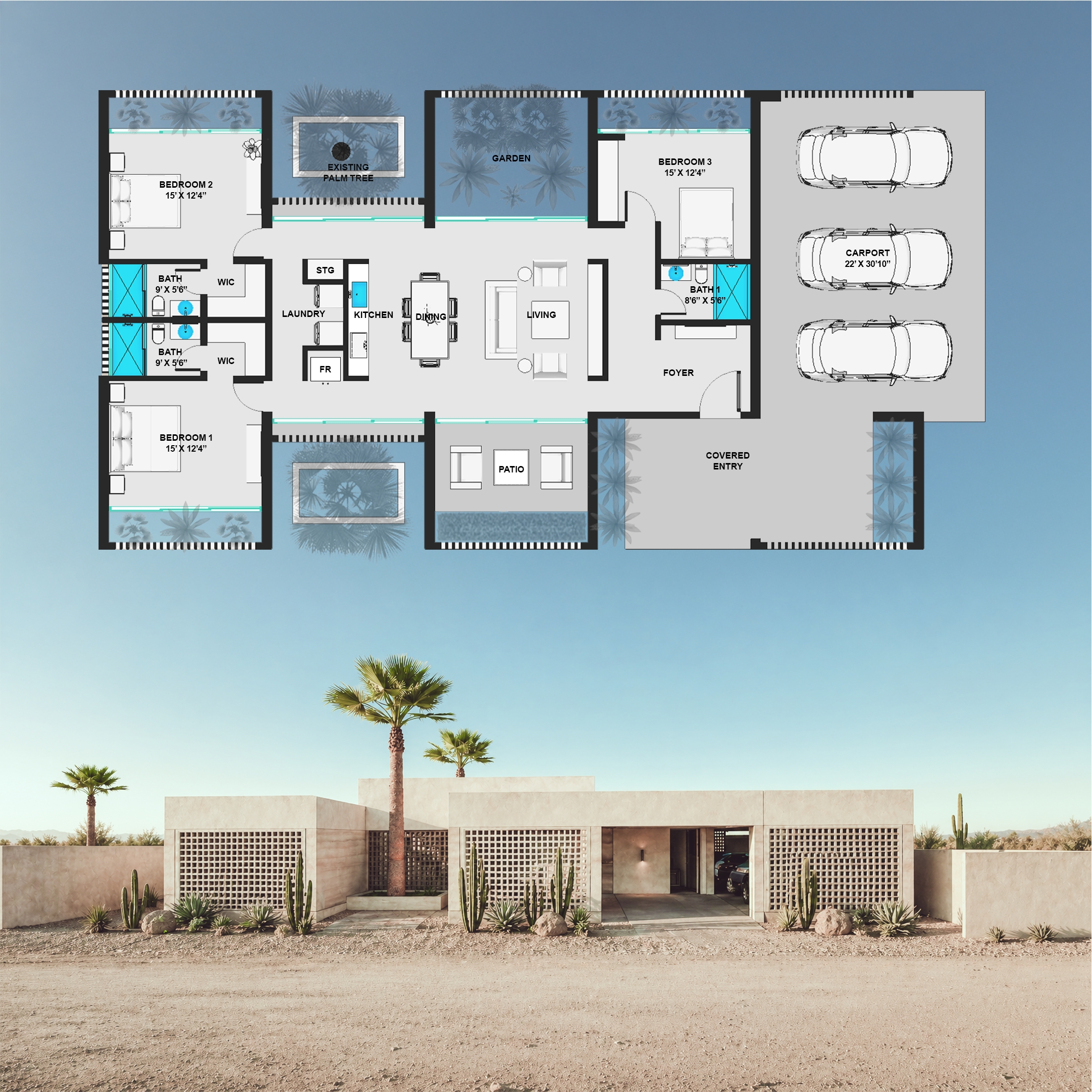
I could live in any of them (assuming fully modern interior finishes), but for practicality sake, I’m going to have to go with the first one only because it has three bedrooms.
Thanks, Rick!
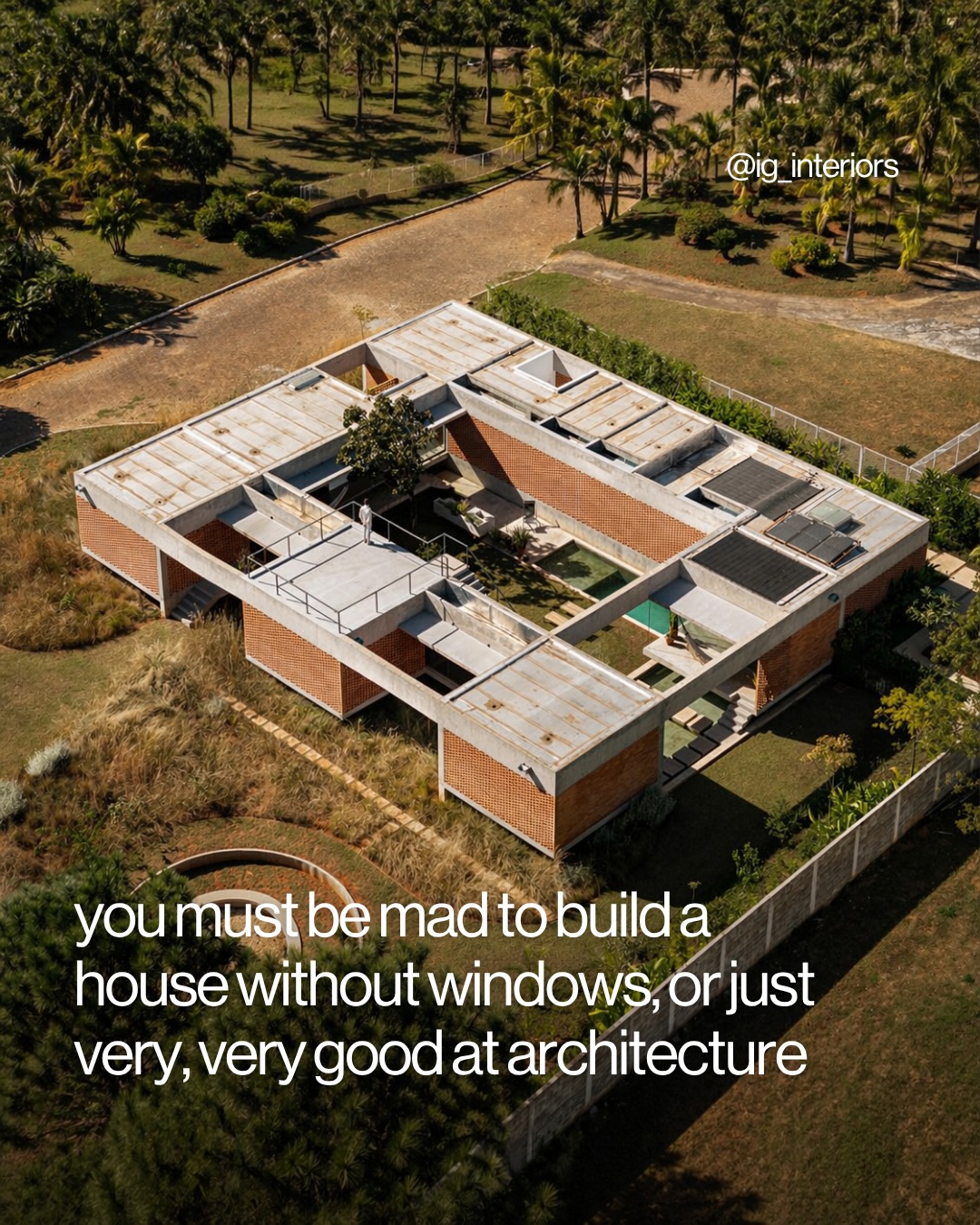
Introducing the Stealth House – Specht Novak’s revolutionary perspective on city dwelling and the first of its kind home in Austin. This forward-thinking abode defies standard perceptions surrounding seclusion and exposure. The outer shell boasts an eye-catching profile, completely devoid of windows and enveloped in corrugated Cor-Ten steel. The exterior not only bolsters security but also fosters an air of intrigue. Specht Novak’s Stealth House is located on an infill lot in Austin’s city core. It is also the home of the architect himself, Scott Specht.
Stealth House has garnered several prestigious design awards in 2025 already: AIA National, Texas Society of Architects, AIA Austin Design Award of Excellence, and several more
A New Home in Austin Is Rethinking Privacy, Security, and How We Live Today.
At first glance, the Stealth House designed by homeowner and architect Scott Specht, Specht Novak, is nearly invisible. Located on a gravel alley behind a row of traditional homes in downtown Austin, this 1,100-square-foot residence reveals little—a low, rust-colored steel façade with no outside-facing windows, offering no clue to its interior world. But step inside, and the experience is nothing short of revelatory.
Sunlight streams through floor-to-ceiling glass, illuminating two lush interior courtyards—one centered around an olive tree, the other serving as an aviary with bamboo. “We wanted to completely rethink what makes a home feel open and inviting,” says Scott Specht, Specht Novak. “Most modern homes rely on glass to connect with the outside world, but what if you don’t want to be on display? What if you want light, nature, and space without sacrificing privacy?”
The Stealth House breaks from the contemporary trend of open-plan, glass-walled homes by turning inward—drawing inspiration from the Roman domus, Moroccan riad, Chinese siheyuan, and Japanese machiya, where daily life revolves around interior courtyards. Located In a dense, walkable neighborhood where views often mean staring into someone else’s home, this design offers a clear separation between public and private spaces. “This house feels connected, but only on our own terms,” Specht adds.
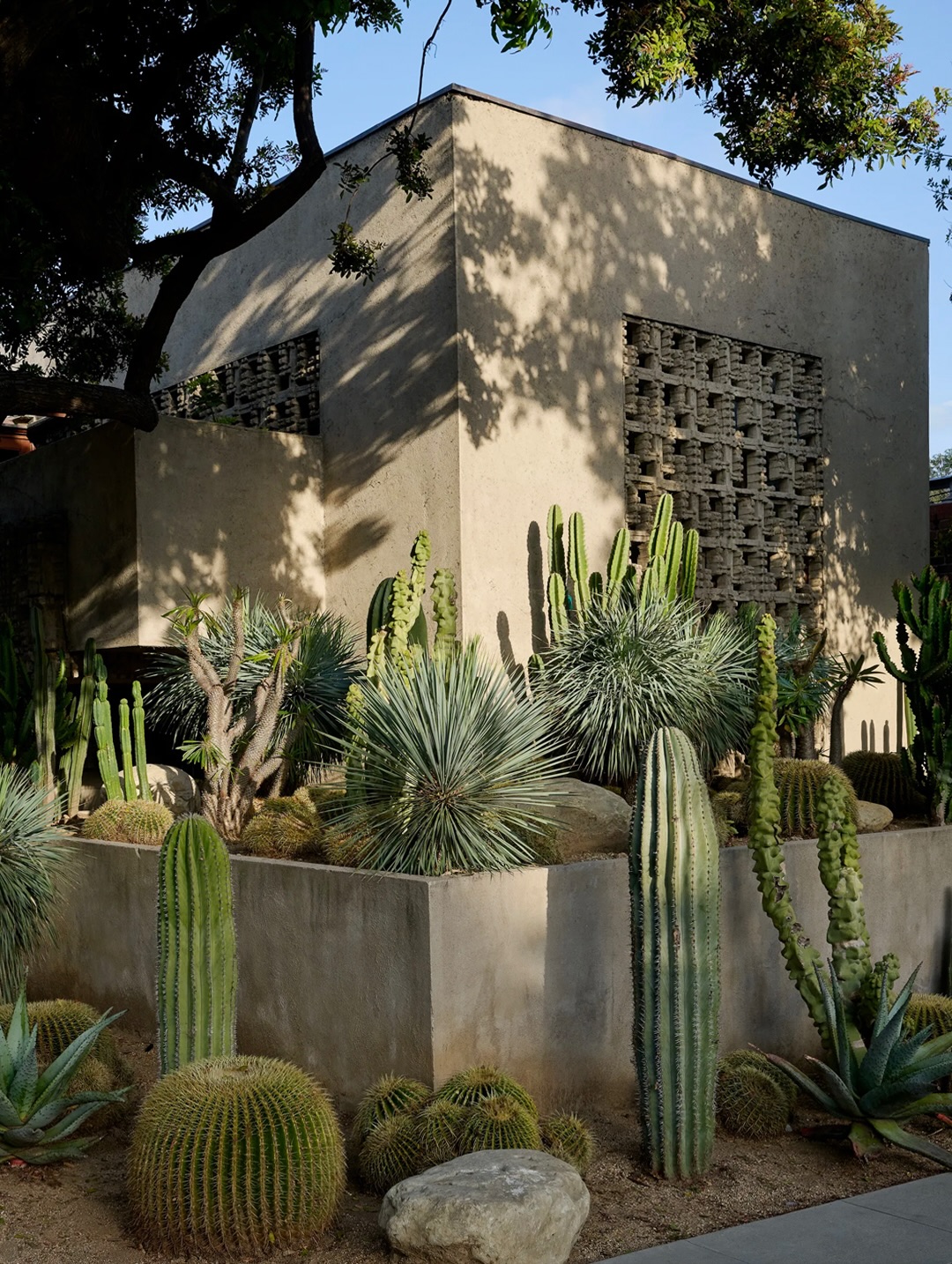
Powered by a rooftop photovoltaic array with battery backup and featuring a low-power-use air-conditioning system and super-insulated envelope, the house is extremely energy-efficient. The Cor-Ten rusting steel exterior is maintenance-free, and the landscape, largely of gravel and cactus requires little attention. Everything about the Stealth House is built to be easy. “There’s no waste, no unnecessary spaces—just the essentials, done really well.
While the Stealth House is highly personal, its ideas could have larger implications for urban housing. Its compact footprint, acoustical and visual separation, and energy independence make it a model for accessory dwelling units, infill housing, and even “unbuildable” sites near highways and industrial zones.
“It’s a prototype,” Specht says. “It shows how you can live well in a small space, even in a dense area, without sacrificing privacy or sustainability.” More than anything, though, the house is an answer to the evolving way we live now— in an environment of increasing social unease where the comfort of security, peace, and control over one’s environment are more valuable than an unobstructed view of the street.”
[source]
Kellogg Doolittle High Desert House, Joshua Tree, CA, c.1980s
It’s like someone reached into my teenage architectural dreams and made them manifest…
How did I not know of this before today?!?
This townhouse development started going up at some point after we left the neighborhood after the fire. At the time we left, this was a vacant lot that had once (long before we moved back to Phoenix) been occupied by a rambling single-family house that was bulldozed at some point. For years it sat vacant and overgrown with weeds.
I was heading to lunch after visiting one of our west-side offices about three years ago and was surprised to see this going up. It looked interesting in a stark, brutal modernist sort of way and I was looking forward to seeing it completed.
Sadly, even after we moved back it seemed construction had stalled, and I cursed the developer every time I rolled over the huge steel plates covering underground sewer work that had literally been in place for over a year after our return.
Then, one day the plates were removed, holes filled, and paving was replaced. Construction stalled again a couple months later and the property was broken into. Work finally resumed (I guess the City lit a fire under the developer to get it finished) and a year later they’re finally finished, but apparently unsellable. They were originally on the market for around $300K, but folks weren’t exactly beating the doors down to buy at that price point because they’re now up for rent—and even now no one seems to want to live there.
It’s not surprising. While they have a nice view of the golf course across the street, they’re at the corner of a noisy, very well-traveled intersection, and the only vehicular entrance to the property—and the units’ garages in the back—is a single entrance that’s accessed either by a right turn going east or an impossible left turn going west (necessitating pulling into the left turn lane of the intersection on the street immediately to the north of the property. There’s a paved alley out back that could be used for access but they’d have to drive a block down 19th Avenue and then double back.

There’s no private space (which from the looks of it could’ve easily been accomplished out front with some fenced patios), no protection from the elements above the front doors, and absolutely no guest parking. And oh, did I mention…there’s no street parking on either of the roads bordering the property? Even if the chained and padlocked gates in the fence that surrounds the property are one day opened, there’s no place for trucks to deliver without pulling into the bus stop immediately out front. It’s no wonder they can’t give them away…
*I stand corrected…apparently are still for sale…at an absolutely ridiculous price for this neighborhood. And at least one is for rent…at an equally ridiculous rate.
[h/t Rick]
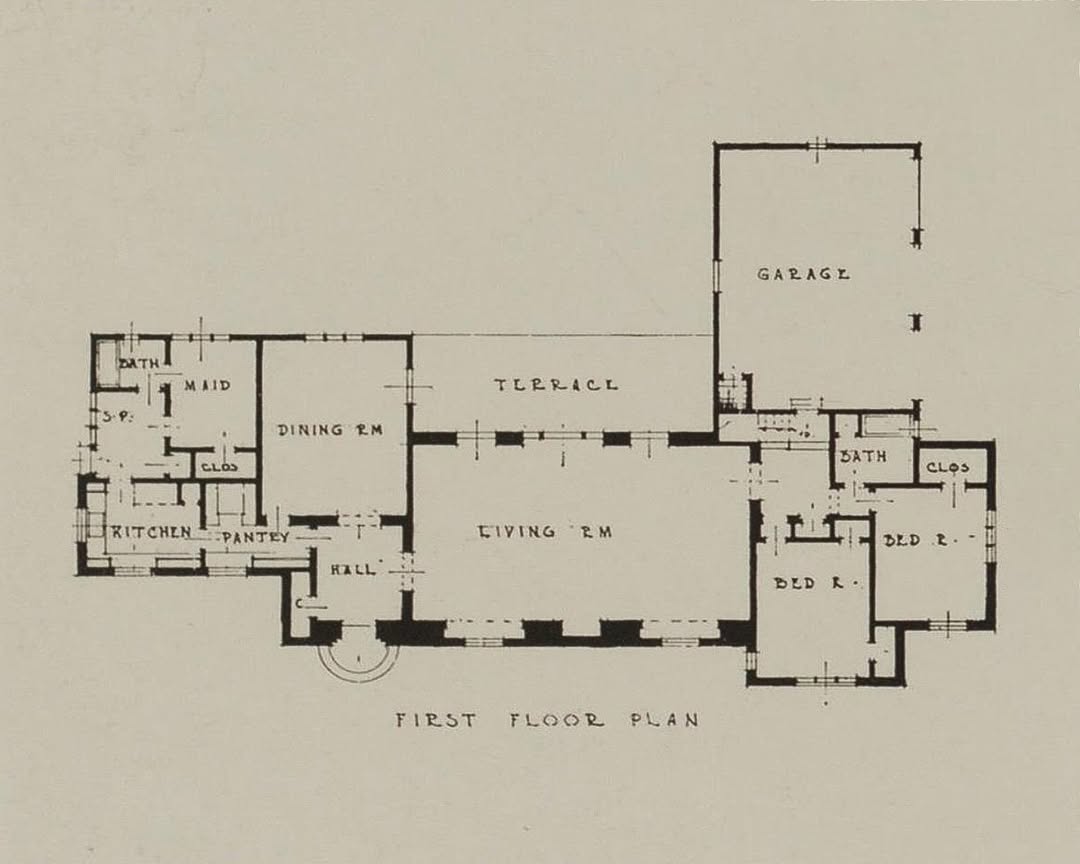
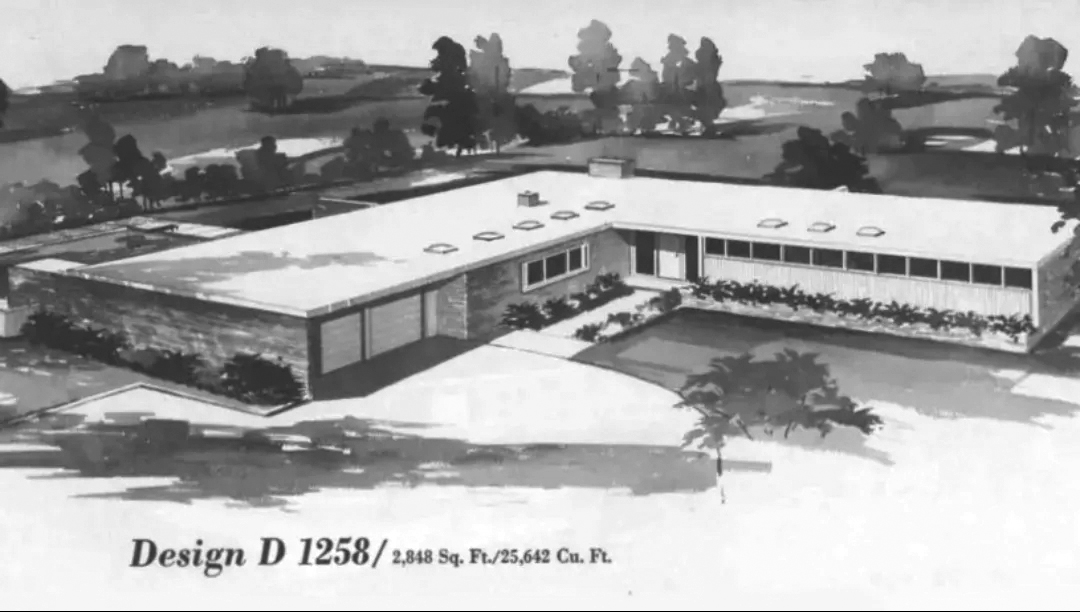
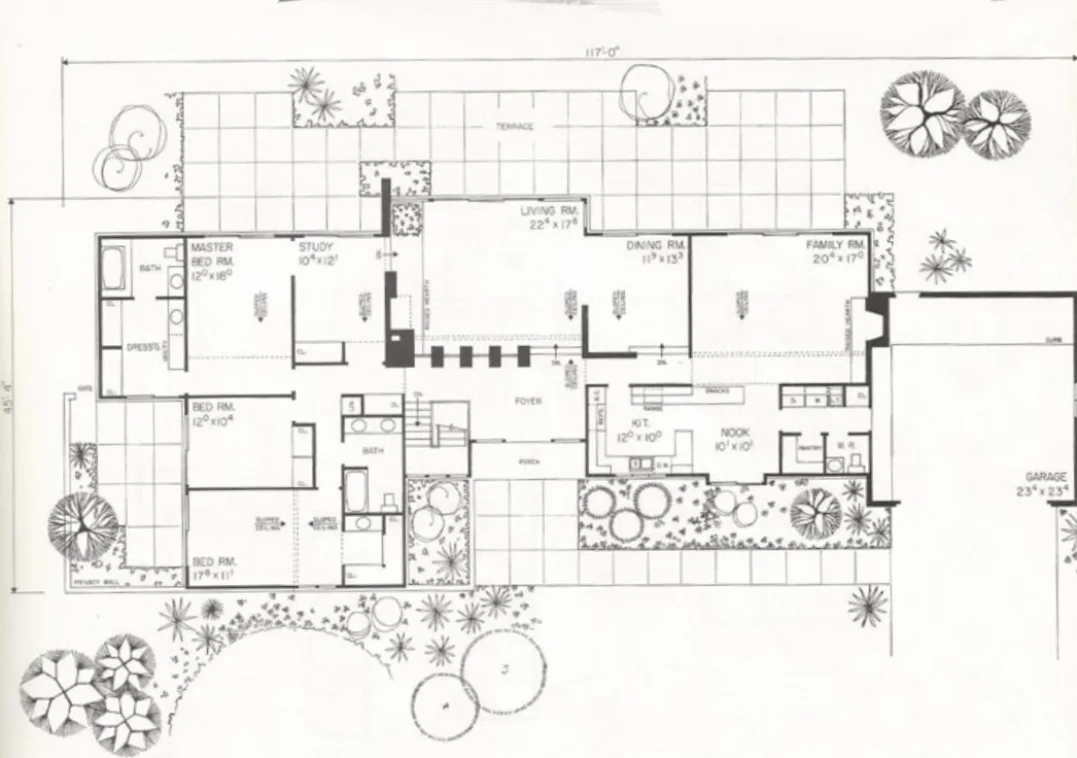
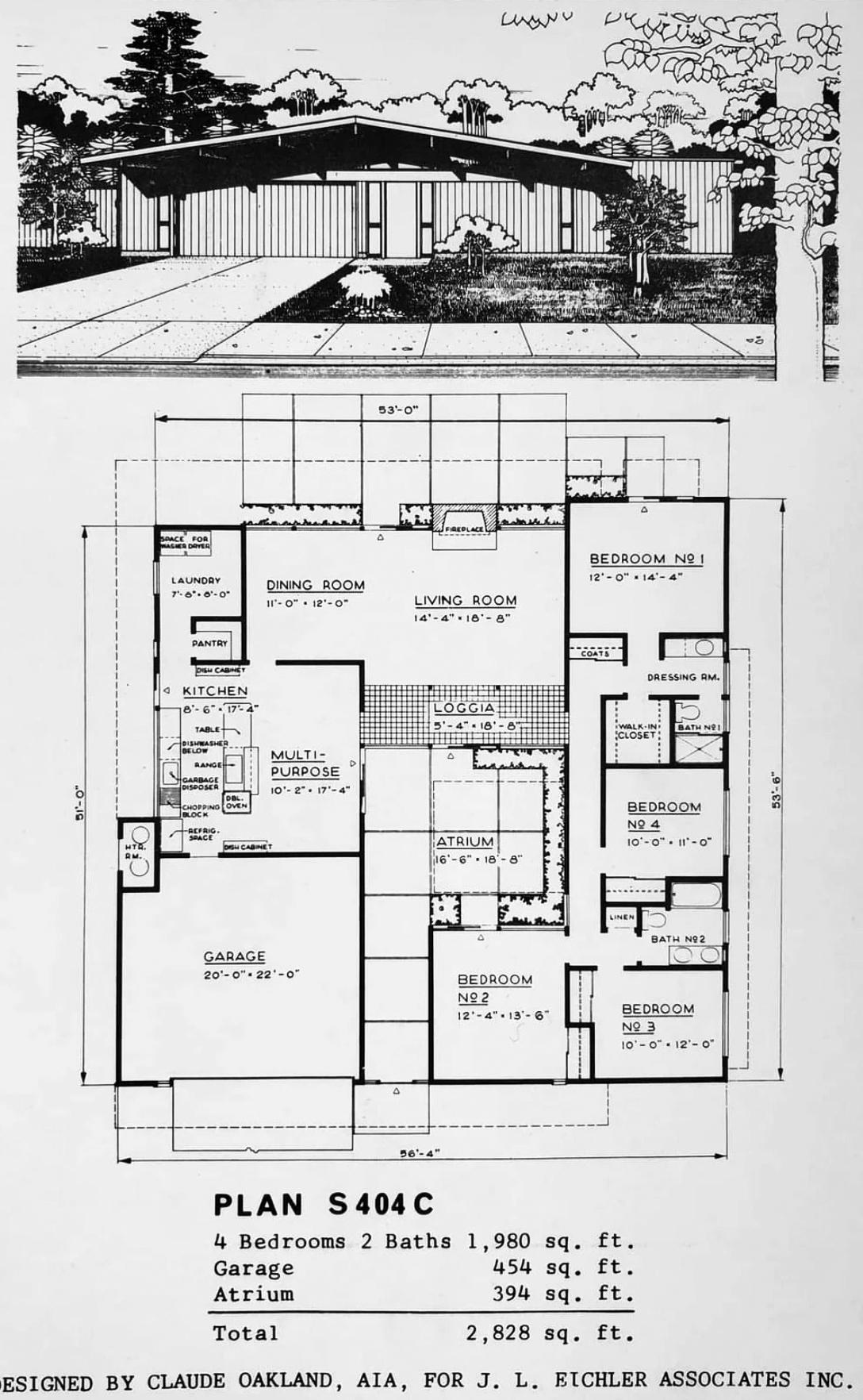
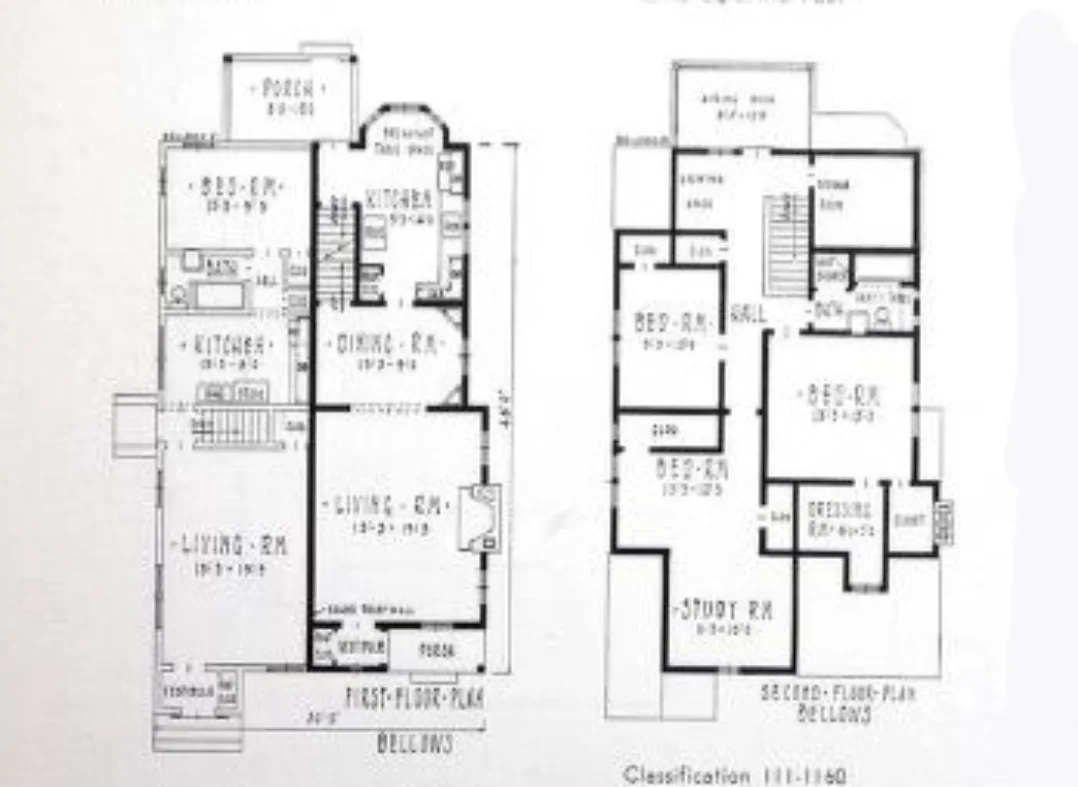
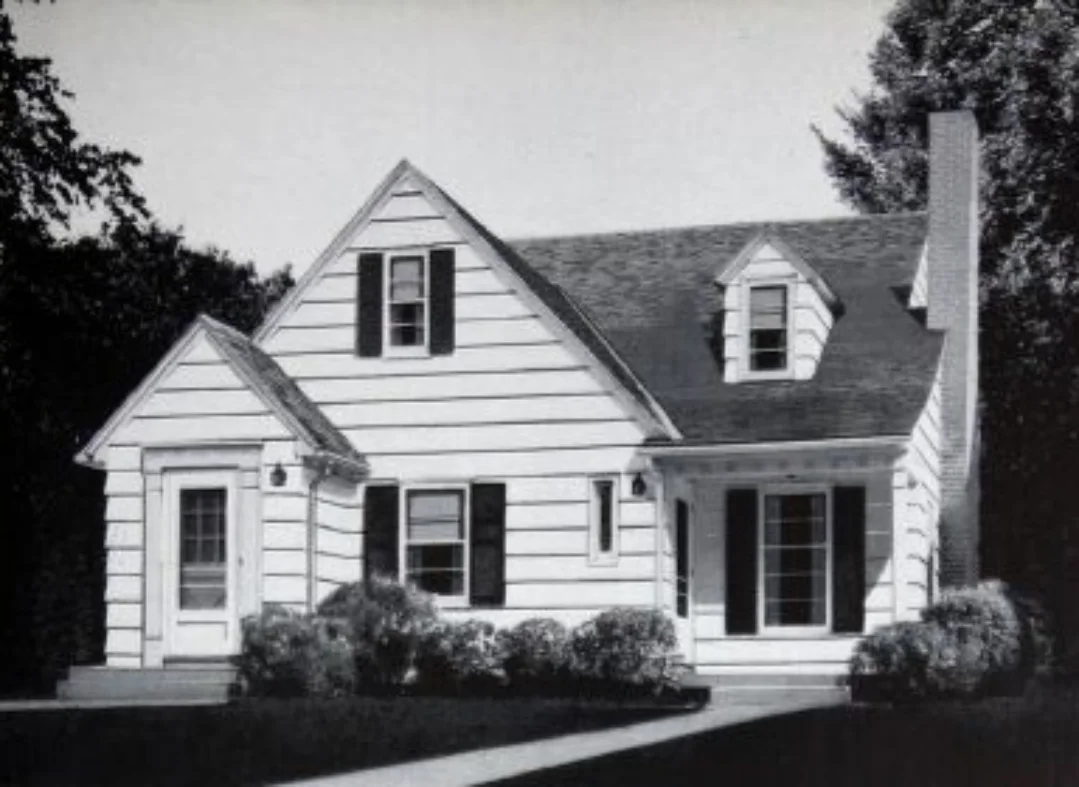
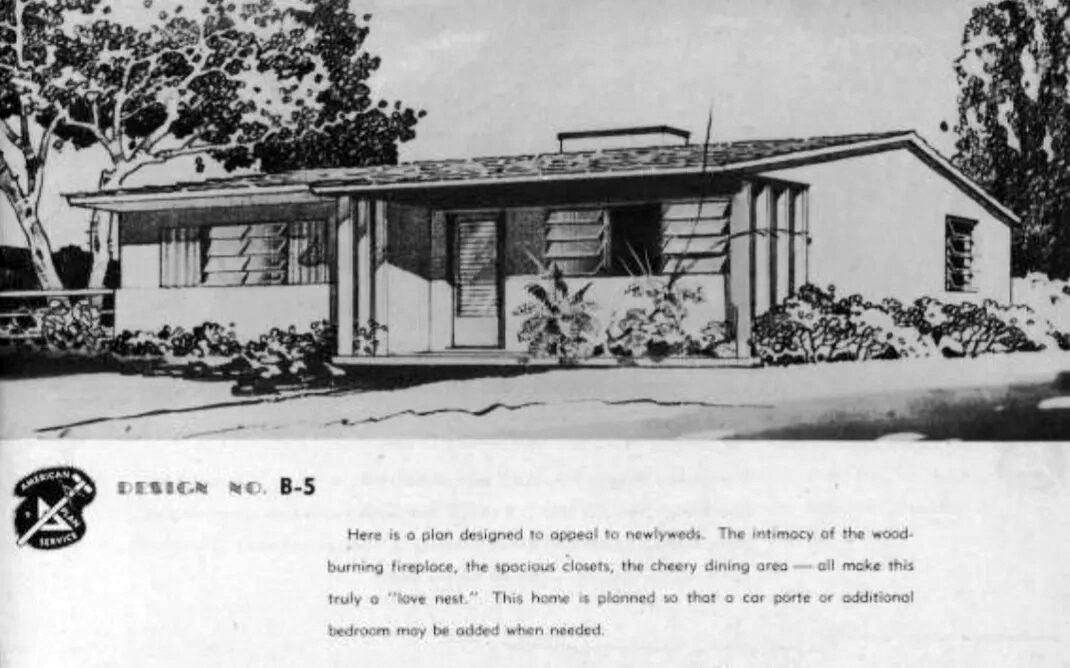
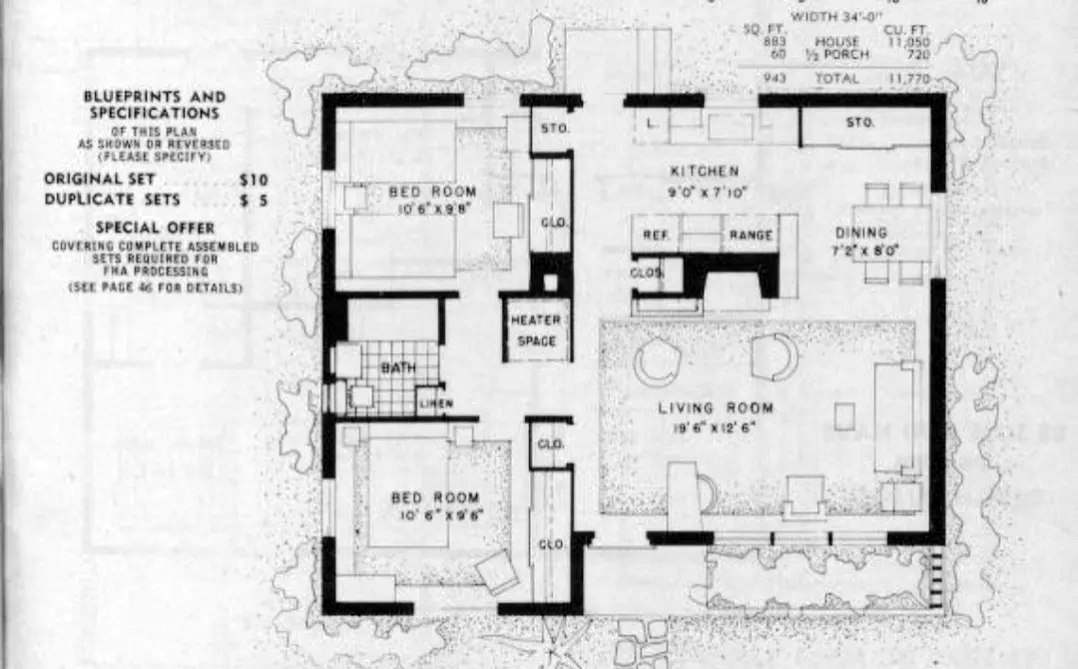
The bedrooms were flipped back to front from the plan above, but otherwise the layout was very similar…
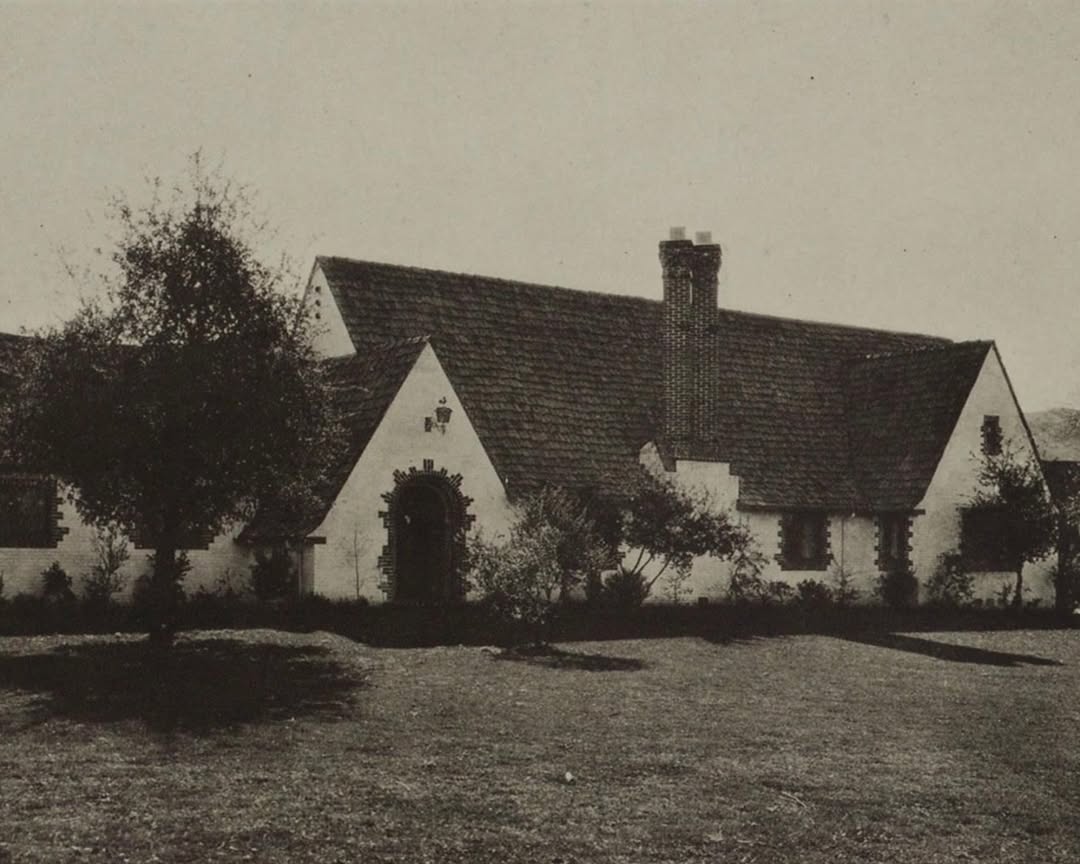
This is the only plan of that house I could ever find, and this was squirreled away in my Dad’s effects. And even this isn’t totally the same as ours. (There was a normal fireplace on the back wall—not a room divider—between the Living Room and Dining Room, and the Dining Room itself was actually a separate room with a large opening to the Living Room.) It amazes me that in our current era of McMansions how tiny these rooms were—and it was the norm for the time and seemed perfectly normal.