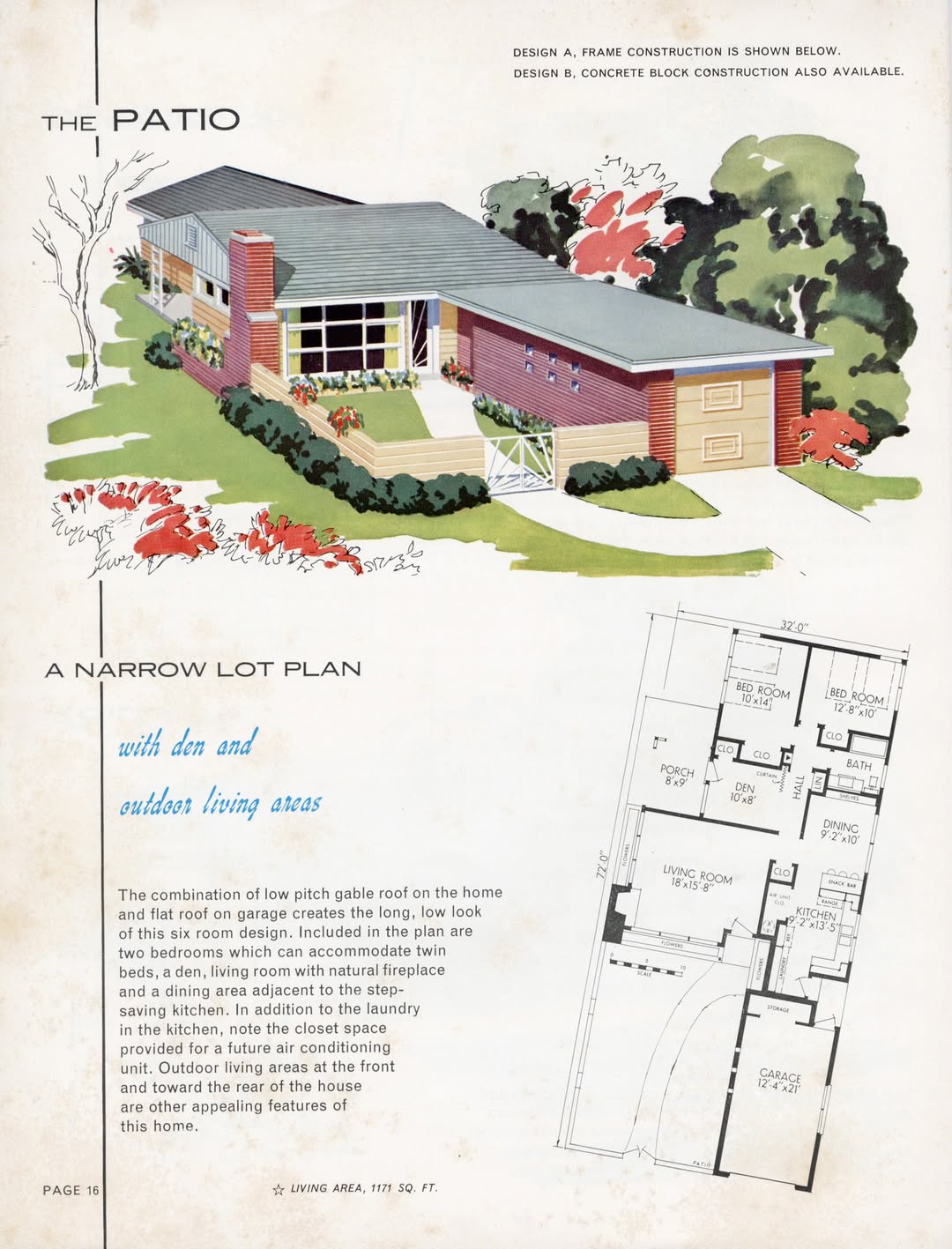
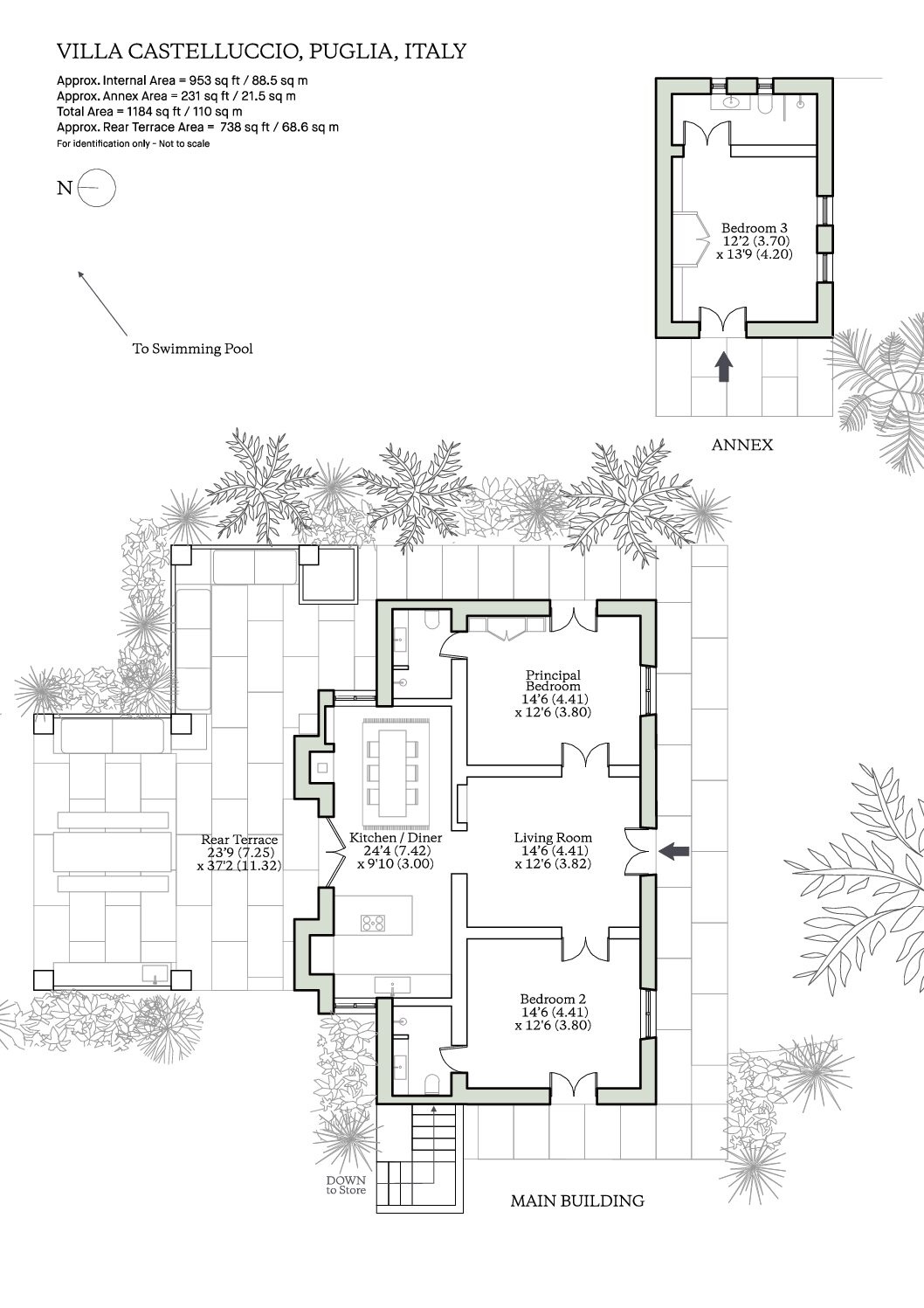
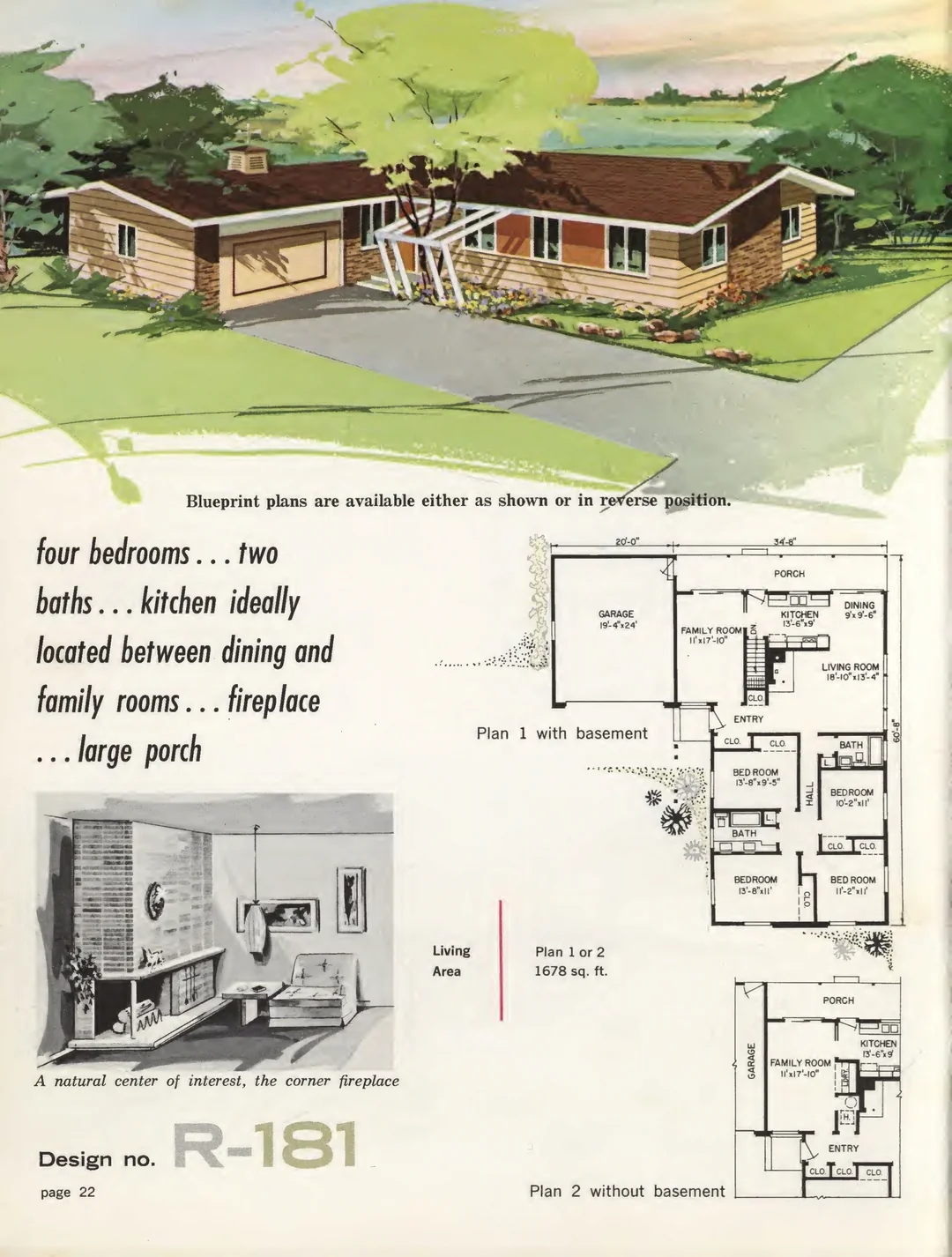
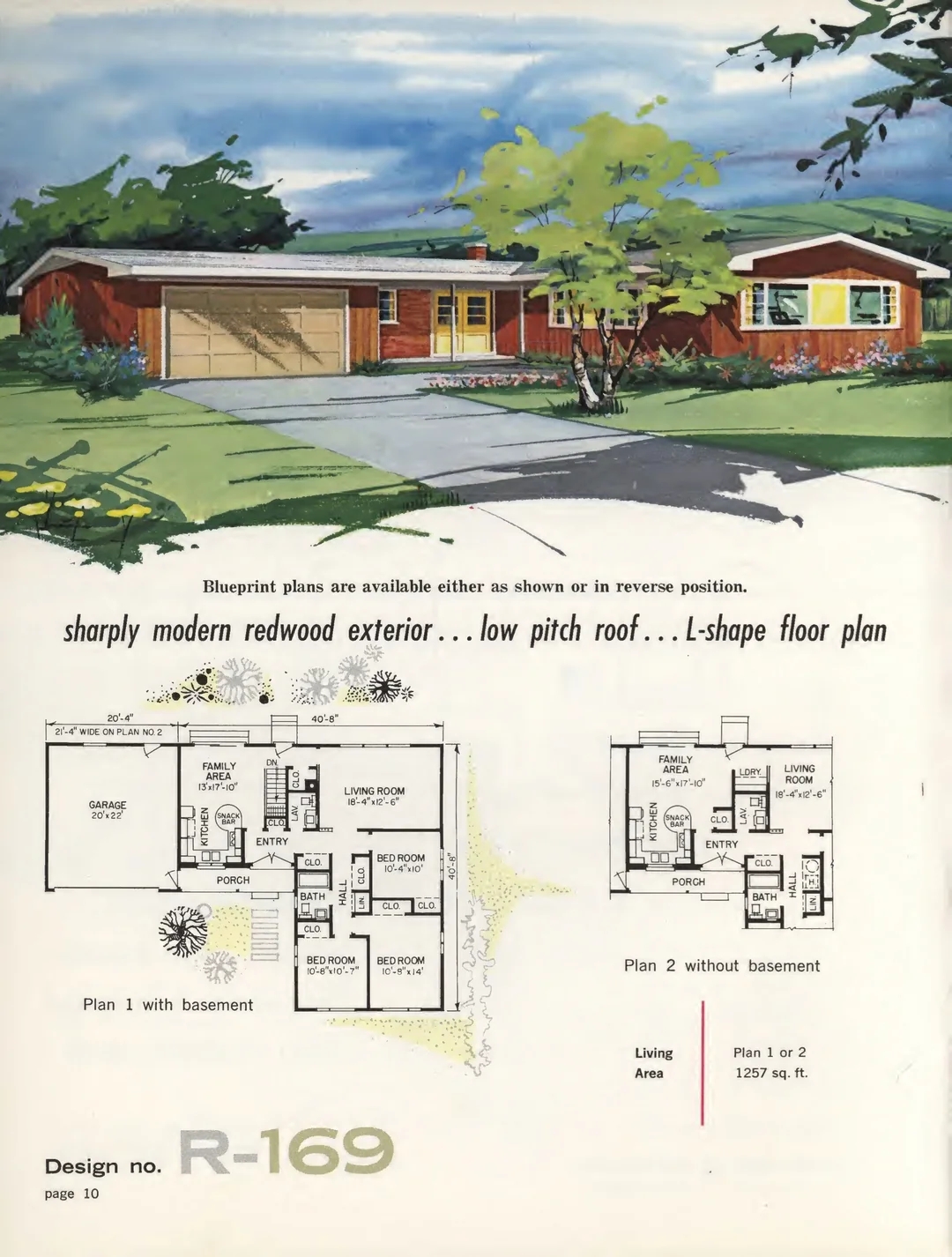
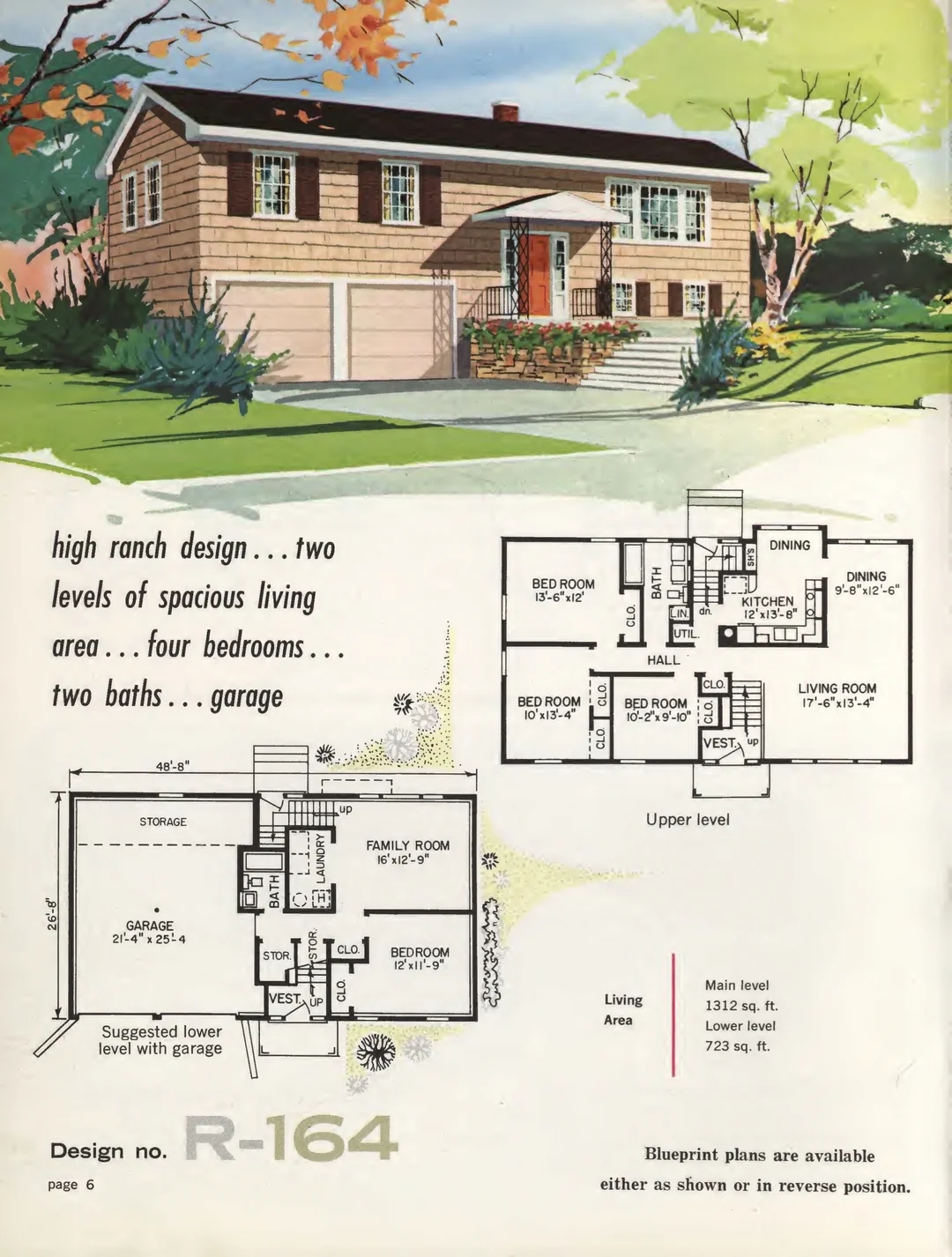
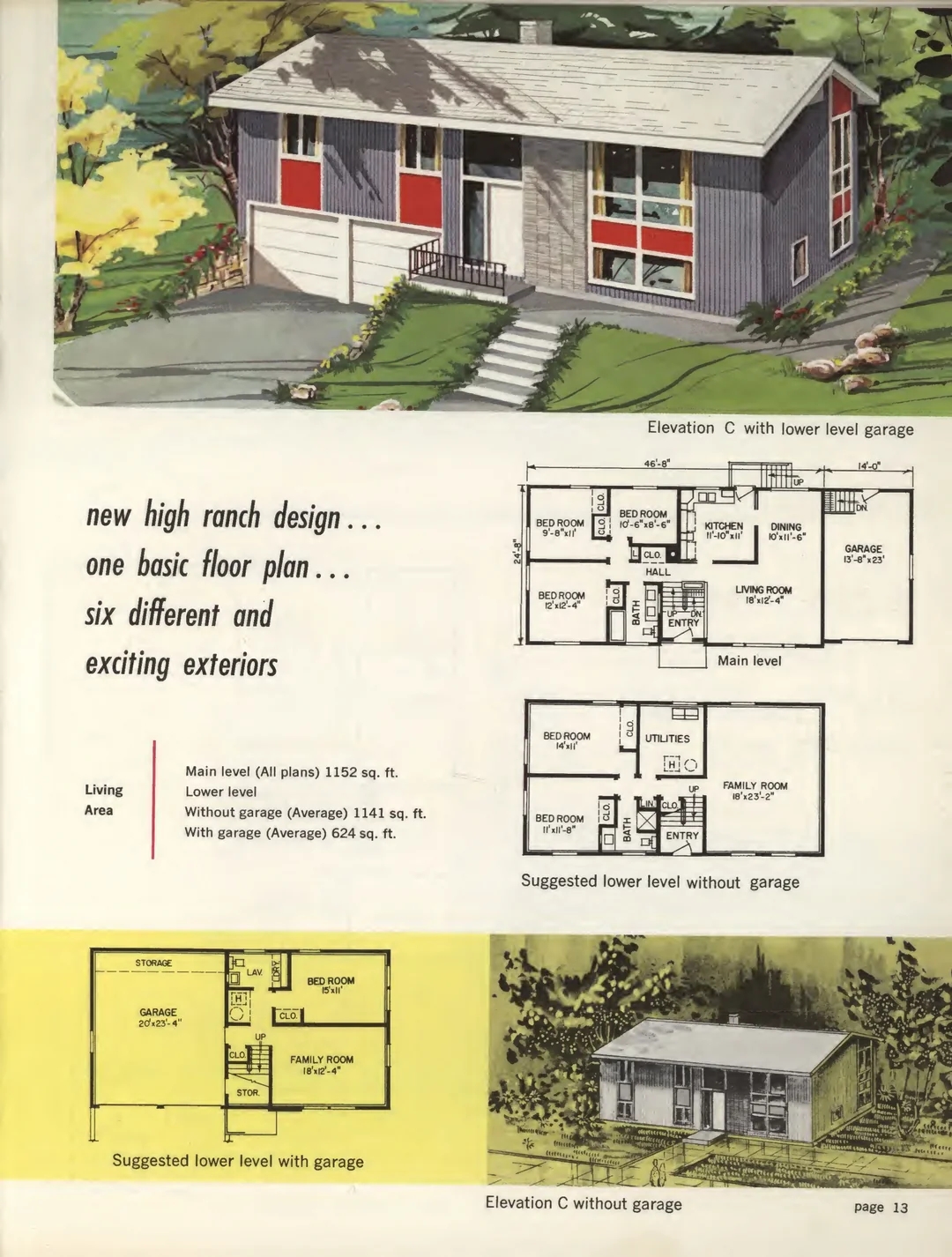
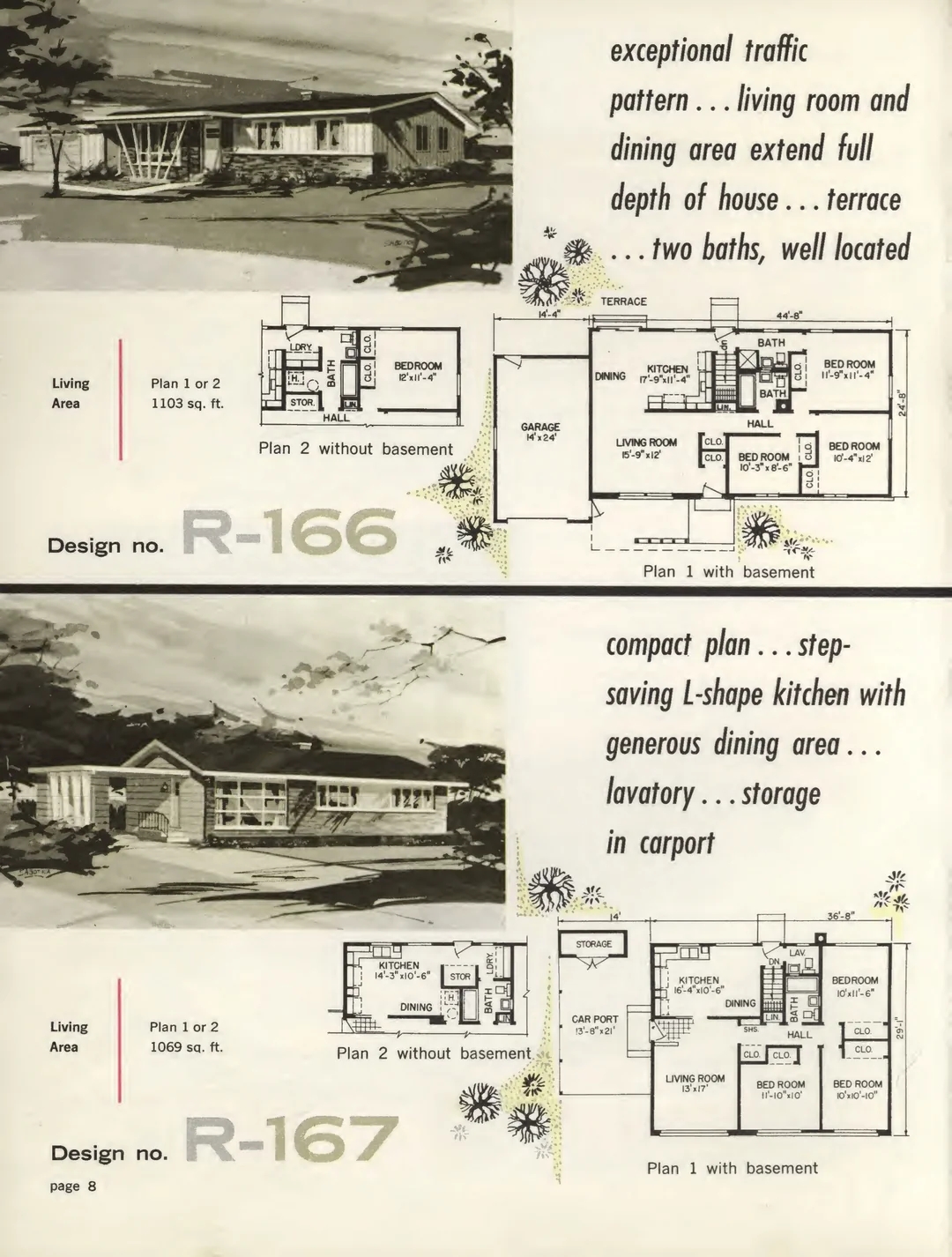
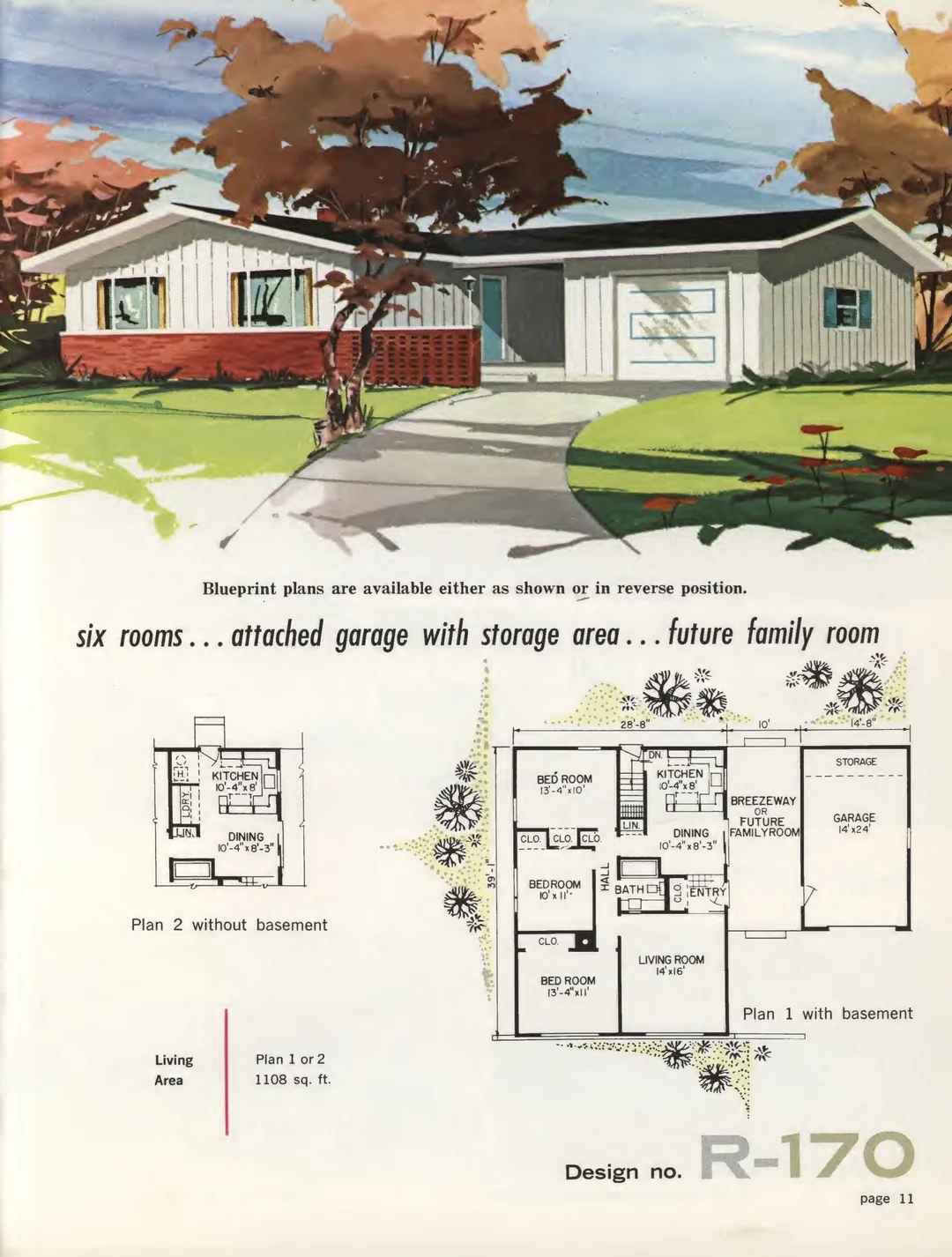
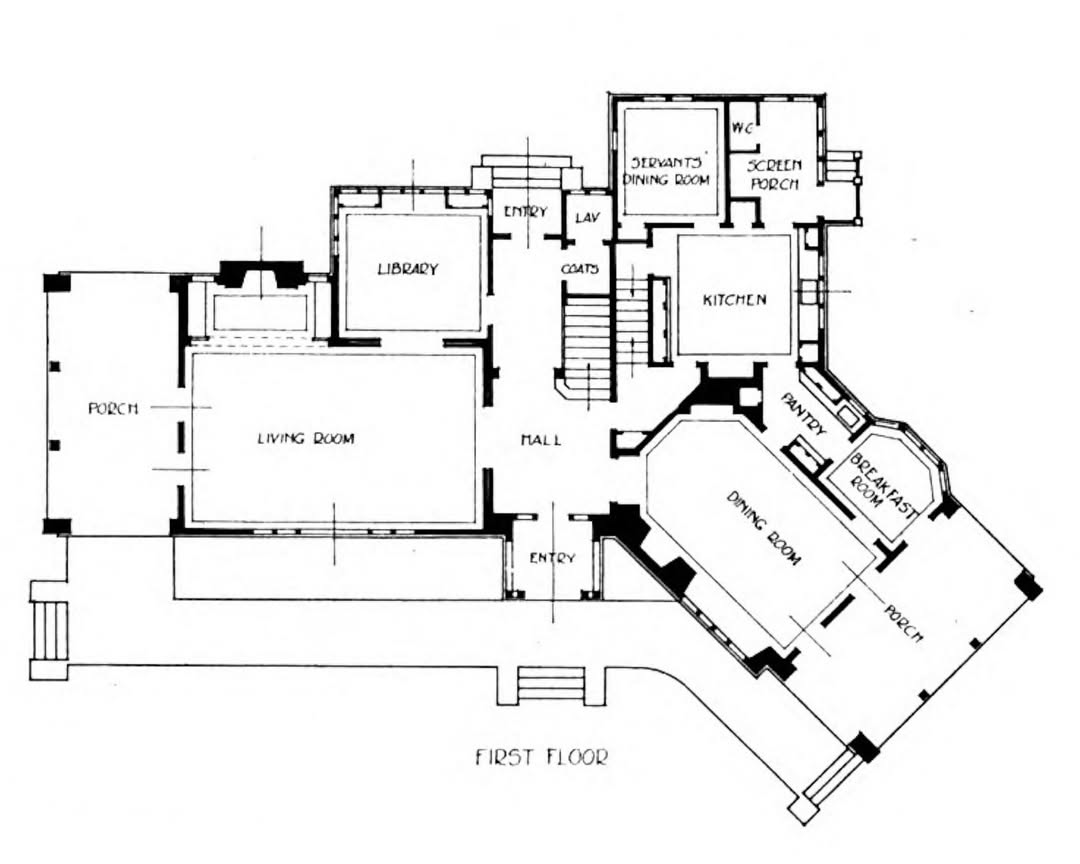
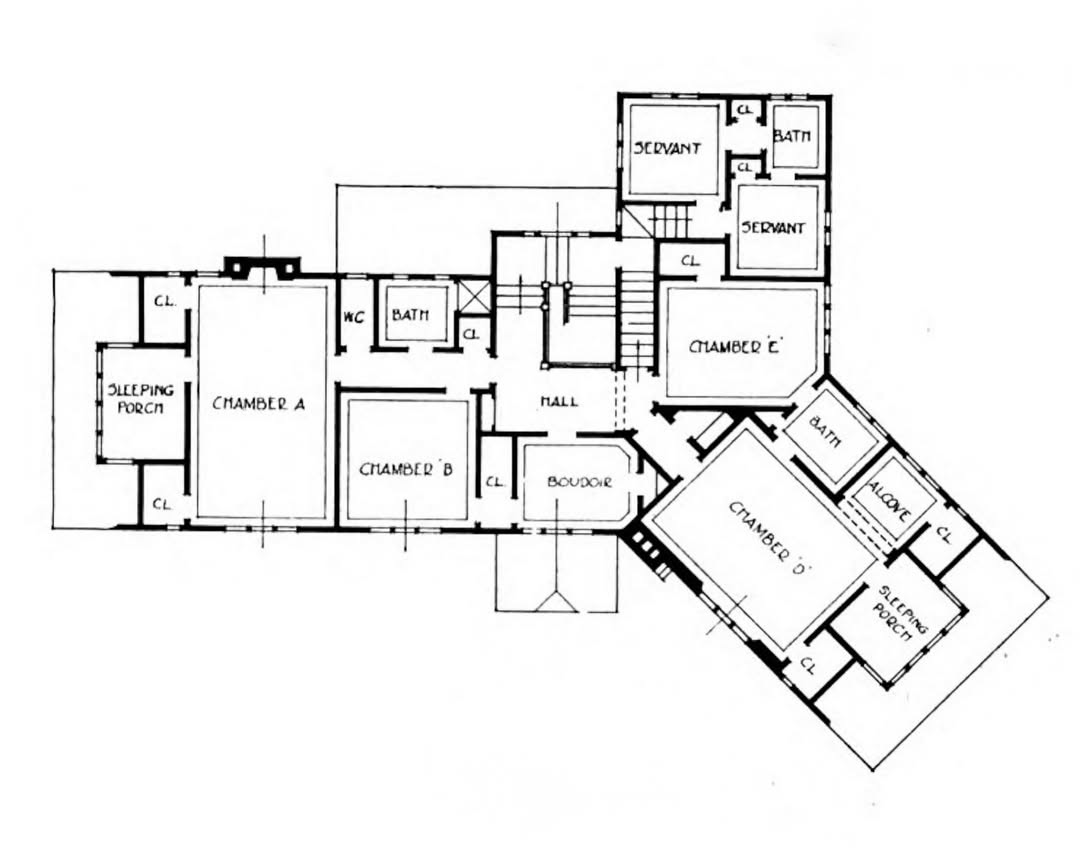
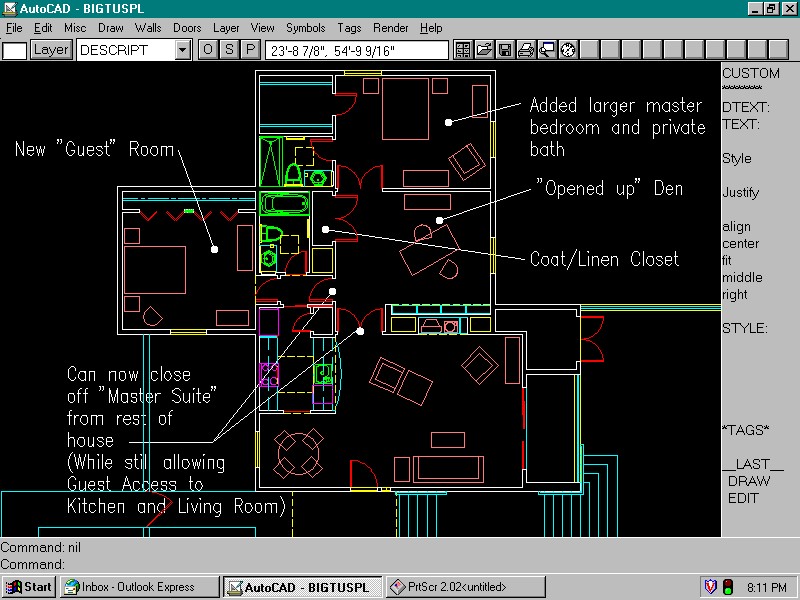
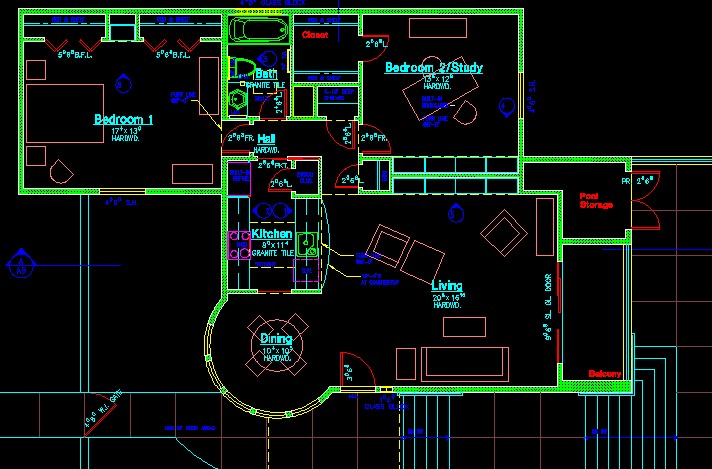
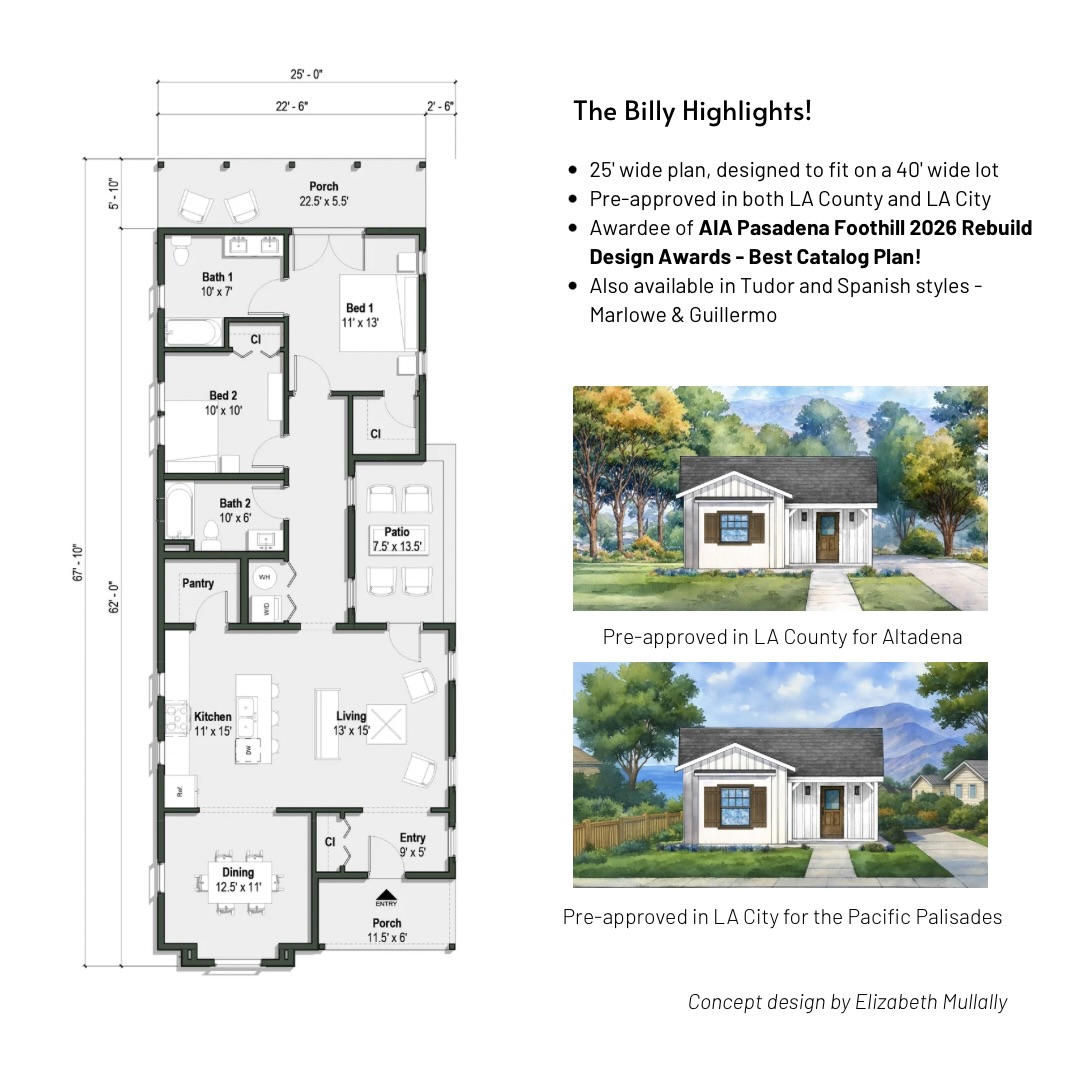
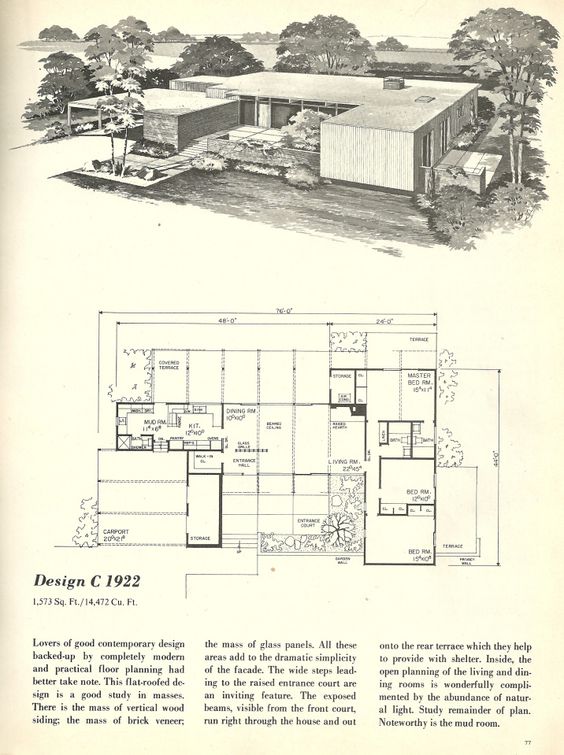
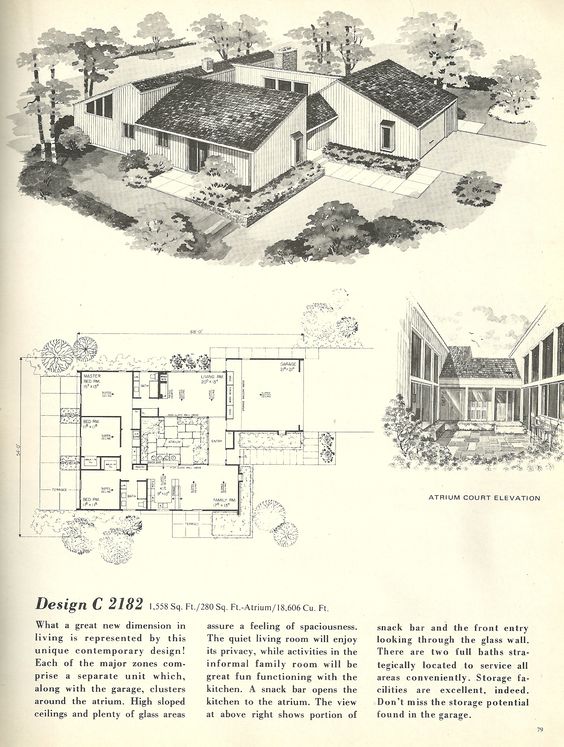
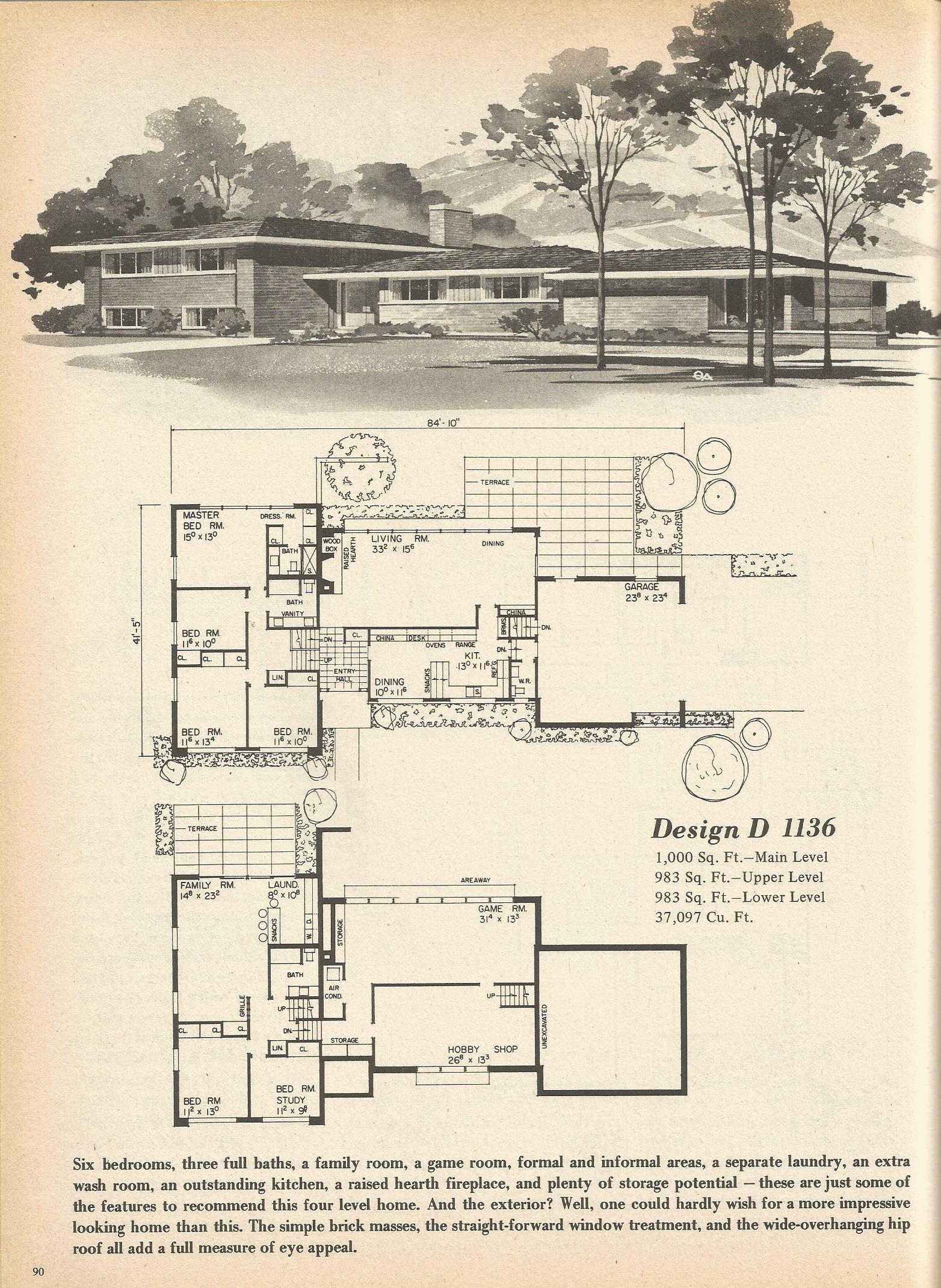
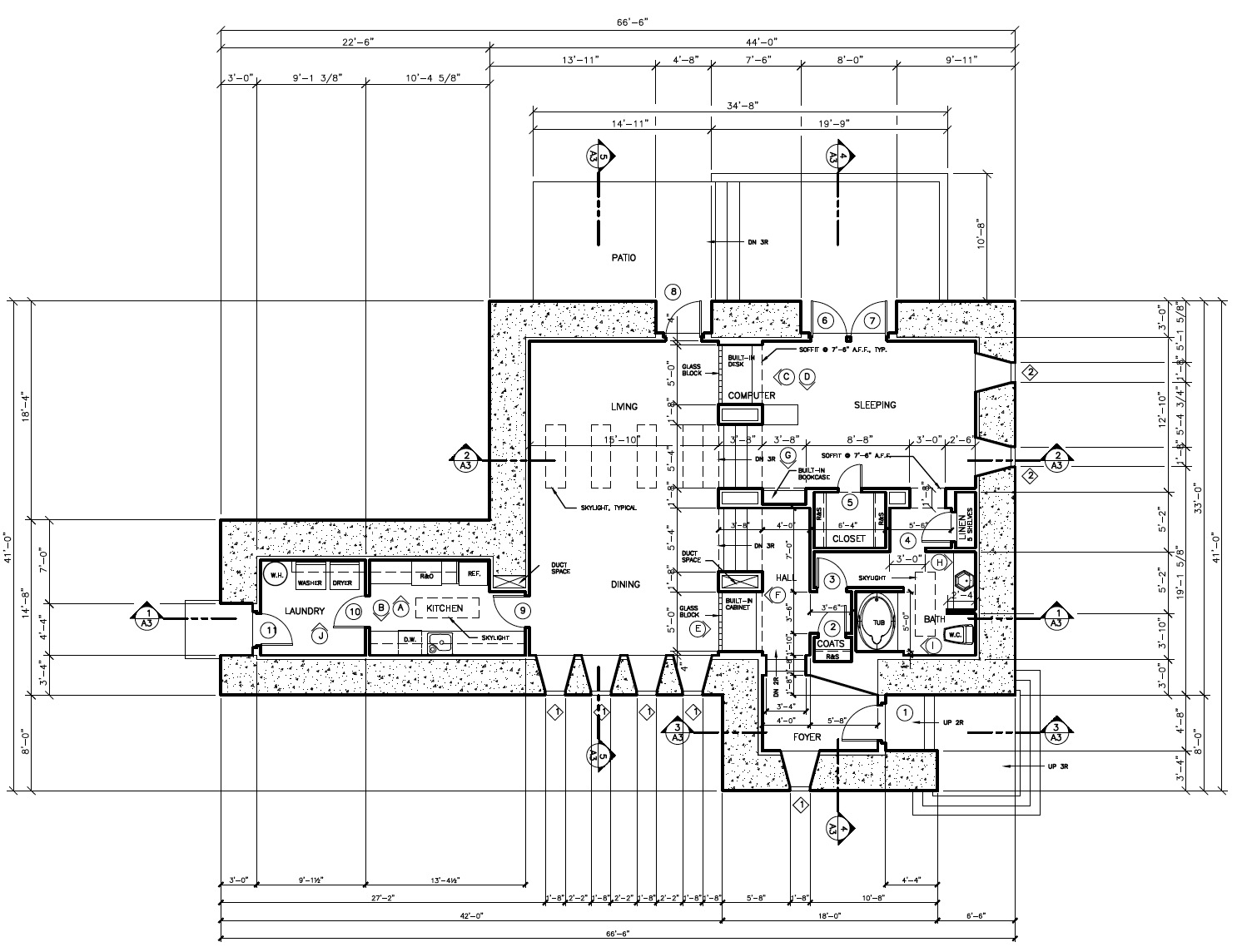
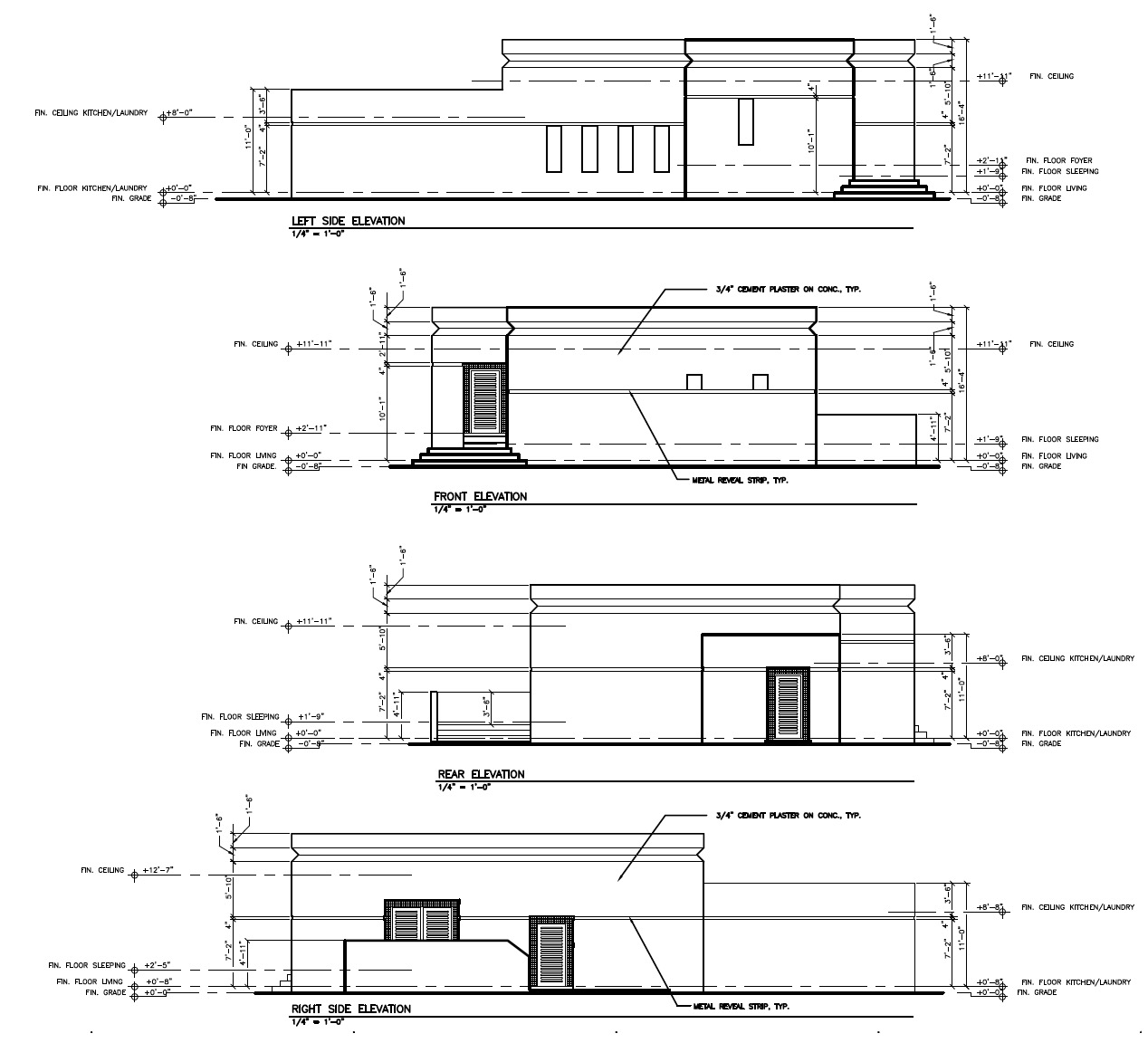
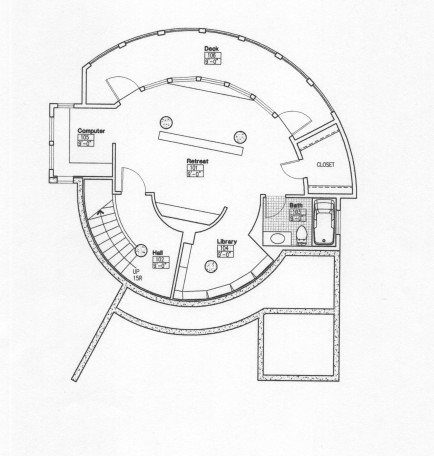
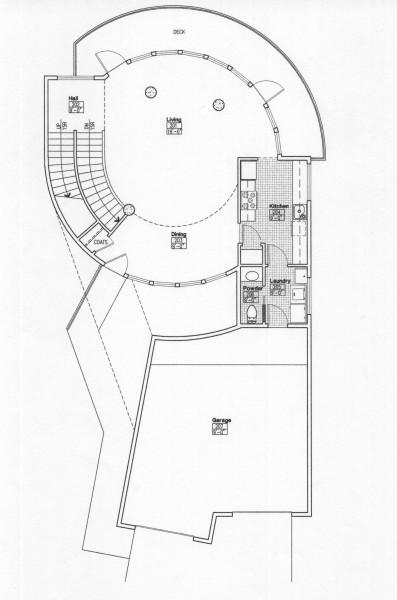
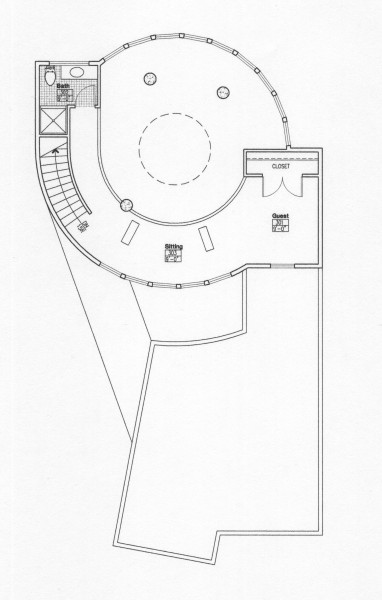
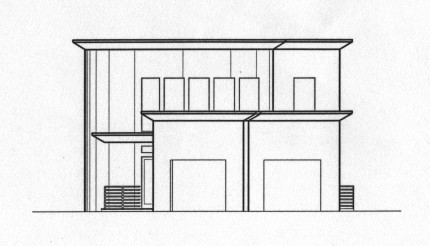
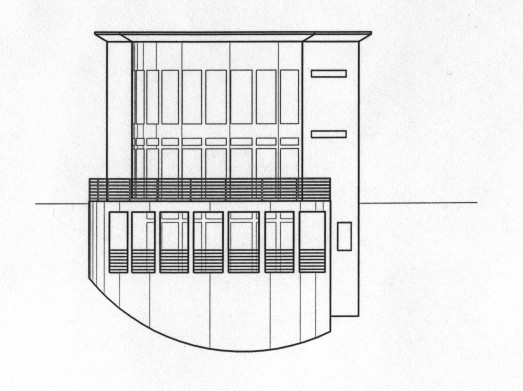
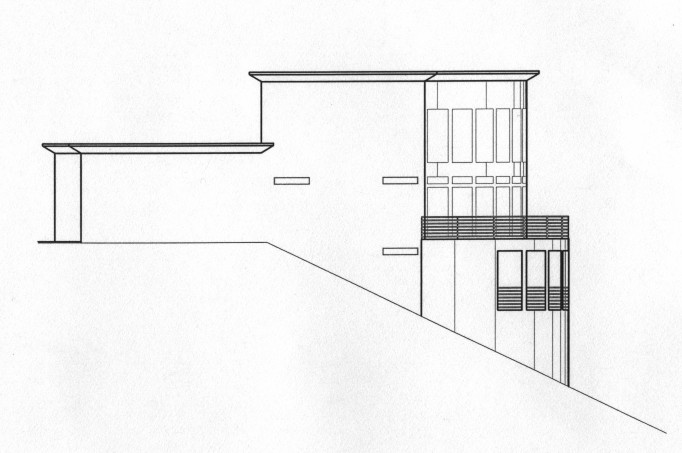
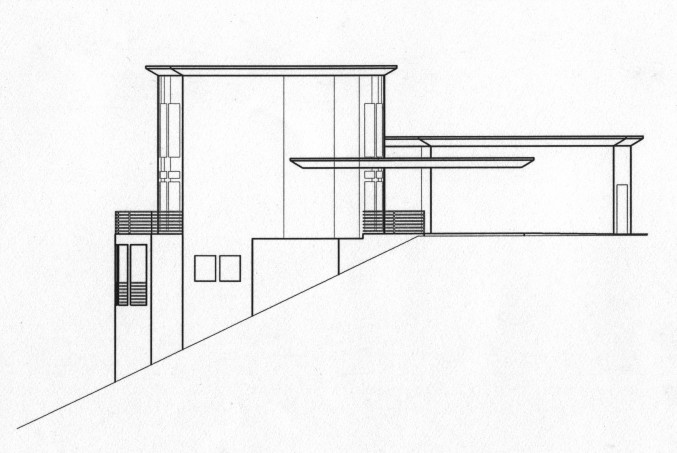
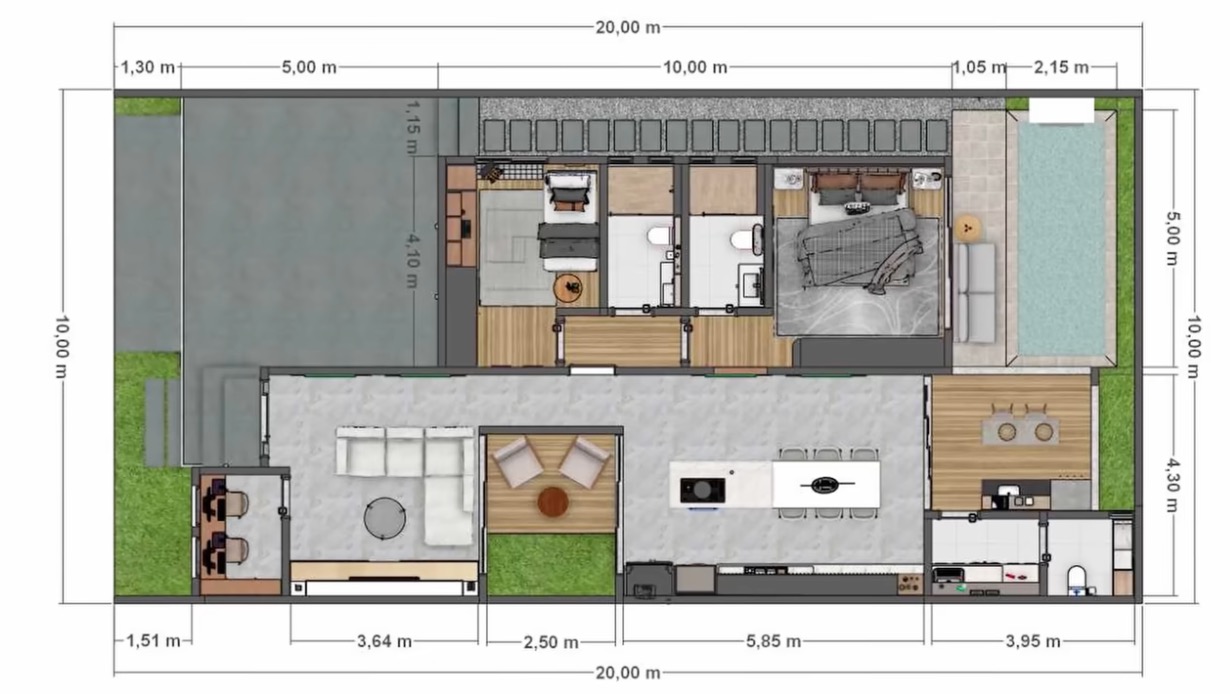
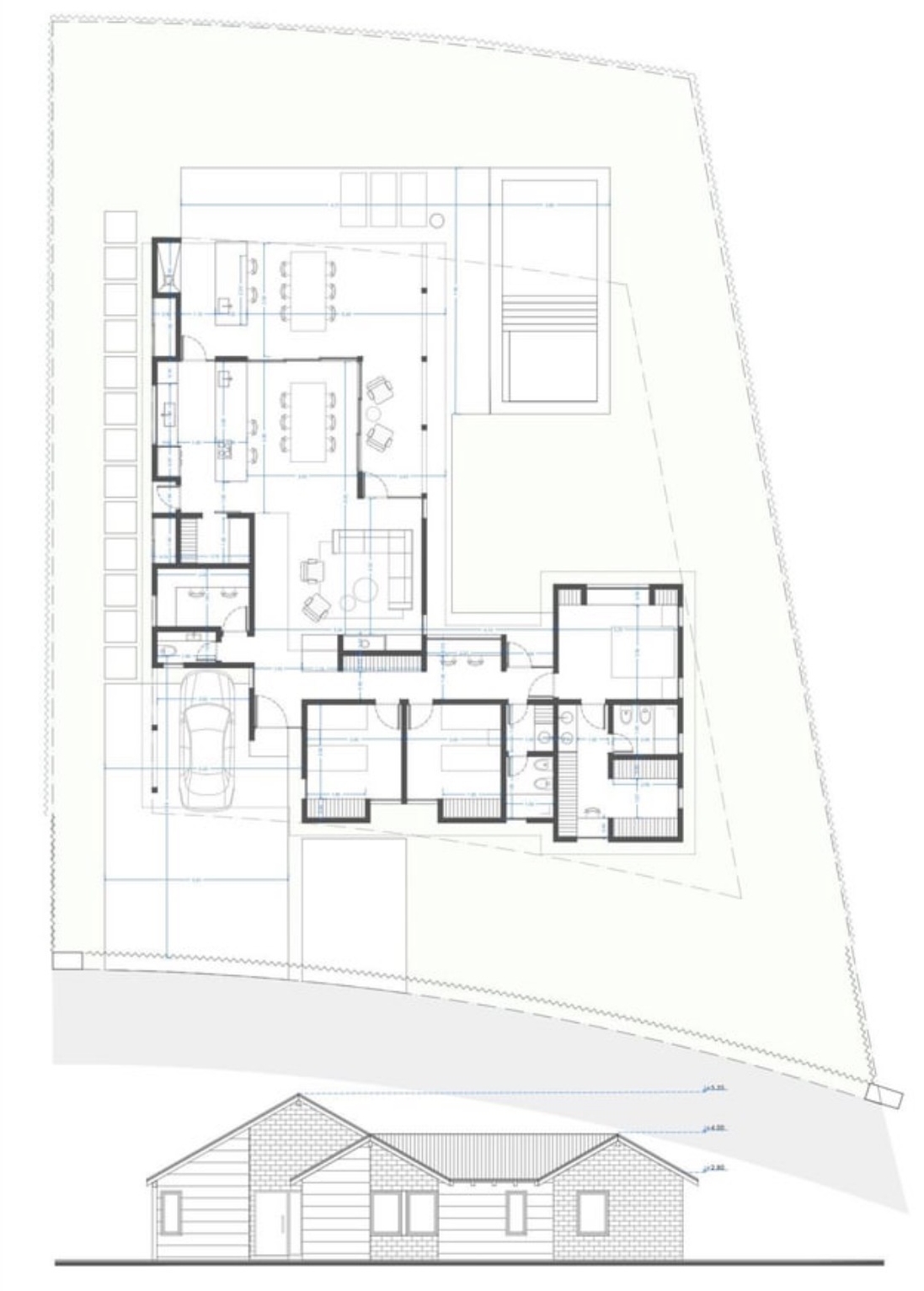
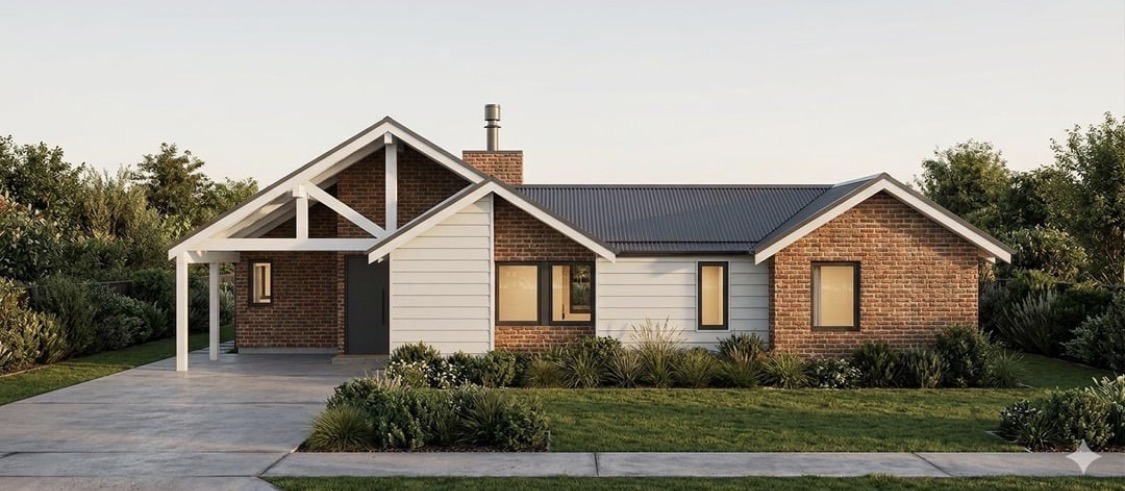
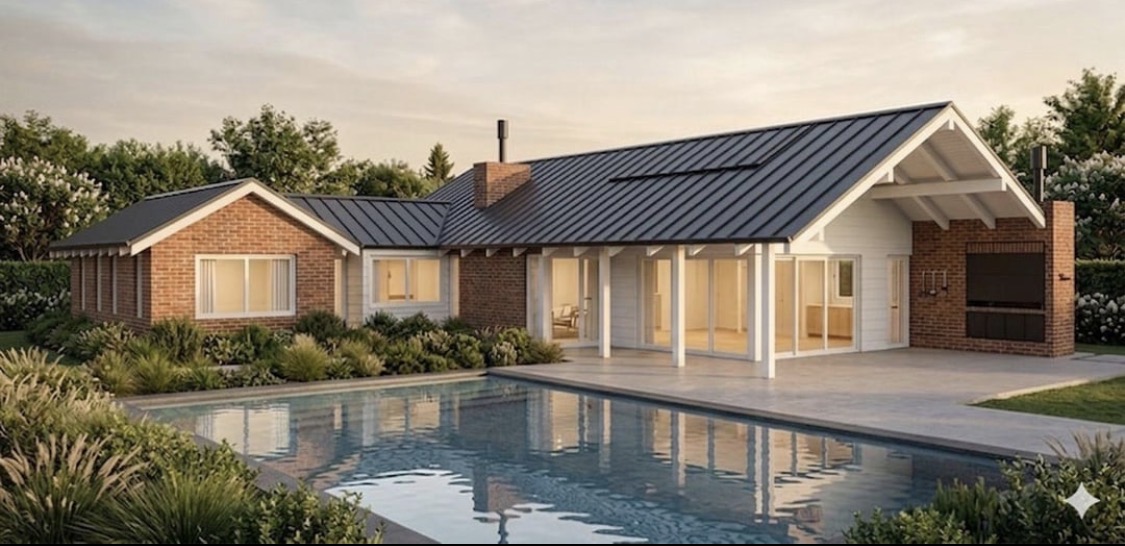
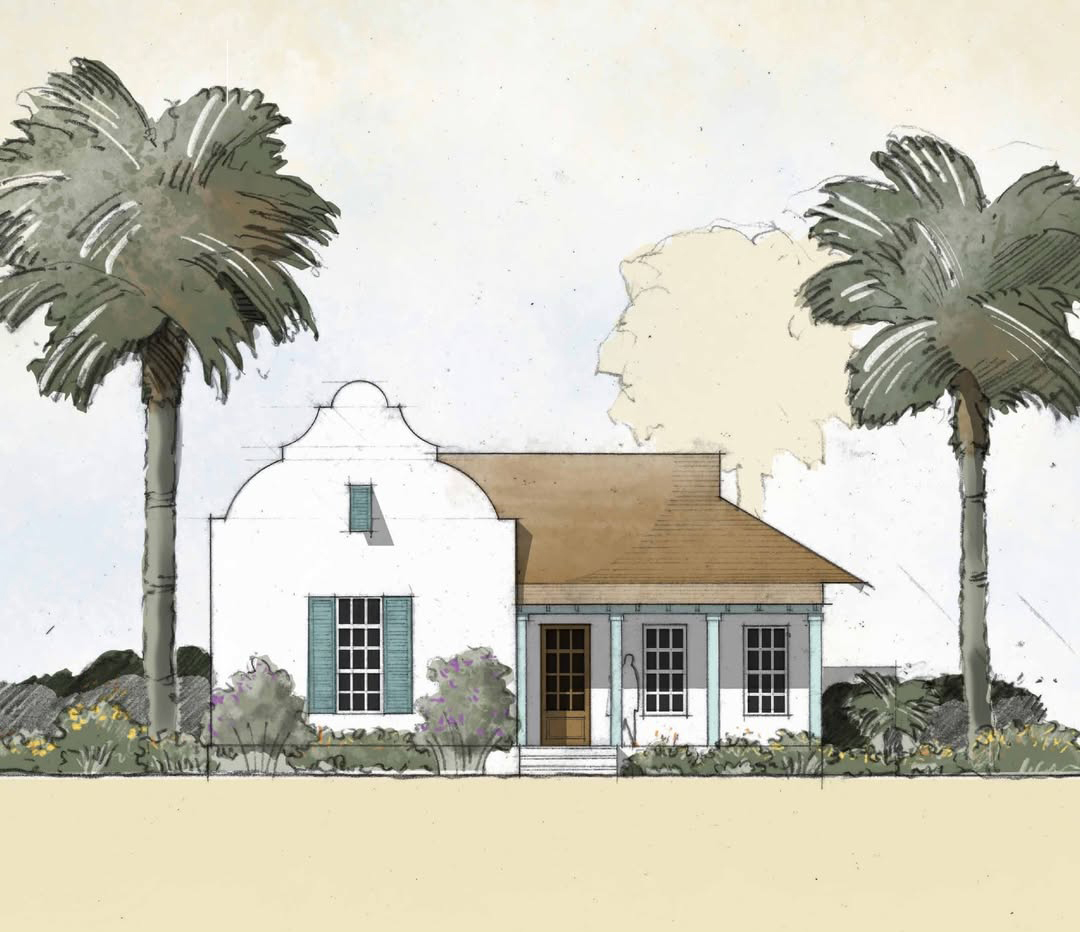
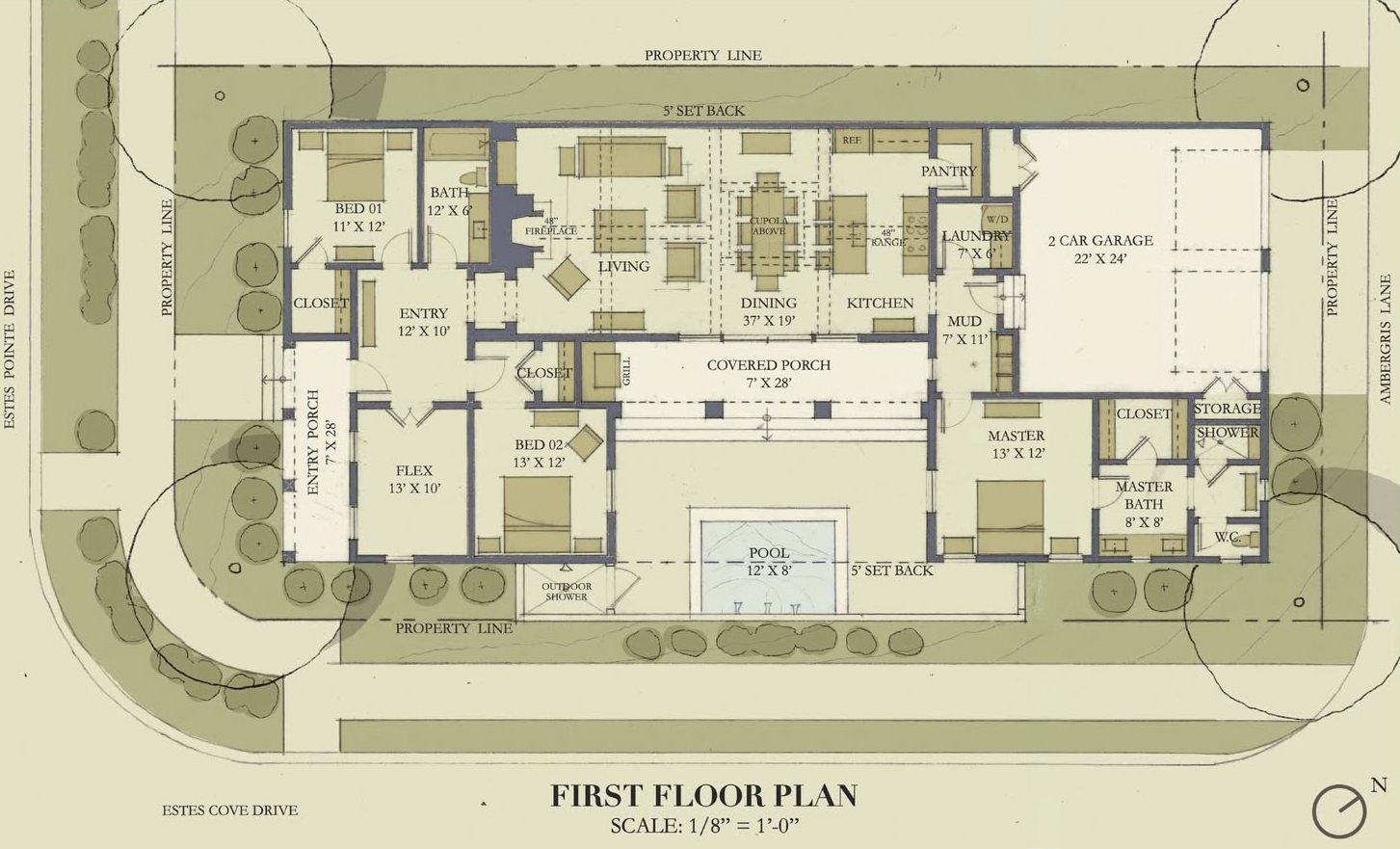
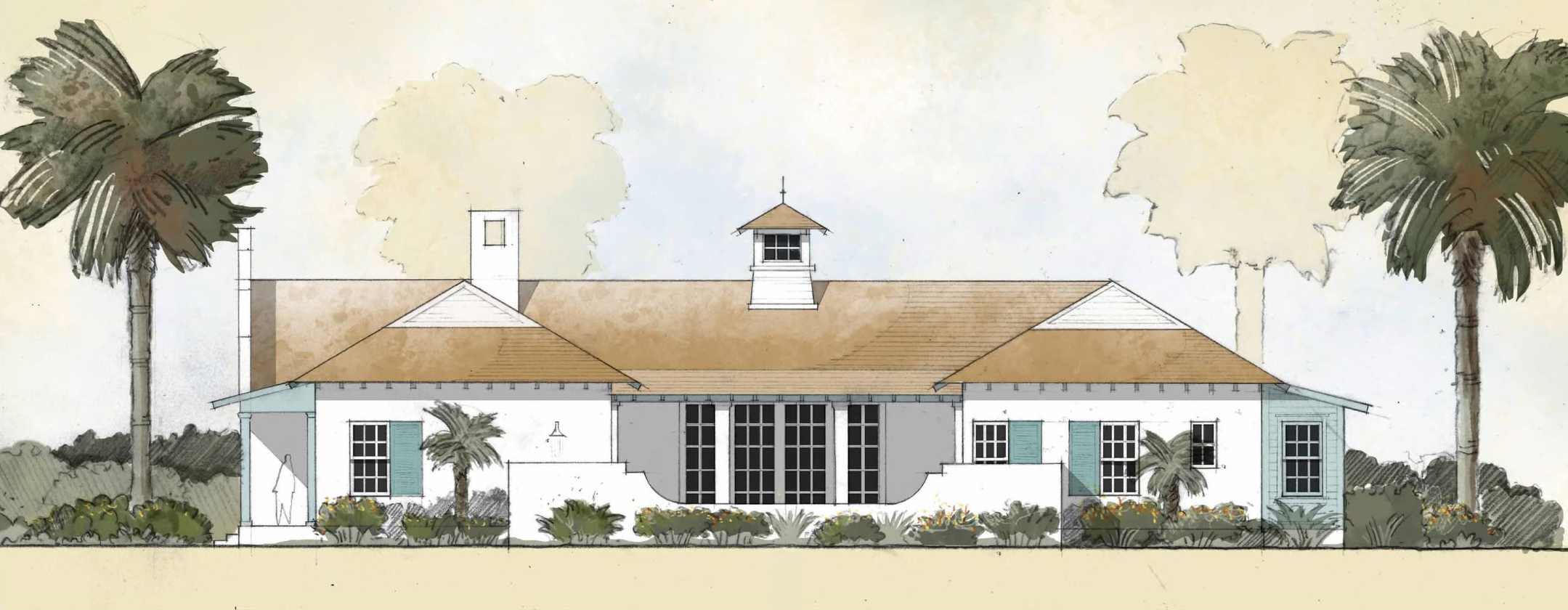
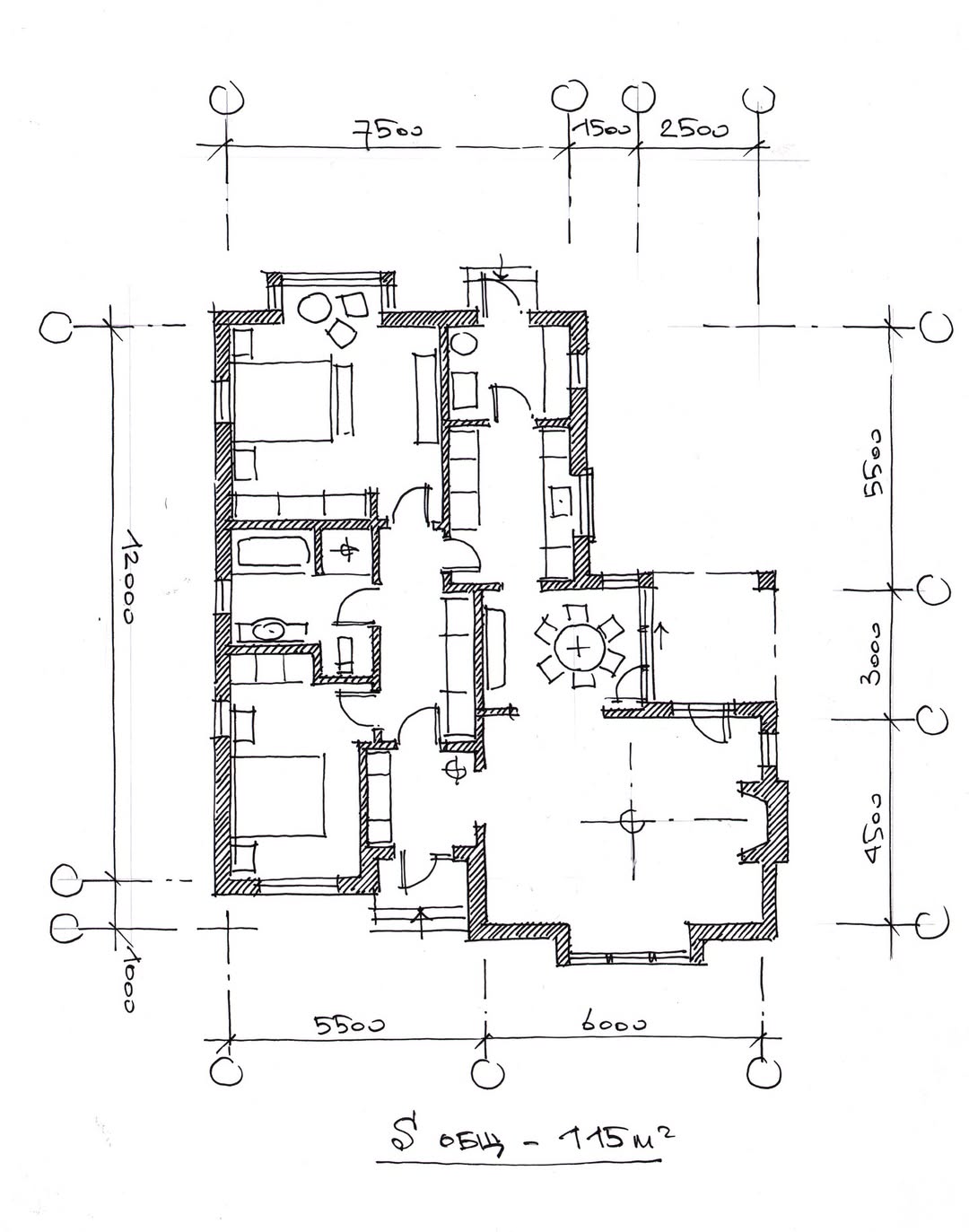
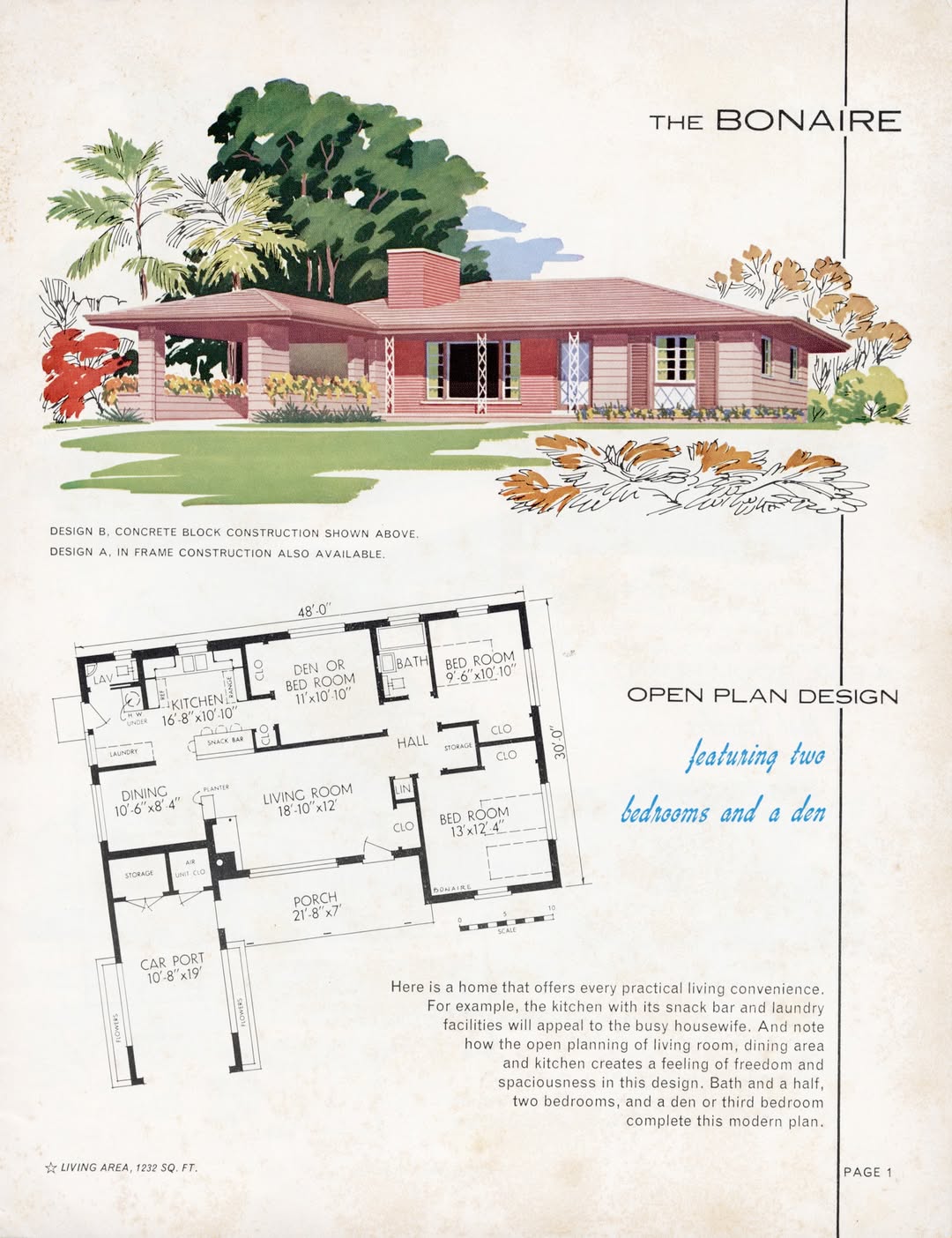
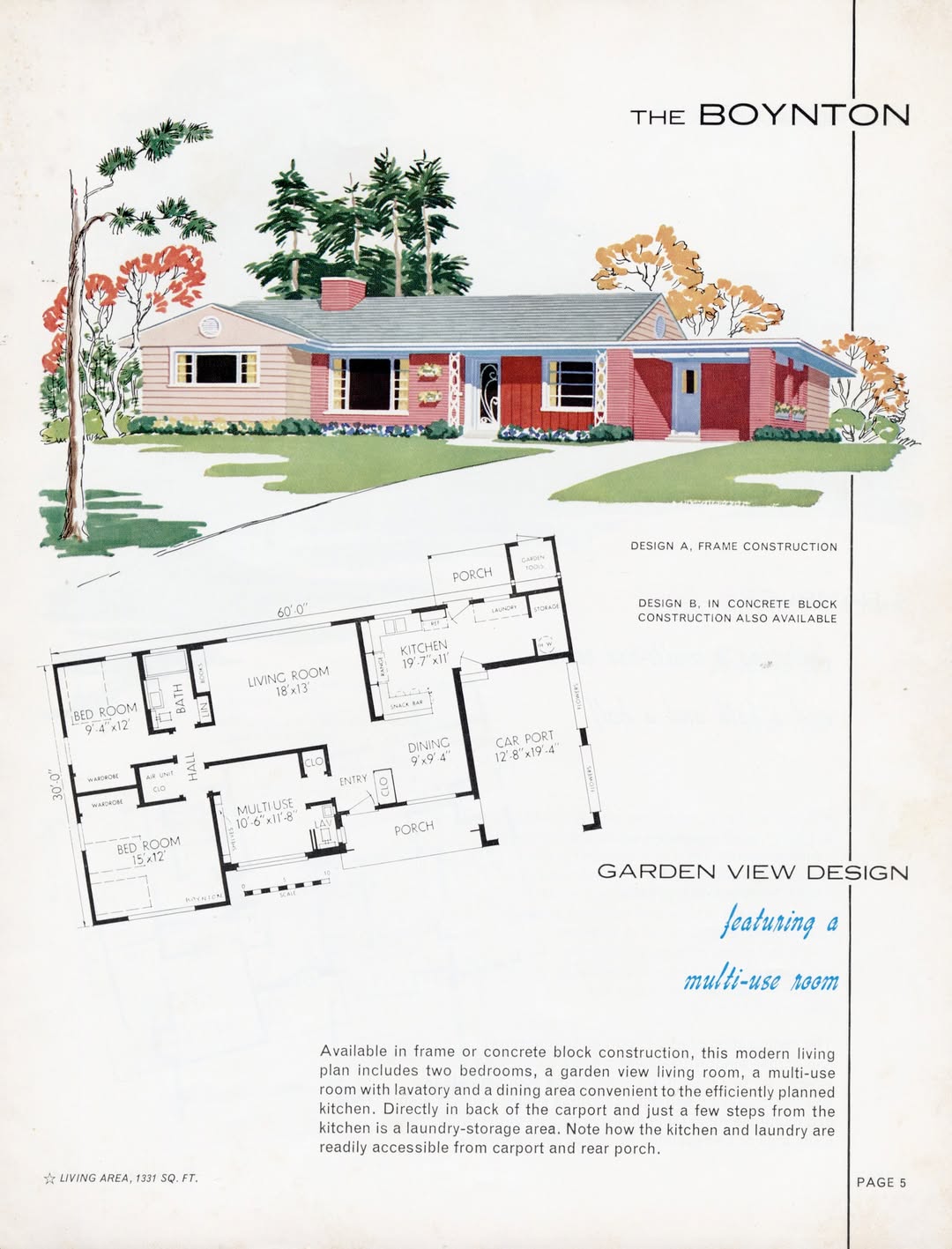
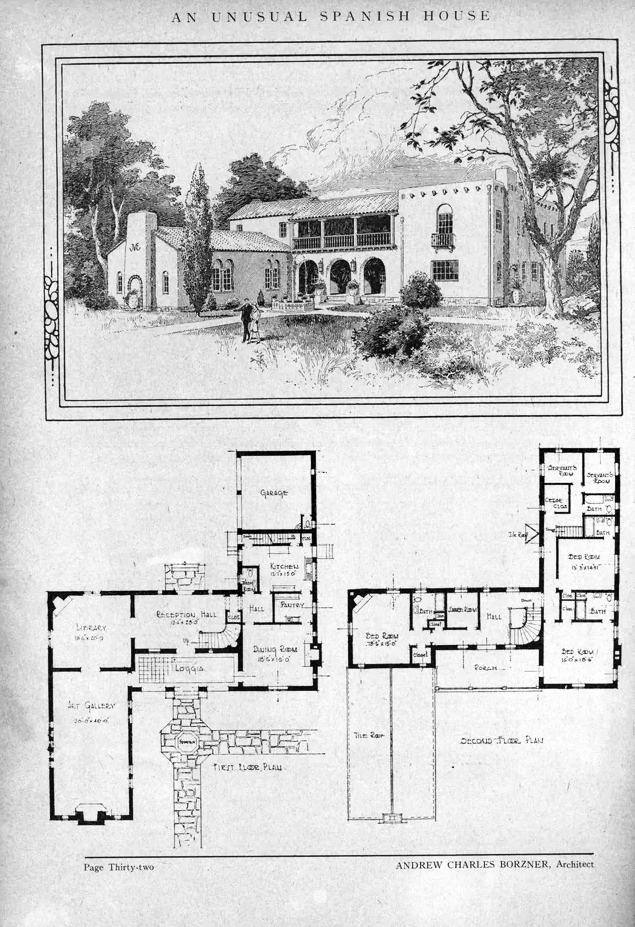
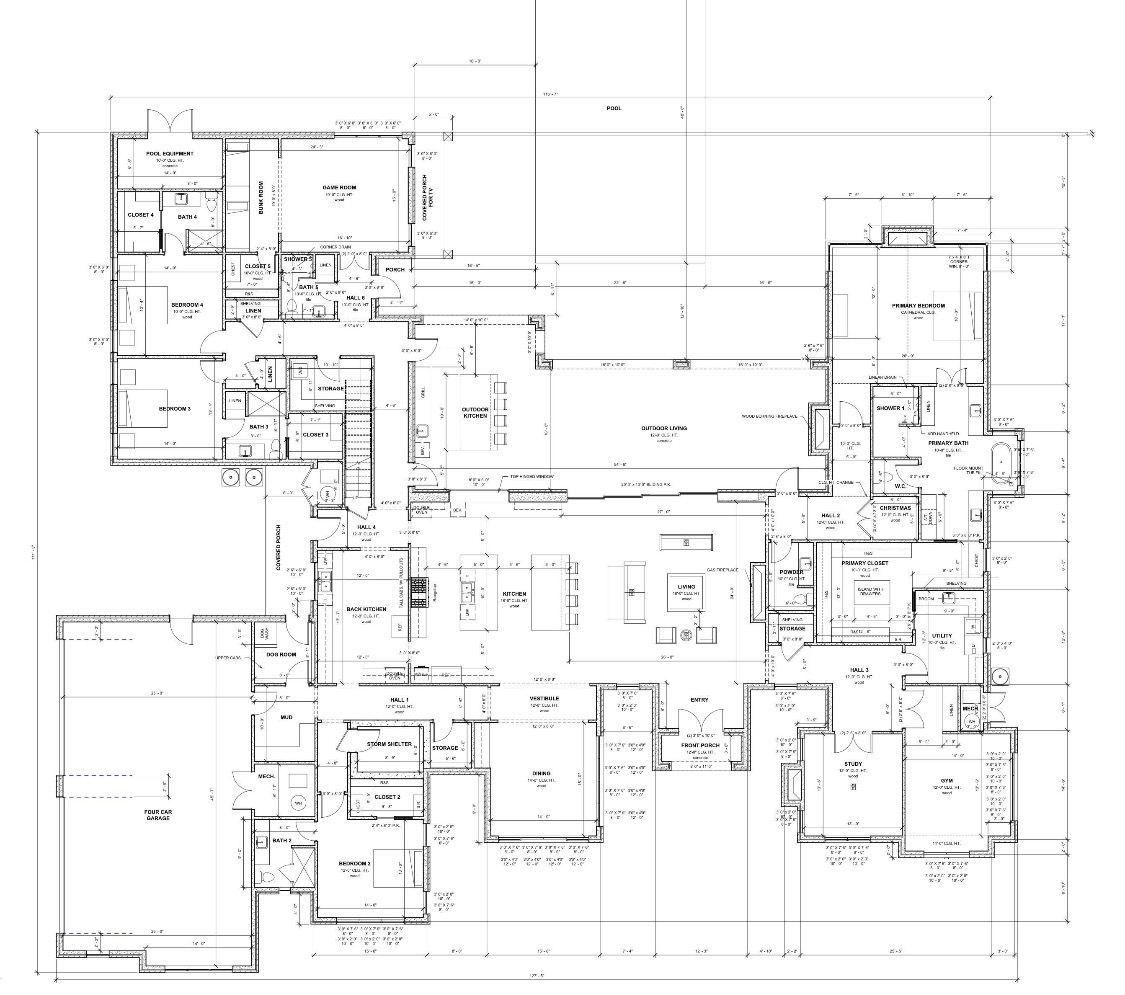
…and get rid the Maid’s Room, pushing the kitchen wall to line up with the Maid’s Room.. I’d then turn the Maid’s Room into a Den/Office. I’d also turn the Mud Room into a laundry and close off its access to the Maid’s Room bath. I’d then turn that bath into a half bath accessible from the Den/Office.
Seems A Bit Excessive
Again, Only One Bathroom For Three Bedrooms…
Quintessential 60s Aesthetic
The Optimism Of The 60s
The Wealthy Do Not Live Like The Rest Of Us
Very 70s
The Rambling Floor Plan Alone…
Plan For A Temperate Climate
Compact
I’m Not Sure About The Half Bath Under The Stairs…
Iconic
This Is How Far We’ve Fallen As A Country
What happened to our “Can-Do” attitude?
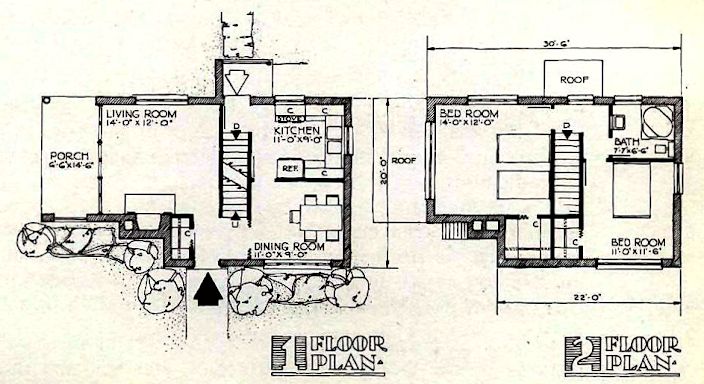
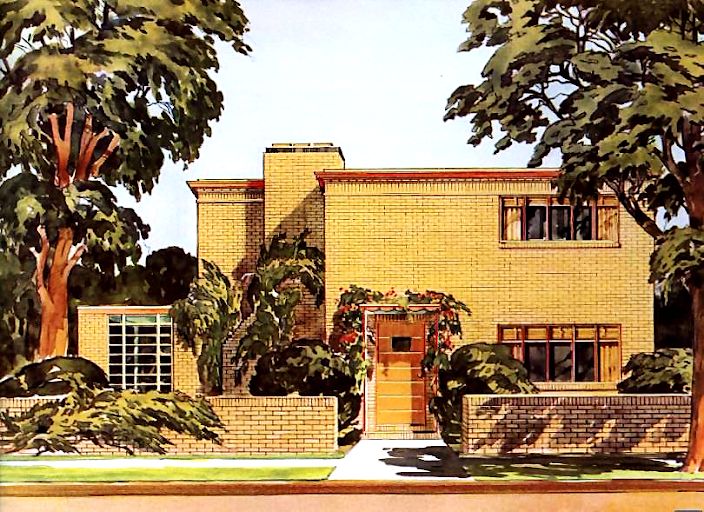
What if one of America’s boldest “new” ideas for affordable housing was hiding in plain sight…in a 1930s suburb outside Cincinnati? Meet Greenhills, Ohio – a New Deal–era “greenbelt town” dreamed up during the Great Depression (construction started in ‘35 and residents moved in ‘38) as a federal experiment in healthier, lower‑cost living for working families…as part of a resettlement effort, Greenhills was one of only three model communities (Greenbelt, MD and Greendale, WI) built by the U.S. government to test whether good design, green space, and modest rents could tackle overcrowding and slum conditions in nearby cities…curving streets, superblocks, and shared courtyards pulled homes away from traffic…simple brick and stucco rowhouses, duplexes, and houses face parks instead of parking…the idea was radical and controversial: community first, cars second…rents were set to be affordable to working‑class households, but what residents “bought” went far beyond four walls…they got walkable access to schools, shops, recreation, and lots of open space…housing policy, urban design, and public health were all baked into the ideals of Greenbelts and the Greenhills plan…today, Greenhills is a National Historic Landmark and a case study in both the promise and fragility of design‑driven affordability, and early housing policy rooted in segregation and discrimination…in the past 10 years a struggle has emerged over those that want to keep it as originally designed and others that support demolition and redevelopment…housing—especially affordable housing—is a constant challenge, now and in the 1930s.
[source]
At Least This One Has Two Bathrooms For Four Bedrooms!
Because We Can’t Have The Help Using The Main Staircase
Me Likey
The more I see of his plans, the more I think this architect, Paul Revere Williams (1894–1980), the pioneering African American architect who helped shape the look of Los Angeles, who was not allowed to live in or even stay overnight in many of the premier, white-only neighborhoods and homes he designed, did a lot of work for single gay men…
Despite being one of the most celebrated architects for Hollywood celebrities, he was restricted by legally enforced, racist land covenants that held sway in LA until the late 1940s and early 1950s.
Okay, But Why Are The Exterior Walls So Thick?
I Could Live There
In 2020, Clive Wilkinson Architects was commissioned by a film director and his philanthropist wife to renovate and modernize the iconic Wolff House in West Hollywood, designed in 1961 by the visionary architect, John Lautner, for concert pianist and interior decorator Marco Wolff.
The house was enlarged, also by Lautner, in 1970 with a guest house wing. The oversailing wide copper roof was extended to embrace the guest house addition. The home was designated a Historic Cultural Monument in 2006.
The organic features of the surrounding hillside contrast with Lautner’s carefully integrated and forward-thinking uses of natural materials like stone, glass, and copper. The elegant, asymmetric geometry of the house is seamlessly integrated into this natural environment, creating an organic flow between the interior and exterior with contemporary design.
Over the years, the house changed hands several times, and changes were made – the kitchen was renovated with stainless steel cabinetry; the staircase was moved from the center to the back of the main house.
Our goal in restoration was to completely restore and revive Lautner’s design vision, without any stylistic imprint of contemporary design.
In the main house, skylights were restored to their original size and place. The powder room was renovated, a sheet of green marble enlivening the space. What had been a large, unfinished storage room, became a sleek wine cellar. The circular stairway was updated to make it less precarious and to visually integrate it in a more seamless way.
The primary bath restored the main features of the original layout, removing a deep sunken tub and replacing it with a glass-enclosed shower. Perhaps most notably, a floor to ceiling window was added to the primary bedroom, bringing in much needed light and expanding the views of trees and the city below.
In the guesthouse, a gym and extra bedroom were created, where before there had been a steam room and storage area. All the renovations were guided by the idea of bringing back the original Lautner character and erasing later modifications.
I Love Spanish Colonia Revival
Located in Hollywood’s Outpost Estate’s neighborhood, Bob Barker’s home was previously owned by the polo playing wildcatter Russell Havenstrite (1896-1958) and his wife, Edith. Born in Oklahoma, Havenstrite would arrive in Signal Hill during the 1920s to strike oil before heading to Alaska in 1932 and returning to Southern California to drill in Newhall.
Together with his wife, Edith, Havenstrite owned the Fine Arts Building in downtown Los Angeles, an Italian Renaissance Revival style building located at 811 West 7th Street designed by Walker & Eisen. The building’s penthouse served as their downtown social space, and Havenstrite, an accomplished polo player, would found the Beverly Hills Polo Club.
Designed by architect Rollin F. Pierson, the home’s floor plan is classic Spanish Colonial Revival. The home’s large living and dining rooms open onto a large terrace with direct access to the private bedrooms upstairs. The home includes both a library and breakfast room, revealing that this was no mere speculative commission, but a true custom home.
Another unique flourish can be found upstairs, where a private interior balcony links the primary suite with the second largest bedroom across the two story entry hall.
Located at 1851 Outpost Drive, the home has recently been renovated and is currently on the market for $7,395,000.
Project: Residence of Mr. and Mrs. Russell Havenstrite, 1929
Architect: Rollin F. Pierson
Location: Los Angeles, California
Source: Architectural Digest
Me Likey
I Could Live There
I Could Live There
I Could Live There
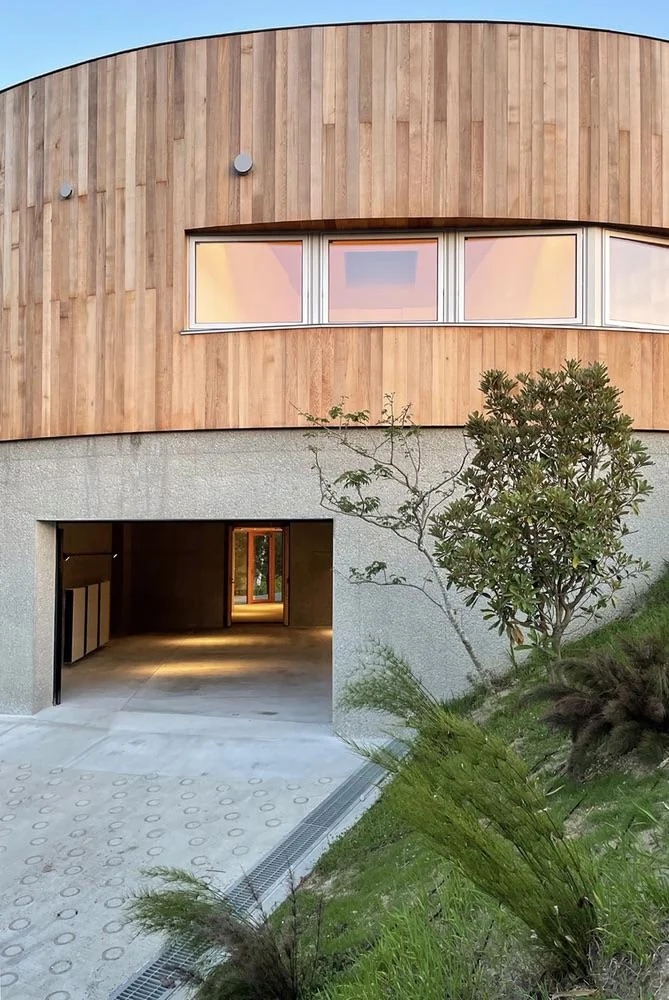
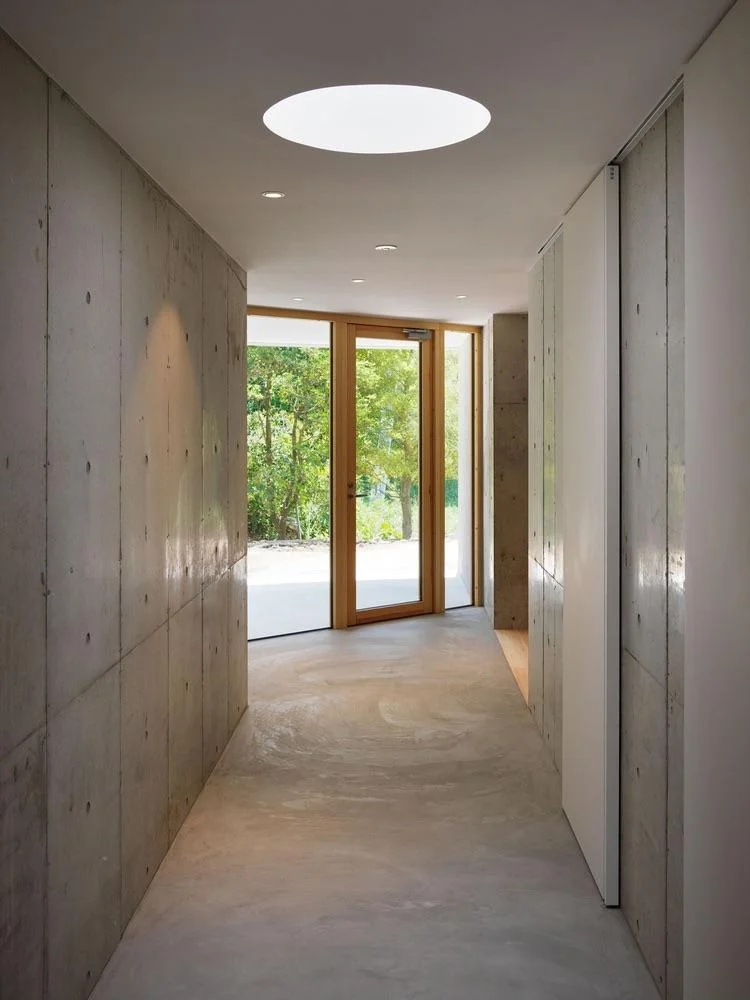
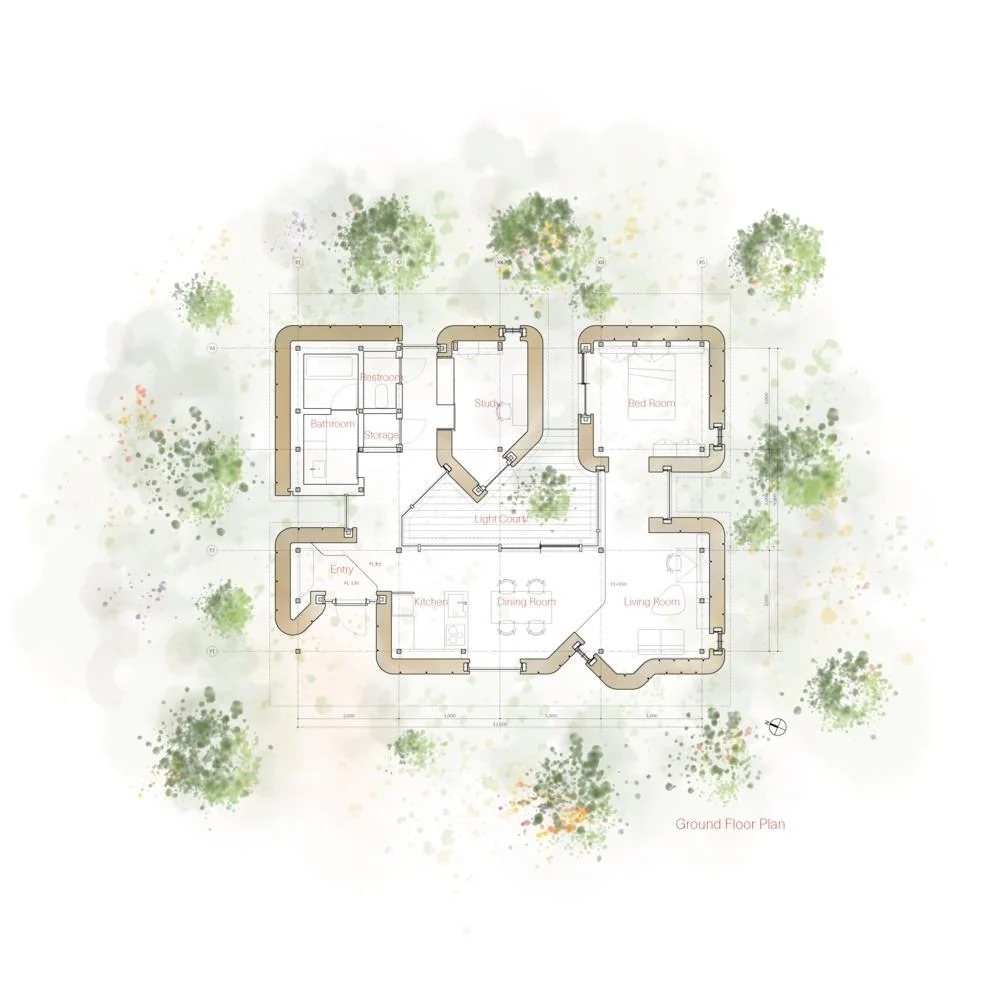
Linework Architecture: This project is a substantial remodel and addition to an unassuming 1940s single-family ranch in Northeast Seattlewith a focus on sustainability, durability, indoor-outdoor living, and generational flexibility.
Designed during the COVID quarantine, the family realized they needed to rethink how their home should function in the “new normal” and beyond. The owners wanted a house that would serve them now and into the future, no matter the shape of their family, requiring us to rethink how the traditional house is programmed and laid out.
PROBLEM SOLVING
The main house was built on the existing foundation and extended to include a larger kitchen and primary bed and bath. A new garage/DADU was introduced at the rear (northern) lot line and is currently used as a family room above and a flexible work-space below, but could be re-programmed to meet the family’s needs as they change over time.
The new one house/two structure design serves up a multitude of readings. While it currently functions as one for a nuclear family, either structure can be self-sufficient as a rental but also have enough separation to finely balance independence and togetherness for an aging parent or the owner’s handicapped brother.
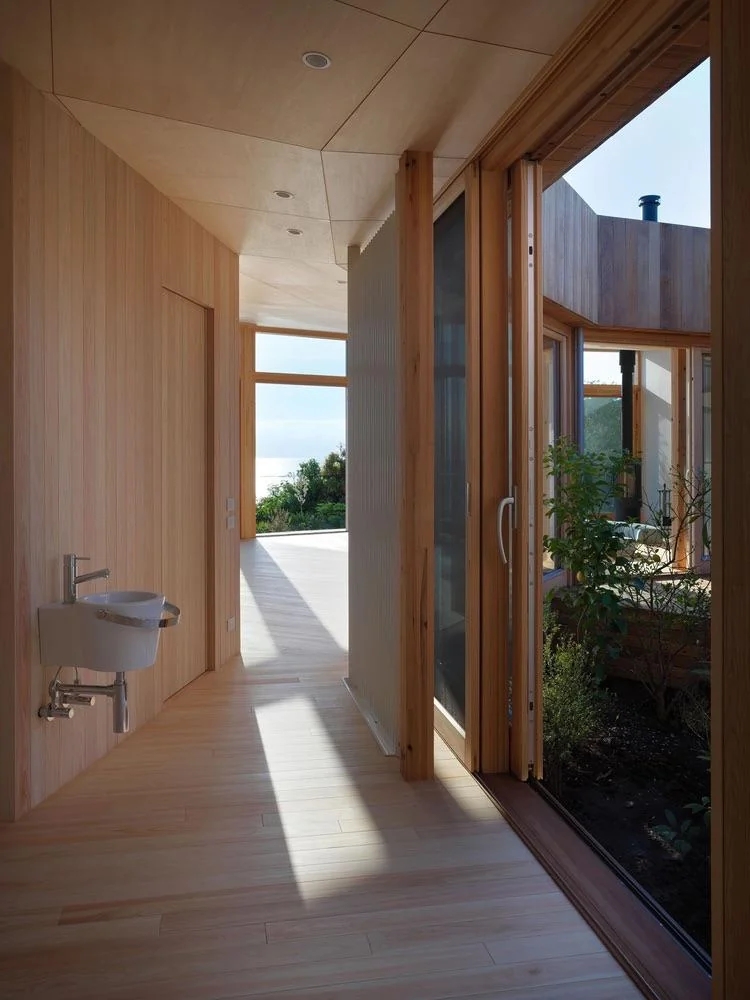
The 2,250-square-foot house is uniquely situated on a through-lot. While the original house and its neighbors had historically neglected the northern side, it became a defining opportunity to reconnect with the street and form a central garden court by placing the DADU at the rear of the property. Large sliding glass pocket doors open to the central garden court expanding the perceived interior volume and provide a seamless indoor-outdoor experience.
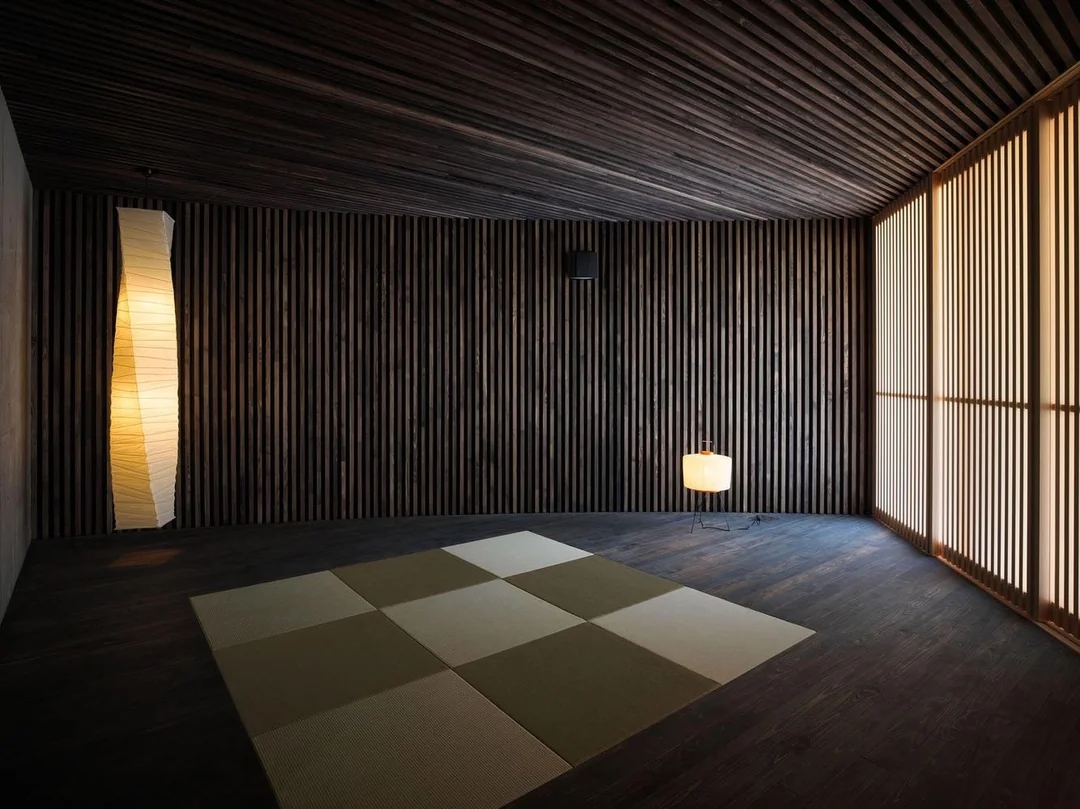
The flow and sequence of space was influenced by the owner’s experience living in a Japanese temple complex, where spaces relate and connect to each other through a common courtyard and garden. The functions were intentionally distributed between the two buildings, pushing the occupants outside and connecting them with nature.
The owners were not interested in formal certification but sought to make the house as sustainable as the budget allowed. The house was converted to 100% electrical with a 15kW solar array, and both buildings are conditioned and heat water by heat pump. The main house is ventilated with an HRV. The exterior envelope is clad in exterior insulation, thermally treated wood requiring no recoating, and the windows are U-0.23. On a holistic level, the home is built small—the house is only 1600 square feet, and the DADU adds another 650 square feet. Together, these moves reduce the net energy use to a verified 3,800 kWh per year, or a 73% reduction from the national average.
Efficiency isn’t all or nothing. By building small, building durably, and integrating sustainability features where possible, the result is a design that dramatically reduces the building’s lifetime carbon cost. Most clients do not have the appetite nor the budget for PHI certification or Living Building Challenge, yet there are still opportunities to make a huge difference when
these measures are applied incrementally and across a portfolio of work.
[source]
I Could Live There
“Despite the efforts of pedophile and felon Trump and his fascist cult followers, racism can not be denied by taking down signs in Philadelphia or anywhere else! February ushed in Black History Month and I am hornoring Paul Revere Williams (1894–1980), the pioneering African American architect who helped shape the look of Los Angeles, but was not allowed to live in or even stay overnight in many of the premier, white-only neighborhoods and homes he designed. Despite being one of the most celebrated architects for Hollywood celebrities, he was restricted by legally enforced, racist land covenants that held sway in LA until the late 1940s and early 1950s.”
[source]
The Furnishings Are Hideous…
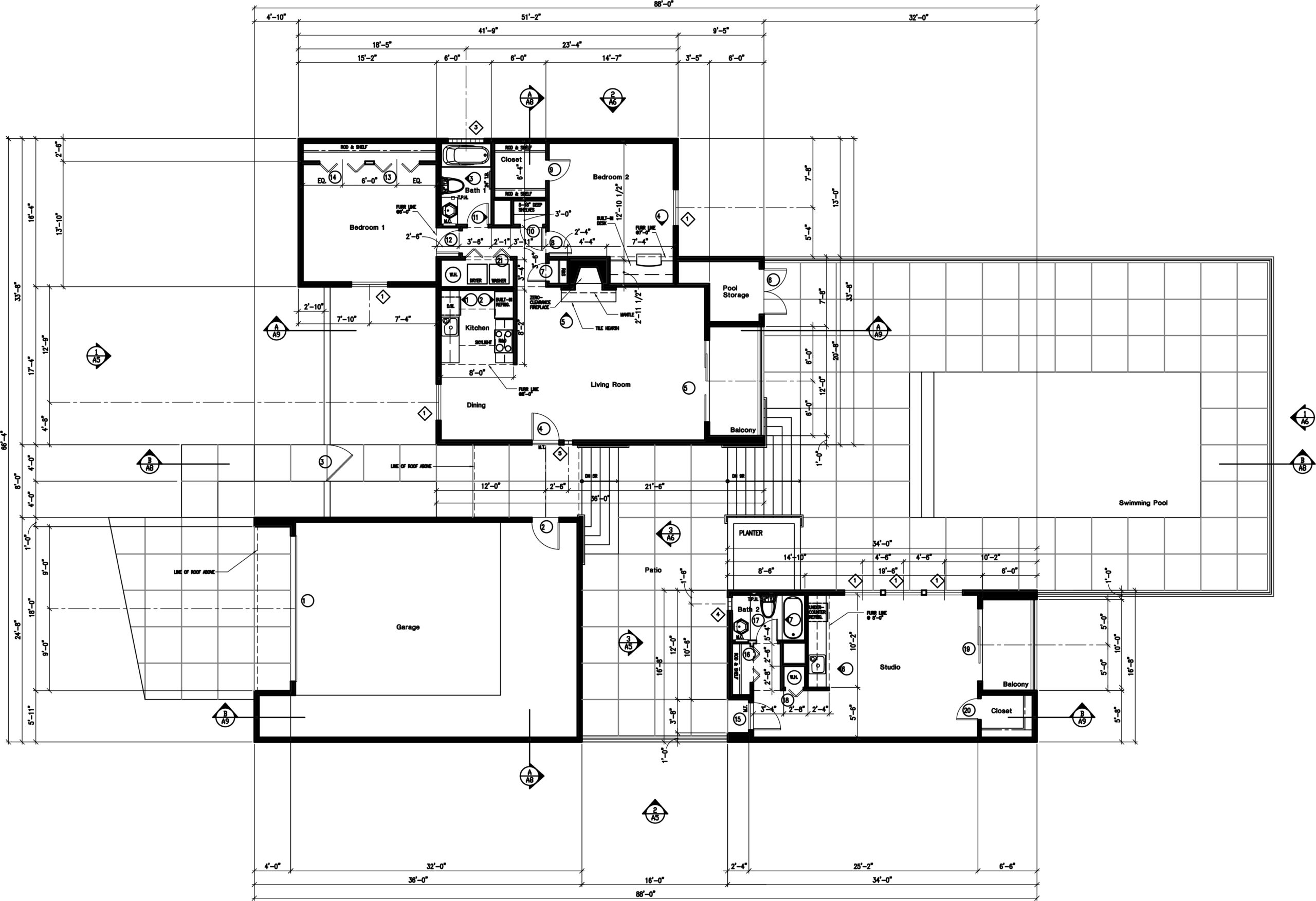
But I rather like the overall plan and exteriors. And that Studio…????????????????
From the source:
Architect Wallace Neff’s third house for opera star Amelita Galli-Curci was located in San Diego’s bucolic Rancho Santa Fe community. Rancho Santa Fe, technically a census-designated place, transports you into the California of yesteryear, and provided just the artistic respite Galli-Curci desired.
My favorite aspect of this home are the garage’s generous overhangs, which provide both protection from the elements as well as adding visual interest to an otherwise stark facade. This home’s design expertly straddles the Spanish Colonial and midcentury modern forms, creating a home that combines the best of both worlds.
And is there anything more romantic than a home situated within its own private eucalyptus grove? While I prefer native plants, I grew up with eucalyptus trees in my backyard, which will always afford them a special place in my heart and imagination.
The home was located on Las Planideras, yet has since been demolished.
Project: Residence of Mr. Homer Samuels and Mrs. Amelita Galli-Curci, 1947
Architect: Wallace Neff
Location: Rancho Santa Fe, California
Photographer: Maynard L. Parker