Something from back in the day when I was still designing things…

Once a legitimate blog. Now just a collection of memes 'n menz.
Something from back in the day when I was still designing things…
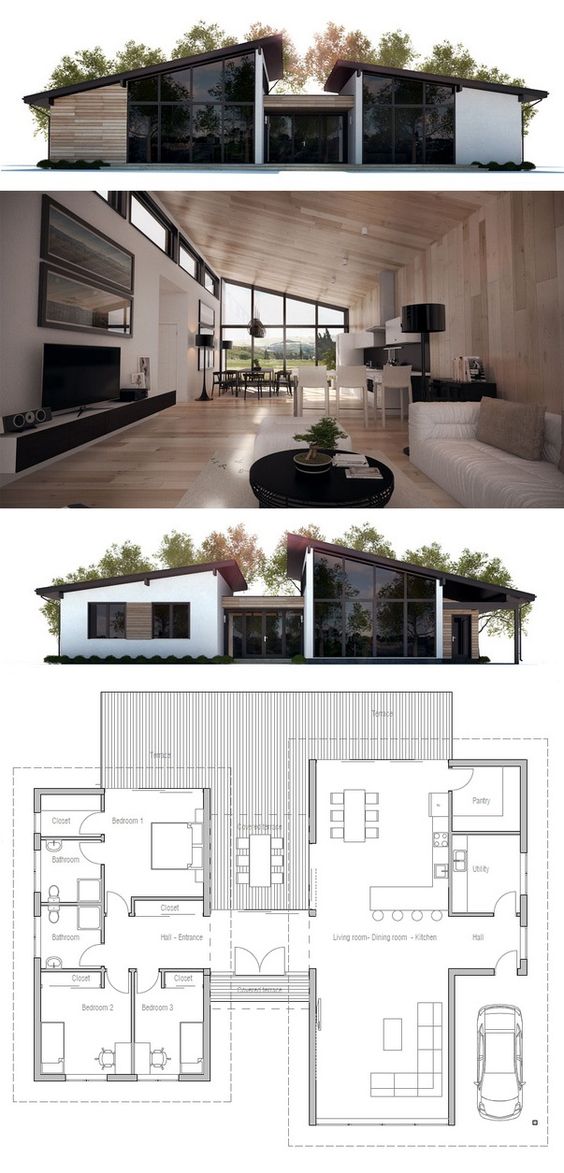
Sometime in the late 60s or early 70s, I remember looking at one of my mom’s architectural/decorating magazines and seeing an absolutely amazing home that was basically a glass cylinder laid on its side nestled among a wooded lot that overlooked an open field or stream. The glass part of the cylinder was a series of curved skylights between structural rings that stretched from floor level to slightly a bit past overhead where they butted against a solid structure.
I don’t know if it was House & Garden, or House Beautiful, or some other magazine, but numerous online word/image searches using any combination of tubular, glass, cylindrical, skylight, house, forest, stream, 60s, and 70s has come up with absolutely nothing. Since I can’t narrow the time frame down to anything more concrete than prior to 1972 but later than 1968 maybe—and even that may be in question—even locating the original magazine at a library may an endeavor.
So I thought I’d throw it out into the blogosphere and see if this jogs anyone’s memories (because I have such a huge readership) before I resign myself to spending a weekend at the library…
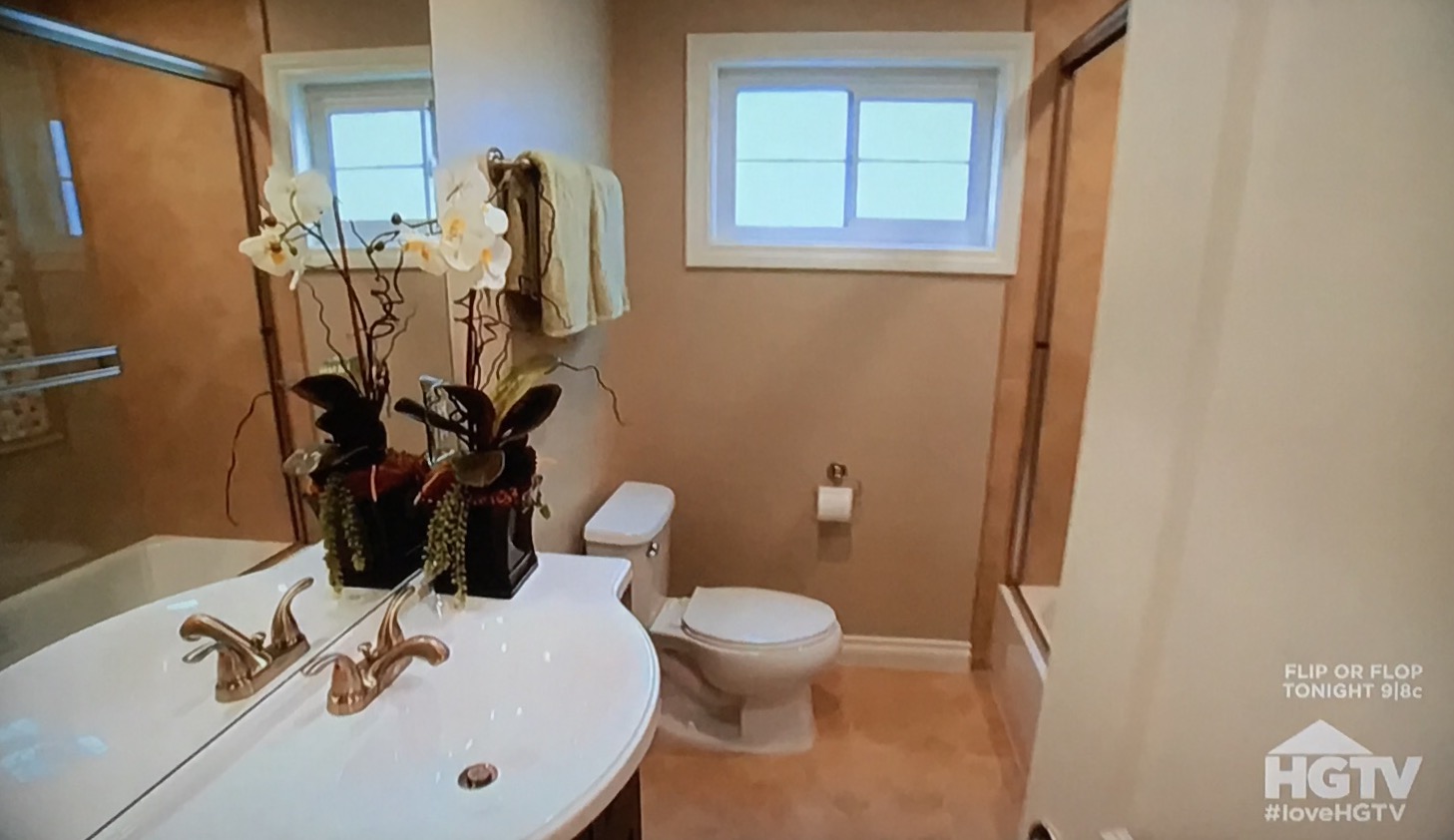
Dream
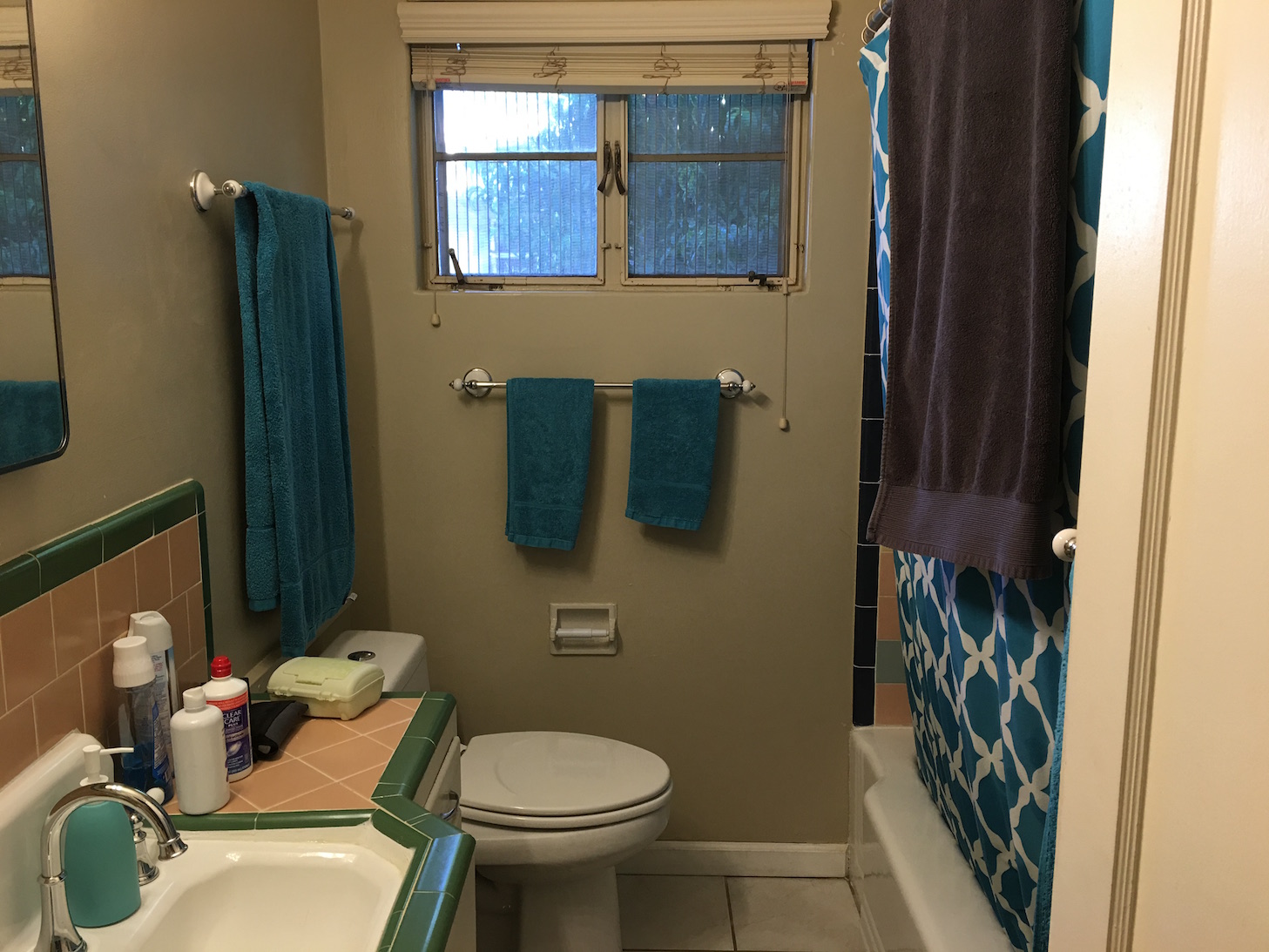
Reality
 They never look like this on any of the flights I take!
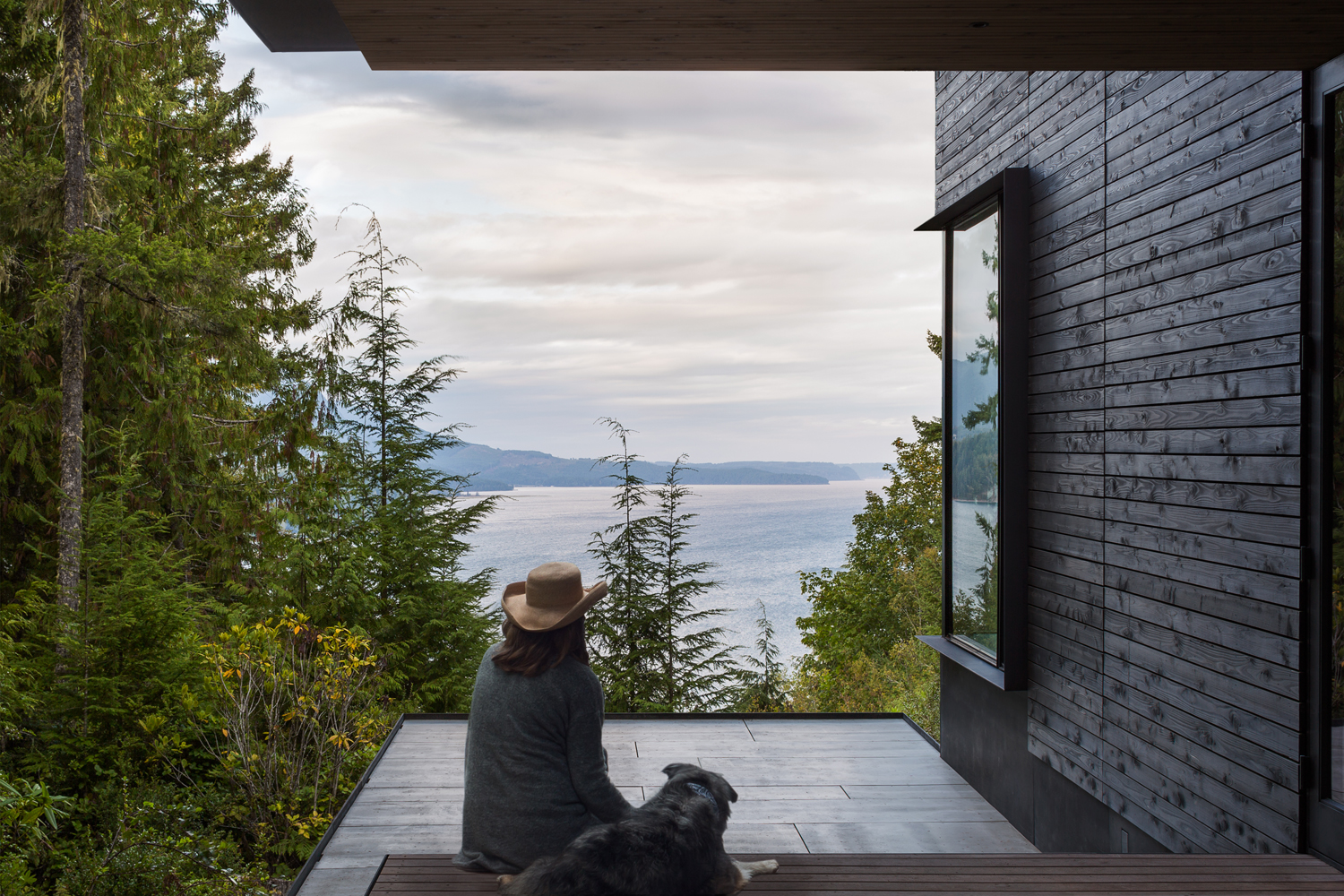
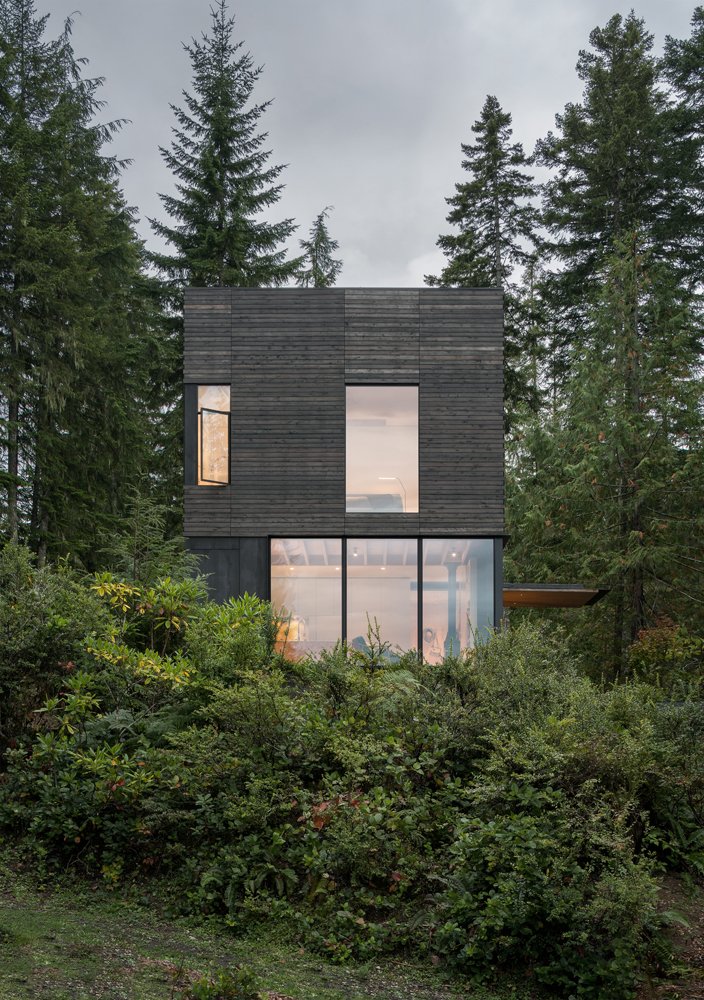
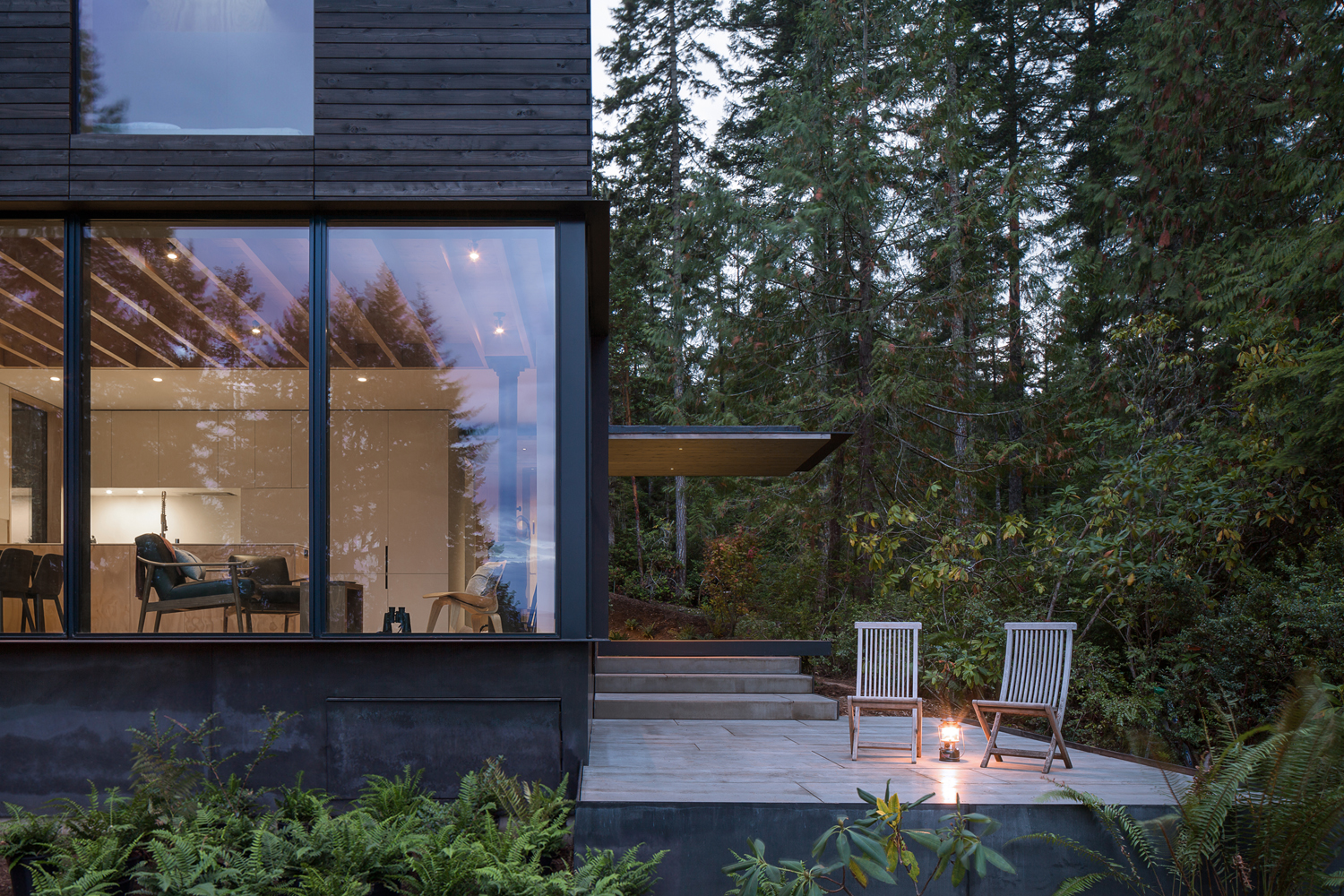
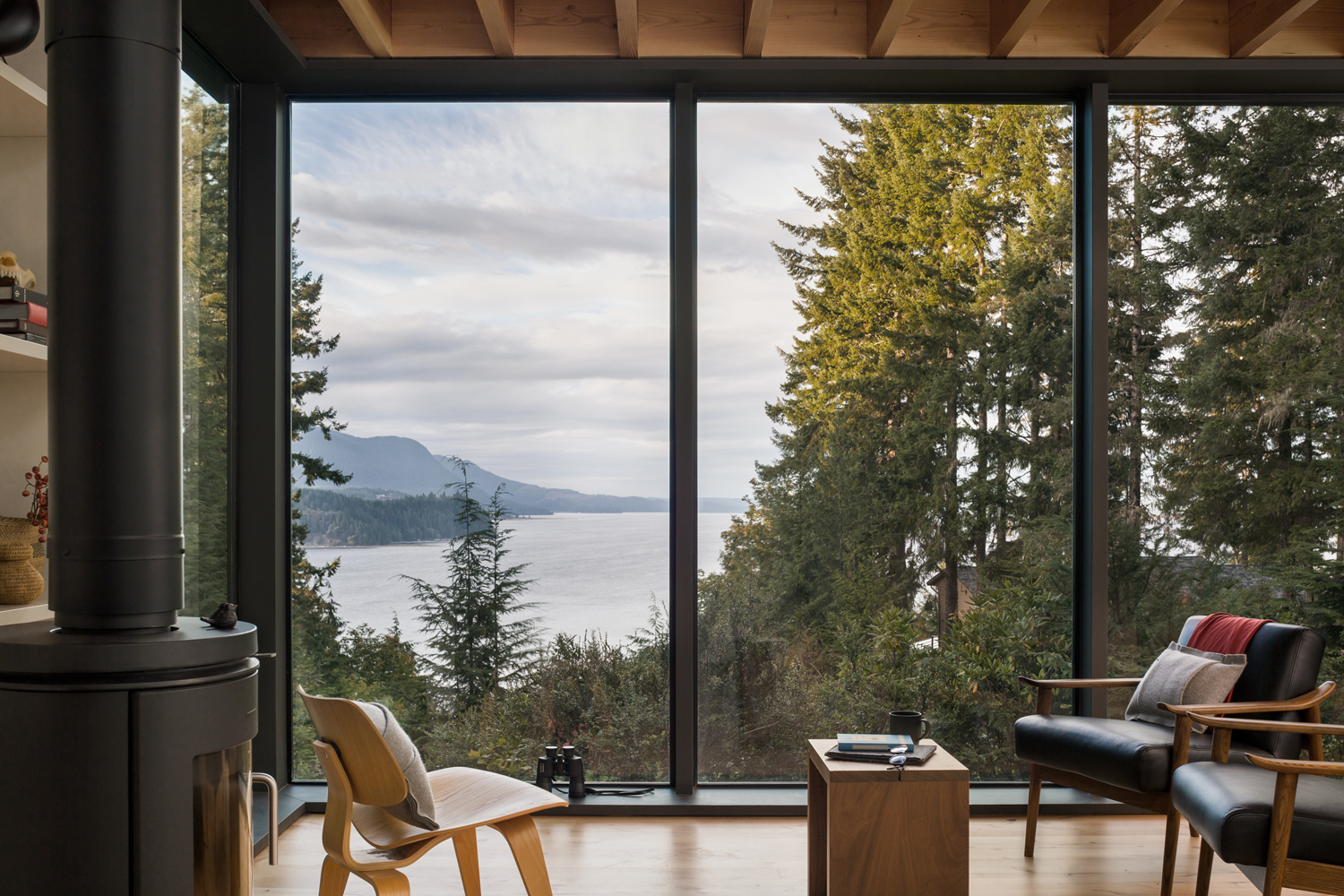
…even if the view is a little too much like what Baltar had right before the Cylons attacked Caprica.
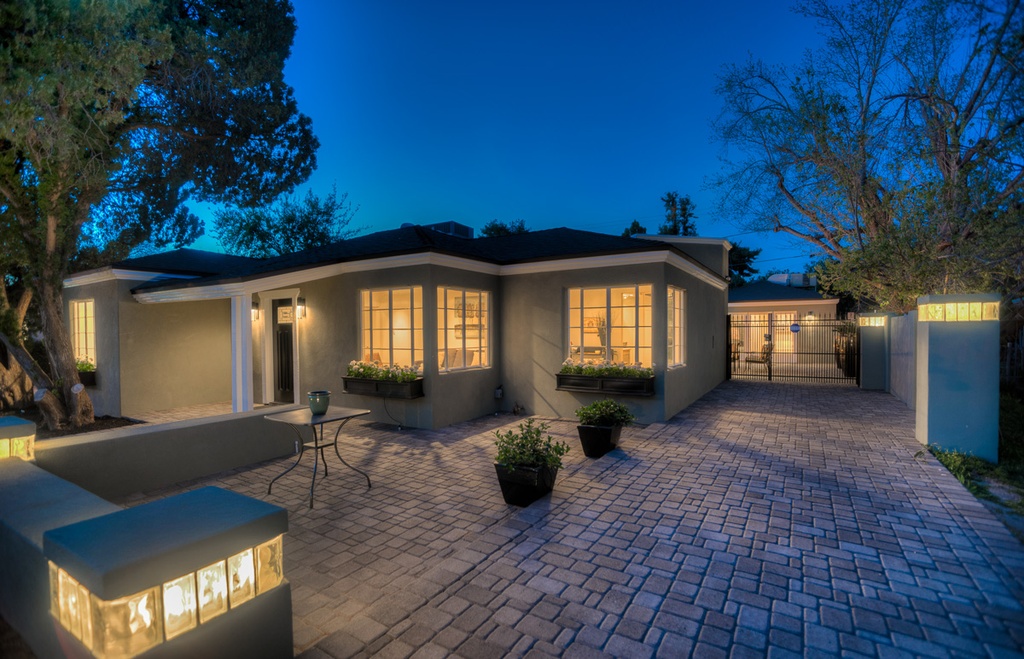
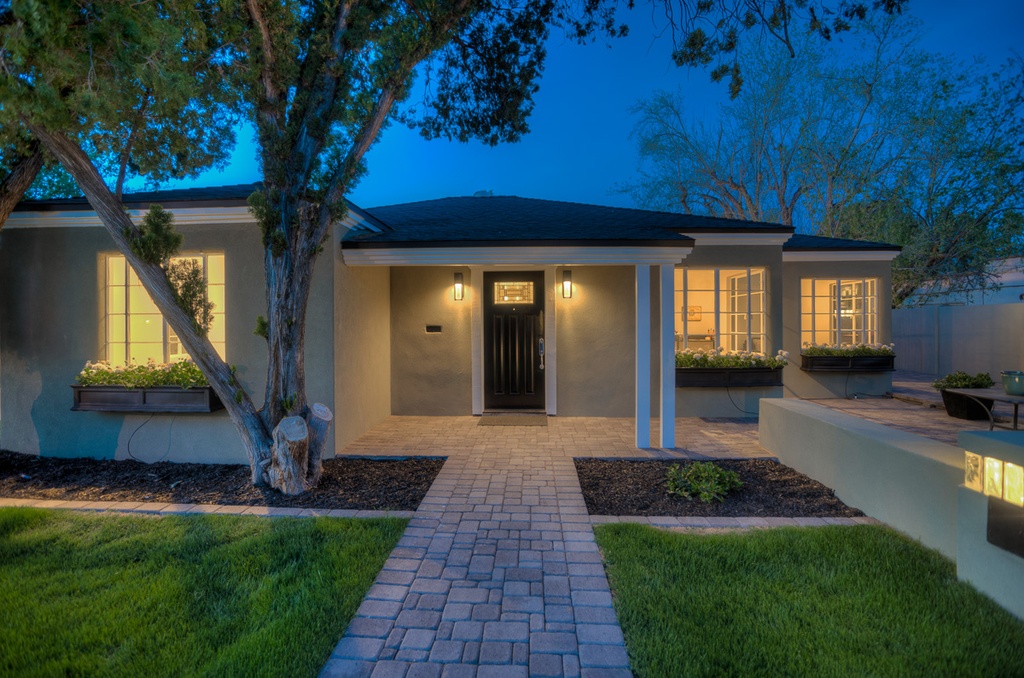
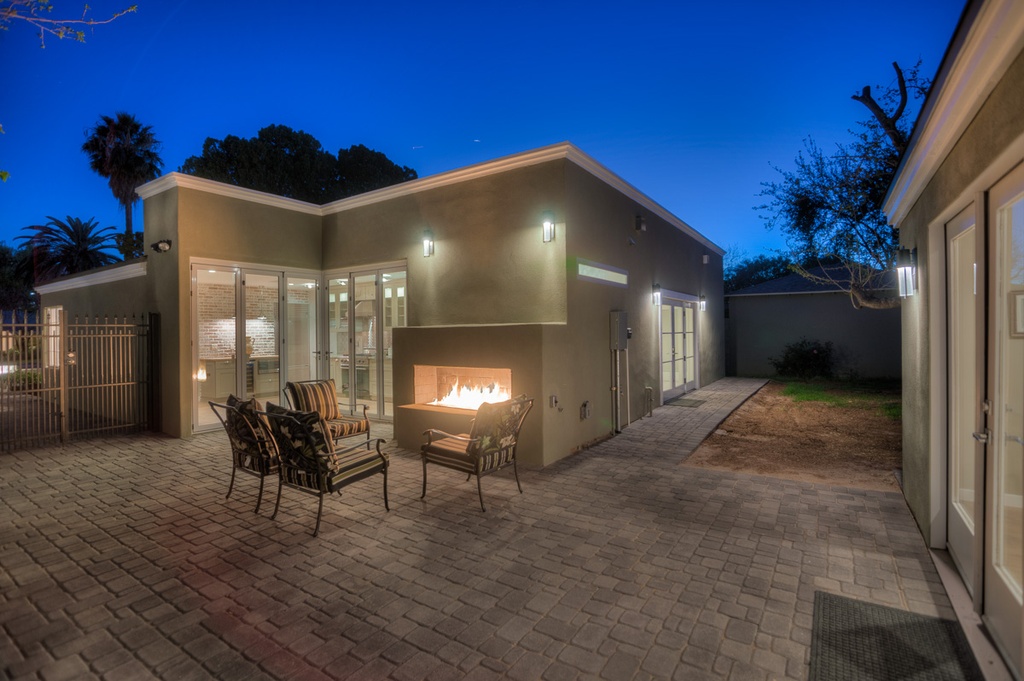
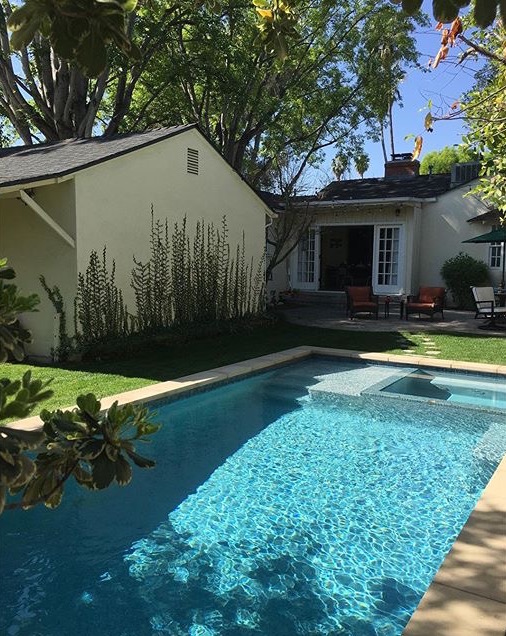
A few weeks ago the remodeled house down the street from CopperStar finally went up for sale. Ben and I laughed when we saw it being marketed for half a million, even with the crappy, unfinished back yard. It was a ridiculous asking price for the ‘hood, even if it had been pristine. I mean, the place is nice and all, but it’s not worth that much.
Well, it sold—for the full asking price.
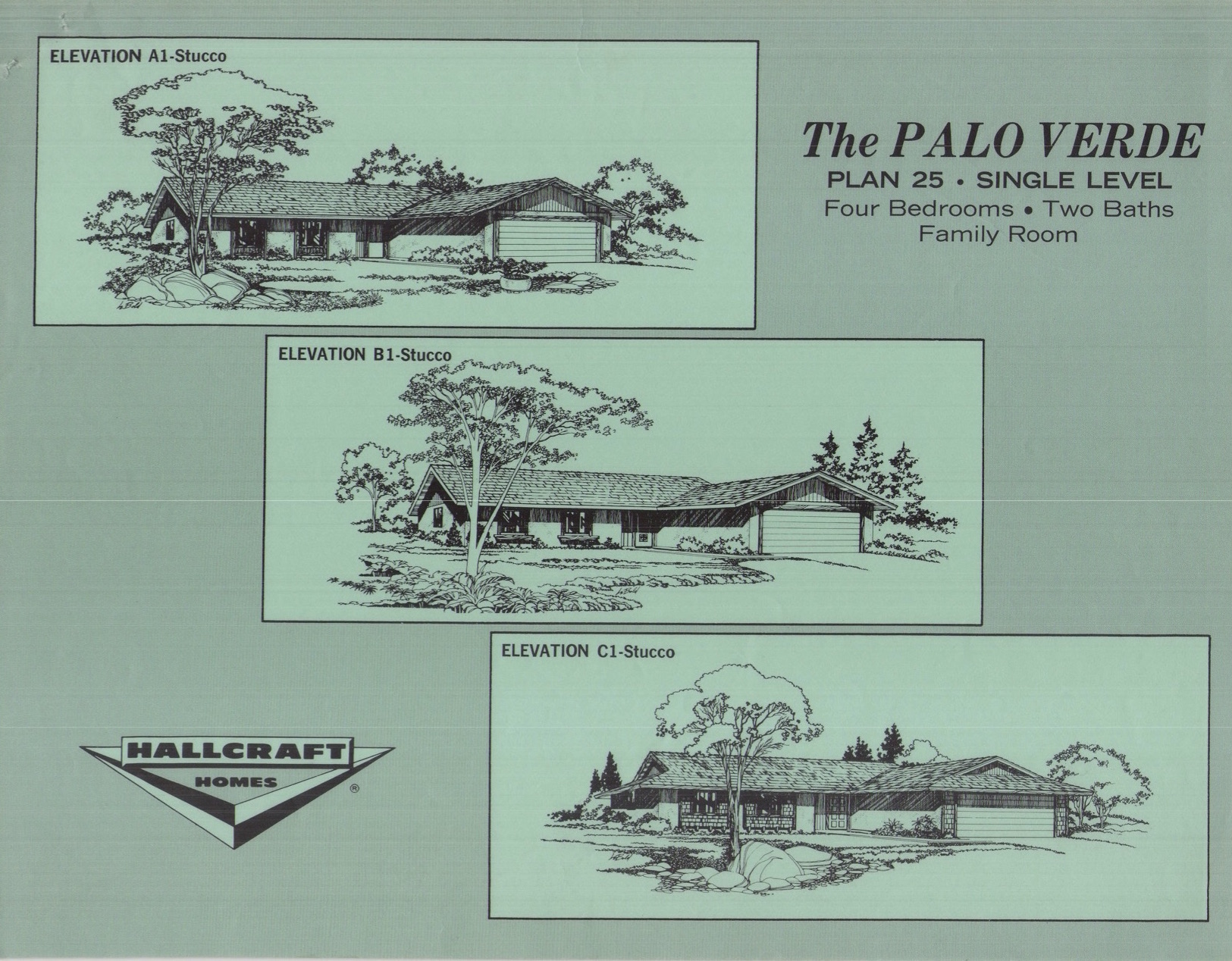
As I have lamented on this blog previously, one of the biggest regrets of my life was that I’ve gotten rid of so many things I wish I’d held on to.
The first of those things being the notebooks I’d amassed that were full of audio manufacturer literature from the 70s and 80s. I don’t actually recall at this point if I intentionally threw them out or if they were inadvertently left in a closet when fleeing an unfortunate roommate situation in 1989, but the fact remains at some point they disappeared.
The second of those things were the multiple notebooks of the floor plan/exterior elevation handouts I’d collected from Hallcraft Homes for the duration of my dad’s employment with the company. I believe I left them in Dad’s care when I first moved out of my folks’ house in the early 80s, with the intent of eventually getting them back at some point. Well, life happened and I’d all but forgotten about them (and the dozens of actual construction blueprints in our possession) until some time after he moved to the Bay Area and I inquired as to their whereabouts. “Oh, I threw all that stuff out after the divorce.”
Well fuck me.
My heart sank. Looking back on it now, I think his tenure at the firm (especially the last few years after they’d been bought out by a Canadian company) became increasingly difficult and when the opportunity presented itself for a purge of all physical reminders of his time there, he went for it—something totally out of character for my dad who seemed to hold onto every other thing in the world.
With the advent of the internet, I’d always fantasized what a great resource having all those handouts would be to current owners of the homes—if only for historical reference, and after his death I’d hoped against all odds that my sister would find a hidden cache in his things. Alas, no such cache was found.
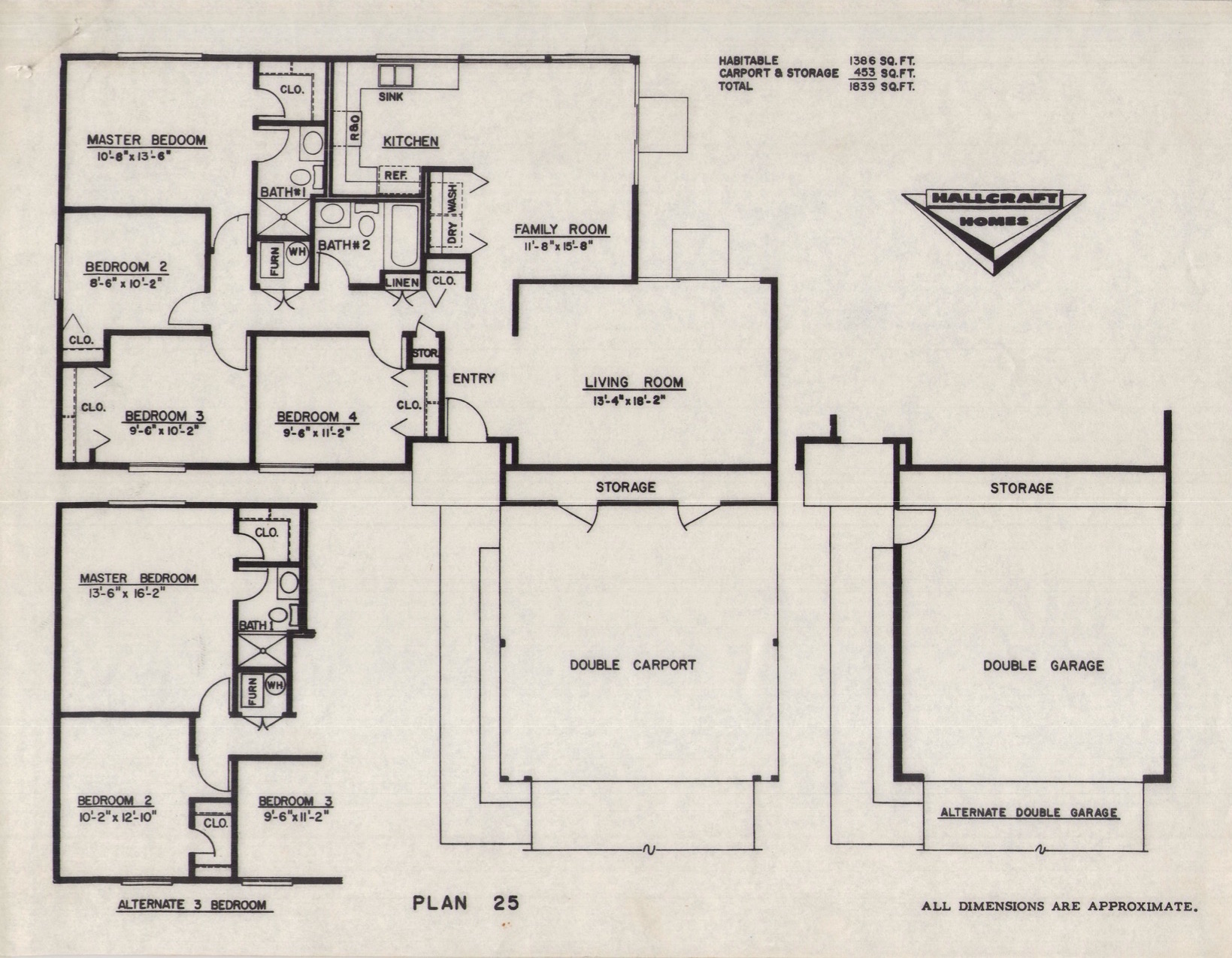
Searching online for already published examples of those handouts has been a lesson in futility—until yesterday. With all the Phoenix history swirling through my brain of late, I did a search for “Hallcraft Showcase of Homes.” This led me to—of all places—the Sunburst Farms HOA page. Sunburst Farms was the first of several Hallcraft subdivisions with one- and two-acre lots. (Ben’s grandfather actually still owns a home in one of the east side developments.) On this HOA page there was a link to “Historic Documents” and on that page were links that sent my heart fluttering: Hallcraft Flyer 1, Hallcraft Home Plans 1, Hallcraft Home Plans 2, Home Elevations, Home Prices…
It wasn’t a treasure trove, but considering I’d previously only possessed three floor plans and an equal number of exterior elevation sheets, being able to add three more was like Christmas to me.
This morning, while I lay awake at 4 am again, another thought came to me: Craigslist! and I thought, “Fuck It! If I don’t put it out there, it will never happen.”
So now I have a “wanted” ad on the Phoenix Craigslist seeking these handouts; not to buy, but simply to scan or photograph in hopes of getting them all posted online. In the 1970s alone there were about 45 different single-family floor plans, and probably an equal number of townhouse/fourplex plans. The fact that someone kept a few—that I didn’t have—tells me that somewhere in Phoenix, in boxes at the back of closets and garages, my treasure may be lurking.
The images above are from yesterday’s discovery, and that particular plan was actually one of my favorites even though—god forbid as far as my mother was concerned—it didn’t have a separate dining room. That seems silly now, as I could easily see using the “family room” as a separate dining space since I could never understand the need for having a living room and a family room.
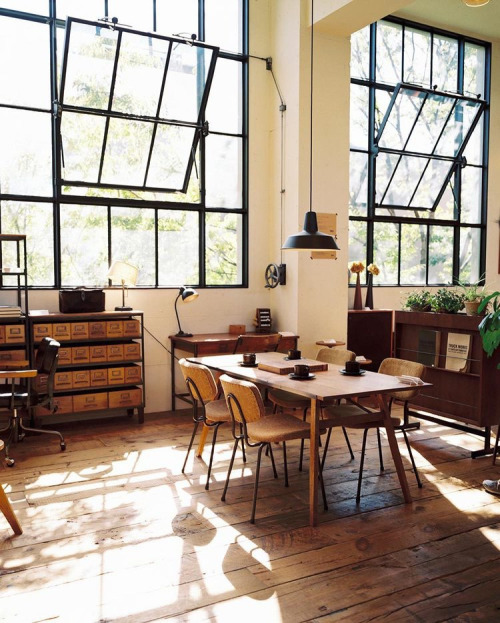
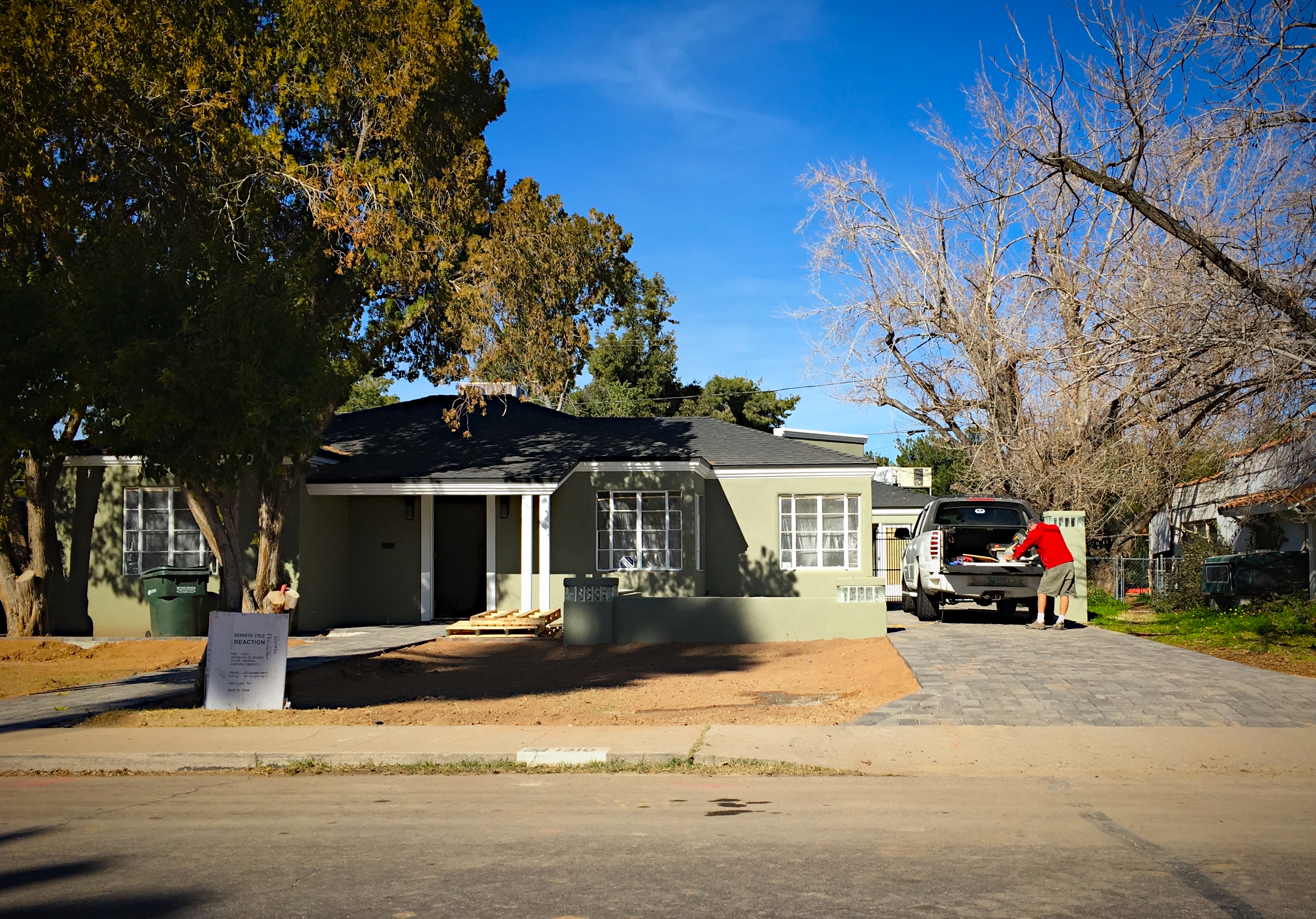
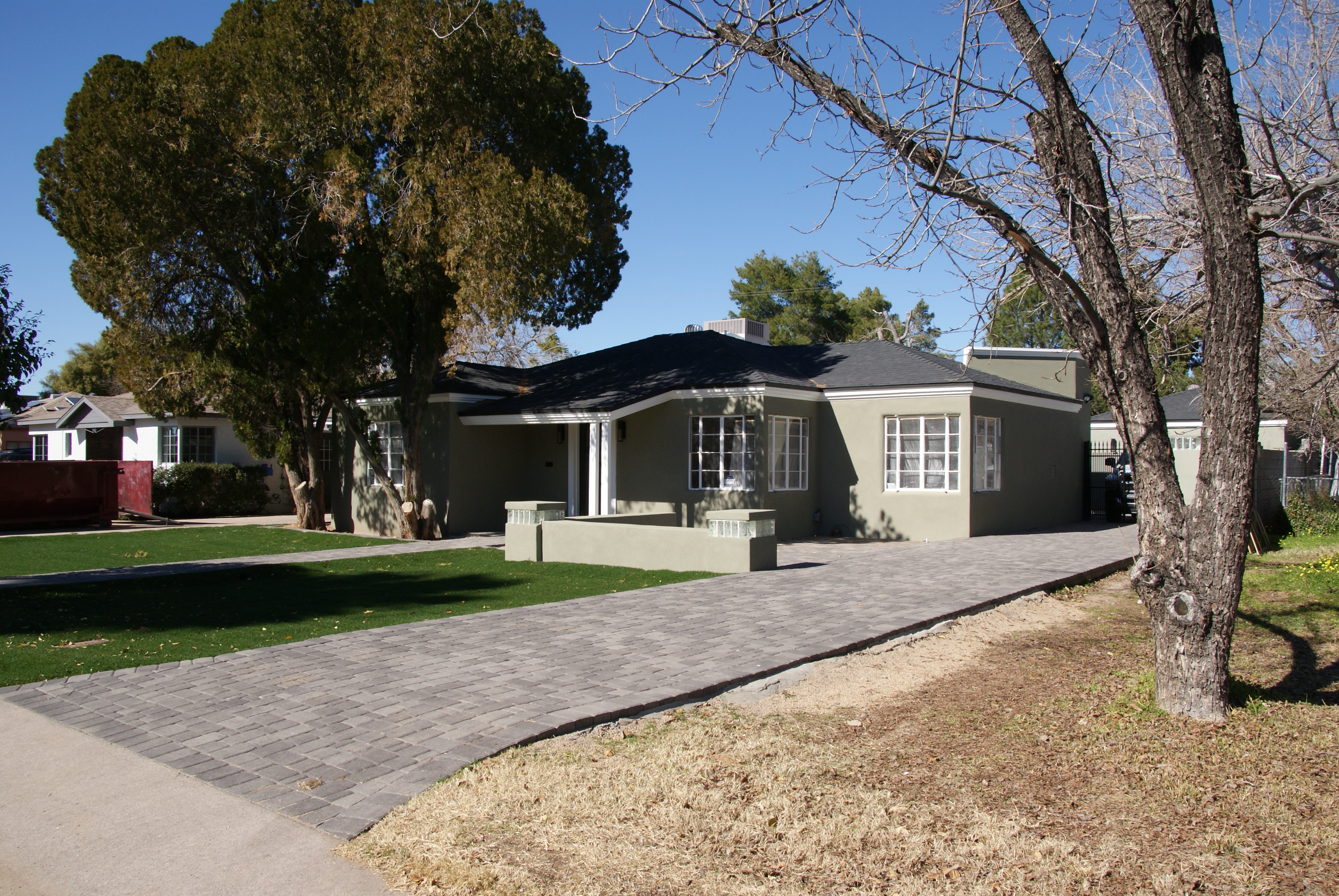
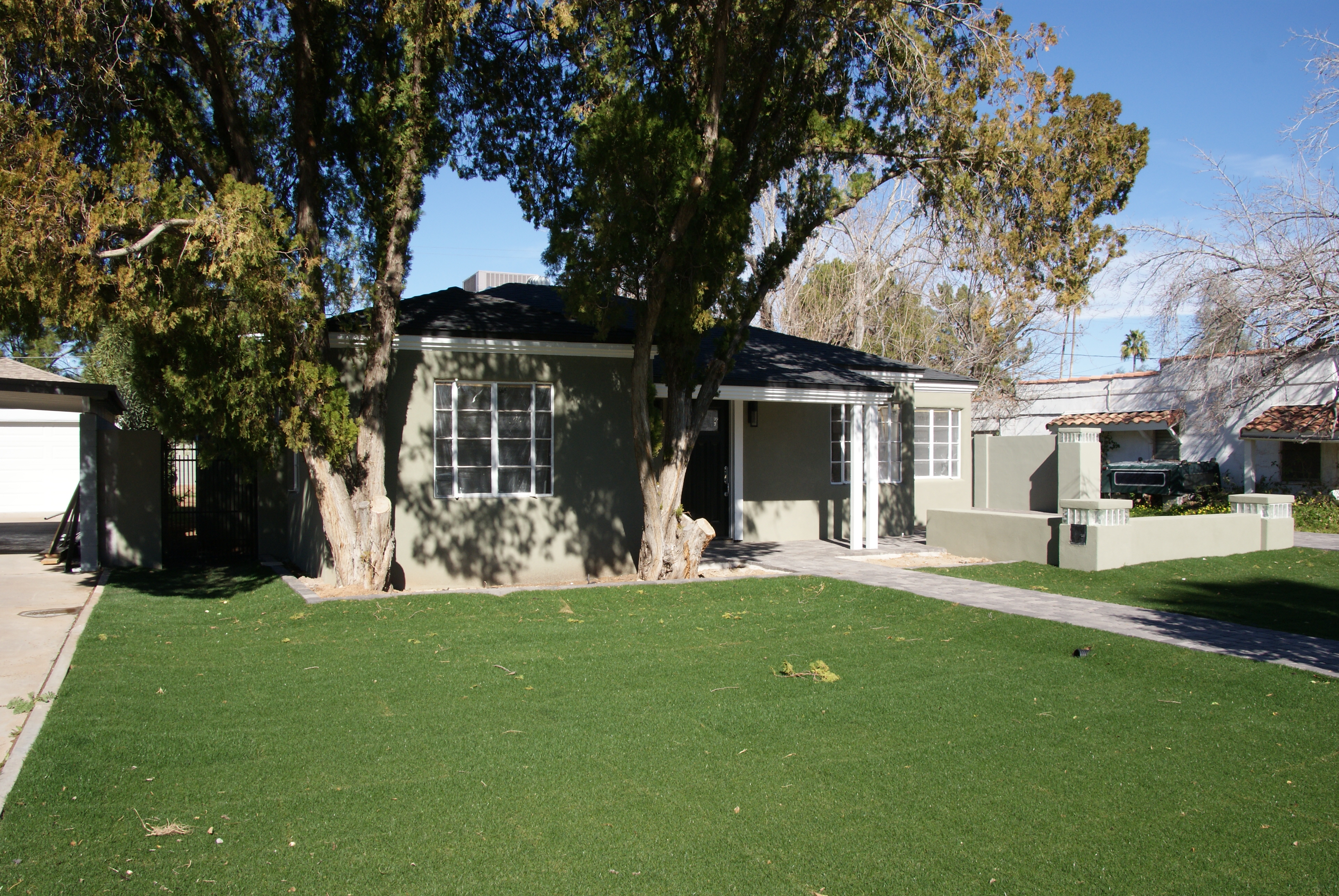
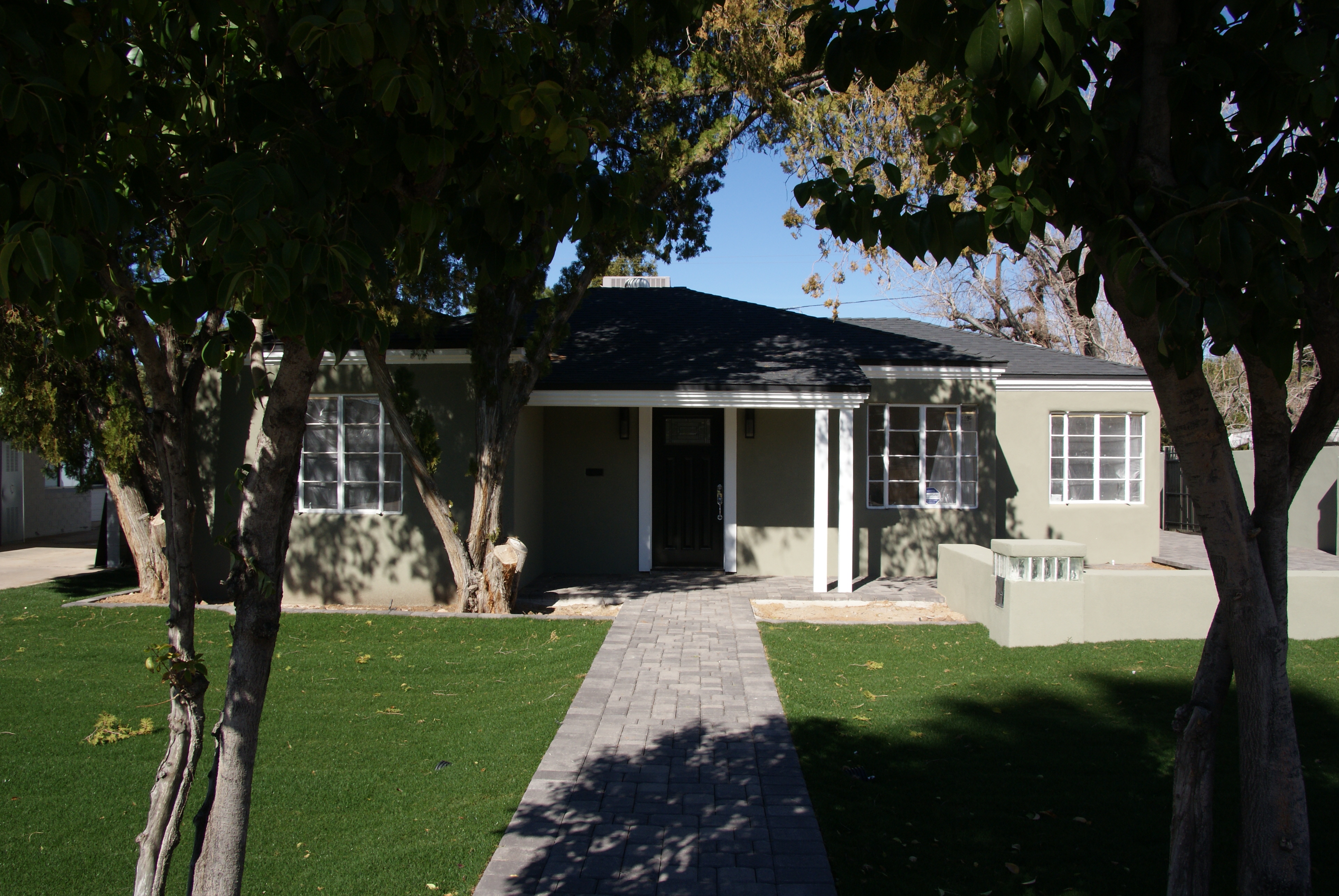
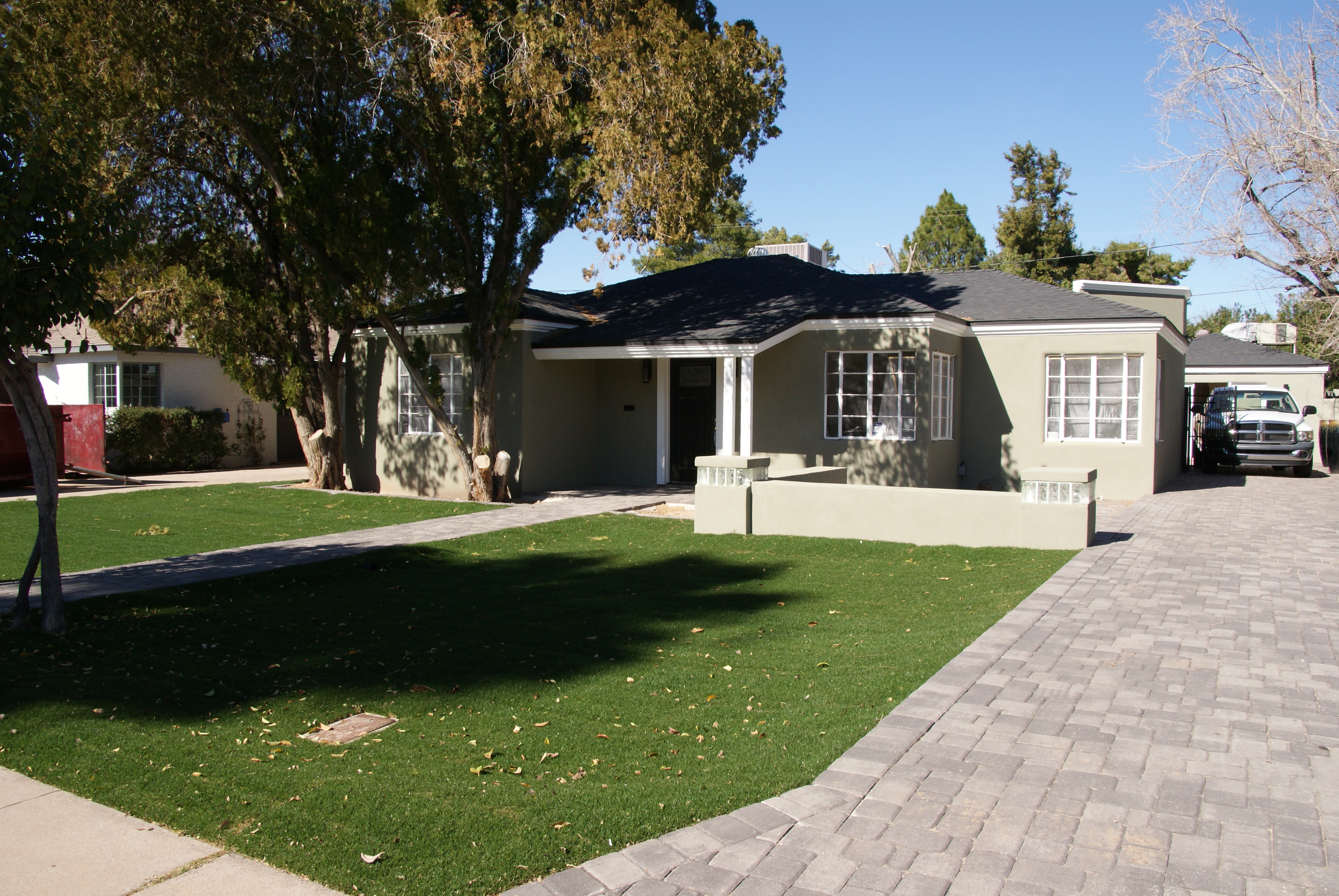
We’ve been watching this little place undergo a major renovation since shortly after we got back to Phoenix. It’s a couple blocks from our favorite coffeehouse, so we drive past it often. At one point it was gutted down to the studs (which was probably needed for a house of this vintage), but it’s now in the final stretch of being finished. I love everything about it—from the basic 40s-era design and the choice of colors to the walled front patio and the garage-turned-guesthouse in back—without even having seen the inside.
Ben and I would love to buy a place like this, or failing that at some point talk the current owners of our rental into selling us the place. I would love to do a makeover on it like the one above.
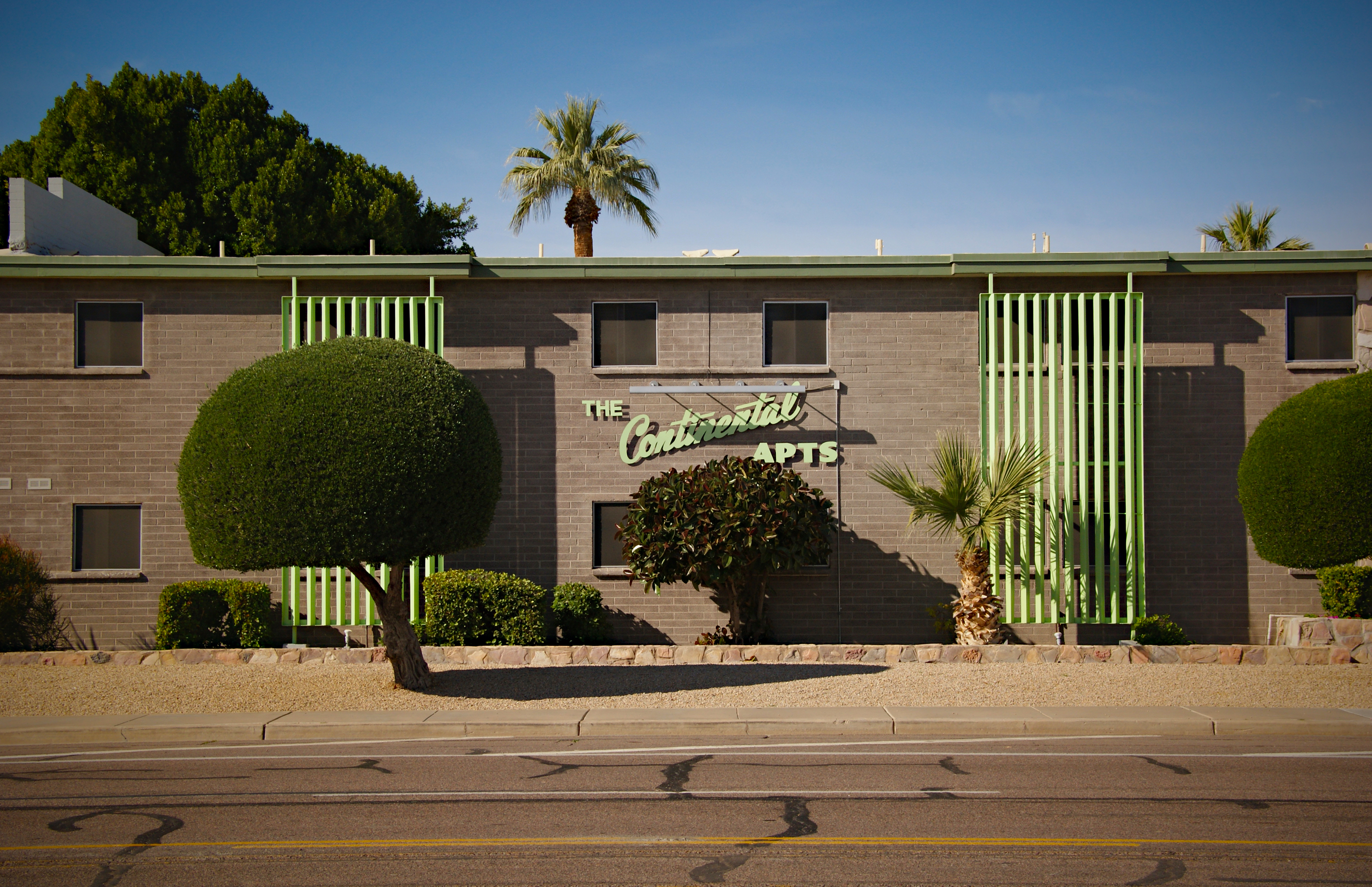
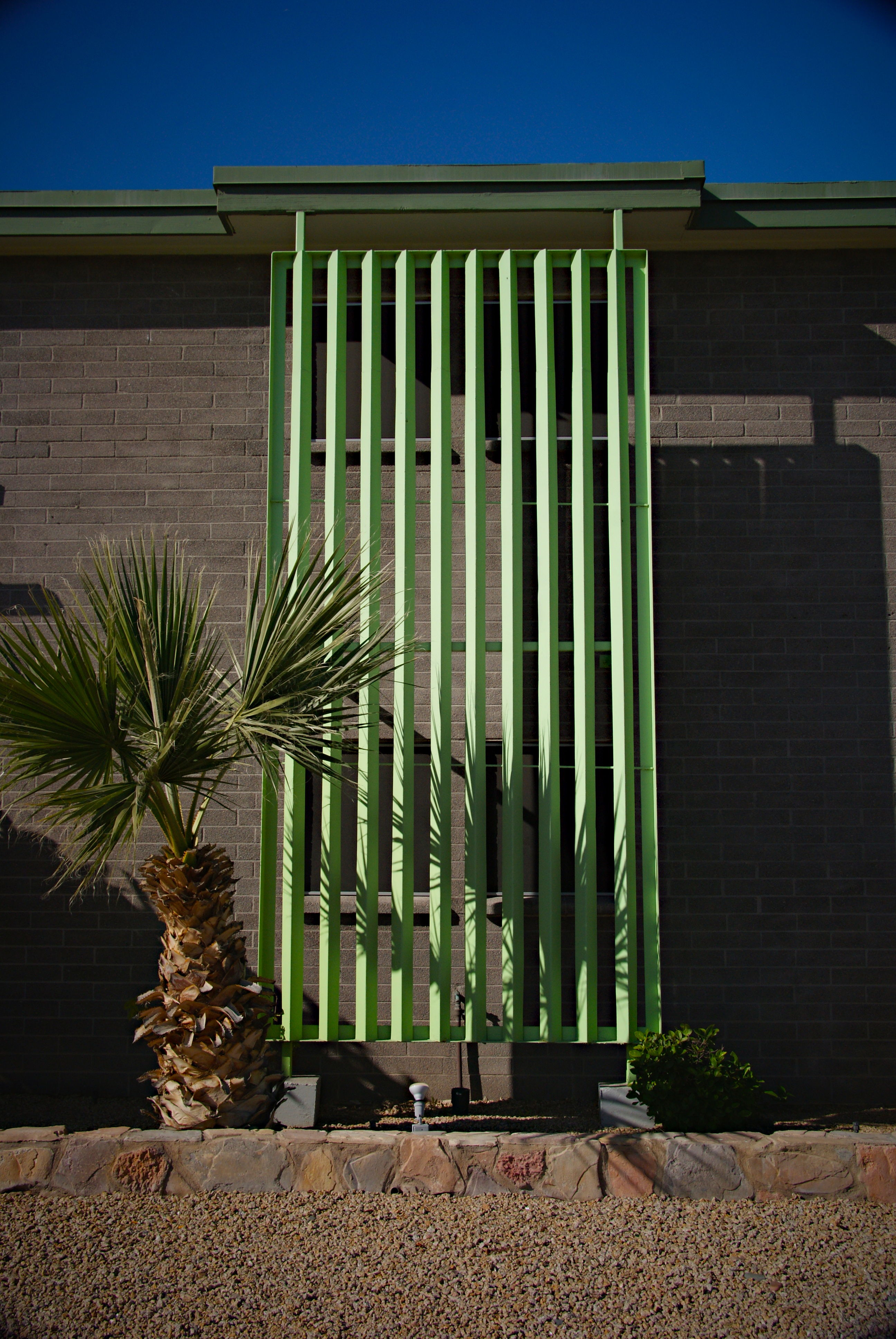
Mid-century realness—no doubt facing the wrecking ball at some point to make room for more overpriced paid-for-by-mommy-and-daddy student condos as ASU/UofA press ever northward from downtown.
…of mid-century multi-family residential building in the entire valley, Phoenix Towers.
My mom’s long-time employer owned one of these condos from the 1960s until her death. I’d only visited once, but I was impressed by the design as well as the incredible view she had.
I’d been itching to get out and take some photos, and since the weather has been gorgeous lately I had no excuse to stay home. I also wanted to check out the camera on my new phone (since it was basically the only reason I upgraded) to see if I’m at the point yet where I can ditch the DSLR.
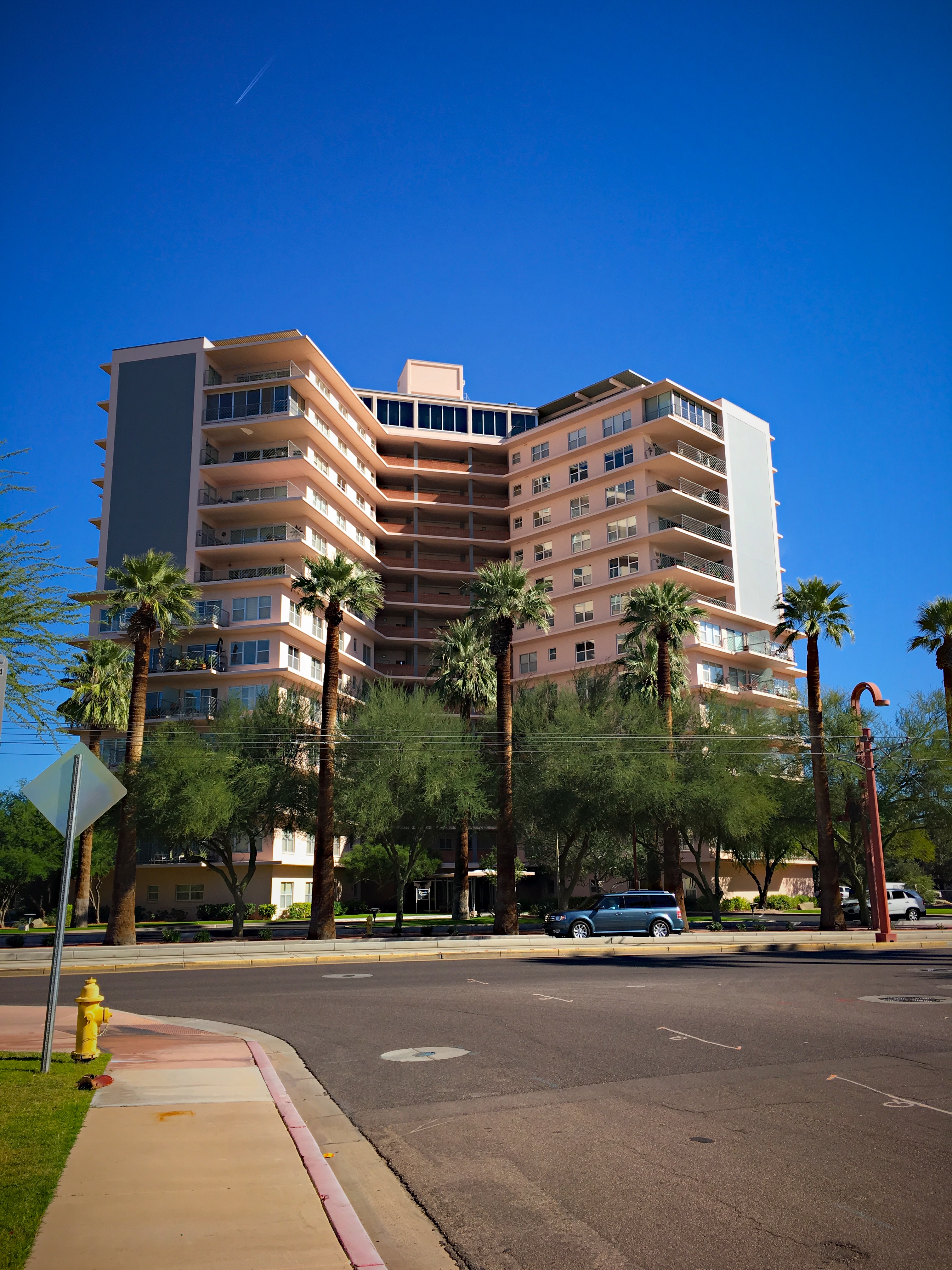
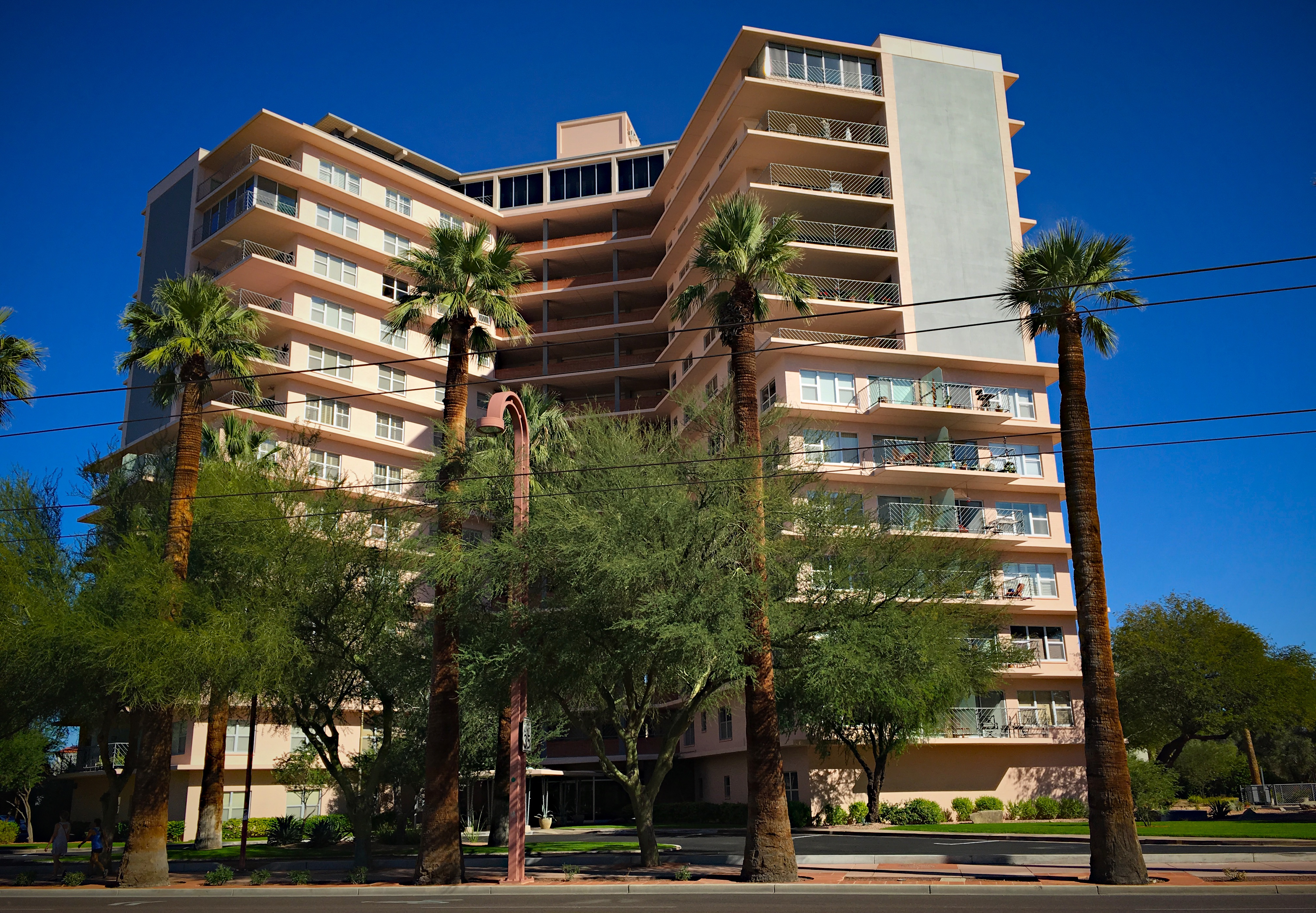
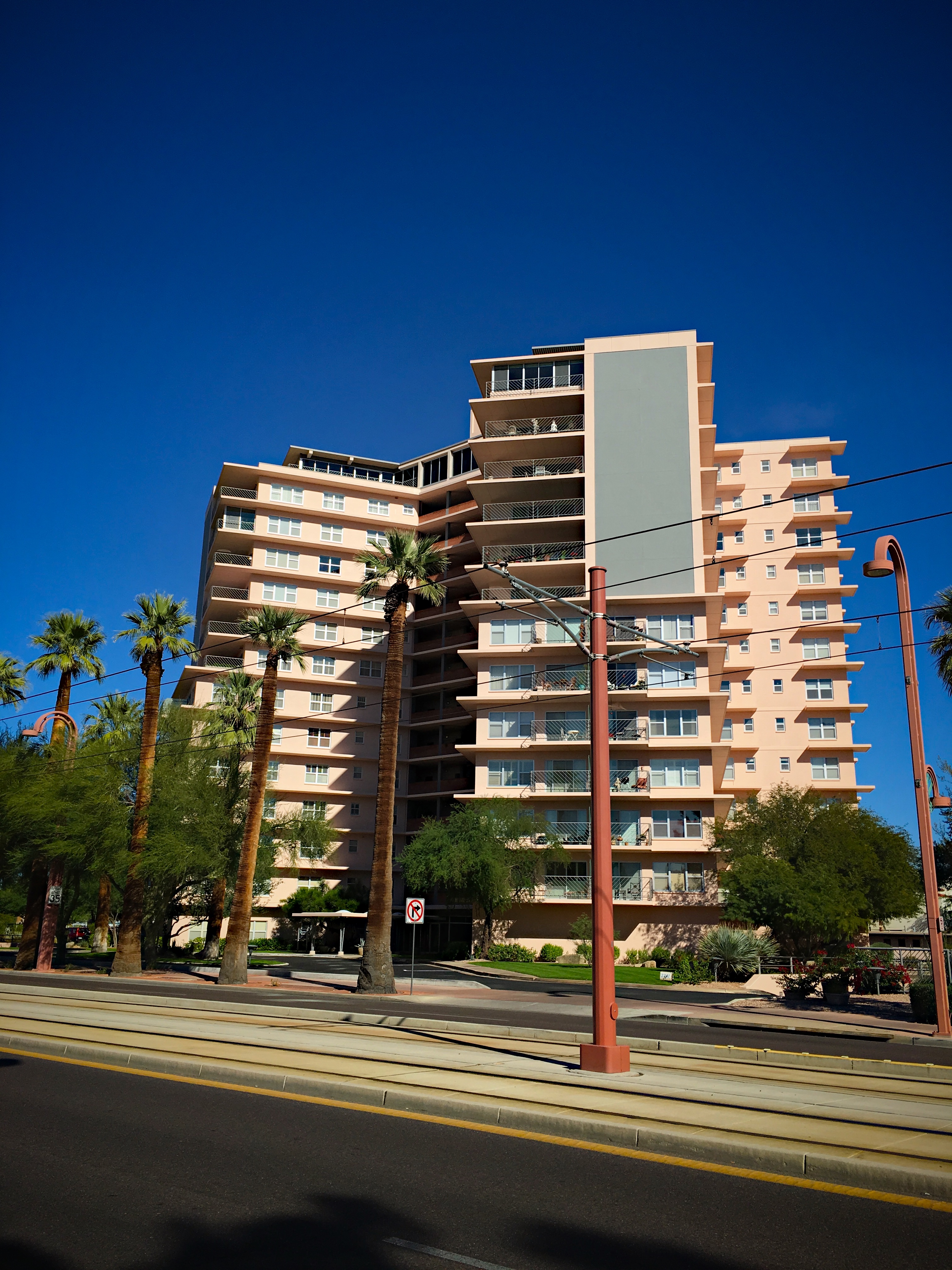
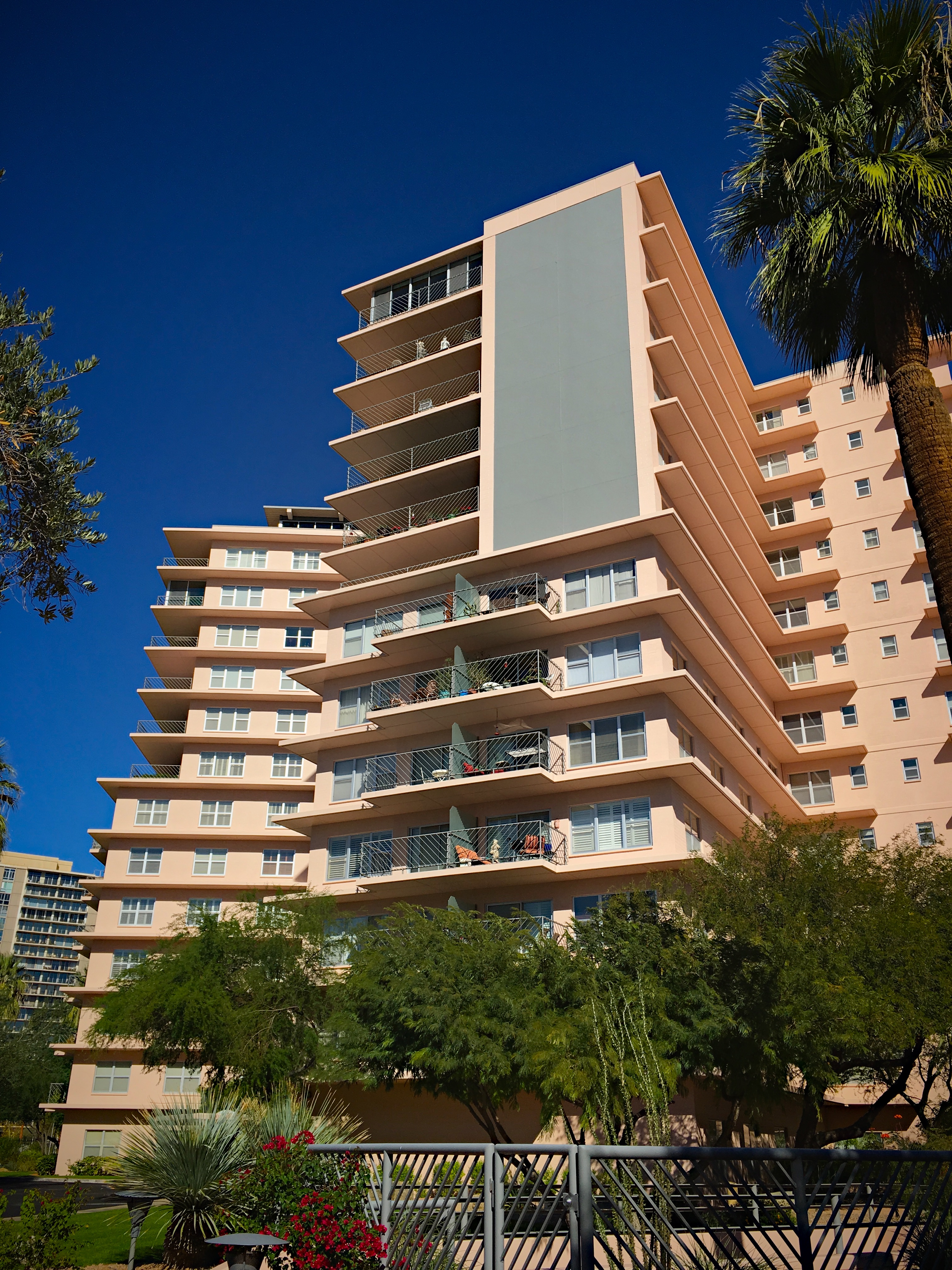
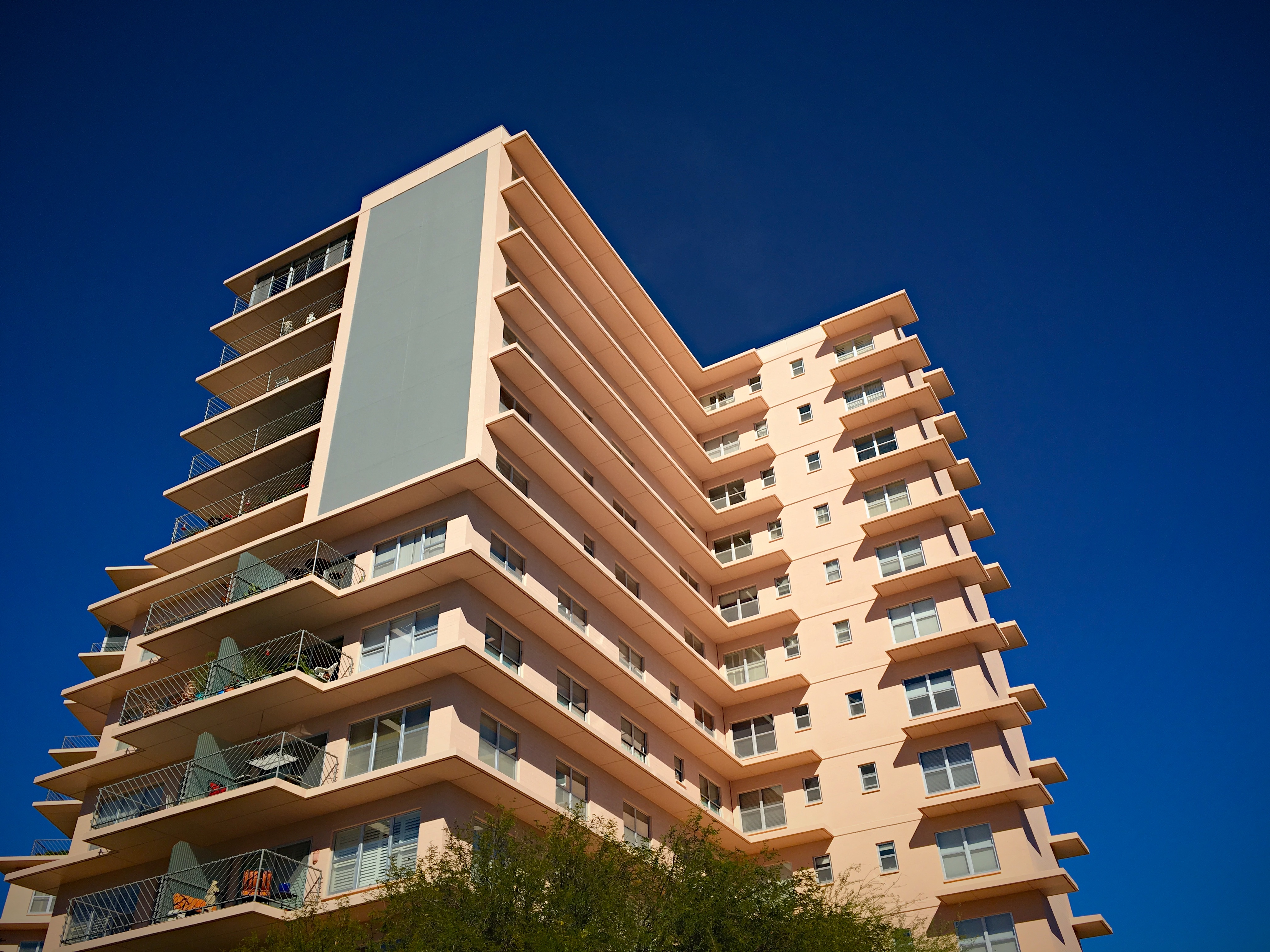
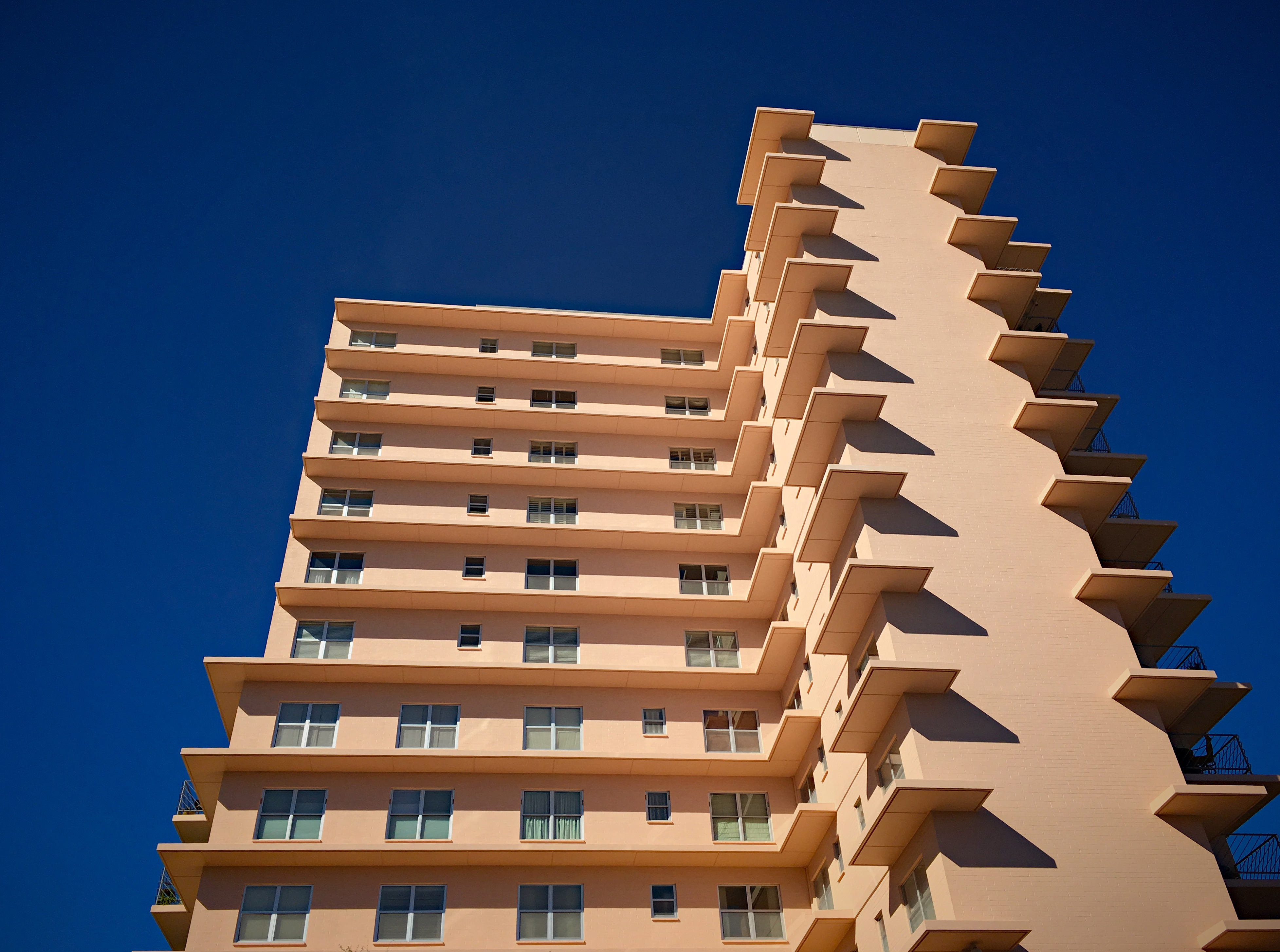
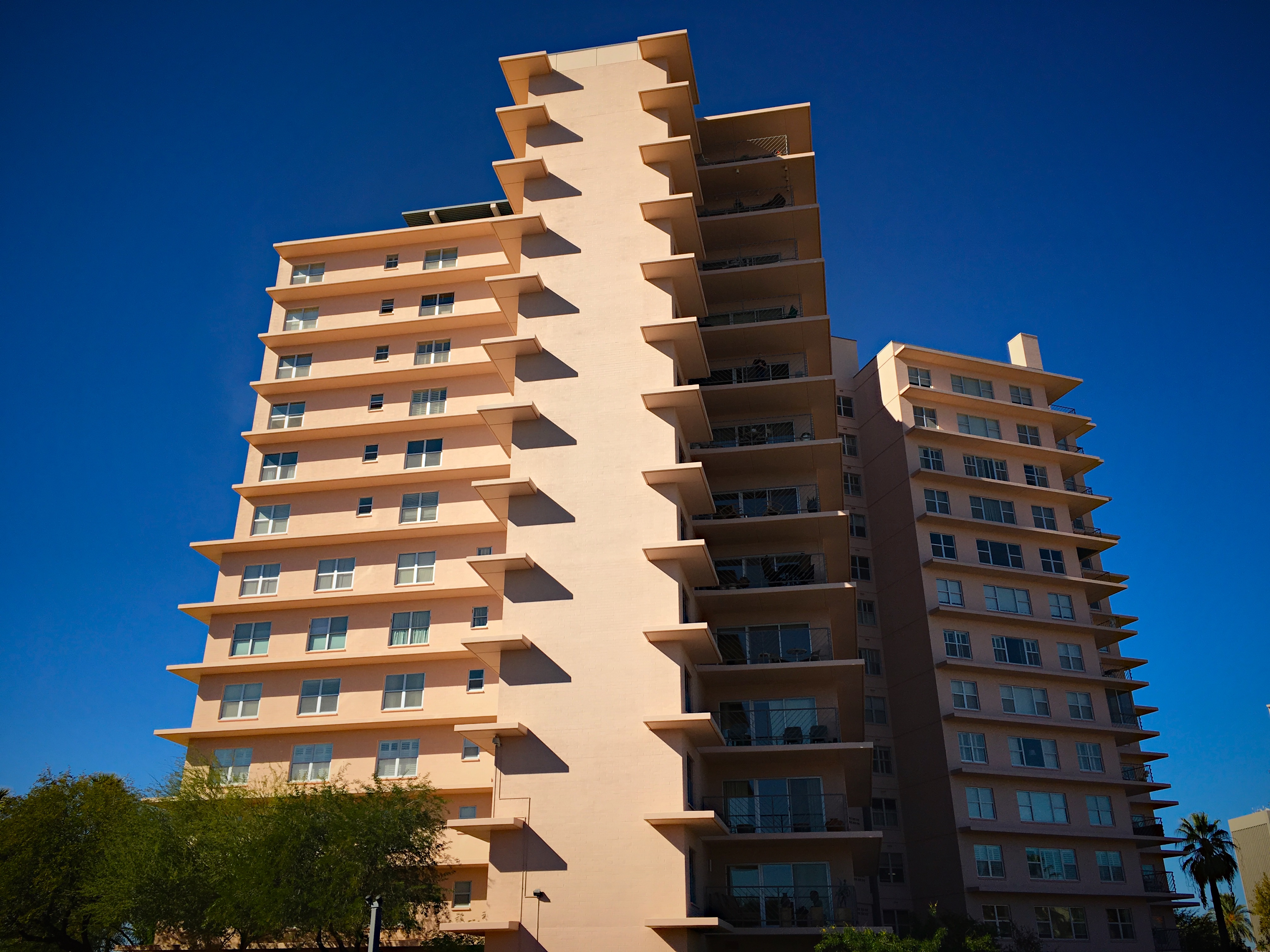
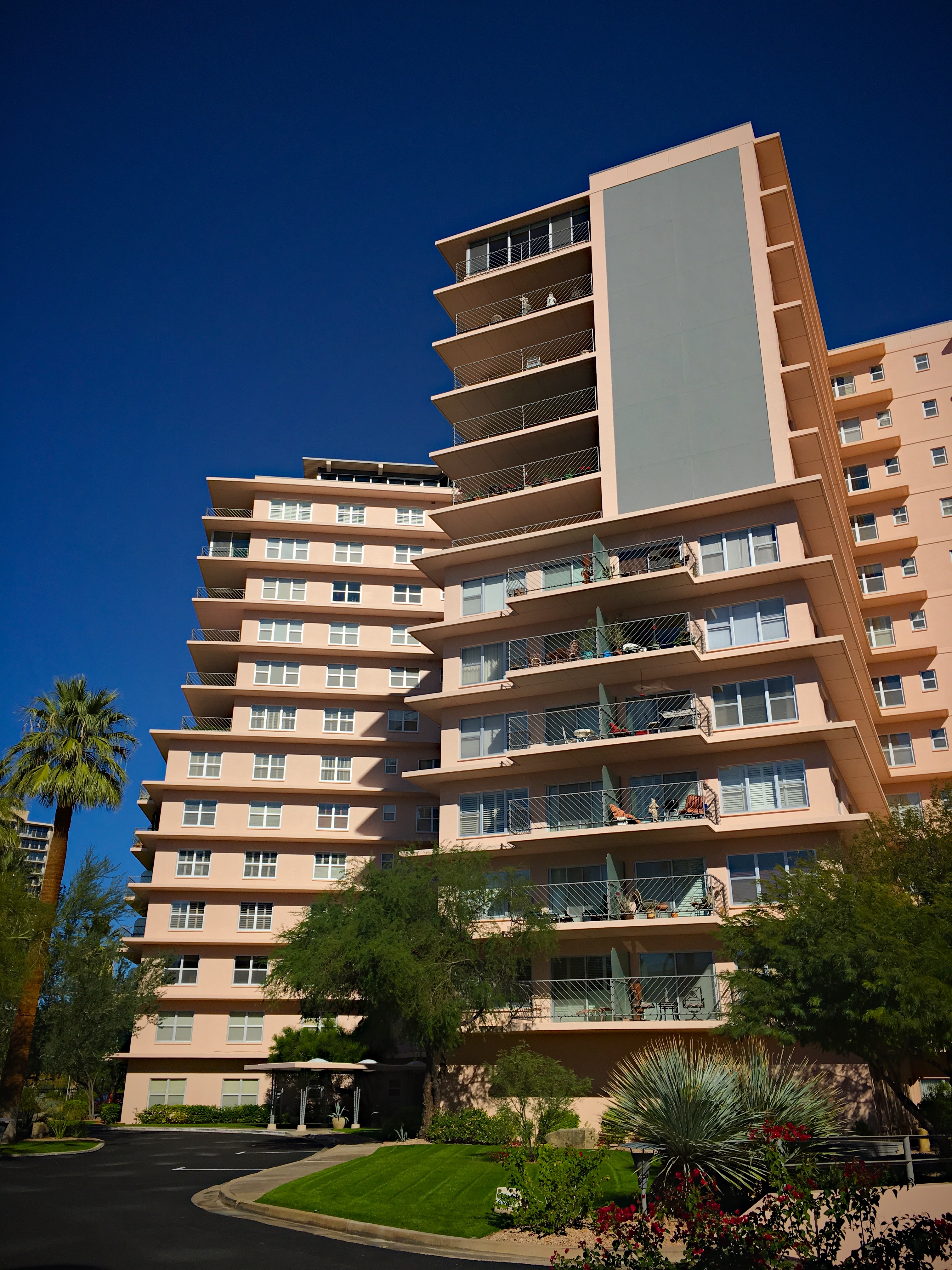
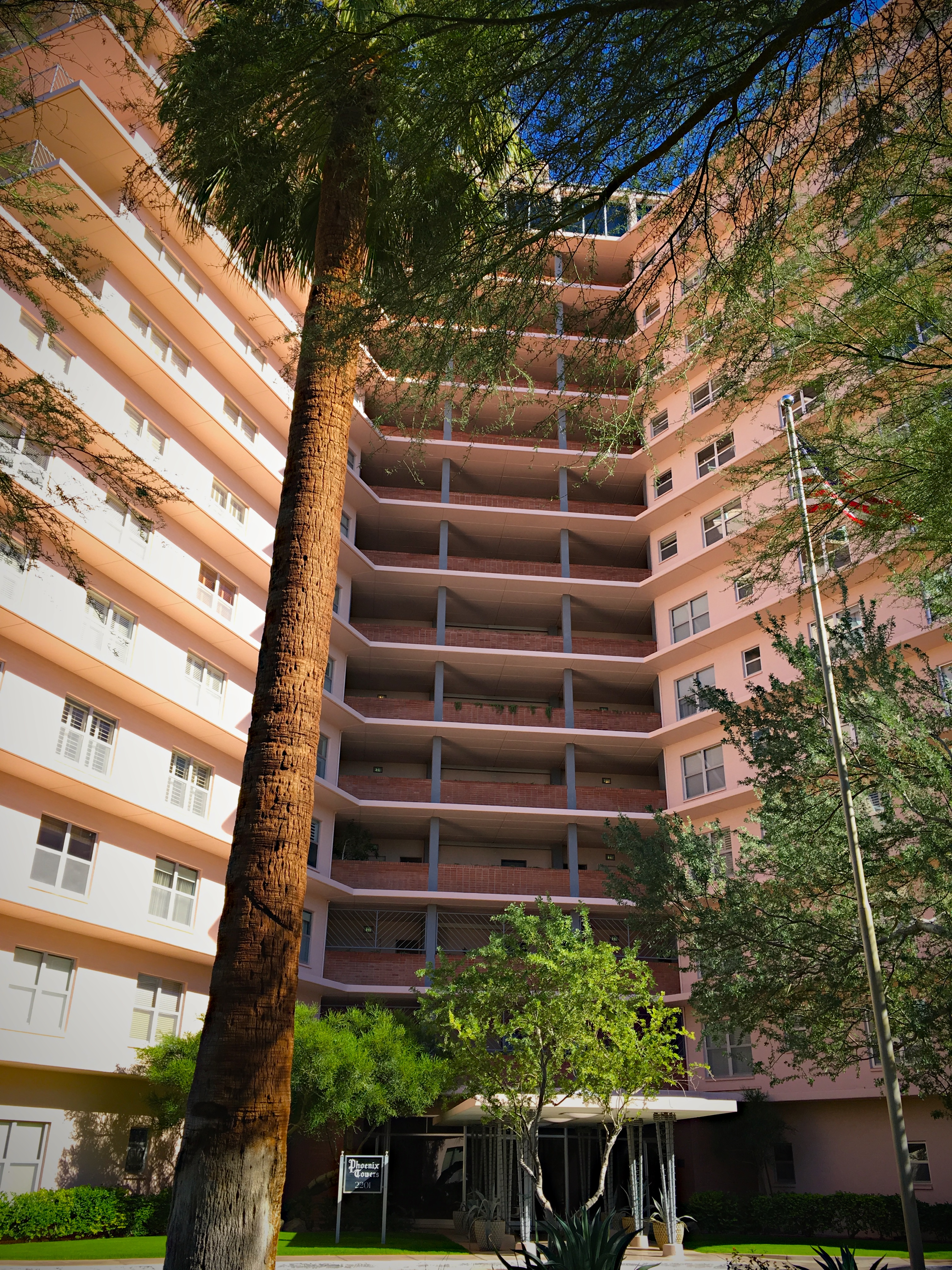
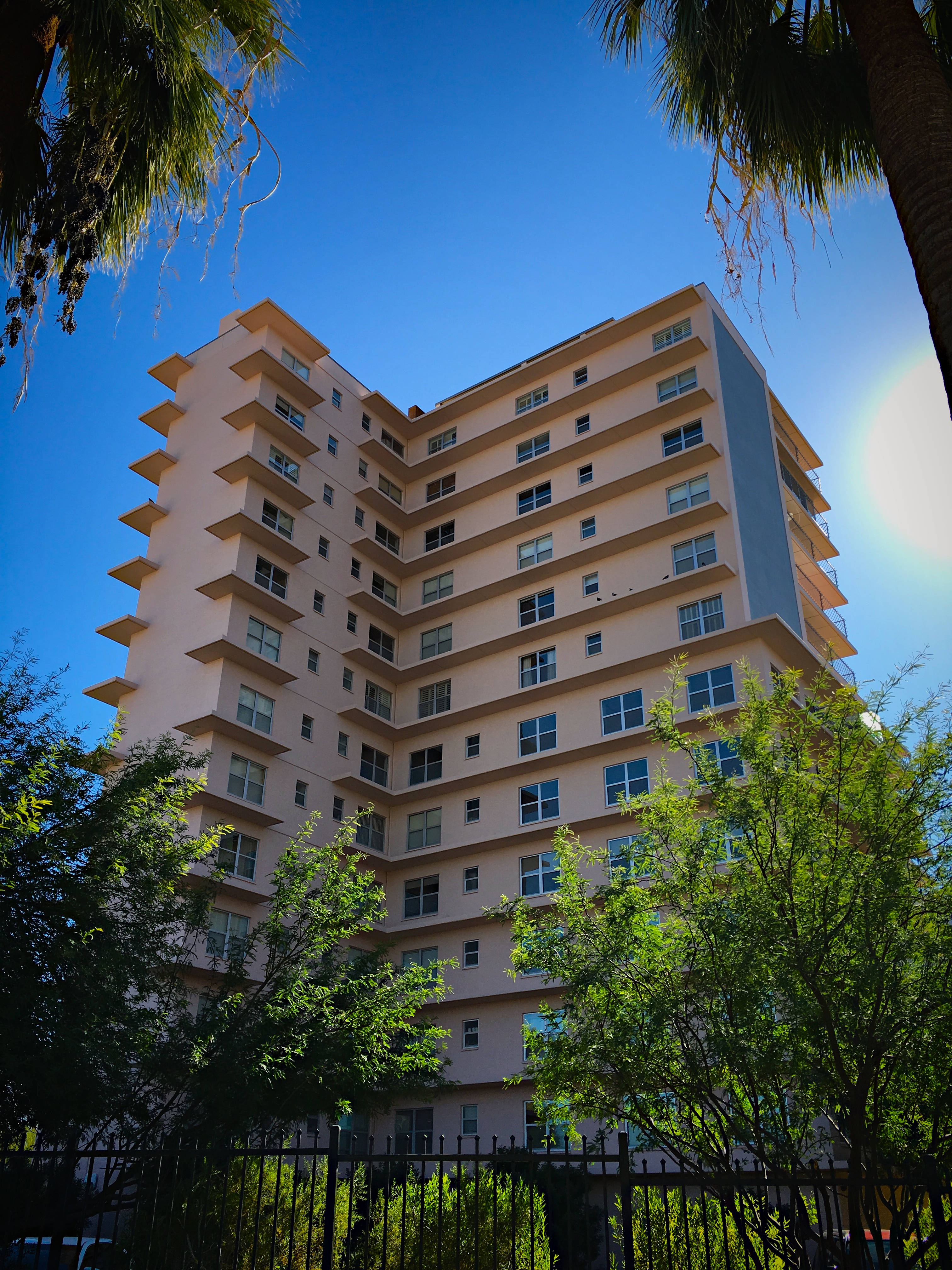
The results? Damn good, I will admit. Perfect for 90% of the things I photograph. But am I ready to ditch the DSLR yet? Not yet, but I think we’re getting close.
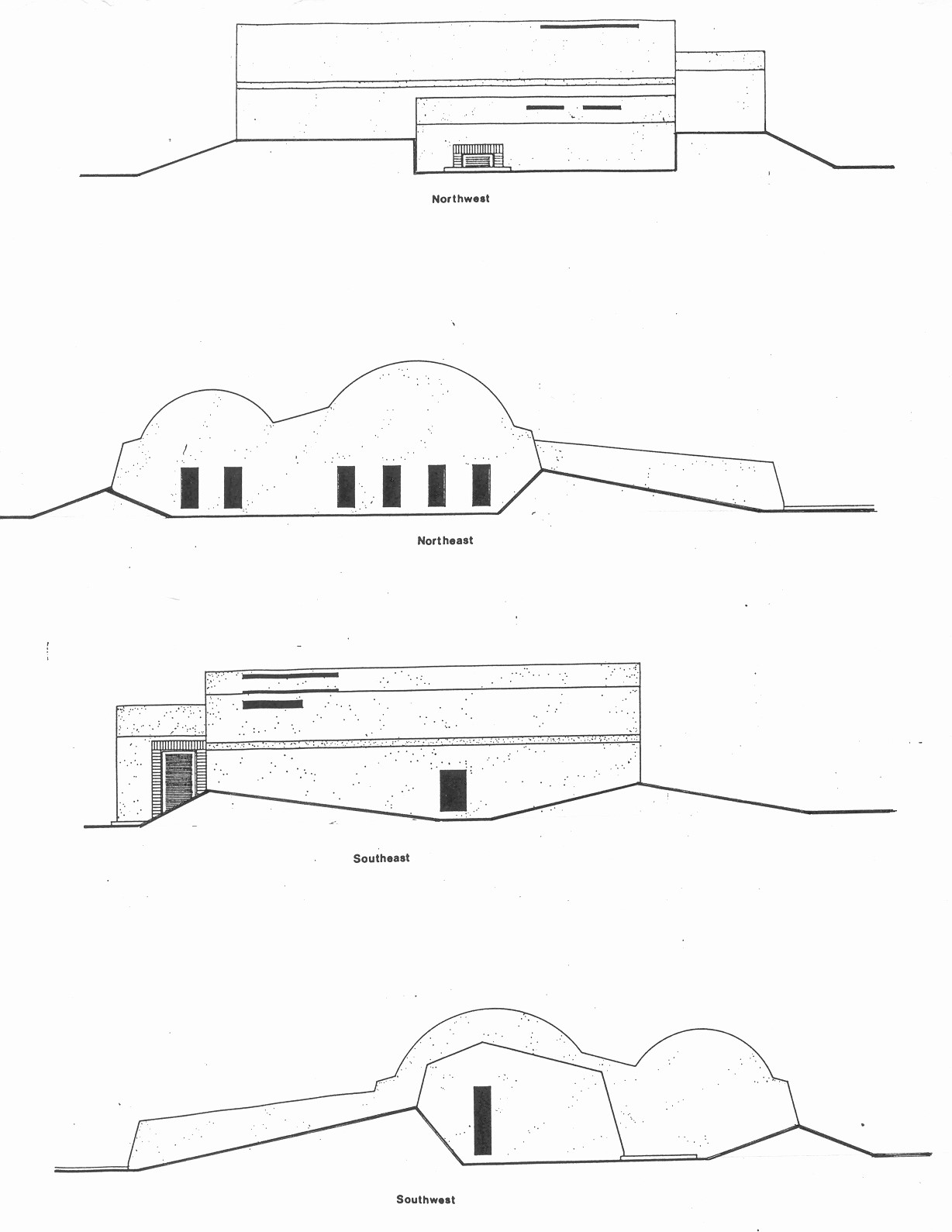
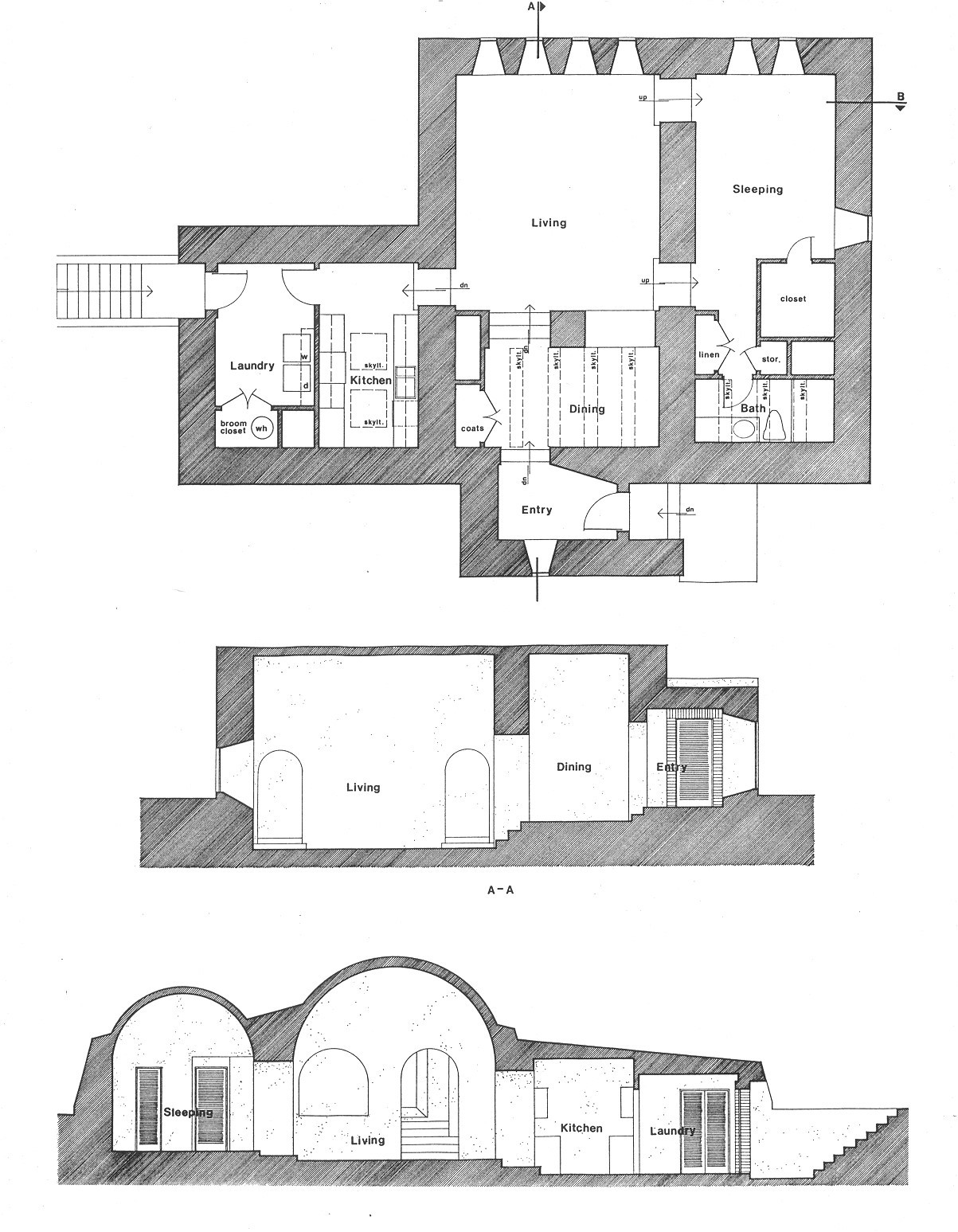
I’ve often remarked—half jokingly—how my dad’s tenure at Hallcraft Homes in the 1970s reshaped the look of mass-produced residential architecture in Phoenix. Driving around town this afternoon, I realize I’m probably not far off the mark for saying that. You can’t go fifteen minutes in any direction without running into a house, townhouse or fourplex that my dad designed. But while driving around, I’m also reminded of the other builders who left their own unique mark on the Valley: John F. Long and Cavalier Homes are two that come to mind.
In my memory, it always seemed to be a bit of an arms race between the big builders at that time. Every year there’d be a slew of new floor plans (or at least new exteriors), with everyone “borrowing” design clues from everyone else; some more successfully than others.
I recall how as a family we used to tour the competition under the pretense of simply being potential homebuyers, and even then I remember remarking (sometimes to the point where I had to be shushed by my folks (because the model homes often did conceal hidden microphones) about how so-and-so blatantly ripped off one of Hallcraft’s design ideas from the previous year.
I wasn’t totally biased however. When dad’s designs stumbled I wasn’t afraid to say so. His response? “They put food on your table.” While he was the lead and chief architect, there were other designers in the mix, and I could tell without asking whether something was dad’s design or one of the juniors’. Perhaps not surprisingly, while they weren’t as good as what my dad did, I didn’t find their designs nearly as terrible as he did.
At one point I had a 3-ring binder that contained floor plans of everything Hallcraft built in the 1970s. (I seem to remember giving it to my dad for safekeeping in the 80s when we both lived in California and it was only many years later when I asked for its return that I learned he’d thrown it out before moving back to Arizona, thinking I no longer wanted it.) I now have only a few sheets remaining that were duplicates of what was in the notebooks, but they don’t even begin to scratch the surface of what was lost and after scanning and posting to a website would’ve made an excellent online resource for the new generations buying these homes now.
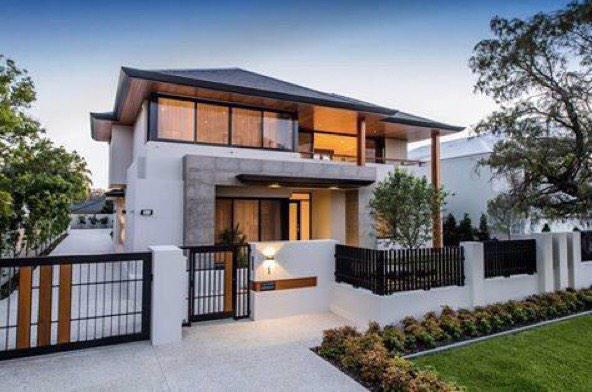
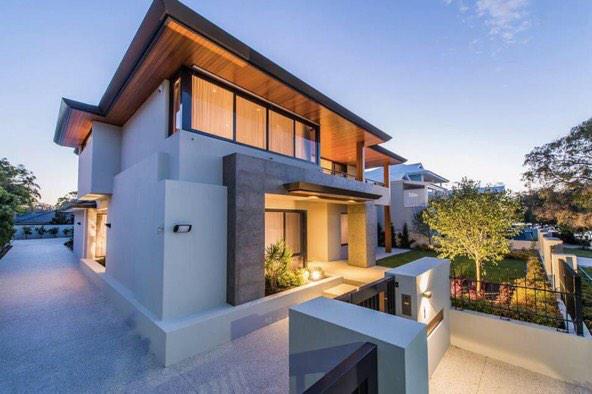
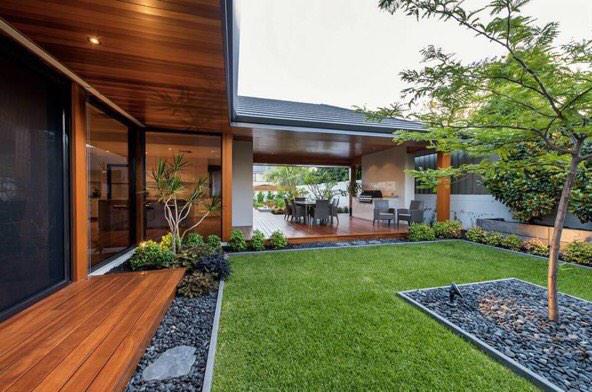
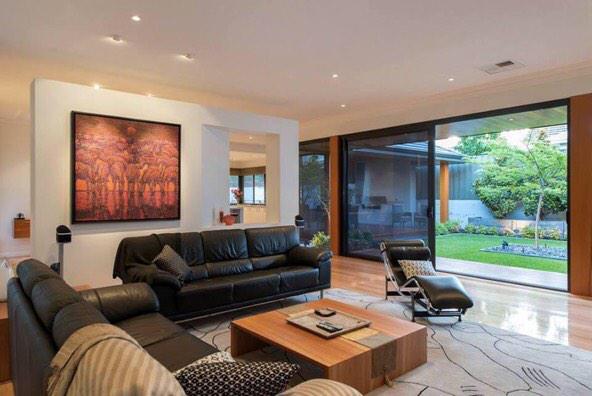
…but hell no!
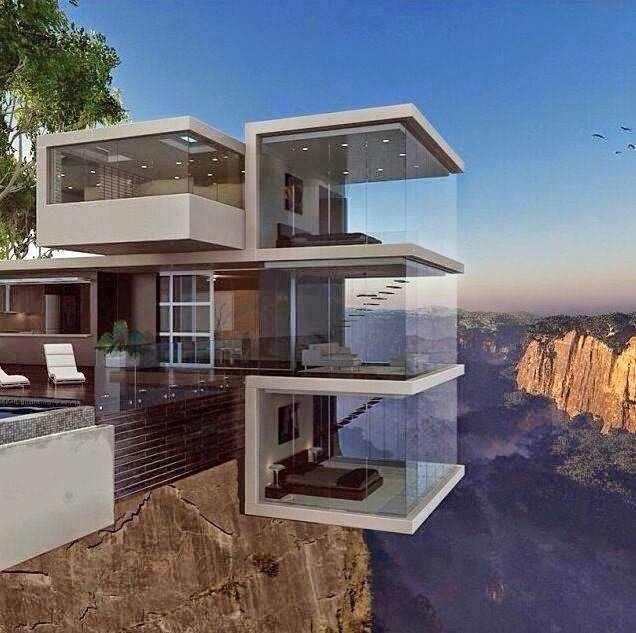
Any of them…
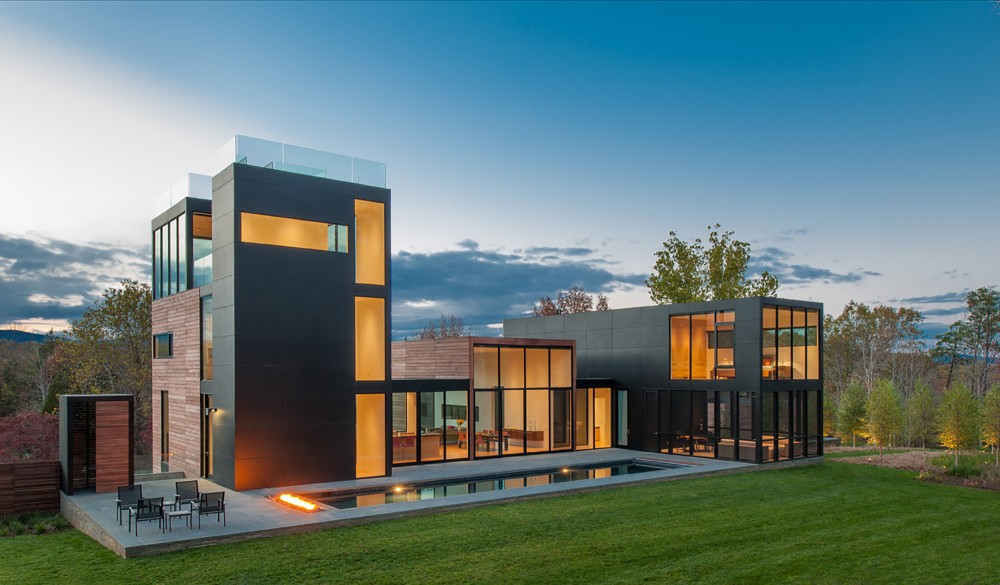
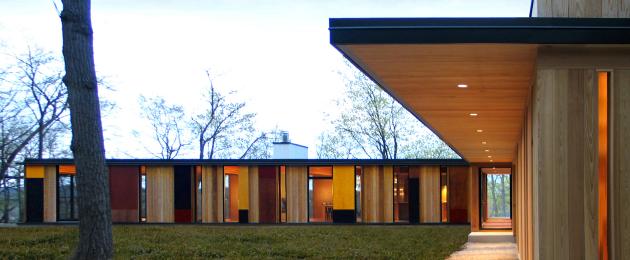
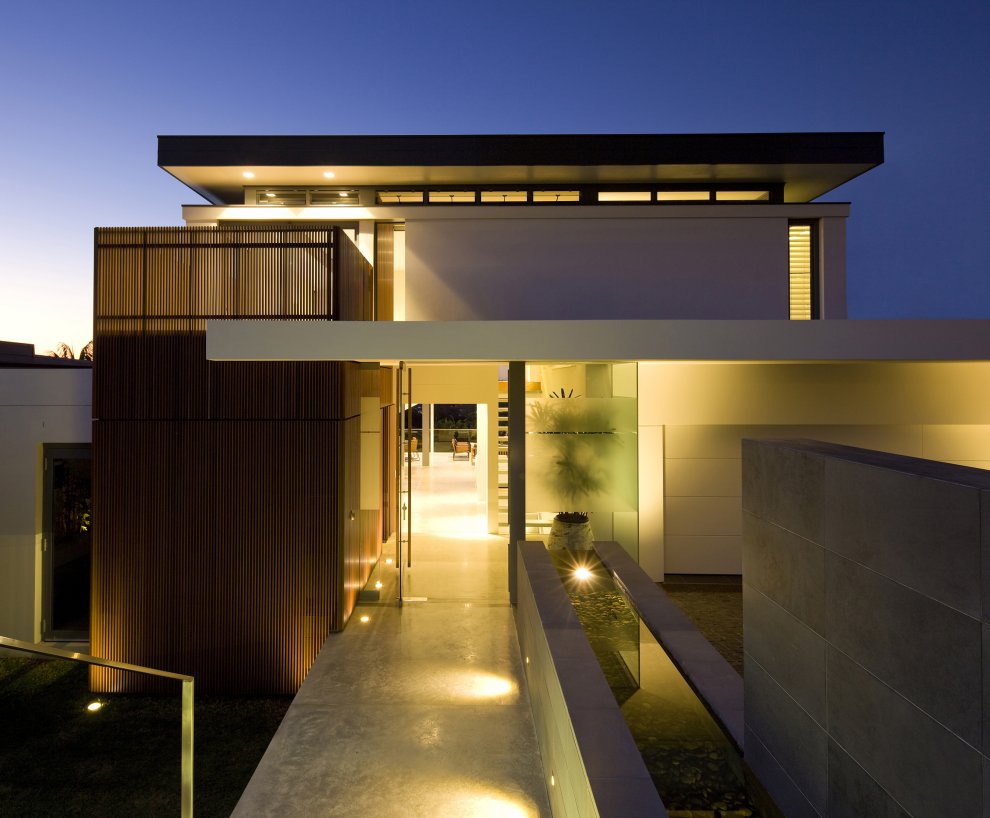
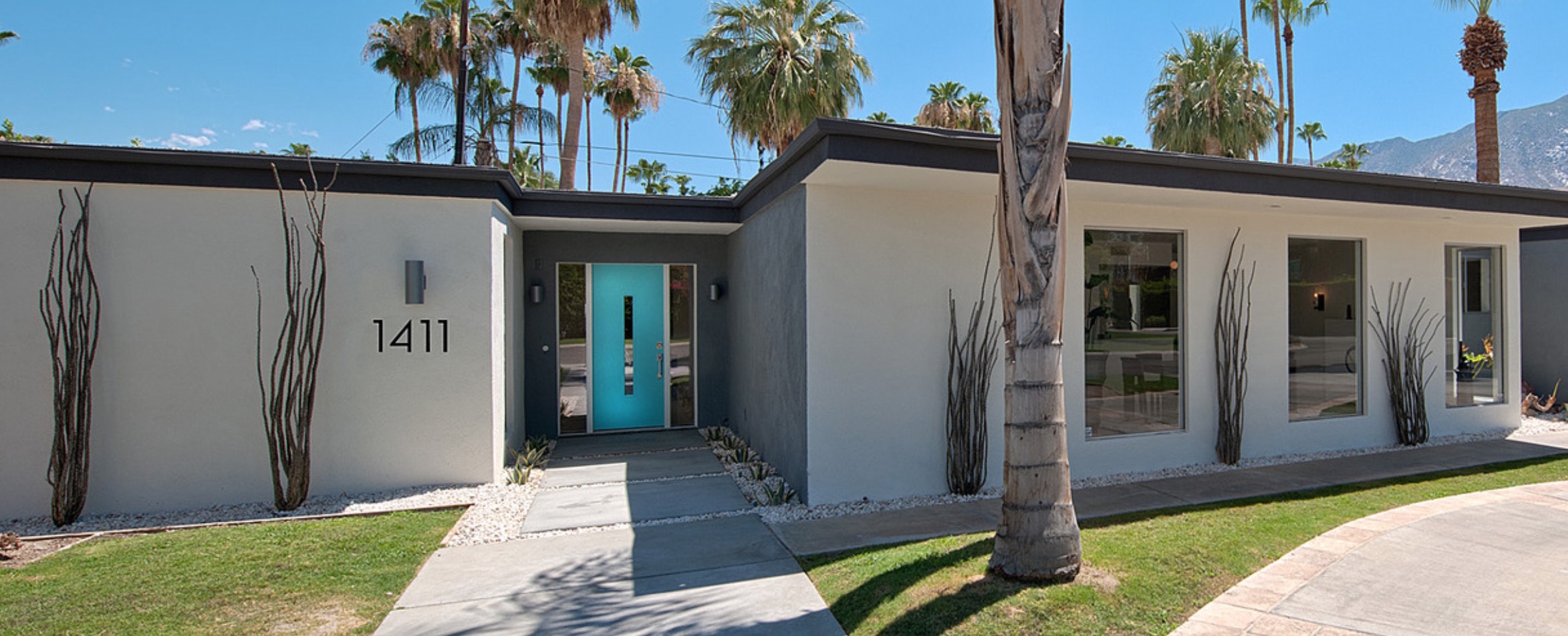
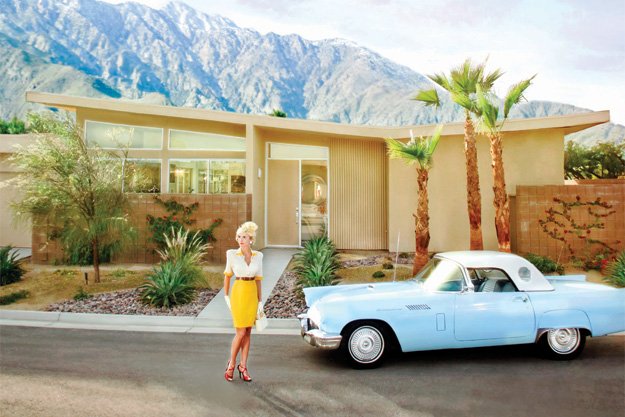
The house and the car.