As I’ve grown older, the list of absent friends continues to grow, and while not all of them are AIDS-related at this point, on every December 1st, I remember them all…
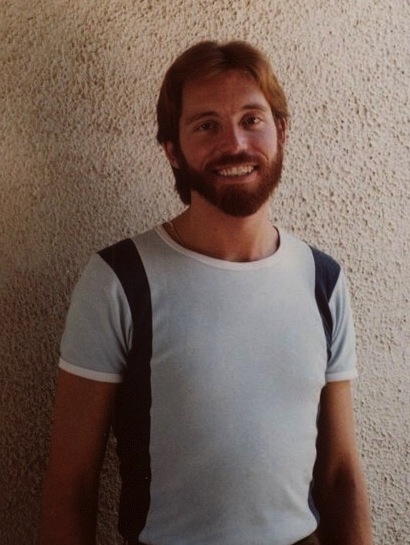
Kent Kelly
Ken Cohen
Steve Golden
Dennis Shelpman
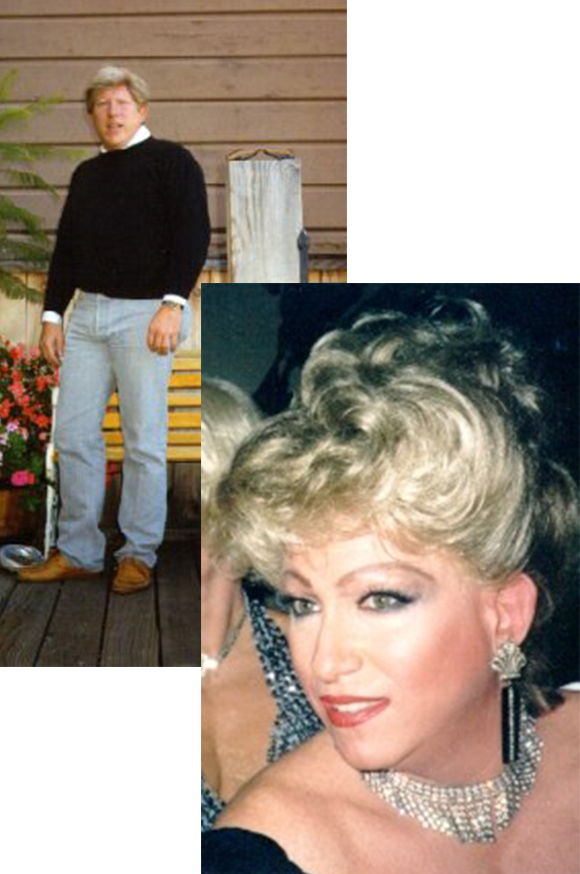 Rick Ashworth aka Miss KC Dare
 Jeffrey Laughlin
Jim Hagen
Chuck Krahe
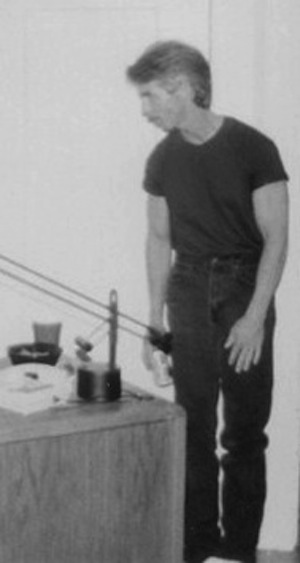
Michael Nelson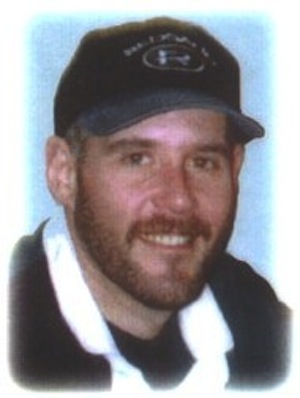
Jim Nye
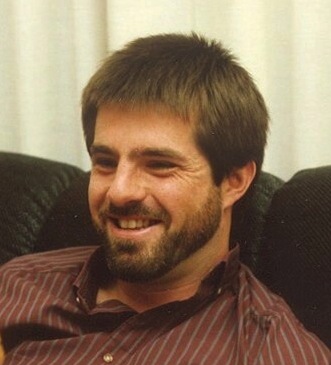
Kevin Ohm
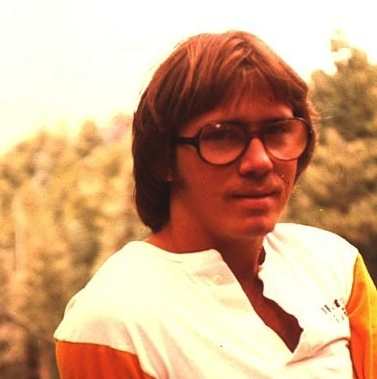
Rick King
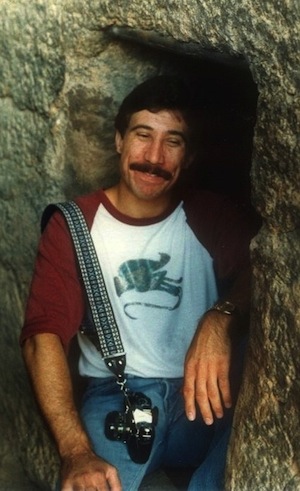
Ron Aiazzi
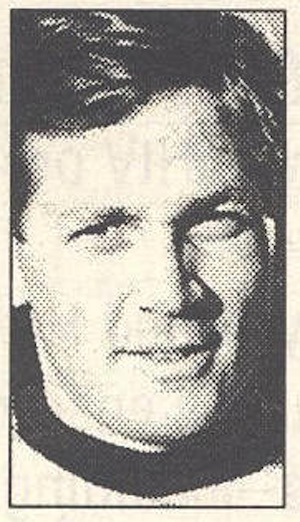
Grant Neilsen
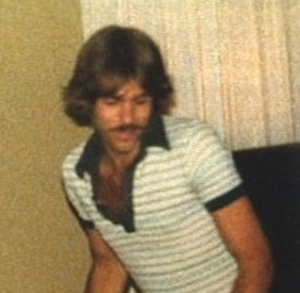
Ric Hathaway
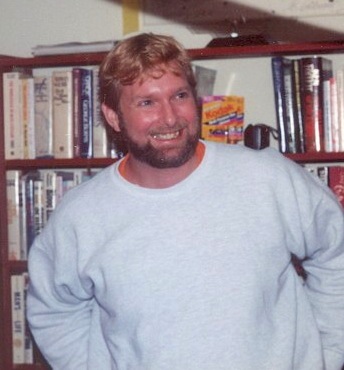
David Koston
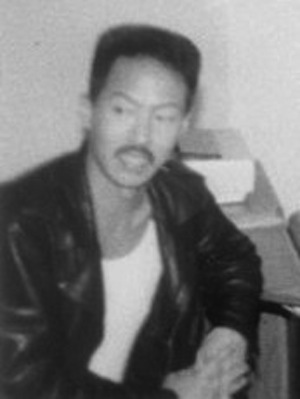
Kim Holstein
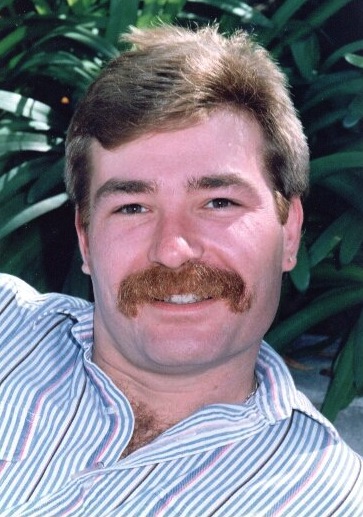
Jerry Straughn
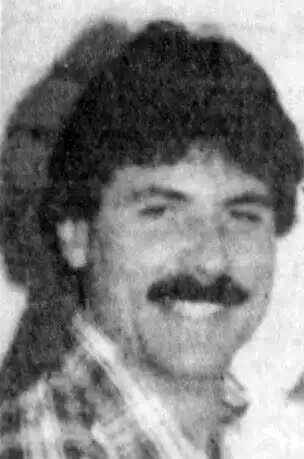
Fred Sibinic
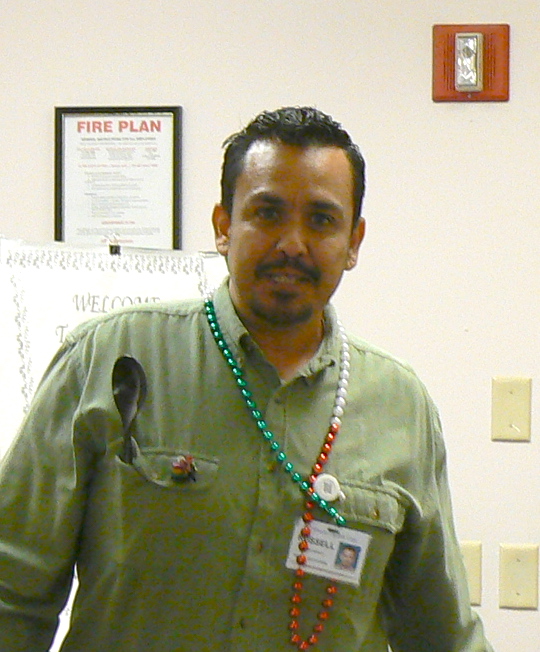
Russ Alvarez
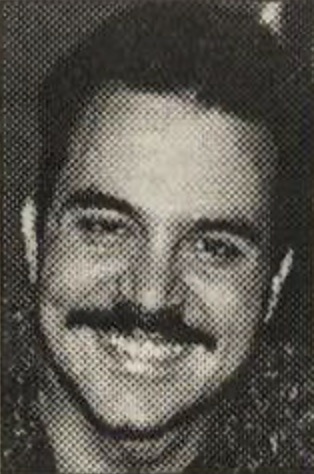
Ken Borg
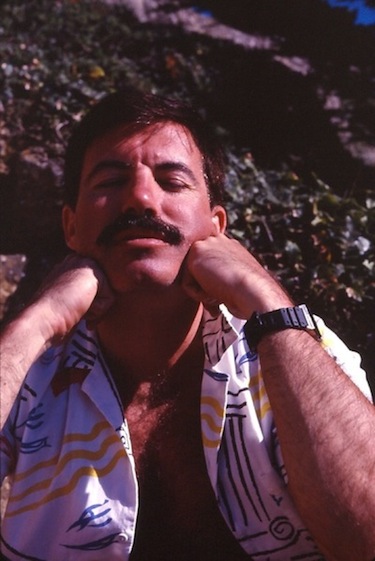
Marty Kamner
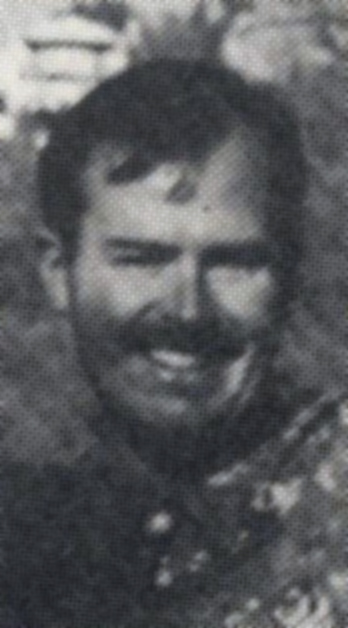
John Trapp
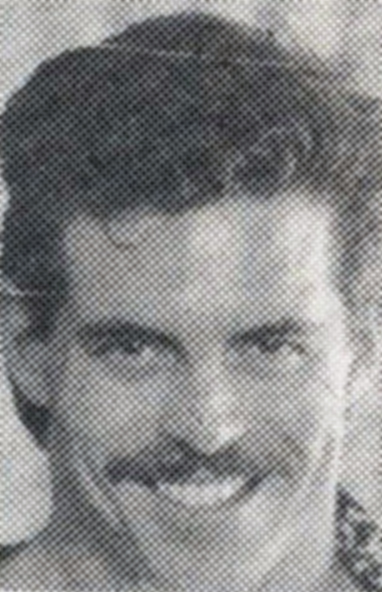
Harold Gates
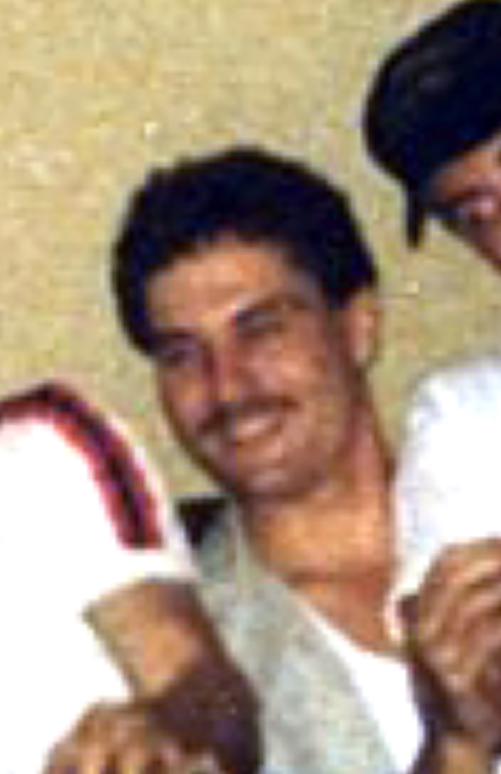
Peter Whitman
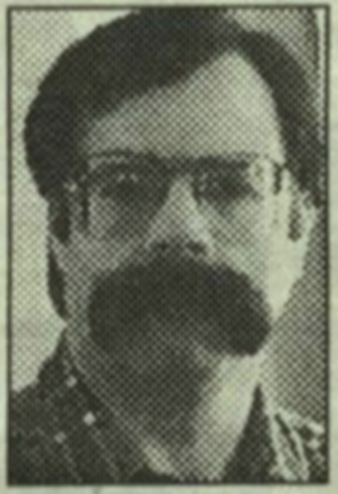
Scott Woods
Bobby Farina
Brian Lea
Chuck Mayer
Richard Gulliver
Jim Girard
Keith Roseberry
Tom Farrel
Ben Walzer
Steve McCollom
Philip Ruckdeschel
Thank you for this beautiful remembrance!
What an amazing tribute to these fantastic human beings. Yes, they will live on in our consciousness thru their time with us & the memories they created. I never met them or knew them but I sit here quietly crying. So very well done. I hope I can be page worthy when the time comes.
All the beautiful lives and gentle hearts gone too soon.
Danny Amada
Mark Taylor Howe
Terry Young
Gary Graham
William Kim Holstien
Our lives are better to have know them.
For those who’ve survived it’s like sitting at a table with empty chairs.
A very well-done tribute.
The many Men I’ve known who have died from AIDS, both Friends, and Lovers, and also the Porn Stars and the Business Associates of them that I got to know. I was in ‘The Biz’ way back then, (Not in front of the cameras). From 1978-1989, when I finally gave up San Francisco, the personal absences had taken a heavy toll. I left The City and moved to Edinburgh, Scotland for a year. I have NOT a single personal photo of any of them anymore, lost in travels over the years. But I Knew them, and I Know them; and They Existed.
Life lost and potential unfulfilled. What could have been. My heart goes out to all the men and women who died too soon.
I don’t often tell this story.
I joined the military in 1984. I had lived a life that one could say was sequestered—close to a monk, but not quite. I was part of the world but not really in it. Long story. Before enlisting, I had been sleeping with a man from my church who was an officer in the military. I remember reading a Newsweek article about a disease affecting gay men, or as we say in the business, MSM. I mentioned it to him, and he brushed it off, saying, “It doesn’t affect us.”
Fast forward: I was now in the military, assigned to Wiesbaden, Germany.
I truly must have been living under a rock, because in Germany, the AIDS message was everywhere. You could not escape it. I knew I was gay, and my sexual experience was very limited—just the officer back home. But I was suddenly aware that I was in dangerous waters.
After a short time in Germany, the Air Force decided to begin HIV testing. The hospital compound where I worked and lived was thrown into chaos. Guys in the dorm were losing sleep. The testing would become a yearly requirement. I went in for my command-directed test and came back negative. My roommate tested positive, and the effects rippled throughout the hospital.
The Air Force didn’t kick people out for being positive. Instead, they were closely monitored—almost like participants in a medical study. Stateside members were sent to Walter Reed or San Antonio for testing and annual follow-ups. The AF wanted to track every positive member and monitor their health carefully. The stigma of a “gay disease” was quickly set aside; for God’s sake, we were healthcare professionals. We knew better.
Maybe I was spared. I often think about what might have happened if I had been wild and free a few years earlier. I’ve read so many stories of gay men cut down in the prime of their lives—men who were living rich, vibrant lives. This AIDS Day, my heart goes out to each of them, and to their friends and families as well. Rest easy, my sister.
Fast forward again: a few years later, I was stationed in Wichita Falls, Texas, on a special duty assignment teaching 32 subjects on wartime medicine. And yes, I taught about unlawful orders in the military. Robert, my roommate from Germany, kept in close contact.
Robert had never been in robust health. He was small in build and shopped in the boys’ department for clothes. Over time, the disease progressed, and in 1990 he died from complications of pneumonia. Robert loved music. In Germany, he was always in the clubs, just having a good time. I was never the partier. His record collection was the envy of the dorm—every LP in a plastic sleeve, handled like fine china. His sound system rivaled that of a DJ. He loved life and was always exploring whatever was new.
Soon after I arrived in Texas, 1990, Robert came to visit me in Dallas as I was starting my undergraduate degree. We had a wonderful visit, and one of his best friends joined us for a few days. Within a year, I received a call from Robert’s mother telling me he had died. I had never met her, but we had spoken on the phone a few times during his illness. Robert was a planner, and he had left her a short list of people she needed to contact at the time of his death. I was on that list. She told me that Robert spoke of me often.
Though Robert traveled more in the gay scene than I ever did, we kept in touch. I miss his jovial spirit and his love for music. He loved discovering new sounds and new artists. What a zest for life. The world is a little emptier because he’s not in it.