






What happened to our “Can-Do” attitude?
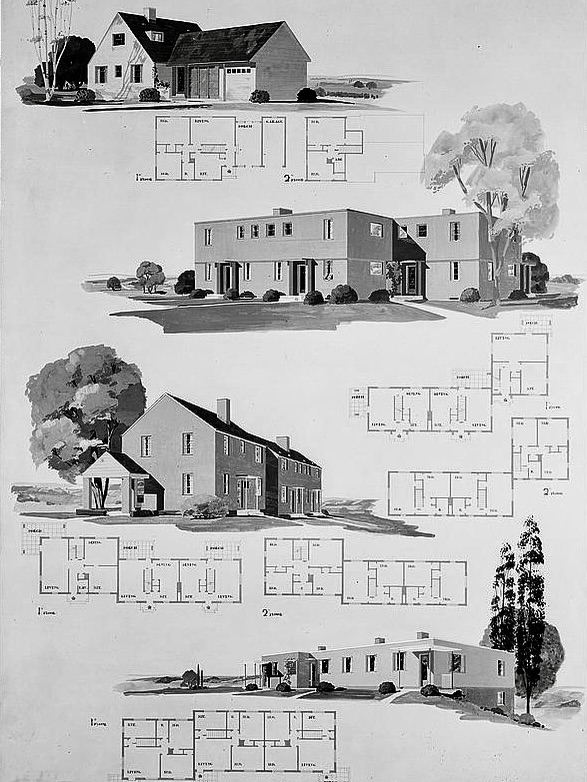
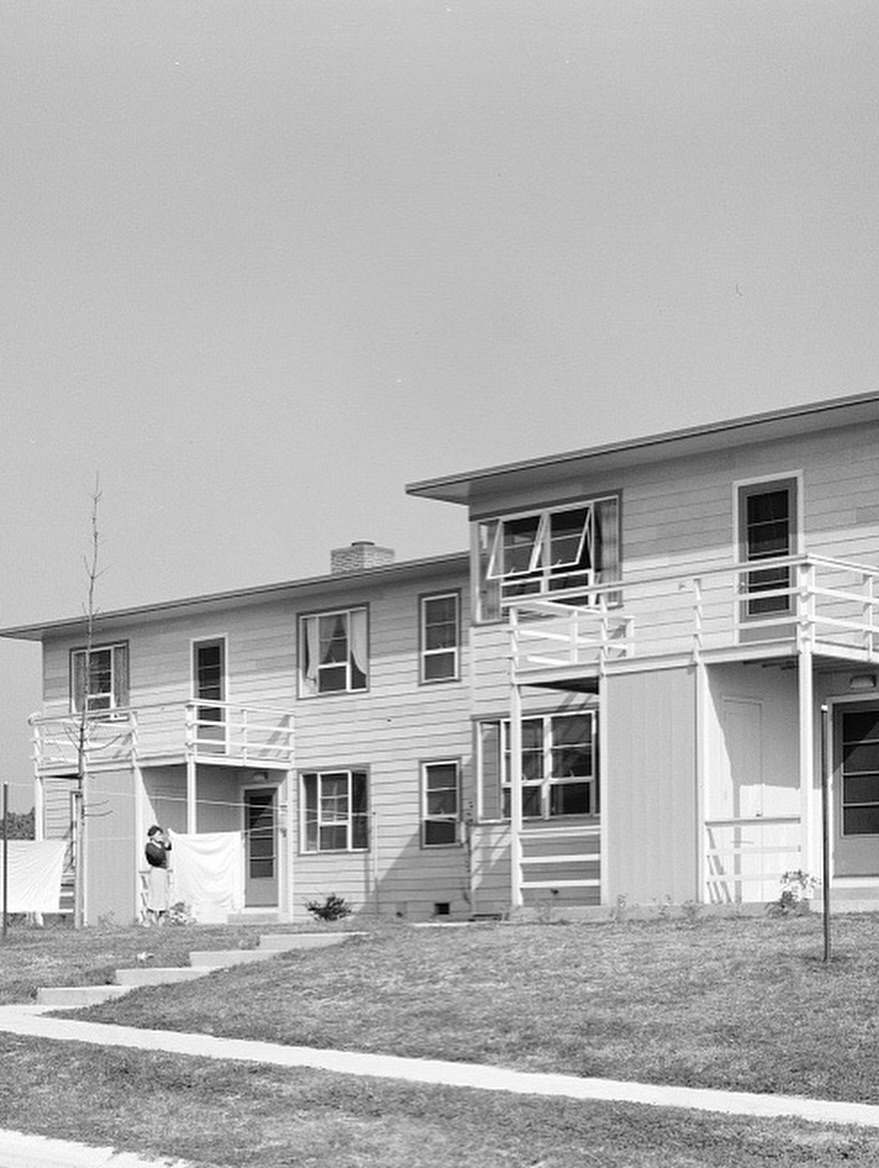
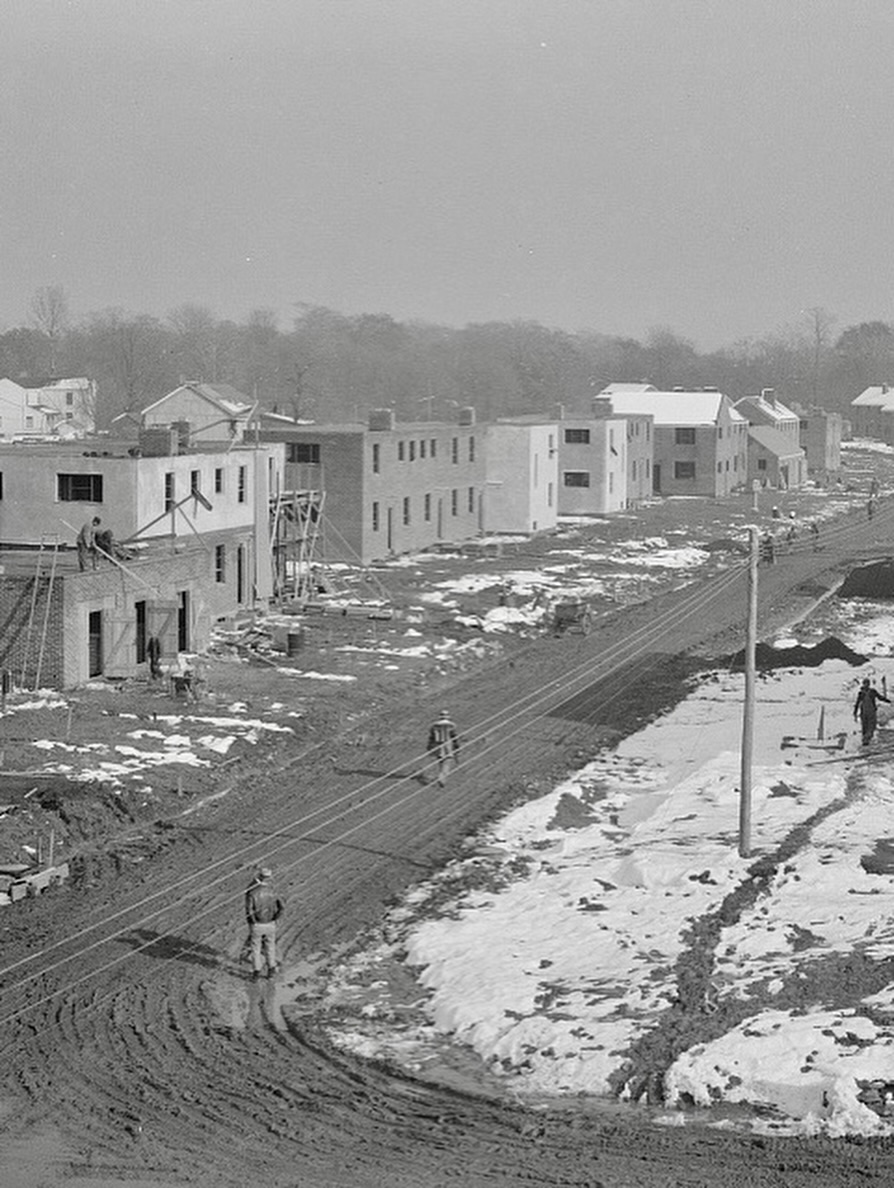
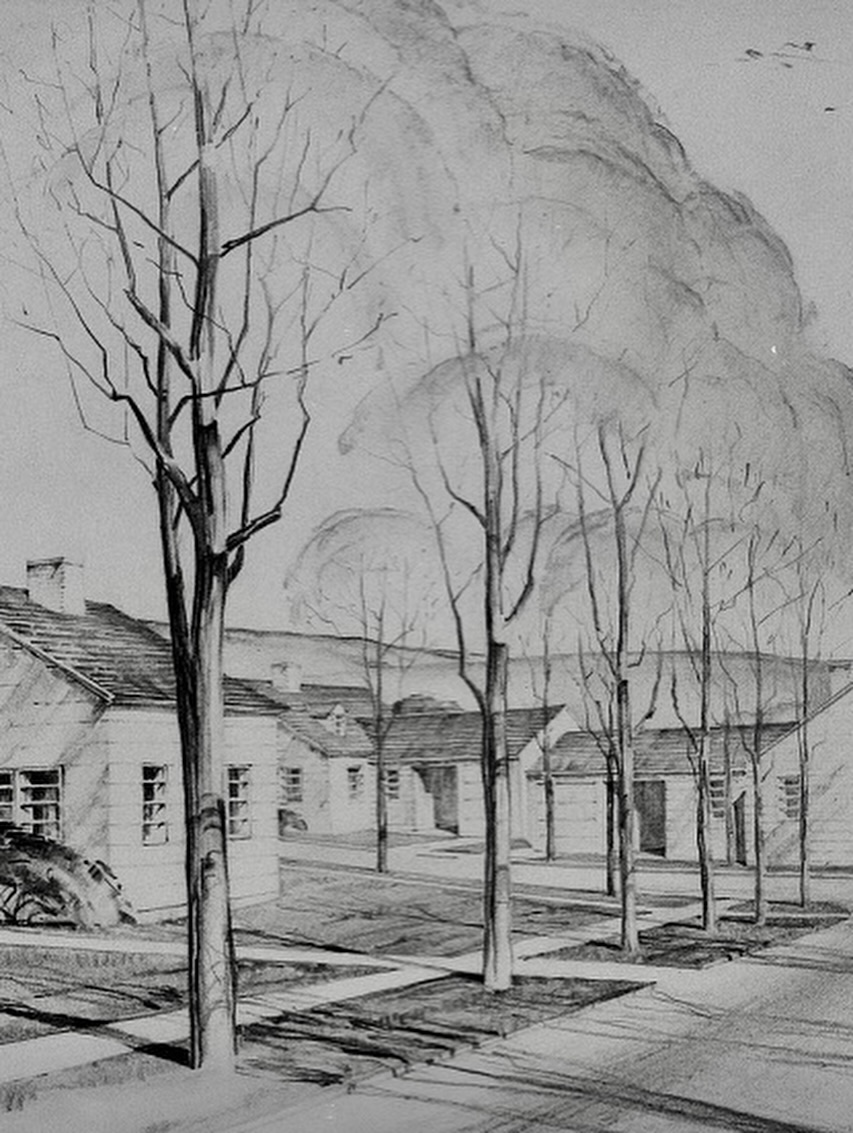
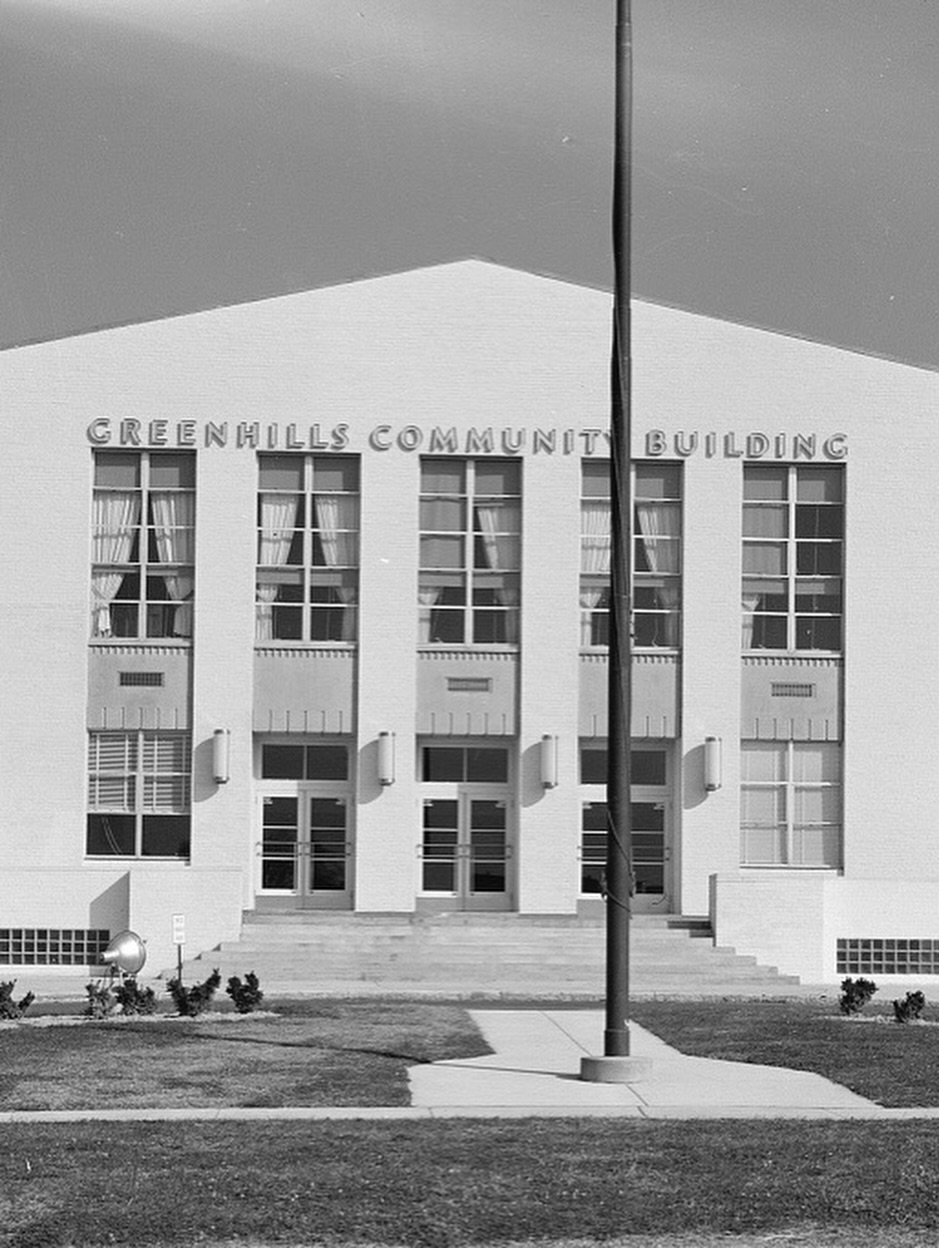
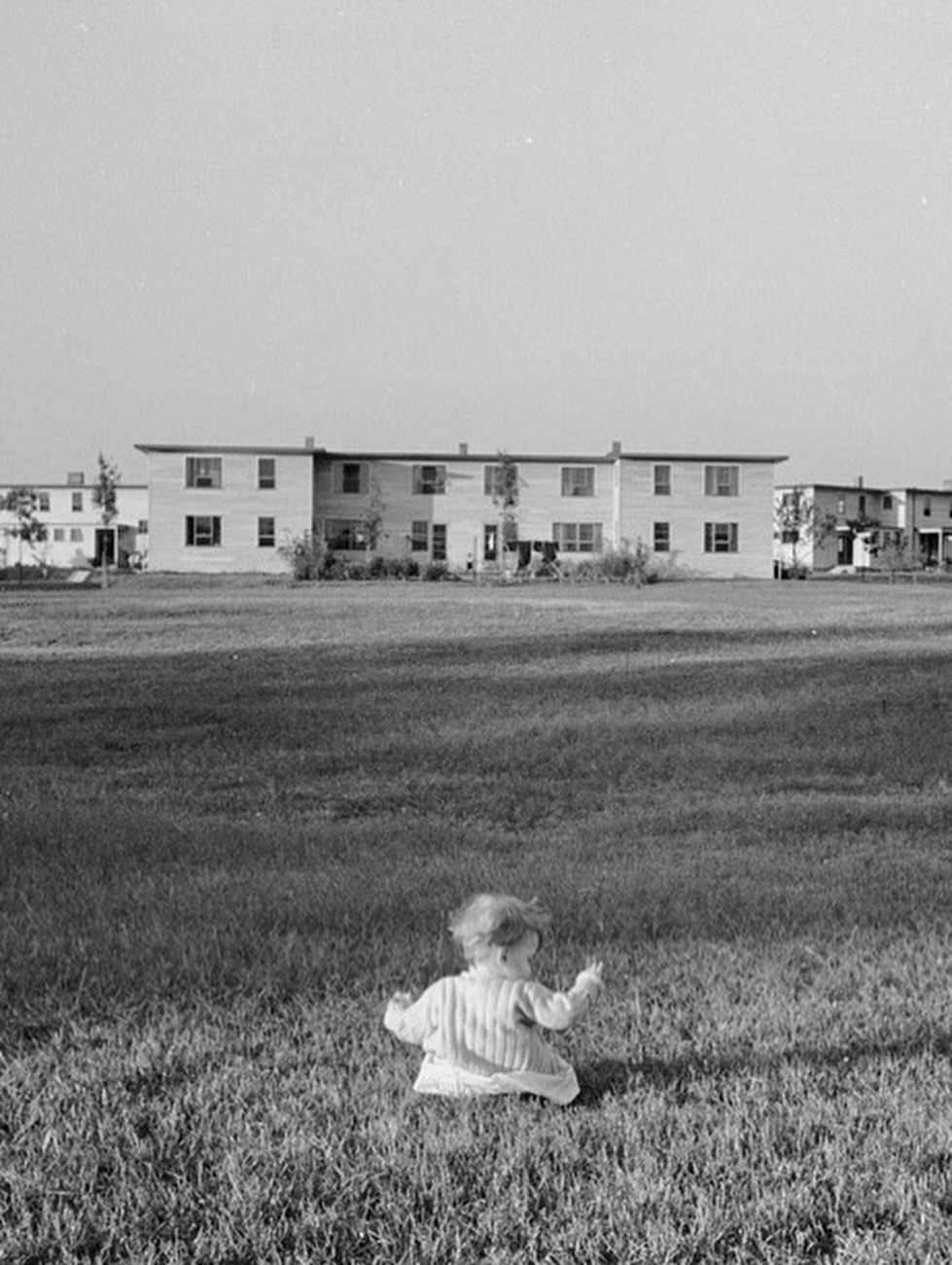
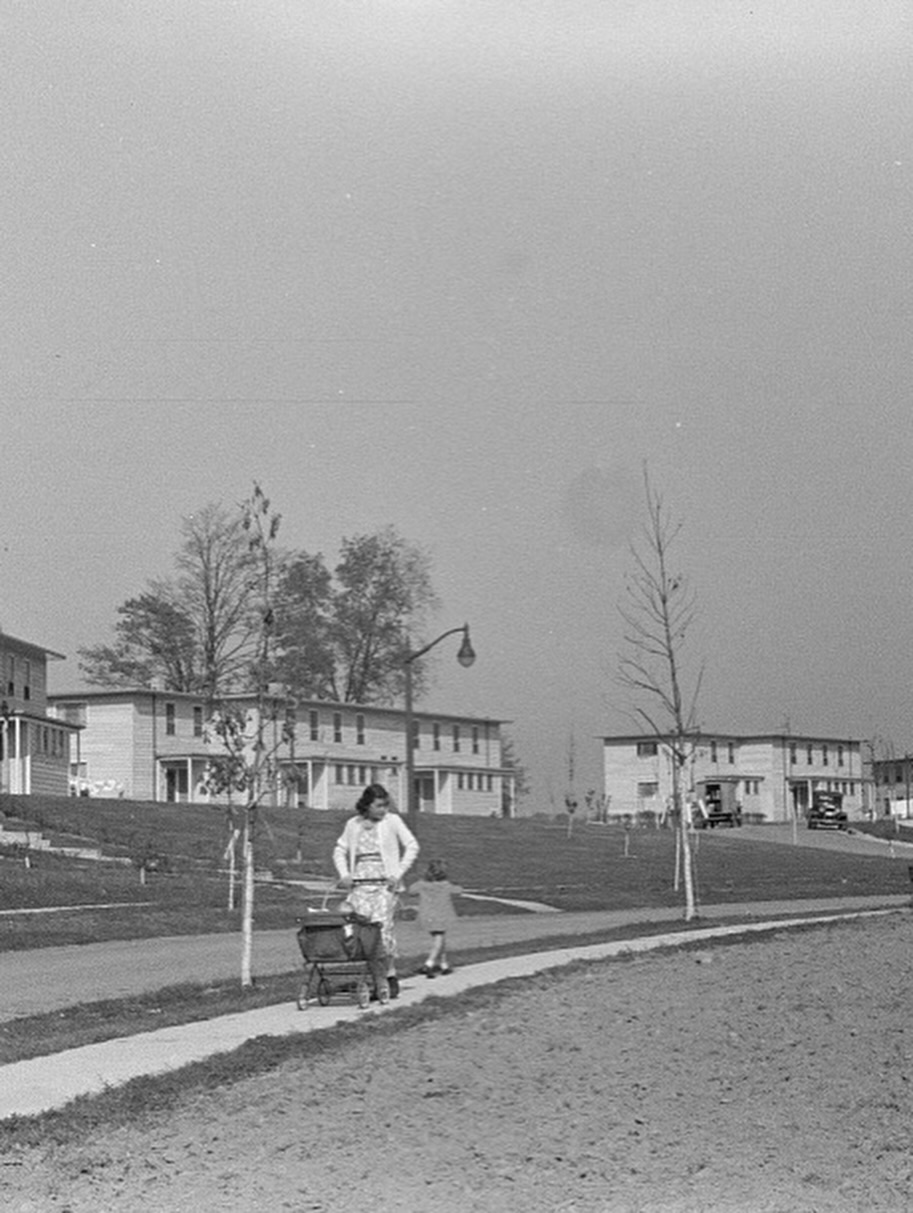
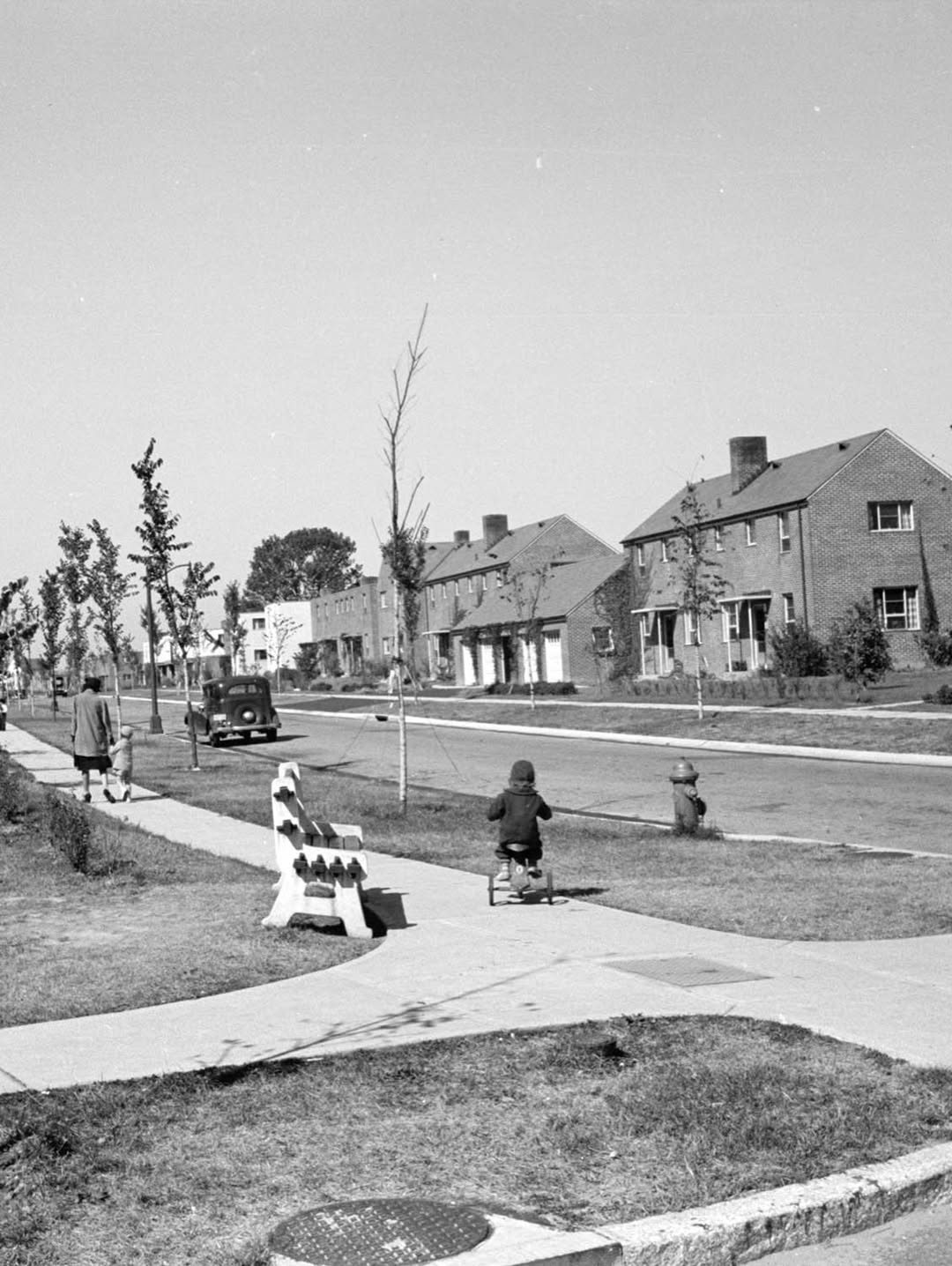
What if one of America’s boldest “new” ideas for affordable housing was hiding in plain sight…in a 1930s suburb outside Cincinnati? Meet Greenhills, Ohio – a New Deal–era “greenbelt town” dreamed up during the Great Depression (construction started in ‘35 and residents moved in ‘38) as a federal experiment in healthier, lower‑cost living for working families…as part of a resettlement effort, Greenhills was one of only three model communities (Greenbelt, MD and Greendale, WI) built by the U.S. government to test whether good design, green space, and modest rents could tackle overcrowding and slum conditions in nearby cities…curving streets, superblocks, and shared courtyards pulled homes away from traffic…simple brick and stucco rowhouses, duplexes, and houses face parks instead of parking…the idea was radical and controversial: community first, cars second…rents were set to be affordable to working‑class households, but what residents “bought” went far beyond four walls…they got walkable access to schools, shops, recreation, and lots of open space…housing policy, urban design, and public health were all baked into the ideals of Greenbelts and the Greenhills plan…today, Greenhills is a National Historic Landmark and a case study in both the promise and fragility of design‑driven affordability, and early housing policy rooted in segregation and discrimination…in the past 10 years a struggle has emerged over those that want to keep it as originally designed and others that support demolition and redevelopment…housing—especially affordable housing—is a constant challenge, now and in the 1930s.
[source]
I read the piece and considered how it must have been received back at that time. The layout plans remind me (in a way), of those Stonestown Apartments way out in San Francisco nearing Daly City. I never lived in them, but they were ‘cookie-cutter ugly.’ I don’t know when they were originally built. On a separate level, I’m the only person in my family including siblings and relatives, who has never owned, or ever desired to own, a house. I’ve lived well up OFF the ground and streetlevels my entire life. The thought of living at ground level right off the street is anathma to me. (Which is why I could empathize with Eva Gabors character on ‘Green Acres’. Oh, just Google it). 😉