
0 comments
Some Thoughts
I know some of you have privately expressed concern over my newfound obsession with AI imaging.
Me, this morning to Ben: You know, it’s kind of silly, but all this AI generation I’ve been doing has done wonders.
Ben: How so?
Me: I mean, it’s hard to say, but all I know is that it’s snapped me out of my year-long depression, gotten my mind off the state of the world, and has given me a reason to get up in the morning beyond going to the next doctor appointment. I’m creating and enjoying life again.
Ben: That’s great! And it’s all that matters!
And before you leave comments that I’m not the one actually creating anything, I beg to differ. I do supply the source material from my personal photography that the AI works with. Occasionally I glean a public photo to incorporate in the composition. How does that differ from editing one of my own photographs and manually incorporating elements from a different photo manually in Photoshop of Photocraft to improve upon it? It doesn’t. And yes, AI does all the heavy lifting to generate the image itself, but learning how to write the prompts to actually get what you want is also part of the human creative process. Does AI steal my original photos to improve its abilities? Probably, but I honestly don’t care.
And like I said, it’s snapped me out of a year-long depression that I didn’t even realize was there until it was lifted. So…

1 comments
Variation Of That Bad Boy Theme

Good Morning!

“Extreme In Style”
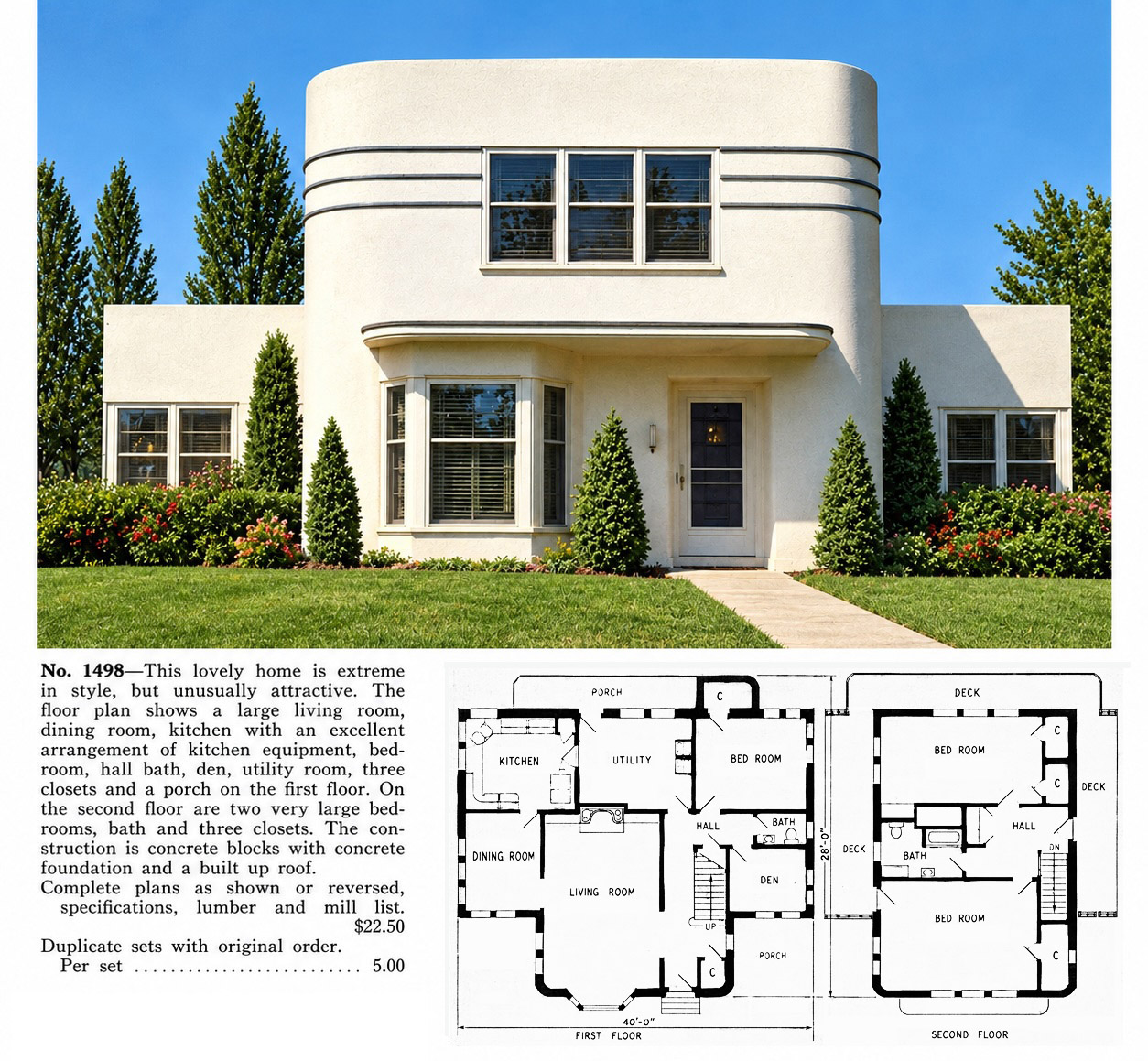
And just think…all this could’ve been yours for only $20—including materials or, you know, the actual construction.
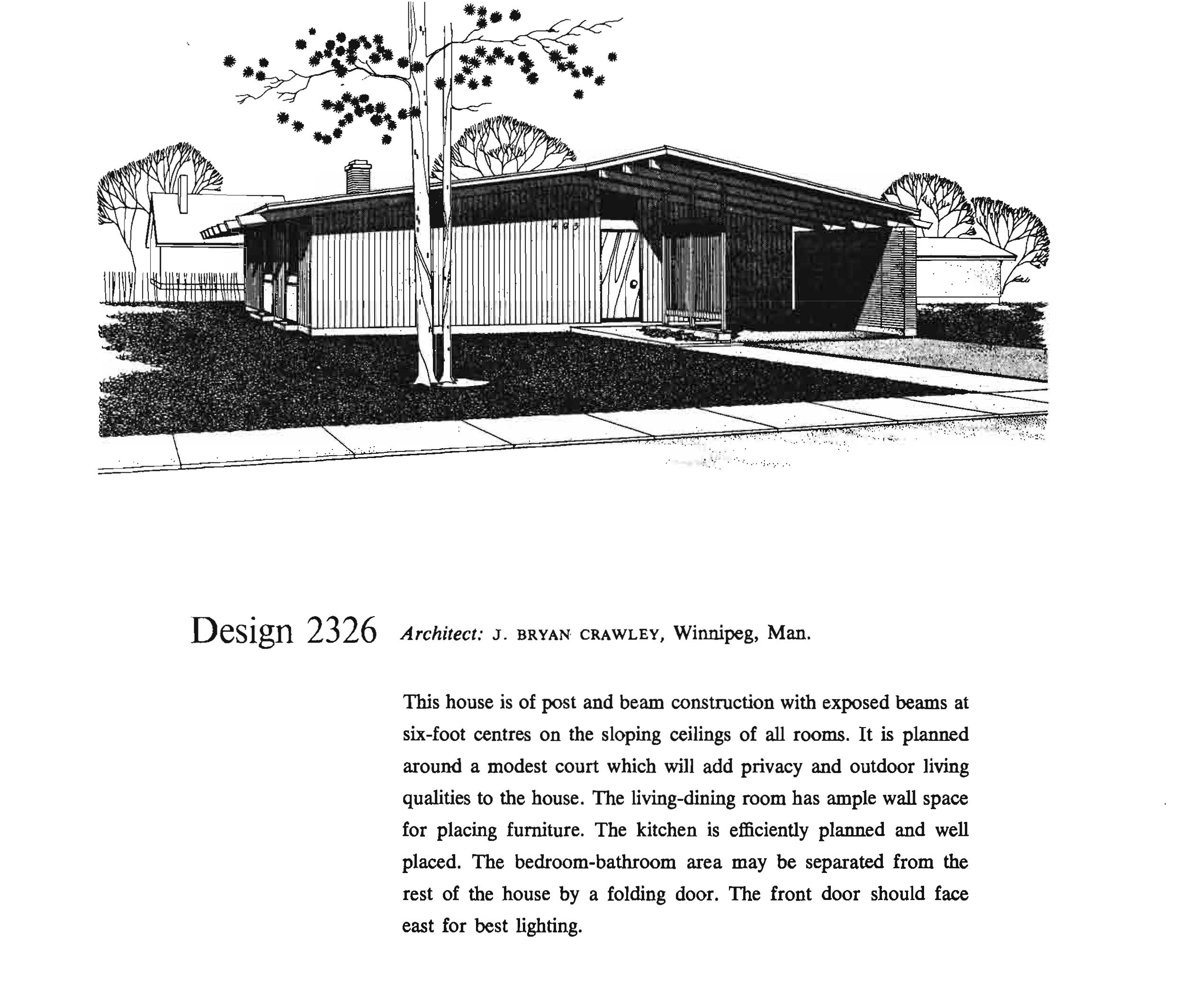
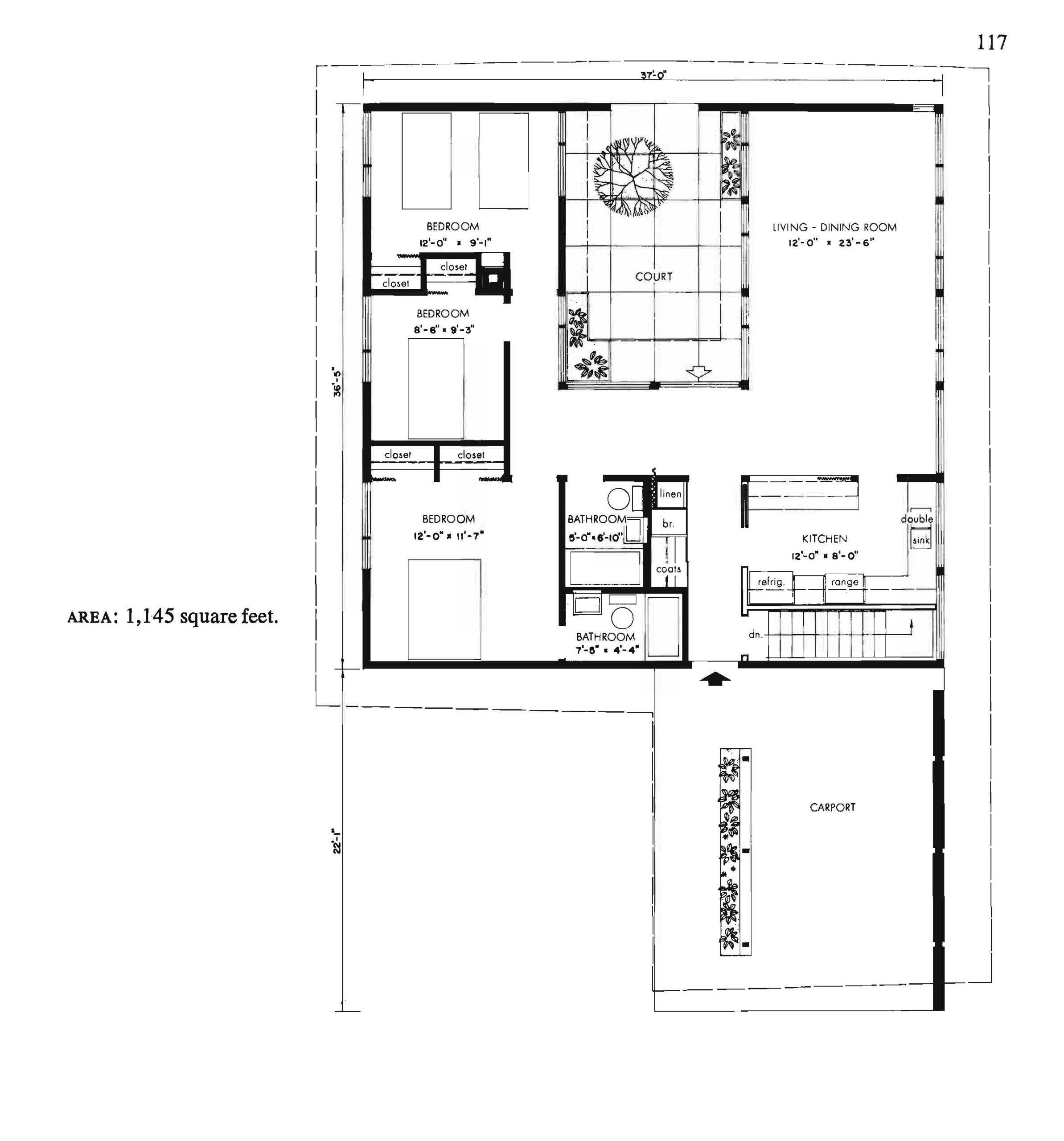
What stands out to me immediately is the size of the Utility Room and the first thing you see when you walk in the front door is the washer and dryer on the other side of the house. I think what I’d do is run that hallway all the way to the back of the house, put in a French door there, and the reconfigure the remaining Kitchen/Utility area in a way that better utilized the space and offered its own private exit to the back yard. I’d probably also knock out that wall between the Living and Dining Rooms.
Upstairs in the rear bedroom I’d get rid of that dressing shelf or whatever it is and push the toilet wall out so the entire “south” wall in that Bedroom is flush for the entire length. I’d also pop a door somewhere in there that connects to the front Bedroom to create a pseudo Master Suite.
0 comments
Prompt:
“Based on our interactions thus far, create an idealized portrait of the two of us together.”

i mean…it’s not wrong.
0 comments


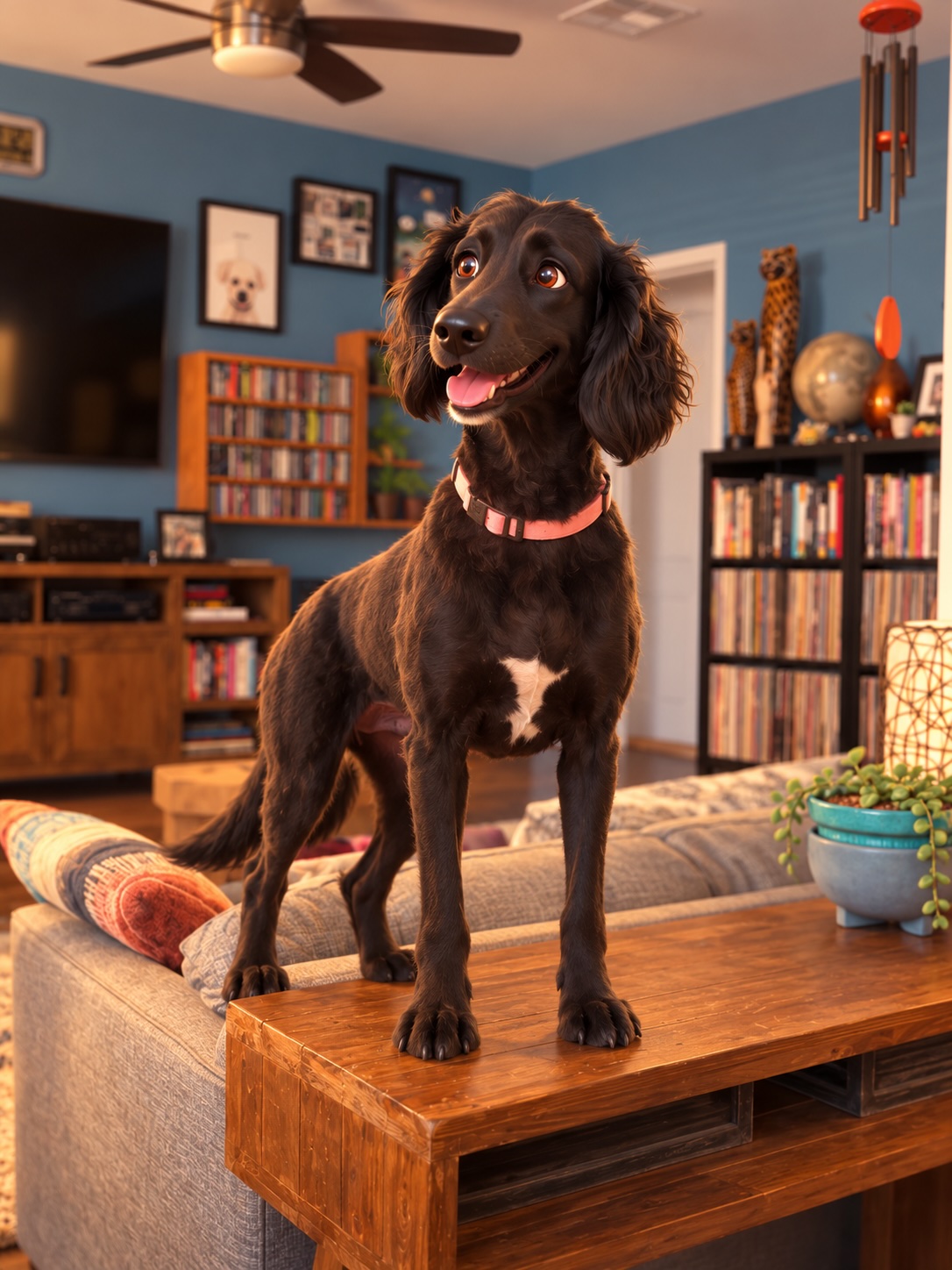









Apologies to AHS: Hotel And Denis O’Hare


Today’s Architectural Nightmare
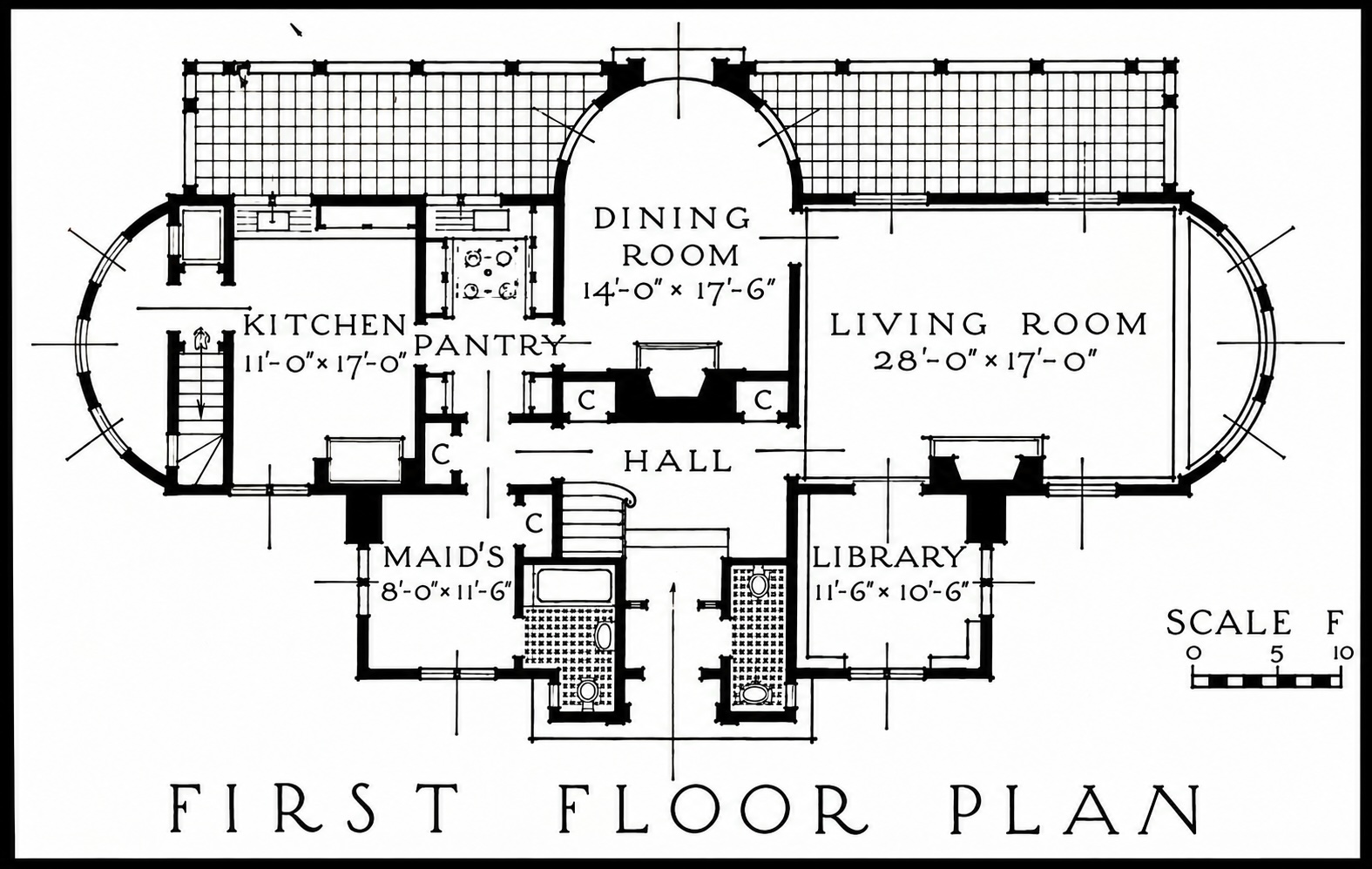
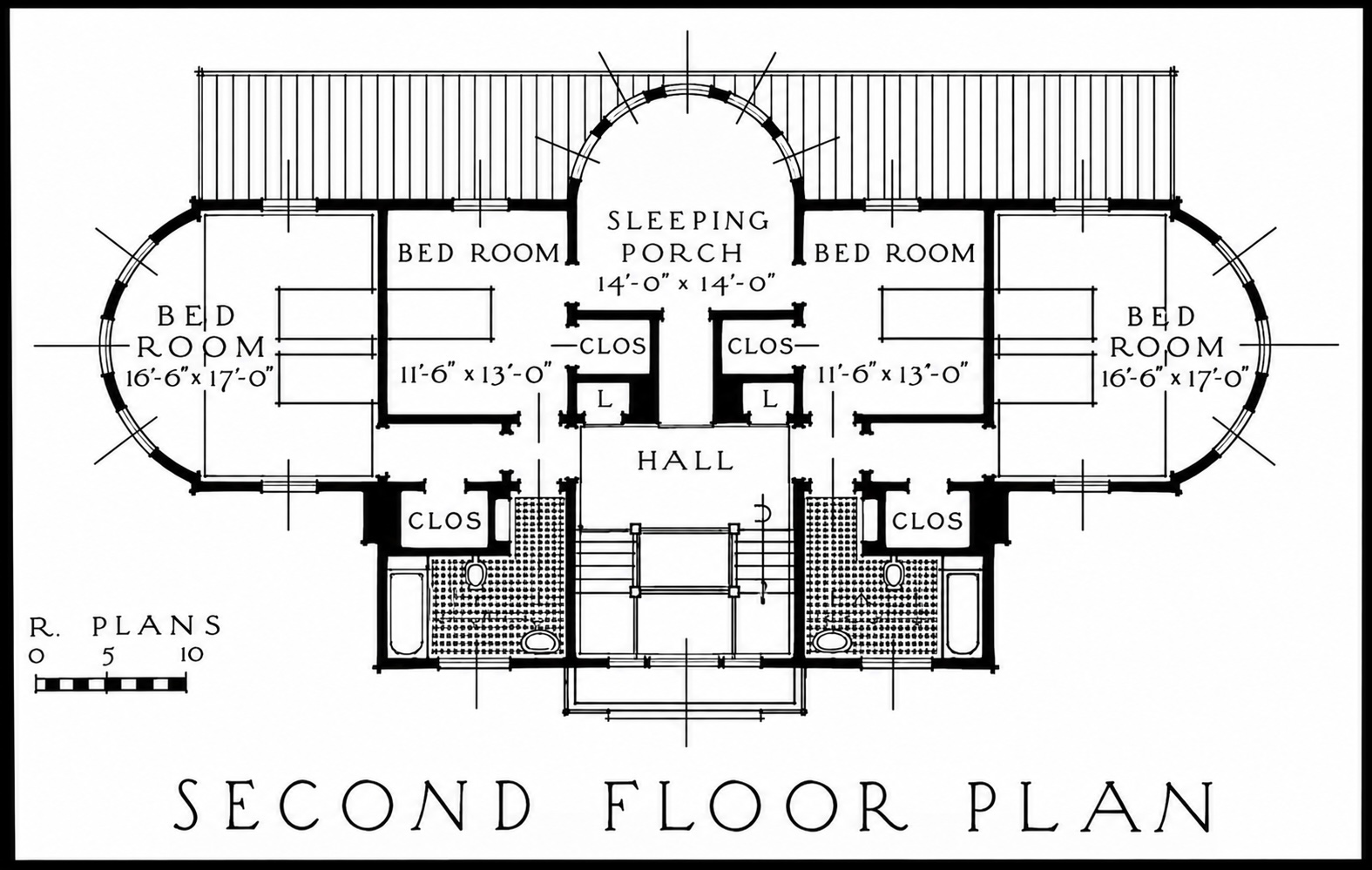
Well, perhaps nightmare is a little strong.
The plan actually isn’t bad. While the plans were presented without any exterior renderings, the semi-circular end bays are certainly interesting, and would suggest anArt Deco exterior. As I said, I have no exterior views, and while I could, I’m too frightened to ask AI to generate one. So we’ll just go with what we have.
I lied.
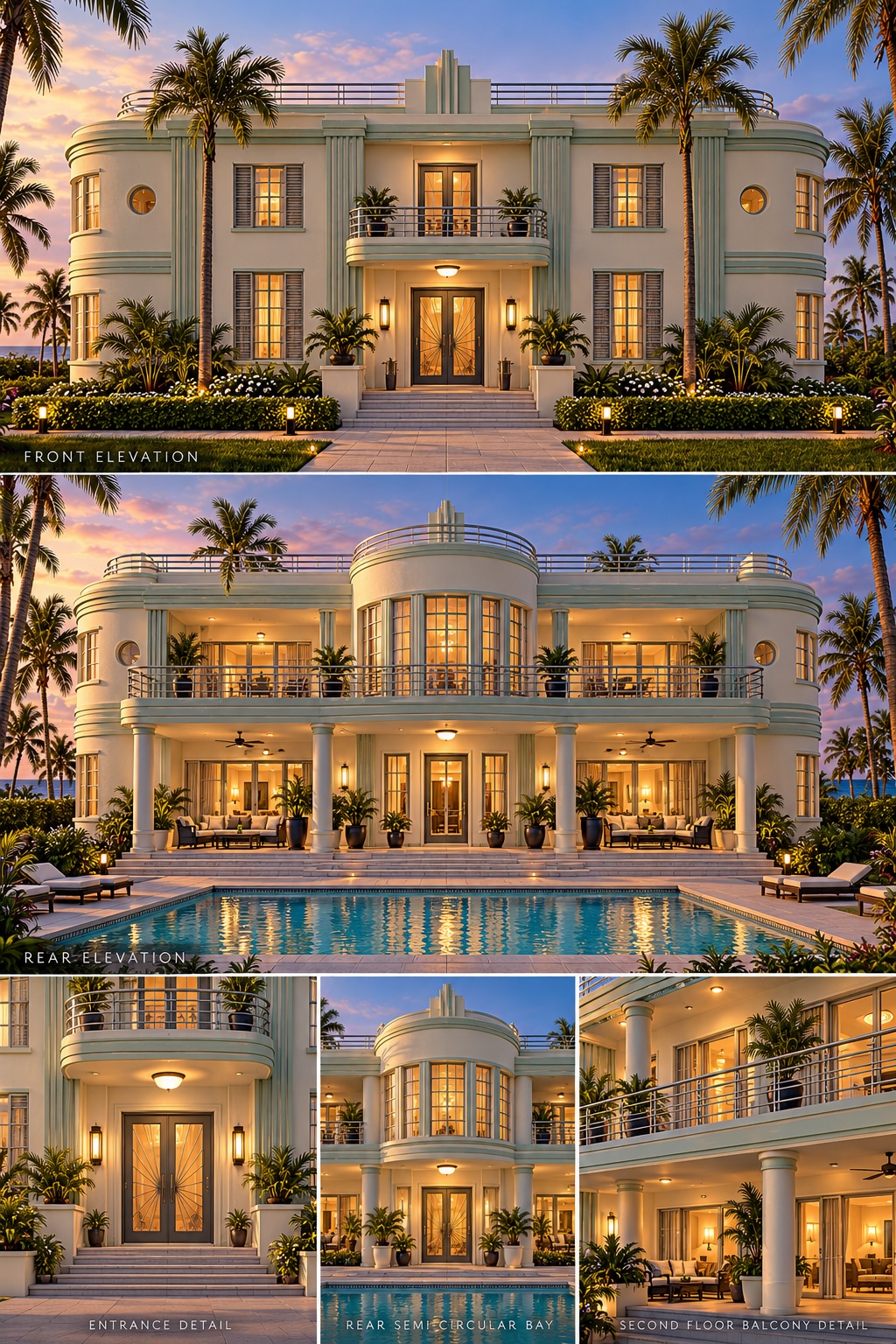
The interpretation isn’t pefect, but after five tries I gave up and told the AI while it still wasn’t perfect, although good enough for my purpose.
1 comments
Why Am I Giving Side-Eye?

Mischievous


Getting Ready For Another Day Of Online Mayhem

Simple, But Still Charming
Bad Boy From A Parallel Universe

Such a bad boy.
And before y’all start your scolding, as I’ve explained to several of you privately over the years, I know smoking is a vile habit; something I never took up in my youth and most assuredly would never take up now after seeing what it’s done to friends and family. Plus, if I did start smoking in my youth I’d look like hell now and no doubt would’ve ended up with a much worse variety of cancer than what I did. That being said, I can’t deny the attraction it elicits with some guys. To paraphrase a line from Parting Glances, “Your dick knows what it likes, and you go for it.”
1 comments
Interesting But I Wouldn’t Live There
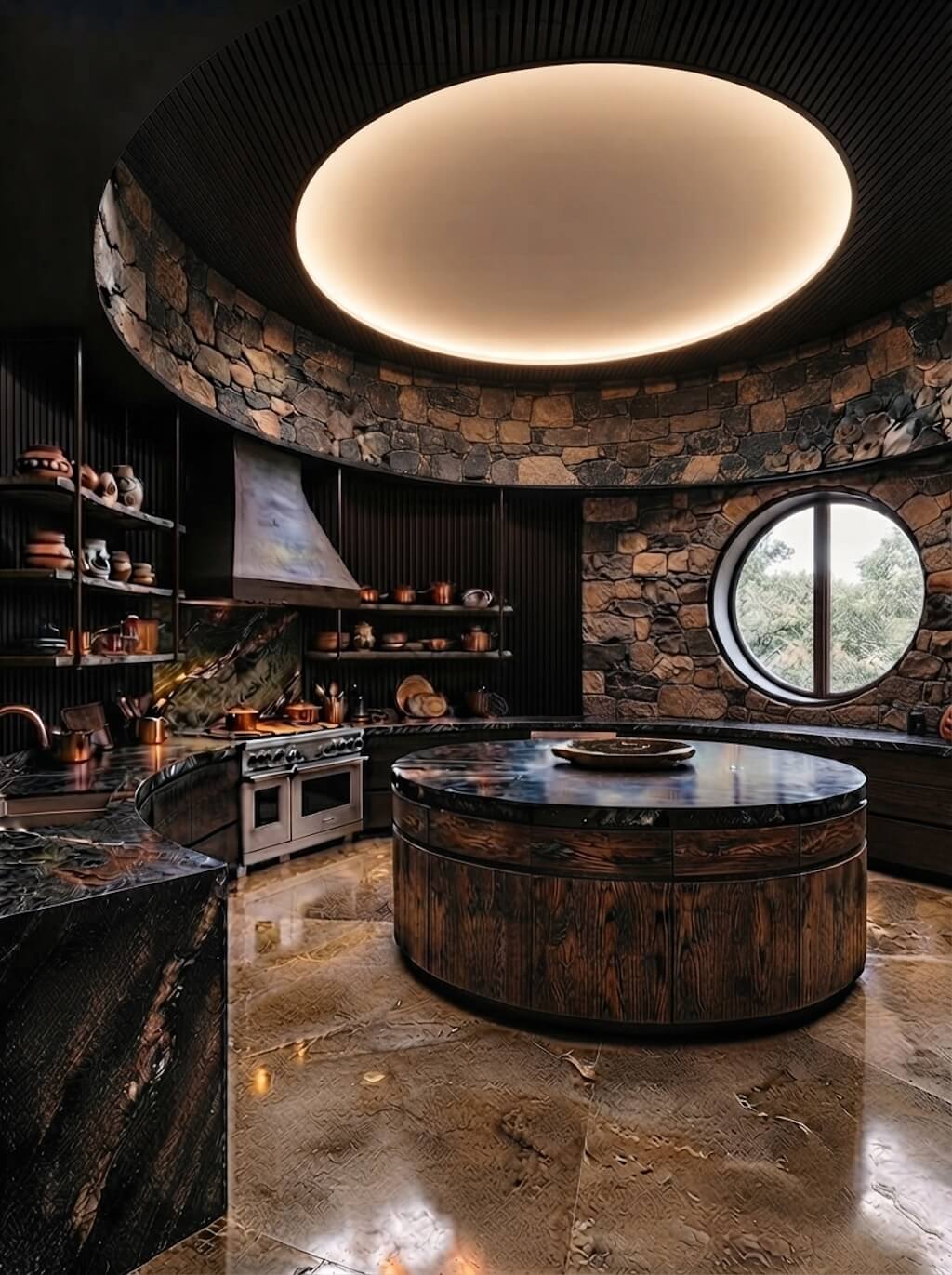
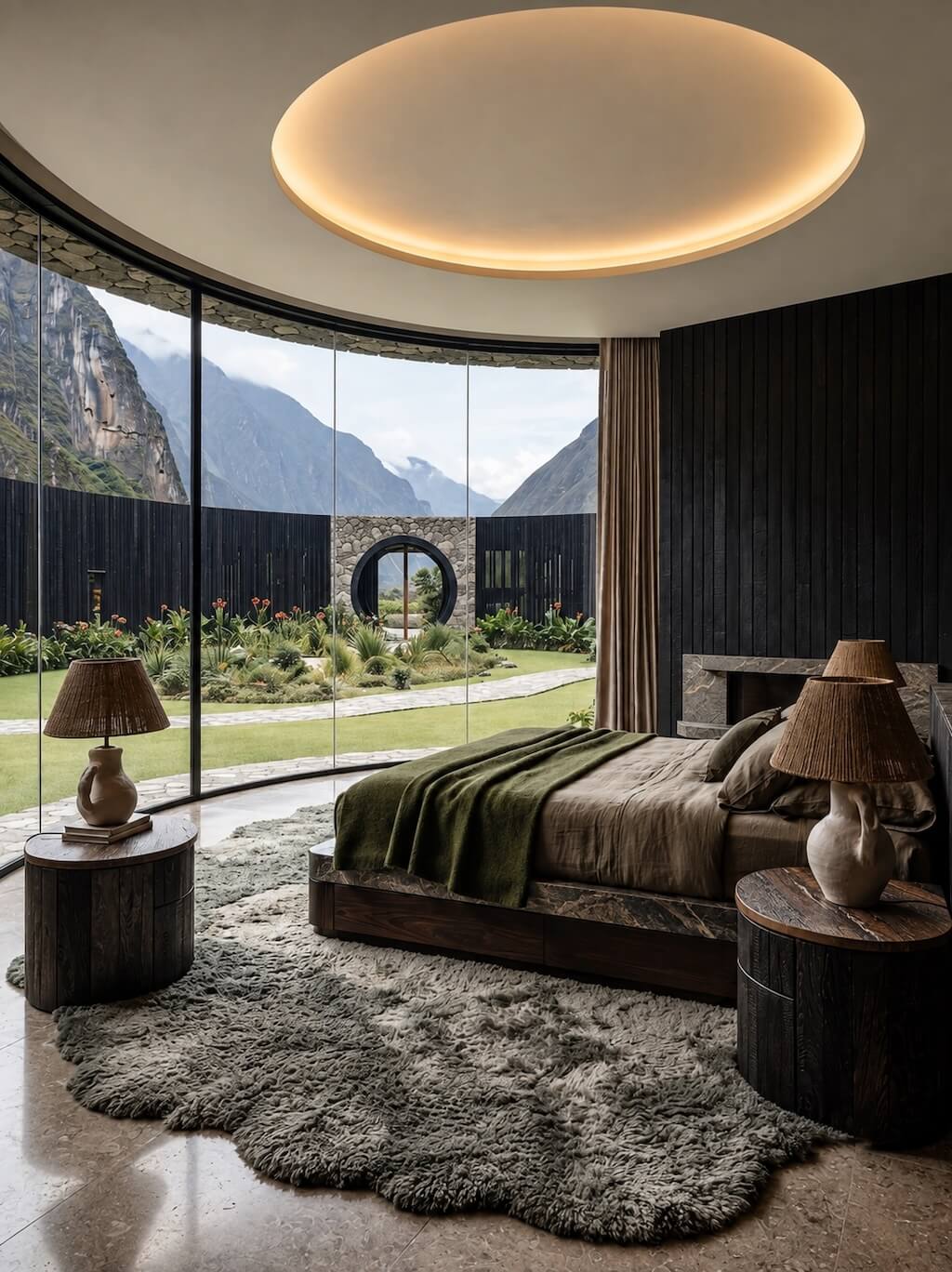
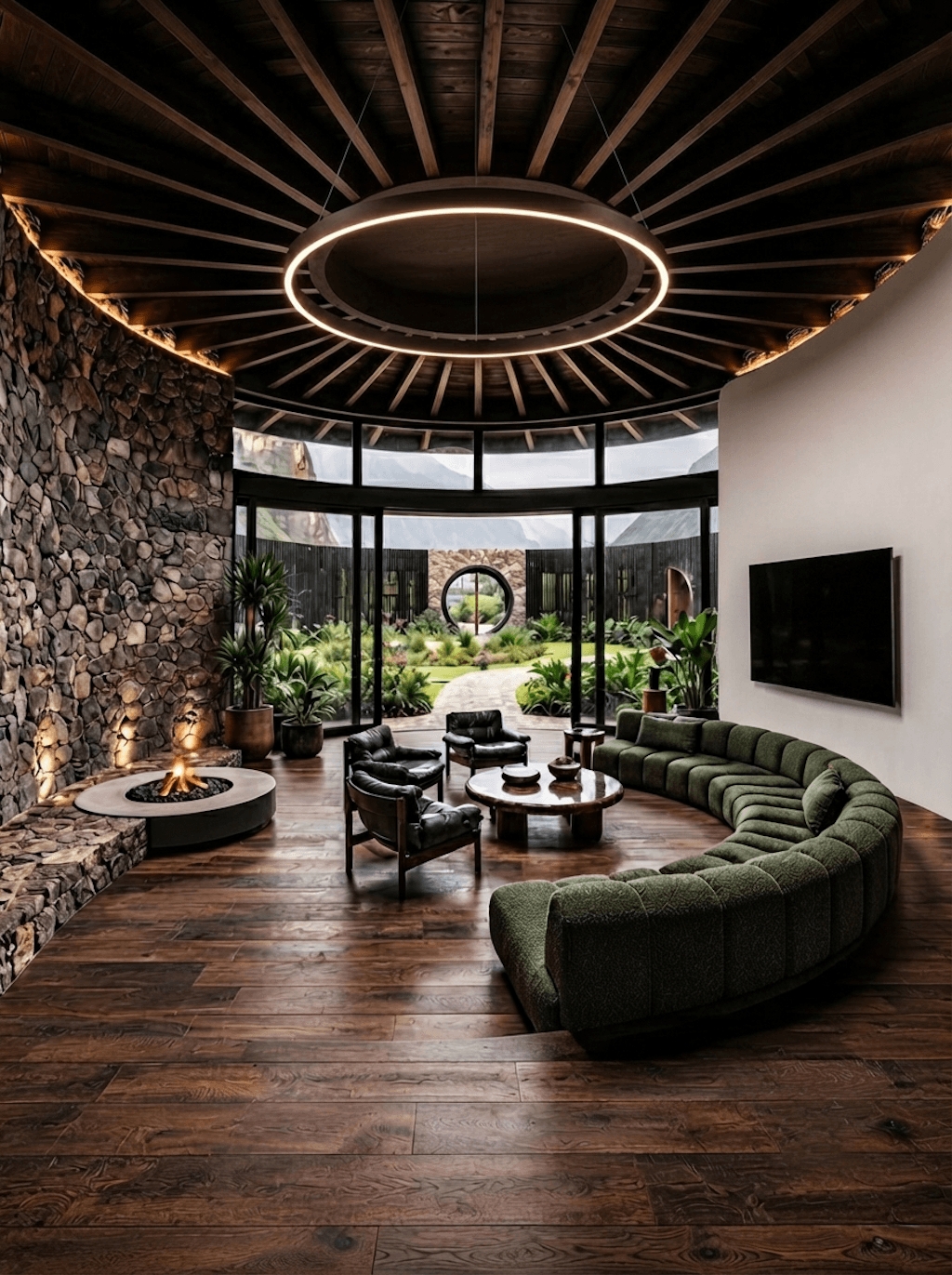
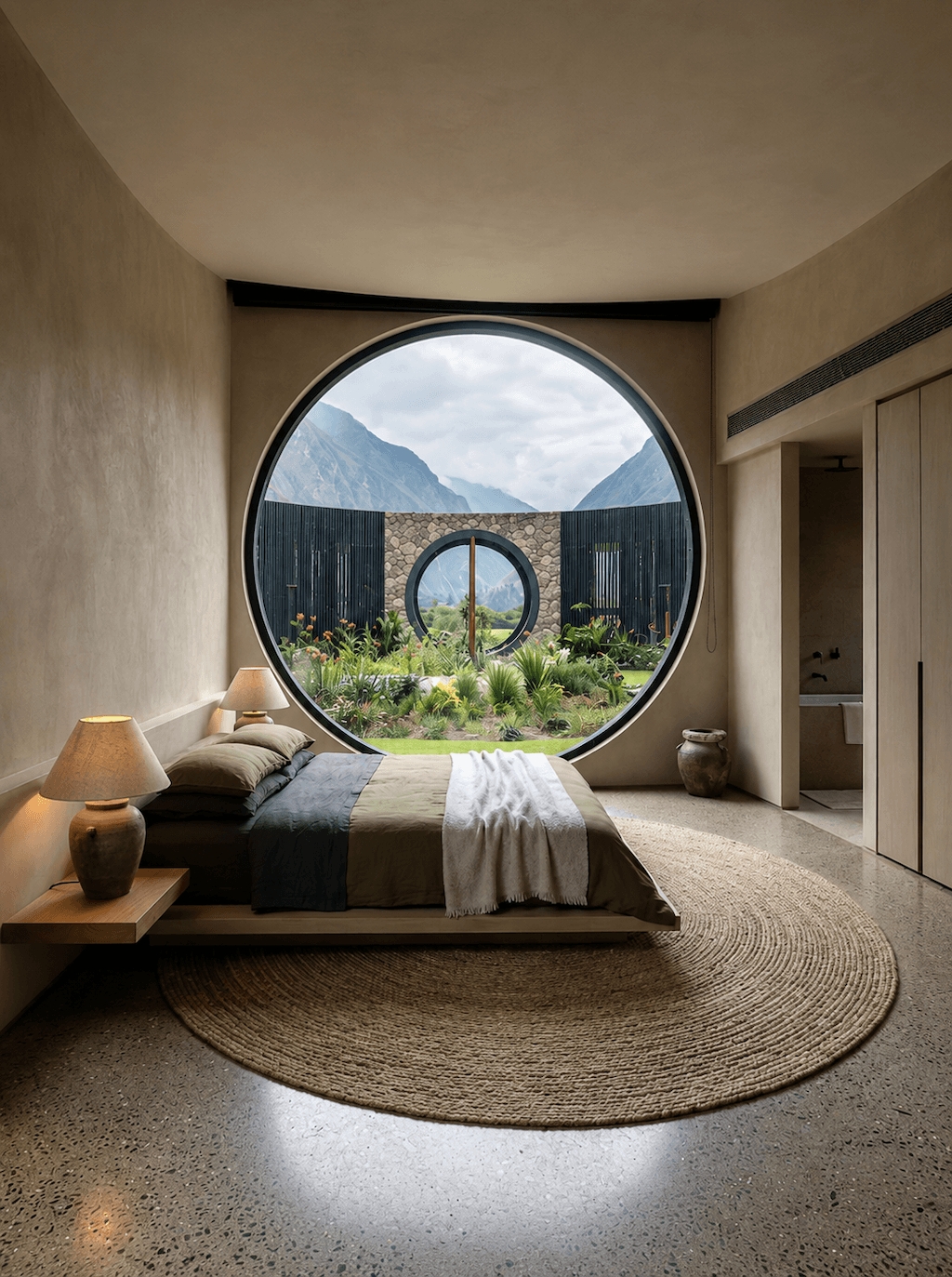
An interesting concept poorly executed. It’s AI generated, and it shows.
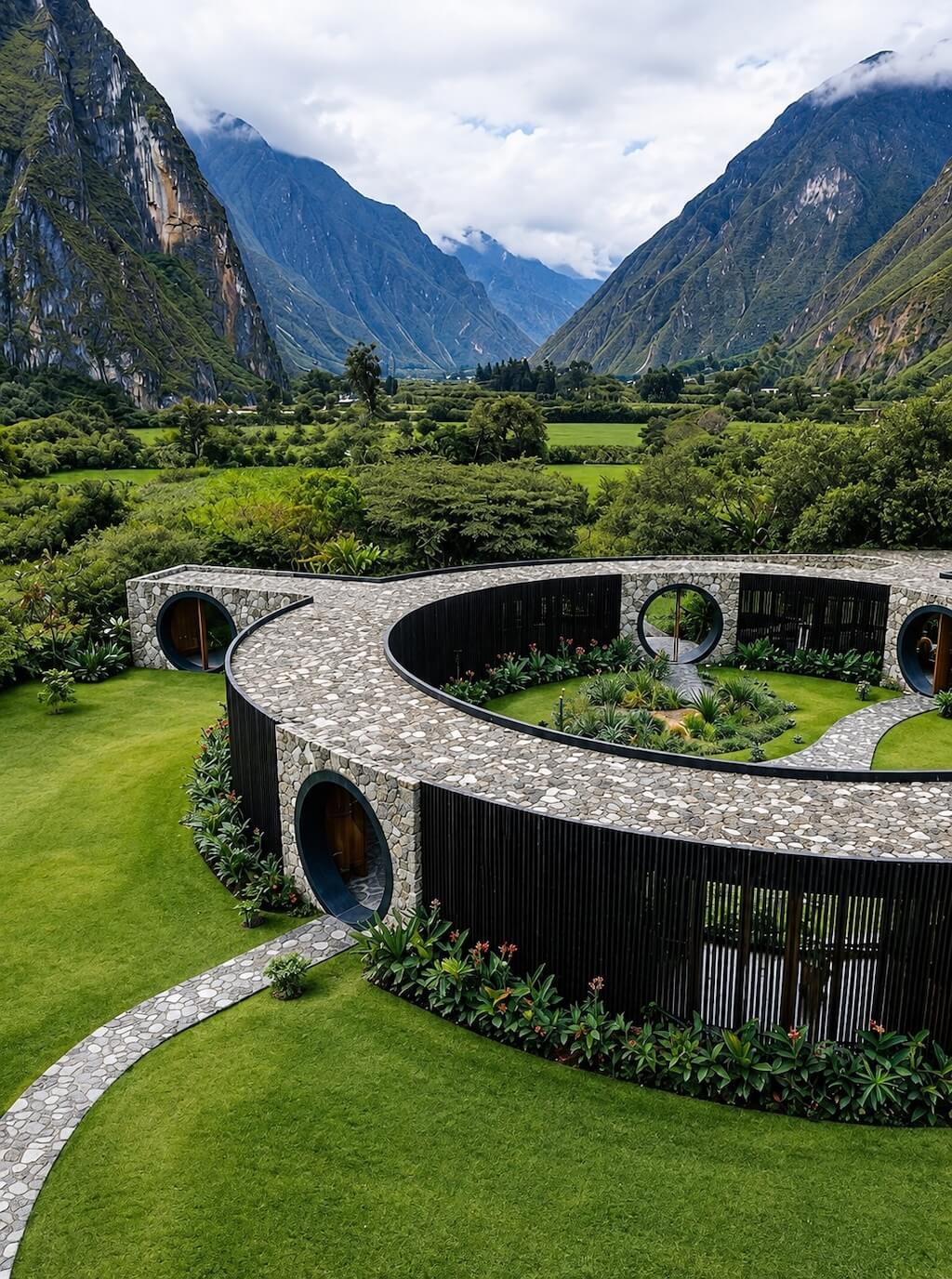
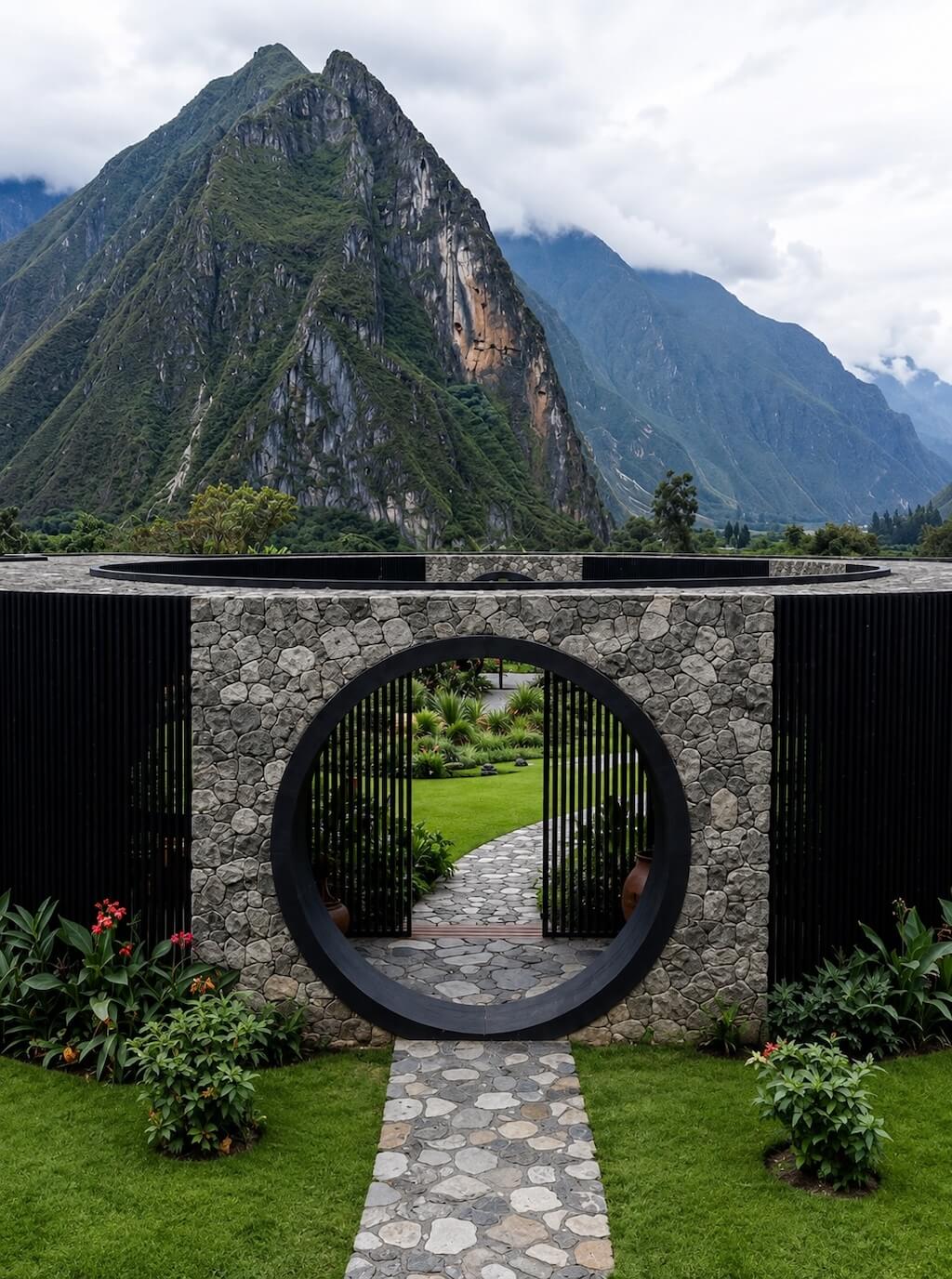
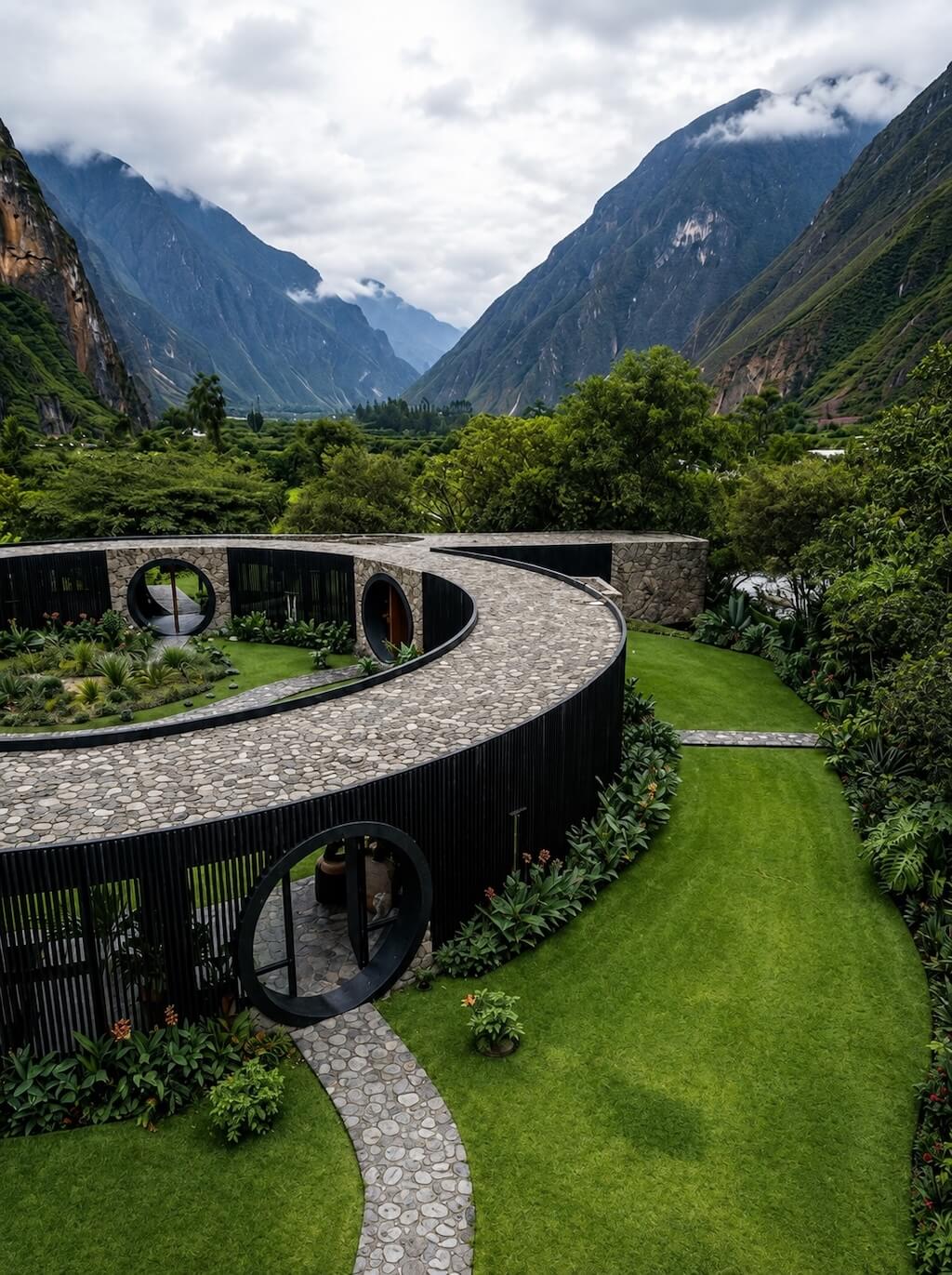
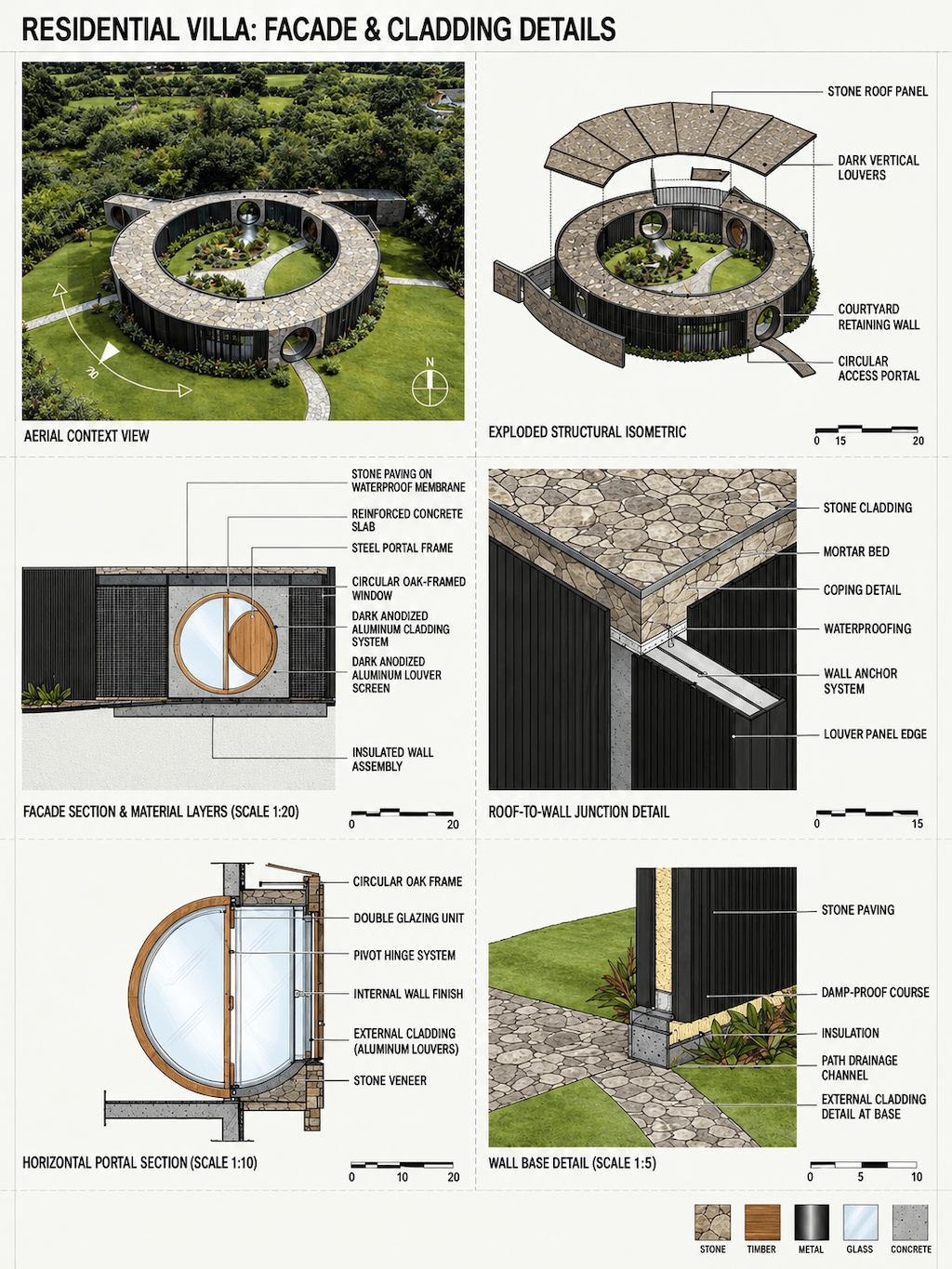
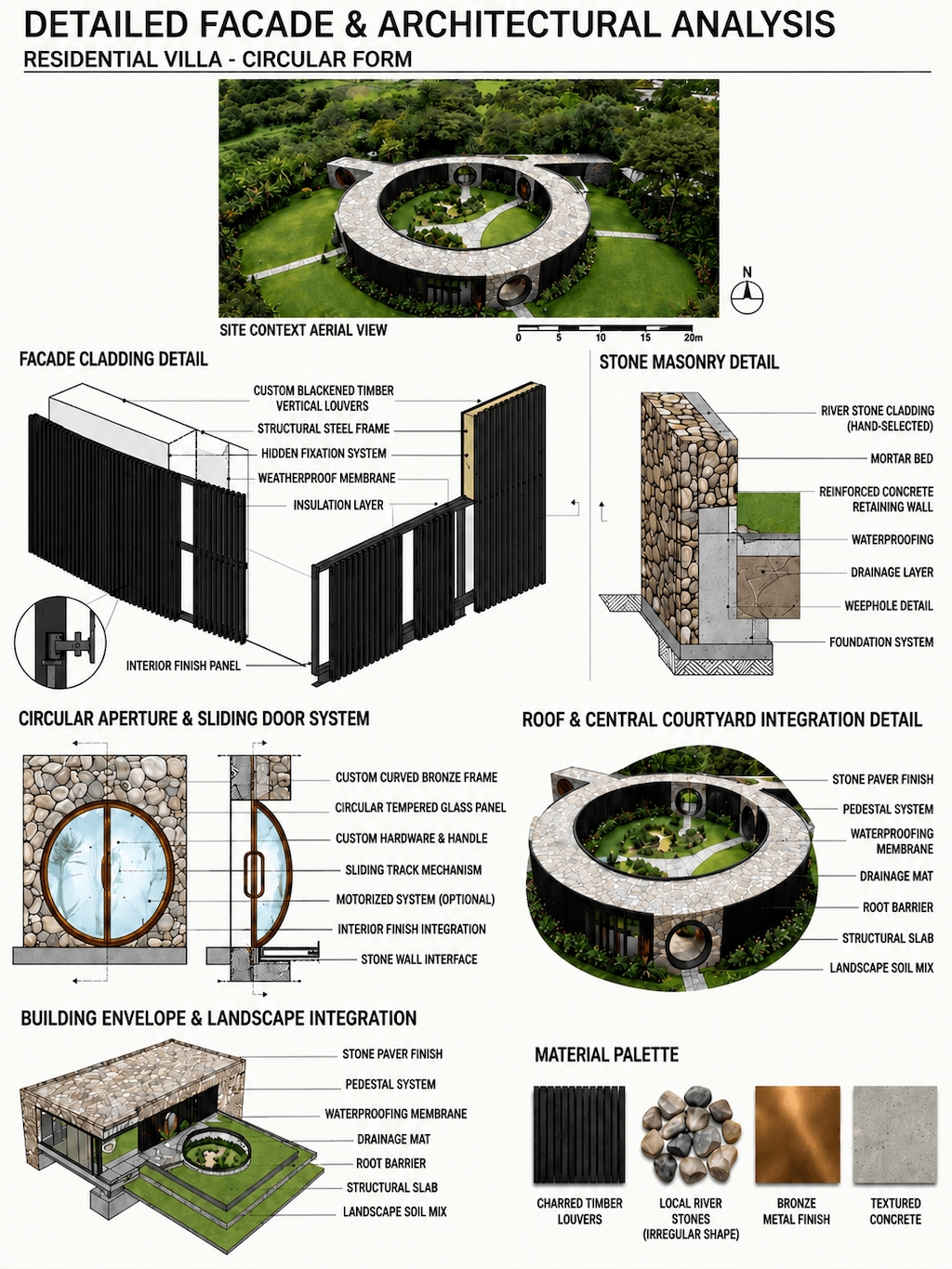
Villa Orbit by Hamidreza Edrisi & Hoori Taleshi
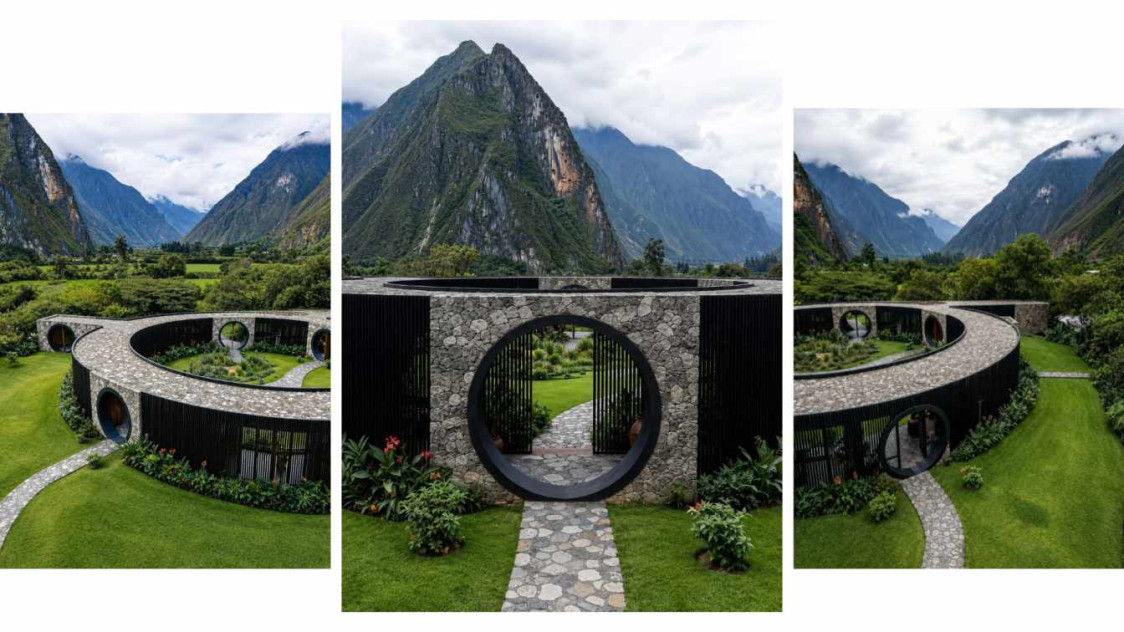
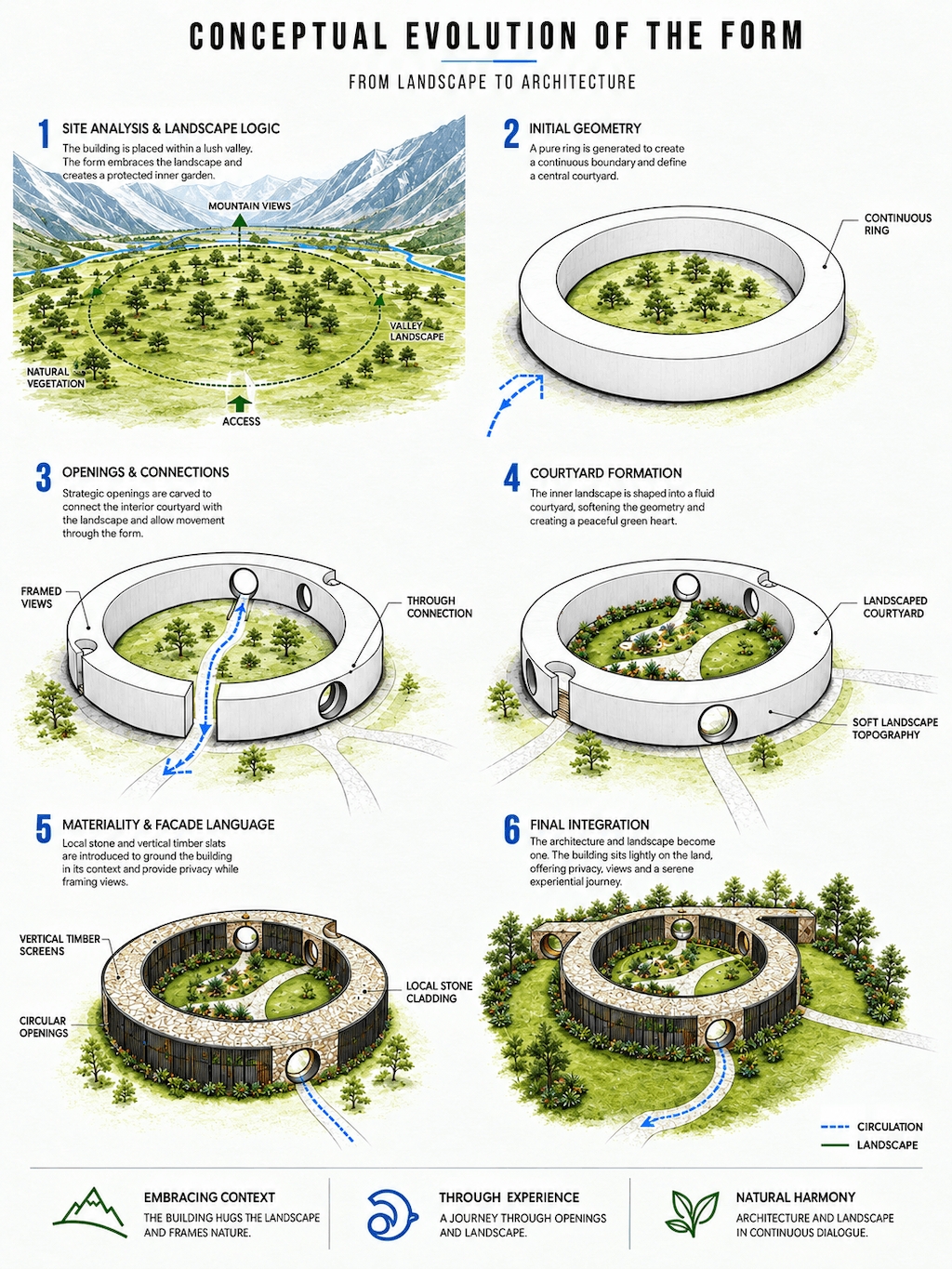
Hamidreza Edrisi & Hoori Taleshi: The defining characteristic of this design lies in its continuous circular geometry, which gracefully embraces a tranquil central courtyard. This circular configuration represents unity, sustainability, balance, and the cyclical relationship between human life and the natural environment. Unlike linear architectural organizations that primarily respond to functional requirements, the circular form introduces a fluid spatial experience, creating continuous movement and a sequence of evolving visual relationships where every step reveals a new perspective.
At the heart of the project lies the central courtyard, conceived not merely as an open space, but as the fundamental architectural element of the composition. This central void challenges the traditional perception of absence in architecture, emphasizing the ancient architectural principle that voids possess an equal spatial significance to solid forms.
Beyond its role as an open-air space, the courtyard functions as a living ecosystem within the building. It introduces natural light, fresh air, seasonal vegetation, and a sense of visual calmness into the interior spaces. Each room maintains a direct dialogue with this inner landscape, strengthening the connection between inhabitants and nature while enhancing the overall sense of serenity.
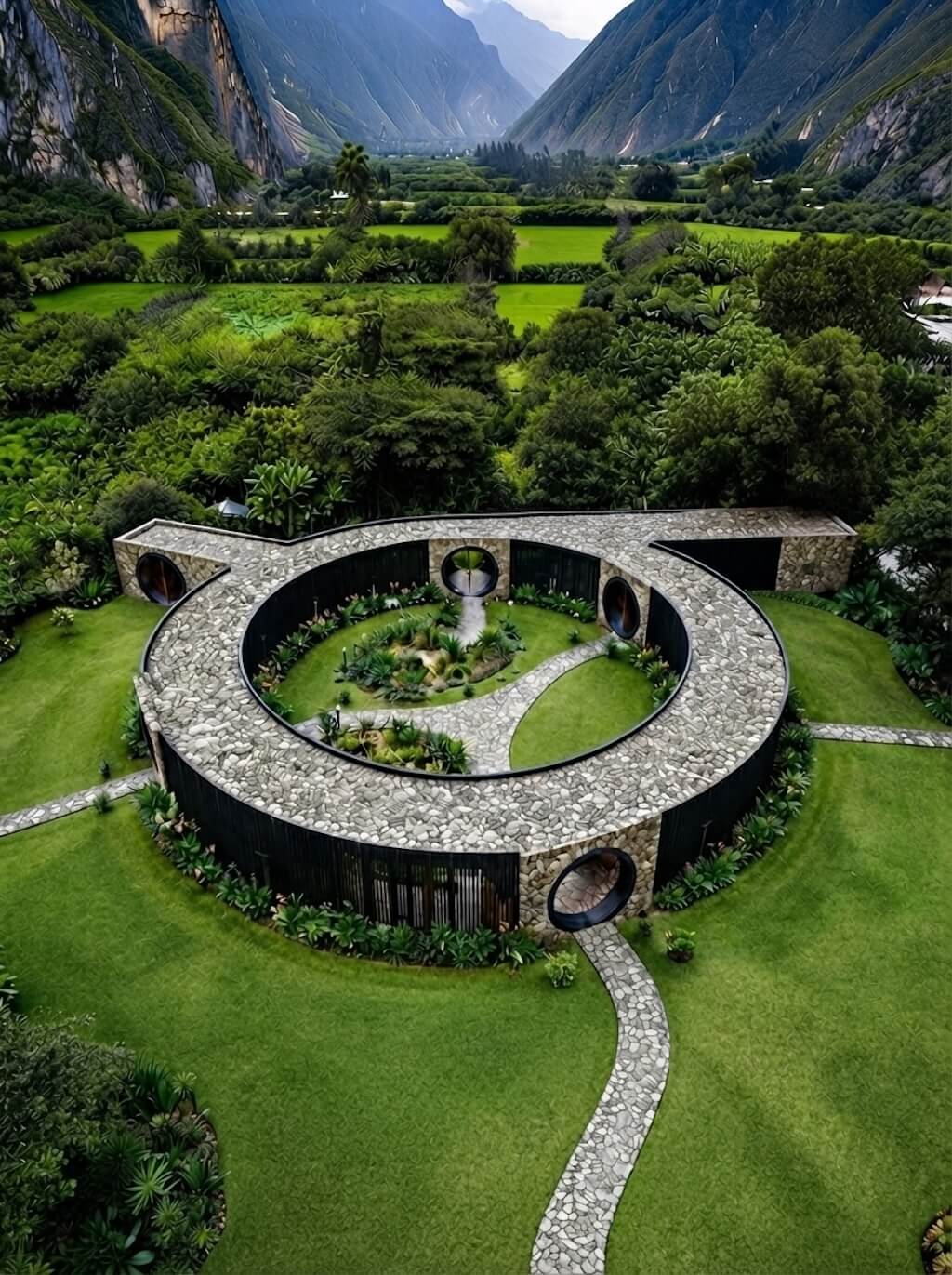
n this project, architecture is experienced not only through enclosed volumes, but through the continuous interaction between light, vegetation, shadow, material, and movement. Natural stone is selected as the primary material, allowing the structure to emerge organically from its surrounding context. Its textured surface reflects the tones and characteristics of the surrounding rocks and earth, enabling the architecture to establish a deeper connection with the landscape and gradually become part of its natural environment over time.
Large circular openings are carved into the stone envelope, creating moments of curiosity and discovery. These carefully positioned apertures frame selected views of gardens, sky, and distant landscapes, transforming them into architectural experiences. Like visual lenses, these sculptural openings invite residents to perceive nature from multiple perspectives and establish a continuous visual relationship between interior and exterior.
Ultimately, the project presents a contemporary interpretation of landscape-responsive architecture, where geometry, materiality, and nature converge to create a timeless sanctuary. Villa Orbit embodies a sustainable dialogue between human habitation and the natural world, celebrating architecture as a mediator between built form and the surrounding landscape.
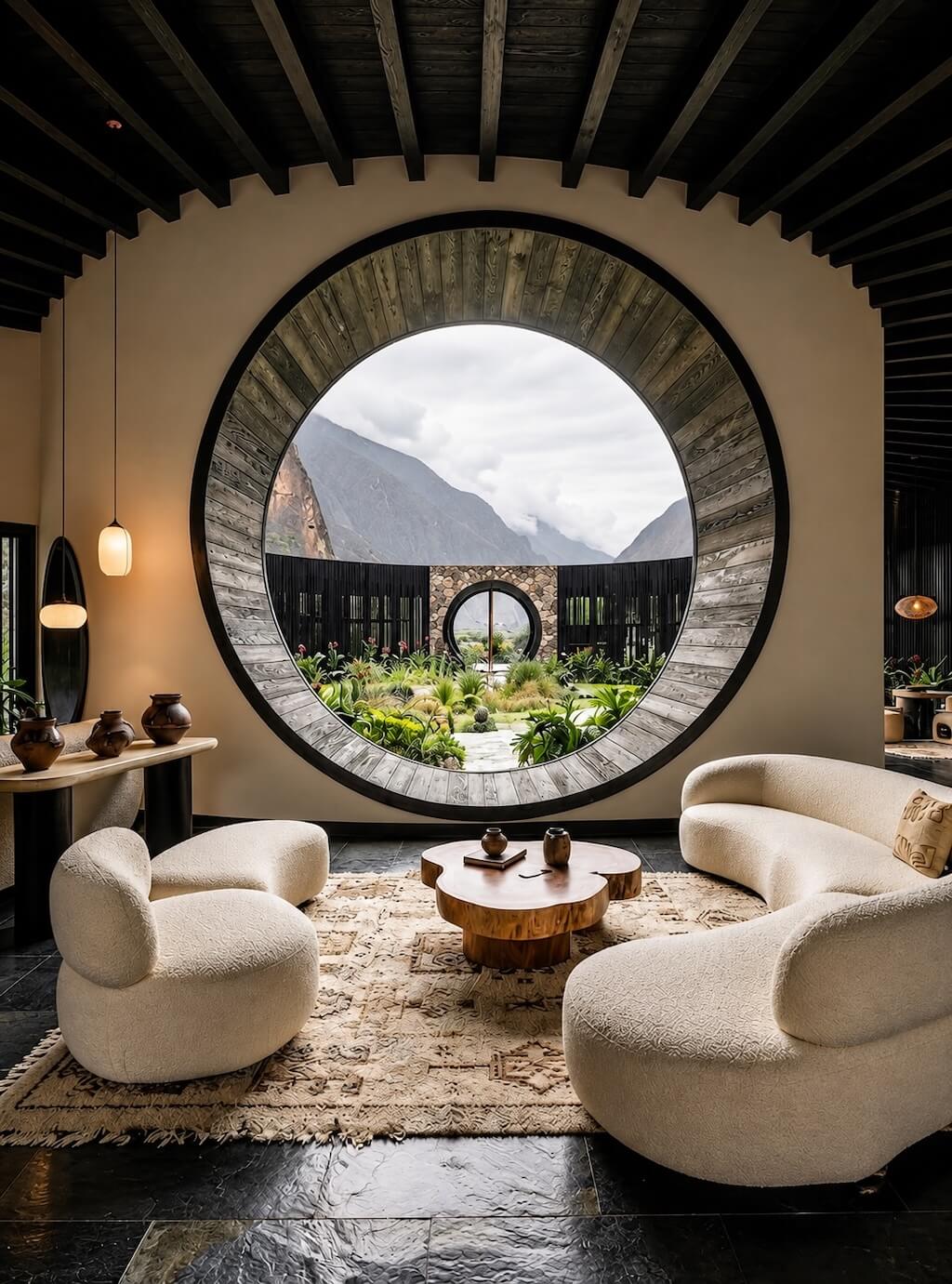
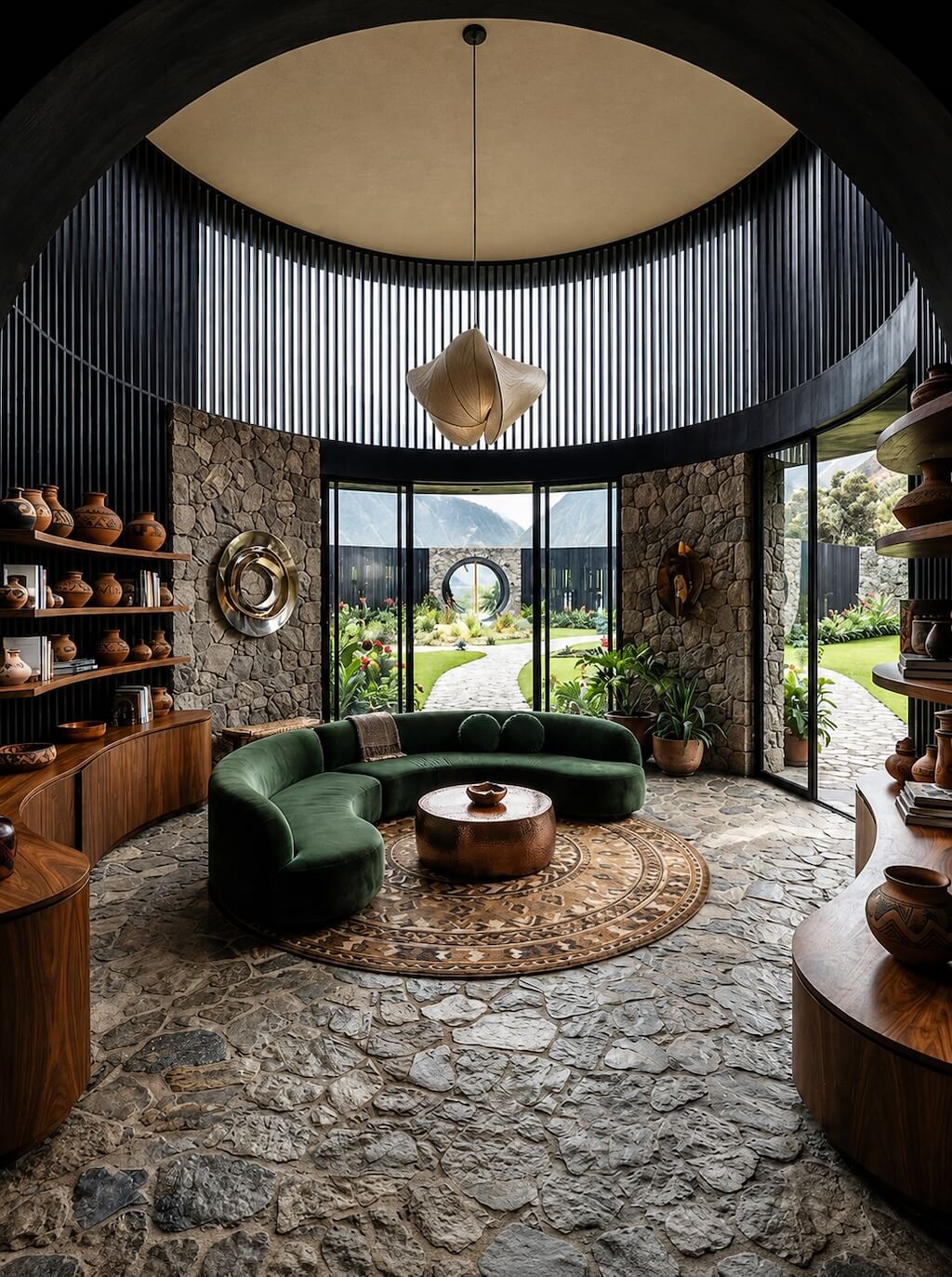
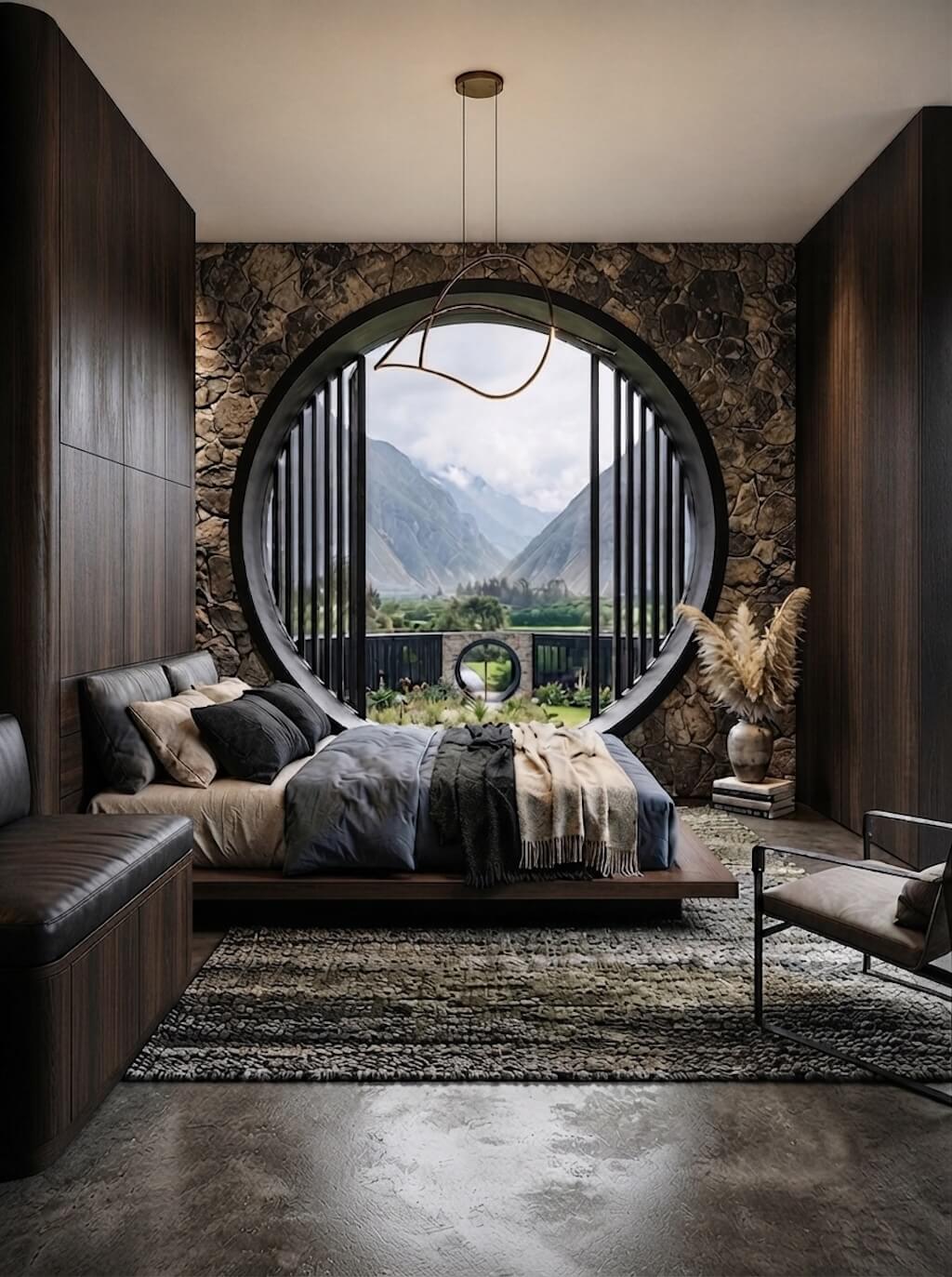
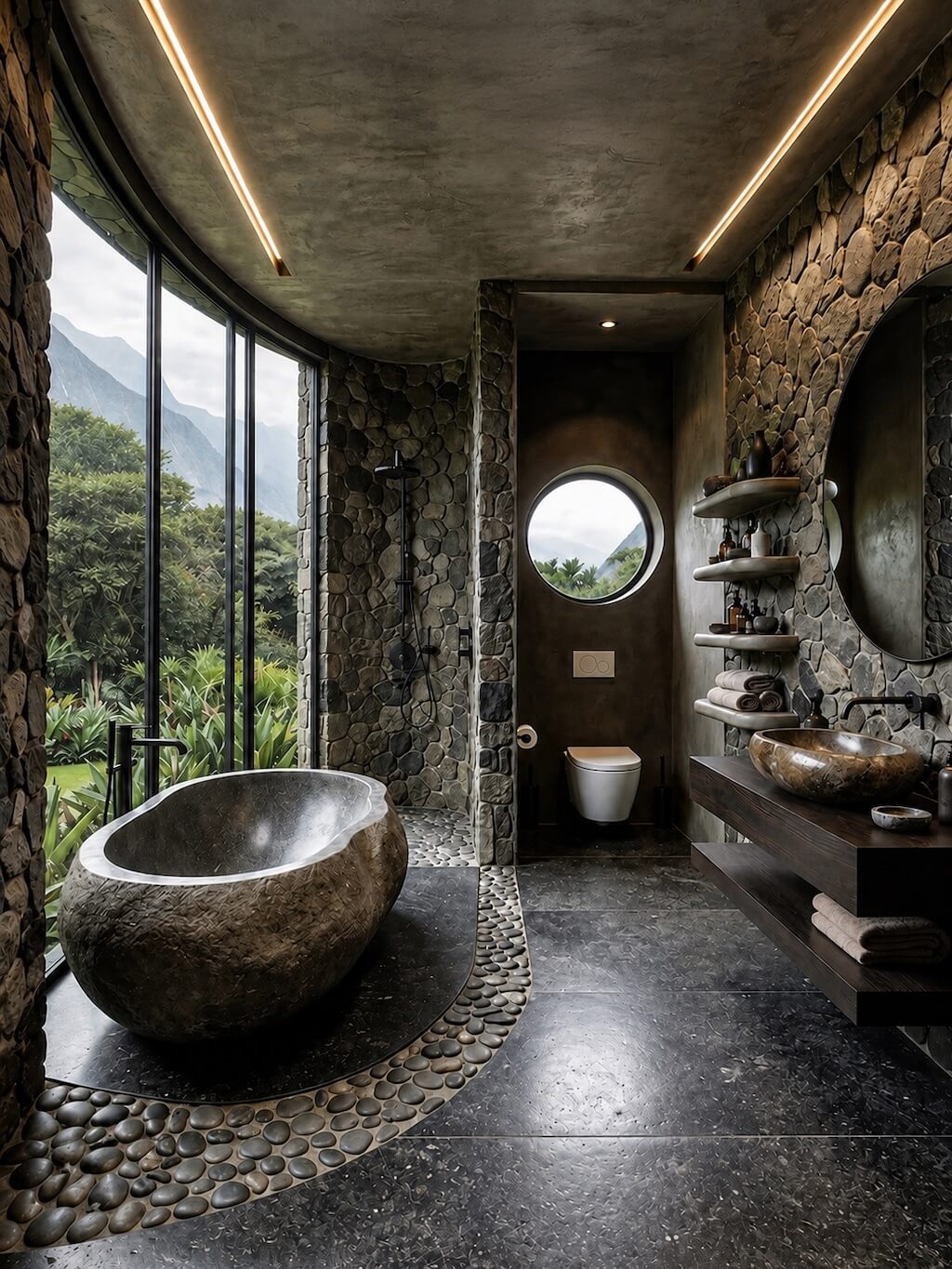
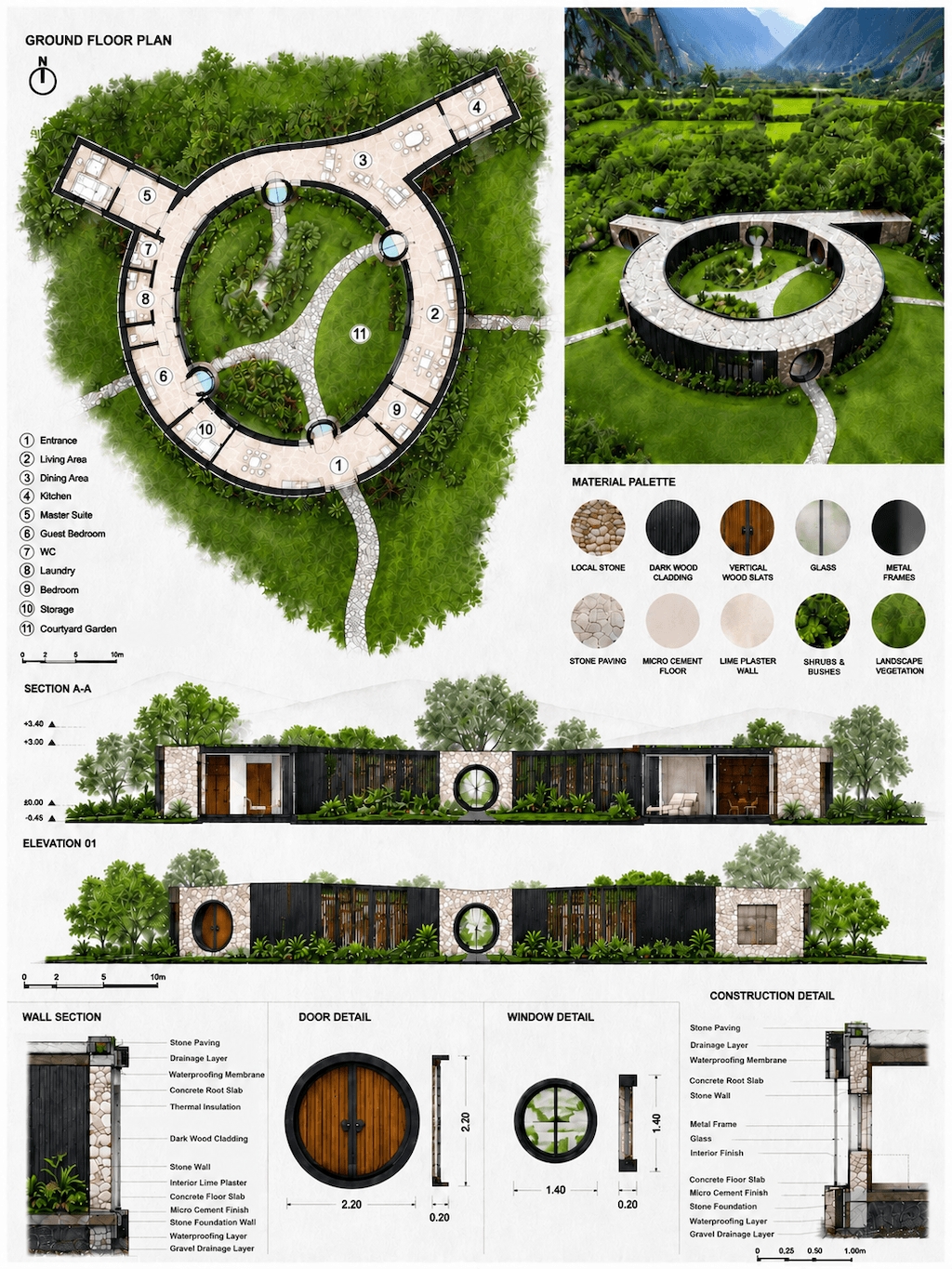
There is so much wrong with this floor plan I don’t know where to begin.
- You have to go back outside after you enter to get to the bedroom wing—unless you want to walk all the way around the circle. At the very least the Storage Room (#10) should be reduced in size and a hallway put in on the inner wall to allow direct access from the entry to the guest room. You’d still have to walk through the guest room to get to the rest of the bedrooms, but it would still be an improvement.
- On a smiliar note, you have to walk through a bedroom (#9) to get to the Living Area (#2).
- The Kitchen (#4) is tucked away in for all intents is a back corner.
- There is only one bathroom (#5) for the entire house?
I could go on and on, but I think you get the idea. When I originally saw the photographs of the exterior and interior I sought out a floor plan and I’m kind of sorry I did, because I like what the architects were striving for.
I’ve designed circular houses before and there are plenty of ways to get around all these design flaws. First and foremost, reduce the size of that central courtyard to allow for a continuous hallway either along the inner or outer circumference (or some combination of both). This house is so huge having it crossover via a “spoke” hallway between the two seems logical if you want to preserve views into the courtyard for certain rooms but others don’t require it.
I’d also reduce the overall diameter of the entire house. Based on the amount of wasted space alone, I think would work much better if it were smaller.
Add another full bath; ideally integrate it into the Master Suite (#5) and provide a guest bath somewhere on the same side of the house as the public areas.
Bring the kitchen in to where the large dining table is currently shown and provide a direct entrance to the outside.
And while we’re on the subject of entrances and exits, where are the “second means of egress” in so many of these rooms? If the house goes up in flames, you’re going to burn before you ever get out of it.
All in all, an interesting concept but very poorly executed.
[source]
3 comments
Apologies To High Fidelity And John Cusack


Apologies to AHS: 13
Inserting myself into some iconic moments…





I’ve been busy today (and having more fun than I have in months)!
0 comments
Apologies to AHS: Coven And The Late, Great, Leslie Jordan


How I Always Saw Them

◀
▶
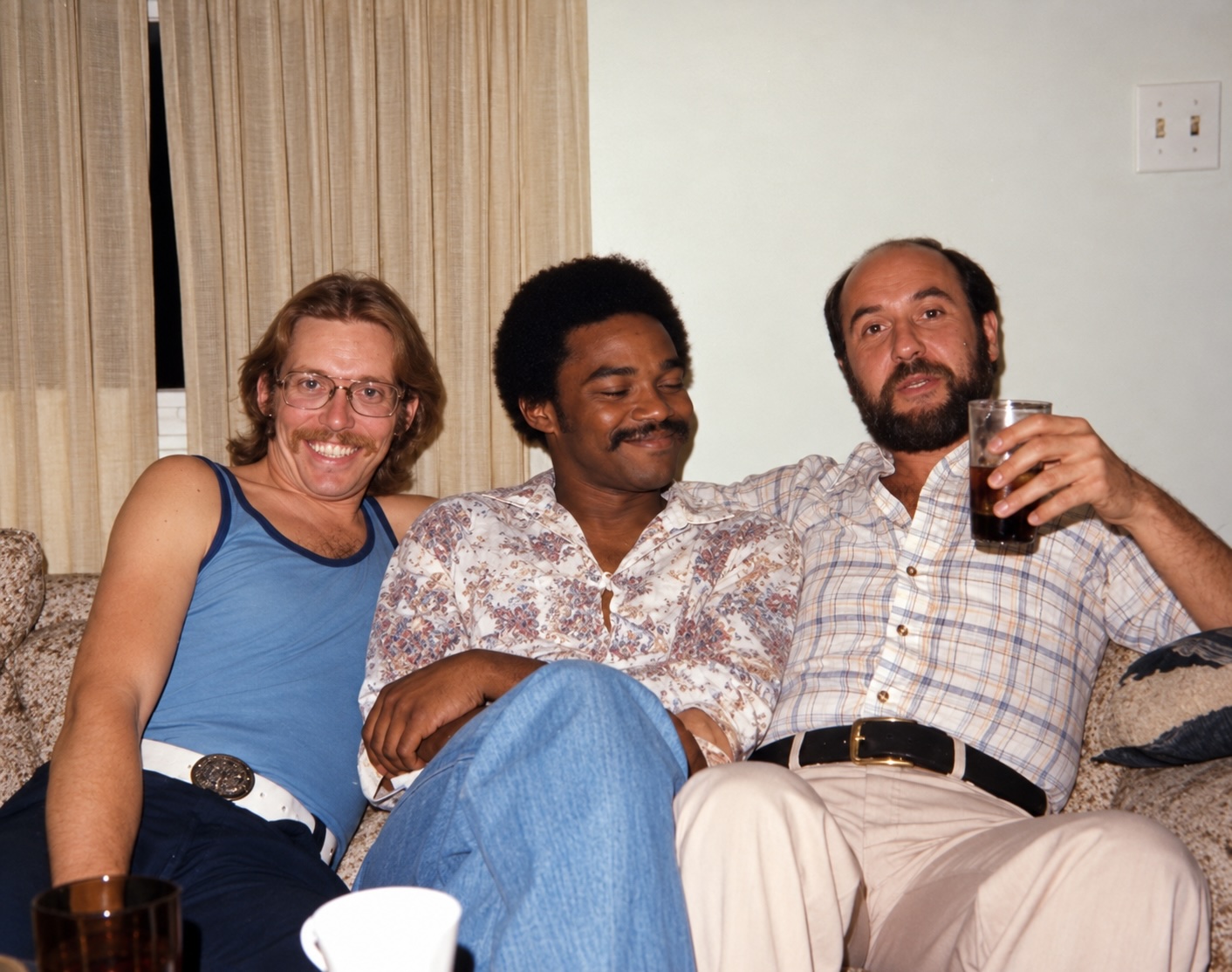
(L-R) Kent Kelly, Chas Dooley, Don Hines, summer 1977. None of them are still with us, so I don’t think they’ll mind.
2 comments
Me Likey
◀
▶
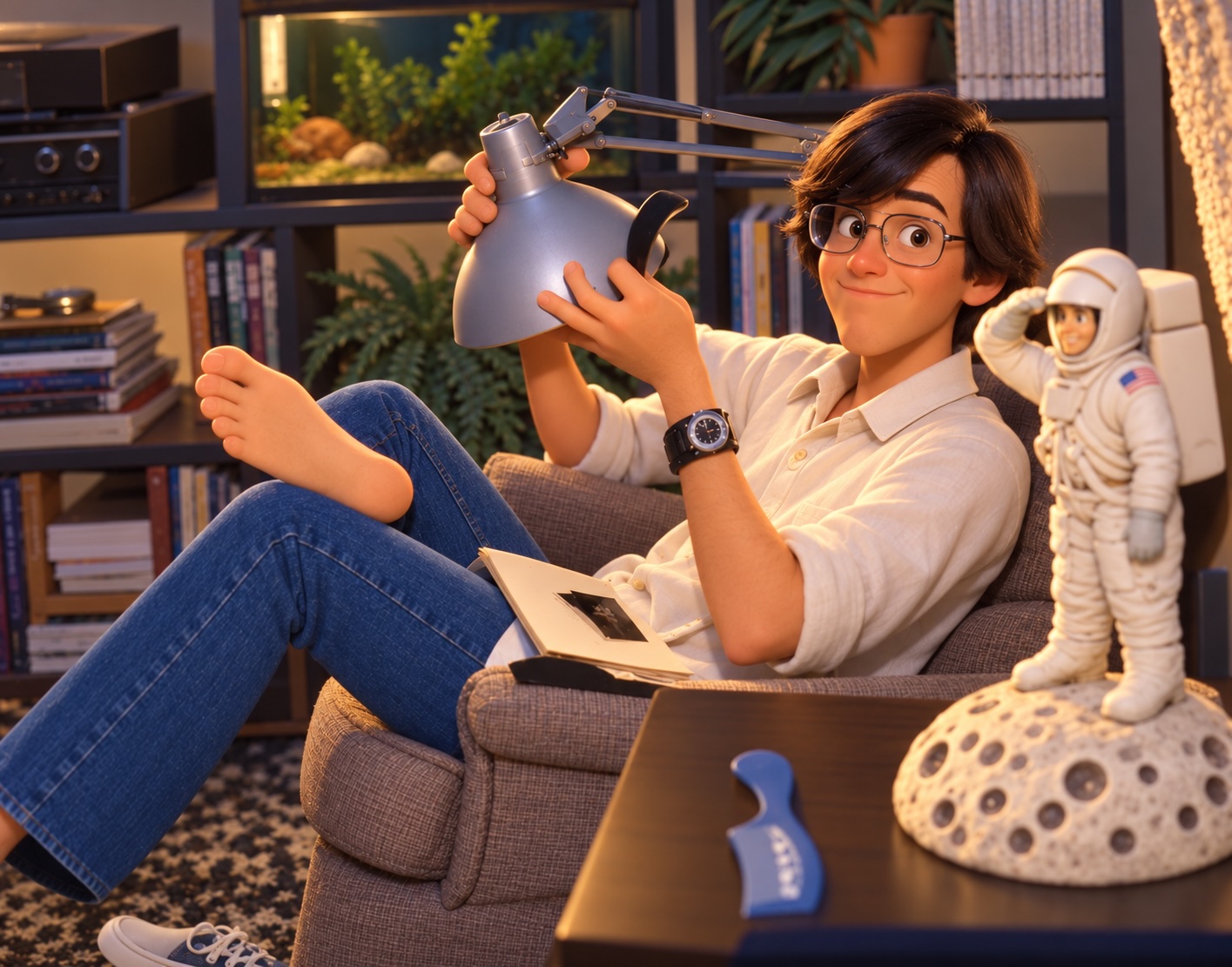
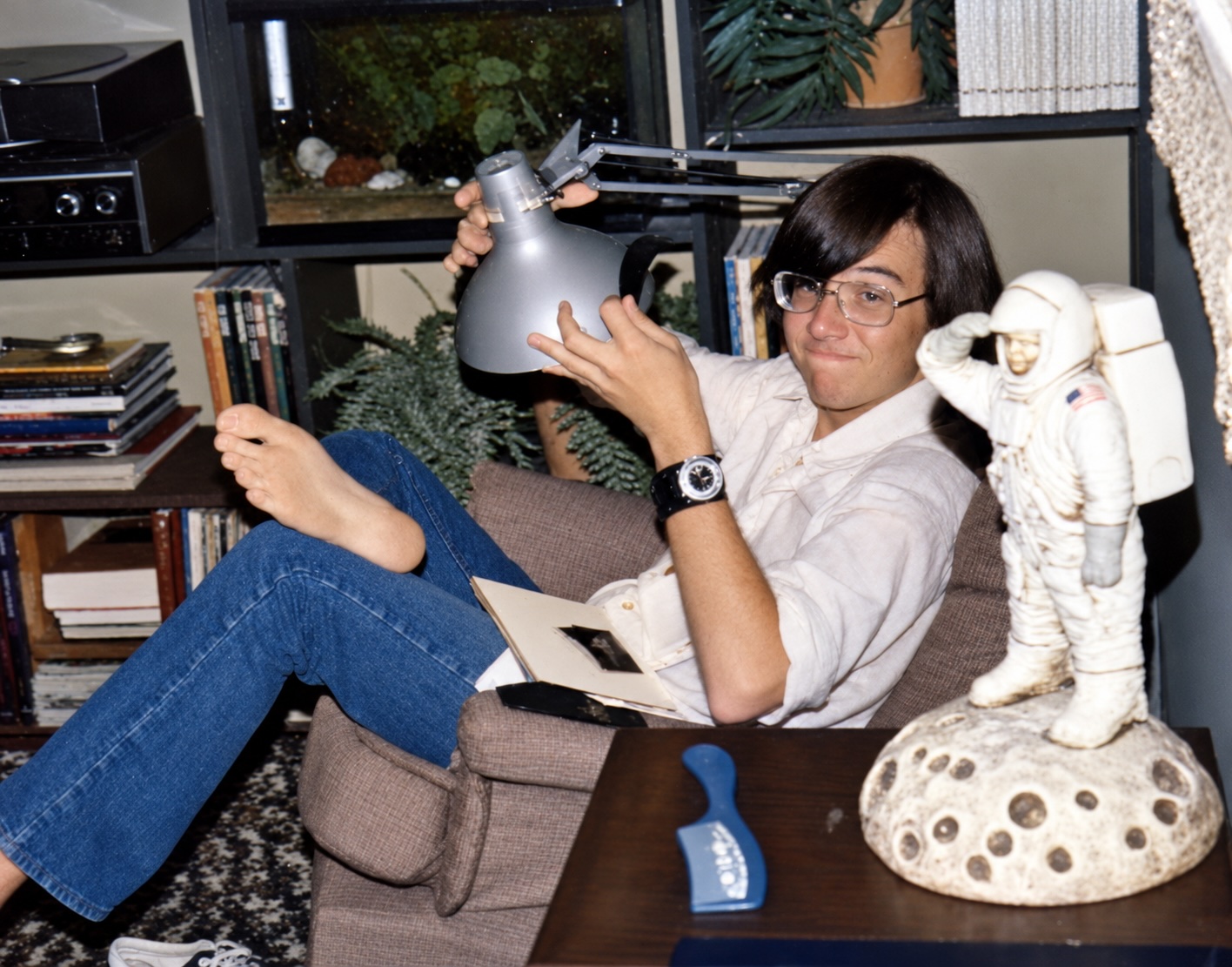
I think of all the image manipulations, I like the Disneyfied and Muppeted stuff the most.
This is a photo of me from 1975. I think my sister caught me unawares, or nearly so.
ADDENDUM: I don’t know why the slider isn’t working. It’s the exact same code that was used in the post immediately above this.
5 comments
Mopey Eyes

Good Morning!

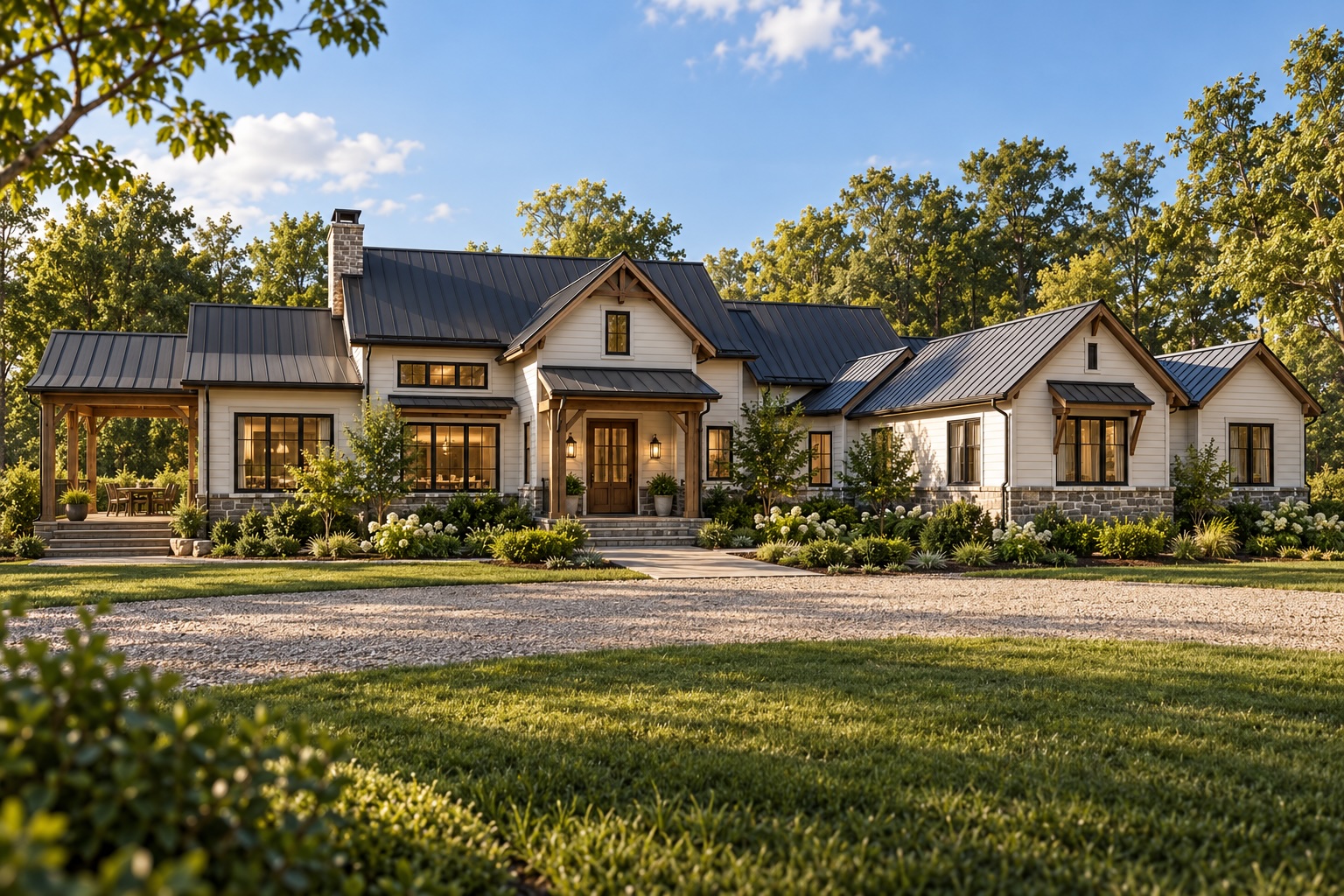
No Plan, But I Like The Exterior
I’m Having WAY Too Much Fun With This



Well… Do You?!

Can I Get A Show Of Hands?
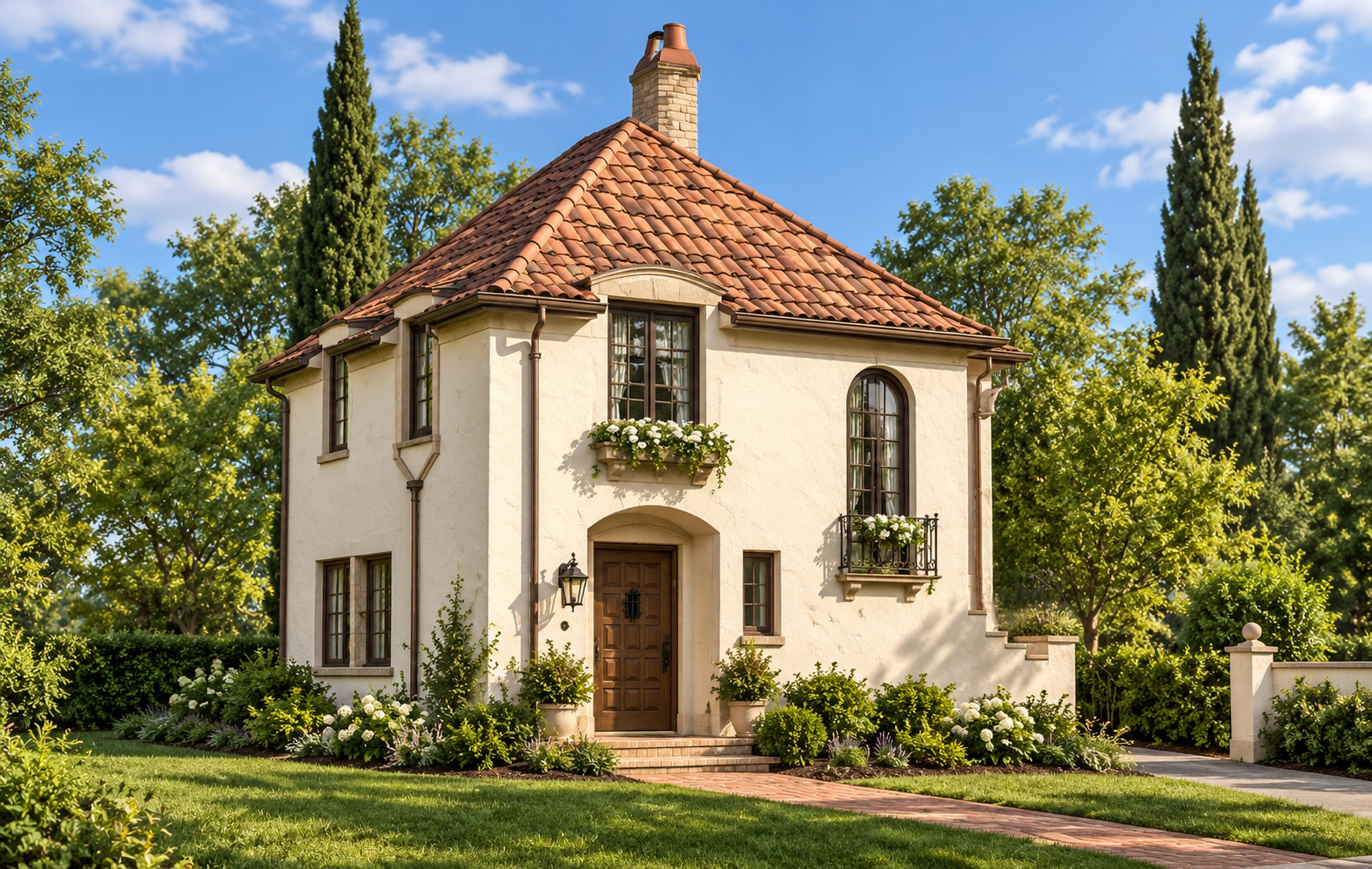
Also Charming
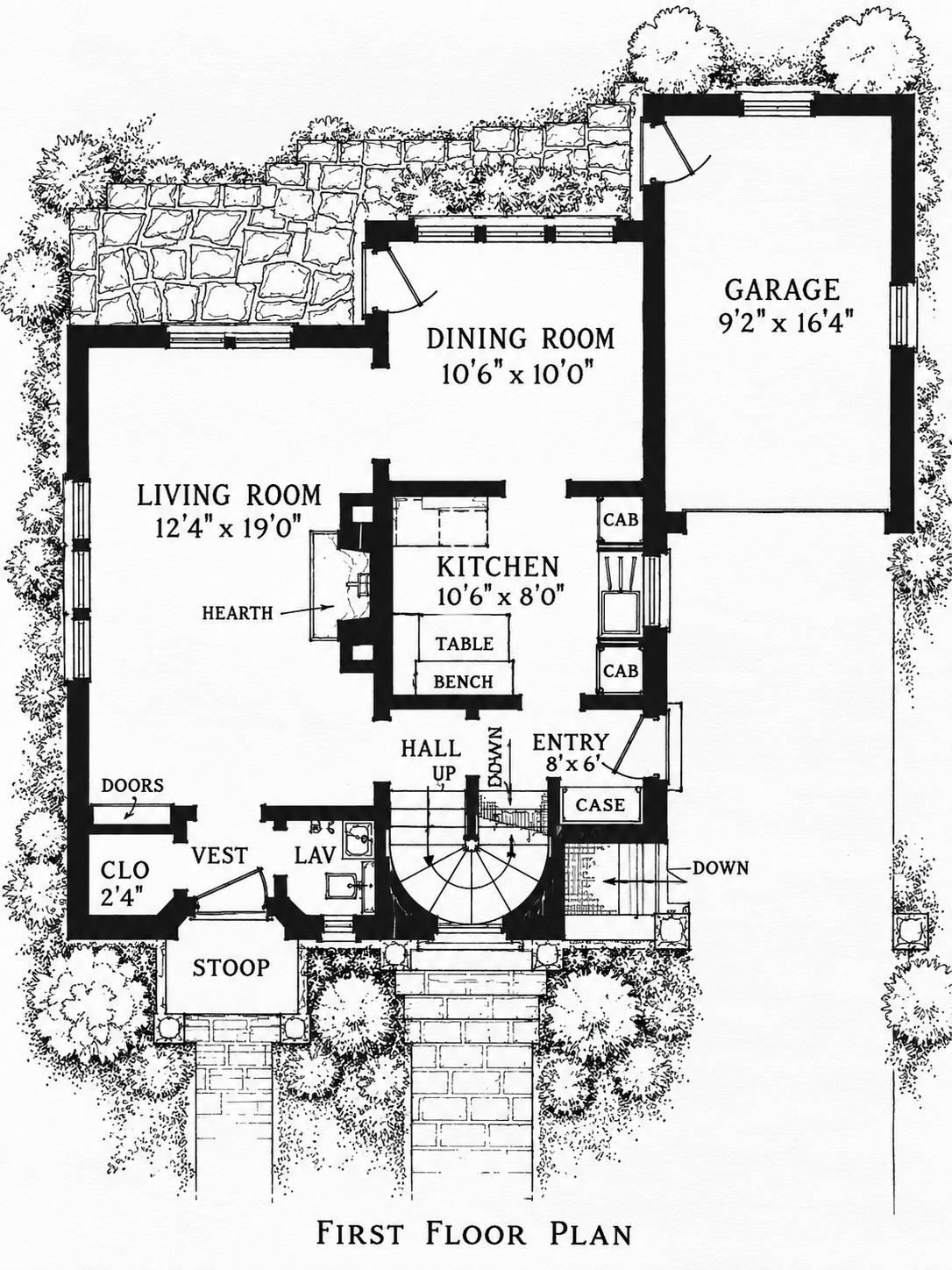
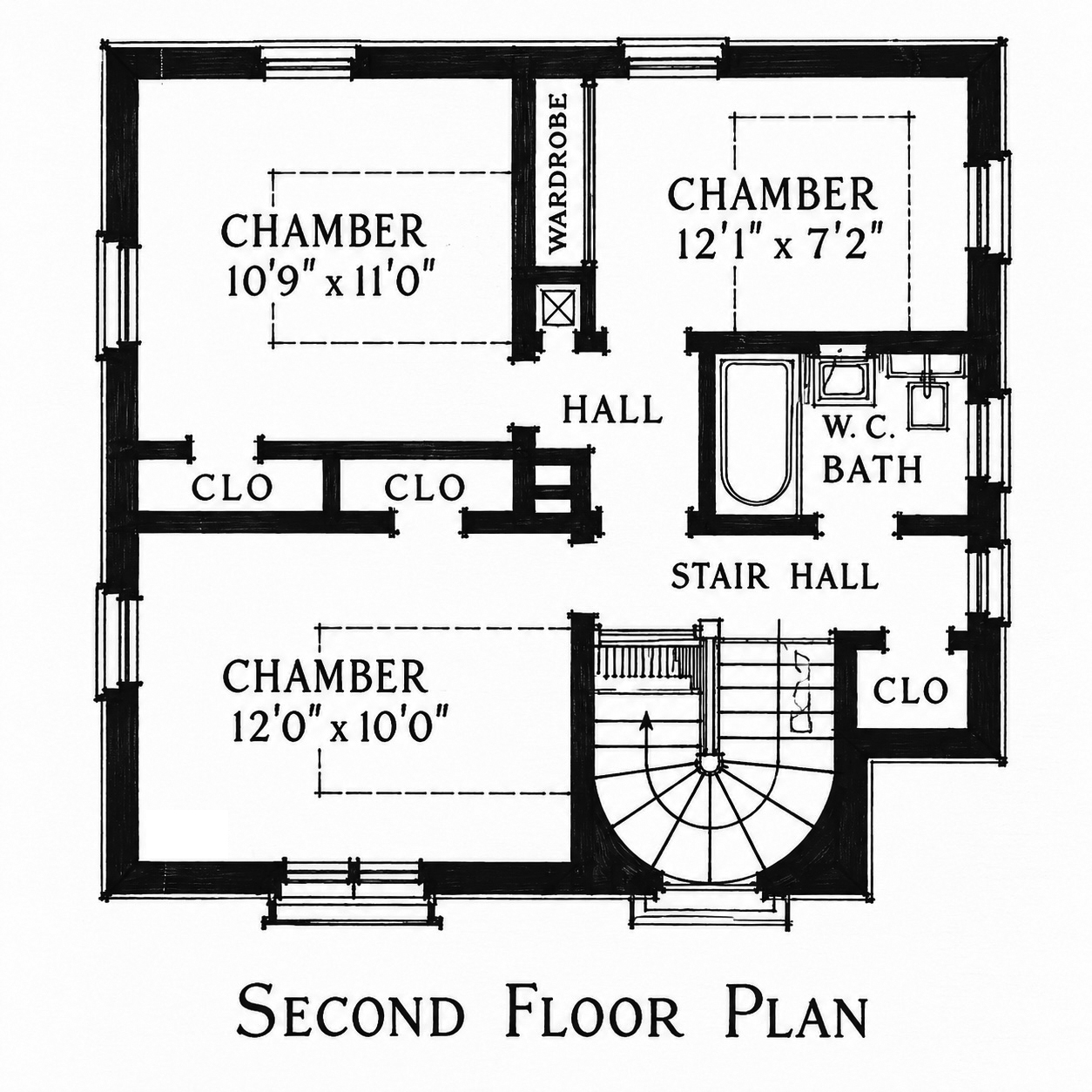
I’d get rid of the table/bendh in the kitchen and add more cabinets and put the range against the long wall and a refrigerator on either of the shorter walls. The CHAMBER in the upper right corner of the second floor plan is awfully small for a proper bedroom, so that would undoubtedly be used as a home office or den.
2 comments
Charming
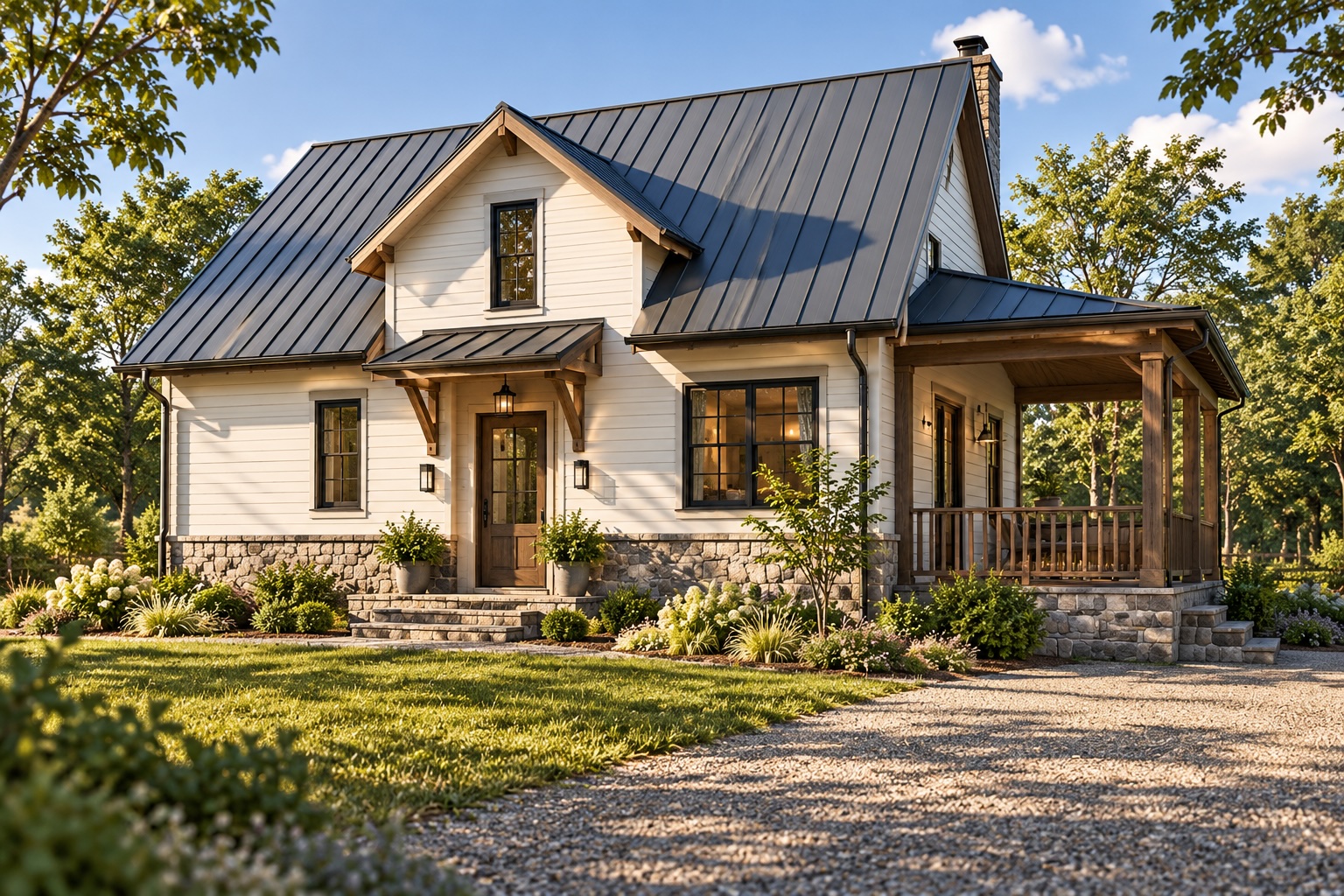
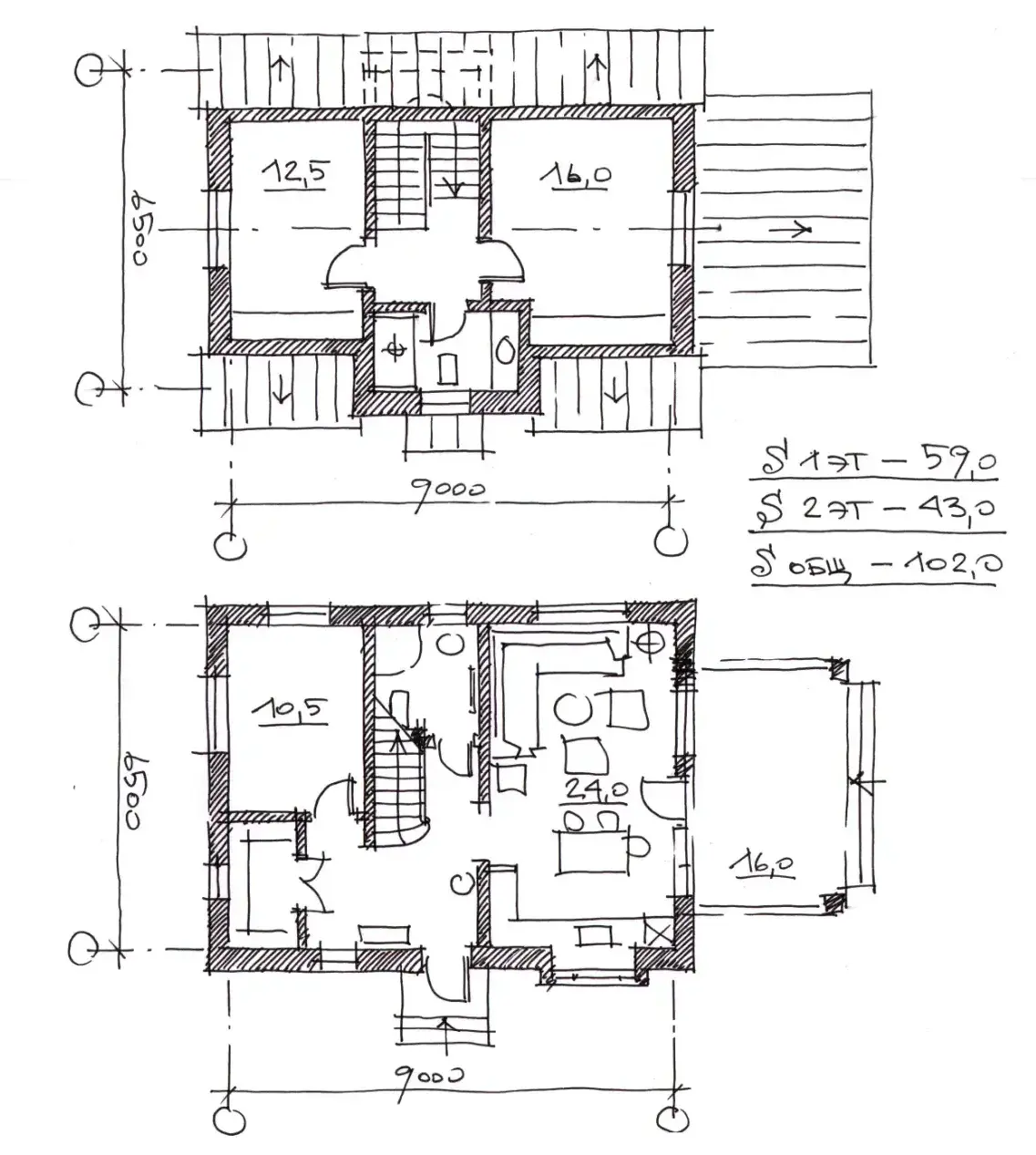
It’s Another Monday



Judging From The Thick Walls, No Doubt in Russia…
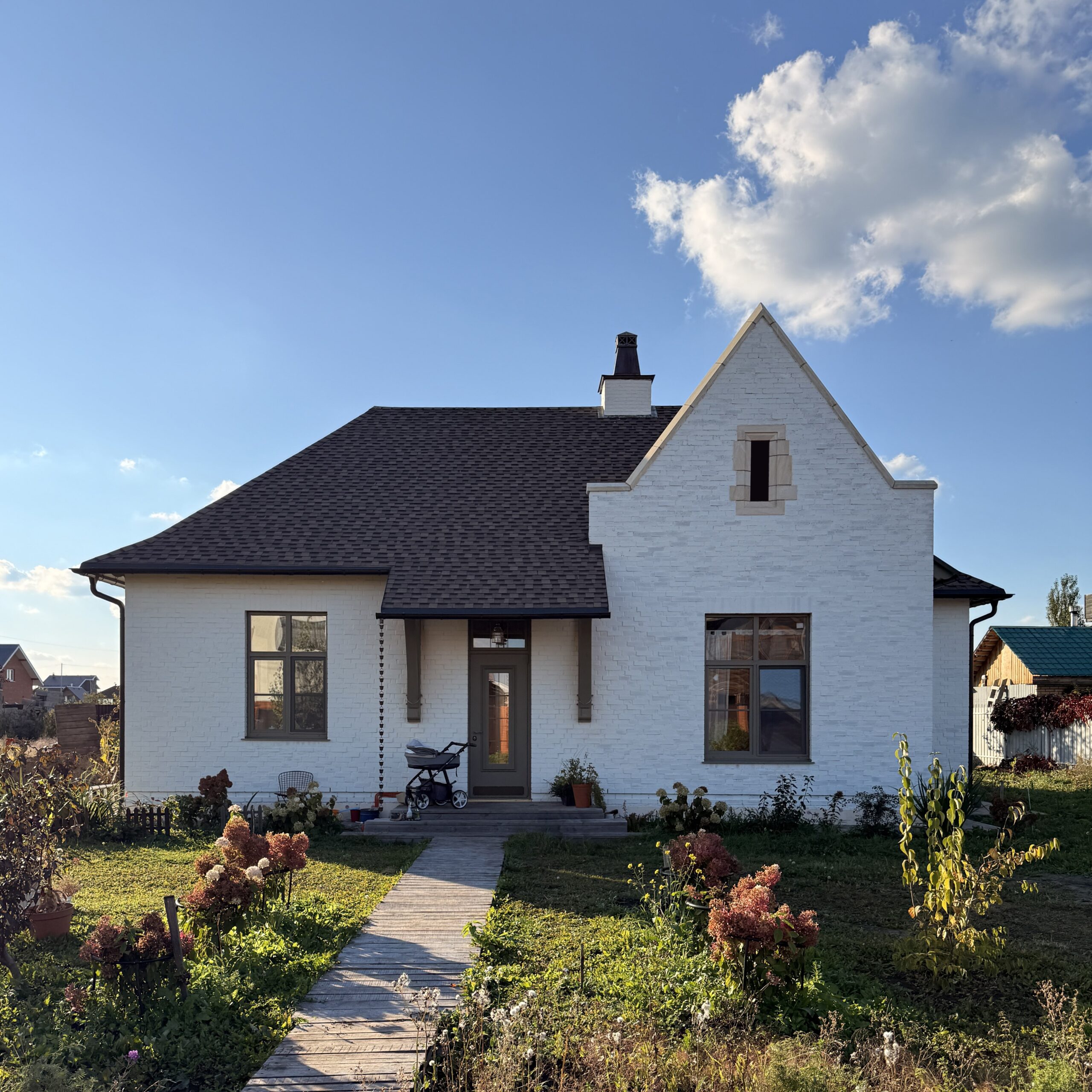
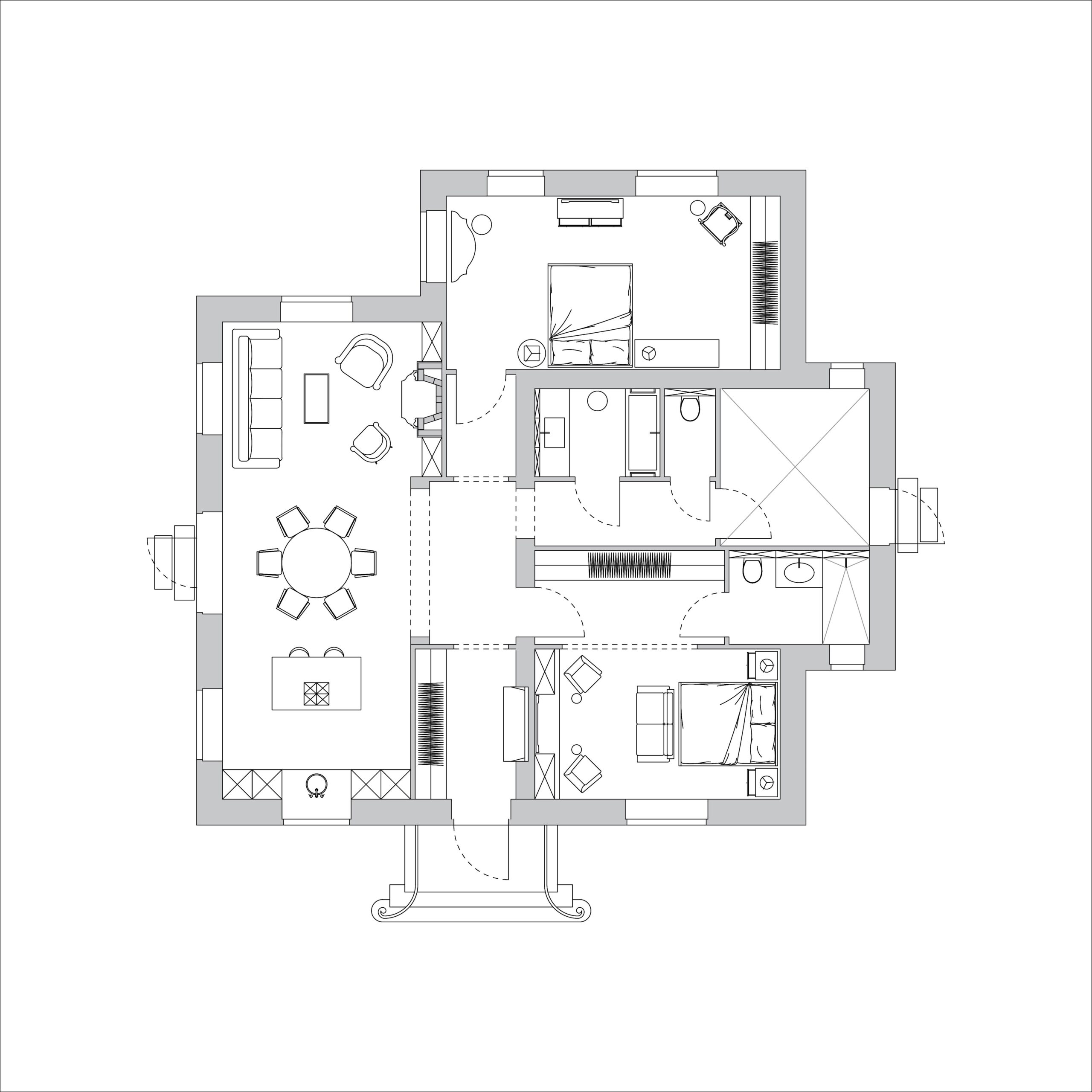
But I could be—and probably am—wrong. The only question is what is that large room on the right side that opens directly to the outside? Seems a bit large for a laundry or even a laundry/mechanical room. Sauna perhaps? I have no idea.
2 comments